Saint Seiya
A mythological shonen action manga following five young Bronze Saints — warriors clad in constellation-themed Cloths — who fight to protect the reincarnation of the goddess Athena.
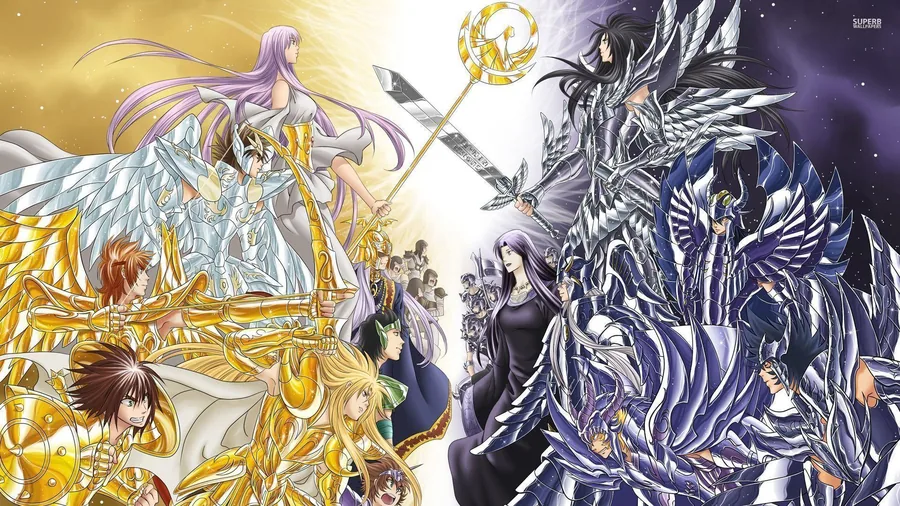
All Saint Seiya Story Arcs in Order
Overview
Saint Seiya is the manga that, more than any other 1980s shonen work, fused contemporary action storytelling with classical mythology and demonstrated that Greek gods, the Twelve Houses of the Zodiac, and the cosmology of the Underworld could carry a serialized weekly comic without losing either spectacle or seriousness. Created by Masami Kurumada and serialized in Weekly Shonen Jump from 1986 to 1990, the original 28-volume series follows five young warriors known as Bronze Saints — Pegasus Seiya, Dragon Shiryu, Cygnus Hyoga, Andromeda Shun and Phoenix Ikki — who wear sacred armors called Cloths modeled on constellations and fight in service of the modern reincarnation of the goddess Athena.
The series is organized around four major arcs whose architecture each reframes the cosmology of the previous one: the Galactic Tournament establishes the Cloth-and-Cosmo system; the Sanctuary arc strips away the legitimacy of the institution that trained the cast; the Poseidon arc opens the cosmology outward to the gods; and the Hades arc descends into the Underworld and stages a confrontation that requires mortal Saints to be granted the divine Cosmo of God Cloths. Across this structure, Kurumada developed a vocabulary — Cosmo, the Seventh Sense, the Eighth Sense, Cloths repaired in volcanic blood, sacred Houses guarded by Gold Saints — that would shape Japanese pop mythology for the following four decades.
What Is Saint Seiya About?
The premise is rendered with an almost classical economy. The wealthy industrialist Mitsumasa Kido sends one hundred orphan boys to be trained around the world as Saints, the warriors of the goddess Athena, with each survivor returning to claim a Cloth that channels his Cosmo — the inner energy that bridges human will and divine power. Only ten survive their training. The five who form the cast — Seiya, Shiryu, Hyoga, Shun and Ikki — discover that their training has not been a charitable foundation’s whim but a generational preparation for war. Athena has been reborn into the present as Saori Kido, Mitsumasa’s adopted granddaughter, and the gods who once shared the Earth have begun to wake.
What follows is a sustained argument about whether mortal warriors can stand against gods. The five Bronze Saints rank lowest in Sanctuary’s hierarchy. Above them are the Silver Saints, who fight at the speed of light, and above those the twelve Gold Saints, who command the Seventh Sense — the awareness that survives the body. The corruption of Sanctuary itself, the awakening of Poseidon and Hades, and the climactic descent into Elysion all extend the same question: at what point does sustained refusal to accept defeat itself become divine? Kurumada answers by repeatedly putting the Bronze Saints’ bodies on the line in a way that costs them — eyes, limbs, blood — and making the cost visible.
Reading Order
The original manga can be read in straightforward chronological order across its 28 tankōbon volumes, divided into seven major arcs in the canonical sequence: Galactic Tournament, Black & Silver Saints, Twelve Houses (Sanctuary), Poseidon, and the three sub-chapters of the Hades arc (Sanctuary Chapter, Inferno Chapter, and Elysion Chapter). The Asgard arc, often associated with Saint Seiya by anime audiences, is anime-original and does not appear in the manga; readers approaching the manga for the first time can safely skip looking for it between Sanctuary and Poseidon.
Once the original cycle is complete, several spin-offs and continuations are worth knowing about. Masami Kurumada’s own continuation, Saint Seiya: Next Dimension, picks up directly after the Hades arc and is the only sequel the original author considers fully canonical. The Lost Canvas is a prequel set during the previous Holy War 243 years before the main series and is widely regarded as the most polished spin-off. Episode G tracks the Gold Saints’ youth, Saintia Sho runs in parallel to the original arcs from the perspective of Athena’s female guard, and Saint Seiya Omega and the Netflix CG production Knights of the Zodiac continue the franchise into later generations and adaptations.
What Makes Saint Seiya Important
Saint Seiya is one of the foundational works of the 1980s shonen explosion alongside titles such as Dragon Ball, Fist of the North Star, and JoJo’s Bizarre Adventure. Its specific contribution to the genre was the merger of mythological iconography with the rapidly escalating power scales of weekly serialization. The Cloth-and-Cosmo system gave fans collectible, named armors that could be displayed, ranked, and reproduced in toy form — the bandai metal-construction Cloth Myth line that emerged decades later remains a major commercial property in part because the original manga rendered each armor as a discrete artifact with clearly delineated parts.
The series’ second contribution is structural. The Twelve Houses arc — twelve enemies, each guarded by a unique opponent, in a fixed sequence with a hard time limit — has been borrowed, varied and homaged by virtually every shonen tournament arc that followed it. Its influence on the architecture of Hunter x Hunter’s Heavens Arena, Naruto’s Chunin Exams, and Jujutsu Kaisen’s Goodwill Event is direct. The Hades arc’s descent into the Underworld and confrontation with the gods — the explicit move from human-scale conflict to divine-scale conflict — is one of the templates that later shonen including Bleach and Soul Eater would return to.
Outside Japan, the series is one of the few shonen properties whose international reception has remained continuously strong since the late 1980s. The 1986 Toei anime, broadcast across Latin America and Western Europe under titles such as Los Caballeros del Zodiaco and Les Chevaliers du Zodiaque, created an entire generation of fans whose loyalty has continued to drive merchandise, anime continuations, and spin-off manga publication. In Spain, France, Italy and across Latin America, Saint Seiya is not a niche reference but a mainstream cultural touchstone of comparable status to Dragon Ball.
Why This Manga Stands Out
Beyond its historical importance, the original manga rewards close reading on its own terms. Kurumada’s art is loose, kinetic and idiosyncratic — closer in tone to the heroic-pose tradition of 1970s super-robot manga than to the polished line of his contemporary peers — and his page composition treats every blow as monumental. The Cloths themselves are drawn with the care of mythological objects rather than character costumes; their assembly, their breakage, their repair in the volcanic blood of the Old Master at Death Queen Island and later in Athena’s own blood, are recurring images that the manga returns to deliberately.
The manga’s emotional weight comes from the consistency with which it makes its protagonists pay. Seiya loses the use of his legs and his sight before the Hades arc ends. Shiryu repeatedly destroys his own eyes to win fights. Hyoga’s arc resolves only when he can finally bury his mother. Shun is possessed by a god. Ikki dies repeatedly. The Gold Saints sacrifice themselves collectively at the Wailing Wall. Athena pierces her own throat. Across 28 volumes, Saint Seiya does not let its cast win cheaply, and its final image — the Bronze Saints scattered and gravely wounded on a cliff above the sea, with Hades sealed and Athena returned but no clean future ahead of them — is a deliberate refusal of the closed shonen ending.
Publication and Adaptations
Saint Seiya was serialized in Weekly Shonen Jump from January 1986 to November 1990 and collected in 28 tankōbon volumes by Shueisha, with subsequent re-releases in 22-volume kanzenban and bunkoban formats. The Toei anime adaptation began airing in October 1986, ran for 114 episodes through April 1989, and produced five theatrical films during its run. After the original anime ended at the start of the Hades arc, the manga’s final arc was eventually adapted in three OVA cycles between 2002 and 2008, completing the Sanctuary, Inferno and Elysion sub-chapters in fully animated form.
The franchise has continued to expand across spin-off manga (Next Dimension, The Lost Canvas, Episode G, Saintia Sho), additional anime (Saint Seiya Omega, the CG-animated Knights of the Zodiac on Netflix, the Saint Seiya: Soul of Gold ONA), live-action film, and a deep video game catalog ranging from PlayStation tactical RPGs to recent fighting games. The Cloth Myth toy line, launched by Bandai in 2003, remains in continuous production. The manga itself is published in English by Shueisha through the Manga Plus platform and in Spanish by Editorial Ivrea, with new omnibus editions appearing regularly across Latin American and Spanish markets.
Related Series
Readers drawn to Saint Seiya’s mythological scale and its argument that mortal will can confront gods will find an immediate companion in Berserk, whose treatment of cosmic indifference and human persistence belongs to the same imaginative tradition. Fullmetal Alchemist shares the structural device of brothers bound by sacrificial choice and a religious cosmology that the protagonists must learn to oppose. For readers more interested in the tournament-and-stairwell architecture of the Twelve Houses arc, Yu Yu Hakusho’s Dark Tournament and Hunter x Hunter’s Heavens Arena are the most direct descendants. Among 1980s contemporaries, JoJo’s Bizarre Adventure shares Kurumada’s commitment to monumental action poses and the recoding of classical iconography for shonen audiences.
Frequently Asked Questions
Is Saint Seiya finished?
The original Masami Kurumada manga is complete, ending in 1990 after 28 tankōbon volumes with the conclusion of the Hades arc. Kurumada’s own sequel Saint Seiya: Next Dimension has been running irregularly since 2006 and is the only continuation he considers canonical; numerous other spin-offs and adaptations exist but are produced by different authors.
How many volumes does Saint Seiya have?
The original manga has 28 tankōbon volumes (109 chapters). It has also been re-released in 22 kanzenban deluxe volumes and 15 bunkoban paperback volumes. Counting all canonical and spin-off material — Next Dimension, Episode G, The Lost Canvas, Saintia Sho and others — the franchise spans well over 100 volumes in total.
Is there an anime adaptation?
Yes. The original Toei Animation series ran for 114 episodes from 1986 to 1989, covering the Galactic Tournament, Sanctuary, anime-original Asgard and Poseidon arcs. The Hades arc was adapted in three OVA cycles between 2002 and 2008. Later franchise productions include Saint Seiya Omega, Saint Seiya: Soul of Gold, the films Legend of Sanctuary and Heaven Chapter — Overture, and the Netflix CG series Knights of the Zodiac.
What age rating is Saint Seiya?
Saint Seiya is generally rated 13+ (Teen). The series features intense combat, mythological violence, and significant character injuries — including blindings, severed limbs and the deaths of major characters — but avoids graphic gore and sexual content. It sits comfortably in the same age band as Naruto or Bleach.
Where can I buy Saint Seiya manga?
The original manga is published in English digitally through the Shueisha Manga Plus platform and in print through various international editions. Spanish-language editions are published by Editorial Ivrea, with omnibus formats widely available across Spain and Latin America through Amazon and major bookstore chains. The Cloth Myth figures and franchise merchandise are available globally through Bandai’s collector lines.
Publication and Adaptations
Masami Kurumada launched Saint Seiya in Shueisha’s Weekly Shōnen Jump in issue 1 of 1986 (cover-dated December 16, 1985), serializing for over four years through chapter 109 in November 1990. The compiled tankōbon edition reached 28 standard volumes between September 1986 and April 1991. A subsequent kanzenban “Final Edition” released between 2006 and 2007 collected the series across 22 volumes with revised artwork, expanded color pages, and updated translations. Worldwide circulation surpassed 50 million copies, with notable particularly strong sales performance in Latin America, France, Italy, and Spain where the series became foundational to local anime/manga culture during the 1990s.
The original Toei Animation anime adaptation premiered on TV Asahi on October 11, 1986 and produced 114 episodes through April 1989, adapting through the Asgard arc and Poseidon arc. The series was discontinued before adapting the original manga’s culminating Hades arc, which was eventually animated separately as the Hades Chapter OVA series (Sanctuary 2002-2003, Inferno 2005-2008, Elysion 2008) totaling 31 episodes across three production phases. Five theatrical films released between 1987 and 2004 expanded the franchise: Evil Goddess Eris (1987), The Heated Battle of the Gods (1988), Legend of the Crimson Youth (1988), Warriors of the Final Holy Battle (1989), and Heaven Chapter Overture (2004), with the last receiving particular fan attention as Kurumada’s first new Saint Seiya material in over a decade.
The franchise expanded substantially across multiple continuation manga and anime. Saint Seiya: Episode G (2002-2013, 20 volumes) by Megumu Okada explores the prequel period of the Gold Saints’ youth. Saint Seiya: The Lost Canvas (2006-2011, 25 volumes) by Shiori Teshirogi reimagined the classical Hades War in a separate timeline, receiving its own anime adaptation. Saint Seiya: Saintia Shō (2013-, ongoing) by Chimaki Kuori focuses on female Saints. Saint Seiya: Next Dimension (2006-) is Kurumada’s own canonical sequel to the original manga, currently in extended hiatus. The CGI-animated Saint Seiya: Knights of the Zodiac series streamed on Netflix in 2019-2020, providing six-episode reimagining of the original story for new audiences. Saint Seiya Omega (2012-2014, 97 episodes) introduced new characters in a successor series. Saint Seiya: Soul of Gold (2015) and Saint Seiya: Saintia Shō (2018-2019) anime expanded the universe further.
Cultural Impact and Legacy
Saint Seiya holds particular cultural significance in Latin America, France, Italy, and Spain, where 1990s broadcast television introduced Saint Seiya to entire generations as their first major shōnen anime experience. The series’ character designs, particularly the Cloth armor aesthetic and Greek mythology integration, became foundational reference points for subsequent fantasy anime. Bandai’s Saint Cloth Myth premium figure line, launched in 2003, has produced hundreds of releases over two decades and remains one of the longest-running collectible figure series in the anime industry.
The series received the 21st Shogakukan Manga Award in 1986. Its influence on subsequent shōnen battle manga is substantial, with works including Yu Yu Hakusho, JoJo’s Bizarre Adventure, and Naruto’s Shippuden arcs all engaging with Saint Seiya’s themes of mythological warriors, ascending power tiers based on cosmic principles, and battles that pivot on emotional revelations rather than purely tactical considerations. Kurumada’s signature line about “burning your cosmos” entered the cultural lexicon for emotional commitment in Latin American Spanish-speaking communities.
Frequently Asked Questions
Where should I start with Saint Seiya? Read the original 28-volume manga or watch the original 114-episode anime. Both follow the same starting point through the Sanctuary, Asgard, and Poseidon arcs. After completing those, the Hades Chapter OVAs (31 episodes total) adapt the manga’s final arc.
Is the Netflix Knights of the Zodiac canonical? The 2019-2020 CGI adaptation is a separate alternate continuity, not strictly canonical to either the original manga or the long-running Toei animated franchise. It serves as an introductory reimagining for new audiences.
Are the spin-offs canonical? Saint Seiya: Next Dimension is Kurumada’s own canonical sequel to the original manga, though the work has been in hiatus for extended periods. Episode G, Lost Canvas, Saintia Shō, and Omega are licensed adaptations or alternate continuities, not strict canon to Kurumada’s original story.
Why is Saint Seiya so popular in Spanish-speaking markets? 1990s broadcast television in Mexico, Chile, Argentina, Peru, Colombia, and Spain heavily aired Saint Seiya, introducing entire generations to shōnen anime. The combination of mythology, melodrama, and visual spectacle resonated particularly strongly with Latin American audiences during a period when other anime had less broadcast presence.
Where can I watch Saint Seiya legally? Crunchyroll carries the original 114-episode series and various continuation series. The Hades Chapter OVAs have variable availability across streaming platforms. Netflix carries the CGI Knights of the Zodiac series globally.
Saint Seiya edition comparison
All available editions on Amazon. Prices and availability may vary.
| Edition | Format | Volumes | Buy |
|---|---|---|---|
Vol. 1Start here | Paperback | 1 | Check price |
Kanzenban Edition Vol. 1Premium | Kanzenban | 1 | Check price |
Hades Inferno Saga Box Set | Box Set | Hades arc | Check price |
Vol. 1
Paperback · 1
Kanzenban Edition Vol. 1
Kanzenban · 1
Hades Inferno Saga Box Set
Box Set · Hades arc
Affiliate links. As Amazon Associates we earn from qualifying purchases at no extra cost to you.
Saint Seiya Arc Guides
Galactic Tournament Arc (Galaxian Wars)
The Bronze Saints return from their Sanctuary training and compete in a tournament organized by Mitsumasa Kido's granddaughter Saori, with the legendary Sagittarius Gold Cloth as the prize.
Chapters 1-15Black Saints & Silver Saints Arc
The Bronze Saints recover the Sagittarius Cloth fragments from Ikki and his Black Saint counterparts, then face waves of Silver Saints sent by the Sanctuary to assassinate Saori Kido.
Chapters 16-44Sanctuary Arc (Twelve Houses)
The Bronze Saints invade the Sanctuary and must clear the Twelve Houses of the Zodiac in twelve hours, each guarded by a Gold Saint, to reach the false Pope and save the wounded Athena.
Chapters 45-72Poseidon Arc
Poseidon, the Emperor of the Seas, awakens in the body of Julian Solo, abducts Saori, and traps her in his undersea Sanctuary. The Bronze Saints must defeat his seven Marina Generals and shatter the Main Breadwinner pillar before the world floods.
Chapters 73-108Hades Arc — Sanctuary Chapter
The fallen Gold Saints return as Specters of Hades and lay siege to the Sanctuary, forcing the Bronze Saints into an impossible defense against their former masters and allies.
Chapters 109-131Hades Arc — Inferno Chapter
The Bronze Saints cross the rivers of the Underworld and battle the 108 Specters of Hades through the eight prisons of Inferno, racing to reach Hades' true body in Elysion before Athena is killed.
Chapters 132-176Hades Arc — Elysion Chapter
The Bronze Saints reach Elysion in their God Cloths and confront Hypnos, Thanatos and finally Hades' true body in a final battle that decides the fate of humanity.
Chapters 177-endAnime Adaptation
Full guideMovies
All moviesSaint Seiya: Evil Goddess Eris
1987 · Toei Animation · 45 minSaint Seiya: The Heated Battle of the Gods
1988 · Toei Animation · 45 minSaint Seiya: Legend of Crimson Youth
1988 · Toei Animation · 80 minSaint Seiya: Warriors of the Final Holy Battle
1989 · Toei Animation · 45 minSaint Seiya: Heaven Chapter — Overture
2004 · Toei Animation · 84 minSaint Seiya Merchandise
Read manga free with Amazon Prime
30-day free trial: free shipping, Prime Reading, Kindle, Prime Video and more.
Affiliate link. 30-day free trial for new members. Then $14.99/month — cancel anytime.
FAQ: Saint Seiya
You May Also Like
All manga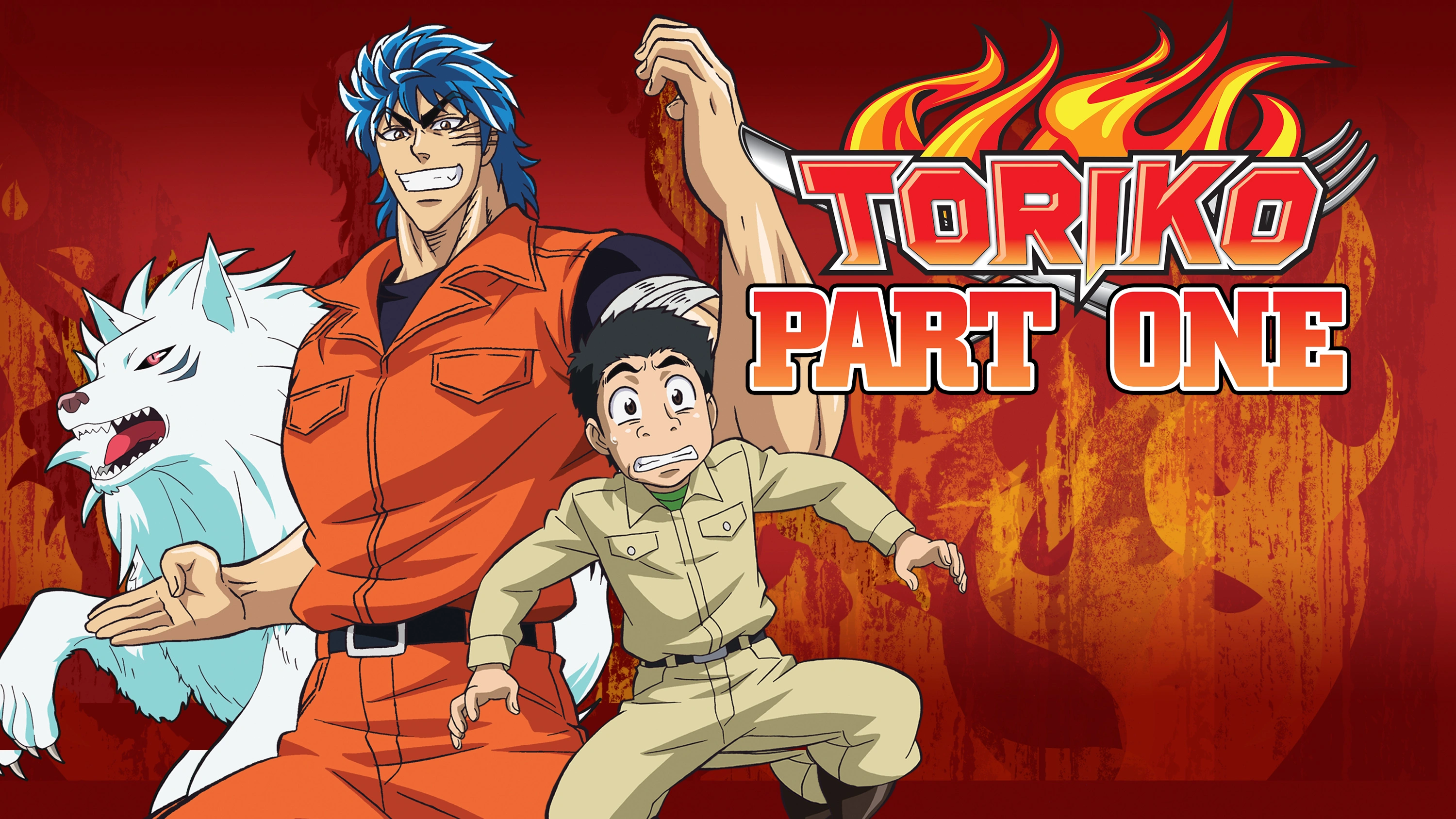
Toriko
A completed shonen adventure manga by Mitsutoshi Shimabukuro about Toriko, a Gourmet Hunter searching for legendary ingredients to complete his dream Full Course Menu alongside his chef partner Komatsu, in a world where cuisine and combat are inseparable.
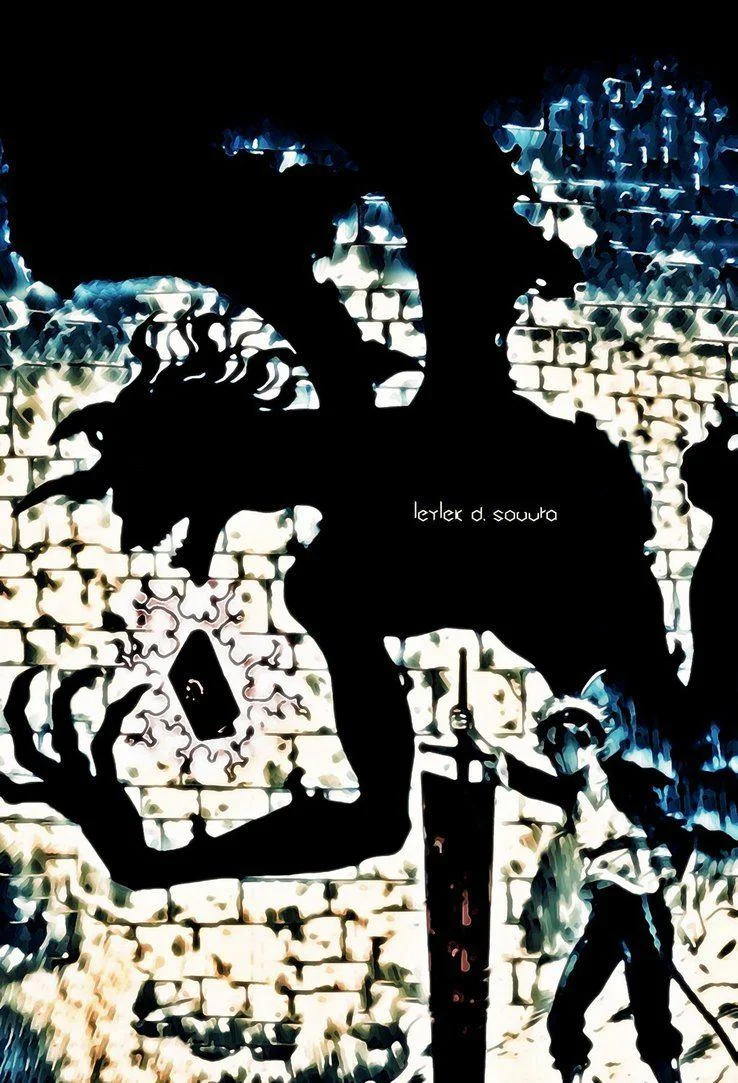
Black Clover
An ongoing shonen fantasy magic manga following Asta, a young man without magic power in a world where magic dominates, as he pursues his dream of becoming the Wizard King through determination and friendship
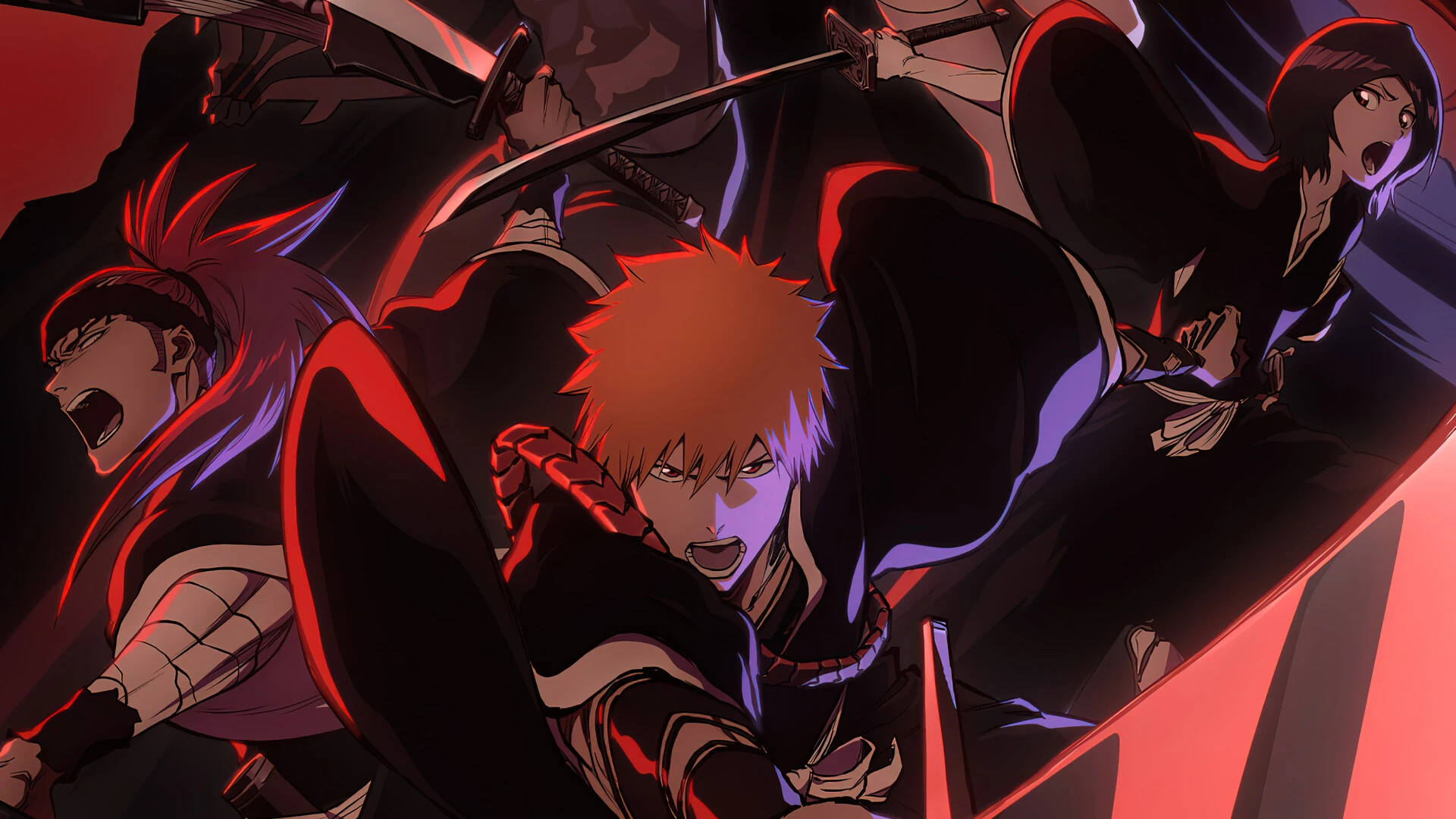
Bleach
The story of Ichigo Kurosaki, a teenager who gains the powers of a Soul Reaper — a death personification — and uses them to protect the living and the dead from evil spirits called Hollows, while uncovering a vast conspiracy that threatens both the human world and the afterlife.
Dr. Stone
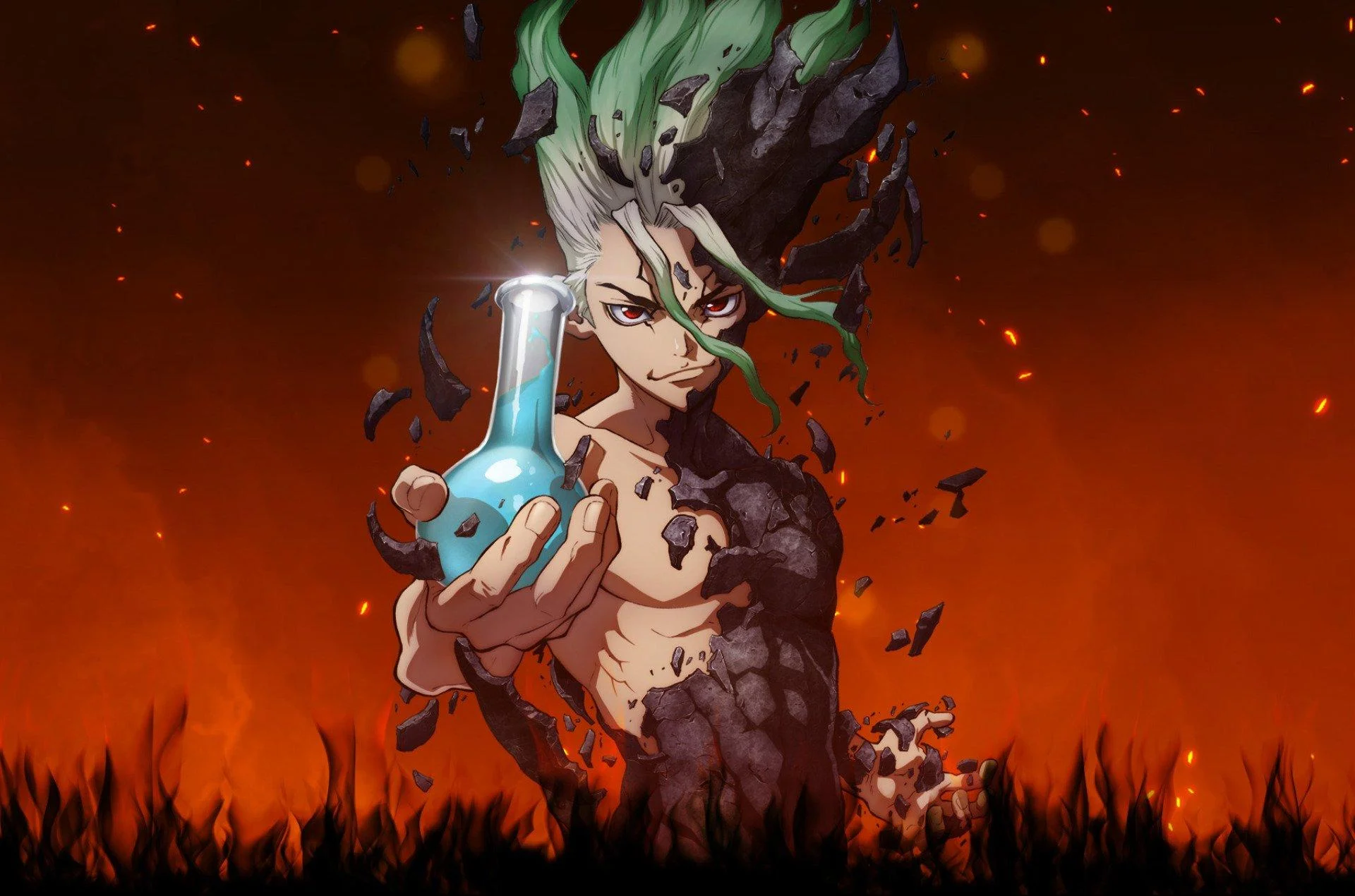
Completed sci-fi shonen: teen genius Senku Ishigami rebuilds civilization from scratch after 3,700 years of global petrification. Science vs. brute force.
Related Articles
All articles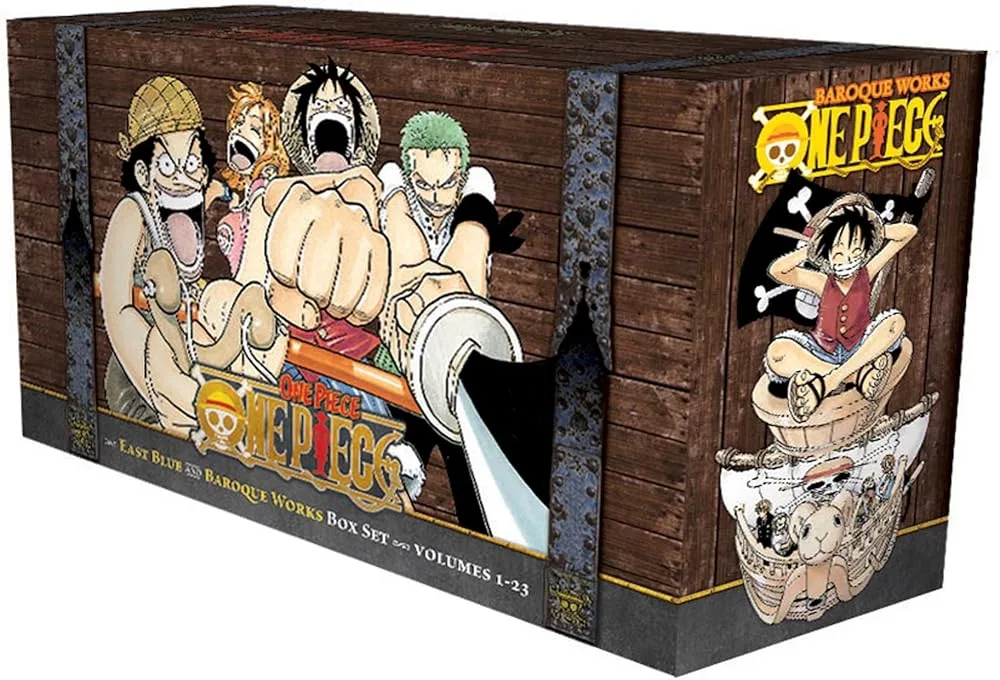
Top 15 Best Action Manga of All Time (2026)
The best action manga ever made, ranked. Explosive battles, legendary fights, and adrenaline-fueled epics — plus the box sets worth collecting.
Top 15 Best Dark Fantasy Manga of All Time (2026)
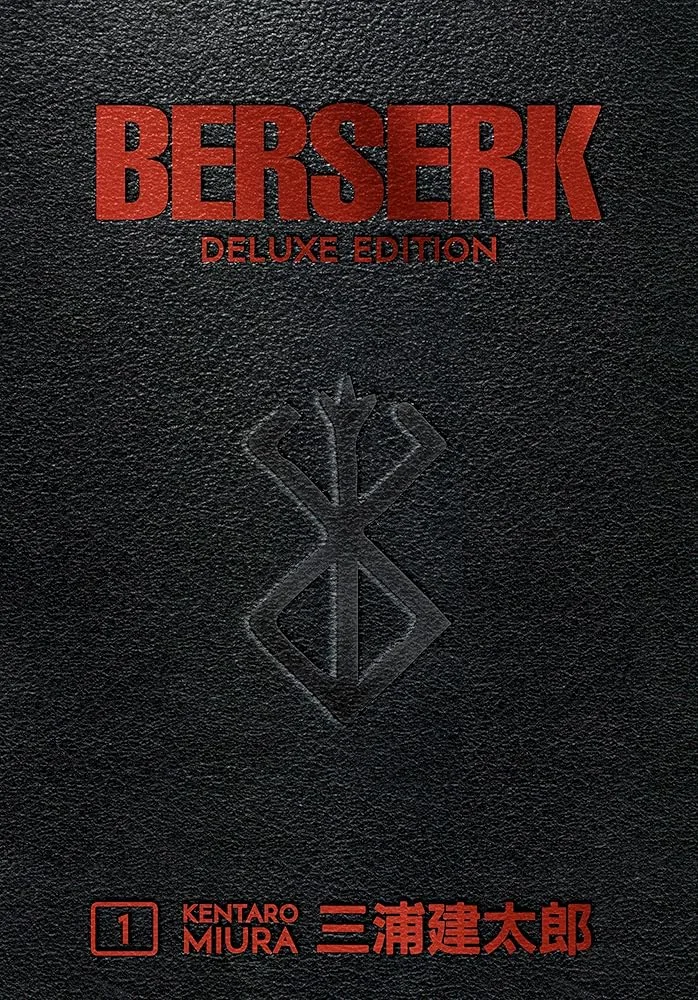
The best dark fantasy manga ever made, ranked. Brutal worlds, morally grey heroes, and demonic horror — plus where to buy the definitive editions.
Top 18 Best Fantasy Manga of All Time
The best fantasy manga ever made, from dark epics to isekai adventures. Magic systems, world-building, and unforgettable journeys ranked.