Naruto
Naruto Uzumaki, a young ninja with a powerful demon fox spirit sealed inside him, dreams of becoming Hokage — the strongest ninja and leader of his village. His journey spans friendship, rivalry, sacrifice, and the cycle of hatred in the ninja world.
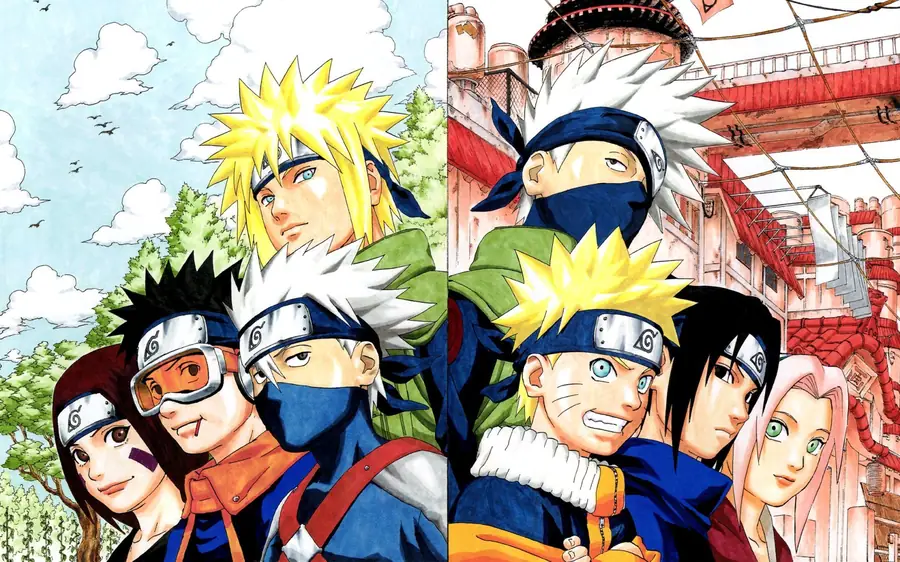
All Naruto Story Arcs in Order
The Ninja Epic That Became a Cultural Phenomenon
Naruto stands among the most influential manga ever created. Written and illustrated by Masashi Kishimoto, this ninja epic captivated generations of readers through compelling characters, escalating stakes, and exploration of themes that resonate across cultures. The series proved that shonen manga could sustain reader engagement across decades while maintaining narrative coherence and emotional depth.
What distinguishes Naruto from other long-running action series is its refusal to let spectacle replace character. Despite battles growing progressively more spectacular, the relationships and personal growth at the story’s core remain central. The series earned its place in manga history not through power escalation alone, but through genuine emotional investment in its characters’ journeys.
The World of Hidden Villages and Ninja Powers
Naruto exists in a world where hidden ninja villages maintain power through trained warriors. These concealed cities—the Hidden Leaf, the Hidden Sand, the Hidden Mist, and others—create geopolitical tensions and opportunities for conflict. Rather than simple martial arts, ninja harness chakra—spiritual energy—to perform jutsu and extraordinary abilities.
The world-building weaves authentic Japanese tradition together with fantasy concepts. The feudal structure, clan systems, and codes of honor reflect genuine Japanese culture while creating a logical framework for narrative progression. This cultural grounding provides depth absent from purely invented settings, giving the world’s conflicts a weight that feels earned rather than arbitrary.
Principal Characters and Their Bonds
Naruto Uzumaki — The Unbreakable Dreamer
Beginning as a village outcast harboring a sealed demon, Naruto refuses to be defined by his burden. His genuine kindness, determination to improve, and unshakeable loyalty create a protagonist audiences support despite his initial weakness. Naruto’s growth feels earned through demonstrated training and emotional development rather than arbitrary power grants.
His journey from lonely outsider to Hokage is one of manga’s most satisfying arcs precisely because every step of it is shown rather than assumed. The series dedicates real time to Naruto’s failures, his perseverance through humiliation, and his gradual winning of respect—making his eventual triumph feel genuinely deserved.
Sasuke Uchiha — The Tragic Rival
Naruto’s teammate and rival, Sasuke pursues vengeance for his clan’s destruction. His character arc explores how trauma can drive destructive choices while demonstrating that redemption remains possible. The complex relationship between Sasuke and Naruto represents the series’ emotional center—a bond tested repeatedly yet never fully severed.
Sasuke’s philosophical divergence from Naruto gives the series its central tension. Where Naruto believes in connection and collective strength, Sasuke prioritizes individual power and solitary purpose. Their conflict represents a clash of values rather than simple antagonism, which is why its resolution requires more than one defeating the other.
Sakura Haruno — The Determined Kunoichi
Initially appearing superficial, Sakura develops into a capable ninja and genuine team member. Her character growth demonstrates that anyone can become strong through dedication regardless of initial disadvantages. Sakura’s development—particularly under Tsunade’s mentorship—makes her a worthy partner to Naruto and Sasuke rather than a passive presence.
Kakashi Hatake — The Respected Mentor
Team 7’s teacher represents wisdom earned through experience and loss. His character embodies how past trauma can be transcended through human connection. Kakashi’s mentorship demonstrates that true strength includes helping others grow, and his own backstory—explored gradually over the series—reveals the cost of the values he teaches.
Jiraiya — The Legendary Sage
Naruto’s primary mentor combines a comedic personality with genuine wisdom. His character explores how imperfect individuals can still offer invaluable guidance. Jiraiya’s sacrifice demonstrates that meaningful relationships require willingness to risk everything—and his death remains one of manga’s most affecting moments.
Itachi Uchiha — The Complex Antagonist
Sasuke’s older brother possesses incredible power alongside tragic motivation. Understanding Itachi’s true objectives—protection rather than destruction—creates a villain whose sacrifice readers appreciate even while remaining morally opposed to his methods. His arc reframes everything the reader understood about the series’ early chapters.
Pain / Nagato — The Misguided Idealist
The principal antagonist of the series’ major arc, Pain represents a philosophy diverging sharply from Naruto’s beliefs. His character explores whether suffering justifies destructive methods. Understanding Pain’s motivation creates genuinely nuanced conflict, and Naruto’s resolution of their confrontation—through persuasion rather than pure combat—defines what the series is ultimately about.
The Best Story Arcs in Naruto
The Land of Waves Arc
The first significant mission for Team 7 establishes the series’ emotional stakes. What begins as a simple escort job becomes an introduction to genuine loss and sacrifice. This arc demonstrates that the ninja world carries real costs and that the bonds formed between teammates have meaning beyond tactical utility.
The Chunin Exams Arc
The tournament structure allows for character showcases while introducing external threats. Multiple concurrent battles create varied narrative perspectives while developing individual capabilities. Gaara’s introduction and his eventual confrontation with Naruto establishes one of the series’ defining themes: that shared experience of loneliness can become the foundation for understanding.
The Sasuke Recovery Arc
Sasuke’s attempted defection and Naruto’s response escalate emotional stakes dramatically. Character relationships face genuine tests, with each member of the Sasuke Retrieval Squad pushed to their limits. The arc ends not in victory but in a recognition that some battles cannot be won alone—setting up the time skip that fundamentally changes the series.
The Immortals Arc
The confrontation with Hidan and Kakuzu, culminating in Asuma’s death, represents the series’ tonal shift into darker territory. Shikamaru’s grief-driven revenge mission against Hidan stands as one of Naruto’s best individual storylines—a character study in how loss transforms an apparently lazy genius into someone willing to risk everything for those he loved.
The Invasion of Pain Arc
Pain’s assault on the Hidden Leaf Village brings destruction on a scale the series had never shown before. Naruto’s return and confrontation with Pain—resolved through dialogue and genuine empathy rather than pure power—represents the series’ philosophical peak. The arc demonstrates that understanding one’s enemy does not mean excusing them, but it may be the only path to actually breaking cycles of violence.
The Fourth Ninja War Arc
The unprecedented conflict unites multiple factions while maintaining individual character focus. Facing the resurrected dead forces characters to confront their histories and the costs of the world they’re fighting to change. The arc’s scale could easily have overwhelmed its emotional core, but individual storylines—particularly Might Guy’s sacrifice and Neji’s death—keep the war feeling personal.
Why Naruto Endures
Naruto succeeds through consistent focus on character amid escalating action. Despite battles growing progressively more spectacular, the relationships and personal development remain central. Readers invest in characters because the series dedicates genuine time to developing meaningful bonds rather than treating interpersonal dynamics as mere connective tissue between fights.
The series also excels at philosophy. Rather than avoiding difficult questions, Naruto explores whether violence resolves problems, whether understanding transcends hatred, whether dreams justify sacrifices. These questions give the narrative depth that pure action cannot provide. The answer the series arrives at—that cycles of hatred require genuine empathy to break, not superior force—is earned across hundreds of chapters.
Masashi Kishimoto’s artwork combines action clarity with expressive character work. Jutsu create visually distinct attacks while remaining comprehensible during movement. Character designs immediately communicate personality through appearance. The expressive faces of Naruto characters—capable of conveying shame, determination, grief, and joy with equal conviction—are fundamental to why readers care about what happens to them.
Themes the Series Explores
Naruto’s central preoccupation is the cycle of hatred: how violence generates more violence, how loss creates the conditions for future loss, and whether that cycle can be broken without simply defeating everyone who perpetuates it. Nagato’s arc makes this theme explicit, but it runs through the series from the very beginning—through Sasuke’s vendetta, through Gaara’s transformation, through the hidden histories of the ninja world’s wars.
Alongside this, the series explores what it means to be an outsider who refuses to accept the identity others assign. Naruto is told from birth that he is a monster. His response is not to disprove this by being perfectly virtuous, but to keep showing up, keep caring about people, and keep insisting on his own worth through action rather than argument. This makes him one of shonen manga’s most genuinely aspirational protagonists.
Publication and Adaptations
Naruto was serialized in Weekly Shonen Jump from 1999 to 2014, spanning 72 volumes and 700 chapters. Its anime adaptation, produced by Studio Pierrot, aired from 2002 to 2007, followed by Naruto: Shippuden from 2007 to 2017. The anime’s extensive filler content has been a point of contention, but its high-quality animation of key manga moments—particularly during major battles—enhanced the source material’s impact for many viewers.
The series generated a sequel, Boruto: Naruto Next Generations, which follows Naruto’s son. Video games, films, and extensive merchandise cemented Naruto as a global franchise and one of the best-selling manga series of all time. The series introduced shonen manga to mainstream Western audiences in ways that permanently shaped the genre’s international presence.
Related Series
Readers who enjoy Naruto’s adventure tone and character relationships often appreciate One Piece for its similar emphasis on bonds and a protagonist defined by unshakeable purpose. Bleach shares action intensity and supernatural world-building, while My Hero Academia explores comparable themes of determined protagonists becoming heroes in a world with established power structures. For those drawn to Naruto’s philosophical dimension—its exploration of hatred, redemption, and cycles of violence—Vinland Saga offers a different genre context for similar questions.
Frequently Asked Questions
Is Naruto finished?
Yes, Naruto is a completed series. The manga concluded in 2014 after 700 chapters spanning 72 volumes. The story reaches a definitive ending that resolves the main narrative while leaving room for the sequel series Boruto: Naruto Next Generations, which follows Naruto’s son.
How many volumes does Naruto have?
Naruto spans 72 volumes total. This represents a substantial but manageable commitment for manga readers, with the story divided into distinct arcs that make for natural stopping points throughout the series.
Is there an anime adaptation?
Naruto has extensive anime adaptations produced by Studio Pierrot. The original Naruto series aired from 2002 to 2007 with 220 episodes, followed by Naruto: Shippuden from 2007 to 2017 with over 500 episodes. Additionally, multiple films and the sequel series Boruto: Naruto Next Generations continue the story in animation format.
What age rating is Naruto?
Naruto is recommended for ages 13 and up. The series contains action violence, ninja combat, and some darker thematic elements as the story progresses, particularly regarding death and the costs of conflict. However, it remains appropriate for most teen audiences and is generally considered less graphic than many contemporary action series.
Where can I buy Naruto manga in English?
Naruto is widely available in English through major retailers including Amazon, where you can find both individual volumes and complete box sets. Major bookstores like Barnes & Noble and independent comic shops also stock the series. Digital versions are available through platforms like ComiXology and Kindle, making the complete series accessible in multiple formats.
Publication and Adaptations
Masashi Kishimoto launched Naruto in Shueisha’s Weekly Shōnen Jump in issue 43 of 1999 (cover-dated September 21), concluding the original series with chapter 700 on November 10, 2014 after 15 years of weekly publication. The compiled tankōbon edition spans 72 standard volumes plus the 27-volume sequel Boruto: Naruto Next Generations, currently authored by Mikio Ikemoto with story supervision by Kishimoto. Naruto surpassed 250 million copies in worldwide circulation by 2024, making it consistently among the top five best-selling manga of all time alongside One Piece, Dragon Ball, Doraemon, and Golgo 13. Viz Media’s English release encompasses the standard 72-volume edition, the 24-volume 3-in-1 omnibus, the Box Set 1 (vols 1-27), Box Set 2 (vols 28-48), and Box Set 3 (vols 49-72) for completionists.
The Studio Pierrot anime adaptation produced two main television series totaling 720 episodes between 2002 and 2017. The original Naruto (2002-2007) ran 220 episodes adapting through the Sasuke Retrieval arc, while Naruto: Shippuden (2007-2017) continued with 500 episodes covering the second half of the manga from the Kazekage Rescue through the Fourth Great Ninja War. Boruto: Naruto Next Generations (Studio Pierrot, 2017-2023) provided 293 episodes of sequel content following Naruto’s son Boruto Uzumaki, and is currently in hiatus as the manga continues in its second phase Boruto: Two Blue Vortex (2023-).
Eleven theatrical films expanded the franchise: three original-Naruto films (Ninja Clash in the Land of Snow 2004, Legend of the Stone of Gelel 2005, Guardians of the Crescent Moon Kingdom 2006), seven Shippuden films (2007-2014), and The Last: Naruto the Movie (December 2014, $30 million worldwide) which served as canonical bridge to Boruto. Boruto: Naruto the Movie (August 2015) introduced the next generation. The franchise’s video game catalog spans over 80 titles with the CyberConnect2-developed Ultimate Ninja Storm series (2008-2016, four mainline entries plus Storm 4: Road to Boruto) generating over $400 million in lifetime revenue. The mobile gacha game Naruto: Shinobi Collection has remained continuously profitable since 2015.
Cultural Impact and Legacy
Naruto stood as one of the “Big Three” manga of the 2000s alongside One Piece and Bleach, defining the international anime boom that transformed Western perception of Japanese animation. The series has been credited with introducing more Western viewers to anime than any prior franchise, with Cartoon Network’s Toonami broadcasts of the original series and Adult Swim’s Shippuden runs serving as primary entry points for an entire generation of anime fans in North America. Kishimoto received the 64th Shogakukan Manga Award in 2018 for his body of work, recognizing Naruto’s artistic and cultural significance.
The Naruto run inspired entire subsequent generations of Weekly Shōnen Jump series. Kohei Horikoshi (My Hero Academia), Yūki Tabata (Black Clover), Tatsuki Fujimoto (Chainsaw Man), and Gege Akutami (Jujutsu Kaisen) have all cited Naruto as a primary inspiration for their work. The series’ influence on Western animation is also notable, with shows like Avatar: The Last Airbender, The Legend of Korra, and Voltron Legendary Defender drawing on Naruto’s structural and thematic framework. Universal Studios Japan opened a permanent Naruto-themed attraction in 2019, and the city of Kishimoto’s hometown Nagi (Okayama Prefecture) has built a Naruto museum that operates year-round.
Frequently Asked Questions
Did Naruto really end in 2014? The original Naruto manga ended November 10, 2014 with chapter 700. The story continues in Boruto: Naruto Next Generations (2016-2023) and currently in Boruto: Two Blue Vortex (2023-), both written by Kishimoto with art by Mikio Ikemoto.
What is the recommended viewing order? Watch Naruto (220 episodes, 2002-2007), then Naruto: Shippuden (500 episodes, 2007-2017), then The Last: Naruto the Movie (2014), then Boruto: Naruto the Movie (2015), then Boruto: Naruto Next Generations (293 episodes through 2023).
Is Boruto canonical? Yes. Both Boruto: Naruto Next Generations (2016-2023, 27 volumes) and the current Boruto: Two Blue Vortex (2023-) are canonical sequels written by Kishimoto with art by Mikio Ikemoto. The anime adaptation is also canonical to the manga timeline.
How long does it take to watch all of Naruto? The combined Naruto, Shippuden, and Boruto anime totals approximately 1,233 episodes plus 11 films. At standard runtime, this represents approximately 530 hours of viewing.
Where can I stream Naruto legally? Crunchyroll carries the complete original series, Shippuden, Boruto, and most theatrical films. Hulu has the original 220 episodes and Shippuden in select regions. Netflix carries selected films and seasons in various territories.
Naruto Arc Guides
Land of Waves
Team 7 accepts their first real mission to protect a bridge builder on the Wave Country, where they face the ruthless mercenary Zabuza and his ice-wielding apprentice Haku. The arc teaches Naruto profound lessons about sacrifice and protecting those who matter, culminating in emotional deaths that shake the team.
Chunin Exams
Ninja from villages worldwide compete in brutal promotion exams to achieve the rank of chunin. Orochimaru resurfaces with his Hidden Sound Village, cursing Sasuke with a seal mark and planting sleeper agents within the exam structure. Tournament battles showcase each participant's capabilities and hidden potential while larger conspiracies unfold.
Invasion of Konoha
Orochimaru and the Sand Village coordinate a devastating invasion of the Hidden Leaf Village during the Chunin Exam finals. The Third Hokage confronts his former student in a duel that costs him his life, as he sacrifices himself to seal Orochimaru's arms. This arc represents the series' pivotal tragedy, reshaping the village's power structure.
Search for Tsunade
Following the Third Hokage's death, Naruto and the legendary Sannin Jiraiya search across the ninja world for Tsunade, the legendary medical ninja whose medical and political acumen the village desperately needs. During their journey, Naruto trains intensively and masters the Rasengan, a technique requiring understanding of chakra control over raw power.
Sasuke Recovery
Sasuke abandons the village to pursue power with Orochimaru, viewing his teammates as obstacles to his revenge ambition. Naruto organizes a team of genin to retrieve him, desperate to honor their bonds. The climactic battle at the Valley of the End becomes emotional showdown where Naruto's belief in their friendship faces Sasuke's complete rejection of it.
Kazekage Rescue
After a time-skip where Naruto trained with Jiraiya, the village learns that Akatsuki has kidnapped Gaara, the newly appointed Kazekage. Naruto leads a rescue mission across desert landscapes to save his friend, while Kakashi's team confronts the legendary Uchiha brothers. The arc demonstrates Naruto's growth and his determination to save even former enemies.
Tenchi Bridge Reconnaissance
Team 7 infiltrates Orochimaru's base of operations at Tenchi Bridge to gather intelligence about his location and plans. During the mission, Naruto encounters Sasuke among the Sound Village ninja, triggering emotional surge. Naruto's reaction inadvertently unleashes partial Nine-Tails manifestation, as the Four-Tails emerges and nearly overwhelms his consciousness.
Immortals — Hidan and Kakuzu
Team 10 pursues two seemingly unstoppable Akatsuki members, Hidan and Kakuzu, after the immortal duo kills their mentor Asuma Sarutobi. Shikamaru takes unprecedented initiative, transforming from lazy strategist into focused avenger. The arc becomes Shikamaru's coming-of-age narrative, revealing his emotional depths beyond tactical brilliance.
Itachi Pursuit
Sasuke's obsessive hunt for Itachi Uchiha takes him across the ninja world, driven by desire to avenge his clan. The arc culminates in their fated confrontation where Itachi reveals disturbing truth: he massacred the Uchiha clan not through villainy but through orders from Konoha's village elders to prevent coup d'état. Sasuke's understanding shatters his worldview entirely.
Invasion of Pain
The Akatsuki leader Pain launches devastating assault on the Hidden Leaf Village, annihilating the village in search of Naruto. The protagonist must confront the organization's figurehead while managing devastating grief from widespread destruction. Naruto defeats all six bodies of Pain through newfound power and emotional depth, ultimately meeting the true orchestrator Nagato and choosing forgiveness over revenge.
Five Kage Summit
The five greatest ninja villages convene in formal conference, but Sasuke infiltrates determined to kill the Mizukage. Tobi, the Akatsuki's true leader, declares the Fourth Great Ninja War publicly, transforming internal shinobi politics into global military conflict. The summit becomes pivotal moment where personal vengeance becomes institutional warfare.
Fourth Ninja War — Allied Forces
All five great nations unite their military forces into the Allied Shinobi Forces to combat Akatsuki's reanimated army of legendary ninja. Naruto trains with Killer B, the jinchuriki of the Eight-Tails, learning to master Kurama's power. Despite orders to remain hidden, Naruto joins the battlefield, inspiring the scattered alliance through his presence and determination to save teammates.
Fourth Ninja War — Climax
Obito Uchiha's true identity emerges as the war's orchestrator behind Akatsuki's formation. The Ten-Tails, the progenitor beast, is revived through complex ritual while legendary Madara Uchiha enters the battlefield as reanimated fighter. Naruto achieves perfect synchronization with Kurama, transforming their conflict into partnership. The war reaches critical turning point as god-tier threats emerge.
Final Battle — Kaguya
The ultimate revelation emerges as Kaguya Otsutsuki, the progenitor of chakra itself, is resurrected through Madara and Black Zetsu's machinations. Team 7 confronts a god-tier being whose power threatens entire existence. After collective defeat of Kaguya, Naruto and Sasuke engage in final clash to determine the world's philosophical direction. The series culminates with choice transcending victory or defeat.
Naruto Merchandise
Read manga free with Amazon Prime
30-day free trial: free shipping, Prime Reading, Kindle, Prime Video and more.
Affiliate link. 30-day free trial for new members. Then $14.99/month — cancel anytime.
FAQ: Naruto
You May Also Like
All manga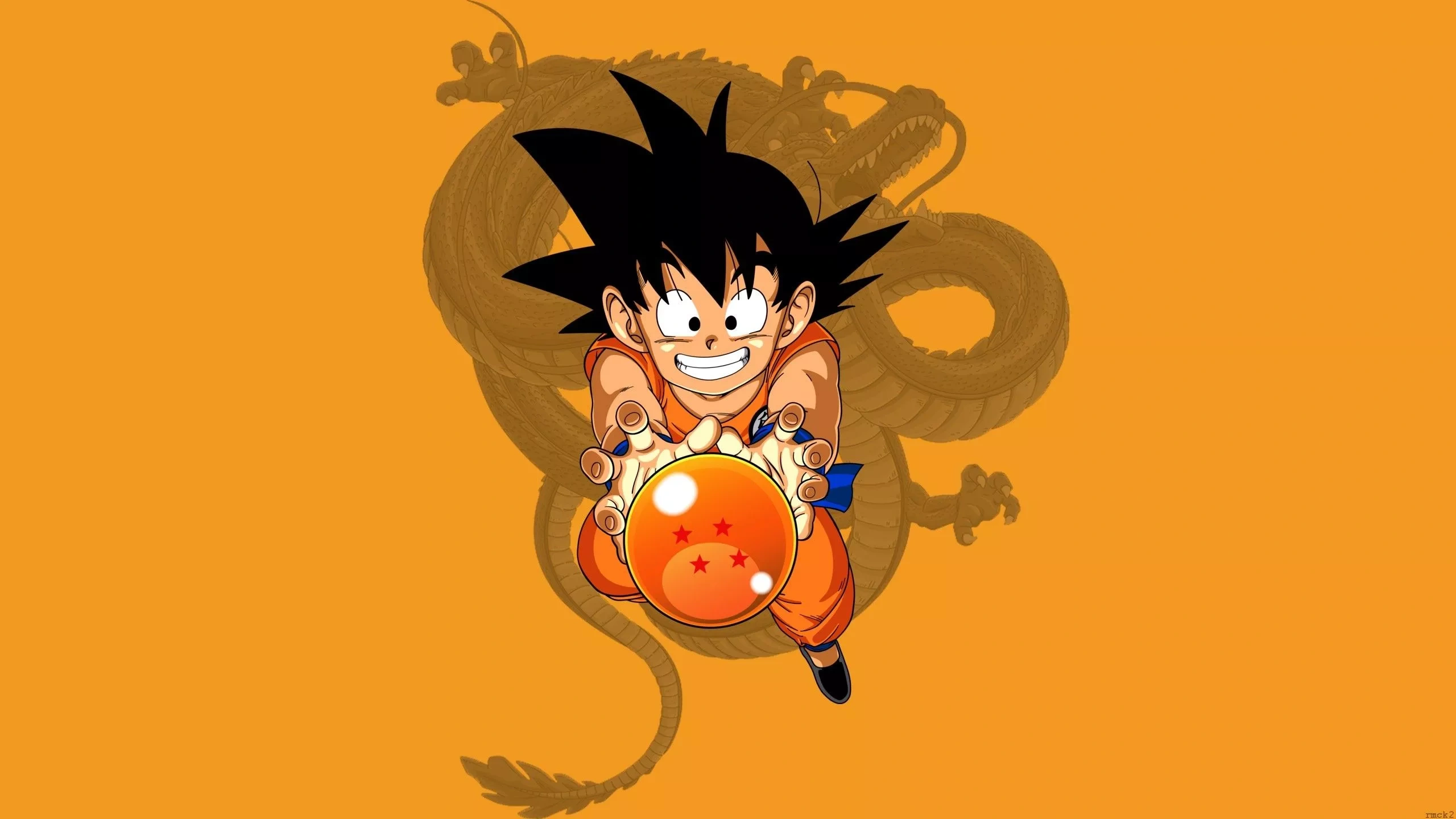
Dragon Ball Z
Goku, Earth's greatest martial artist, discovers he is a Saiyan warrior sent from a dying planet. From defending Earth against Saiyan invaders to battles across the cosmos and ultimately against godlike beings, Dragon Ball Z defines the power-escalating battle manga genre.
Fairy Tail
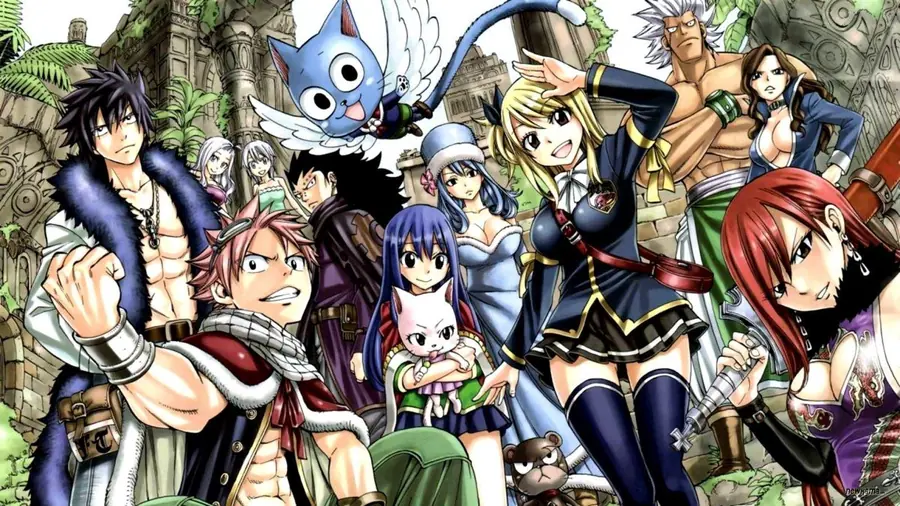
Join Natsu and the Fairy Tail guild as they embark on magical adventures, forming unbreakable bonds while protecting their world.
One Piece
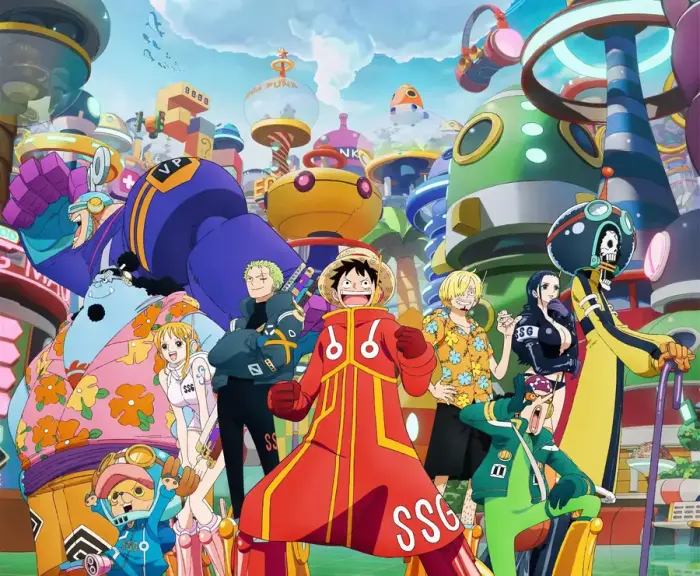
The story of Monkey D. Luffy, a young man who gains rubber powers from eating a Devil Fruit and sets out to find the legendary treasure One Piece and become King of the Pirates.
Saint Seiya
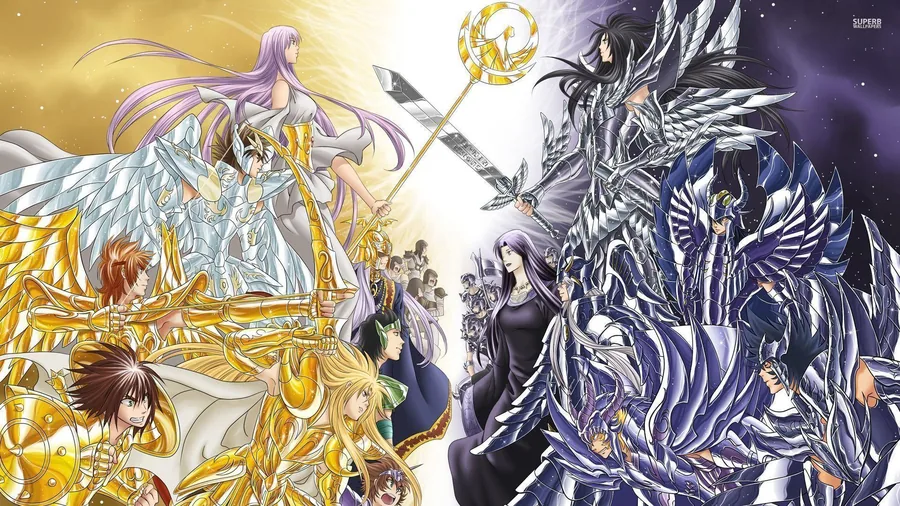
A mythological shonen action manga following five young Bronze Saints — warriors clad in constellation-themed Cloths — who fight to protect the reincarnation of the goddess Athena.
Related Articles
All articles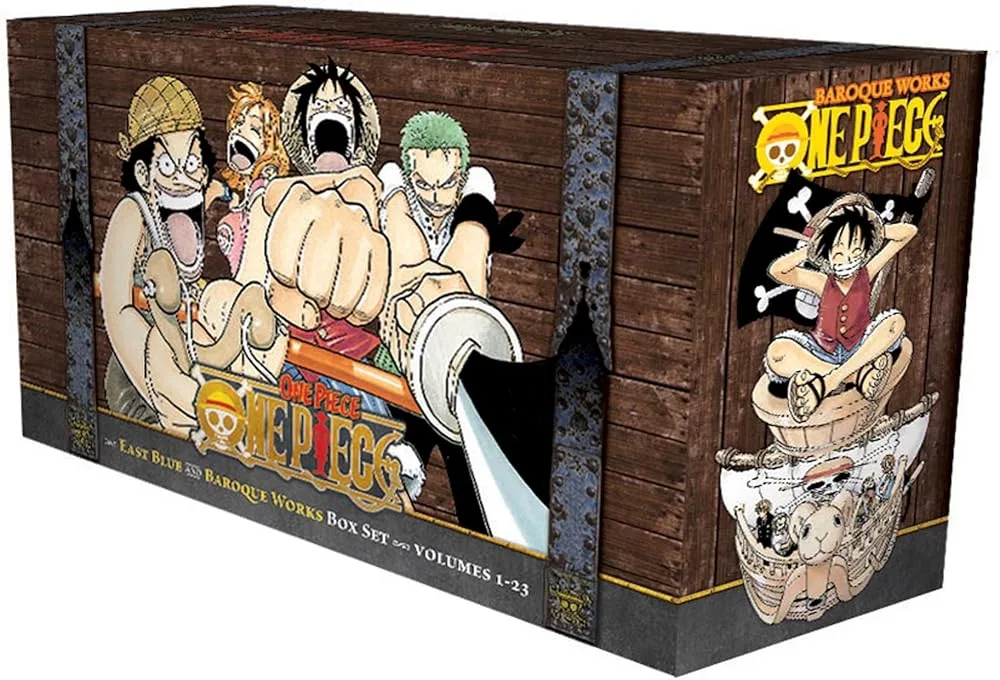
Top 15 Best Action Manga of All Time (2026)
The best action manga ever made, ranked. Explosive battles, legendary fights, and adrenaline-fueled epics — plus the box sets worth collecting.
Top 15 Best Dark Fantasy Manga of All Time (2026)
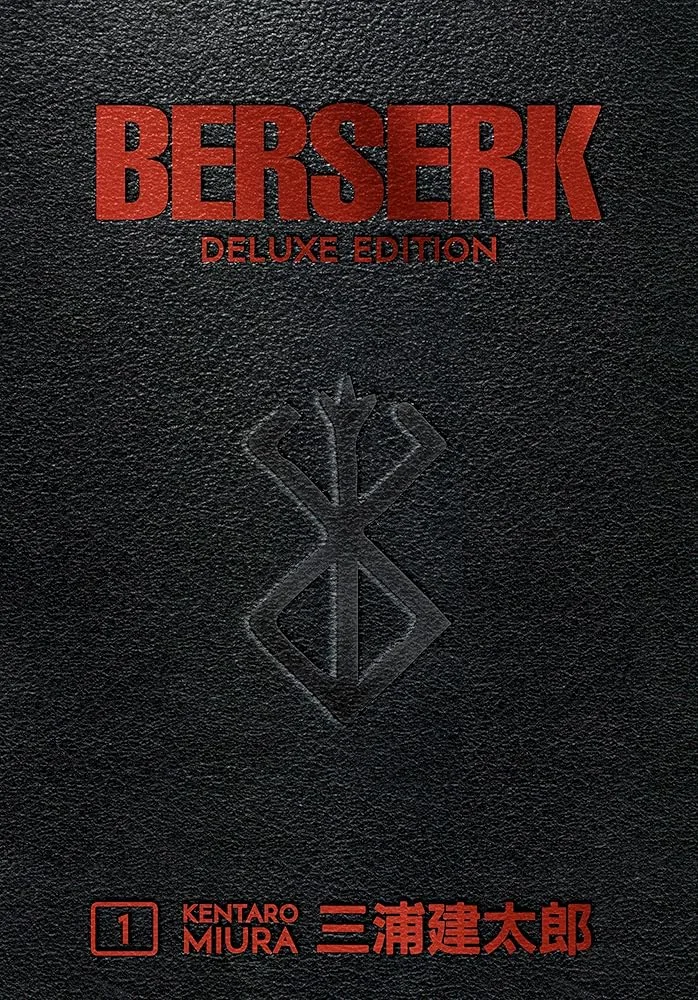
The best dark fantasy manga ever made, ranked. Brutal worlds, morally grey heroes, and demonic horror — plus where to buy the definitive editions.
Top 18 Best Fantasy Manga of All Time
The best fantasy manga ever made, from dark epics to isekai adventures. Magic systems, world-building, and unforgettable journeys ranked.