JoJo's Bizarre Adventure
An epic multi-generational manga spanning over 130 volumes with unique character abilities and unforgettable poses
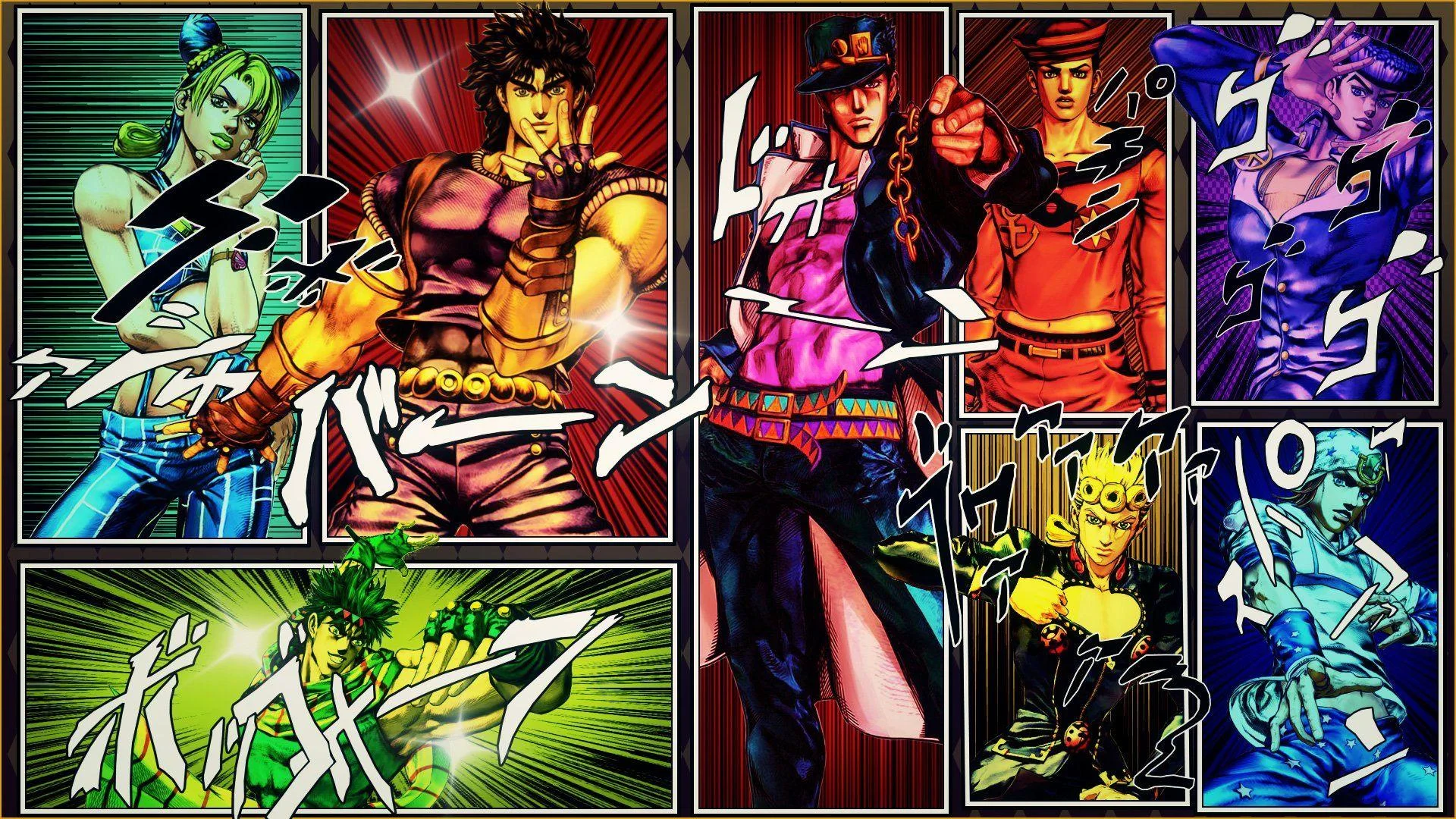
All JoJo's Bizarre Adventure Story Arcs in Order
| # | Arc |
|---|---|
| 1 | Phantom Blood |
| 2 | Battle Tendency |
| 3 | Stardust Crusaders |
| 4 | Diamond is Unbreakable |
| 5 | Golden Wind |
| 6 | Stone Ocean |
| 7 | Steel Ball Run |
| 8 | JoJolion |
Overview
JoJo’s Bizarre Adventure stands as one of manga’s most unique and enduring properties. Created by Hirohiko Araki and serialized by Shueisha since 1987, this 131-volume series has captivated readers across multiple decades with its distinctive art style, creative combat mechanics, and unforgettable characters. The series’ longevity, innovation, and cultural impact have made it a cornerstone of manga history.
What sets JoJo’s apart is its willingness to reinvent itself across different parts—each with new protagonists, settings, time periods, and occasionally alternative universes. This episodic structure, combined with evolving artistic and narrative techniques, has allowed the series to maintain freshness and relevance throughout its four-decade run.
The series is defined by its glamorous, pose-heavy aesthetic, elaborate stand abilities, and stories that balance genuine character drama with absurdist humor. Whether you encounter a protagonist fighting vampires with martial arts, discovering supernatural spirit guardians, or confronting reality-bending enemies, JoJo’s delivers uniqueness in every installment.
The Multi-Part Structure
Unlike most ongoing manga that follow a single protagonist and continuous narrative, JoJo’s Bizarre Adventure is organized into eight distinct parts, each featuring different protagonists and covering different time periods. This structure has allowed Araki to explore diverse themes, settings, and storytelling approaches while maintaining thematic and narrative coherence.
Part 1: Phantom Blood (1887-1889)
The original part introduces Jonathan Joestar, an English nobleman, and his bitter rivalry with adopted brother Dio Brando. This part establishes the series’ feuding energy and introduces Hamon—a martial technique using controlled breathing to combat supernatural threats. While relatively grounded compared to later parts, Phantom Blood sets the tone for the entire series with its emphasis on pride, honor, and dramatic confrontation.
Part 2: Battle Tendency (1938-1939)
This part shifts focus to Jonathan’s grandson, Joseph Joestar, a charismatic trickster protagonist. Joseph combines Hamon with cunning strategy, proving that victory doesn’t always require overwhelming power. His charming personality and propensity for comedic quips introduce humor as a central element to the series.
Part 3: Stardust Crusaders (1987-1989)
This part introduces Stands—the series’ most iconic power system. Stands are spiritual manifestations of a person’s fighting spirit, each with unique abilities. Jotaro Kujo, Joseph’s grandson, becomes the primary protagonist of this part, leading a group across the globe to defeat DIO Brando (who has hijacked Jonathan’s body). Stardust Crusaders established the template for future parts with its emphasis on group dynamics and unique stand abilities.
Part 4: Diamond is Unbreakable (1999)
Moving to a peaceful Japanese town, this part follows Josuke Higashikata, a high school student investigating mysterious occurrences. Diamond is Unbreakable balances mystery elements with slice-of-life storytelling, creating a unique tone compared to earlier parts. Its exploration of small-town life and character relationships demonstrates Araki’s versatility.
Part 5: Golden Wind (2001)
Taking place in Italy, Golden Wind follows Giorno Giovanna, a young man with the combined bloodline of both the Joestar and Brando families. This part emphasizes loyalty and betrayal, following Giorno’s rise through organized crime. Golden Wind’s narrative becomes increasingly baroque and emotionally intense, demonstrating Araki’s willingness to explore darker themes.
Part 6: Stone Ocean (2011-2012)
The only part centered on a female protagonist, Jolyne Cujoh, this part takes place in a maximum-security prison. Stone Ocean introduces the concept of alternative universes and fate, adding philosophical complexity to the series. The part’s climax involves reality-altering events that fundamentally reshape the JoJo’s universe.
Part 7: Steel Ball Run (1890s, alternate universe)
Set in an alternate universe during a cross-continental horse race, Steel Ball Run introduces Johnny Joestar and Gyro Zeppeli. This part reinvigorates the series by shifting away from supernatural threats toward more grounded adversaries while maintaining the signature JoJo’s aesthetic. Many consider this part among the series’ finest achievements.
Part 8: JoJolion (2011-present)
The ongoing part continues in the alternate universe established in Steel Ball Run. JoJolion features Josuke Higashikata (a different character from Part 4) dealing with mysterious phenomena and supernatural threats in another continuity. This part continues Araki’s experimentation with the established formula.
The Stand System
The introduction of Stands in Part 3 revolutionized JoJo’s and influenced countless subsequent manga and anime. A Stand is a manifestation of a person’s spiritual power, appearing as a humanoid figure, animal, or abstract object. Each Stand possesses unique abilities reflecting the personality and mentality of its user.
The brilliance of the Stand system lies in its infinite creativity. Stands can grant physical enhancement, time manipulation, reality warping, transmutation, and countless other abilities. More importantly, the system rewards creative thinking—battles are won through understanding an opponent’s Stand ability and finding clever applications of one’s own power rather than simply overpowering opponents.
Notable Stands include:
Star Platinum (Jotaro’s Stand): Possesses incredible speed and strength with the hidden ability to stop time. The combination makes Jotaro one of the series’ most formidable fighters.
King Crimson (Diavolo’s Stand): Erases time and space, creating a nearly invincible ability that becomes the central mystery of its part.
Made in Heaven (Pucci’s Stand): The ability to accelerate time itself, fundamentally altering reality.
Crazy Diamond (Josuke’s Stand): Grants object restoration ability, allowing repair of broken items and reversed damage—except for Josuke himself.
Artistic Evolution and Style
Hirohiko Araki’s artwork has become iconic and instantly recognizable. The series’ aesthetic emphasizes glamorous character designs, exaggerated poses, and fashionable clothing. Characters often wear haute couture outfits that evolve with real-world fashion trends, keeping the series visually contemporary despite its decades-spanning narrative.
The art style has evolved significantly throughout the series. Early parts feature more conventional shonen aesthetics, while later parts showcase increasingly experimental compositions, color effects, and visual storytelling techniques. Araki’s willingness to evolve his style while maintaining recognizable elements demonstrates exceptional artistic skill.
The series’ emphasis on poses has become legendary, with the iconic “JoJo pose” becoming a meme and reference point in internet culture. These poses are more than aesthetic flourishes—they express character personality and importance, making action sequences visually memorable and emotionally impactful.
Themes Across Parts
While each part features different protagonists and settings, recurring thematic elements unite the series:
Pride and Legacy: The Joestar bloodline’s pride, for better and worse, permeates the series. Characters grapple with living up to family expectations while forging their own paths.
Determination and Perseverance: JoJo protagonists consistently face seemingly insurmountable odds. Their refusal to accept defeat, coupled with strategic thinking, allows them to overcome opponents seemingly superior in raw power.
Friendship and Loyalty: Many parts emphasize the bonds between characters. The famous line “It was me, Dio!” exemplifies the series’ focus on betrayal and its consequences for relationships.
Morality in Gray Areas: As the series progresses, characters increasingly operate in morally ambiguous territory. Golden Wind’s Giorno rises through organized crime while maintaining personal honor, creating fascinating moral complexity.
Iconic Antagonists
JoJo’s features some of manga’s most memorable villains:
DIO Brando: The series’ original antagonist whose influence persists through multiple parts. DIO represents pure malevolence and ambition, serving as the Joestar family’s eternal nemesis.
Diavolo: Golden Wind’s protagonist antagonist represents the ultimate self-interested individual, willing to sacrifice anything for self-preservation and power.
Kars: Steel Ball Run’s main antagonist embodies the ultimate lifeform, presenting philosophical questions about evolution and perfection.
Yoshikage Kira: Diamond is Unbreakable’s villain is a serial killer with seemingly mundane motivations, making him disturbingly realistic compared to the series’ typical cosmic threats.
Cultural Impact and Influence
JoJo’s Bizarre Adventure has influenced manga, anime, and internet culture profoundly. The series has spawned multiple anime adaptations, with David Production’s anime series achieving critical acclaim for faithfully adapting Araki’s distinctive art style and narrative.
The series’ cultural impact extends beyond entertainment. The franchise has influenced fashion, with Araki’s character designs inspiring real-world designer collaborations. The Stand system has become a reference point for power system design in subsequent manga and anime. Internet memes featuring JoJo’s characters have made the series accessible to new audiences unfamiliar with manga.
The series’ continued relevance across four decades demonstrates remarkable staying power. Rather than declining into irrelevance, JoJo’s continues attracting new readers and maintaining dedicated fandom through creative reinvention and genuine quality storytelling.
Why You Should Read JoJo’s Bizarre Adventure
Unparalleled Creativity: Every part introduces new concepts, abilities, and storytelling approaches. The series consistently surprises readers with its willingness to experiment while maintaining thematic coherence.
Unique Aesthetic: Few manga possess JoJo’s distinctive visual and narrative style. The glamorous poses, fashionable designs, and color-conscious aesthetics create an instantly recognizable experience.
Character Development: Despite the series’ episodic structure, characters receive significant development. Each protagonist brings different personality and approaches to problem-solving, creating distinctive reading experiences.
Balanced Tone: JoJo’s expertly balances intense dramatic moments with genuine humor. Characters quip and joke even during serious conflicts, creating a unique tonal experience that prevents the narrative from becoming overly serious.
Mystery and Discovery: The series constantly introduces new mysteries—the nature of Stands, alternate universes, fate versus free will—that drive engagement and discussion among readers.
Historical Significance: As one of manga’s most influential works, reading JoJo’s provides essential context for understanding modern manga. The series’ innovations have shaped the medium fundamentally.
Manga Structure Recommendation
For newcomers, starting with Part 1 is recommended, though some readers begin with Stardust Crusaders (Part 3) since it introduces the iconic Stand system. Each part stands largely independently, allowing flexible entry points, but Part 1 provides valuable context for understanding character relationships and the series’ thematic evolution.
Ongoing Status
JoJolion, the eighth part, continues ongoing serialization, ensuring that JoJo’s fans have new material to anticipate. The series shows no signs of slowing despite four decades of publication, with Araki continuing to create innovative content that maintains the series’ legacy.
Related Manga Recommendations
If JoJo’s captures your imagination, these series offer similar qualities:
- Hunter × Hunter - Features creative power systems and strategic battles
- Fullmetal Alchemist - Another masterpiece with thematic depth and character-driven storytelling
- Tokyo Ghoul - A darker series exploring morality and supernatural threats
- Chainsaw Man - A contemporary series combining action with genre-bending storytelling
Conclusion
JoJo’s Bizarre Adventure represents manga at its most creative and innovative. Hirohiko Araki has crafted a series that transcends typical genre boundaries, combining action, comedy, drama, and philosophical themes into a cohesive whole. Over 131 volumes, eight distinct parts, and four decades of publication, the series continues proving that creative vision and artistic skill can sustain a work’s relevance indefinitely.
Whether you’re drawn to the glamorous aesthetics, the iconic Stand abilities, the character drama, or the series’ willingness to reinvent itself constantly, JoJo’s offers something uniquely valuable. The series’ ongoing status means new adventures await, ensuring that this bizarre saga continues captivating new generations of readers. Embrace the peculiarity, appreciate the poses, and discover why JoJo’s Bizarre Adventure remains one of manga’s greatest achievements.
Frequently Asked Questions
Is JoJo’s Bizarre Adventure finished?
No, JoJo’s Bizarre Adventure is ongoing. The series continues with JoJolion (Part 8), which is actively serializing and providing new chapters. Hirohiko Araki shows no signs of stopping after nearly four decades, ensuring fans will have new bizarre adventures to experience for years to come.
How many volumes does JoJo’s Bizarre Adventure have?
JoJo’s Bizarre Adventure currently has 130+ volumes across eight parts. The exact count continues to increase as new volumes are published regularly. The series spans from 1987 to the present, making it one of manga’s longest-running and most comprehensive works available.
Is there an anime adaptation?
Yes, JoJo’s has multiple anime seasons covering Parts 1-6 produced by David Production starting in 2012. The anime adaptation is acclaimed for bringing the manga’s unique aesthetic to life with stunning animation and faithful storytelling. All released seasons are available on major streaming platforms worldwide.
What is the age rating for JoJo’s?
JoJo’s age rating varies by part: Parts 1-2 are rated Teen (13+), Parts 3-5 are rated 16+, and Parts 6+ are rated 18+ due to escalating violence and mature content. The series becomes progressively darker and more complex, so younger readers should consider starting with earlier parts before progressing to mature content.
Where can I buy JoJo’s Bizarre Adventure?
You can purchase JoJo’s manga volumes through Amazon in both physical and digital formats. English editions are available through Viz Media as official publishers. Check Amazon.com with the tag donidhernande-20 for all eight parts and complete series availability across different editions.
JoJo's Bizarre Adventure Arc Guides
Phantom Blood
The original story establishing the Joestar legacy follows Jonathan Joestar's bitter rivalry with adopted brother Dio Brando. Spanning 1887-1889, this arc introduces Hamon—a martial technique using controlled breathing—and establishes the eternal struggle between the Joestar family and Dio that echoes through multiple parts.
Battle Tendency
Set in 1938-1939, this part follows Joseph Joestar, Jonathan's grandson, as he confronts the Pillar Men—ancient superbeings seeking perfection. Joseph's trickster nature and strategic thinking contrast with traditional heroism while Caesar Zeppeli's sacrificial death deepens themes established in Phantom Blood.
Stardust Crusaders
Taking place from 1987-1989, this landmark part introduces Stands—spiritual manifestations of a person's fighting spirit—through Jotaro Kujo, Joseph's grandson. The iconic power system defines the series, establishing templates for protagonist groups and long-distance adventure narratives as the team journeys to Egypt.
Diamond is Unbreakable
Set in 1999 in the peaceful Japanese town of Morioh, this part follows Josuke Higashikata investigating mysterious occurrences. The shift toward mystery and slice-of-life elements creates unique tone distinct from earlier parts while maintaining action-adventure quality through Yoshikage Kira's disturbing villainy.
Golden Wind
Taking place in Italy in 2001, this part follows Giorno Giovanna, combining both Joestar and Brando bloodlines, through organized crime. Golden Wind becomes increasingly baroque and emotionally intense, exploring loyalty and betrayal while featuring elaborate Stand battles with philosophical weight.
Stone Ocean
Set in 2011-2012, Stone Ocean takes place in maximum-security prison with Jolyne Cujoh as the series' first female protagonist. The arc introduces alternative universes and philosophical concepts of fate while featuring Enrico Pucci's "Made in Heaven" causing reality-altering events fundamentally reshaping the JoJo's universe.
Steel Ball Run
Set in an alternate universe during the 1890s, this landmark part introduces Johnny Joestar and Gyro Zeppeli in a cross-continental horse race. Steel Ball Run revitalizes the series through grounded antagonists and the Spin technique, while maintaining distinctive JoJo's aesthetic.
JoJolion
The ongoing eighth part continues the alternate universe established in Steel Ball Run, following Josuke Higashikata in 2011 as he investigates mysterious phenomena. JoJolion presents current narrative, exploring identity mysteries and supernatural threats while maintaining series' commitment to evolution.
JoJo's Bizarre Adventure Merchandise
Read manga free with Amazon Prime
30-day free trial: free shipping, Prime Reading, Kindle, Prime Video and more.
Affiliate link. 30-day free trial for new members. Then $14.99/month — cancel anytime.
FAQ: JoJo's Bizarre Adventure
You May Also Like
All manga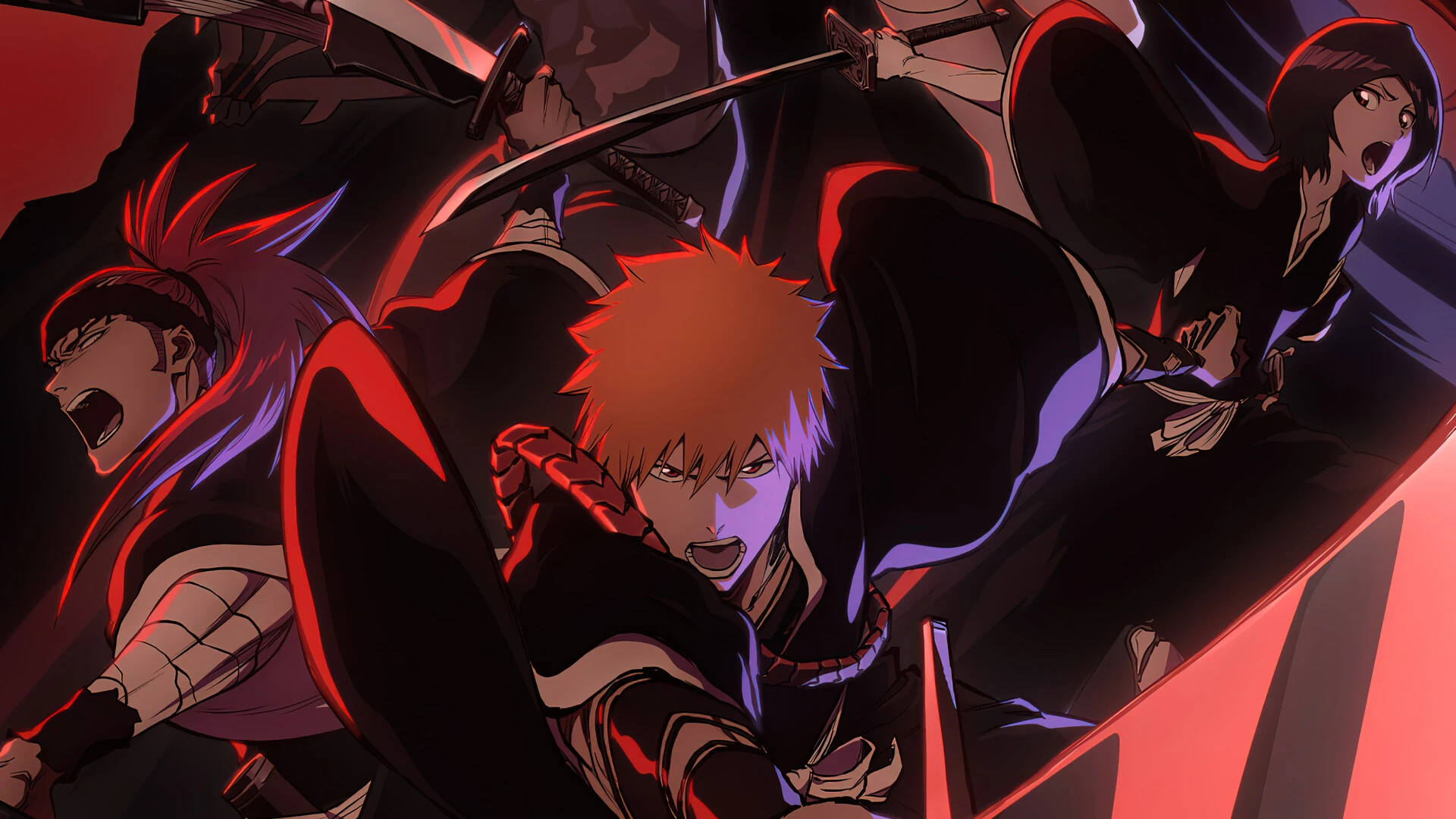
Bleach
The story of Ichigo Kurosaki, a teenager who gains the powers of a Soul Reaper — a death personification — and uses them to protect the living and the dead from evil spirits called Hollows, while uncovering a vast conspiracy that threatens both the human world and the afterlife.
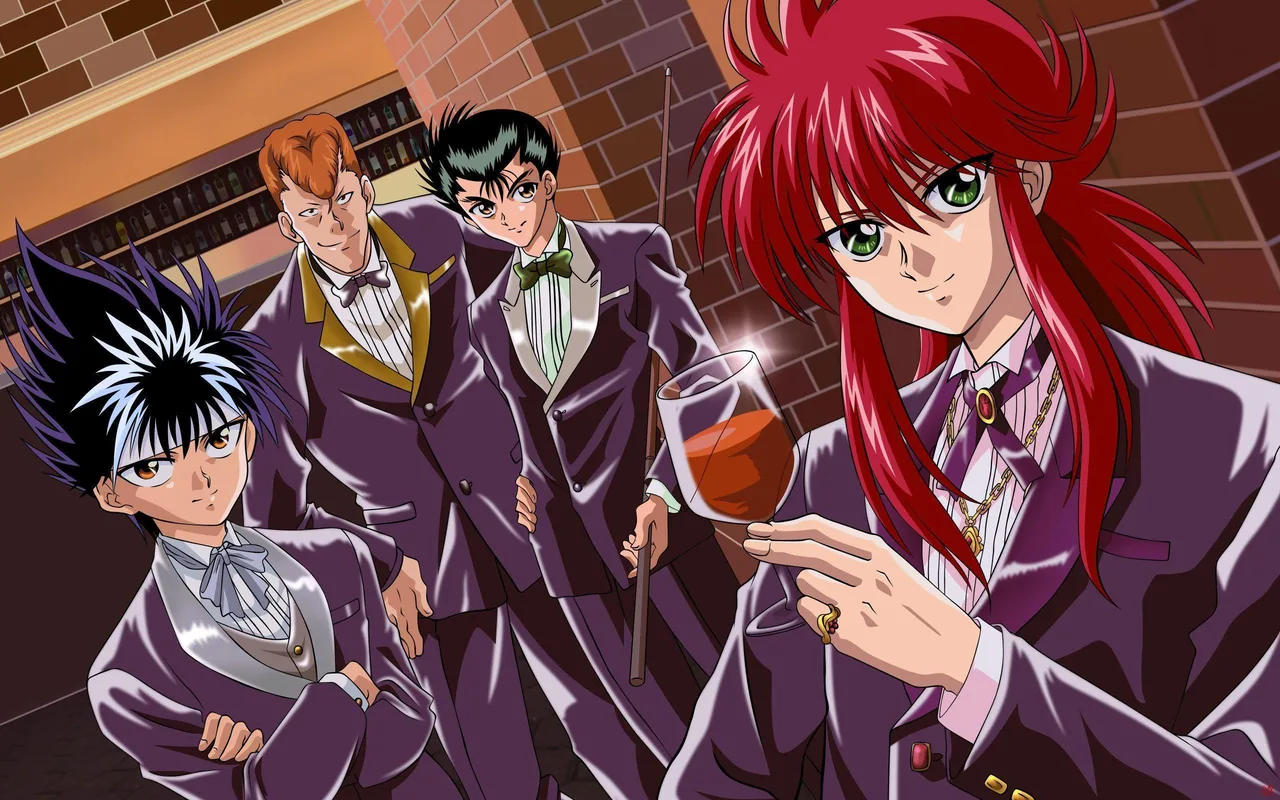
Yu Yu Hakusho
A landmark Shonen Jump action series in which a delinquent teenager dies, is resurrected as a Spirit Detective, and battles demons across four escalating sagas.
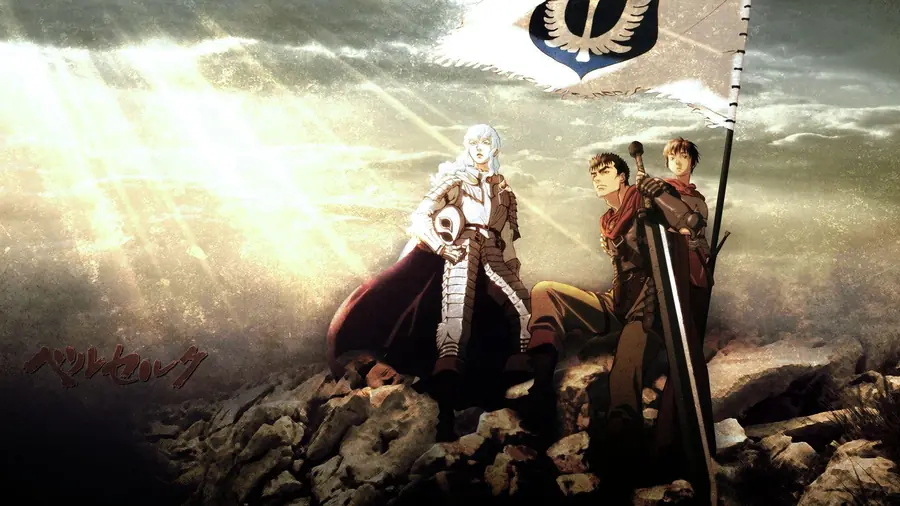
Berserk
A dark and brutal medieval fantasy following Guts on his journey of revenge, featuring complex characters and stunning artwork.
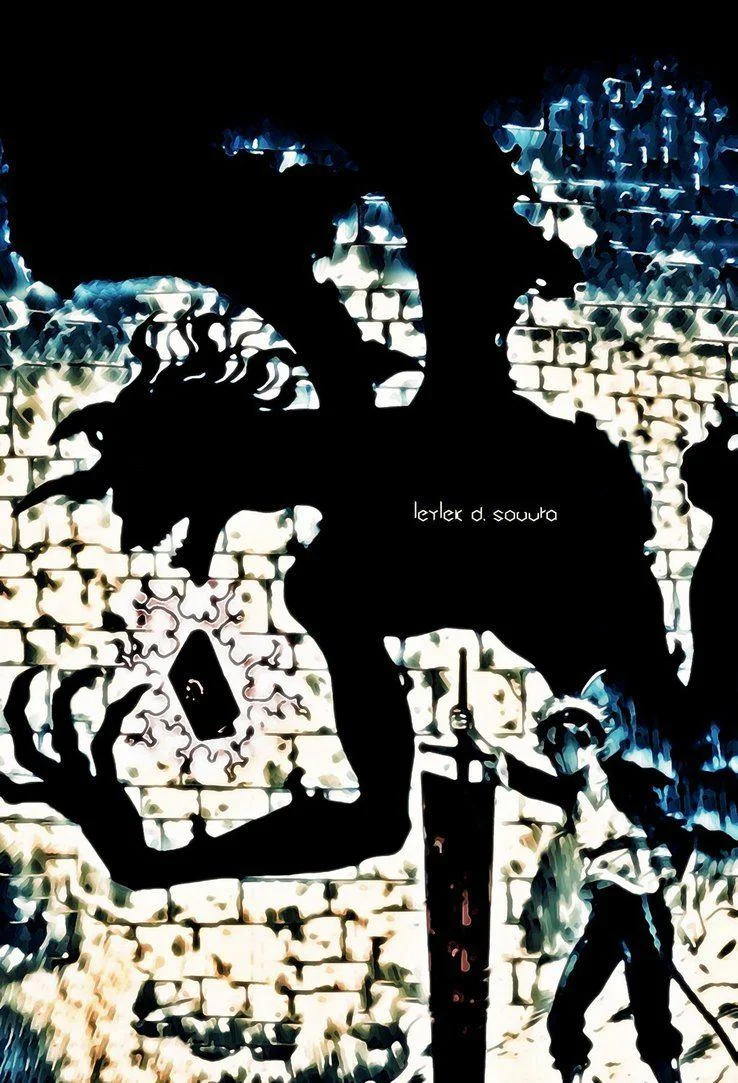
Black Clover
An ongoing shonen fantasy magic manga following Asta, a young man without magic power in a world where magic dominates, as he pursues his dream of becoming the Wizard King through determination and friendship
Related Articles
All articles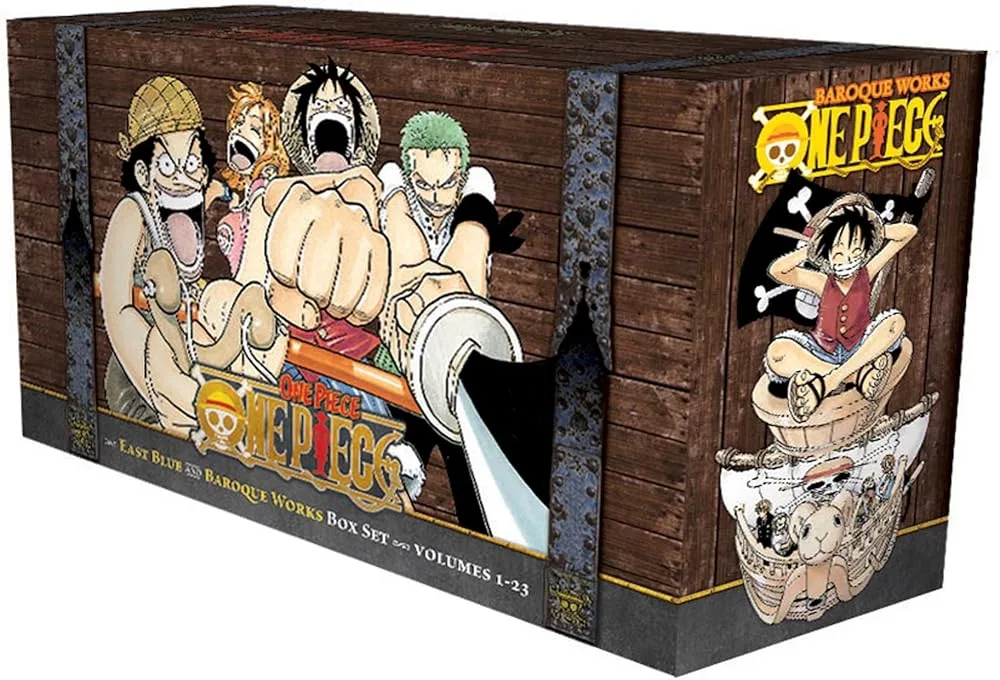
Top 16 Best Shonen Manga of All Time (2026)
The best shonen manga ever made, ranked. Legendary battle epics, underdog heroes, and the series that defined the genre — plus the box sets worth owning.
Best Manga by Genre: The Ultimate 2026 Reading Guide (Shonen, Shojo, Seinen, Josei)
Comprehensive manga genre guide featuring best series by demographic and genre. From action shonen to mature josei, find your next read organized by taste and preference.
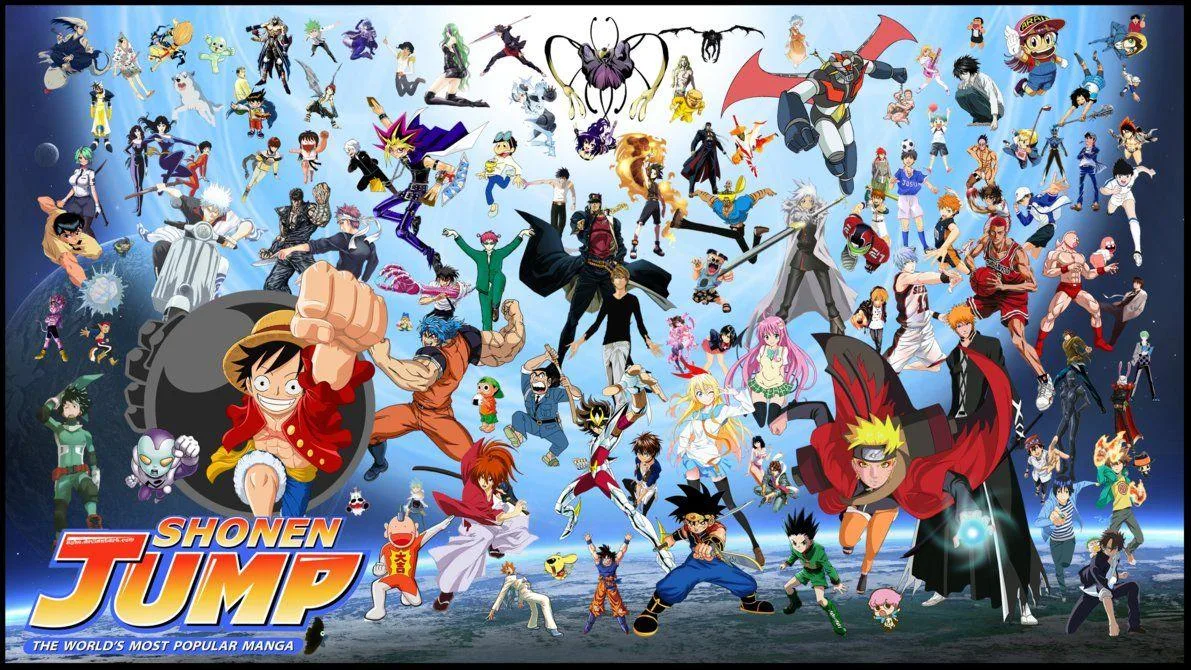
Weekly Shonen Jump Explained: How the World's Biggest Manga Magazine Works
Everything you need to know about Weekly Shonen Jump — history, ranking system, how manga gets serialized and canceled, famous series, and how to read it in English.