Dragon Ball
Follow Goku's incredible journey from a martial arts novice to Earth's mightiest defender in this action-packed adventure series.
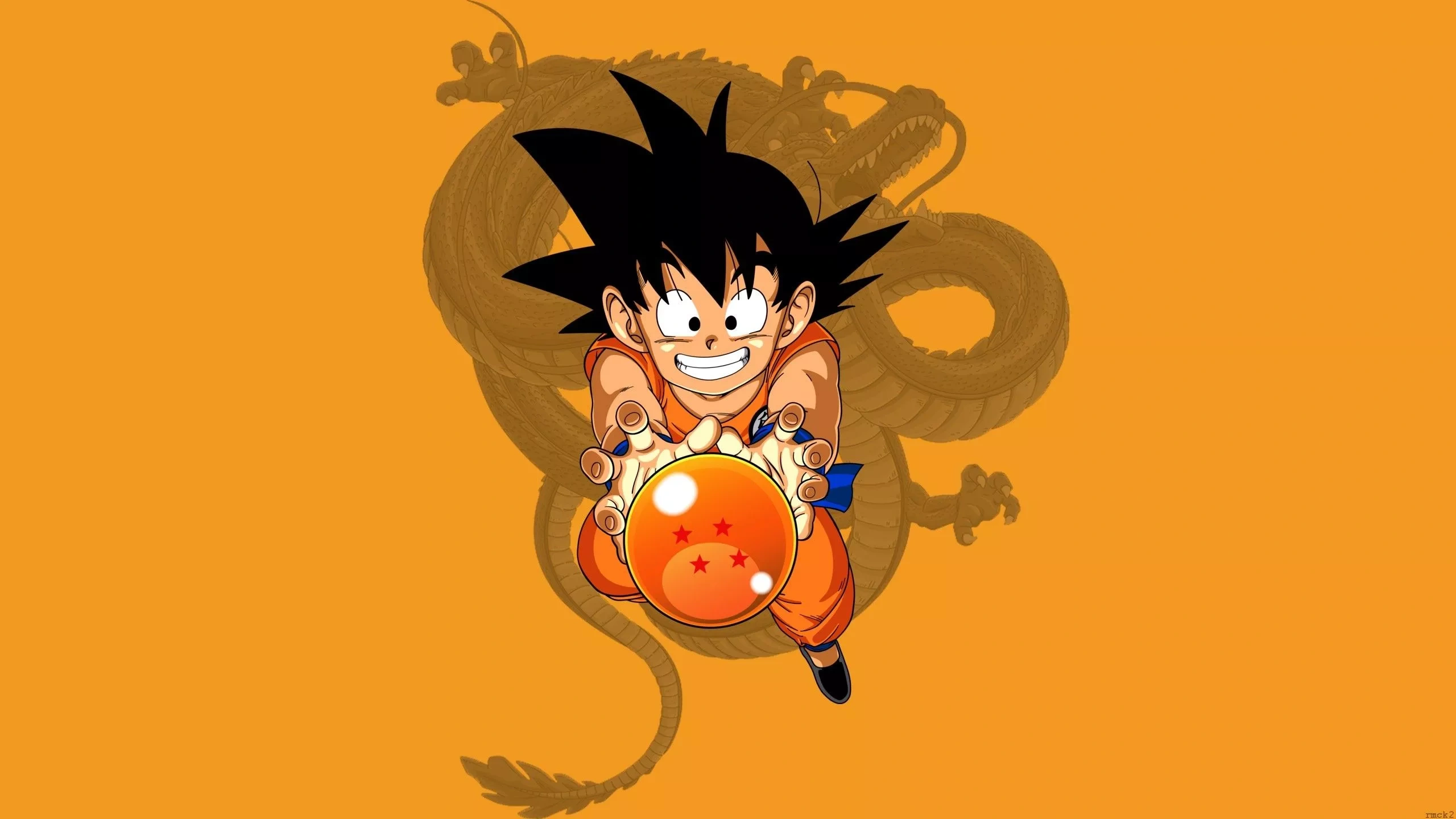
All Dragon Ball Story Arcs in Order
| # | Arc |
|---|---|
| 1 | Emperor Pilaf Saga |
| 2 | Tournament Saga |
| 3 | Red Ribbon Army Saga |
| 4 | King Piccolo Saga |
| 5 | Piccolo Jr. Saga |
The Manga That Changed Everything
Dragon Ball represents the moment when manga truly became a global phenomenon. Created by Akira Toriyama and serialized from 1984 to 1995, this series established templates that continue defining shonen manga decades later. Dragon Ball’s influence extends far beyond manga—the series fundamentally transformed how audiences worldwide perceive Japanese popular culture.
The Journey of Goku
At its heart, Dragon Ball chronicles the unparalleled journey of Son Goku, from innocent martial artist to Earth’s greatest defender. Goku’s character arc encompasses genuine growth and transformation. Beginning as a naive child raised in isolation, Goku gradually learns about the world, forms meaningful relationships, and discovers his extraordinary potential. His perpetual quest to become stronger reflects not arrogance but genuine love of improvement and challenge.
Goku’s appeal stems from his unique characterization—he combines childlike innocence with devastating power, creating a protagonist simultaneously relatable and aspirational. Readers root for Goku not because he’s perfect, but because he never gives up and continually strives to improve.
The World of Dragon Ball
The Dragon Ball universe operates on a logical system where martial arts skill determines capability rather than arbitrary plot devices. The presence of Dragon Balls—mystical orbs granting wishes—creates both motivation for adventure and narrative tension regarding who will control these god-like artifacts.
The series’ world-building establishes distinct environments: peaceful villages, dangerous territories, advanced civilizations, and alien worlds. This geographic and cultural diversity means each saga feels fresh while maintaining consistent internal logic. The martial arts tournament structure provides recurring narrative framework that allows character development while creating competition excitement.
Main Characters and Their Development
Son Goku - The Pure-Hearted Warrior
Goku’s characterization represents one of manga’s greatest achievements. His combination of warrior spirit with fundamental kindness creates a protagonist audiences genuinely care about. His development from innocent to powerful warrior never feels forced—each power increase reflects character growth and dedicated training rather than arbitrary elevation.
Vegeta - The Rival Prince
Vegeta begins as an unstoppable villain before gradually transitioning into hero through forced alliance with Goku. His pride-driven character creates complex dynamics, particularly regarding his relationship with Goku. Vegeta represents how even those born for conquest might choose redemption and connection.
Gohan - The Reluctant Warrior
Goku’s eldest son possesses even greater potential than his father but lacks Goku’s love of fighting. Gohan’s character explores the burden of inherited power and the conflict between personal desire and family obligation. His character arc addresses how destiny might be accepted or rejected.
Krillin - The Loyal Friend
Goku’s oldest companion represents the ordinary person rising to extraordinary challenge through determination and training. Krillin’s loyalty and growth demonstrate that martial skill can be developed rather than inherited, creating inspiration for readers without superhuman genetics.
Bulma - The Technological Genius
While lacking combat ability, Bulma’s scientific contributions prove essential to the series’ progression. Her character demonstrates that heroism encompasses diverse forms—technological innovation and strategic thinking matter as much as martial prowess.
Vegeta and Bulma’s Family Dynamic
Vegeta and Bulma’s relationship begins antagonistic before developing into genuine partnership. Their family represents how former enemies might find common ground and create new bonds. Their children inherit both Saiyan and human heritage, exploring themes of mixed identity and hybrid power.
The Best Dragon Ball Arcs
The Early Adventure Arc
The early sagas establish the series’ tone—combining martial arts action with exploration and character development. Goku’s encounters with diverse opponents and allies create genuine investment in his journey. The martial arts tournament introduces structured competition that recurs throughout the series.
The Red Ribbon Army Arc
This arc escalates stakes beyond simple martial arts competitions to military conflict. Goku’s battle against organized military power demonstrates his growth while introducing themes of authority corruption and the military-industrial complex’s dangers.
The King Piccolo Arc
Introducing genuine villainy and serious consequences, this arc darkens the series’ tone. Character deaths create genuine emotional impact, establishing that power alone cannot protect loved ones. Goku’s determination to prevent future tragedies provides meaningful character motivation.
The Saiyan Saga
The revelation that Goku is alien royalty recontextualizes the entire series. The introduction of Saiyans creates power scaling that permits future escalation while establishing threat level justifying Goku’s continued training. This arc demonstrates the series’ ability to reinvent itself while maintaining narrative coherence.
The Frieza Saga
Perhaps the series’ most acclaimed arc, the Frieza Saga delivers the Super Saiyan transformation—one of manga’s most iconic moments. The prolonged battle between Goku and Frieza creates genuine tension regarding who will survive, while establishing power levels that permit future adventures.
The Android and Cell Arcs
These arcs introduce powerful artificial beings and a creature created from the cells of previous opponents. The Cell Tournament provides recurring tournament structure while escalating stakes to universal survival level. Gohan’s growth from reluctant warrior to essential protector completes his character arc.
The Majin Buu Saga
The final arc introduces a creature of pure evil requiring universal-scale response. The saga’s exploration of good and evil, innocence and corruption, provides philosophical depth while delivering spectacular final battles. The arc establishes themes about redemption and second chances.
Why Dragon Ball Endures
Dragon Ball succeeds through consistent character development, escalating stakes, and genuine emotional investment. The series respects martial arts skill—power increases feel earned through training and experience rather than arbitrary elevation. Readers believe in character growth because the series demonstrates how training produces improvement.
The series also excels at balancing action with humor, adventure with character moments, and spectacle with emotional depth. Dragon Ball never becomes entirely serious, maintaining lighthearted moments even during intense conflicts. This tonal balance creates entertainment that engages diverse audiences rather than exclusively targeting action enthusiasts.
The artwork by Akira Toriyama perfectly complements the narrative. His character designs are instantly recognizable, his action sequences crystal clear, and his comedic timing visually communicated. The series demonstrates manga’s artistic potential through consistently impressive visual storytelling.
Related Series and Influence
Dragon Ball directly influenced nearly every subsequent shonen manga. Naruto and One Piece owe obvious debts to Dragon Ball’s template of determined protagonists seeking growth and power. Jujutsu Kaisen similarly structures around escalating threats and character development.
Extended Dragon Ball Universe
Dragon Ball’s cultural impact extends through Dragon Ball Z (anime continuation), Dragon Ball GT (anime-only sequel), and Dragon Ball Super (contemporary continuation). These extensions demonstrate the franchise’s continued relevance and audience appetite for Goku’s continued adventures.
Frequently Asked Questions
What is the difference between Dragon Ball and Dragon Ball Z? Dragon Ball represents the original manga covering Goku’s growth from childhood. Dragon Ball Z is anime-exclusive terminology for the series’ second half focusing on adult Goku and more serious threats. The manga transitions naturally without formal distinction.
How strong is Goku compared to other protagonists? Goku’s power level increases throughout the series, establishing him as one of fiction’s strongest characters. However, Dragon Ball consistently introduces more powerful opponents, preventing Goku from becoming omnipotent. This maintains narrative tension despite his extraordinary capability.
What makes the Saiyan transformation significant? The Super Saiyan transformation represents more than power increase—it symbolizes Goku’s transcendence of his perceived limitations. The spectacular visual presentation, combined with the emotional buildup, created one of manga’s most iconic moments that influenced countless subsequent series.
How does Dragon Ball address mortality? Dragon Ball explores mortality through character deaths with genuine consequences. While resurrection via Dragon Balls occurs, character deaths still matter emotionally. The series eventually explores concepts like fighting in the afterlife, expanding its metaphysical framework.
What role do the martial arts tournaments play? The tournaments provide structured competition allowing varied matchups and character displays. The tournaments also create investment through bracket progression and elimination tension. They serve narrative functions beyond simple battles, developing character relationships and revealing power levels.
How does Dragon Ball handle power scaling? Rather than arbitrary power increases, Dragon Ball establishes power scaling through documented training, genetic enhancement, and divine intervention. The series generally maintains internal logic regarding why characters grow stronger, creating believable progression despite astronomical power levels.
What makes Goku’s character development compelling? Goku’s development feels organic because the series shows his actual training and the relationships influencing his growth. His motivation stems from genuine love of improvement and friendship rather than external obligation, creating authentic character progression.
How does Dragon Ball influence fighting anime? Dragon Ball established templates for shonen action: training montages, power escalation, spectacle combat, and tournament structures. Nearly every subsequent fighting anime reflects Dragon Ball’s influence, whether consciously or through absorbed conventions.
What is the significance of the Saiyan heritage? Goku’s alien origins create thematic exploration of nature versus nurture. Despite Saiyan genetic predisposition toward conquest, Goku chooses friendship and growth, suggesting environmental influence and personal choice transcend heredity.
Should I read Dragon Ball or watch the anime? The manga represents Akira Toriyama’s original vision with his distinctive artwork. The anime expands certain moments and adds filler arcs that, while entertaining, weren’t part of the original story. Many fans experience both to appreciate each medium’s strengths.
The Lasting Legacy of Dragon Ball
Dragon Ball fundamentally transformed global popular culture. The series introduced shonen manga conventions that continue dominating the genre—the determined protagonist, the powerful rival, the martial arts tournament, the escalating threat levels. Understanding Dragon Ball is essential to understanding contemporary manga and anime.
Beyond narrative influence, Dragon Ball created cultural phenomena. The series’ merchandise, video games, and media adaptations made it a global brand recognizable even by non-anime audiences. Characters like Goku became iconic representations of anime itself.
For readers seeking the source of shonen manga conventions, Dragon Ball remains essential reading. The series demonstrates how consistent character development, escalating stakes, and genuine emotional investment create narratives transcending their original demographic to become timeless entertainment. Dragon Ball proves that great storytelling rooted in character relationships and earned power progression never becomes outdated—it becomes legendary.
Publication and Adaptations
Akira Toriyama serialized Dragon Ball in Shueisha’s Weekly Shōnen Jump from issue 51 of 1984 (cover-dated December 3) through issue 25 of 1995, accumulating 519 chapters across 11 years of weekly publication. The compiled tankōbon edition spans 42 volumes published between September 1985 and August 1995. Subsequent reprints include the 24-volume kanzenban (2002-2004) with new full-color covers and revised dialogue, the 34-volume Full Color edition reproducing every page in color (2009-2014), and the Sōshūhen omnibus releases. As of 2025, Dragon Ball has surpassed 300 million copies in worldwide circulation, making it the third best-selling manga of all time behind One Piece and Golgo 13. Viz Media holds the English license, releasing both the original 16-volume split-rerelease and the complete 42-volume run under various editions.
The animation legacy spans four major television series and over twenty theatrical films. The original Dragon Ball anime (Toei Animation, 1986-1989) ran 153 episodes covering through the 23rd Tenkaichi Budokai. Dragon Ball Z (1989-1996) followed with 291 episodes adapting the second half of the manga. Dragon Ball GT (1996-1997) provided 64 episodes of original post-manga story not authored by Toriyama. After Toriyama returned to active involvement, Dragon Ball Kai (2009-2015) offered a 167-episode recut of Z aligned with manga pacing, and Dragon Ball Super (2015-2018) delivered 131 episodes of canonical post-Z material with Toriyama as story supervisor. Dragon Ball Daima (October 2024-February 2025) provided 20 episodes of new content celebrating the franchise’s 40th anniversary.
The film catalog includes 21 Dragon Ball Z theatrical releases, 2 Dragon Ball Super films (Broly in 2018 and Super Hero in 2022), the live-action Dragon Ball Evolution (2009, widely panned), and numerous OVAs and television specials. Dragon Ball Z: Battle of Gods (2013) and Resurrection F (2015) marked Toriyama’s first new theatrical stories in over a decade. The 2018 Broly film grossed $124 million worldwide, becoming the highest-grossing anime film in North America at the time of release. Super Hero (2022) followed with $87 million globally despite limited Japanese release.
The video game franchise exceeded $7 billion in lifetime sales by 2024 across over 100 titles. Notable releases include the Budokai series (2002-2005), Budokai Tenkaichi trilogy (2005-2007), Xenoverse 1-2 (2015, 2016), FighterZ (2018, developed by Arc System Works), Kakarot (2020), and Sparking! Zero (2024). Bandai Namco maintains continuous mobile game releases including Dragon Ball Z: Dokkan Battle (2015-) and Dragon Ball Legends (2018-), each generating hundreds of millions in annual revenue.
Cultural Impact and Legacy
Dragon Ball’s influence on shōnen manga is impossible to overstate. The Big Three manga of the 2000s (Naruto, Bleach, One Piece) all credit Dragon Ball as primary inspiration, with Eiichiro Oda explicitly stating Toriyama as his greatest influence. The power-scaling tropes, tournament arc structure, transformation sequences, and rival dynamics established by Dragon Ball became the template for nearly every shōnen battle series since. Modern hits like My Hero Academia, Black Clover, and Demon Slayer all operate within structural frameworks Toriyama codified between 1984 and 1995.
Akira Toriyama’s death on March 1, 2024 prompted unprecedented worldwide tributes. Heads of state including French President Emmanuel Macron and Brazilian President Luiz Inácio Lula da Silva publicly mourned. El Salvador’s president declared a national day of remembrance. Times Square broadcast Dragon Ball footage in tribute. The character Goku appeared in the closing ceremony of the 2020 Tokyo Olympics as one of Japan’s official cultural ambassadors. UNESCO recognized Dragon Ball’s cultural significance in 2024 promotional materials about Japanese soft power exports.
Frequently Asked Questions
Did Akira Toriyama write Dragon Ball Super? Toriyama supervised the story and created original concepts including new characters (Beerus, Whis, Jiren) and the multiverse expansion, but Toyotarō handled the manga adaptation art and weekly chapter execution. Toriyama’s involvement was substantially deeper than his minimal GT participation.
What is the canonical reading order? The 42-volume manga is the definitive canon. For anime, watch Dragon Ball (1986-1989), Dragon Ball Z or Dragon Ball Kai (your preference), Battle of Gods film, Resurrection F film, Dragon Ball Super, Broly film, Super Hero film, then Dragon Ball Daima.
Is Dragon Ball GT canon? No. GT was produced without Toriyama’s direct involvement and is generally considered non-canonical. Dragon Ball Super effectively replaces GT in the official continuity.
How many copies has Dragon Ball sold? Over 300 million tankōbon copies worldwide as of 2025, making it the third best-selling manga series of all time. Including spin-offs and Dragon Ball Super, total franchise circulation exceeds 350 million.
Who continues Dragon Ball after Toriyama’s death? Toyotarō continues the Dragon Ball Super manga at Shueisha, drawing from notes and concepts Toriyama developed before his March 2024 passing. Toei Animation continues anime production with input from Toriyama’s estate and Bird Studio.
Dragon Ball Arc Guides
Emperor Pilaf Saga
The Emperor Pilaf Saga is where Dragon Ball begins — chapters 1-23 that introduce Goku, Bulma, the Dragon Balls, and the series' irresistible mix of martial arts, adventure, and comedy. If you want to understand why Dragon Ball became the most influential manga ever published, start here.
Chapters 1-23Tournament Saga
Goku and Krillin train under Master Roshi and enter the World Martial Arts Tournament in chapters 24-53 — the arc that introduces the Tenkaichi Budokai, kicks off Goku's lifelong love of competition, and delivers the memorable reveal of Jackie Chun. This is Dragon Ball establishing its tournament DNA.
Chapters 24-53Red Ribbon Army Saga
Chapters 54-112 pit Goku against the Red Ribbon Army — a global criminal organization hunting the Dragon Balls. The arc introduces Mercenary Tao, the deadliest human fighter Goku has faced, and builds to an emotionally charged wish that reveals what Dragon Ball is really about beneath the action.
Chapters 54-112King Piccolo Saga
Chapters 135-161 are where Dragon Ball stops being a comedy and starts being a tragedy. Piccolo Daimao — an ancient demon king of pure malevolence — is freed, kills Krillin, kills Master Roshi, and seizes global power. This is the arc that made Dragon Ball matter.
Chapters 135-161Piccolo Jr. Saga
Dragon Ball's original story concludes in chapters 162-194 with a three-year time skip, a grown-up Goku, and the final reckoning between him and Piccolo Jr. at the World Martial Arts Tournament — a fight that closes the series' first cycle and sets up everything that follows.
Chapters 162-194Anime Adaptation
Full guideDragon Ball Merchandise
Read manga free with Amazon Prime
30-day free trial: free shipping, Prime Reading, Kindle, Prime Video and more.
Affiliate link. 30-day free trial for new members. Then $14.99/month — cancel anytime.
FAQ: Dragon Ball
You May Also Like
All manga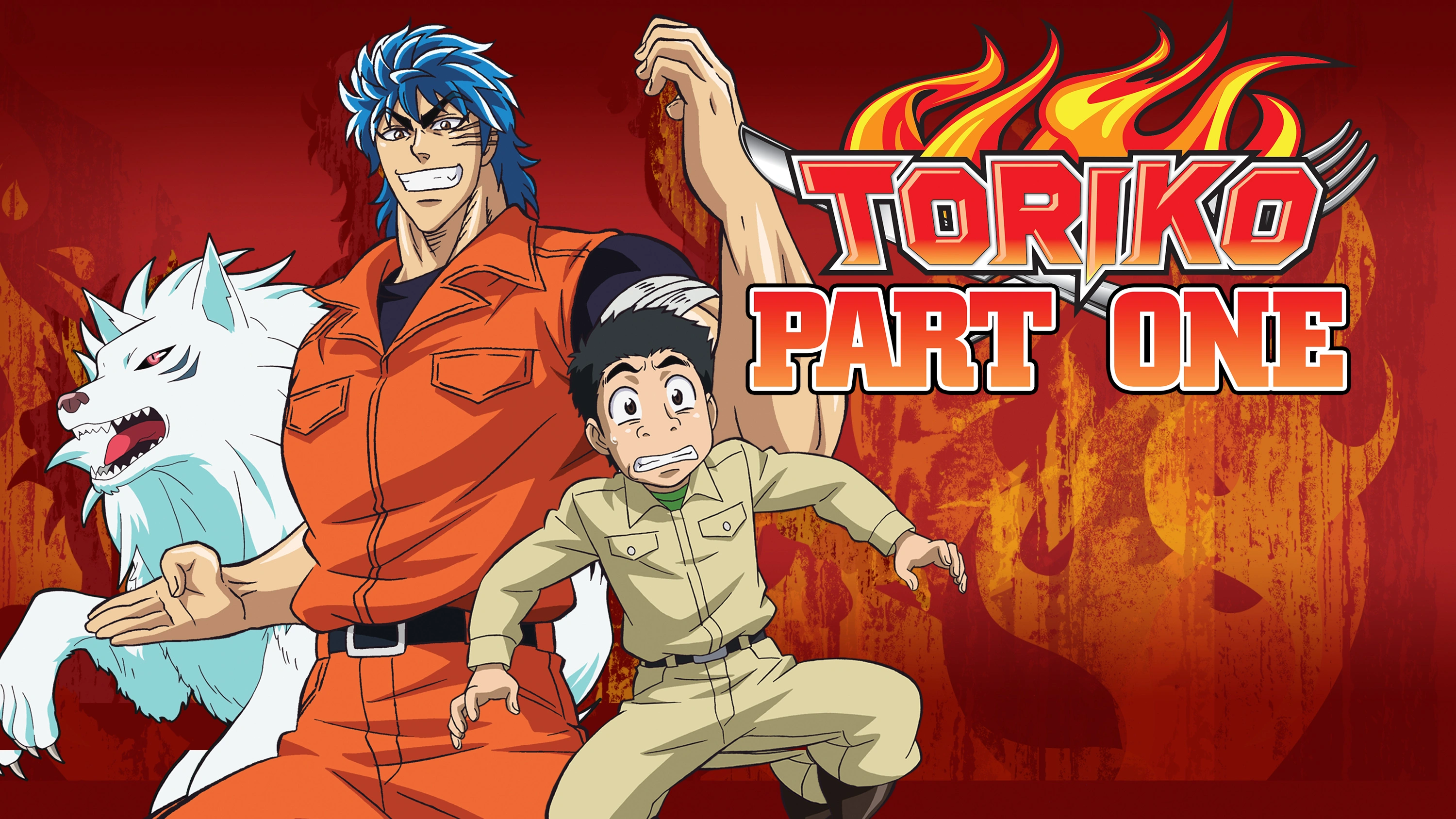
Toriko
A completed shonen adventure manga by Mitsutoshi Shimabukuro about Toriko, a Gourmet Hunter searching for legendary ingredients to complete his dream Full Course Menu alongside his chef partner Komatsu, in a world where cuisine and combat are inseparable.
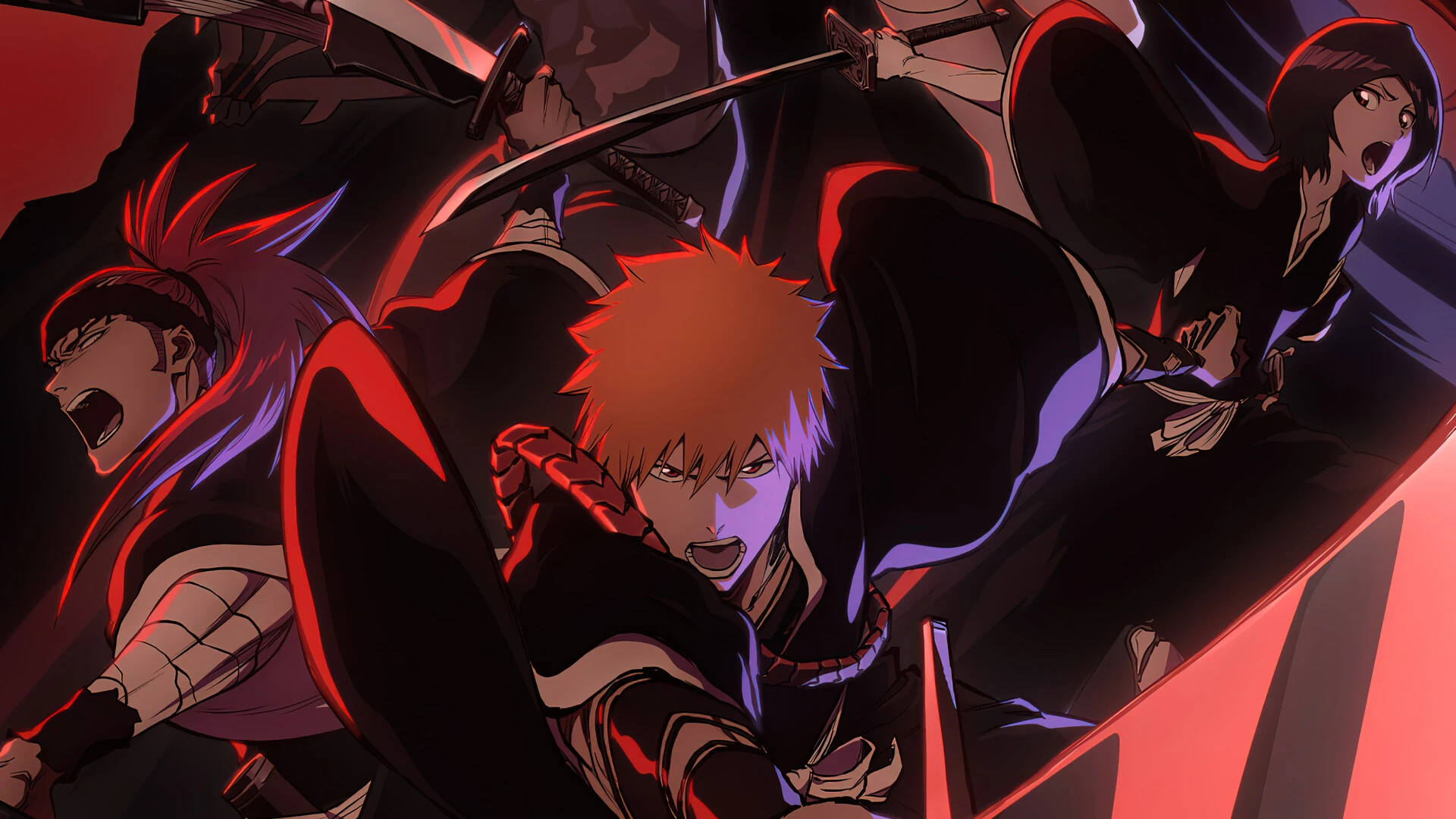
Bleach
The story of Ichigo Kurosaki, a teenager who gains the powers of a Soul Reaper — a death personification — and uses them to protect the living and the dead from evil spirits called Hollows, while uncovering a vast conspiracy that threatens both the human world and the afterlife.
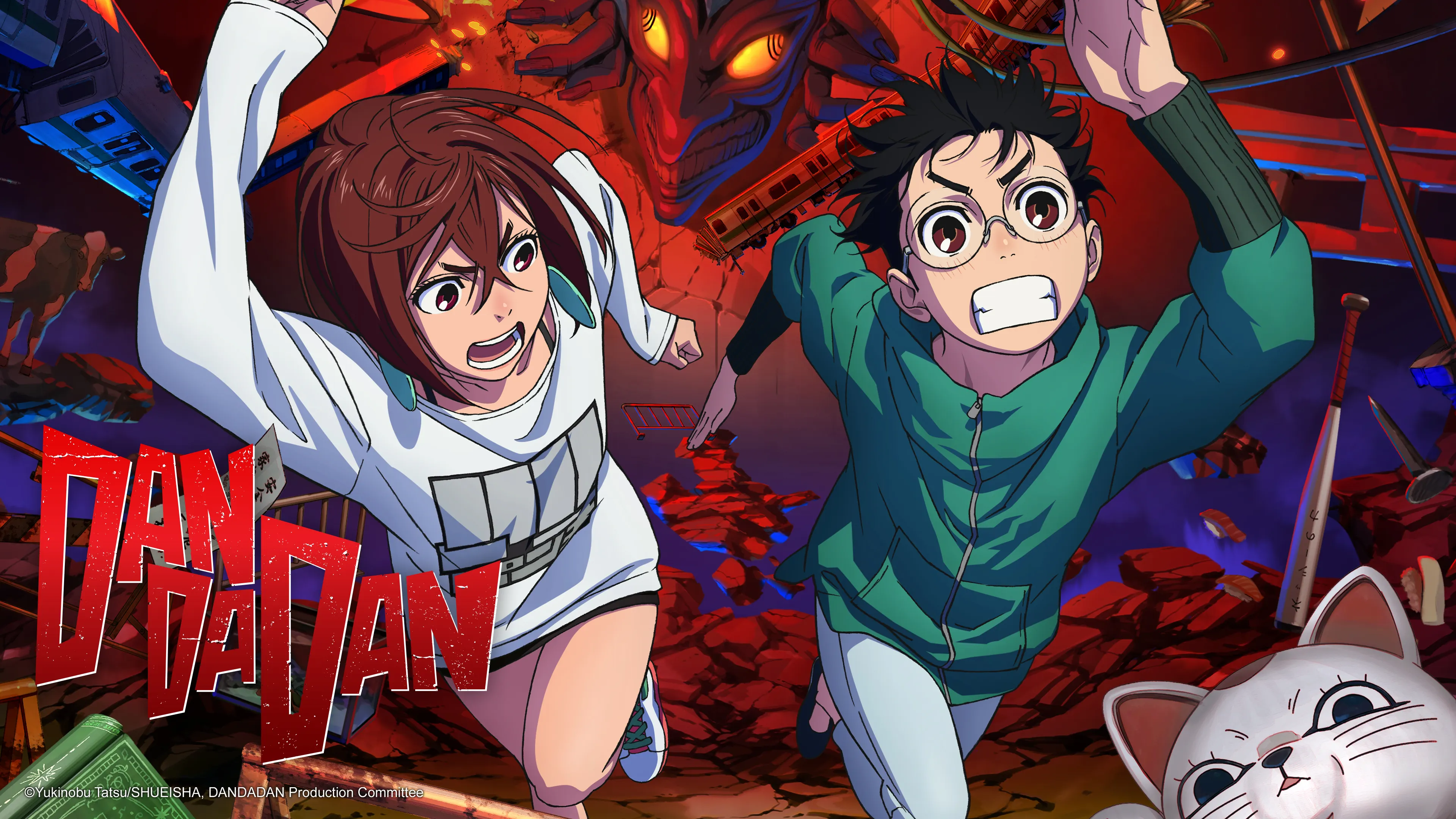
Dandadan
A contemporary shonen manga blending action, comedy, and supernatural mystery as two unlikely partners investigate paranormal phenomena.
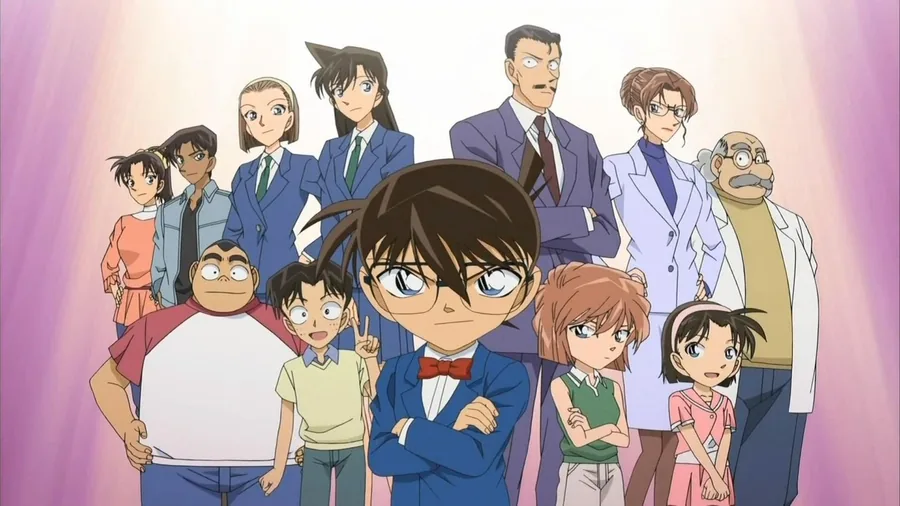
Detective Conan (Case Closed)
A long-running mystery and detective manga following the high-school detective Shinichi Kudo, who is shrunk into the body of a child by a mysterious organization and continues to solve cases under the pseudonym Conan Edogawa while hunting his attackers.
Related Articles
All articles
Top 15 Best Action Manga of All Time (2026)
The best action manga ever made, ranked. Explosive battles, legendary fights, and adrenaline-fueled epics — plus the box sets worth collecting.
Top 16 Best Shonen Manga of All Time (2026)
The best shonen manga ever made, ranked. Legendary battle epics, underdog heroes, and the series that defined the genre — plus the box sets worth owning.
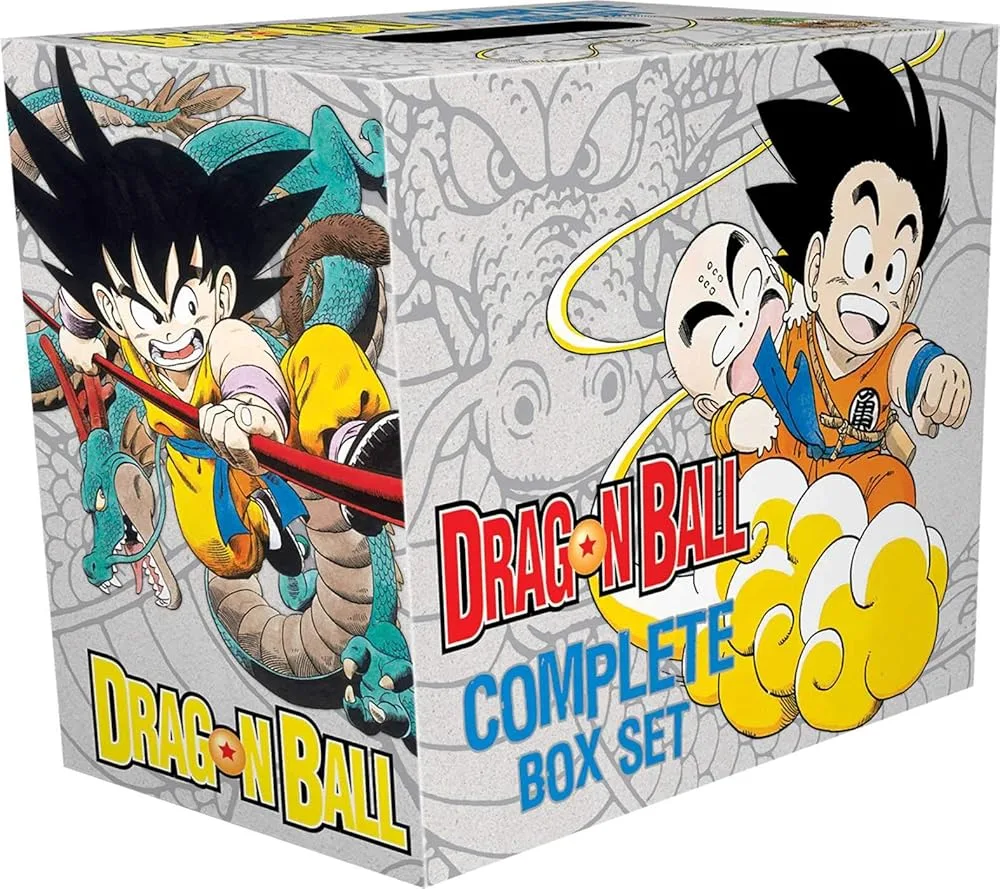
Dragon Ball Box Set Guide 2026: Which to Buy & Reading Order
The complete Dragon Ball manga box set guide for 2026. The Dragon Ball and Dragon Ball Z box sets compared, which to buy first, and how to collect the full 42-volume saga.