Jujutsu Kaisen
The dark shonen series where high schooler Yuji Itadori becomes the vessel for the most powerful cursed spirit, Sukuna, and must collect all twenty of his fingers before being executed — forcing him to fight in a world of sorcerers, curses, and institutional corruption.
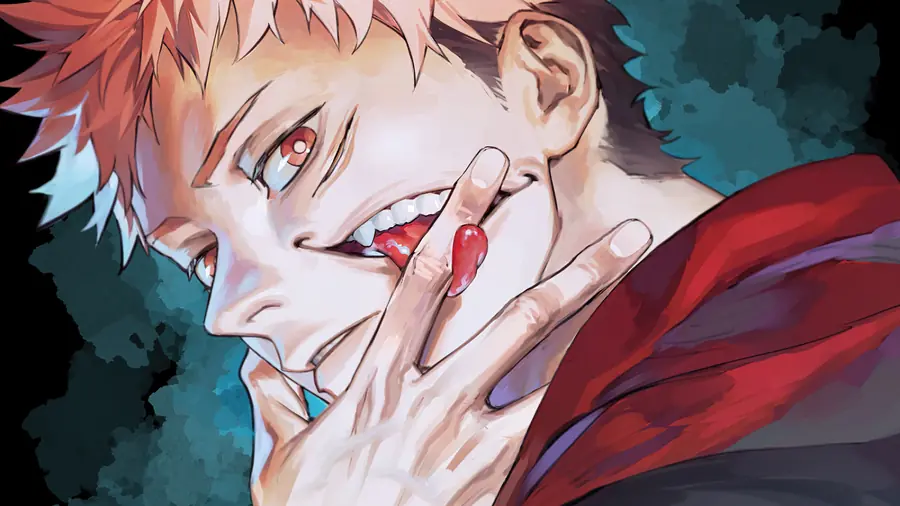
All Jujutsu Kaisen Story Arcs in Order
Overview
Jujutsu Kaisen is the dark supernatural action manga that, more than any other Weekly Shōnen Jump title of the late 2010s, demonstrated that the post-Naruto generation could carry the magazine’s flagship action slot with the same commercial scale as its predecessors. Created by Gege Akutami and serialized in Weekly Shōnen Jump from March 2018 to September 2024 across 271 chapters and 30 tankōbon volumes, the series concluded its run as one of the fastest-selling shōnen manga in publishing history, passing 100 million copies in cumulative circulation by 2024.
The series follows Yuji Itadori, a Tokyo high-school student with extraordinary physical capability who swallows a cursed object — one of the twenty fingers of Ryomen Sukuna, the King of Curses — in order to save his friends from the supernatural creatures called curses. Instead of dying as expected, Yuji becomes Sukuna’s living vessel and is recruited into Tokyo Jujutsu High, the elite institution where jujutsu sorcerers train to exorcise the curses born from negative human emotion.
What Is Jujutsu Kaisen About?
The premise rests on a deliberately Buddhist-inflected cosmology. Curses are spirits formed from accumulated negative human emotion — fear, hatred, regret — that take physical form in the modern world and prey on people. Jujutsu sorcerers, trained at Tokyo Jujutsu High and its sister school Kyoto Jujutsu High, exorcise curses using cursed energy: the same negative emotional energy refined through training into a controllable resource. The most powerful sorcerers can develop a Domain Expansion — an enclosed reality where their cursed technique becomes mathematically guaranteed.
Yuji’s situation is atypical. Most jujutsu sorcerers are born with the ability to see and channel cursed energy; Yuji becomes a sorcerer through accident, and his role is structurally peculiar. As Sukuna’s vessel he carries within his body the most powerful curse in history, a 1,000-year-old monster who can take temporary control whenever Yuji’s life is in extreme danger. The series’ central question is not whether Yuji can become strong enough to defeat curses but whether his existence itself can be reconciled with the institution that should, by its own rules, execute him on sight.
What follows across 30 volumes is the development of the Tokyo Jujutsu High first-year cohort — Yuji, Megumi Fushiguro and Nobara Kugisaki — alongside the broader sorcerer society. The series’ arcs alternate between training and missions in the early volumes, then escalate dramatically with the Shibuya Incident in volumes 14-16 (the most consequential arc in modern Jump action manga, with named-character deaths at every level of the cast), and conclude with the multi-arc final movement of the Culling Game and the war against Sukuna. The series ends in volume 30 with Sukuna’s defeat and the surviving sorcerers facing a transformed jujutsu world.
Reading Order
The manga can be read straightforwardly in tankōbon order across 30 volumes. The series is structurally complete with no ongoing spin-offs that interrupt the main timeline. There is one prequel work — the four-chapter manga Jujutsu Kaisen 0 — which was published in Jump GIGA in 2017 (before the main series launched) and follows Yuta Okkotsu at Tokyo Jujutsu High one year before Yuji’s arrival. Jujutsu Kaisen 0 is collected in a single volume that should be read either before volume 1 or between volumes 7 and 8 depending on reader preference; both orders work narratively.
For readers who want to start with the anime, MAPPA’s adaptation has produced two seasons (2020-2021 and 2023) covering through the Shibuya Incident, plus the 2021 theatrical film Jujutsu Kaisen 0. Season 3, covering the Culling Game arc, was announced for 2026 production. The anime is widely considered one of the highest-quality production environments any modern shōnen has received, particularly the Shibuya Incident sequences in season 2.
The reading map by major arc: Cursed Training and Vs Cursed Womb (vols 1-3); Vs Mahito and Kyoto Goodwill Event (vols 4-7); Death Painting Brothers and Vs Mahito Cont. (vols 8-13); Shibuya Incident (vols 14-16); Culling Game (vols 17-22); Sendai Colony and Vs Sukuna prelude (vols 23-26); final war and conclusion (vols 27-30).
What Makes Jujutsu Kaisen Important
Jujutsu Kaisen was the breakout shōnen action title of the late 2010s and one of the most internationally successful Weekly Shōnen Jump launches of its decade. The series passed 100 million tankōbon copies in cumulative circulation by 2024, was translated into more than thirty languages, and consistently topped the Oricon weekly best-seller charts during its run. Its commercial trajectory placed it firmly in the top tier of contemporary shōnen alongside Demon Slayer, My Hero Academia and Chainsaw Man.
Its specific contribution to the medium was the structural recoding of post-Bleach supernatural action manga for a 2020s audience. Where Bleach and Naruto built their power systems through visible attacks and named techniques, Jujutsu Kaisen built its system around informational asymmetry — the Binding Vow, the Domain Expansion, the rules of cursed technique disclosure — that rewards close reading rather than spectacle alone. Akutami’s willingness to kill named characters at the highest levels of the cast in the Shibuya arc reset audience expectations for what the post-2020 shōnen could risk.
The series has also been one of the most influential modern works in shaping the international audience’s appetite for adult-tonal shōnen. The MAPPA anime, broadcast internationally on Crunchyroll and Netflix, brought the property to one of the largest non-Japanese audiences any 2020s anime has reached. The Shibuya arc in particular — its named-character deaths, its sustained psychological darkness, its refusal to grant easy redemption to its antagonists — has been cited by anime industry observers as one of the structural moments that shifted post-2020 expectations of what mainstream shōnen could carry tonally.
Why This Manga Stands Out
Beyond its commercial position, the manga rewards close reading on its own terms. Akutami’s art has been the subject of extensive debate — early volumes feature loose panel construction that some readers struggle with, while the post-Shibuya arcs feature sustained sequences of mass-action choreography that few contemporary mangaka have attempted at this scale. The series’ strongest visual moments tend to be its quietest: the post-Shibuya sequences featuring Yuji’s psychological collapse, the silent panels of cursed technique manifestation, the deliberate page-composition choices around named-character deaths.
The series’ emotional weight comes from Akutami’s commitment to making his cast genuinely vulnerable rather than narratively protected. Several major characters die in the Shibuya Incident; several more die in the post-Shibuya arcs. The series does not grant deus ex machina rescues. Its post-Shibuya volumes operate under the explicit understanding that any character can die in any chapter, which transforms the reading experience and makes the late-series arcs work at a different intensity than their pre-Shibuya counterparts.
The series is also unusual among major shōnen for its structural completeness. Akutami announced before the series began that it would have a defined ending, and he delivered exactly that: 271 chapters, 30 volumes, no extension into spin-off territory beyond the prequel Jujutsu Kaisen 0. The conclusion in volume 30 closes the main cast’s arcs, resolves the Sukuna confrontation, and leaves the surviving cast in a transformed jujutsu society without dragging the franchise into open-ended sequel territory.
Publication and Adaptations
Jujutsu Kaisen was serialized in Weekly Shōnen Jump from March 2018 to September 2024 and collected in 30 tankōbon volumes by Shueisha. The series is published in English by Viz Media (30-volume tankōbon), in Spanish by Norma Editorial (Spain) and Distrito Manga / Panini (Latin America), in French by Ki-oon, and in Italian by Star Comics, with translations into more than thirty languages worldwide.
The MAPPA anime adaptation began in October 2020 with Season 1 (24 episodes), continued with Season 2 in July 2023 (23 episodes), and announced Season 3 for 2026. The 2021 theatrical film Jujutsu Kaisen 0, directed by Sunghoo Park, became one of the highest-grossing Japanese animated films of the year and one of the most internationally successful anime film exports of the 2020s. The anime is widely considered one of the highest-budget production environments any modern shōnen has received, particularly the Shibuya Incident sequences in Season 2.
The franchise has continued to expand across formats including video games (Jujutsu Kaisen Cursed Clash on PS5/Switch/PC, Phantom Parade mobile, multiple gacha collaborations), light novels by Ballad Kitaguni, official guidebooks, and an extensive merchandise catalog. The 2026 announcement of Season 3 of the anime ensures continued franchise visibility through the second half of the decade.
Related Series
Readers drawn to Jujutsu Kaisen’s combination of supernatural premise and willingness to kill its named cast will find immediate companions in Chainsaw Man, Tatsuki Fujimoto’s parallel 2020s supernatural shōnen, and in Bleach, whose Soul Reaper cosmology and tournament-of-power architecture is one of the explicit structural influences on Akutami’s series. For readers more interested in the cursed-energy power system and the philosophical engagement with curse formation, Hunter x Hunter’s Nen system is the closest direct ancestor. Among contemporaneous shōnen, Demon Slayer and My Hero Academia form the broader cohort of late-2010s supernatural action manga that defined the post-Naruto Jump generation.
Frequently Asked Questions
Is Jujutsu Kaisen finished?
Yes. Jujutsu Kaisen concluded in September 2024 across 271 chapters and 30 tankōbon volumes. The manga is structurally complete and Akutami has confirmed no continuation is planned beyond the existing volumes and the prequel Jujutsu Kaisen 0.
How many volumes does Jujutsu Kaisen have?
The main manga has 30 tankōbon volumes plus the 1-volume prequel Jujutsu Kaisen 0. Various international print formats (omnibus, deluxe, color editions) are available depending on market.
Is there an anime adaptation?
Yes. The MAPPA anime adaptation has produced two TV seasons (2020-2021, 24 episodes; 2023, 23 episodes) plus the 2021 theatrical film Jujutsu Kaisen 0. Season 3, covering the Culling Game arc, was announced for 2026.
What age rating is Jujutsu Kaisen?
Jujutsu Kaisen is rated 16+ (Older Teen) in most markets. The series features sustained graphic violence, significant named-character deaths (especially in the Shibuya Incident arc), psychological horror, and complex moral ambiguity. It sits comfortably in the same age band as Chainsaw Man and Tokyo Ghoul rather than mainstream shōnen action like Demon Slayer.
What is Jujutsu Kaisen 0?
Jujutsu Kaisen 0 is a four-chapter prequel published in Jump GIGA in 2017 — before the main series launched. It follows Yuta Okkotsu at Tokyo Jujutsu High one year before Yuji Itadori’s arrival and was adapted into the 2021 theatrical film of the same name. It is collected in a single tankōbon volume and can be read either before volume 1 or between volumes 7 and 8.
Where can I buy Jujutsu Kaisen manga?
The manga is published in English by Viz Media in 30 tankōbon volumes. Spanish editions are available through Norma Editorial (Spain) and Distrito Manga / Panini (Latin America); French through Ki-oon; Italian through Star Comics. Print and digital editions are widely available through Amazon and major retailers worldwide.
Publication and Adaptations
Gege Akutami launched Jujutsu Kaisen in Shueisha’s Weekly Shōnen Jump in issue 14 of 2018 (cover-dated March 5), concluding the main story with chapter 271 on September 30, 2024 after six and a half years of weekly publication. The compiled tankōbon edition reached 30 volumes by 2025, with the official prequel Jujutsu Kaisen 0 (Tokyo Metropolitan Curse Technical School, 2017-2018) released as a single volume that retroactively became volume 0 of the main series. Worldwide circulation surpassed 100 million copies in 2023, joining the elite tier of manga to clear that milestone within their first five years—a faster trajectory than any prior Weekly Shōnen Jump series including Demon Slayer. Viz Media’s English release proceeded simultaneously with Japan via the Manga Plus and Shōnen Jump platforms.
The MAPPA anime adaptation premiered on October 3, 2020, and produced 47 episodes across two seasons through December 2023. Season 1 covered the school-life and Kyoto Goodwill arcs, while Season 2 adapted the celebrated Hidden Inventory/Premature Death and Shibuya Incident arcs to widespread critical acclaim. Season 3, adapting the Culling Game arc, was confirmed for production in early 2024. The theatrical prequel Jujutsu Kaisen 0 (December 2021) grossed over $196 million worldwide, becoming one of the highest-grossing anime films ever and exceeding the original Demon Slayer Mugen Train film’s international performance in several markets.
The franchise expanded into video games with Cygames’ Jujutsu Kaisen: Cursed Clash (Bandai Namco, February 2024), a console fighting game spanning major story arcs. Mobile games include Jujutsu Kaisen: Phantom Parade (2023-) which generated over $40 million in its first six months. Light novel spin-offs explore side character backstories, with three official light novels published by Jump j-Books. Live-action stage adaptations have run in Tokyo since 2023, with multiple national tours.
Cultural Impact and Legacy
Jujutsu Kaisen became the most commercially significant new shōnen franchise of the 2020s, alongside Demon Slayer representing the post-Big Three generation of Weekly Shōnen Jump titans. The series’ depiction of trauma, sacrifice, and the costs of power has prompted unusual academic attention for an active battle shōnen, with multiple papers analyzing the work’s engagement with existentialist philosophy and Japanese folkloric tradition. The Shibuya Incident arc, in particular, generated significant viral discussion in 2023 for its willingness to kill major characters and depict large-scale civilian casualties—rare in mainstream shōnen.
Gojo Satoru and Sukuna emerged as cultural icons, appearing in fashion collaborations with Uniqlo, Marvel-style crossover artwork, and merchandise generating hundreds of millions in revenue. Jujutsu Kaisen has been the most-cosplayed franchise at major conventions including Anime Expo and Comiket since 2022. The series received the 66th Shogakukan Manga Award nomination in 2021, the Tezuka Osamu Cultural Prize New Creator Award nomination, and consistent placements in Oricon’s annual top-five manga sales rankings 2020-2024.
Frequently Asked Questions
Did Jujutsu Kaisen really end in 2024? Yes. Chapter 271 published September 30, 2024 in Weekly Shōnen Jump, concluding the main story after 271 chapters across six and a half years.
What is the recommended reading order? Read Jujutsu Kaisen 0 (the single-volume prequel) first or after the main series volume 8—both are valid. Then read the main 30-volume series in order. The anime adapts in production order: Season 1, then film 0, then Season 2.
Is the anime caught up with the manga? As of late 2025, the anime has aired 47 episodes covering through the Shibuya Incident arc. Season 3 adapting the Culling Game arc has been confirmed but not aired. The manga ended in September 2024.
Will there be more anime after the main story ends? MAPPA confirmed continued production through the manga’s conclusion. Season 3 will adapt the Culling Game arc, with subsequent seasons or films covering the final arcs.
Are the spin-offs and side material canonical? Jujutsu Kaisen 0 is fully canonical and authored by Akutami. Light novels are licensed but not strictly canonical. Stage adaptations and video games are non-canonical adaptations.
Jujutsu Kaisen Arc Guides
Cursed Child — Yuji's Enrollment
High school student Yuji Itadori swallows a cursed finger belonging to the legendary Sukuna and is drawn into the hidden world of Jujutsu sorcerers. Arrested into Tokyo Jujutsu High, he trains alongside the skilled Megumi Fushiguro and fierce Nobara Kugisaki under the mentorship of the immensely powerful Satoru Gojo. The arc establishes Yuji's unwilling status as Sukuna's vessel and explores how ordinary teenagers are forced into supernatural responsibility. Early confrontations with Death Painting brothers introduce the broader supernatural conflicts existing hidden beneath ordinary society.
Kyoto Goodwill Event
Tokyo and Kyoto Jujutsu High students participate in a mixed-school Goodwill Event designed to test skills through competitive battles. The tournament structure creates opportunity for inter-school relationships and rivalry, yet the event is violently interrupted by special-grade cursed spirits aligned with greater conspiracy. The arc tests the young sorcerers under fire, forcing them to demonstrate growth while revealing that institutional calm masks deeper conflict. Inter-school bonds formed during competition prove crucial to surviving the violent interruption.
vs. Mahito — Detention Center
Yuji and Nanami investigate a string of mysterious deaths linked to Mahito's Idle Transfiguration ability, which reshapes souls and bodies with grotesque cruelty. The investigation culminates in a detention center confrontation where Yuji experiences firsthand Mahito's sadistic nature and realizes that true evil exists without moral framework. The arc marks Yuji's traumatic awakening to genuine psychological evil and establishes Mahito as his most personal enemy. The confrontation forces Yuji to acknowledge that reasoning and compassion cannot persuade fundamentally cruel entities toward mercy.
Hidden Inventory / Gojo's Past
A retrospective arc revealing Satoru Gojo's past as a young sorcerer and his relationship with Suguru Geto, who together rose as the strongest sorcerer duo. The arc depicts the tragedy that fractured their friendship and sent Geto down a dark path toward nihilism and extremism. Gojo's confrontation with his friend's ideological shift and his inability to persuade Geto toward different choices establishes the series' exploration of how even overwhelming power cannot prevent personal tragedy or preserve relationships. The arc recontextualizes Gojo's present-day character, revealing his apparent lightness masks profound loss.
Shibuya Incident
Pseudo-Geto and aligned cursed spirits orchestrate massive coordinated attack trapping millions of civilians in Shibuya and sealing Satoru Gojo in the Prison Realm, removing him from conflict. The catastrophic battle forces sorcerers into desperate situations where standard tactics prove inadequate. Multiple important characters die, including Nanami and Junpei, and the sorcerer world is fundamentally changed. The arc establishes the series' willingness to depict genuine consequences and demonstrates that institutional leadership and powerful mentors cannot prevent personal tragedy. Gojo's sealing removes the series' most powerful safeguard, forcing sorcerers toward greater self-reliance.
Itadori's Extermination — Perfect Preparation
After Shibuya, Yuji is declared a target for execution by jujutsu higher-ups viewing him as irredeemable threat given his status as Sukuna's vessel. The institutional response to Yuji's existence drives the arc's conflict, establishing that jujutsu society's conservative leadership prioritizes stability over individual lives. The Zenin clan is torn apart from within by Maki's rebellion, Yuta is sent to kill Yuji but becomes his ally instead, and the sorcerer world restructures under Tengen's guidance toward new institutional framework. The arc explores how institutional response to crisis reveals fundamental values and power structures.
Culling Game
Kenjaku activates a massive battle royale across Japan, forcing sorcerers old and new into a deadly point-scoring killing game where ancient sorcerers are reincarnated into modern bodies and forced to participate. The game's rules and mechanics establish killing as the sole path to victory, forcing participants to acknowledge their capacity for murder. The arc deepens mystery regarding Kenjaku's ultimate plan and demonstrates that human competition, even when framed as evolutionary development, often produces suffering and death. New character introductions through Culling Game participants expand the cast while establishing that the supernatural world contains more capable sorcerers than previously known.
Shinjuku Showdown
The final battle. Sorcerers converge in Shinjuku for an all-or-nothing assault against Sukuna at full power and Kenjaku's ultimate plans. Yuji, Megumi, and other protagonists push themselves to absolute limit, confronting their fears and accepting final sacrifices. The arc explores whether individual will can overcome systematic disadvantage and whether meaning emerges from struggle itself rather than guaranteed victory. The conclusion demonstrates that survival alone sometimes represents victory, that defeating enemies does not erase previous harm, and that victory contains mixed elements of triumph and loss.
Jujutsu Kaisen Merchandise
Read manga free with Amazon Prime
30-day free trial: free shipping, Prime Reading, Kindle, Prime Video and more.
Affiliate link. 30-day free trial for new members. Then $14.99/month — cancel anytime.
FAQ: Jujutsu Kaisen
You May Also Like
All manga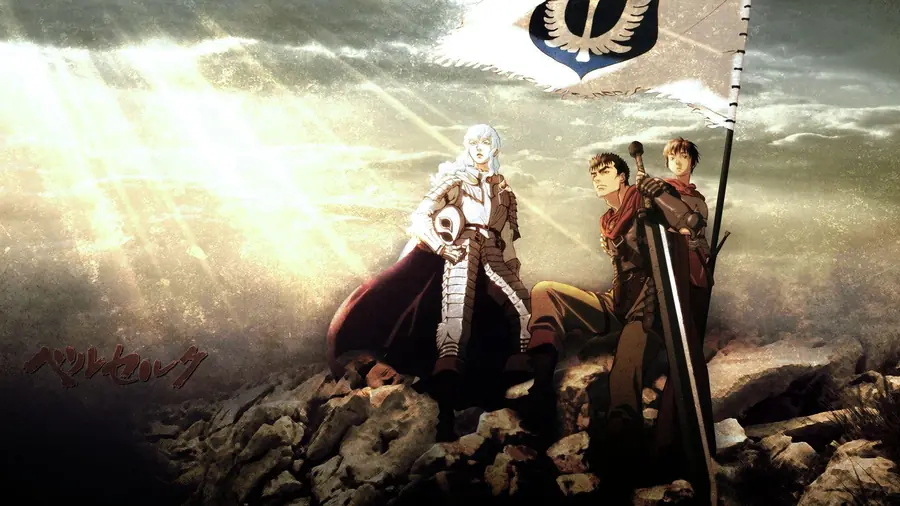
Berserk
A dark and brutal medieval fantasy following Guts on his journey of revenge, featuring complex characters and stunning artwork.
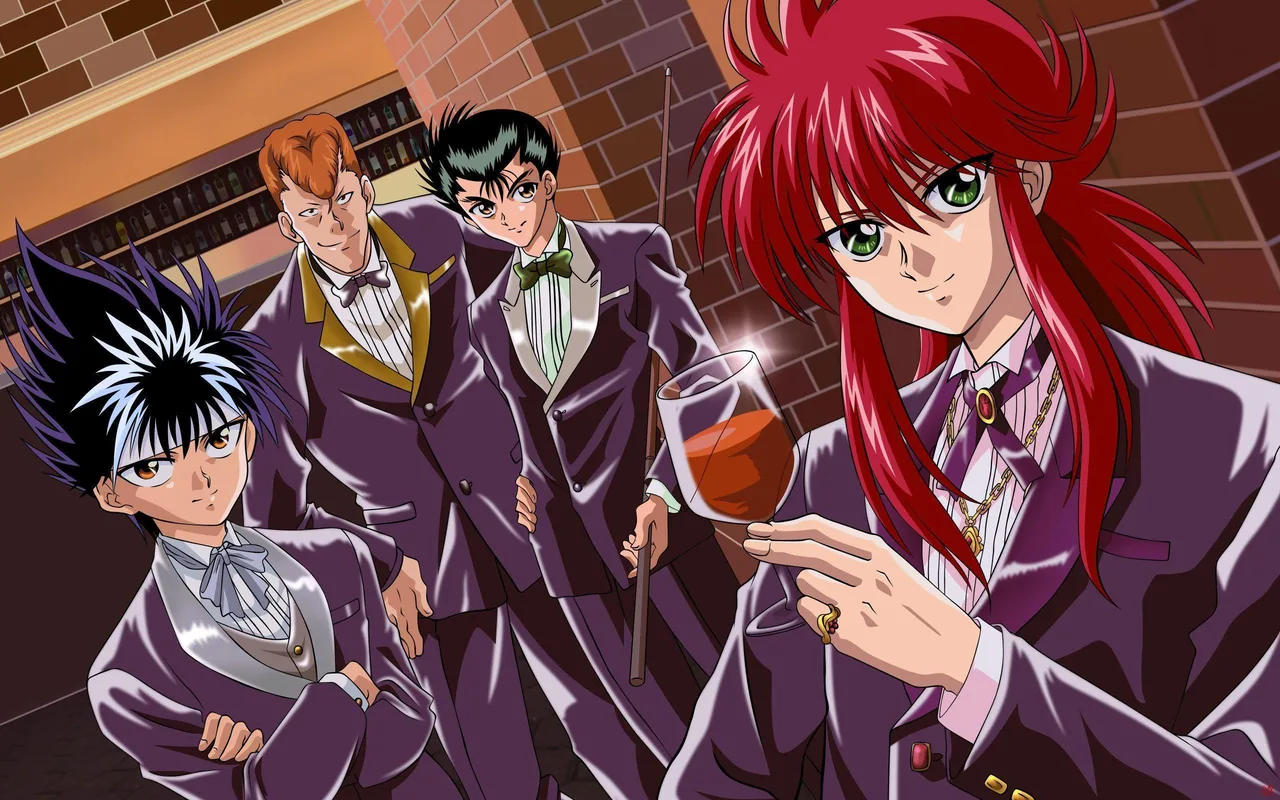
Yu Yu Hakusho
A landmark Shonen Jump action series in which a delinquent teenager dies, is resurrected as a Spirit Detective, and battles demons across four escalating sagas.
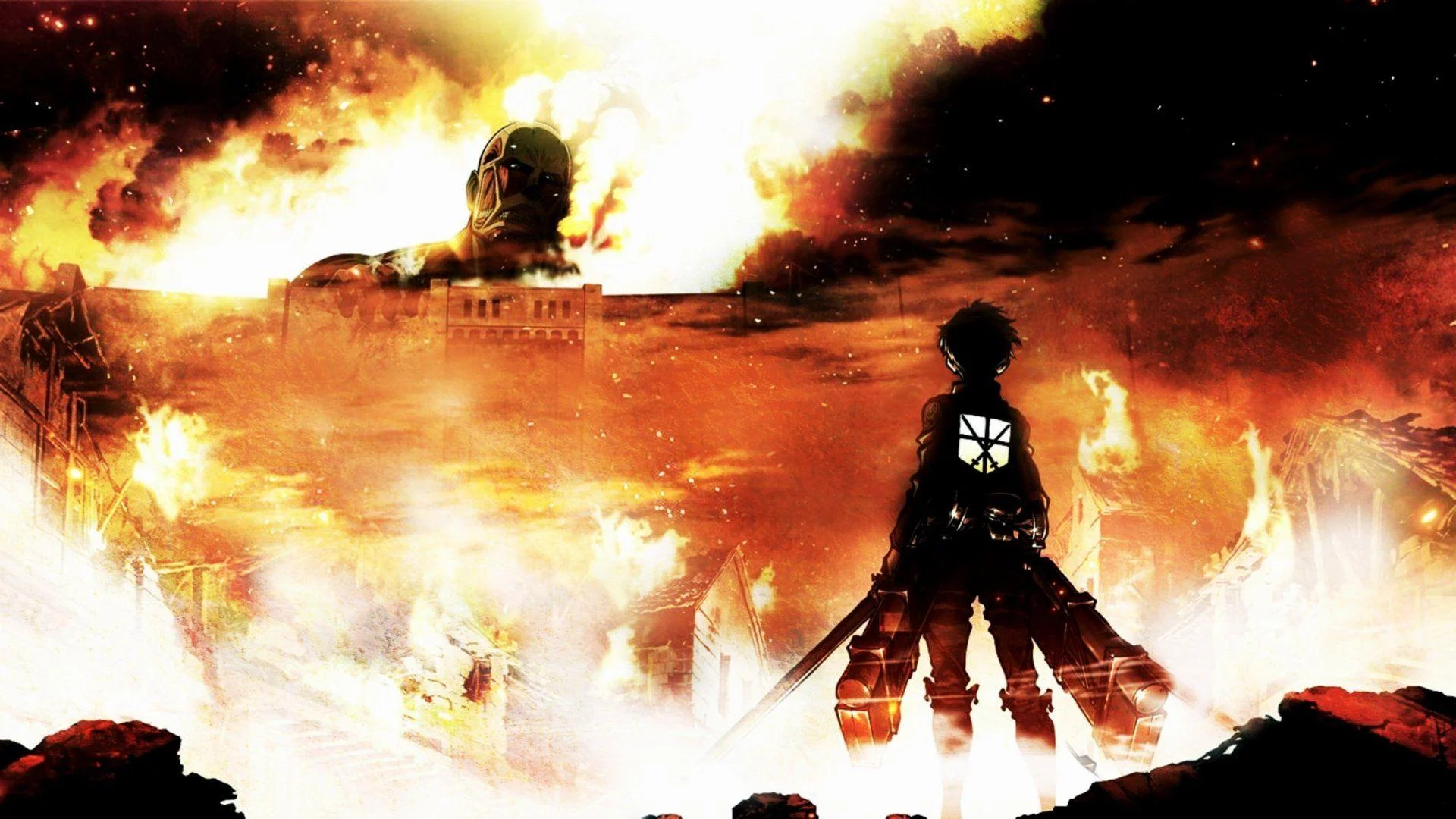
Attack on Titan
In a world where humanity cowers behind towering walls to survive the man-eating giants known as Titans, Eren Yeager vows revenge after watching his mother devoured. His journey from victim to soldier to world-changing radical reshapes everything he once fought to protect.
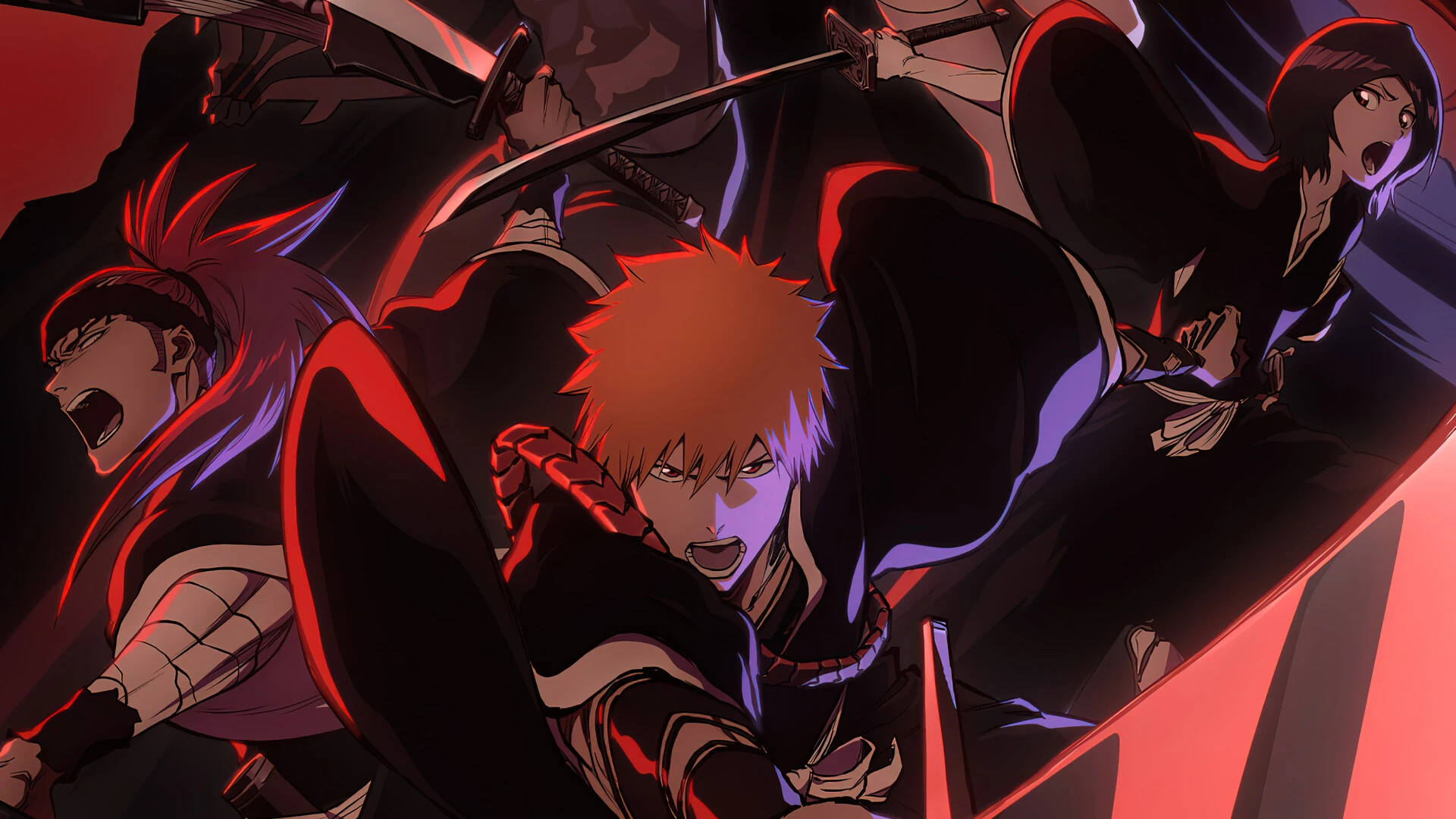
Bleach
The story of Ichigo Kurosaki, a teenager who gains the powers of a Soul Reaper — a death personification — and uses them to protect the living and the dead from evil spirits called Hollows, while uncovering a vast conspiracy that threatens both the human world and the afterlife.
Related Articles
All articles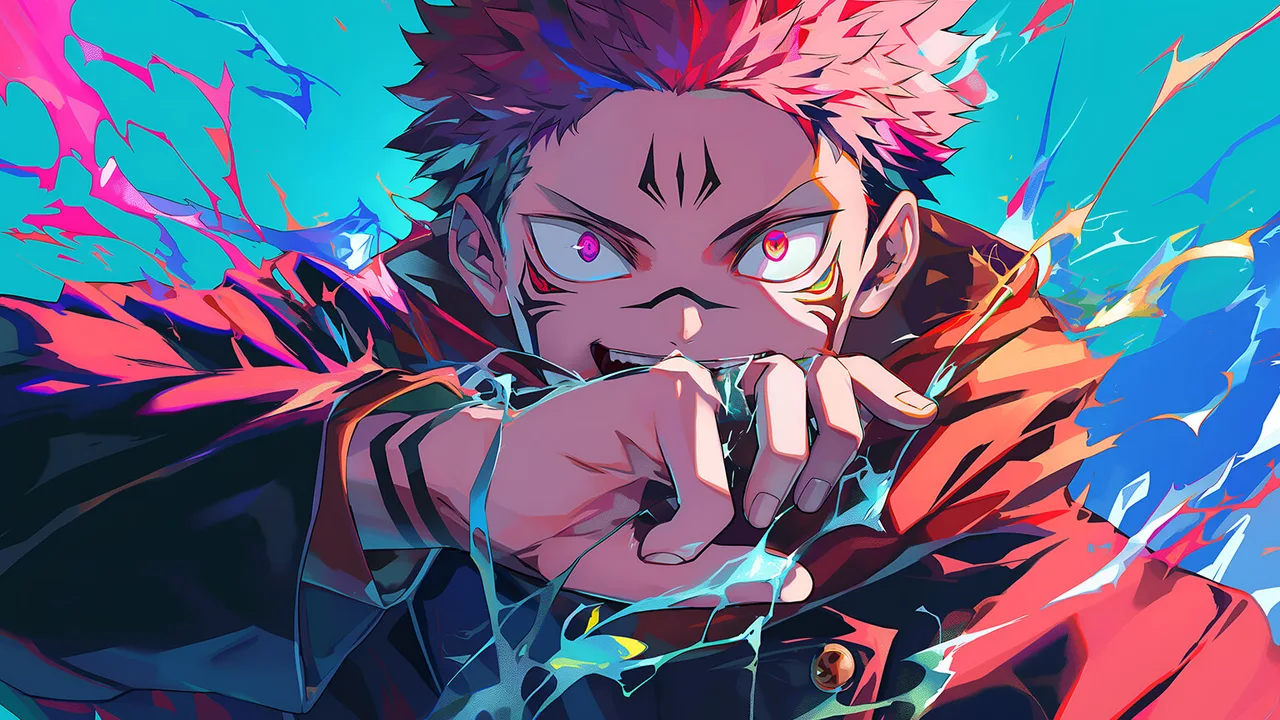
MAPPA's 15th Anniversary Showcase: JJK Season 4, Chainsaw Man and a Netflix Wave
MAPPA's 15th anniversary event dropped a Jujutsu Kaisen Season 4 trailer, a Chainsaw Man: Assassins Arc teaser, Ranma 1/2 Season 3, and new Netflix anime. Full recap.
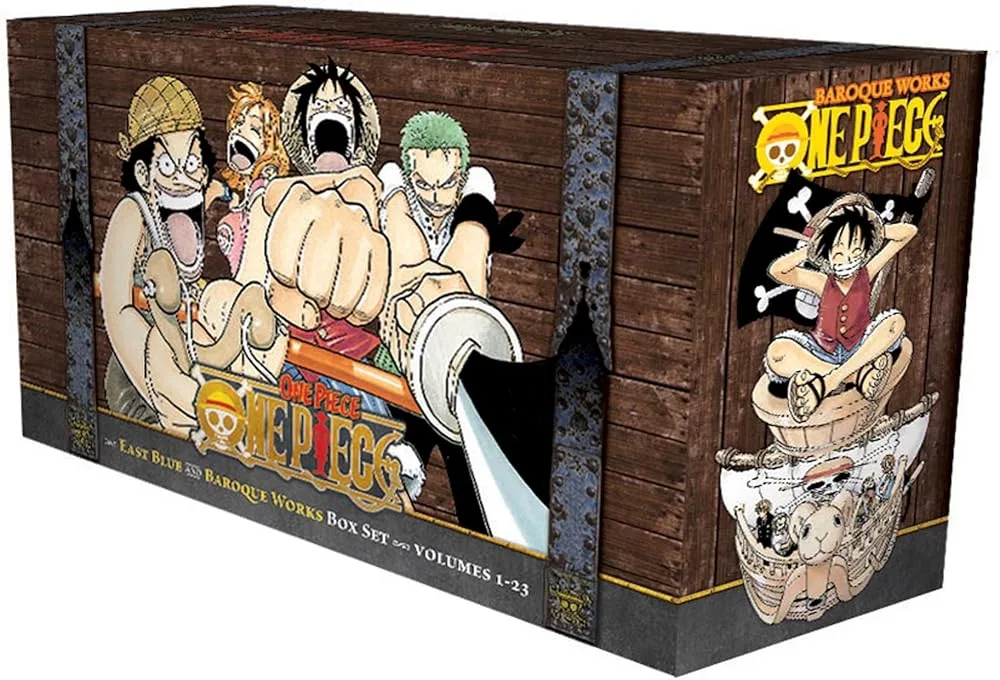
Top 15 Best Action Manga of All Time (2026)
The best action manga ever made, ranked. Explosive battles, legendary fights, and adrenaline-fueled epics — plus the box sets worth collecting.
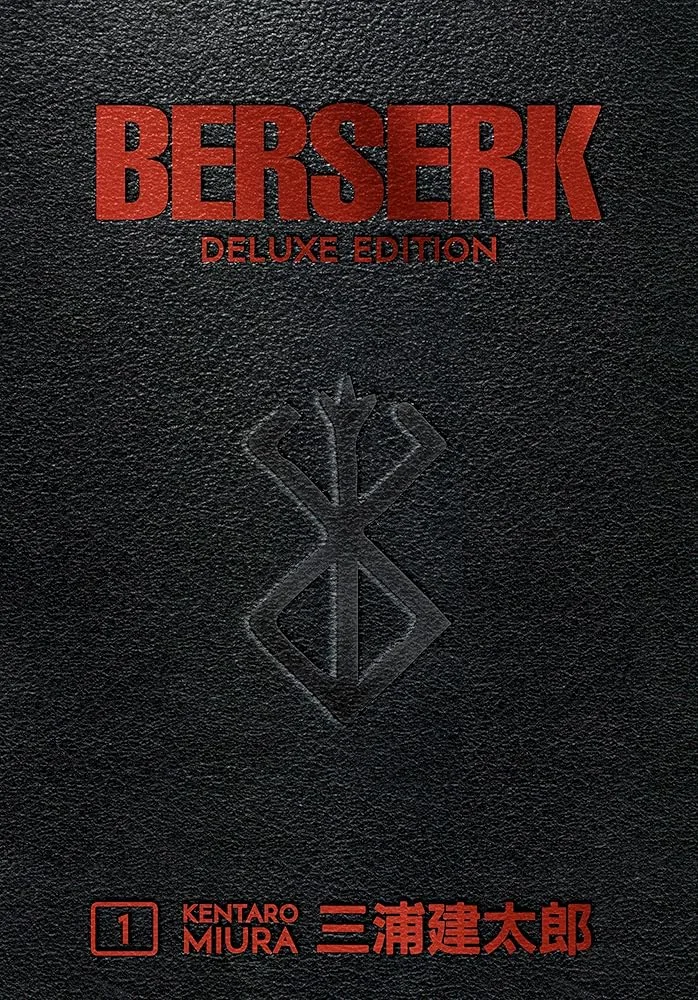
Top 15 Best Dark Fantasy Manga of All Time (2026)
The best dark fantasy manga ever made, ranked. Brutal worlds, morally grey heroes, and demonic horror — plus where to buy the definitive editions.