Bleach
The story of Ichigo Kurosaki, a teenager who gains the powers of a Soul Reaper — a death personification — and uses them to protect the living and the dead from evil spirits called Hollows, while uncovering a vast conspiracy that threatens both the human world and the afterlife.
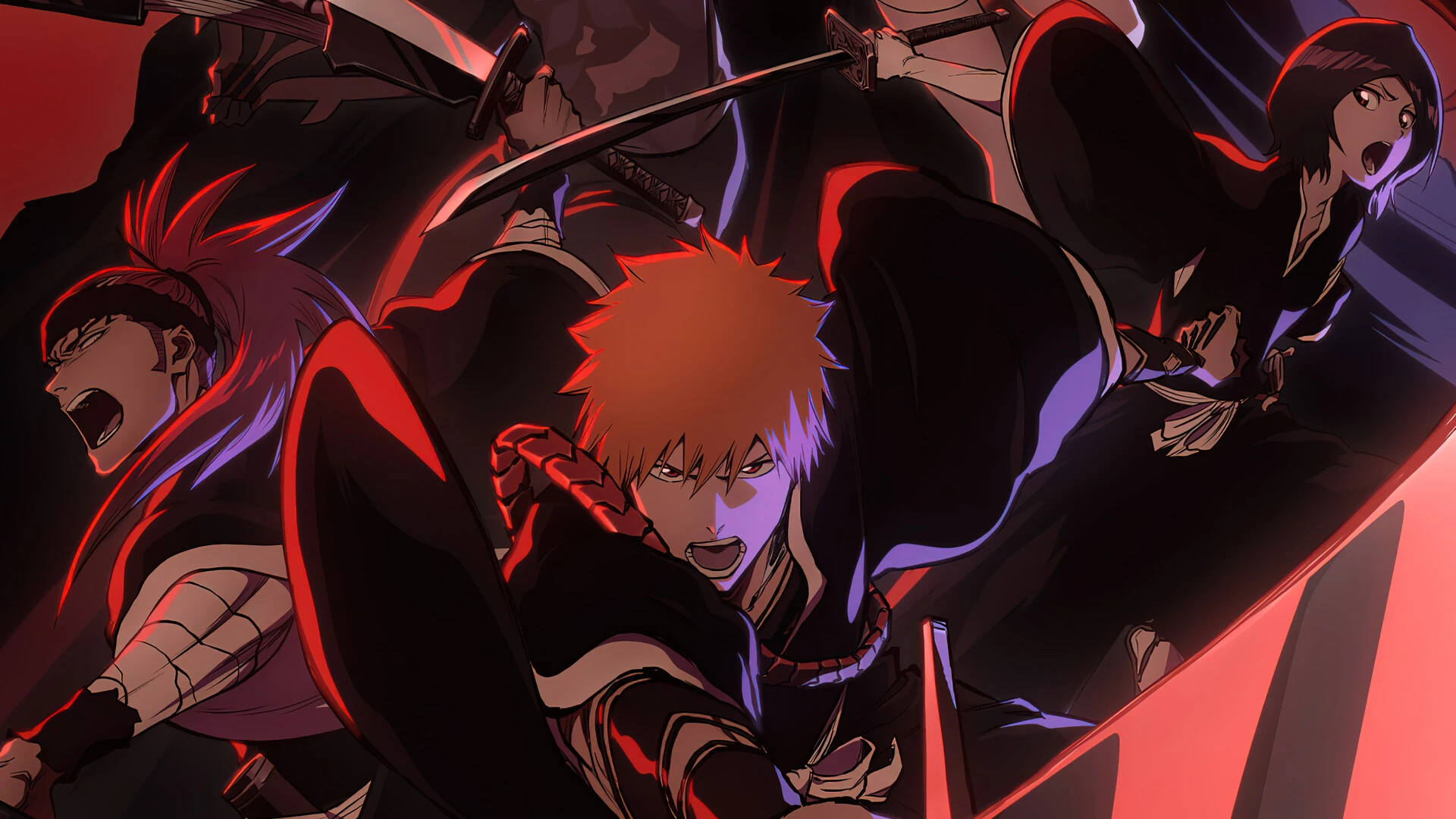
All Bleach Story Arcs in Order
Bleach: The Soul Reaper Who Changed Shonen Forever
Bleach stands as one of the most influential and visually stunning series in shonen manga history. Created by Tite Kubo and serialized in Weekly Shonen Jump from 2001 to 2016, the series ran for 74 volumes and introduced millions of readers worldwide to a rich mythology of Soul Reapers, Hollows, and the eternal conflict between the living world and the Spirit Realm. Few manga have matched Bleach’s ability to combine spectacular one-on-one combat, an ever-expanding cast of memorable characters, and an ambitious supernatural cosmology that rewards close attention over its entire 15-year run.
What set Bleach apart from its contemporaries at the height of the Big Three era was Tite Kubo’s singular visual imagination. Every character feels deliberately designed, with distinctive silhouettes, expressive clothing choices, and weapon forms that communicate personality before a single line of dialogue is spoken. This visual language elevated the series beyond standard battle manga into something closer to a fashion-forward art project wrapped inside a supernatural epic—and readers responded to that distinctiveness with enormous enthusiasm that turned Bleach into a global cultural phenomenon.
The World and Premise
The world of Bleach operates across three interconnected planes of existence. The Human World is our familiar reality, populated by ordinary people living ordinary lives entirely unaware of the spiritual forces shaping events around them. The Soul Society exists as a vast spiritual civilization on the other side of death, governed by the Gotei 13—thirteen military divisions of Soul Reapers whose mandate is to guide human souls to peaceful rest and eliminate Hollows before they can cause harm. And Hueco Mundo, the shadowy desert realm between worlds, is where Hollows gather and grow, eventually giving rise to the terrifying Arrancar who combine Hollow power with near-human intelligence.
Hollows are the engine of Bleach’s core conflict. These corrupted souls arise from human spirits overwhelmed by grief, attachment, or regret, transformed into predatory creatures that consume other souls for sustenance. The Soul Reapers who hunt them wield Zanpakuto—spiritual swords that are extensions of the wielder’s own soul, unique in form and ability to each individual. The Zanpakuto system is one of Bleach’s most enduring creative achievements: it means that every fight tells you something fundamental about the person fighting, because the weapon literally embodies who they are. Understanding Zangetsu, or Senbonzakura, or Hyorinmaru is inseparable from understanding the character who carries it.
Main Characters
Ichigo Kurosaki
Ichigo Kurosaki begins the story as an orange-haired teenager with the unusual ability to see ghosts—a source of quiet loneliness in his otherwise ordinary high-school life. When the Soul Reaper Rukia Kuchiki is critically wounded defending him from a Hollow, Ichigo absorbs her powers rather than simply borrowing them, a transfer so complete it suggests something exceptional about his spiritual constitution from the very first chapter. His transformation into a substitute Soul Reaper sets the entire series in motion, and his instinct to throw himself in harm’s way for anyone he cares about—regardless of the cost or the odds—defines him more completely than any power level ever could.
What makes Ichigo a compelling protagonist is that his growth is never framed purely as power acquisition. The recurring encounters with his inner Hollow, the eventual revelation of his true heritage as a being of multiple bloodlines, and the quiet devastation he carries from years of feeling responsible for his mother’s death give him an interior life that keeps him interesting through the series’ many escalations. He is not the sharpest strategist in any room, and he knows it—but his willingness to keep standing up, again and again, becomes its own form of genius that enemies consistently underestimate.
Rukia Kuchiki
Rukia Kuchiki is, in many ways, the emotional compass of the early series. A noble Soul Reaper from the prestigious Kuchiki clan, she carries herself with composure and professional distance—but the warmth underneath that reserve surfaces in her midnight rooftop conversations with Ichigo and in the fierce protectiveness she feels for the humans she has come to care about during her posting in Karakura Town. Her willingness to accept execution rather than implicate Ichigo in her rule-breaking is not passive resignation but a deliberate moral choice, and the series handles that distinction with surprising maturity.
Her arc across the full series tracks the journey from someone who has internalized the Kuchiki clan’s rigid standards as her own self-worth, to a woman who has learned to trust her own judgment and fight for her place in both worlds. The eventual development of her own Bankai, revealed during the Thousand-Year Blood War arc, provides a deeply satisfying payoff to a decade-long character investment.
Sosuke Aizen
Sosuke Aizen’s revelation as the series’ primary antagonist remains one of shonen manga’s most effective plot twists—not because it was hidden so carefully, but because Kubo used Aizen’s mask of serene competence so skillfully that readers accepted the surface image without question. As a captain, Aizen projected wisdom, calm, and genuine concern for his subordinates. The moment that mask drops, every previous interaction reshuffles in memory, and the cold intelligence behind those spectacles becomes genuinely unsettling.
What makes Aizen enduringly fascinating as a villain is that he is never wrong in his diagnoses—only in his conclusions. His contempt for the limitations placed on beings of his power has a certain relentless logic to it. The series never lets him become cartoonish; even imprisoned and de-powered in the final arc, he remains the most analytically formidable presence in any room, and his eventual role in the Thousand-Year Blood War confirms that the story could not have reached its conclusion without him.
Yhwach
The Quincy emperor Yhwach serves as the final antagonist of Bleach, and his presence retroactively restructures the entire mythology. Where Aizen sought to transcend the existing order through manipulation and accumulation of power, Yhwach’s ambition is more absolute: the destruction of the boundary between life and death itself, an end to the cycle that the Soul Society has maintained for millennia. His ability to absorb the souls of his Sternritter subordinates, distribute power selectively, and rewrite the future makes him among the most genuinely threatening antagonists in shonen history.
His relationship with Ichigo—which the Thousand-Year Blood War arc gradually reveals to be far more intimate than either initially understood—gives their final confrontation genuine weight beyond the standard hero-versus-final-boss structure. The revelation of what Yhwach represents in relation to Ichigo’s heritage transforms the conclusion from a power climax into something approaching a reckoning with identity.
Story Arcs
Bleach’s arc structure follows a clear and escalating pattern: each major conflict expands the scope of the world while forcing Ichigo to confront a new dimension of his own nature. The Soul Society arc, which occupies the series’ first major stretch, is still considered its creative peak by many readers—an elaborate infiltration narrative that introduced the full breadth of the Gotei 13 while building to Aizen’s revelation with meticulous patience. Ichigo’s battle against Byakuya Kuchiki, culminating in the first Bankai reveal, remains one of shonen manga’s most celebrated single confrontations.
The Arrancar arc that follows is the series at its most ambitious and most uneven. Aizen’s deployment of his Espada—ten Arrancar ranked by power—creates a roster of antagonists whose designs and abilities rank among the most imaginative Kubo ever produced. Grimmjow Jaegerjaquez in particular became a fan favorite because of the genuine respect and rivalry that developed between him and Ichigo across multiple encounters. The Hueco Mundo invasion sequence and the battles of Fake Karakura Town pushed the series into cosmic-scale conflict, though the arc’s length tested reader patience in ways the Soul Society arc did not.
The Thousand-Year Blood War arc, the series’ final and longest act, returned with the anime adaptation in 2022 to near-universal acclaim—partly because MAPPA’s animation elevated Kubo’s art to new heights, and partly because the arc genuinely delivers on the mythology’s deepest promises. The Sternritter, elite Quincy soldiers each gifted with a stolen Soul Reaper ability, create a gauntlet of confrontations that systematically stress-test every major character. Captain deaths, shocking power revelations, and the gradual unraveling of Yhwach’s scheme across multiple invasions give the arc a genuine sense of stakes that the Arrancar arc sometimes struggled to maintain.
Themes and What Makes It Last
Bleach’s most persistent theme is the tension between identity and power—the question of whether Ichigo can absorb the Hollow within him, the Quincy heritage awakened by Yhwach’s influence, and the Soul Reaper abilities inherited from his father without losing the essential quality that makes him himself. Every power upgrade the series gives him comes paired with an identity crisis, and the resolution each time is always the same: he integrates rather than suppresses, and that integration is what allows him to grow beyond every ceiling set for him.
The series also carries a quieter meditation on loss and the cost of protecting others. Ichigo’s mother Masaki’s death haunts the narrative from the very first chapter; the hollowification of loved ones, the Soul Reapers who have watched everyone they knew die across centuries of service, the Arrancar who were once human souls—Bleach returns repeatedly to the question of what we owe the dead and how grief shapes identity. These threads prevent the series from ever being purely kinetic spectacle, grounding its enormous fights in human stakes that matter.
Art Style and Visual Storytelling
Tite Kubo’s art style is among the most distinctive in shonen manga—clean lines, theatrical use of black space, and character designs built around deliberate visual motifs. His early-arc work already demonstrates exceptional control of figure drawing and expressive faces, but the series hit its visual apex during the Arrancar and Thousand-Year Blood War arcs, where Kubo’s page compositions became increasingly bold, with dramatic negative space and panel arrangements that conveyed scale and intensity without overcrowding the eye.
The Zanpakuto releases—Shikai and Bankai—function as the series’ most spectacular visual events, each one revealing something about the wielder’s soul through its form. Byakuya’s cherry-blossom blade, Shunsui’s color-dependent games, Yamamoto’s pure cataclysm of fire: these are not just power demonstrations but character portraits rendered in combat imagery. The anime adaptation, particularly the 2022 Thousand-Year Blood War season, brought these designs to life with a visual fidelity and color richness that made even long-time manga readers experience familiar material as revelatory.
Publication and Adaptations
Bleach was serialized in Weekly Shonen Jump from August 2001 to August 2016, producing 74 collected volumes and cementing its place alongside Naruto and One Piece as one of the magazine’s defining series of the 2000s. Studio Pierrot produced the original anime adaptation from 2004 to 2012, covering the manga through the Fullbring arc with a significant quantity of filler episodes that frustrated readers tracking the original story. The anime’s cancellation before the Thousand-Year Blood War arc left a decade-long gap in the animated story.
That gap closed in October 2022 when MAPPA launched the Thousand-Year Blood War anime adaptation, which immediately became one of the most-discussed anime of the year. The production’s elevated animation quality, faithful adaptation of Kubo’s art style, and the inclusion of Kubo himself as a creative consultant gave the series a second cultural moment that introduced an entirely new generation of fans to the franchise. Video game adaptations, including the Blade Battlers series and the more recent Brave Souls mobile game, have maintained the franchise’s presence across multiple platforms throughout its history.
Related Series
Readers who love Bleach’s supernatural action and memorable character rosters will find much to enjoy in Jujutsu Kaisen, which shares the same DNA of curse-fighting protagonists with emotionally weighted one-on-one battles, and in Demon Slayer, which combines spectacular visual combat with genuine emotional stakes around loss and family. For the deep lore and power hierarchy aspects, Naruto offers a comparable mythology of clans, hidden abilities, and generational conflict built across a similarly epic run.
Frequently Asked Questions
Is Bleach finished?
Yes, Bleach is completely finished. The manga concluded in August 2016 after 74 volumes, and the anime adaptation has now caught up with the conclusion of the final Thousand-Year Blood War arc through 2024. The story provides a definitive ending that resolves the central conflict and character arcs across the full series run.
How many volumes does Bleach have?
Bleach contains 74 volumes total, serialized in Weekly Shonen Jump from 2001 to 2016. This complete collection covers the Soul Society arc, Arrancar arc, and the final Thousand-Year Blood War arc, representing one of the longest and most comprehensive shonen manga series ever produced.
Is there an anime adaptation of Bleach?
Yes, Bleach has multiple anime adaptations. Studio Pierrot produced the original anime from 2004 to 2012, covering most of the manga story. However, the highly anticipated Thousand-Year Blood War arc remained unadapted until 2022, when MAPPA launched a new adaptation that has become one of the most-discussed anime of recent years with exceptional animation quality.
Is Bleach appropriate for teenagers?
Bleach carries a Teen/13+ rating and is generally appropriate for teenagers. The series features action violence and supernatural combat, but without the graphic intensity of more mature series. The emotional and thematic depth, combined with spectacular fight choreography, makes it well-suited for teens aged 13 and up, though younger viewers should check content warnings first.
Where can I buy Bleach manga?
Bleach is widely available in print and digital formats through major retailers including Amazon, where you can find individual volumes or complete box sets. The series is available in English through most bookstores and comic shops, as well as on digital platforms. You can purchase Bleach manga on Amazon with competitive pricing, and the complete series is also available through Amazon in both English and other languages (Amazon tag: donidhernande-20).
Bleach Arc Guides
Agent of the Shinigami Arc
Ichigo Kurosaki, a teenager with exceptional spiritual power, accidentally absorbs the shinigami powers of Rukia Kuchiki when she is mortally wounded by a Hollow. He becomes the substitute protector of Karakura Town, fighting Hollows and protecting spirits. His friends Orihime and Chad develop their own supernatural abilities, while Rukia is arrested and sentenced to death by Soul Society for illegally transferring her powers.
Chapters 1-70Soul Society: The Sneak Entry Arc
Ichigo and his friends train under Urahara to increase their spiritual power before attempting a dangerous infiltration of Soul Society. They enter the spirit world through the Dangai, a gap between worlds, and fight their way through the Seireitei (Soul Society's military district). Despite formidable opposition, they progress deeper, with Ichigo confronting and defeating seated officers while separating from his allies.
Chapters 71-117Soul Society: The Rescue Arc
Ichigo achieves his Bankai and fights his way to confront Byakuya Kuchiki, Rukia's adopted brother and captain. During the final battles, Sosuke Aizen reveals his true nature as a traitor and defects to Hueco Mundo with his co-conspirators, introducing the Hogyoku and a new threat. The Visored - shinigami-Hollow hybrids - emerge as unexpected allies, suggesting hidden conspiracies within Soul Society.
Chapters 118-182The Arrancar Arc
Aizen begins sending Arrancar - Hollows who achieved shinigami-like forms - to invade Karakura Town. Ichigo trains with the Visored to control his Hollow powers while simultaneously fighting Arrancar attacks. Grimmjow, one of Aizen's commanders, repeatedly attacks, forcing escalating battles. Orihime is ultimately abducted to Hueco Mundo, setting up the arc's conclusion.
Chapters 183-229Hueco Mundo Arc
Ichigo, Chad, and Uryu infiltrate Hueco Mundo - Aizen's fortress Las Noches - to rescue Orihime. Each fighter confronts the Espada, Aizen's most powerful Arrancar. Chad fights against overwhelming odds while Uryu discovers Quincy applications. Ichigo's climactic battle against Ulquiorra forces him to achieve full Hollow transformation. Ulquiorra's defeat ends the fortress infiltration.
Chapters 230-316Fake Karakura Town Arc
Soul Society creates a fake Karakura Town as the final battlefield against Aizen's forces. Captains and Visored engage the Espada in climactic battles while Ichigo learns Final Getsuga Tensho from his inner Zangetsu. Aizen reveals his Hogyoku-transformed state. Ichigo defeats him, and Urahara seals him permanently, ending the war.
Chapters 317-423The Lost Substitute Shinigami Arc (Fullbring)
Seventeen months after losing his powers, Ichigo lives as normal teenager. The Fullbring group Xcution contacts him, claiming they can restore his abilities through their unique Human-world powers. Ichigo undergoes training, but Fullbring leader Ginjo Kugo betrays him, revealing their true goal. Rukia arrives to restore Ichigo's shinigami powers, and he defeats Ginjo.
Chapters 424-479Thousand-Year Blood War: The Blood Warfare
The Wandenreich - an army of Quincys led by the ancient Yhwach - launches devastating surprise invasion. They steal the Bankai of multiple captains using special Medallions and assassinate Captain-Commander Yamamoto. Yhwach reveals himself as true Quincy king, establishing the final threat surpassing all previous antagonists.
Chapters 480-542Thousand-Year Blood War: The Fierce Battle
The Zero Squad - Soul Society's Royal Guard - arrives to defend the Soul King. Ichigo trains at the Soul King Palace, discovering his Zanpakuto has true two-sword form. Shockingly, Uryu joins Yhwach's forces as a spy. Multiple captains achieve their true Bankai forms. Soul Society prepares final counteroffensive.
Chapters 543-584Thousand-Year Blood War: The Separation
The Wandenreich launches second invasion using Vollstandig, overwhelming transformed Quincy forms. Kenpachi faces Gremmy Thoumeaux in brutal combat. Yhwach directly invades Soul King Palace, and Zero Squad members fall one by one. Ichibei Hyosube, the Royal Guard's oldest member, battles Yhwach personally.
Chapters 585-612Thousand-Year Blood War: The Conflict
Yhwach absorbs Soul King and transforms into god-like entity, creating Wahrwelt - the Wandenreich's dimensional citadel. Soul Society's captains assault Wahrwelt for final confrontation. Uryu's true plan reveals he opposes Yhwach secretly. Aizen is temporarily released as emergency measure. Ichigo, Orihime, and Uryu battle Yhwach directly.
Chapters 613-654Thousand-Year Blood War: Final
Ichigo's Tensa Zangetsu achieves its ultimate true form. Uryu's Antithesis ability disrupts The Almighty at critical moment. Yhwach's fate becomes uncertain as Ichigo delivers final blow. A ten-year timeskip epilogue reveals next generation inheriting spiritual responsibilities. Ichigo and Rukia marry, while new threats emerge for future warriors.
Chapters 655-686Bleach Merchandise
Read manga free with Amazon Prime
30-day free trial: free shipping, Prime Reading, Kindle, Prime Video and more.
Affiliate link. 30-day free trial for new members. Then $14.99/month — cancel anytime.
FAQ: Bleach
You May Also Like
All manga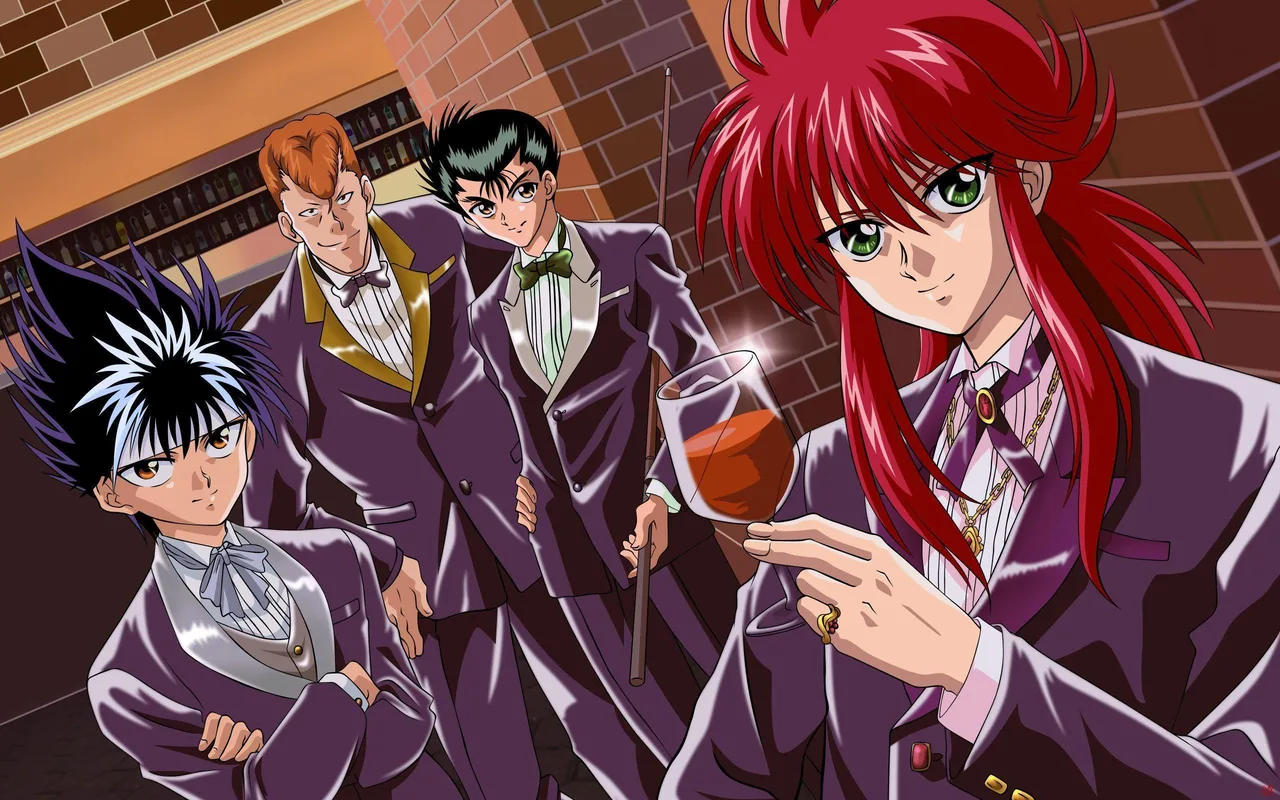
Yu Yu Hakusho
A landmark Shonen Jump action series in which a delinquent teenager dies, is resurrected as a Spirit Detective, and battles demons across four escalating sagas.
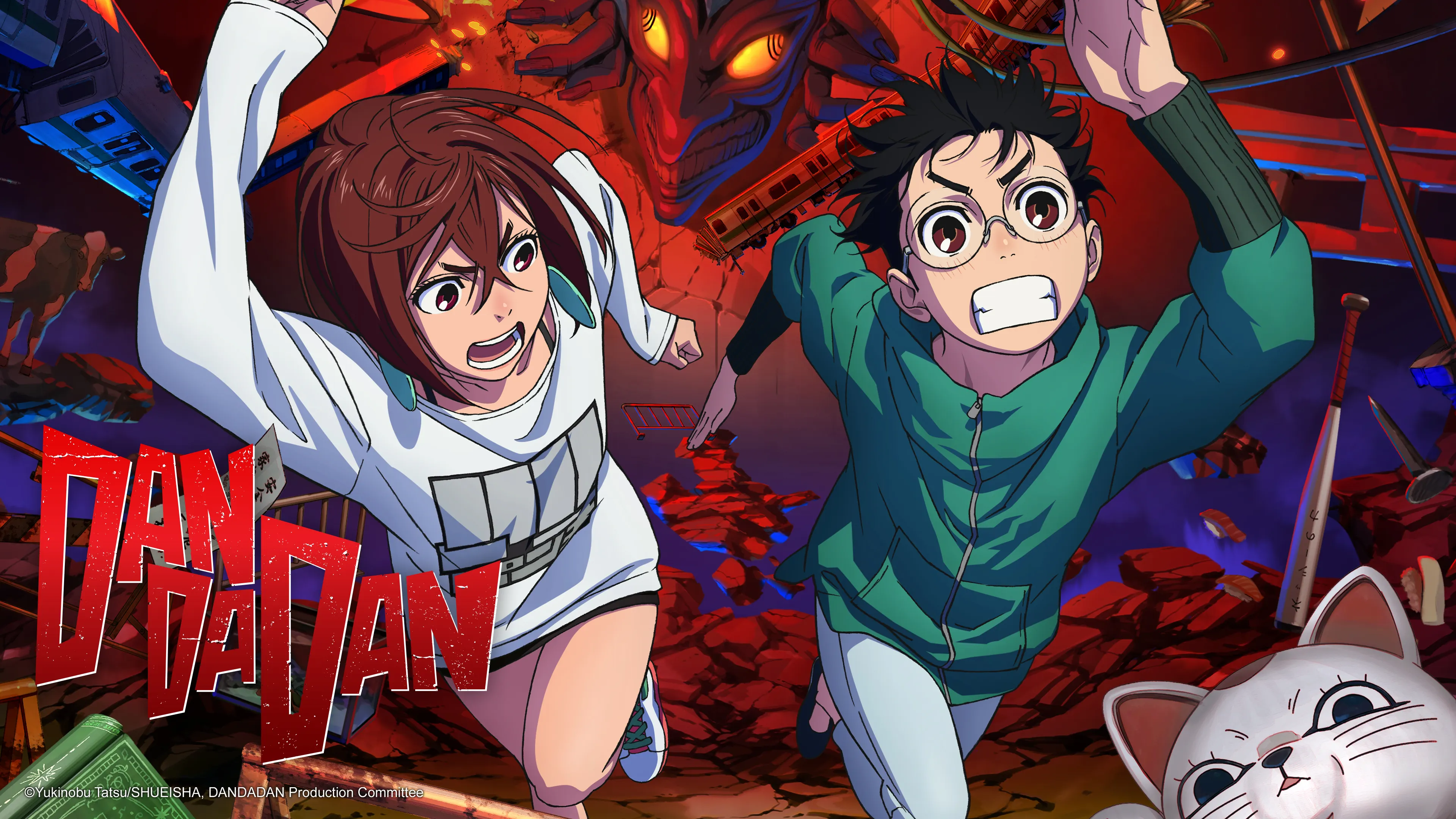
Dandadan
A contemporary shonen manga blending action, comedy, and supernatural mystery as two unlikely partners investigate paranormal phenomena.
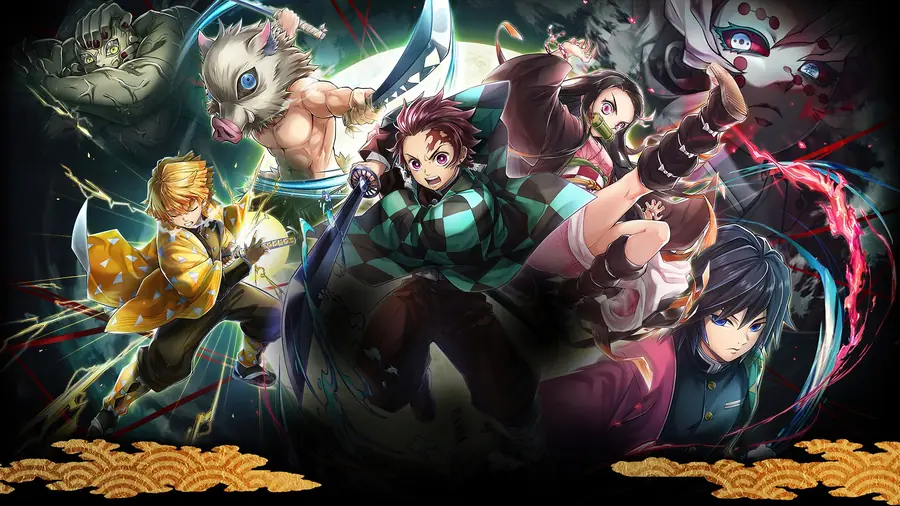
Demon Slayer: Kimetsu no Yaiba
A completed shonen series following a boy's journey to save his sister after a demon attack destroys his family
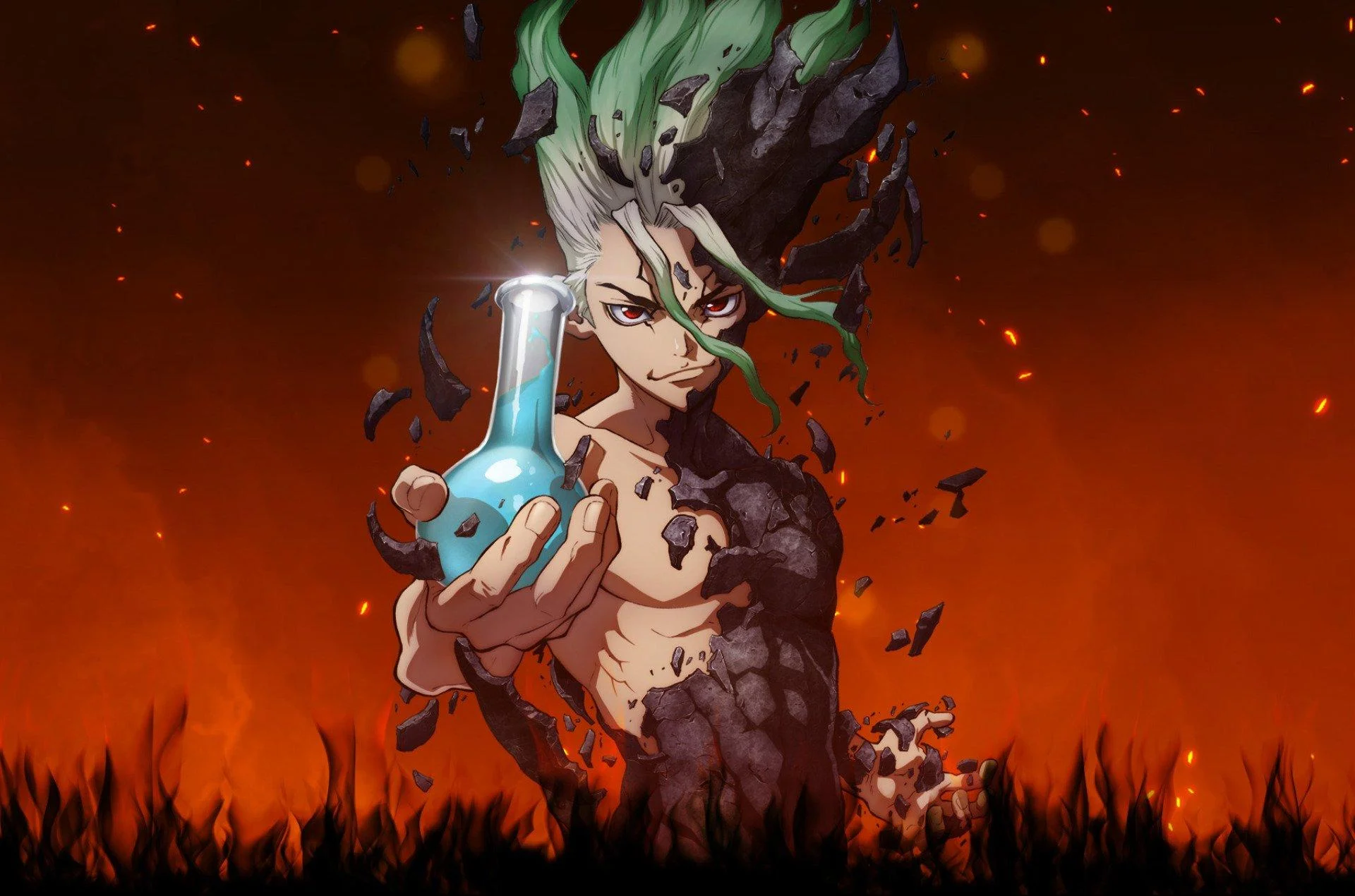
Dr. Stone
Completed sci-fi shonen: teen genius Senku Ishigami rebuilds civilization from scratch after 3,700 years of global petrification. Science vs. brute force.
Related Articles
All articles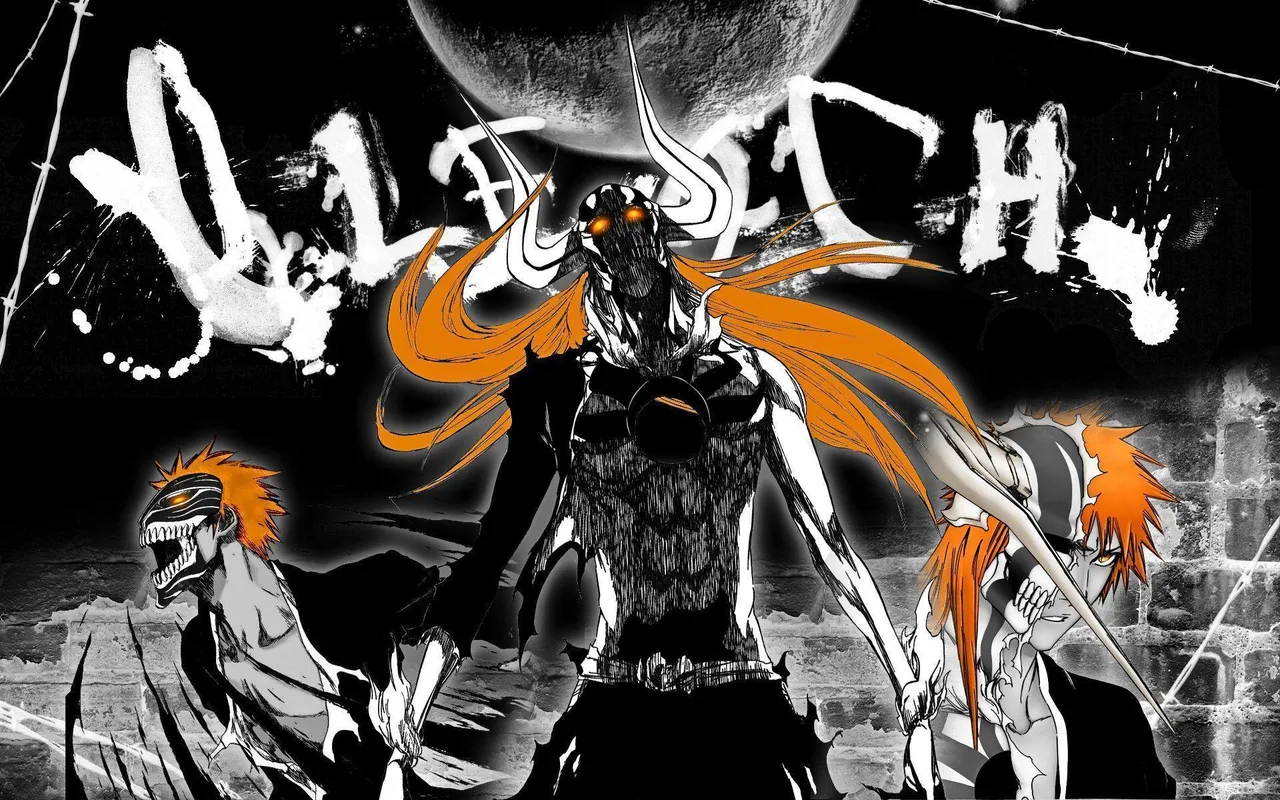
Bleach: Thousand-Year Blood War Part 4 'The Calamity' Arrives July 2026
Bleach: Thousand-Year Blood War Part 4 'The Calamity' premieres July 2026 — the grand finale. Release date, early screenings, and which manga chapters it adapts.
Best Bleach Characters: The Main Cast Ranked (2026)
The best Bleach characters explained — Ichigo, Rukia, Byakuya, Uryu, Aizen and more. A complete guide to the main cast of Tite Kubo's classic manga, their powers and roles.
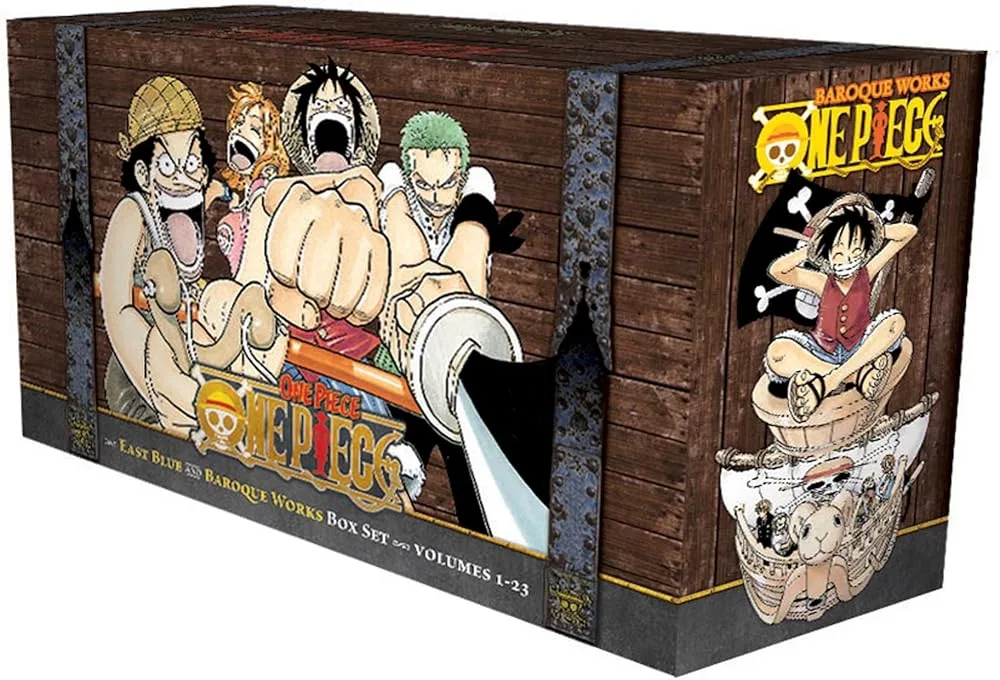
Top 15 Best Action Manga of All Time (2026)
The best action manga ever made, ranked. Explosive battles, legendary fights, and adrenaline-fueled epics — plus the box sets worth collecting.