Hunter x Hunter
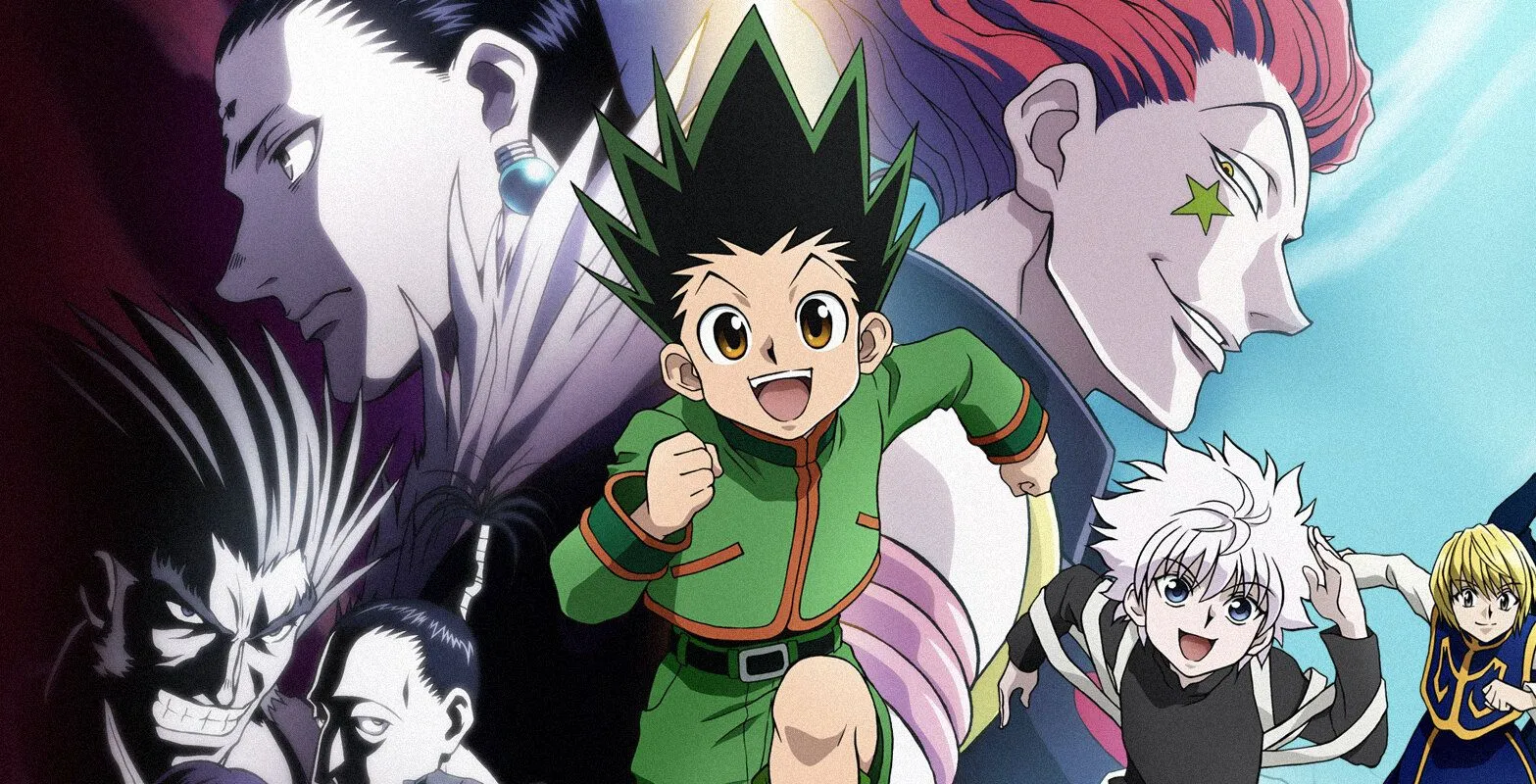
Twelve-year-old Gon Freecss sets out to become a Hunter — an elite licensed professional — in order to find his father Ging, the world's greatest Hunter. His journey through the gruelling Hunter Exam and beyond exposes a world far darker and more complex than he imagined.
All Hunter x Hunter Story Arcs in Order
| # | Arc |
|---|---|
| 1 | Hunter Exam |
| 2 | Zoldyck Family |
| 3 | Heaven's Arena |
| 4 | Yorknew City |
| 5 | Greed Island |
| 6 | Chimera Ant |
| 7 | 13th Hunter Chairman Election |
| 8 | Succession War |
Overview
Hunter × Hunter stands as one of the most influential and beloved manga series in the industry. Created by the masterful storyteller Yoshihiro Togashi, this series has captivated millions of readers worldwide since its debut in 1998. The manga tells the story of Gon Freecss, a young boy living on a remote island who dreams of becoming a Hunter—a highly respected professional who takes on dangerous and prestigious missions. His ultimate goal is to find his father, Ging, who abandoned him to pursue his own ambitions as a Hunter.
The series brilliantly combines coming-of-age themes with intense action sequences, strategic battles, and profound character development. With 37 volumes published and a current hiatus status, Hunter × Hunter has secured its place as a cornerstone of modern manga, influencing countless creators and inspiring a dedicated global fanbase.
Story and Themes
The narrative arc of Hunter × Hunter is carefully structured around several major story arcs, each building upon the last to create an epic tapestry of adventure and personal growth. The journey begins when Gon leaves his home to pursue the Hunter Exam, a notoriously difficult selection process to become an official Hunter. This initial arc introduces the protagonist to a world far beyond his small island existence.
The Hunter Exam Arc
The Hunter Exam serves as the perfect introduction to the series’ world. Gon meets his lifelong friends Killua, Leorio, and Kurapika during this arc. Each character brings their own motivations and tragic backstories to the group. Killua, a former assassin from the elite Zoldyck family, seeks freedom from his family’s control. Leorio wants to become a Hunter to earn money for medical school. Kurapika’s goal is to become a Hunter to avenge his clan, the Kurta, whose members were massacred for their valuable scarlet eyes.
Core Themes
Hunter × Hunter explores profound themes that resonate with audiences of all ages. The series examines the complexities of power, ambition, friendship, and morality. Togashi consistently challenges his characters—and through them, the readers—with moral dilemmas that have no clear right answers. The manga asks important questions: What does it mean to be strong? How far would you go to achieve your goals? What is the true value of friendship?
The series also delves into family dynamics and the burden of inherited trauma. Characters like Killua struggle against their family’s expectations, while Kurapika seeks revenge for his destroyed clan. The manga handles these emotional threads with remarkable depth, refusing to provide simple solutions or easy resolutions.
Main Characters
Gon Freecss
The protagonist of Hunter × Hunter, Gon is a young boy with an unwavering determination to become a Hunter and find his father. Gon’s innocence and cheerful demeanor mask a fierce competitive spirit and strong will. Throughout the series, his naivety gradually gives way to a more mature understanding of the world’s complexities. His Nen ability, Jajanken (Rock Paper Scissors), evolves throughout the story into a formidable power.
Killua Zoldyck
The second most important character, Killua is an assassin from the prestigious Zoldyck family. Despite his dark upbringing, Killua develops a genuine friendship with Gon, which serves as his emotional anchor and motivation for change. His exceptional combat skills, enhanced by his family’s training, make him one of the strongest characters in the series. His Nen ability, Transmutation, allows him to manipulate electricity.
Kurapika
Kurapika’s tragic backstory—the massacre of his entire Kurta clan—drives his motivations throughout the series. His calm demeanor and analytical mind make him the group’s strategist. Kurapika’s Nen ability is exceptionally unique, allowing him to create chains that possess different powers depending on their shape. His character arc explores the dangers of revenge and the possibility of moving beyond trauma.
Leorio Paradinight
The most comedic member of the group, Leorio provides lighter moments while hiding his own ambitions and insecurities. His friendship with the group becomes increasingly valuable as the series progresses. Though often portrayed as the weakest member, Leorio’s determination and growth arc prove surprisingly emotional.
Hisoka
This enigmatic character serves as both ally and antagonist throughout the series. Hisoka’s obsession with strong opponents and his unpredictable nature make him one of the most fascinating characters in manga. His motives remain mysterious, and his presence constantly adds tension to the narrative.
Art Style and Visual Excellence
Yoshihiro Togashi’s artwork in Hunter × Hunter is instantly recognizable and has evolved significantly throughout the series’ 25+ year run. The manga employs a dynamic visual style that excels at conveying action sequences with clarity and intensity. Togashi masterfully uses panels of varying sizes to control pacing, making readers feel the momentum of battles.
The character designs are distinctive and memorable, allowing readers to instantly identify characters despite the large cast. From Gon’s spiky hair and simple design to Hisoka’s theatrical appearance with his star and teardrop face paint, each character has a unique visual identity that reflects their personality and role in the story.
Togashi’s backgrounds and environmental artwork create immersive worlds, from the peaceful Whale Island where Gon grows up to the intricate Heavens Arena and the mysterious Dark Continent. The manga’s progression shows technical improvement, with later arcs featuring more detailed artwork and sophisticated panel compositions.
The Nen System
One of Hunter × Hunter’s most innovative contributions to manga is the Nen system—a sophisticated power system that governs how characters manipulate their life energy. This system provides clear rules and limitations, making battles more strategic and intellectual rather than purely based on raw power. The Nen system includes various categories: Enhancement, Transmutation, Manipulation, Specialization, Conjuration, and Emission.
The brilliance of the Nen system lies in its flexibility and the creative ways different characters exploit it. A character’s Nen type often relates to their personality, making their abilities feel organic rather than arbitrarily assigned. This system has influenced numerous subsequent manga and anime series.
Cultural Impact and Legacy
Hunter × Hunter has left an indelible mark on the manga and anime industries. The series’ anime adaptation (particularly the 2011 version by Madhouse) is considered one of the finest anime adaptations ever created, introducing the story to millions of new fans worldwide. The manga itself has sold tens of millions of copies globally, cementing its status as a modern classic.
The series’ influence extends beyond entertainment into popular culture. Its themes, characters, and concepts have been discussed, analyzed, and celebrated by fans and critics alike. Hunter × Hunter demonstrated that shonen manga could be complex, intellectually stimulating, and emotionally resonant while still maintaining thrilling action sequences.
The Chimera Ant arc, in particular, is frequently cited as one of the greatest arcs in all of manga. This arc transformed the series from a traditional adventure story into a psychological thriller exploring the nature of humanity, evolution, and morality. The arc’s climax and emotional resolution demonstrate Togashi’s mastery of storytelling.
Why You Should Read Hunter × Hunter
Hunter × Hunter deserves your attention for multiple compelling reasons:
Strategic Battles: Unlike many shonen manga that rely on power escalation, Hunter × Hunter features battles that reward intelligence and creativity. Characters win through strategy and exploiting their opponent’s weaknesses rather than simply being stronger.
Character Development: The character growth in this series is exceptional. Gon, Killua, Kurapika, and Leorio all experience genuine development that affects their worldview, relationships, and goals. Secondary characters receive similar attention and nuance.
Unpredictability: Togashi consistently subverts reader expectations. The series takes risks with its plot, willingly diving into darker territory and exploring consequences of characters’ actions rather than glossing over them.
Themes That Matter: This manga addresses genuine philosophical questions about power, morality, ambition, and human connection. These themes remain relevant regardless of when you read the series.
Superior Writing: Togashi’s narrative structure and pacing demonstrate mastery of the medium. The manga flows beautifully, balancing humor, action, character development, and emotional beats with remarkable skill.
Mangaka Spotlight
For more information about the brilliant mind behind Hunter × Hunter, visit Yoshihiro Togashi. Togashi’s unique storytelling approach and innovative ideas have influenced modern manga storytelling significantly.
Related Manga Recommendations
If you enjoy Hunter × Hunter, you’ll likely appreciate these related series:
- Fullmetal Alchemist - Another masterpiece featuring complex characters and thoughtful exploration of power
- JoJo’s Bizarre Adventure - An epic multi-generational saga with creative battles and character development
- My Hero Academia - A modern shonen that shares Hunter × Hunter’s emphasis on character growth
- Jujutsu Kaisen - Contemporary shonen with darker themes and strategic combat
Current Status and Future
Hunter × Hunter is currently on hiatus, with Togashi taking extended breaks to manage his health. The manga remains unfinished, with the Dark Continent arc incomplete. Despite the lack of new chapters, the existing 37 volumes provide a substantial and deeply satisfying reading experience. The manga’s legacy is already secure, and whenever new chapters eventually resume, they will be met with tremendous anticipation from the global fanbase.
The series’ incomplete status hasn’t diminished its impact or recommendation value. The existing story arcs provide complete, satisfying narratives with character development and emotional payoff. Hunter × Hunter has already achieved what many series spend their entire runs working toward.
Frequently Asked Questions
What is Hunter × Hunter about? Hunter × Hunter is an ongoing series following Gon Freecss, a young boy who leaves his island home to become a Hunter and find his father, Ging, who is also a Hunter. Throughout his journey, Gon befriends Killua (a former assassin), Kurapika (seeking revenge for his slaughtered clan), and Leorio (pursuing wealth for medical school). The series combines adventure, strategic battles using the Nen power system, and profound character development as Gon’s naivety gradually transforms into mature understanding of the world’s complexities.
How many volumes does Hunter × Hunter have? Hunter × Hunter currently has 37+ volumes and is on extended hiatus. The manga began serialization in Weekly Shonen Jump in 1998 and despite taking breaks for Togashi’s health management, remains one of the most impactful series in manga history. The existing volumes provide substantially satisfying complete story arcs even though the Dark Continent arc remains incomplete. To find volumes and explore purchasing options, check Amazon’s Hunter × Hunter collection.
What is the Nen system in Hunter × Hunter? Nen is the sophisticated power system governing how characters manipulate their life energy. It includes six categories—Enhancement, Transmutation, Manipulation, Specialization, Conjuration, and Emission—with each character’s Nen type often reflecting their personality. The system’s brilliance lies in making battles strategic and intellectual rather than purely based on raw power, allowing characters to win through creativity and exploiting opponent weaknesses rather than simple strength escalation.
Why is Hunter × Hunter on hiatus? Hunter × Hunter has been on extended hiatus because author Yoshihiro Togashi has taken breaks to manage his health. Togashi prioritizes his wellbeing over consistent publication, resulting in extended gaps between new chapters. Despite being unfinished, the existing story provides complete, satisfying narrative arcs through the Chimera Ant arc, often cited as one of the greatest arcs in all manga.
Is Hunter × Hunter appropriate for teen readers? Hunter × Hunter is rated 16+ and appropriate for mature teen readers and adults. The series contains significant violence including intense battles, death, and dark themes such as genocide and murder. The Chimera Ant arc becomes psychologically darker, exploring themes of evolution and morality. Some characters face trauma including genocide of their entire races. The content is suitable for teens comfortable with shonen action and darker narrative elements.
Hunter × Hunter stands as a testament to what manga can achieve when created by a visionary storyteller willing to take risks and prioritize depth over convention. With its compelling protagonist, complex characters, strategic battles, and themes that resonate deeply with readers, this series deserves its place among manga’s all-time greats. Whether you’re new to manga or a longtime fan, Hunter × Hunter offers an unforgettable reading experience that will stay with you long after you’ve finished.
Hunter x Hunter Arc Guides
Hunter Exam
Gon and three fellow aspirants—Killua, Kurapika, and Leorio—navigate the Hunter Exam, a brutal multi-phase selection gauntlet designed to identify elite professionals capable of handling dangerous and prestigious assignments. The exam tests every conceivable skill: survival, combat, intelligence, strategy, and moral character. Hisoka, a mysterious and sadistic Hunter, looms menacingly throughout the exam, his presence creating constant danger and his interest in Gon establishing an unsettling obsession that will persist throughout the series.
Zoldyck Family
Gon and his companions infiltrate the Zoldyck family's fortified mountain estate to rescue Killua, who returns to his family despite his desire for freedom. The rescue mission reveals the horrifying training and conditioning that shaped Killua into an assassin, exposing the psychological abuse that constitutes normal life within his family. The arc deepens Killua's character while establishing that escaping family legacy requires deliberately choosing different paths despite the emotional and psychological cost.
Heaven's Arena
Gon and Killua compete in Heaven's Arena, a 251-floor fighting tower where powerful fighters gather to test their abilities and rise through increasingly dangerous ranks. The brothers encounter Nen for the first time through direct combat experience, learning to channel their life energy into practical fighting techniques. Hisoka's persistent interest in Gon manifests through strategic manipulation designed to force Gon's continued growth, blurring the boundary between ally and threat. The arc transforms the series' power dynamics and establishes the Nen system that will define all subsequent battles.
Yorknew City
Kurapika pursues the Phantom Troupe, the criminal organization that massacred his clan, through the streets of Yorknew City during a chaotic underworld auction. The arc becomes a multi-layered thriller involving mafia factions, underworld power structures, and the increasingly morally questionable methods Kurapika employs seeking revenge. Kurapika's character arc—the costs of vendetta and whether revenge can ever satisfy the trauma from loss—reaches its emotional climax in this urban-focused arc that separates from the adventure narrative framework.
Greed Island
Gon and Killua enter Greed Island, a mysterious Nen-based video game designed by Ging Freecss specifically to sharpen his son's abilities and prepare him for future challenges. The game functions as a training grounds where powerful Nen users gather to compete and develop their techniques. The brothers face deadly player-opponents and uncover clues about Gon's absent father while gradually advancing toward the game's actual purpose. The arc blends adventure with mystery and establishes that Ging, Gon's father, remains strategically important to the series' direction.
Chimera Ant
The Chimera Ant arc, the series' longest and most artistically ambitious narrative, begins when a Chimera Ant queen enters human civilization and births human-animal hybrid offspring capable of Nen usage. These artificial beings develop rapidly, creating a species that might supersede humanity. The Royal Guards, particularly Meruem, transcend understandable categories of power and morality. Gon's confrontation with Neferpitou forces devastating sacrifices, Killua confronts family legacy through Alluka, and Netero's final sacrifice anchors the arc emotionally. The arc transcends action narrative toward philosophical exploration of evolution, morality, and the definition of humanity itself.
13th Hunter Chairman Election
Following Chairman Netero's death during the Chimera Ant crisis, the Hunter Association undergoes a chaotic election for his successor. Political machinations among various Hunter factions create complex strategic scenarios that test characters' diplomatic and strategic capabilities. Gon's recovery from his near-death experience and his long-awaited reunion with his father Ging provide emotional resolution to the protagonist's original quest. Yet the reunion proves complicated, with Gon and Ging's relationship remaining complex and unresolved despite their meeting.
Succession War
The 14 princes of the Kakin Empire battle for throne succession aboard a luxury liner, each assigned a Nen beast representing their personal ambitions. The arc becomes a labyrinthine political thriller involving spies, Hunters both helping and hindering various princes, and the mysterious Phantom Troupe pursuing unclear objectives. The succession war explores institutional power dynamics and demonstrates that even after saving the world, personal ambitions and institutional politics continue driving conflict. The arc remains ongoing, with Togashi managing his health through periodic serialization hiatuses.
Hunter x Hunter Merchandise
Read manga free with Amazon Prime
30-day free trial: free shipping, Prime Reading, Kindle, Prime Video and more.
Affiliate link. 30-day free trial for new members. Then $14.99/month — cancel anytime.
FAQ: Hunter x Hunter
You May Also Like
All manga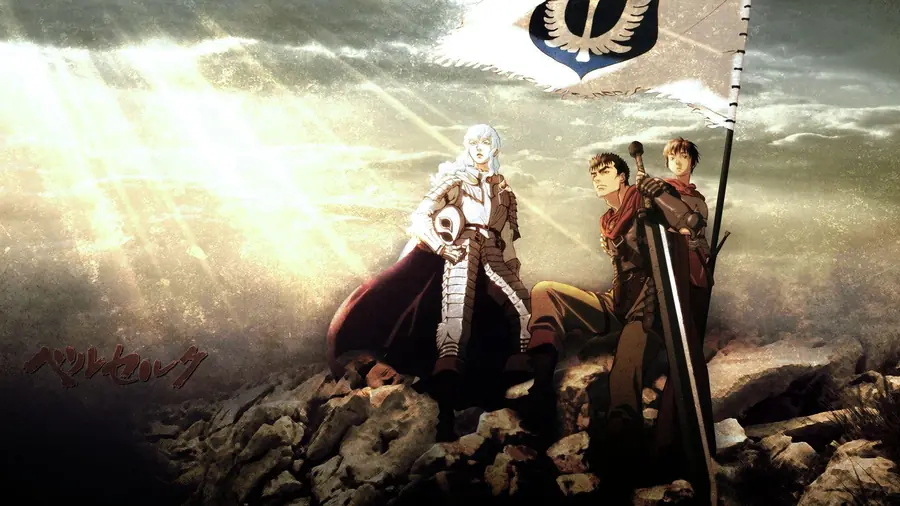
Berserk
A dark and brutal medieval fantasy following Guts on his journey of revenge, featuring complex characters and stunning artwork.
Chainsaw Man
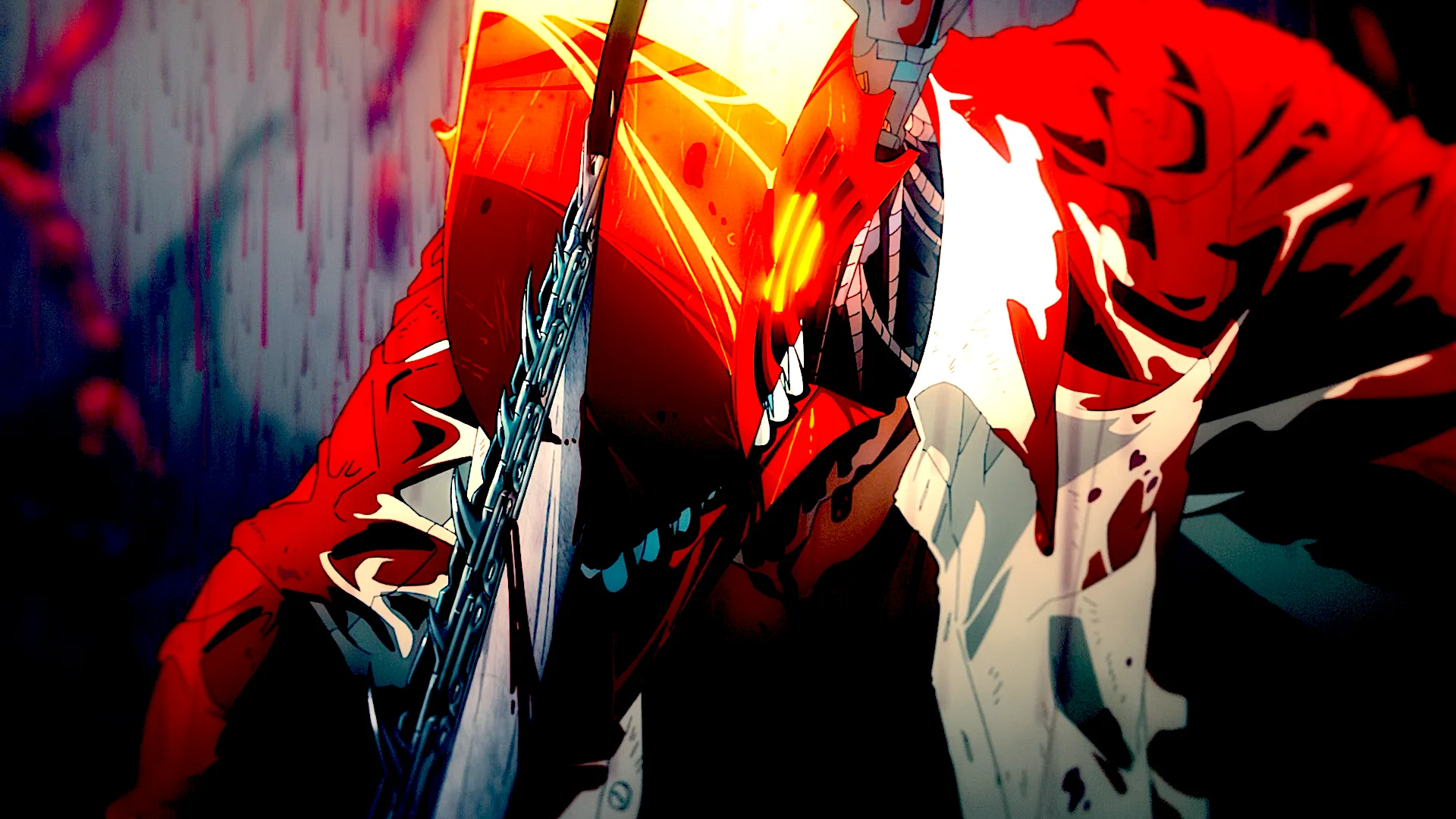
Denji, a poverty-stricken boy who merges with his devil dog Pochita to become the Chainsaw Man, is recruited by the government's Public Safety Devil Hunter division. His desperate desire for a normal life — food, love, warmth — collides with increasingly apocalyptic devil threats.
Fullmetal Alchemist
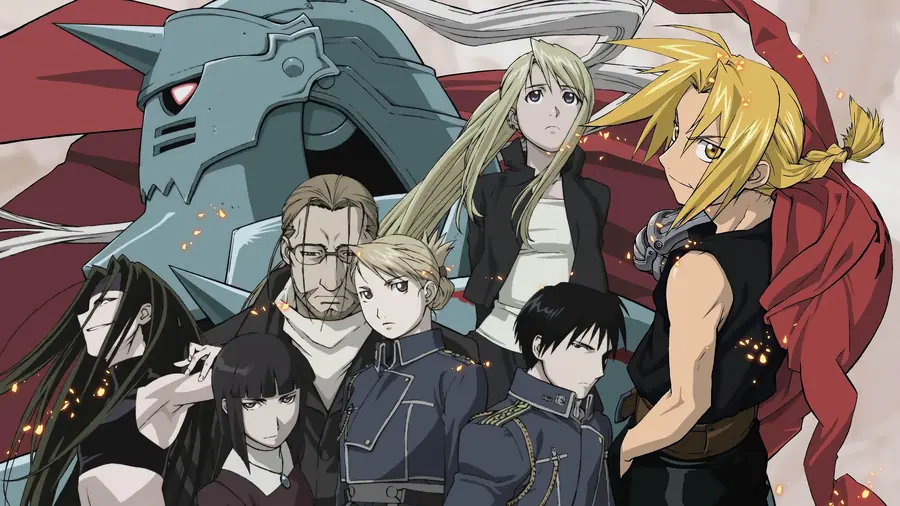
Brothers Edward and Alphonse Elric attempt human transmutation to resurrect their dead mother, paying a devastating price. Their quest for the Philosopher's Stone to restore their bodies unravels a vast conspiracy at the heart of the Amestrian state.
Attack on Titan
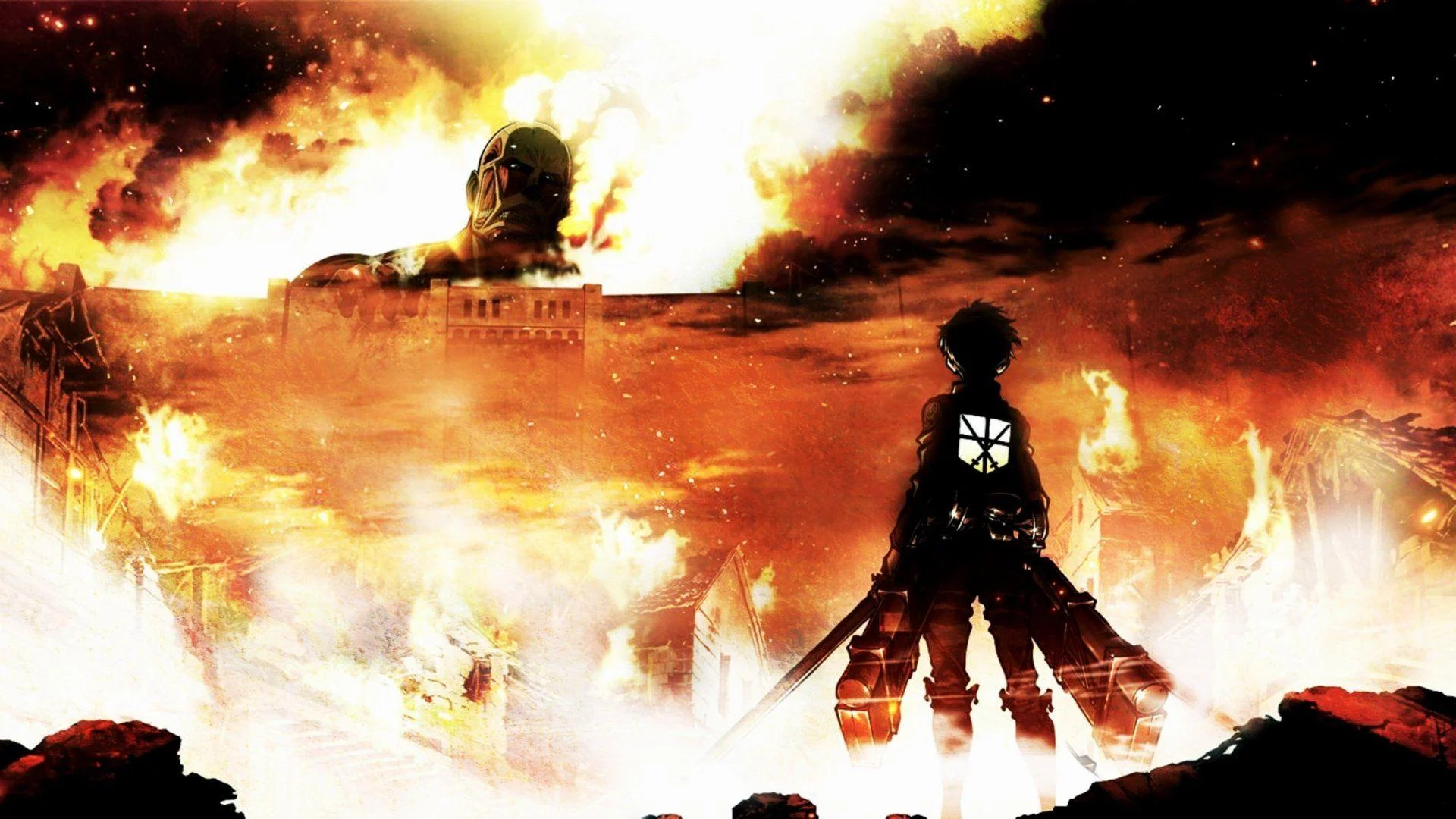
In a world where humanity cowers behind towering walls to survive the man-eating giants known as Titans, Eren Yeager vows revenge after watching his mother devoured. His journey from victim to soldier to world-changing radical reshapes everything he once fought to protect.
Related Articles
All articles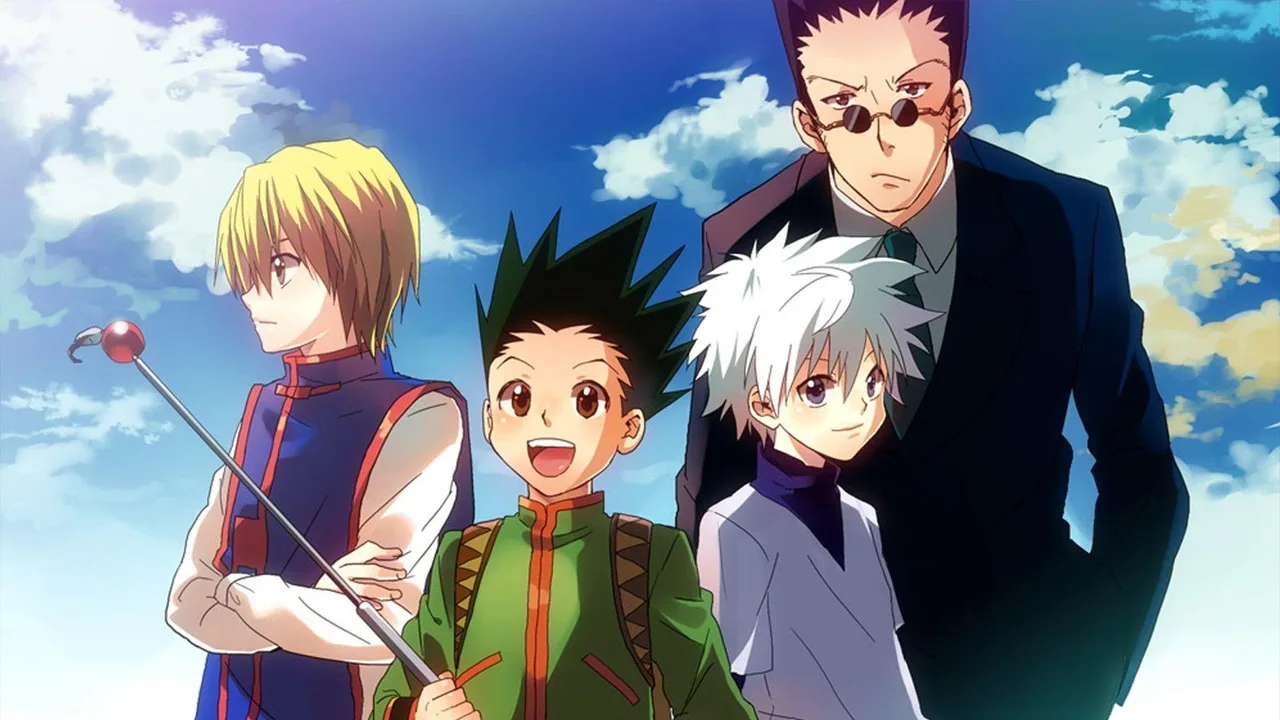
Hunter x Hunter Volume 39 Confirmed: Togashi's Manga Returns After 22 Months
Hunter x Hunter Volume 39 hits shelves July 3, 2026, ending a 22-month wait. Here's the release date, what chapters it collects, and where the manga goes next.
Top 15 Best Action Manga of All Time (2026)
The best action manga ever made, ranked. Explosive battles, legendary fights, and adrenaline-fueled epics — plus the box sets worth collecting.
Top 15 Best Dark Fantasy Manga of All Time (2026)
The best dark fantasy manga ever made, ranked. Brutal worlds, morally grey heroes, and demonic horror — plus where to buy the definitive editions.