My Hero Academia
In a world where eighty percent of humanity has superpowers called Quirks, Izuku Midoriya is born without one — then inherits the most powerful ability in existence from the greatest hero alive, forcing him to grow into a legacy he was never supposed to carry.
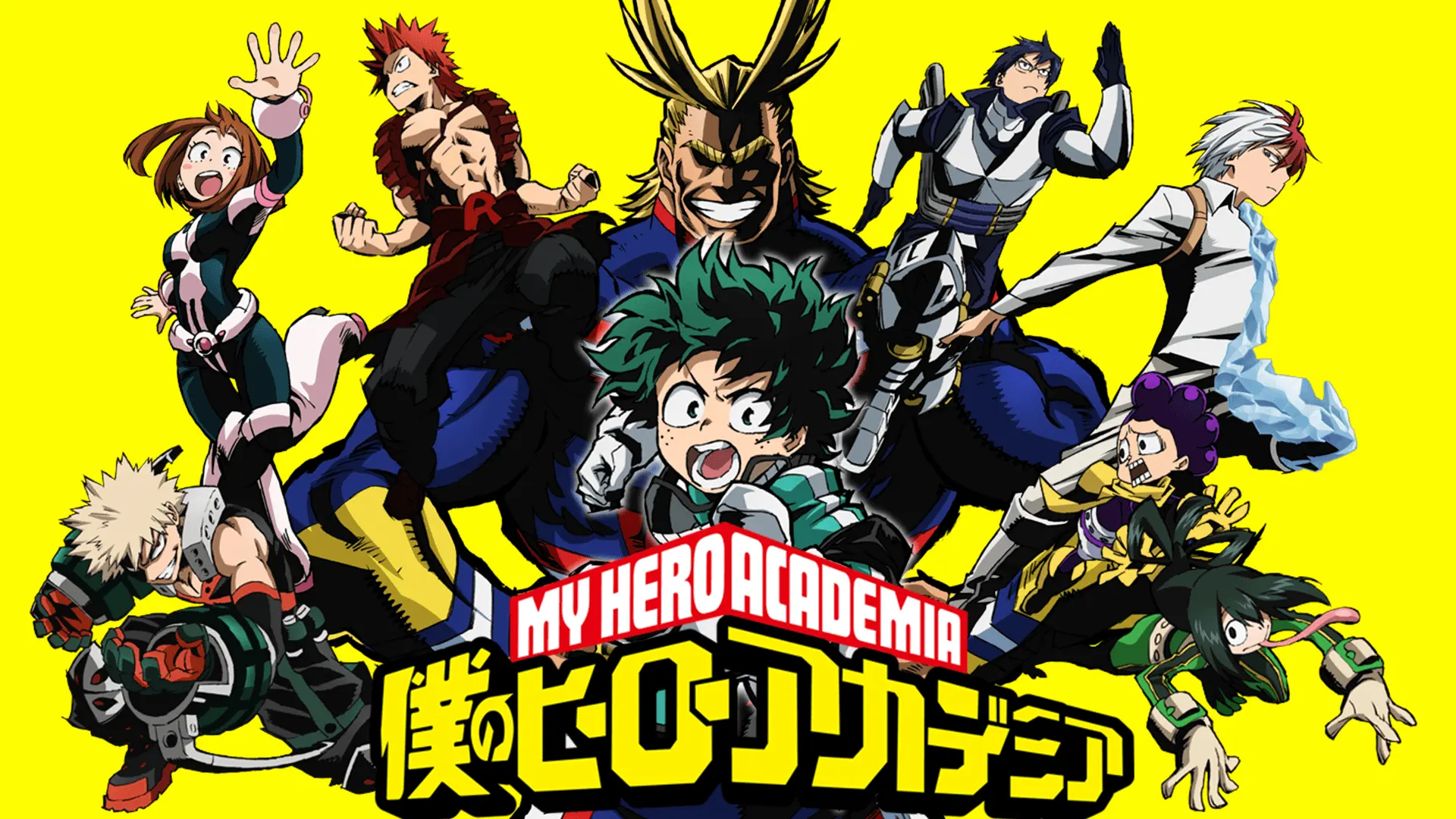
All My Hero Academia Story Arcs in Order
Overview
My Hero Academia is the superhero shōnen that, more than any other Weekly Shōnen Jump title of the mid-2010s, demonstrated that the Western superhero genre could be successfully adapted to the structural conventions of long-form Japanese serialized manga. Created by Kohei Horikoshi and serialized in Weekly Shōnen Jump from July 2014 to August 2024 across 430 chapters and 42 tankōbon volumes, the series concluded its decade-long run as one of the most internationally successful shōnen manga of its era, passing 100 million tankōbon copies in cumulative circulation.
The series is set in a near-future world where 80 percent of the global population is born with a Quirk — a unique superhuman ability inherited genetically — and a professional Hero industry has emerged to license, regulate and deploy individuals with combat-applicable Quirks against the criminal Villain population. Its protagonist Izuku Midoriya is born without a Quirk and grows up obsessed with becoming a Hero anyway, a pursuit that takes a decisive turn when he meets the world’s greatest Hero, All Might, who passes him the inherited Quirk One For All in recognition of his heroic instinct.
What Is My Hero Academia About?
The premise rests on a dense Hero–Villain political ecosystem that Horikoshi develops as carefully as the action choreography. The Hero Public Safety Commission licenses professional Heroes through a public examination system. Hero schools — most prominently U.A. High School in Tokyo, where most of the cast attends — train the next generation through a curriculum mixing physical training, Quirk theory, and live combat exercise against simulated Villain attacks. The license, the ranking system, the public popularity index, the corporate sponsorship — Horikoshi treats Hero work as a profession with regulatory infrastructure rather than a vocation.
Izuku’s situation introduces the series’ central tension. As a Quirkless child he was systematically bullied (most notably by Katsuki Bakugo, his childhood friend whose explosive Quirk made him a school star), and his determination to become a Hero anyway is treated by the surrounding adult world as either delusional or admirable depending on the observer. All Might’s gift of One For All — a Quirk that has been passed down through eight generations of holders, accumulating in power with each transfer — gives Izuku the ability he had spent his life imagining. The post-transfer arcs are about whether he can earn the inheritance.
What follows across 42 volumes is the development of U.A. High School’s Class 1-A — Izuku, Bakugo, Ochaco Uraraka, Tenya Iida, Shoto Todoroki, and the rest of the named cast — through three school years and the corresponding Hero internships, License examinations, and combat campaigns. The series escalates dramatically with the Paranormal Liberation War in volumes 25-32, the Final War arc in volumes 35-41, and the conclusion in volume 42 that resolves the All For One / Shigaraki confrontation that has been the long-running antagonist plot since the early arcs.
Reading Order
The manga can be read straightforwardly in tankōbon order across 42 volumes. The series is structurally complete with no parallel ongoing spin-offs that interrupt the main timeline. Several supplementary works exist for readers who want to extend the experience: My Hero Academia: Vigilantes (2016-2022, 15 volumes by Hideyuki Furuhashi and Betten Court) is set five years before the main series and follows three unlicensed vigilantes in Naruhata; My Hero Academia: Team-Up Missions (2019-ongoing) is a parallel side-story by Yoco Akiyama; My Hero Academia: Smash!! is a 4-koma comedy spin-off.
For readers who want to start with the anime, the Bones adaptation has produced seven seasons (2016-2024) covering the manga through the Final War arc, plus three theatrical films (Two Heroes 2018, Heroes:Rising 2019, World Heroes’ Mission 2021). The anime is generally considered one of the most consistently produced long-form shōnen adaptations of the modern era.
The reading map by major arc: U.A. Entrance and Quirk Apprehension (vols 1-3); USJ Attack and Sports Festival (vols 3-5); Hero License Hideout Raid (vols 6-8); Provisional License Exam and Internship (vols 9-13); Joint Training and Endeavor Internship (vols 14-22); Meta Liberation War (vols 22-24); Paranormal Liberation War (vols 25-32); Tartarus Escapees and Star and Stripe (vols 32-34); Final War (vols 35-41); conclusion (vol 42).
What Makes My Hero Academia Important
My Hero Academia is one of the most internationally successful Weekly Shōnen Jump launches of the 2010s and the title that, more than any other modern shōnen, made the superhero genre a structural option for Japanese serialized comic creators. The series passed 100 million tankōbon copies in cumulative circulation by 2023, was translated into more than thirty languages, and was the highest-selling new shōnen of the late 2010s before Demon Slayer’s commercial breakthrough.
Its specific contribution to the medium was the demonstration that the Western superhero genre — historically resistant to adaptation in Japanese manga form — could be successfully re-engineered through shōnen conventions. Where prior Japanese attempts at the superhero genre had typically grafted Quirks onto either ninja-style action (Naruto) or magical girl frameworks, Horikoshi built a complete superhero industrial ecosystem: licenses, rankings, public popularity, corporate sponsorship, regulatory infrastructure. The result was a shōnen that read structurally like a Western superhero comic but operated tonally like a Jump action title.
The series has also been one of the most influential modern works in shaping the international audience’s appetite for Japanese superhero fiction. The Bones anime, broadcast internationally on Crunchyroll, Funimation and Netflix, brought the property to one of the largest non-Japanese audiences any 2010s anime has reached. The three theatrical films grossed over $100 million combined at international box office. The merchandise catalog around Class 1-A has become one of the most extensive contemporary shōnen properties.
Why This Manga Stands Out
Beyond its commercial position, the manga rewards close reading on its own terms. Horikoshi’s art is one of the most kinetically expressive styles in modern shōnen — his action sequences are carefully composed for visual readability even at maximum chaos, and his character designs (40+ named students plus their professional Hero counterparts) are differentiated through both costume design and posture in ways that few comparable casts achieve. The series’ strongest visual moments tend to be its set-piece confrontations: the All Might vs All For One Kamino Ward fight in volume 11, the Paranormal Liberation War in volumes 25-32, and the Final War sequences in volumes 35-41.
The series’ emotional weight comes from Horikoshi’s commitment to making his antagonists psychologically coherent rather than dismissible. Tomura Shigaraki, the central antagonist for the bulk of the series, is built across the post-volume-15 arcs as a psychologically damaged figure whose hatred of Hero society is grounded in genuine institutional failure rather than arbitrary malice. The series treats his motivation seriously enough that the late arcs require Izuku to confront whether saving Shigaraki — not just defeating him — is even possible. Horikoshi’s commitment to this question gives the conclusion arcs an emotional density unusual for major Jump action.
The series is also unusual among major shōnen for its structural completeness. Horikoshi announced that the series would have a defined ending well before the final war arc began, and he delivered exactly that: 430 chapters, 42 volumes, no extension into open-ended sequel territory. The conclusion in volume 42 closes the Class 1-A arcs, resolves the Shigaraki / All For One confrontation, and leaves the surviving cast in a transformed Hero society without dragging the franchise into perpetual continuation.
Publication and Adaptations
My Hero Academia was serialized in Weekly Shōnen Jump from July 2014 to August 2024 and collected in 42 tankōbon volumes by Shueisha. The series is published in English by Viz Media (42-volume tankōbon), in Spanish by Planeta Cómic, in French by Ki-oon, and in Italian by Star Comics, with translations into more than thirty languages worldwide.
The Bones anime adaptation began in April 2016 and produced seven TV seasons through 2024, covering the manga from the opening arcs through the Final War. The three theatrical films — Two Heroes (2018), Heroes:Rising (2019), and World Heroes’ Mission (2021) — are mostly self-contained side stories that don’t disrupt the main anime continuity. The anime adaptation is widely considered one of the most consistently produced long-form shōnen anime of the modern era, with multiple sequence directors who would later move on to high-profile productions.
The franchise has continued to expand across formats including video games (My Hero One’s Justice 1 and 2, My Hero Ultra Rumble), light novels by Anri Yoshi, official guidebooks, and an extensive international merchandise catalog. The 2024 announcement of a live-action Hollywood film adaptation, with rights held by Legendary Entertainment, has been in development since 2018 and has not yet entered production.
Related Series
Readers drawn to My Hero Academia’s superhero framework and its commitment to building a complete Hero industrial ecosystem will find immediate companions in One Punch Man, the parallel modern superhero deconstruction by ONE and Yusuke Murata, and in Hunter x Hunter, whose Nen power system shares the structural rigor of Horikoshi’s Quirk system. For readers more interested in the school-based action structure, Naruto and Bleach are the broader 2000s shōnen tradition out of which My Hero Academia emerged. Among contemporaneous shōnen, Jujutsu Kaisen, Demon Slayer and Black Clover form the broader cohort of mid-2010s Jump action titles that defined the post-Naruto generation.
Frequently Asked Questions
Is My Hero Academia finished?
Yes. My Hero Academia concluded in August 2024 across 430 chapters and 42 tankōbon volumes. The manga is structurally complete and Horikoshi has confirmed no continuation is planned beyond the existing volumes and the supplementary spin-off works.
How many volumes does My Hero Academia have?
The main manga has 42 tankōbon volumes. Including the supplementary spin-off My Hero Academia: Vigilantes (15 volumes) and Team-Up Missions (ongoing) the total franchise extends to 60+ volumes.
Is there an anime adaptation?
Yes. The Bones anime adaptation has produced seven TV seasons (2016-2024) covering the manga through the Final War arc, plus three theatrical films: Two Heroes (2018), Heroes:Rising (2019), and World Heroes’ Mission (2021).
What age rating is My Hero Academia?
My Hero Academia is rated 13+ (Teen) in most markets. The series features sustained combat violence, named-character deaths in the post-volume-25 arcs, and complex political themes around institutional failure, but the visual treatment is restrained and the focus on Hero ethics keeps the material accessible to teen readers. It sits in the same age band as Naruto and Bleach.
What is My Hero Academia: Vigilantes?
My Hero Academia: Vigilantes is a 15-volume spin-off (2016-2022) by Hideyuki Furuhashi and Betten Court, set five years before the main series and following three unlicensed vigilantes in Naruhata. It’s a structurally complete side-story that develops the Hero ecosystem of the main series at a different timeline and is widely considered one of the strongest shōnen spin-offs of the late 2010s.
Where can I buy My Hero Academia manga?
The manga is published in English by Viz Media in 42 tankōbon volumes. Spanish editions are available through Planeta Cómic; French through Ki-oon; Italian through Star Comics. Print and digital editions are widely available through Amazon and major retailers worldwide.
Publication and Adaptations
Kōhei Horikoshi launched My Hero Academia in Shueisha’s Weekly Shōnen Jump in issue 32 of 2014 (cover-dated July 7), concluding the main story on August 5, 2024 after 430 chapters across exactly ten years of weekly publication. The compiled tankōbon edition reached 42 volumes by the August 2025 release of the final book. The series became one of Shueisha’s flagship Jump titles of the 2010s, surpassing 100 million copies in worldwide circulation by early 2024 and joining the elite club of manga to clear that milestone within their first decade. Viz Media holds the English license for the main series, supplementary chapters, and all approved spin-offs, with simultaneous digital releases via the Manga Plus and Shōnen Jump platforms.
The Bones anime adaptation premiered on April 3, 2016 and produced seven seasons totaling 159 episodes through September 2025, with the final season’s second half airing in 2025-2026 to adapt the manga’s conclusion. Three theatrical films expanded the franchise: My Hero Academia: Two Heroes (2018, $43 million worldwide), Heroes Rising (2019, $41 million), and World Heroes’ Mission (2021, $52 million). A fourth film tied to the final story arc released in summer 2024. The dub by Funimation (later Crunchyroll) launched simultaneously with Japanese broadcasts beginning season 2, becoming one of the franchise’s primary international engagement channels.
The official spin-off My Hero Academia: Vigilantes (2016-2022) by Hideyuki Furuhashi and Betten Court ran 126 chapters across 15 volumes, exploring pre-series Hero Society from the perspective of unlicensed crime-fighters. Team-Up Missions (2019-) by Yōkō Akiyama presents lighter team-based adventures and reached 11 volumes by 2025. Smash!! (2015-2017) by Hirofumi Neda offered four volumes of comedy gag spin-off content. The franchise expanded into video games through Bandai Namco’s One’s Justice fighting game series (2018, 2020), the mobile gacha game My Hero Ultra Impact (2021-), and various crossover appearances including Jump Force and Fortnite collaborations.
Cultural Impact and Legacy
My Hero Academia became the defining new shōnen franchise of the late 2010s, alongside Demon Slayer, Jujutsu Kaisen, and Black Clover representing a generational refresh of Weekly Shōnen Jump’s lineup. The series received the 23rd Sugoi Japan Award in 2017 and consistently ranked in Oricon’s top-five best-selling manga from 2018 through 2023. Time magazine listed Horikoshi among the world’s 100 most influential people in 2020, and the U.S. Library of Congress added My Hero Academia volumes to its permanent manga collection in 2022.
The series’ influence on Western superhero media is notable, with critics drawing comparisons to academy-based hero training narratives in shows like The Boys’ Gen V and Disney’s spider-verse storylines. Universal Studios Japan opened a dedicated My Hero Academia: The Real attraction in 2019, featuring physical training challenges based on the manga. The U.A. High School uniforms, All Might’s silhouette, and the Hero Society logos have become recognizable iconography appearing on apparel collaborations with Uniqlo, Hot Topic, and Adidas. Conventions worldwide consistently report My Hero Academia as one of the top three most-cosplayed franchises since 2018.
Frequently Asked Questions
Did My Hero Academia really end in 2024? Yes. Chapter 430 published in Weekly Shōnen Jump on August 5, 2024, concluding the main narrative after exactly ten years of serialization. Volume 42, the final volume, released in August 2025.
How many anime seasons exist? Seven seasons totaling 159 episodes aired between April 2016 and September 2025, with additional episodes scheduled to adapt the manga’s final arcs. Three theatrical films released in 2018, 2019, and 2021, with a fourth film in 2024.
Are the spin-offs canonical? My Hero Academia: Vigilantes is overseen by Horikoshi and considered canonical to the main timeline as a prequel. Team-Up Missions and Smash!! are lighter side stories rather than strict canon.
What is the reading order for newcomers? Read the main 42-volume series first. After completing it, optionally read Vigilantes (15 volumes) for prequel context. Team-Up Missions can be read at any point as supplementary content.
Will there be a sequel after the main series? Horikoshi has not announced a direct sequel. He has stated interest in shorter follow-up projects and expressed openness to returning to the universe, but his immediate post-MHA plans involve rest and new project development at Shueisha.
My Hero Academia Arc Guides
Entrance Exam & Early UA
Deku receives One For All from All Might and discovers he can become a hero. He passes UA's challenging entrance exam through quick thinking and courage, enrolling in the prestigious Hero Course alongside childhood rival Bakugo and prodigy Todoroki. The League of Villains strikes at USJ, forcing students into real combat.
UA Sports Festival
UA's nationwide sports festival broadcasts every first-year student's Quirk on live television, exposing them to heroes and the public. Todoroki's festering conflict with his father Endeavor becomes the emotional center when he battles Deku, forcing him to confront his greatest internal wound. Other students reveal their unique strengths and personalities through tournament combat.
Hero Killer Stain
Deku, Iida, and Todoroki confront Stain, an ideological vigilante who murders heroes he deems unworthy, paralyzing victims with his blood-based Quirk. Iida's brother is crippled during Stain's campaign, sending the class rep into a dangerous vendetta that nearly costs his life. Stain's philosophy of "true heroism" ironically inspires the League of Villains to embrace a more ideological direction.
Hideout Raid & All Might's Last Stand
Pro heroes locate and assault the League of Villains' hideout in a coordinated strike. All For One—the ancient villain orchestrating everything from shadows—emerges to challenge All Might directly. Their final battle broadcasts nationwide as All Might exhausts the last of One For All defeating his nemesis, permanently retiring as the Symbol of Peace and forever changing society's sense of security.
Shie Hassaikai — Overhaul
Students undertake dangerous internships with pro heroes, with Deku joining a mission against Kai Chisaki—the yakuza boss known as Overhaul. Chisaki possesses the horrifying Overhaul Quirk allowing him to disassemble and reassemble matter, which he uses to weaponize a young girl named Eri whose rewind ability erases Quirks. Deku must break new power barriers to save her and stop the imminent Quirk-erasing plague.
Meta Liberation Army
Shigaraki and the League of Villains encounter the Meta Liberation Army, a massive underground organization believing Quirks should be free from government restriction. Re-Destro, the army's CEO leader, seeks to absorb Shigaraki's organization or destroy it. Their clash results in unexpected merger forming the Paranormal Liberation Front. Dabi publicly reveals himself as Todoroki Toya, devastating the Todoroki family and society with shocking truth.
Paranormal Liberation War
Heroes execute a nationwide assault on the Paranormal Liberation Front's multiple bases simultaneously in a desperate preemptive strike. The operation spirals into catastrophic failure when Shigaraki awakens to All For One's complete power, becoming nearly unstoppable. Twice dies protecting his companions, revealing unexpected depth in the usually comedic villain. Society's hero-centered security system collapses as villains overpower coordinated hero forces.
Final War
All For One orchestrates a global jailbreak, separating heroes from allies and forcing isolated battles across the world. Deku confronts Shigaraki alone in an apocalyptic final clash. Bakugo discovers deeper reserves of strength and sacrifice. Society's hero era comes to a decisive end, replaced with uncertain future requiring fundamentally different heroic approach.
My Hero Academia Merchandise
Read manga free with Amazon Prime
30-day free trial: free shipping, Prime Reading, Kindle, Prime Video and more.
Affiliate link. 30-day free trial for new members. Then $14.99/month — cancel anytime.
FAQ: My Hero Academia
You May Also Like
All manga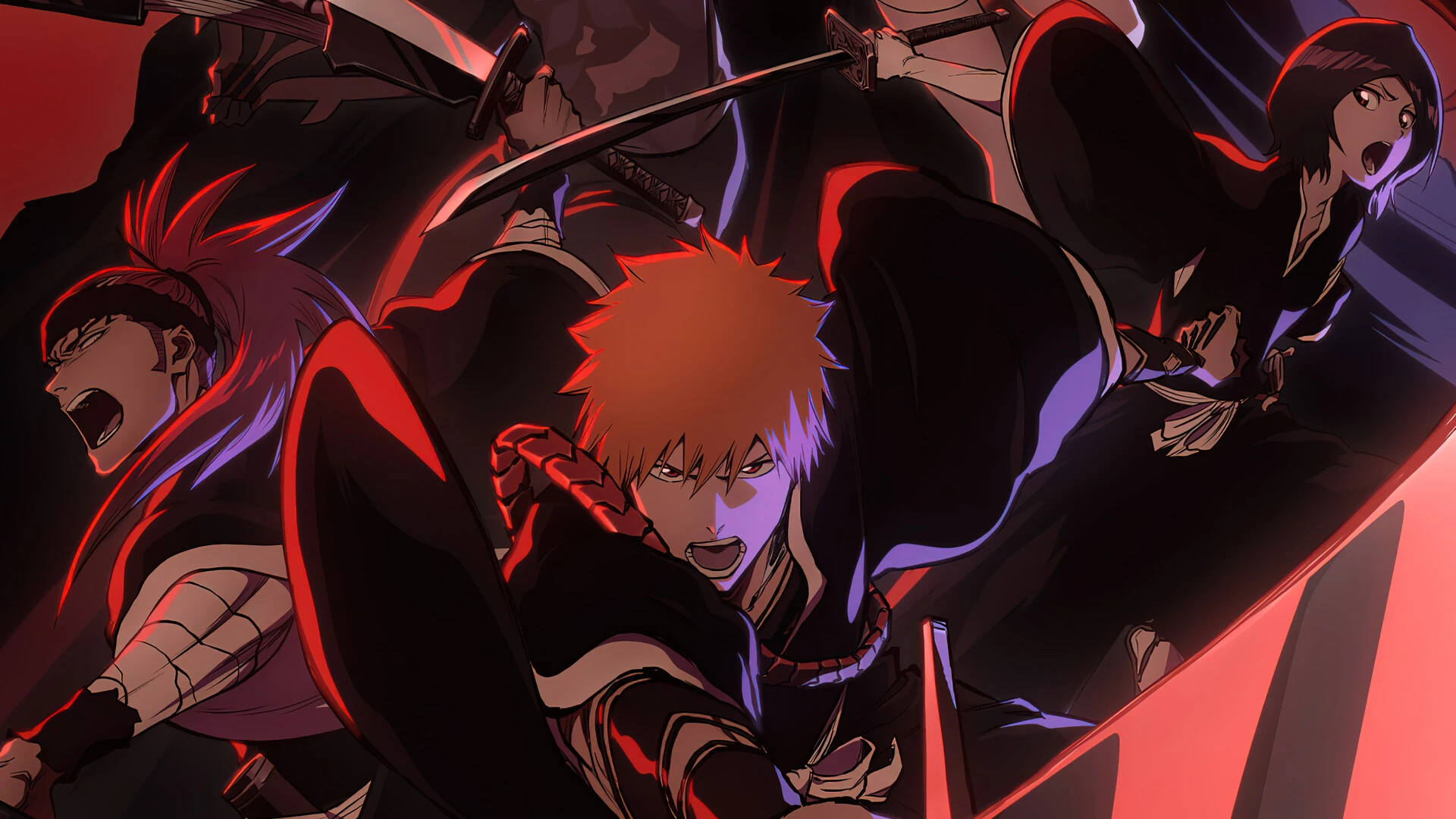
Bleach
The story of Ichigo Kurosaki, a teenager who gains the powers of a Soul Reaper — a death personification — and uses them to protect the living and the dead from evil spirits called Hollows, while uncovering a vast conspiracy that threatens both the human world and the afterlife.
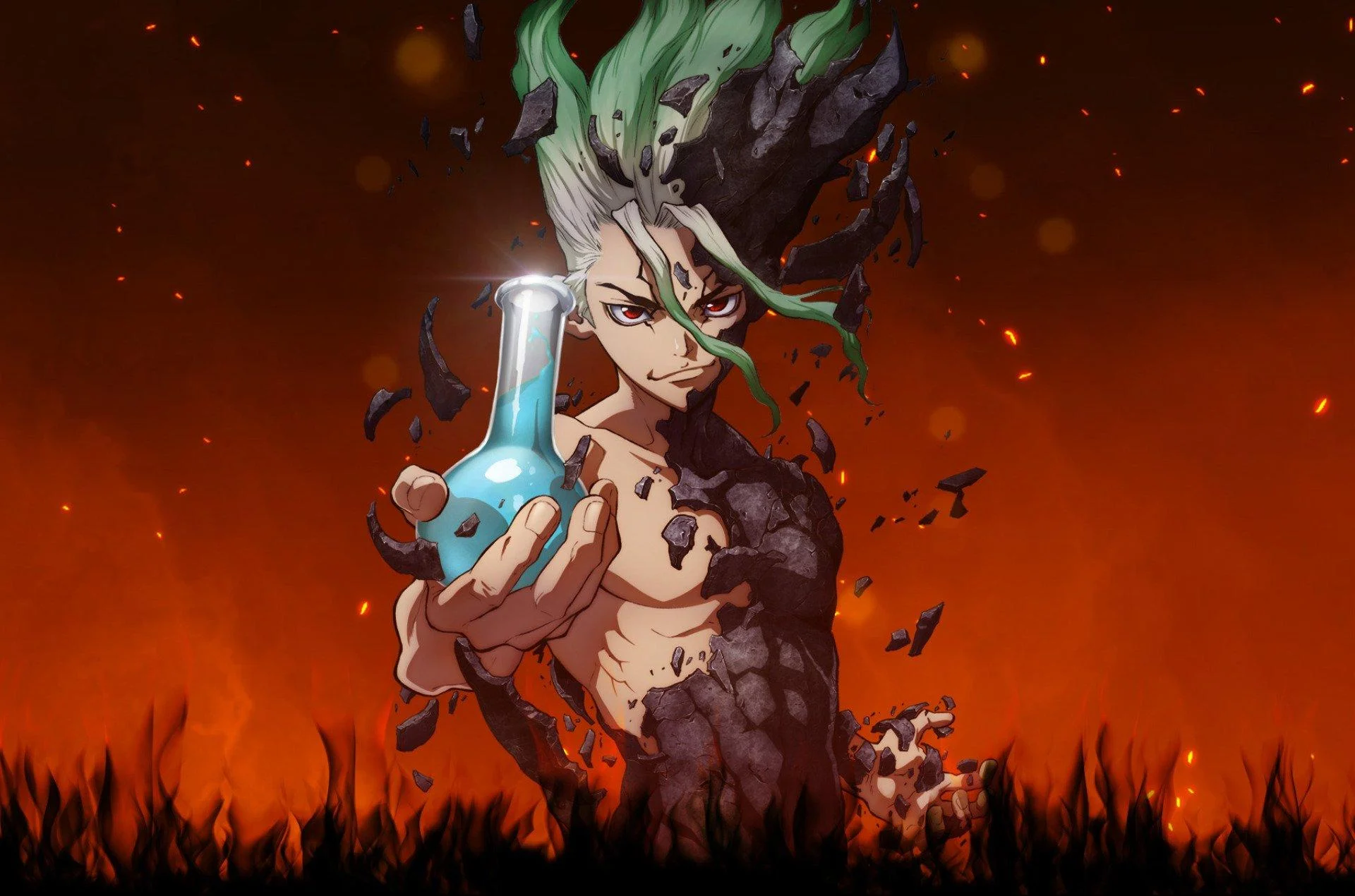
Dr. Stone
Completed sci-fi shonen: teen genius Senku Ishigami rebuilds civilization from scratch after 3,700 years of global petrification. Science vs. brute force.
Dragon Ball
Follow Goku's incredible journey from a martial arts novice to Earth's mightiest defender in this action-packed adventure series.
Dragon Ball Z
Goku, Earth's greatest martial artist, discovers he is a Saiyan warrior sent from a dying planet. From defending Earth against Saiyan invaders to battles across the cosmos and ultimately against godlike beings, Dragon Ball Z defines the power-escalating battle manga genre.
Related Articles
All articles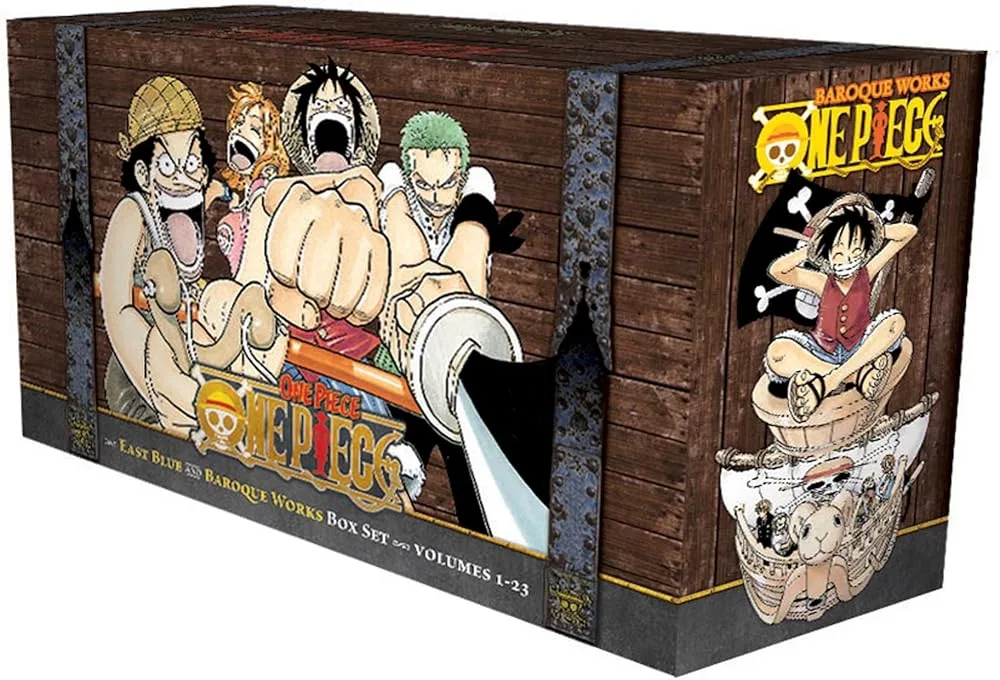
Top 15 Best Action Manga of All Time (2026)
The best action manga ever made, ranked. Explosive battles, legendary fights, and adrenaline-fueled epics — plus the box sets worth collecting.
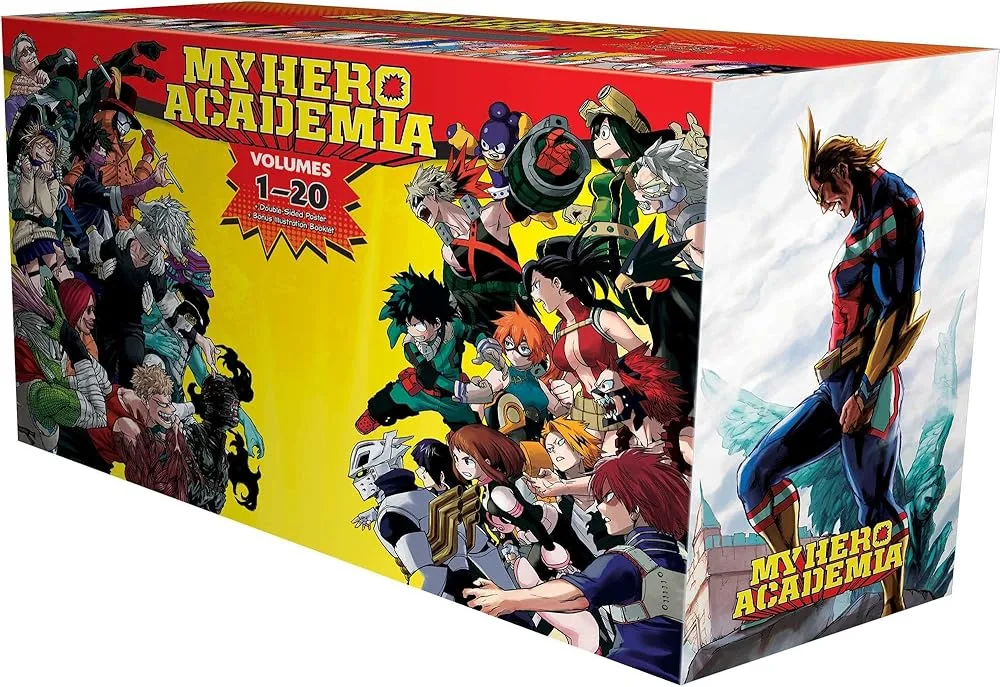
My Hero Academia Box Set Guide 2026: Which to Buy & Order
The complete My Hero Academia manga box set guide for 2026. Both official box sets compared, which to buy first, and how to collect the full 42-volume series.
Where to Start the My Hero Academia Manga After the Anime (2026)
Finished the My Hero Academia anime and want to continue in the manga? Here's exactly which volume to start from after each season, plus where to buy.