One Punch Man
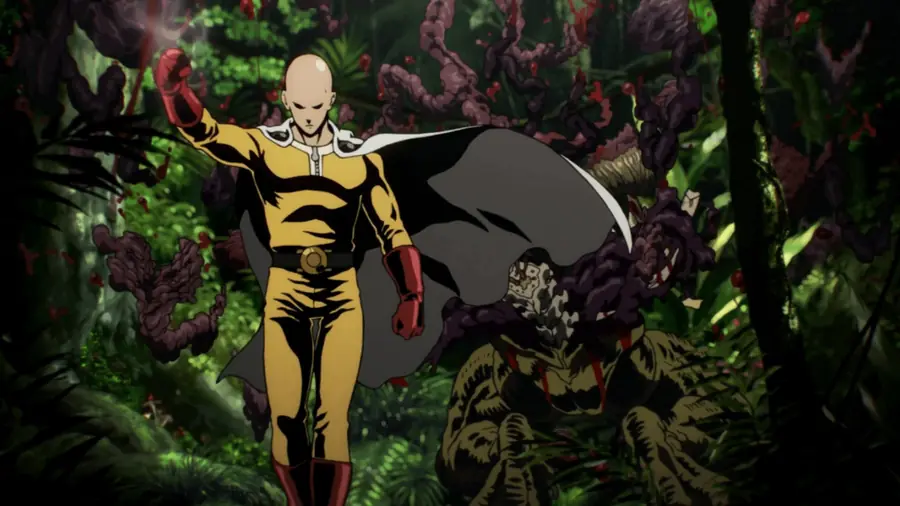
Saitama, a bald-headed hero, can defeat any opponent with a single punch, yet struggles with existential boredom from invincibility.
All One Punch Man Story Arcs in Order
| # | Arc |
|---|---|
| 1 | Hero Association Saga |
| 2 | Sea King Arc |
| 3 | Alien Conquerors Arc |
| 4 | Monster Association Arc |
| 5 | Neo Heroes Arc |
| 6 | Supreme Hero Arc |
The Superhero Series That Defies Superhero Convention
One Punch Man stands as one of contemporary manga’s most entertaining and philosophically intriguing works. Created by ONE with artwork by Yusuke Murata, this series satirizes superhero conventions through protagonist so powerful he defeats all enemies with single punch. Yet beneath the satire lies genuine exploration of purpose, heroism, and human connection.
The World of Professional Heroes
One Punch Man features a world where monsters threaten civilization and professional heroes maintain order. The Hero Association organizes heroes by rank—S-Class representing strongest, descending to lower tiers. This ranking system creates comic tension as Saitama, despite invincible power, struggles to achieve recognition due to low written test scores.
The world-building plays satirical commentary on how institutions and systems can fail recognizing actual capability when it doesn’t fit predetermined metrics. The humor emerges from realistic organizational dysfunction facing genuine heroic achievement.
Main Characters and Their Perspectives
Saitama - The Unstoppable Anomaly
Saitama achieved absolute power through discipline rather than genetics or luck. His ability to defeat enemies with singular punch creates unique narrative problem—conflict becomes impossible through standard superhero templates. Rather than glorifying power, Saitama’s existential boredom explores how absolute capability creates unexpected emptiness.
Saitama’s character embodies genuine kindness underneath casual exterior. He helps people not for reward or recognition but because genuine compassion drives him. His heroism transcends power level through authentic care for others.
Genos - The Devoted Disciple
A powerful cyborg seeking revenge, Genos becomes Saitama’s student and closest companion. His intense determination and unwavering loyalty create compelling counterpoint to Saitama’s casual approach. Genos represents how purpose and relationships matter beyond personal power acquisition.
King - The Perceived Strongest
Despite reputation as world’s strongest hero, King possesses no actual combat abilities. His character satirizes how appearance and reputation can surpass genuine capability. King’s friendship with Saitama demonstrates that authentic connection transcends power hierarchy.
Tatsumaki - The Esper Powerhouse
A powerful psychic ranked highly in Hero Association, Tatsumaki represents capable heroes taking themselves seriously. Her interactions with Saitama create comedic contrast between his casual attitude and her determined professionalism. Tatsumaki’s character explores how different personality types approach heroism.
Bang - The Martial Arts Master
An aged martial artist and Saitama’s casual acquaintance, Bang represents traditional heroism. His student Garou becomes antagonist, creating complex conflict between mentor and former student. Bang’s character demonstrates that heroism can emerge from training and discipline.
Garou - The Hero Hunter
Beginning as antagonist, Garou represents philosophy diverging from traditional heroism. His journey explores whether complete strength justifies rejecting society. His character development demonstrates redemption possibility.
Best One Punch Man Arcs
The Hero Association Introduction Arc
Establishing the series’ premise through Saitama’s struggle for recognition, this arc creates comedic foundation while introducing supporting cast. The arc establishes series’ satirical approach to hero organizations.
The Mysterious Being Arc
Introducing genuinely powerful monsters, this arc escalates stakes while maintaining character focus. The arc demonstrates how Saitama’s absolute power affects group dynamics when genuine threats emerge.
The Garou Arc
The primary antagonist’s journey becomes exploration of heroism philosophy. Rather than simple confrontation, this arc involves extended interaction developing character understanding. The arc demonstrates series’ willingness to explore complex character motivation.
The Neo Heroes Arc
Introduction of rival hero organization creates political conflict expanding world-building. This arc explores institutional competition and different approaches to heroism. The arc’s ongoing developments maintain series’ momentum.
Why One Punch Man Captivates Audiences
One Punch Man succeeds through combining satire with genuine character care. While mocking superhero convention, the series sincerely develops character relationships and explores meaningful themes. The humor emerges naturally from character interactions rather than external jokes.
The series also excels at visual storytelling. Yusuke Murata’s artwork represents contemporary manga’s highest technical level. Action sequences remain visually clear despite dynamic complexity, while character expressions communicate emotional states with remarkable subtlety.
The series demonstrates that satire and entertainment need not conflict. One Punch Man simultaneously mocks superhero convention while creating genuinely engaging narratives. This balance creates unique reading experience.
The Creative Team
One (the writer) created the original webcomic establishing series’ premise and philosophy. Yusuke Murata (the illustrator) brought visual artistry elevating the manga beyond webcomic origins. Their collaboration exemplifies how writer-artist partnerships can create greater works than either alone.
Related Satirical and Action Series
Readers enjoying One Punch Man’s satire often appreciate My Hero Academia for genuine superhero exploration. Genos, the cyborg disciple, shares comedic tone with action depth, while Mob Psycho 100 combines supernatural satire with character development.
Frequently Asked Questions
What makes Saitama’s absolute power a narrative problem? Traditional superhero narratives rely on conflict between powered individuals. Saitama’s ability to defeat any opponent instantly eliminates standard conflict template. The series explores how invincibility creates unexpected problems—existential emptiness and loss of genuine challenge.
How does One Punch Man satirize hero organizations? The Hero Association’s ranking system prioritizes credentials over actual capability. Saitama’s high power but low ranking satirizes bureaucratic systems failing to recognize genuine merit. The organization represents realistic institutional dysfunction.
What is Genos’ significance as Saitama’s student? Genos represents how genuine purpose and relationships matter beyond personal power. His devoted loyalty demonstrates that authentic connection provides meaning transcending capability hierarchy. Their mentor-student relationship forms series’ emotional core.
How does King represent different heroism? Despite lacking combat ability, King’s reputation grants him highest ranking. His character satirizes how appearance and reputation can surpass genuine capability. King’s friendship with Saitama demonstrates authentic connection transcends power hierarchy.
What makes Garou’s character arc compelling? Rather than simple antagonist, Garou embodies philosophy diverging from traditional heroism. His journey explores whether absolute strength justifies rejecting society. Understanding his perspective creates nuanced conflict.
How does the series balance comedy with genuine moments? Humor emerges naturally from character interactions and situation absurdity rather than external jokes. Comedic moments never trivialize genuine emotional stakes. This balance prevents the series from becoming self-important.
What role does the Hero Association play? The organization creates institutional framework exploring bureaucracy and systematic ranking. Rather than supporting heroes effectively, the organization often impedes genuine heroism. This institutional critique adds social commentary.
How does One Punch Man explore heroism’s meaning? Rather than assuming heroism naturally emerges from power, the series questions what makes someone hero. Through varied characters embodying different heroism approaches, the narrative explores this fundamental question. The series suggests heroism encompasses diverse forms.
What makes the series visually distinctive? Yusuke Murata’s artwork represents contemporary technical mastery. Character designs immediately communicate personality while action sequences remain visually clear. The series demonstrates manga’s artistic potential.
Should I read One Punch Man manga or watch the anime? The manga provides the complete original vision with Murata’s extraordinary artwork. The anime adds animation and music enhancing certain moments though it cannot match manga’s visual sophistication. Many fans experience both to appreciate distinct qualities.
The Broader Impact
One Punch Man demonstrated that satire could drive successful narratives while maintaining genuine entertainment value. The series proved that mocking superhero convention needn’t undermine character engagement or emotional investment.
The Lasting Legacy
One Punch Man represents one of contemporary manga’s most entertaining works. For readers seeking superhero narratives that simultaneously mock genre convention while creating genuinely engaging stories, exploring themes of purpose and human connection beneath spectacular action, One Punch Man stands as modern manga’s greatest satirical achievement—a series proving that true heroism means nothing without genuine connection to others, and that sometimes the greatest strength comes from accepting life’s absurdities while maintaining compassion for those around you.
Overview
One Punch Man is the superhero parody manga that, more than any other modern shōnen, demonstrated that the genre could be deconstructed and rebuilt into something genuinely funnier than the conventions it satirized. Created by the writer ONE (whose webcomic version launched in 2009) and the artist Yusuke Murata (whose redrawn version began publication in 2012), the series has become one of the most internationally recognizable superhero properties in modern manga, with the redrawn manga edition published in Shueisha’s Tonari no Young Jump digital magazine across 30+ tankōbon volumes.
The series follows Saitama, a baldheaded, deadpan superhero who has trained so relentlessly that he can defeat any opponent with a single punch. The premise — having achieved the ultimate goal of every shōnen protagonist, what does a hero do when no challenge can match him? — drives both the comedy and the surprisingly sincere meditation on heroism that the series develops across its arcs.
What Is One Punch Man About?
The premise is rendered with deliberate economy. Saitama, an ordinary unemployed Japanese man, decided three years ago to become a hero “for fun.” Through a brutal training regimen — 100 push-ups, 100 sit-ups, 100 squats, and a 10 km run every single day, no air conditioning in summer or heating in winter — he became so strong that he can defeat any opponent in one punch. The cost: he lost all his hair, lost the capacity for emotional excitement that fighting once gave him, and now drifts through Z-City as a hero whose existence the Hero Association doesn’t formally recognize.
The series introduces the Hero Association in volume 4 — a corporate-run institution that licenses Heroes through a public ranking system from Class C (lowest) to Class S (top 17). Saitama enrolls and finishes the entrance exam with the highest physical score in history, but his low written score lands him at the bottom of Class C. The series’ central comedic engine emerges from this gap: Saitama is the most powerful Hero in the world by an enormous margin, but the Hero Association’s ranking system fails to recognize this, and most Heroes who encounter Saitama assume he’s a low-level pretender stealing credit from real Heroes.
What follows across 30+ volumes is the gradual development of the Hero Association ecosystem: the rivalry between rising Class S Heroes including Genos (Saitama’s cyborg disciple), Tatsumaki (the telekinetic Class S #2), Bang (the Silver Fang martial arts master), and Garou (the Hero Hunter who becomes the central antagonist of the post-volume-12 arcs). The series escalates dramatically with the Monster Association arc (volumes 12-26) and continues into the post-Garou serialization with new threats including the cosmic-scale Neo Heroes arc.
Reading Order
Two parallel manga editions exist for One Punch Man, and readers should understand the difference before starting. The original webcomic by ONE — published since 2009 on his personal website — is rougher in art style but ahead in story. The redrawn manga edition by Yusuke Murata — published in Tonari no Young Jump since 2012 — features substantially upgraded art and modified storytelling but lags behind the webcomic in plot. Most international readers engage with the Murata version, which is what’s collected in tankōbon volumes and adapted into the anime.
The recommended reading approach for new readers is the Murata redrawn manga in tankōbon order, currently at 30+ volumes. The major arc breakdown: Hero Association introduction (vols 1-4); Subterranean People and House of Evolution (vols 4-5); Sea King attack on Z-City (vols 7-9); Stinger Meteor (vol 10); Hero Hunter Garou intro (vol 11-12); Monster Association arc (vols 12-26 — the longest single arc in the manga); post-Monster Association (vols 27+).
For readers who want to start with the anime, Madhouse produced Season 1 in 2015 (12 episodes) and J.C.Staff produced Season 2 in 2019 (12 episodes). Season 3 was announced for 2025 with Madhouse returning to the production. The anime adaptation is widely considered to peak in Season 1, with Madhouse’s animation work on the Saitama vs Boros confrontation in episode 12 frequently cited as one of the highest-budget single anime fight sequences of the 2010s.
What Makes One Punch Man Important
One Punch Man is one of the most internationally successful Japanese superhero manga of the 2010s and the title that, more than any other, made the deconstructed-superhero subgenre commercially viable in serialized manga. The redrawn manga has sold over 30 million tankōbon copies worldwide, and the original ONE webcomic continues to be one of the most-read web manga in Japanese internet culture. The Madhouse anime adaptation became one of the breakout international anime releases of 2015 and helped establish Crunchyroll’s reputation as a destination for premium anime exclusives.
Its specific contribution to the medium was the demonstration that a power-fantasy parody could sustain serious narrative ambition. Where prior shōnen action manga had built escalating power scales as their central engagement, One Punch Man starts with a protagonist who has already won every conceivable physical confrontation and uses that premise to explore questions the conventional power-fantasy genre couldn’t reach: what does a hero do when challenge is impossible? What does Heroism mean when it can’t be measured by combat outcome? The Saitama vs Garou confrontations across the Monster Association arc are widely considered some of the most thematically substantive shōnen action sequences of the modern era.
The series has also been one of the most influential modern works in shaping the international audience’s appetite for subverted shōnen tropes. The recognizable Saitama silhouette — bald head, yellow jumpsuit, white cape, deadpan stare — has become one of the most-recognized character designs in contemporary anime. The “OK” meme, the bored-Saitama reaction, and the Genos-as-disciple dynamic have all become reference points in broader anime fan culture.
Why This Manga Stands Out
Beyond its commercial position, the manga rewards close reading on its own terms. Yusuke Murata’s art is among the technically most refined linework in modern manga — his action sequences feature multi-page spreads of choreographed combat that are widely considered among the most impressive single-issue action displays of the 2010s. His character designs across the Hero Association roster (40+ named heroes) are differentiated through both costume and posture in ways that few comparable casts achieve. His monster designs across the Monster Association arc rival the creature designs of the most acclaimed dark fantasy in modern manga.
The series’ emotional weight — frequently surprising for a parody — comes from ONE’s commitment to making the supporting cast genuinely vulnerable while Saitama remains structurally untouchable. Genos’s slow physical degradation across the Monster Association arc, Bang’s reckoning with his estranged brother Bomb, Mumen Rider’s sustained heroism despite Class C ranking, and Garou’s complex motivation as both antagonist and ideological challenger to the Hero Association — these are character arcs that operate at the intensity of serious shōnen drama within a series whose protagonist defeats antagonists in single panels.
The series is also unusual among major shōnen for its publication structure. ONE’s free webcomic is ahead of the Murata edition in story but rougher in art; the Murata edition is the commercially successful version most international readers know but lags in plot. This dual-publication model has shaped the franchise in ways that no other major modern shōnen replicates — and the divergence between the two versions is itself a topic of ongoing fan discussion.
Publication and Adaptations
The original webcomic version of One Punch Man has been published by ONE on his personal website since July 2009. The Yusuke Murata redrawn version began in Shueisha’s Tonari no Young Jump digital magazine in June 2012 and is collected in 30+ tankōbon volumes. The series is published in English by Viz Media (30+ volume tankōbon), in Spanish by Ivrea, in French by Kurokawa, and in Italian by Planet Manga, with translations into more than thirty languages worldwide.
The anime adaptation has produced two TV seasons: Season 1 by Madhouse (October-December 2015, 12 episodes) and Season 2 by J.C.Staff (April-July 2019, 12 episodes). Season 3 was announced in August 2022 with Madhouse returning to the production and is expected to release in 2025. The Madhouse Season 1 adaptation in particular has been singled out as one of the most carefully animated shōnen action seasons of the 2010s, with Bahi JD, Yutaka Nakamura and other top sequence directors contributing to the Saitama vs Boros sequence.
The franchise has continued to expand across formats including video games (One Punch Man: A Hero Nobody Knows, 2020; One Punch Man: World, 2024), light novels by Hiroshi Kuroyanagi, multiple official guidebooks, and an extensive merchandise catalog around Saitama, Genos, Tatsumaki and the Class S Heroes. A live-action Hollywood film adaptation has been in development since 2020 with Sony Pictures and is yet to enter production as of 2026.
Related Series
Readers drawn to One Punch Man’s superhero deconstruction and its commitment to taking parody seriously will find immediate companions in Mob Psycho 100, ONE’s parallel manga about a psychic middle-school student whose extraordinary power forces him to confront ordinary social challenges. For readers more interested in the Hero Association ecosystem, My Hero Academia is the structural cousin operating in a more conventional superhero register. Among contemporaneous shōnen, Jujutsu Kaisen and Demon Slayer form the broader cohort of mid-2010s Jump action titles that defined the post-Naruto generation.
Frequently Asked Questions
Is One Punch Man finished?
No. One Punch Man is ongoing in 2026. Both the ONE webcomic and the Murata redrawn manga continue to publish new chapters; the Murata edition currently sits at 30+ tankōbon volumes with no announced ending date.
How many volumes does One Punch Man have?
The Murata redrawn manga has 30+ tankōbon volumes as of 2026. The ONE webcomic is published online and is not collected in volume form, though it continues to lead the Murata edition in story progression.
Is there an anime adaptation?
Yes. The anime has produced two TV seasons (Madhouse 2015, J.C.Staff 2019) totaling 24 episodes. Season 3, announced in 2022 with Madhouse returning, is expected in 2025.
What age rating is One Punch Man?
One Punch Man is rated 13+ (Teen) in most markets. The series features sustained combat violence and monster action but the visual treatment is mostly stylized rather than graphic. It sits in the same age band as My Hero Academia and Bleach.
What’s the difference between the ONE webcomic and the Murata manga?
ONE wrote the original webcomic in 2009 with rough art; Yusuke Murata redrew the same story for serialization starting in 2012 with substantially upgraded art and some modified storytelling. The webcomic is ahead in plot; the Murata edition is the commercially successful version that most international readers engage with and that the anime adapts.
Where can I buy One Punch Man manga?
The Murata redrawn manga is published in English by Viz Media in 30+ tankōbon volumes. Spanish editions are available through Ivrea; French through Kurokawa; Italian through Planet Manga. Print and digital editions are widely available through Amazon and major retailers worldwide.
One Punch Man Arc Guides
Hero Association Saga
Saitama becomes a professional hero and joins the Hero Association, meets his first student Genos, and begins his frustrating journey through a ranking system that fails to recognize his true power despite his undefeated record.
Sea King Arc
Deep Sea King emerges as a threat to Saitama's city, leading to major public crisis and significant casualties among heroes. Saitama defeats the monster effortlessly, but public backlash results from his unorthodox appearance and the perception that other heroes did the real work.
Alien Conquerors Arc
Boros, an alien warlord seeking worthy opponents, invades Earth with overwhelming fleet. Saitama confronts him in the series' most destructive battle, finally discovering someone who can withstand his power, though still ultimately losing to a serious punch.
Monster Association Arc
A coordinated monster organization kidnaps heroes' families, forcing massive combined hero raid on their headquarters. The arc culminates in Saitama confronting the association's leadership while heroes face their own personal battles against powerful monsters.
Neo Heroes Arc
A new powerful hero organization emerges with enhanced technology and unique approach to hero work, creating political conflict with established Hero Association. S-class heroes face questioning about their relevance and methods in response to this institutional competition.
Supreme Hero Arc
A tournament among the strongest heroes tests their capabilities against each other, revealing true power levels and testing whether any hero approaches Saitama's capability. Saitama's participation forces confrontation with his unique position within hero community.
One Punch Man Merchandise
Read manga free with Amazon Prime
30-day free trial: free shipping, Prime Reading, Kindle, Prime Video and more.
Affiliate link. 30-day free trial for new members. Then $14.99/month — cancel anytime.
FAQ: One Punch Man
You May Also Like
All manga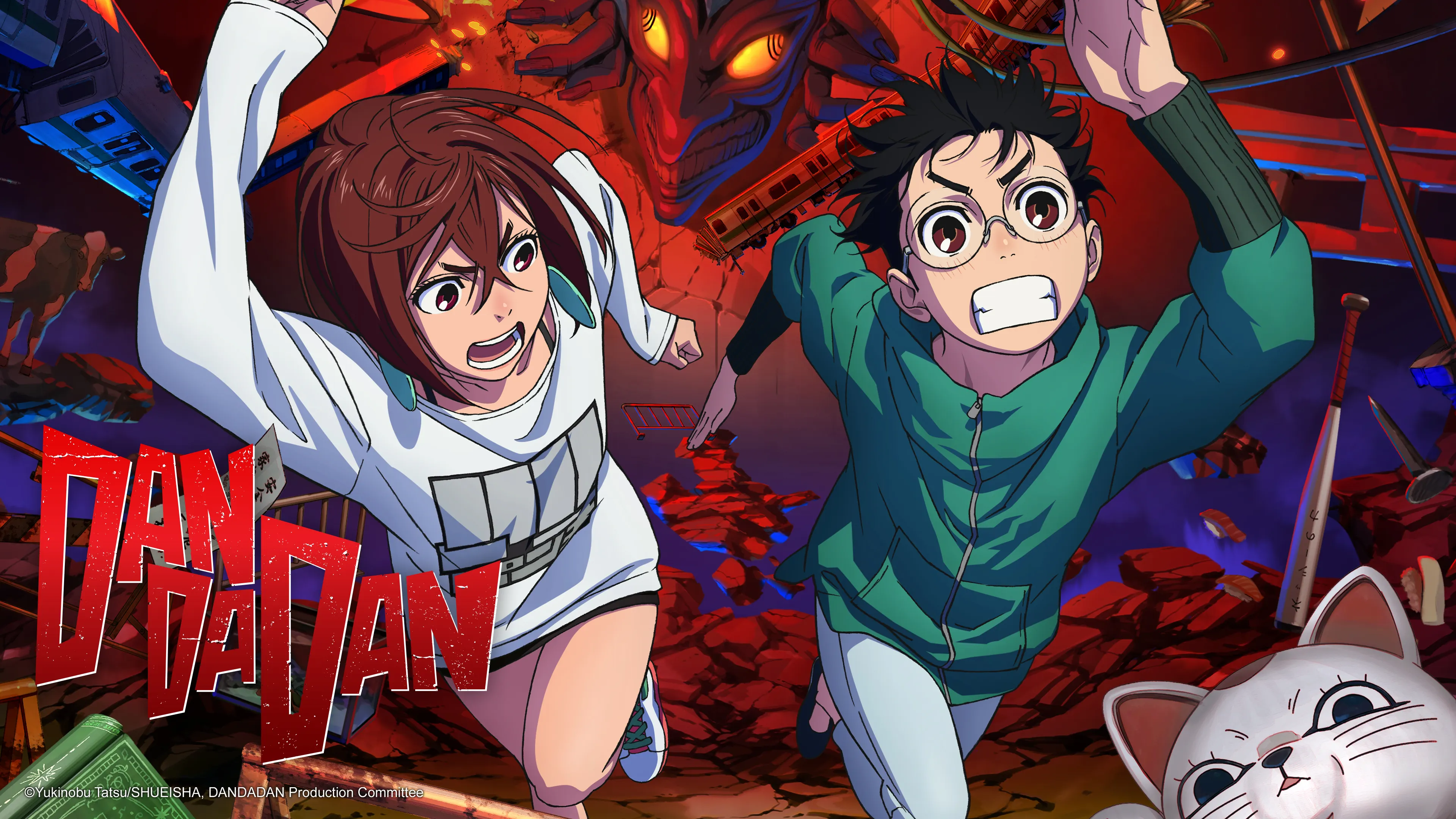
Dandadan
A contemporary shonen manga blending action, comedy, and supernatural mystery as two unlikely partners investigate paranormal phenomena.
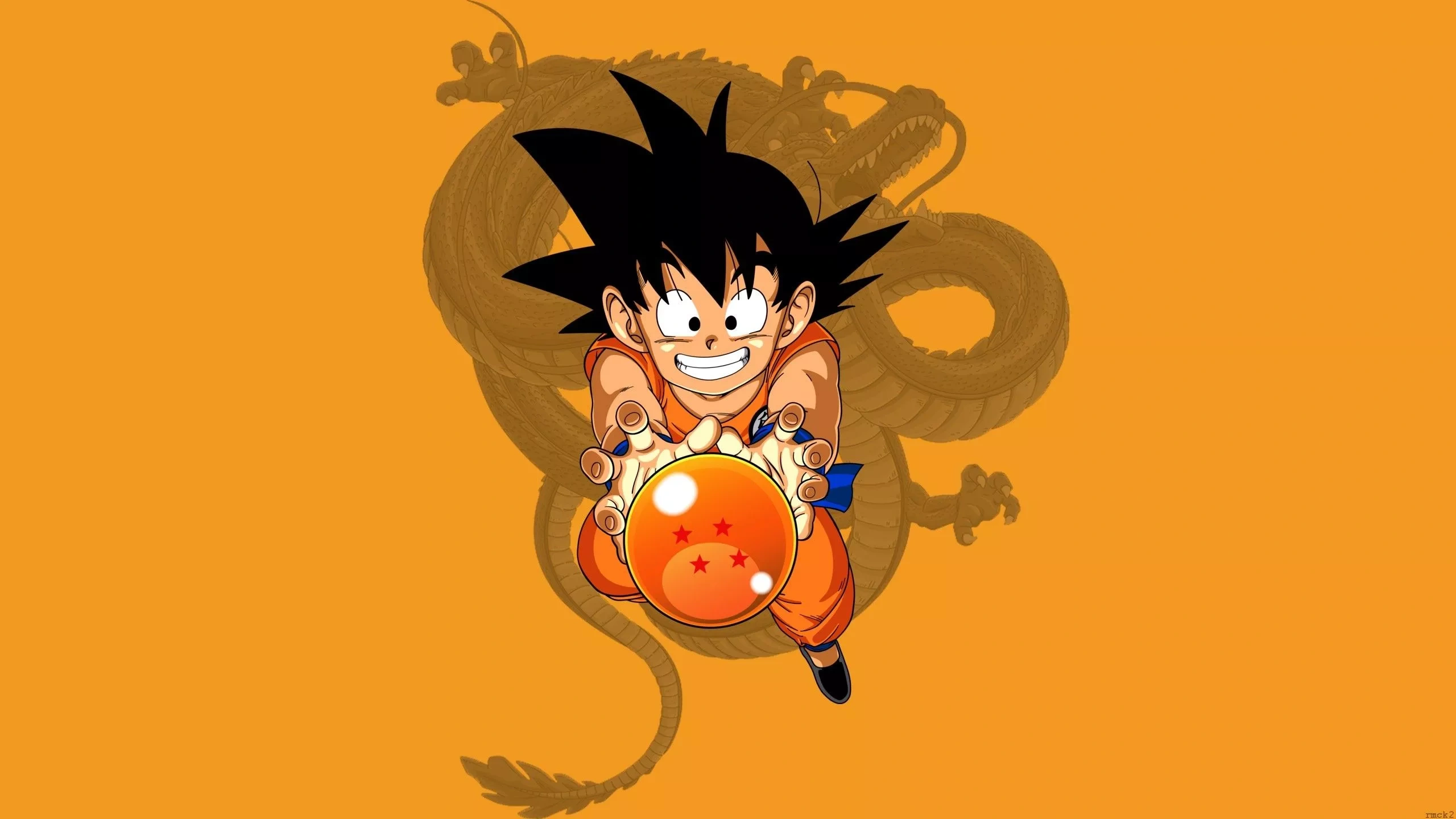
Dragon Ball
Follow Goku's incredible journey from a martial arts novice to Earth's mightiest defender in this action-packed adventure series.
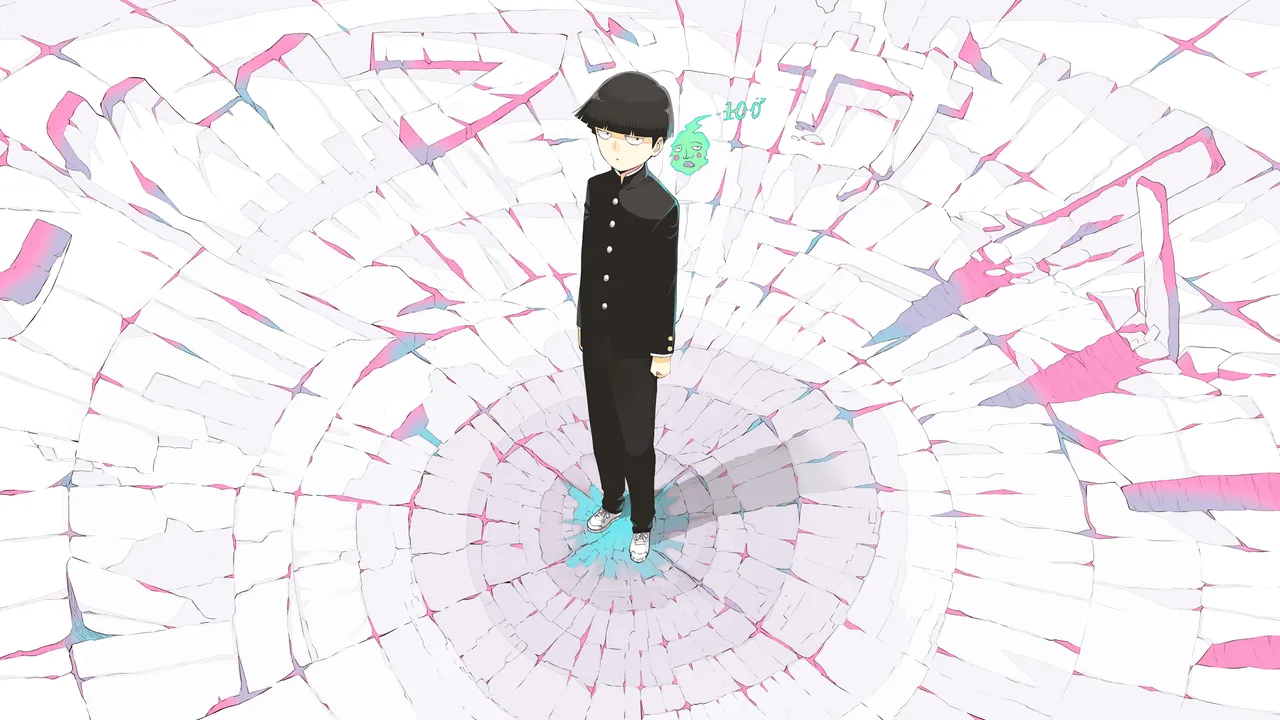
Mob Psycho 100
Mob Psycho 100 is ONE's supernatural comedy about a quiet middle schooler with overwhelming psychic powers who would rather grow as a person than fight. Across 16 volumes it blends absurd humor, explosive action and a sincere coming-of-age message.
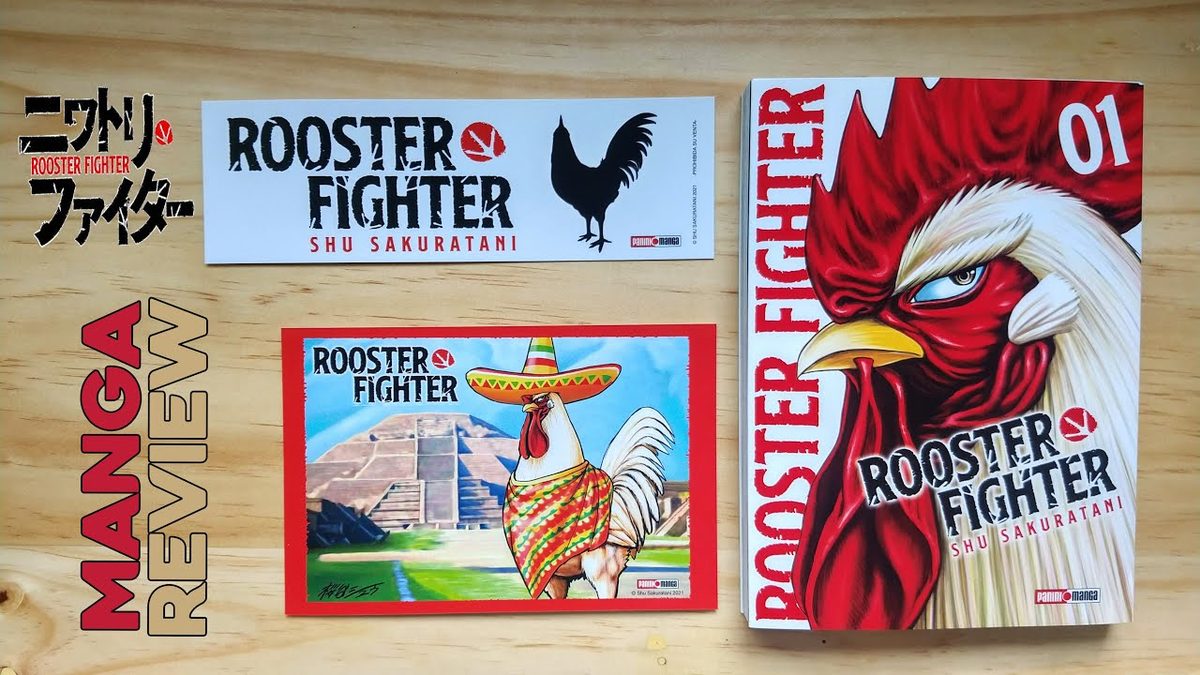
Rooster Fighter
A fearless rooster named Keiji wages a one-bird war against city-destroying kaiju in one of Weekly Shōnen Jump's most unexpectedly addictive action-comedy series.
Related Articles
All articles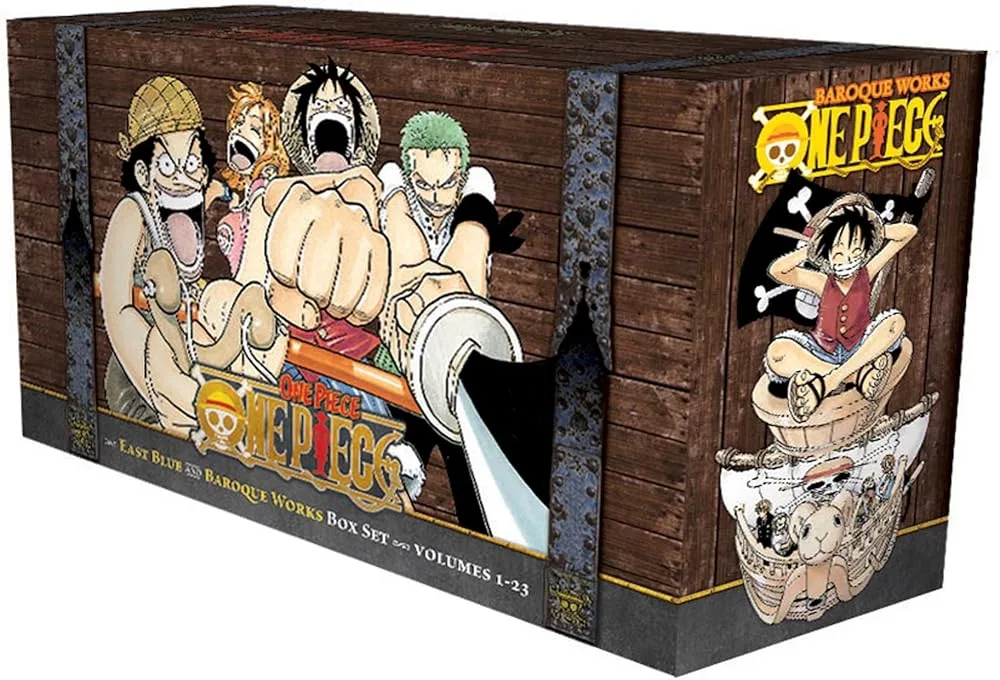
Top 15 Best Action Manga of All Time (2026)
The best action manga ever made, ranked. Explosive battles, legendary fights, and adrenaline-fueled epics — plus the box sets worth collecting.
Top 16 Best Shonen Manga of All Time (2026)
The best shonen manga ever made, ranked. Legendary battle epics, underdog heroes, and the series that defined the genre — plus the box sets worth owning.
Best Manga by Genre: The Ultimate 2026 Reading Guide (Shonen, Shojo, Seinen, Josei)
Comprehensive manga genre guide featuring best series by demographic and genre. From action shonen to mature josei, find your next read organized by taste and preference.