Demon Slayer: Kimetsu no Yaiba
A completed shonen series following a boy's journey to save his sister after a demon attack destroys his family
Overview
Demon Slayer: Kimetsu no Yaiba represents the pinnacle of what modern shonen manga can achieve when combined with exceptional artistic talent and genuine emotional depth. Created by Koyoharu Gotouge and published by Shueisha from 2016 to 2020, this 23-volume series has captivated millions of readers worldwide and spawned a massively successful anime adaptation that broke box office records.
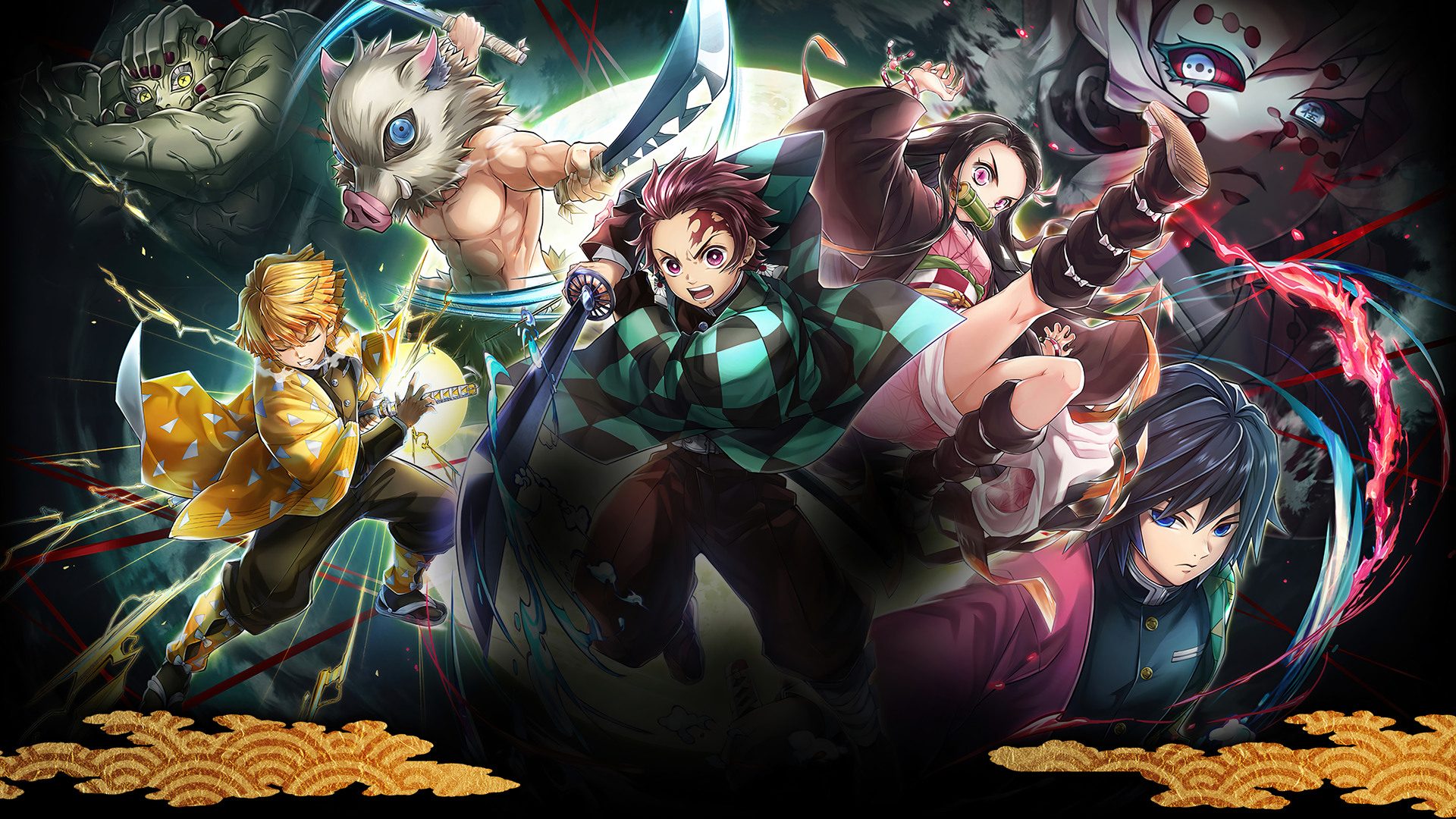
The story follows Tanjiro Kamado, a kind-hearted charcoal seller whose life is shattered when demons slaughter his entire family. His younger sister Nezuko survives but is transformed into a demon herself, retaining her human emotions and consciousness. Determined to turn his sister back into a human, Tanjiro joins the Demon Slayer Corps, a secret organization dedicated to eliminating demons and protecting humanity.
What makes Demon Slayer extraordinary is its perfect balance of heart-pounding action, character-driven storytelling, and stunning visual artistry. The series proves that shonen manga can be commercially successful while maintaining artistic integrity and emotional authenticity.
Story and Themes
The Journey Begins
The narrative kicks off with a devastating tragedy that sets everything in motion. Tanjiro returns home from selling charcoal to discover his family murdered by demons, with only his sister Nezuko barely clinging to life. The moment she opens her eyes as a demon, her survival instinct strikes—she lunges for Tanjiro’s throat. However, Tanjiro’s overwhelming protective love causes him to shield his sister, allowing her demon form to recognize his scent and spare him. This pivotal moment establishes the central conflict and emotional core of the entire series.
Central Themes
Demon Slayer explores profound themes that elevate it beyond typical shonen fare:
Unconditional Love and Familial Bonds: The relationship between Tanjiro and Nezuko serves as the emotional anchor for the entire series. Tanjiro’s determination to save his sister, despite her demonic nature being considered an abomination by demon slayer society, showcases a love that transcends logic and social convention.
Humanity vs. Monstrosity: The series constantly questions what truly defines humanity. Nezuko, despite being a demon, retains her humanity and demonstrates compassion. Conversely, human characters sometimes display demonic cruelty. This moral ambiguity prevents the manga from falling into simple good-versus-evil narratives.
Perseverance Through Hardship: Tanjiro’s journey is anything but easy. He faces seemingly insurmountable obstacles, powerful enemies, and the constant threat of losing his sister. Yet he never loses sight of his goal or his compassion, embodying the virtue of determined perseverance.
The Acceptance of Tragedy: While Demon Slayer is ultimately an uplifting story, it doesn’t shy away from depicting tragedy and loss. Characters experience genuine grief and trauma, making their victories feel earned rather than inevitable.
Main Characters
Tanjiro Kamado
The protagonist is a remarkable character whose defining trait is his compassion. Despite becoming a demon slayer and facing creatures that killed his family, Tanjiro never loses his humanity or empathy. His keen sense of smell becomes a valuable combat ability, but more importantly, his ability to understand his enemies—even demons—sets him apart from typical shonen heroes. Tanjiro’s development from an innocent charcoal seller to a skilled warrior feels organic and earned.
Nezuko Kamado
Tanjiro’s younger sister serves as both the emotional core of the story and a complex character in her own right. As a demon, Nezuko contradicts everything demons are supposed to be. She defies her demonic instincts, controls her hunger for human blood, and actively protects humans despite being a creature meant to prey on them. Her character challenges preconceived notions and drives Tanjiro’s determination throughout the series.
Zenitsu Agatsuma
This cowardly Thunder Breathing swordsman provides comic relief while developing into a genuinely compelling character. Zenitsu’s unrequited love for Nezuko creates comedic moments, but his insecurity masks genuine strength. When he enters his special technique, he becomes a formidable warrior. His character arc demonstrates that strength doesn’t require fearlessness.
Inosuke Hashibira
The wild, boar-masked swordsman presents an abrasive exterior hiding genuine care for his companions. Raised by wild boars in the mountains, Inosuke initially lacks social skills and courtesy, but his friendship with Tanjiro and Zenitsu gradually softens him. His character growth showcases how genuine connection can transform even the most aggressive personalities.
Giyu Tomioka
The Water Breathing Pillar who saves Tanjiro and Nezuko early in the series becomes an important mentor figure. Giyu’s stoic demeanor masks a compassionate heart, and his decision to help Tanjiro and Nezuko despite the corps’ regulations establishes him as a character who values humanity over protocol.
Shinobu Kocho
The Insect Breathing Pillar combines feminine softness with devastating combat prowess. Shinobu’s compassionate approach to fighting demons, which she considers victims of circumstance rather than purely evil creatures, mirrors Tanjiro’s philosophy. Her backstory adds emotional depth to the narrative.
Breathing Styles and Combat System
Demon Slayer features an innovative power system centered on “Breathing Styles”—disciplined martial techniques that allow humans to enhance their bodies and combat abilities. These styles include Water Breathing, Thunder Breathing, Flame Breathing, Wind Breathing, Stone Breathing, and others, each with unique characteristics and forms.
The breathing system provides several advantages over simpler power systems. First, it grounds the martial arts in recognizable techniques, making battles feel grounded and martial rather than purely fantastical. Second, each breathing style requires years of training and discipline, making combat abilities feel earned rather than gifted. Third, the system allows for creative variation—multiple swordsmen using the same breathing style can develop unique techniques based on their personalities and experiences.
Tanjiro’s Water Breathing, taught by Giyu Tomioka, contrasts beautifully with his eventual development of Hinokami Kagura, a breathing style passed down through his family. This fusion of inherited technique and learned skill represents the synthesis of his past and present.
Artistic Excellence
Koyoharu Gotouge’s artwork in Demon Slayer is breathtakingly beautiful. The manga excels at depicting dynamic action sequences with stunning clarity and impact. Each sword stroke feels weighty and consequential, and the visual representation of breathing techniques creates distinctive, visually striking attacks.
The character designs are diverse and memorable. From Tanjiro’s kind face and checkered haori to Inosuke’s wild boar mask and Zenitsu’s blonde hair, every character has a distinctive visual identity. Even secondary characters and demons receive careful design attention.
The backgrounds showcase detailed environments—from the demon-infested mountains to the demon slayer headquarters. Gotouge’s ability to balance detailed artwork with clear, readable panels demonstrates technical mastery. The manga’s artistic style evolves throughout the series, with later volumes featuring increasingly sophisticated compositions and visual effects.
Demon Moons and Antagonists
The antagonists of Demon Slayer are as well-developed as the protagonists. Muzan Kibutsuji, the Demon King and primary antagonist, is a complex villain motivated by his desire for immortality and perfection. His centuries of existence have made him powerful beyond measure, but also distanced him from genuine human emotion.
The Twelve Demon Moons—Muzan’s most powerful subordinates—each receive character development and unique combat abilities. Rather than being one-dimensional obstacles, they’re portrayed as beings with their own histories, motivations, and tragic backstories. This humanization makes their defeats emotionally resonant rather than simply gratifying.
Cultural Impact and Anime Success
The anime adaptation of Demon Slayer, produced by ufotable studio, achieved unprecedented success. The series’ second season film, “Demon Slayer: Kimetsu no Yaiba - The Movie: Mugen Train,” became the highest-grossing anime film of all time at the time of its release. This success elevated the manga to new heights of mainstream recognition.
The anime’s extraordinary animation quality, particularly during action sequences, demonstrated how well Gotouge’s manga artwork translates to animation. The synergy between manga and anime created a cultural phenomenon that transcended typical anime fandom, appealing to mainstream audiences globally.
Why You Should Read Demon Slayer
Complete and Satisfying Story: Unlike ongoing manga, Demon Slayer provides a complete, conclusive narrative. The series reaches a genuine ending that resolves its central plot while leaving room for interpretation. This completeness makes it perfect for readers seeking closure.
Perfect Pacing: Gotouge’s pacing is expertly controlled. The series rarely feels rushed despite covering a complete story in 23 volumes. Moments of character development, comedy, and action are balanced perfectly throughout.
Emotional Resonance: This manga earns its emotional moments through genuine character development and stakes. When characters experience tragedy or joy, you feel it because the series has invested you in their journeys.
Beautiful Artwork: Every volume showcases increasingly impressive artistic work. The manga is worth reading solely for the visual experience, with action sequences that rival the anime adaptation in excitement and clarity.
Character Growth: From Tanjiro’s development as a warrior while maintaining his compassion, to Zenitsu overcoming his cowardice, to Inosuke learning friendship—the character development feels genuine and earned.
Accessibility: Demon Slayer is a perfect entry point for new manga readers. It’s engaging, visually beautiful, emotionally resonant, and has a satisfying conclusion, all within a reasonable 23-volume commitment.
Mangaka Spotlight
To learn more about the talented creator behind this masterpiece, visit Koyoharu Gotouge. Gotouge’s unique artistic style and emotional storytelling have left an indelible mark on modern manga.
Related Manga Recommendations
If Demon Slayer captivated you, these series offer similar qualities:
- Jujutsu Kaisen - A contemporary shonen with dark elements and character-driven storytelling
- My Hero Academia - A shonen series featuring character growth and diverse power systems
- Fullmetal Alchemist - Another completed masterpiece with emotional depth and exceptional storytelling
- Bleach - A shonen series with elaborate combat systems and character development
Legacy and Lasting Impact
Demon Slayer: Kimetsu no Yaiba has secured its place among the greatest manga ever created. It demonstrated that shonen manga could achieve commercial success while maintaining artistic integrity and emotional authenticity. The series’ completion provides a satisfying conclusion that many ongoing series struggle to deliver.
The manga’s influence extends to subsequent shonen manga, many of which have attempted to capture Demon Slayer’s combination of heart, action, and artistic beauty. The breathing styles have influenced combat system designs in numerous works, and the character dynamics have become a reference point for shonen character writing.
Conclusion
Demon Slayer: Kimetsu no Yaiba is an absolute must-read for manga enthusiasts, whether you’re a longtime fan or new to the medium. Koyoharu Gotouge has created a complete, emotionally resonant story featuring unforgettable characters, breathtaking artwork, and spectacular action sequences. The 23-volume journey from Tanjiro’s tragic loss to the series’ conclusion offers everything a great manga should deliver: compelling storytelling, character growth, stunning visuals, and genuine emotional impact. Pick up this series and experience why it has become a modern classic that will continue captivating readers for generations to come.
Story Arcs
Final Selection Arc
The Final Selection Arc is the origin story of Tanjiro Kamado's transformation from a grieving mountain boy into a Demon Slayer, establishing both the mechanics of the series' supernatural world and the emotional stakes that will carry through every subsequent battle. The arc opens after Tanjiro has discovered the slaughter of his family by a demon — the only survivor being his younger sister Nezuko, who has been transformed into a demon herself but retains her love for her brother. This impossible situation — a demon that does not kill humans, a brother who cannot abandon his sister, a world that defines these two categories as absolute enemies — is the conceptual engine of the entire series. Tanjiro is taken in by Sakonji Urokodaki, a former Water Hashira and current trainer of Demon Slayer candidates, who spends two years teaching Tanjiro the Total Concentration Breathing techniques and the physically demanding skills required simply to survive the profession. The training is depicted with genuine rigor: Tanjiro does not advance quickly, he does not receive power through shortcuts, and every improvement is earned through repetition and pain. The Final Selection itself takes place on Fujikasane Mountain, a fog-shrouded peak where seven days must be survived against real demons — captive enemies of the Corps — with no human intervention. Tanjiro's encounter with the Hand Demon, a creature of extraordinary age and malice who holds a particular hatred for Urokodaki's students, forms the emotional climax. The victory that emerges from that confrontation is not a celebration of power but a meditation on survival, grief, and the meaning of becoming a Demon Slayer. It establishes Tanjiro's fundamental character — his empathy even for those he must destroy — which will define every fight in the series that follows.
Chapters 1-9Mt. Natagumo Arc
Tanjiro, Zenitsu, and Inosuke face the terrifying Spider Demon family on Mt. Natagumo, leading to their encounter with the Hashira.
Chapters 28-44Mugen Train Arc
Tanjiro and his companions board a night train with the Flame Hashira Rengoku to investigate missing passengers, only to face the dream-weaving demon Enmu and then the devastating Upper Rank Three demon Akaza.
Chapters 54-69Entertainment District Arc
Tanjiro joins Sound Hashira Tengen Uzui to infiltrate the Entertainment District and battle the Upper Moon siblings Daki and Gyutaro.
Chapters 70-99Infinity Castle Arc
The final battle against Muzan Kibutsuji in the dimensional Infinity Castle, where every Hashira faces their ultimate challenge.
Chapters 140-204Anime Adaptation
Full guideMovies
All moviesVideo Games
All gamesFAQ: Demon Slayer: Kimetsu no Yaiba
You May Also Like
All manga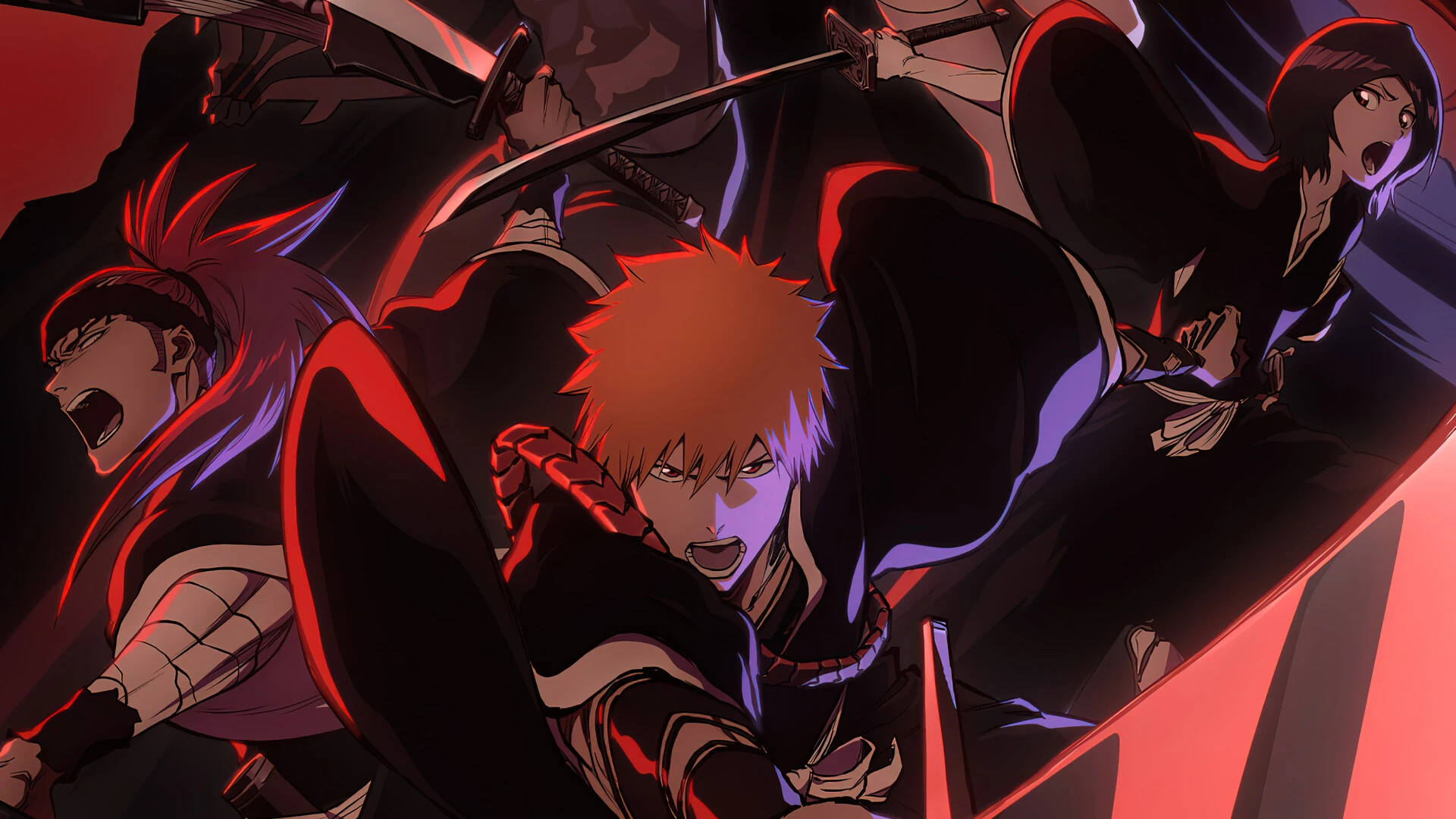
Bleach
Join Ichigo Kurosaki as he discovers his powers as a Soul Reaper and battles hollows to protect both the living world and the Spirit Realm.
Dandadan
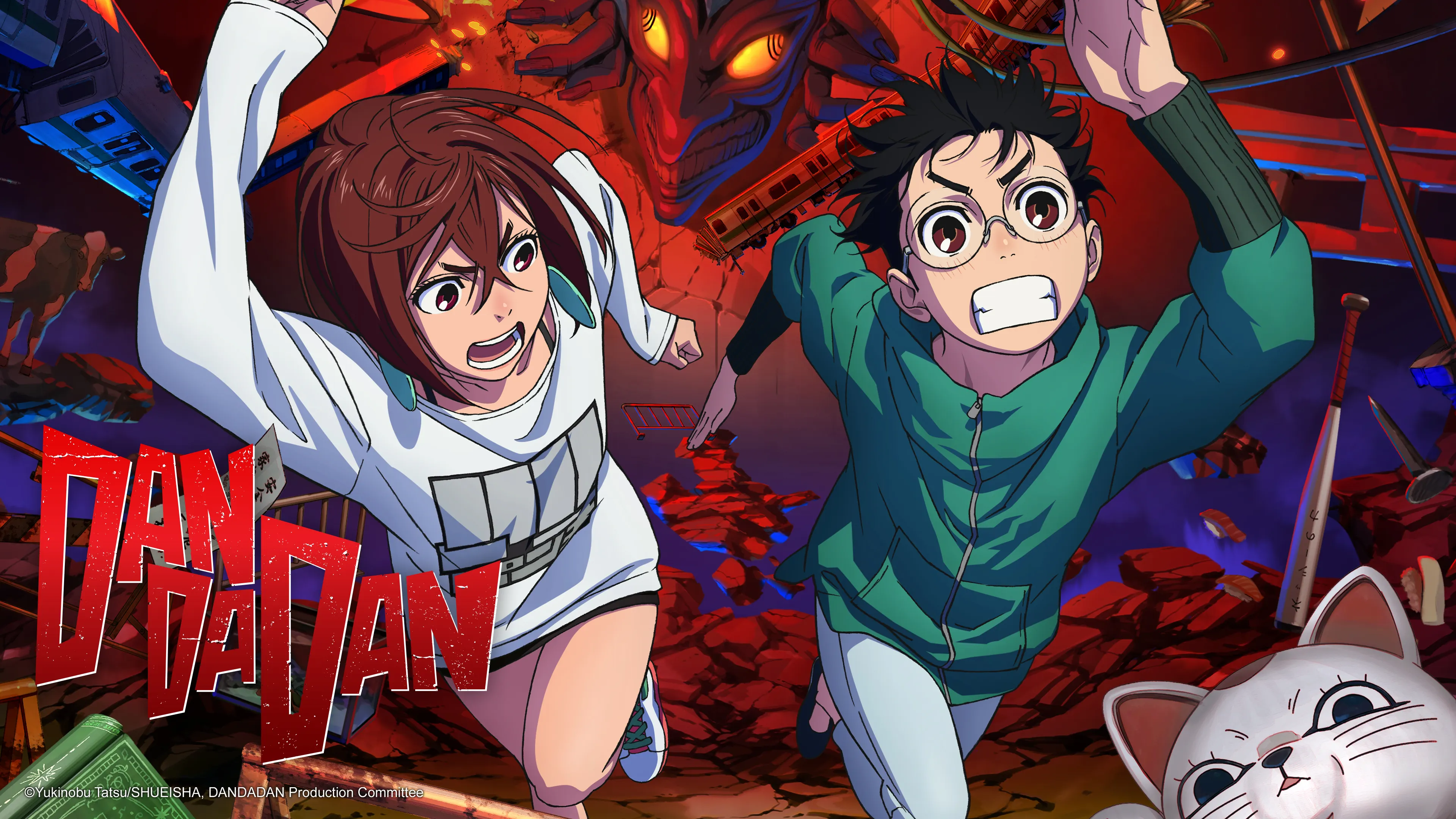
A contemporary shonen manga blending action, comedy, and supernatural mystery as two unlikely partners investigate paranormal phenomena.
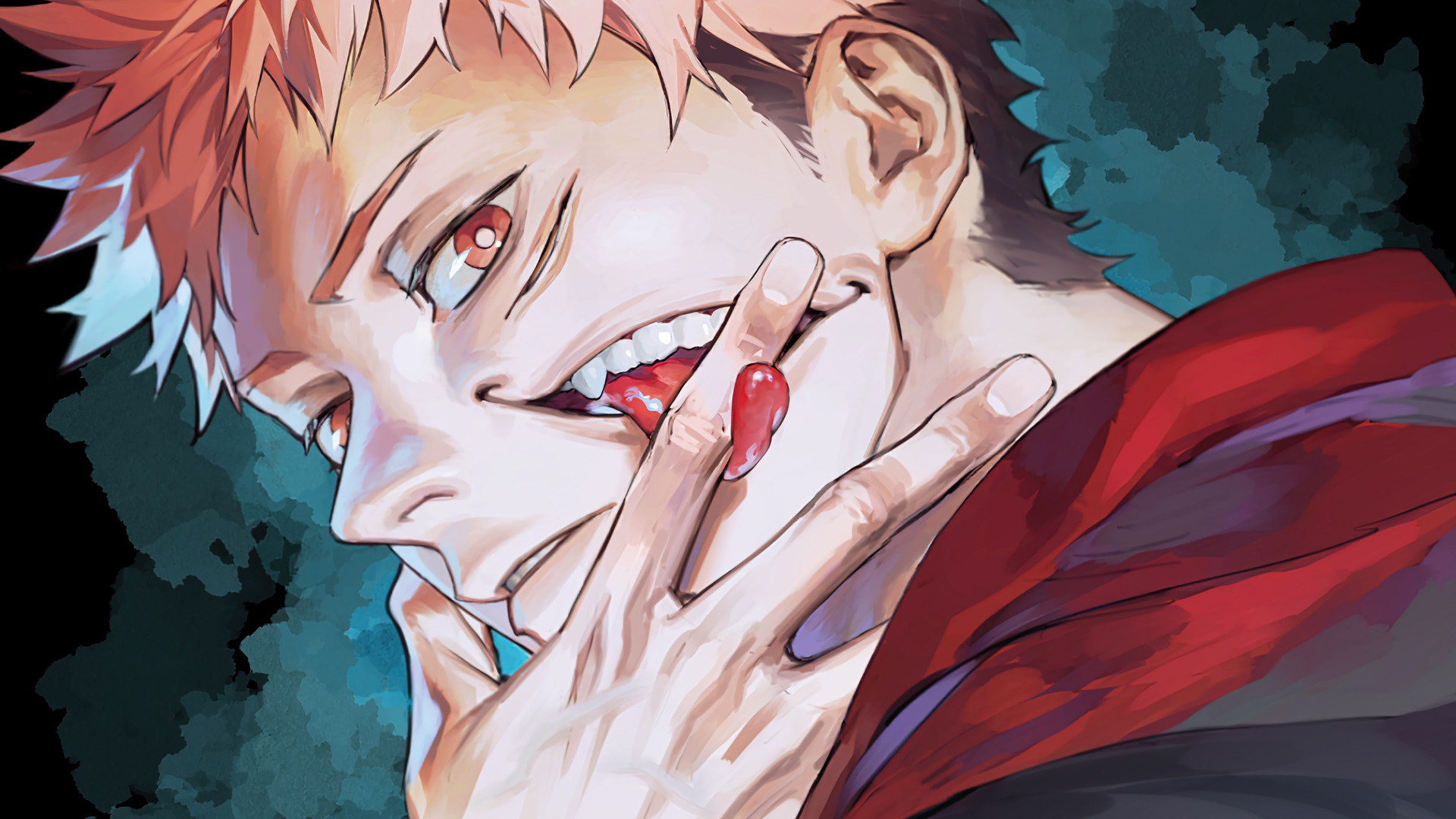
Jujutsu Kaisen
Yuji Itadori becomes a jujutsu sorcerer after swallowing a cursed finger, joining Tokyo Metropolitan Jujutsu Technical High School.
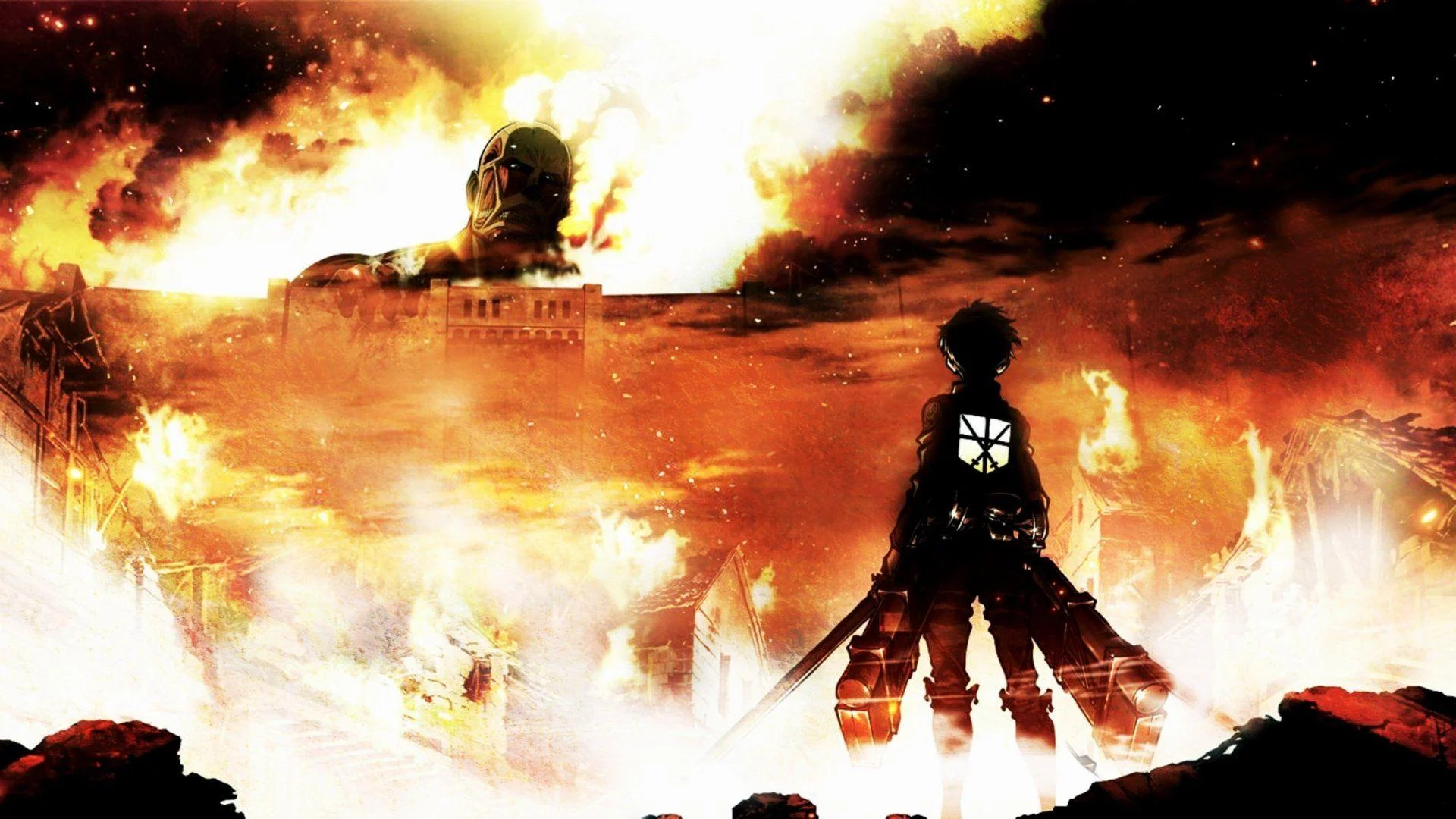
Shingeki no Kyojin
A dark fantasy action manga where humanity fights against giant humanoid creatures threatening their existence.
Related Articles
All articles
Shonen vs Seinen Manga: What's the Difference and Which Should You Read?
Understand the key differences between Shonen and Seinen manga. Compare themes, art styles, storytelling approaches with examples of each.
All Manga Genres Explained: Shonen, Shojo, Seinen, Josei and Beyond
Complete guide to every manga genre and demographic. Learn the differences between Shonen, Shojo, Seinen, Josei, Isekai, and more with examples.

What Are the Different Types of Manga: Complete Genre Guide
Comprehensive guide to manga genres from shonen to josei. Explore shonen, shoujo, seinen, josei, isekai, yaoi, yuri, and kodomo manga types.