Rooster Fighter
A fearless rooster named Keiji wages a one-bird war against city-destroying kaiju in one of Weekly Shōnen Jump's most unexpectedly addictive action-comedy series.
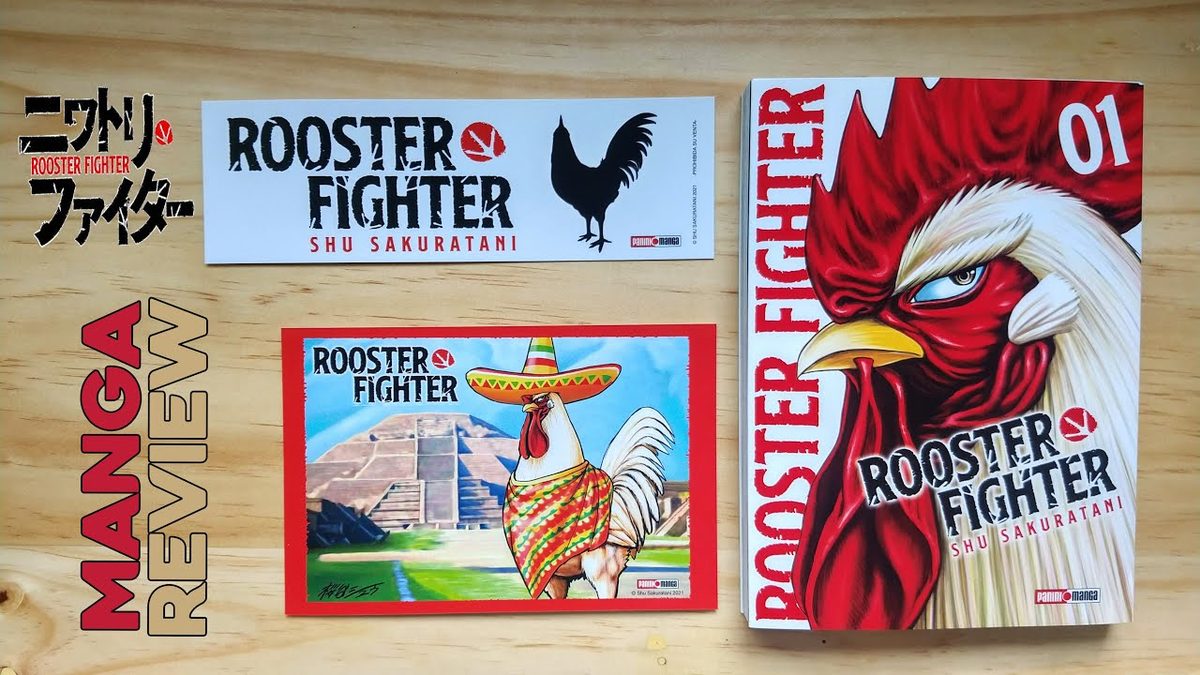
All Rooster Fighter Story Arcs in Order
| # | Arc |
|---|---|
| 1 | The Introduction Arc |
| 2 | The Elizabeth Arc |
| 3 | The Gentle Kijin Arc |
| 4 | The Half-Brother Arc |
| 5 | The Aokigahara Arc |
| 6 | The City of Ruin Arc |
Overview
Rooster Fighter is the manga that should not work and absolutely does. Created by Shu Sakuratani and serialized in Weekly Shōnen Jump beginning in 2021, the series follows Keiji — a rooster, an actual barnyard rooster — as he wages a solitary war against city-destroying kaiju that have made ordinary life in Japan a memory. The premise reads as absurdist comedy, and it is, but Sakuratani executes the comedy with such deadpan conviction and invests the fighting with such genuine tactical creativity that the series earns its emotional beats alongside its laughs.
VIZ Media’s English release has made Rooster Fighter available to international audiences, and the series has built a devoted readership that approaches it on its own terms: a shonen action manga with a rooster protagonist, complete genre sincerity, and a surprisingly thoughtful treatment of grief, brotherhood, and what fighting is actually for. As of 2026, the series spans 11 volumes with ongoing publication.
Story and Themes
The surface premise — a rooster fights kaiju — functions as permission for the series to do something shonen action manga rarely attempts: approach its protagonist’s emotional interiority with full seriousness while maintaining complete tonal commitment to the absurdity of the premise. Sakuratani never winks at the audience. Keiji is a rooster. This is not commentary. This is simply the truth the series operates within.
The grief driving Keiji’s mission is established early and complicated gradually. His sister Sara was killed in a kaiju attack while he was elsewhere. The series’ initial framing of this — Keiji pursues revenge — gives way across several arcs to something more nuanced: revenge as a container for guilt, grief, and love that has nowhere else to go. The Half-Brother Arc’s excavation of that night’s full truth is the series’ most ambitious storytelling, refusing both the catharsis of confirmation and the deflation of revelation.
Combat in Rooster Fighter is presented with the seriousness of a legitimate tactical problem. Keiji wins not because he is the strongest thing in the room but because he fights smarter than kaiju expect him to, exploiting scale differentials, environmental features, and a willingness to absorb punishment that his opponents cannot anticipate. The battles escalate in creativity rather than simply in power scale, which keeps the action sequences genuinely engaging through 11 volumes.
The series’ recurring argument is that isolation is a fighting style, not a life. Keiji functions at his highest level alone — his instincts are calibrated for solo combat, and collaboration requires adjustment. But the people who accumulate around him do not diminish him. They extend what is possible. This argument is made through action and consequence rather than dialogue, which is the appropriate register for a rooster who communicates primarily through violence.
Main Characters
Keiji is the series’ engine: a protagonist defined entirely by what he does and how he does it, with his emotional complexity revealed through accumulation rather than exposition. He does not explain himself. The reader comes to understand him through watching him fight, watching him fail to send away the people who follow him, and watching what happens to his fighting when the thing he is fighting toward finally becomes real.
Piyoko serves as the series’ conscience and its connective tissue. Her willingness to see Keiji clearly — grief, obstinacy, tunnel vision and all — and stay anyway constitutes the series’ clearest statement that chosen proximity is its own form of meaning. Her tactical evolution from observer to genuine contributor across the series is executed without fanfare and is deeply satisfying.
Elizabeth is the series’ best argument that rivals are more interesting than sidekicks. Her equal standing with Keiji in combat ability means their partnership is genuinely bilateral — she is not waiting to be protected, and he is not patiently teaching her. They make each other better at the specific thing they both need to be better at, and the series earns this dynamic through consistent demonstration rather than assertion.
Keisuke arrives with information and the willingness to use it honestly, which makes him simultaneously the most unsettling character in the series and, eventually, one of its most necessary. His relationship with Keiji is the most complex the series builds: brothers who are not friends, allies who are not comfortable, two roosters carrying the same absence in different shapes.
Art Style
Shu Sakuratani’s art achieves something technically demanding: it makes roosters and chicks expressive. The character designs maintain biological plausibility — Keiji looks like a rooster, not a humanoid chicken — while communicating emotional states through eye configuration, feather position, and body language. The expressiveness is earned within real constraints, and its effectiveness is more impressive for those constraints.
Kaiju designs range from classically massive (enormous, vaguely biological, destruction as weather event) to the disturbing specificity of Gakuma — pale, proportioned differently, moving with a quality that reads as deliberate. The visual language distinguishes these categories clearly, so the reader understands immediately when Keiji is facing something ordinary versus something that requires different attention.
Action choreography prioritizes clarity over spectacle, though it delivers both. Spatial relationships in combat are consistently readable — the reader always knows where Keiji is relative to his opponent, what movement he is making, and what the consequences of that movement are. Scale differentials between rooster and kaiju are handled through panel composition that keeps both parties legible without reducing either to abstraction.
The series’ use of page space during the Aokigahara arc represents its technical peak: darkness, partial visibility, and the communication of movement through negative space and sound design in a medium without actual sound. It is formal problem-solving executed at a high level.
Why You Should Read It
If you are reading shonen action manga for genuine creative ambition wrapped in complete genre sincerity, Rooster Fighter delivers. The premise functions as it should — it gets you in the door through curiosity and keeps you through execution. The fights are creative and escalating without relying on power level inflation. The characters earn their complexity through action rather than exposition.
For readers who appreciate combat manga where victory has stakes beyond the immediate, the series’ insistence on consequence — physical, emotional, and moral — distinguishes it from action series that treat fights as entertainment without residue. Keiji does not emerge from fights unchanged. Neither does the reader’s understanding of him.
The series is also genuinely funny in a way that does not undercut its emotional work. The comedy emerges from commitment — to the premise, to the character, to the specific way a rooster would navigate a situation requiring both extreme violence and, occasionally, emotional honesty. Rooster Fighter makes both the laugh and the feeling land in the same panel.
At 11 volumes with ongoing publication, it represents a manageable investment for new readers and a proven track record of consistent quality. It is among the better arguments that Weekly Shōnen Jump continues to publish work that surprises.
Frequently Asked Questions
Is Rooster Fighter finished?
Rooster Fighter is currently ongoing as of 2026. The series began in 2021 and continues serialization in Weekly Shōnen Jump. With 11 volumes published, it shows continued momentum and no signs of concluding in the near future.
How many volumes does Rooster Fighter have?
As of 2026, Rooster Fighter has 11 volumes published in English by VIZ Media. New volumes release regularly as the serialization continues.
Who is the author of Rooster Fighter?
Rooster Fighter is written and drawn by Shu Sakuratani. It is serialized in Weekly Shōnen Jump, published by Shueisha in Japan and released in English by VIZ Media.
Where can I buy Rooster Fighter in English?
The English edition of Rooster Fighter is published by VIZ Media and available on Amazon. Individual volumes are available in both physical and digital formats.
Is Rooster Fighter appropriate for younger readers?
Rooster Fighter carries a Teen rating. The series contains action violence and some mature thematic content related to grief and loss. It is suitable for older teens and adults.
Publication and Adaptations
Rooster Fighter was serialized in Kadokawa’s Comic Walker and Young Ace UP digital platforms from 2020 to 2024 across 9 tankōbon volumes by Shu Sakuratani. The series concluded with the ninth volume in 2024, ending its run as one of the most distinctive shōnen action manga of the post-pandemic era — a fully serious monster-fighting action manga whose protagonist is an actual rooster.
The manga has been published in English by Viz Media (verified ASIN 1974729842 for Vol. 1) since 2022, in Spanish by Editorial Ivrea (verified ASIN 8418751932 for Vol. 1) since 2022, and in French by Mangetsu. The English release stayed in step with the Japanese serialization through the conclusion. The series passed 2 million tankōbon copies in cumulative circulation by its conclusion — a strong number for a non-Shueisha serialization in a saturated market.
No anime adaptation has been announced as of 2026, though the series’ visual concept (a stoic rooster fighting kaiju in a contemporary Japanese setting) has been frequently cited as ideally suited to the medium and has generated sustained fan demand for one. Sakuratani’s distinctive art style — characterized by careful anatomical attention to the actual rooster anatomy and elaborate full-page action spreads — would translate well to traditional 2D animation.
Cultural Impact and Legacy
Rooster Fighter became one of the unexpected international successes of the early 2020s shōnen catalog, particularly through English-language manga community recommendation channels (Reddit r/manga, YouTube manga reviewers, and Twitter manga readers). The series’ premise — which sounds like a parody when described but is presented with complete tonal seriousness on the page — translated into strong word-of-mouth growth that outpaced its modest publisher marketing.
The series sits in an unusual category: a fully-formed, structurally complete manga that operates at the visual ambition of mainstream shōnen but with a premise so unexpected that it never quite broke through to general anime-fan visibility. Reading the series today, the action sequences against giant-monster kaiju, the worldbuilding around rooster heroism, and Sakuratani’s sustained tonal commitment to treating the premise seriously make Rooster Fighter one of the most distinctive recent additions to the shōnen action canon.
For readers approaching the series for the first time, the most useful framing is that Rooster Fighter is exactly what the title and cover art promise — a stoic rooster who fights monsters — executed at the visual and structural ambition of a mainstream Jump action manga. The 9-volume length makes it accessible as a complete reading project, and the conclusion in 2024 means readers who start now can experience the entire series without waiting for serialization to catch up.
Frequently Asked Questions
Is Rooster Fighter finished?
Yes. Rooster Fighter concluded in 2024 across 9 tankōbon volumes. The series is structurally complete and Sakuratani has not announced any continuation.
How many volumes does Rooster Fighter have?
The manga has 9 tankōbon volumes total. All are available in English through Viz Media.
Is there an anime adaptation?
No. As of 2026, no anime adaptation has been announced for Rooster Fighter, though sustained fan demand has built around the prospect.
Where can I buy Rooster Fighter manga?
The manga is published in English by Viz Media (verified Vol. 1 ASIN 1974729842), in Spanish by Ivrea (verified Vol. 1 ASIN 8418751932), and in French by Mangetsu. Print and digital editions are widely available through Amazon and major retailers.
Publication and Adaptations
Sako Shōji launched Niwatori Faitā (Rooster Fighter) in Shogakukan’s Hibana web magazine in February 2020, transitioning to Yawaraka Spirits and now serialized digitally on the MangaONE app and Sunday Webry platforms. The series reached 9 tankōbon volumes by mid-2025 with chapter count exceeding 80. Worldwide circulation has exceeded 4 million copies, an exceptional figure for a relatively new seinen comedy title without anime adaptation. Viz Media holds the English license, releasing volumes 1 through 8 in standard format with simultaneous digital availability through Shōnen Jump and ComiXology.
The series has accumulated significant critical recognition unusual for a recent comedy seinen. Rooster Fighter received the 25th Tezuka Osamu Cultural Prize Short Story Award in 2021, recognizing Shōji’s distinctive comedic voice and visual style. The series was nominated for the Eisner Award for Best U.S. Edition of International Material—Asia in 2023, one of relatively few manga titles to receive nomination in that category since its inception. The manga has appeared on multiple year-end critics’ lists in both Japan and English-speaking markets, with publications including Vulture and Crunchyroll News including it in best-of-year recommendations.
No anime adaptation has been announced as of 2025, though industry observers consider Rooster Fighter a strong candidate given its rising sales trajectory and distinctive premise. Sako Shōji has remained focused on the manga’s expansion, with no spin-off projects beyond the main series. Multiple short story collections by Shōji preceded Rooster Fighter, and Shogakukan has been expanding promotion of the series through cross-promotional events and convention appearances.
Cultural Impact and Legacy
Rooster Fighter occupies a distinctive niche in the post-2020 manga landscape as a kaiju-inspired comedy that maintains genuine emotional resonance. The series has been compared favorably to classic kaiju properties like Godzilla and Ultraman while drawing structural inspiration from shōnen battle conventions. Sako Shōji’s artwork, which combines detailed kaiju design with deliberately humble protagonist depictions, has influenced subsequent indie manga creators and webcomic artists exploring similar visual incongruity.
The series has built a substantial international fan community through its English releases, with subreddit, Discord servers, and Twitter communities driving word-of-mouth promotion that contributes to expanding reach. Western readers in particular have embraced Rooster Fighter as a gateway into seinen titles outside the prestige arthouse end of the genre. The manga’s accessibility, distinctive premise, and self-contained chapter structure make it appealing to readers who find longer commitment manga intimidating.
Frequently Asked Questions
Is Rooster Fighter ongoing? Yes. The series remains in active serialization on the MangaONE app and Sunday Webry digital platforms, with new chapters releasing approximately monthly. As of mid-2025, the manga has reached 9 volumes with chapter count exceeding 80.
Has Rooster Fighter been adapted to anime? No anime adaptation has been announced as of 2025. Industry observers consider it a strong candidate given rising sales trajectory and distinctive premise.
Where can I read Rooster Fighter in English? Viz Media publishes the official English edition, with volumes 1 through 8 available in standard format. Digital editions are available through the Shōnen Jump app and ComiXology with simultaneous releases for new chapters.
What awards has Rooster Fighter won? The series received the 25th Tezuka Osamu Cultural Prize Short Story Award in 2021 and was nominated for the Eisner Award for Best U.S. Edition of International Material—Asia in 2023.
Is Rooster Fighter appropriate for younger readers? The series carries seinen classification suggesting older teen and adult readership. While humor is the predominant tone, the manga features kaiju-style violence including monster destruction. Most parents would consider it appropriate for ages 13 and up.
Rooster Fighter Arc Guides
The Introduction Arc
Keiji, a proud and fearless rooster, begins his lone crusade against the kaiju threatening humanity while driven by a personal tragedy he refuses to forget.
The Elizabeth Arc
A formidable hen named Elizabeth enters Keiji's path after her own losses, challenging him both in battle and emotionally as an equal he never expected to meet.
The Gentle Kijin Arc
A deceptively gentle kaiju unlike any Keiji has faced before forces him to confront the moral complexity of his war — not every monster that destroys is malevolent.
The Half-Brother Arc
Keiji's half-brother Keisuke arrives and shatters the mythology Keiji built around his sister Sara's death, forcing a confrontation Keiji has been unconsciously avoiding.
The Aokigahara Arc
A kaiju crisis draws Keiji into Japan's infamous forest, where the supernatural atmosphere and concentrated danger reveal new dimensions of his fighting ability and resolve.
The City of Ruin Arc
Gakuma the White Demon, the kaiju responsible for Sara's death, finally surfaces and forces Keiji into the largest and most personal battle of his life.
Rooster Fighter Merchandise
Read manga free with Amazon Prime
30-day free trial: free shipping, Prime Reading, Kindle, Prime Video and more.
Affiliate link. 30-day free trial for new members. Then $14.99/month — cancel anytime.
FAQ: Rooster Fighter
You May Also Like
All manga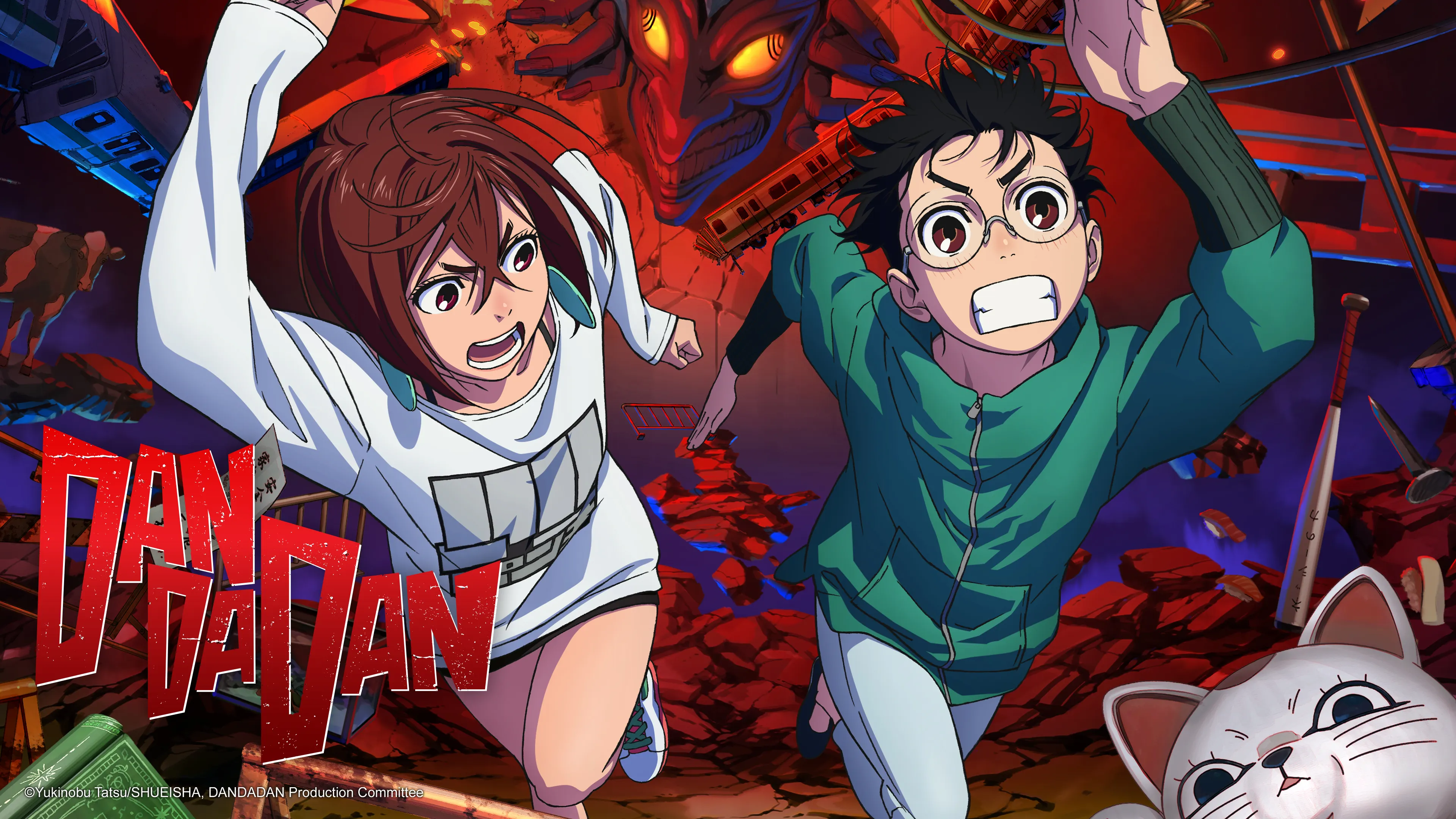
Dandadan
A contemporary shonen manga blending action, comedy, and supernatural mystery as two unlikely partners investigate paranormal phenomena.
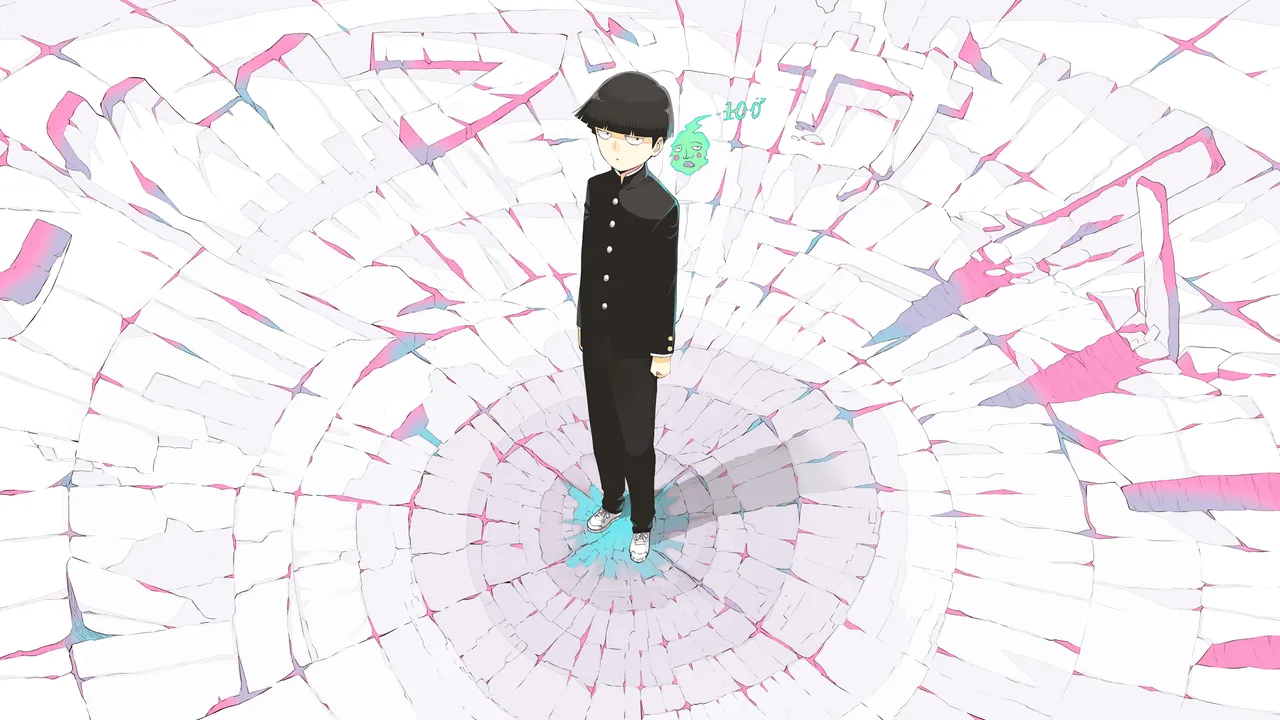
Mob Psycho 100
Mob Psycho 100 is ONE's supernatural comedy about a quiet middle schooler with overwhelming psychic powers who would rather grow as a person than fight. Across 16 volumes it blends absurd humor, explosive action and a sincere coming-of-age message.
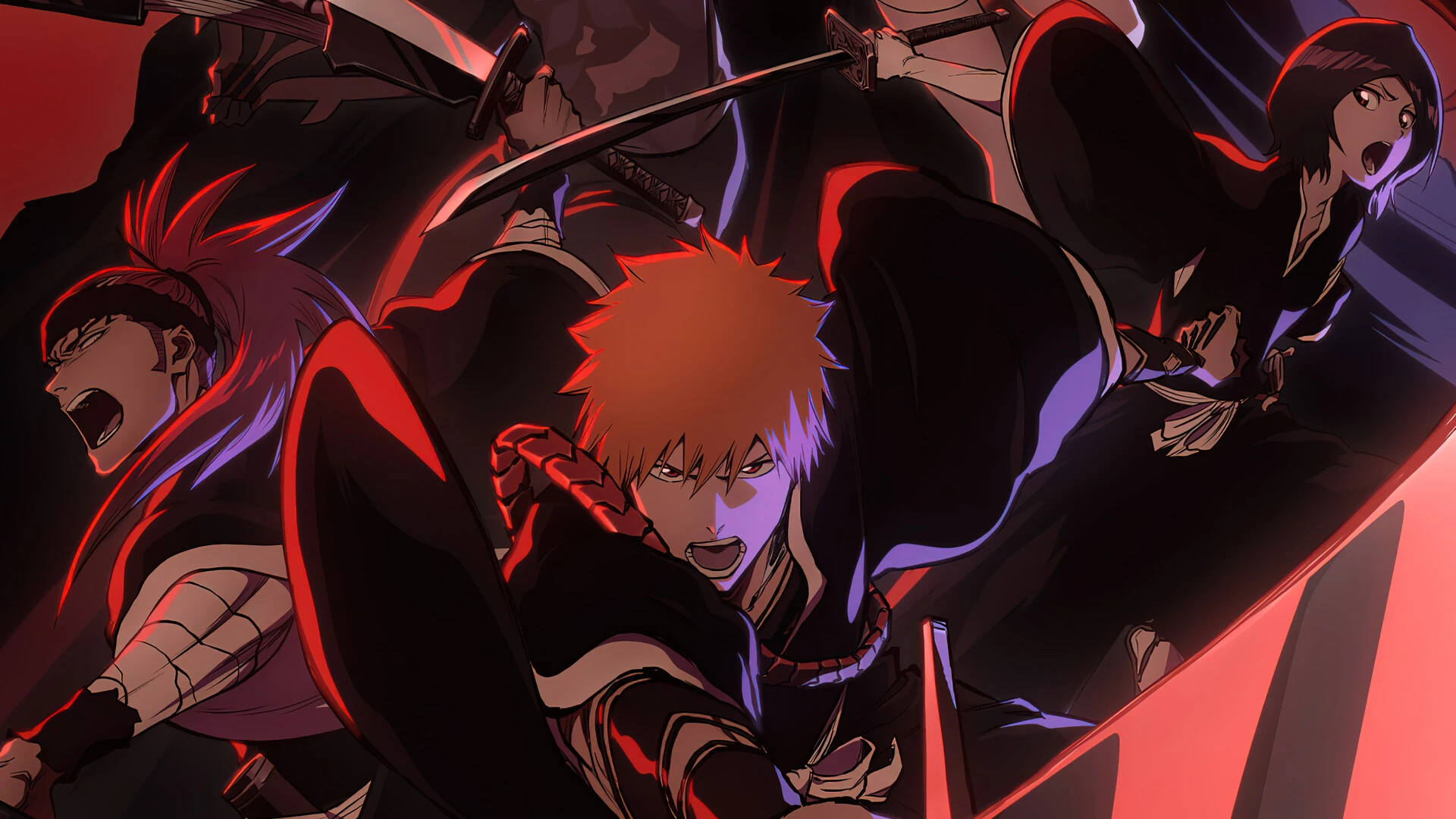
Bleach
The story of Ichigo Kurosaki, a teenager who gains the powers of a Soul Reaper — a death personification — and uses them to protect the living and the dead from evil spirits called Hollows, while uncovering a vast conspiracy that threatens both the human world and the afterlife.
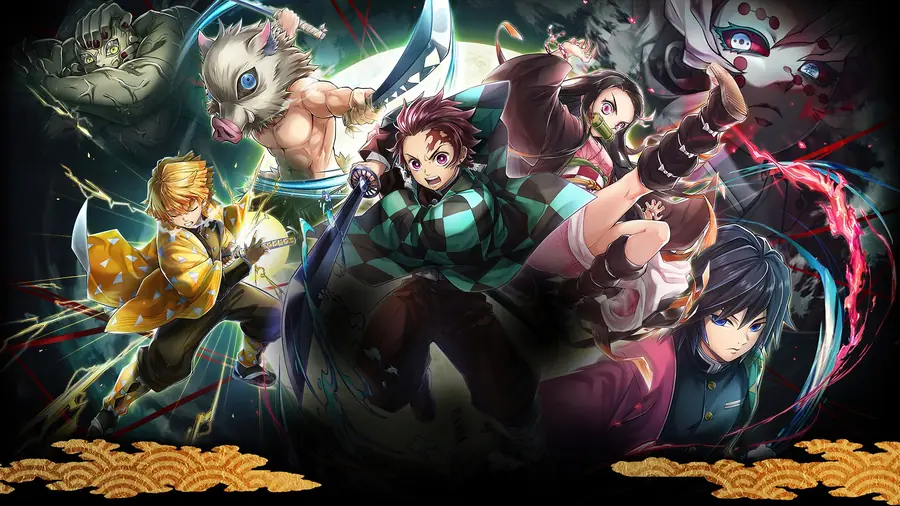
Demon Slayer: Kimetsu no Yaiba
A completed shonen series following a boy's journey to save his sister after a demon attack destroys his family
Related Articles
All articles
Top 15 Best Action Manga of All Time (2026)
The best action manga ever made, ranked. Explosive battles, legendary fights, and adrenaline-fueled epics — plus the box sets worth collecting.
Top 16 Best Shonen Manga of All Time (2026)
The best shonen manga ever made, ranked. Legendary battle epics, underdog heroes, and the series that defined the genre — plus the box sets worth owning.

Best Manga by Genre: The Ultimate 2026 Reading Guide (Shonen, Shojo, Seinen, Josei)
Comprehensive manga genre guide featuring best series by demographic and genre. From action shonen to mature josei, find your next read organized by taste and preference.