Dandadan
A contemporary shonen manga blending action, comedy, and supernatural mystery as two unlikely partners investigate paranormal phenomena.
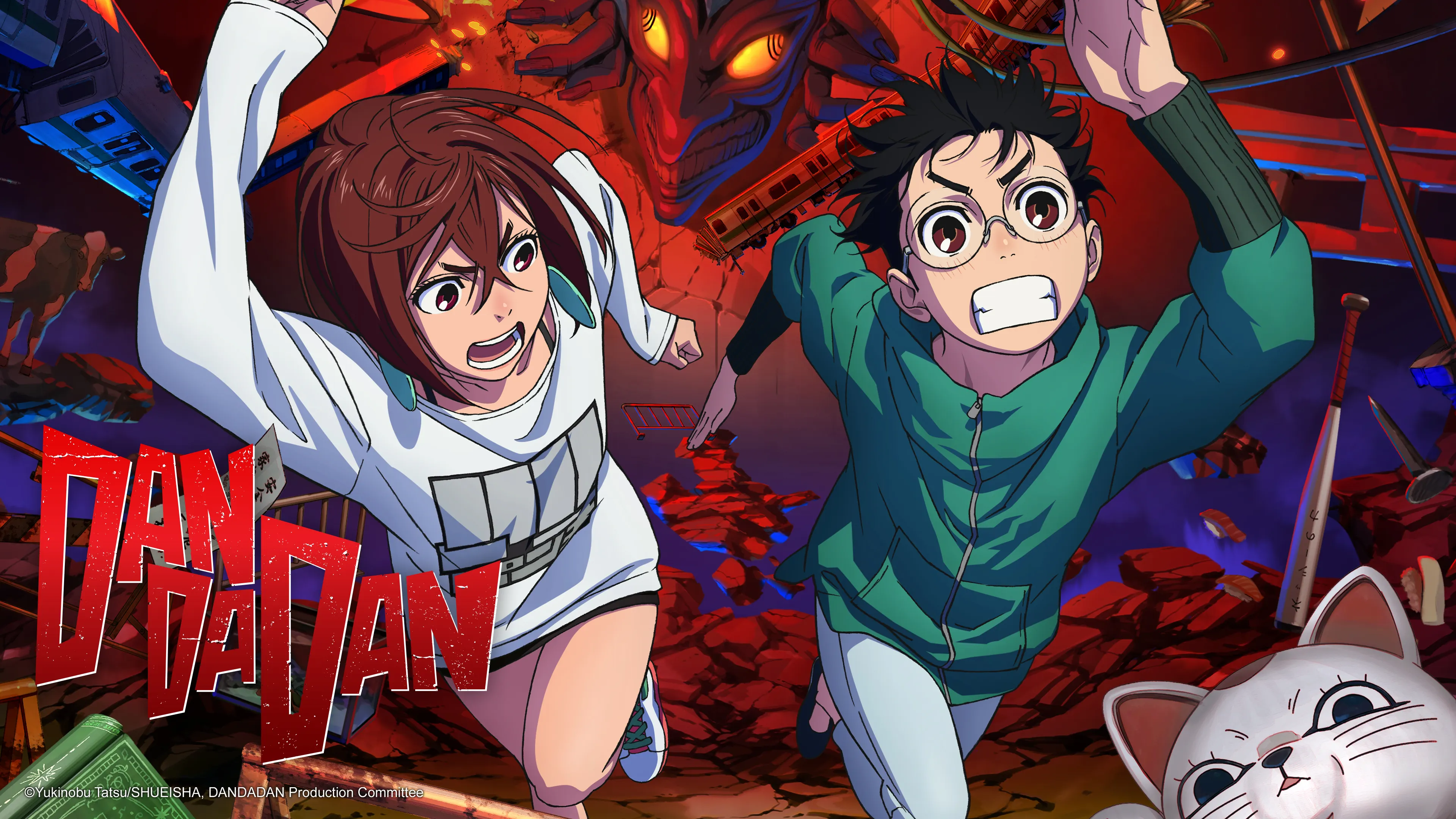
All Dandadan Story Arcs in Order
| # | Arc |
|---|---|
| 1 | The Serpo Incident |
| 2 | Turbo Granny |
| 3 | Aira Arc |
| 4 | Okarun's Power |
| 5 | The Alien Threat |
Overview
Dandadan represents contemporary shonen manga at its most vibrant and innovative. Created by Yukinobu Tatsu, the series began serialization in 2021 and continues with substantial popular momentum. Despite its relatively recent debut, Dandadan has achieved remarkable critical acclaim and commercial success, demonstrating that fresh approaches to genre conventions can resonate powerfully with modern audiences. The series currently spans 15+ volumes with ongoing publication, establishing itself as one of the most significant shonen manga debuts in recent years.
The narrative centers on two high school students from opposite social backgrounds who become unlikely partners in investigating supernatural phenomena. Momo, a delinquent from a poor background, encounters Okarun, a seemingly nerdy otaku obsessed with aliens, while investigating a mysterious incident. Rather than becoming rivals, they develop genuine respect and partnership, combining their different perspectives and knowledge to address increasingly dangerous supernatural threats. The series balances shonen action conventions with genuine character development, humor, and expanding world-building that gradually reveals larger threats lurking behind initially localized mysteries.
What distinguishes Dandadan from typical shonen manga is its fresh approach to familiar elements. While the series employs genre conventions including power escalation, increasingly powerful antagonists, and expanding scope, it executes these elements with humor, genuine character affection, and attention to maintaining stakes and consequences. Rather than descending into typical shonen clichés, Dandadan consistently surprises through unexpected character moments and thematic depth that elevates it beyond simple action-adventure.
Story and Themes
Dandadan begins with seemingly simple supernatural mysteries—initially, the series depicts Momo and Okarun investigating paranormal phenomena within their local area. These early investigations serve multiple narrative functions: establishing character personalities and their relationship dynamic, introducing the rules governing supernatural beings in this world, and providing contained storytelling that allows readers to understand the series’ fundamental mechanics before expanding scope.
However, as the series progresses, the apparent localized mysteries gradually reveal themselves to connect to larger supernatural conflicts with global significance. Antagonists introduced initially as standalone threats reveal deeper connections to more powerful entities, with each arc revealing that the true threat exceeds what previous confrontations suggested. This progressive revelation of larger stakes maintains narrative momentum while justifying escalating power levels and increasingly dangerous confrontations.
The central thematic framework explores connection and understanding across difference. Momo and Okarun initially appear to have nothing in common—she is confident, physically competent, and socially isolated through deliberate choice; he is nervous, physically weak, and isolated through social anxiety. Rather than one character converting the other to their perspective, both gradually recognize value in the other’s approach. Momo comes to appreciate Okarun’s knowledge and research capabilities; Okarun recognizes Momo’s practical courage and emotional intelligence. Their partnership demonstrates that genuine connection emerges through respecting rather than erasing difference.
The series explores class consciousness and economic inequality through its protagonists. Momo’s poor economic status shapes her perspective, motivations, and available options. Rather than treating economic hardship as incidental background detail, Dandadan consistently acknowledges how limited resources affect character choices and options. This attention to material reality distinguishes the series from narratives that treat socioeconomic status as mere character flavor.
Belonging and community emerge as significant themes. Both protagonists initially experience social isolation—Momo through deliberate distance, Okarun through anxiety-driven withdrawal. Their partnership gradually expands to include other characters, developing found family relationships. The series suggests that meaningful community develops through shared purpose and mutual vulnerability, that people need connection despite cultural narratives emphasizing self-sufficiency.
Growth and transformation appear throughout the narrative, yet the series depicts these changes gradually and with genuine consequence. Character power increases, but this power comes through struggle, training, and sacrifice. The series avoids implying that strength is innate or that growth occurs through convenient circumstances, instead demonstrating that meaningful development requires sustained effort and genuine commitment.
Romance develops gradually between the central characters, with affection emerging naturally through shared struggle and accumulated moments of vulnerability. Unlike many shonen series where romantic elements remain peripheral, Dandadan treats the developing relationship between Momo and Okarun as significant narrative element, yet one that coexists with rather than competing with action and character development.
Main Characters
Momo serves as co-protagonist and immediately distinguishes herself through unconventional personality. A delinquent with poor academic performance, she initially appears to embody typical delinquent characteristics, yet gradually reveals herself to be thoughtful, emotionally intelligent, and driven by genuine principles despite her antisocial presentation. Her character arc involves connecting with others without abandoning her independent perspective, learning that trust and connection need not compromise authenticity.
Okarun functions as co-protagonist, initially presented as archetypal nerdy otaku obsessed with aliens and supernatural phenomena. His extensive knowledge of supernatural subjects proves genuinely valuable despite appearing socially irrelevant. His character arc involves developing confidence in his knowledge and perspective, recognizing his contributions as meaningful despite lacking conventional social status. His growth as character involves becoming braver and more physically capable while maintaining his essential nerdiness rather than requiring abandonment of his interests.
The dynamic between Momo and Okarun benefits from strong chemistry and genuine respect despite their different backgrounds and temperaments. Rather than becoming instantly compatible, they gradually develop appreciation for each other’s perspectives, and their affection emerges through accumulated moments of vulnerability and mutual support rather than convenient romance trope activation.
Rika enters the narrative as Momo’s best friend, possessing her own character arc involving dealing with serious trauma and developing agency despite difficult circumstances. Her character development occurs parallel to the main protagonists’ growth, suggesting that meaningful change occurs across community rather than through isolated individual effort.
Aira, introduced as seemingly shallow character, gradually reveals psychological complexity and genuine capability. Her character arc involves recognizing her strength beyond physical appearance, connecting with others authentically rather than through superficial performance.
Various antagonists receive surprising character development and backstory. Rather than presenting one-dimensional villains, Tatsu creates antagonists with genuine motivations, complexity, and sometimes sympathetic circumstances. Even as Momo and Okarun oppose them, the series encourages understanding their perspectives.
Art Style
Yukinobu Tatsu’s art style represents contemporary manga excellence, combining clear character design, dynamic action sequences, and expressive emotional communication. The character designs immediately communicate personality—Momo’s appearance visually conveys her delinquent status while her expressions reveal emotional depth; Okarun’s design communicates nervousness and social anxiety while his face expresses genuine intelligence and earnestness.
Action sequences demonstrate remarkable technical proficiency, with dynamic angles, clear spatial relationships, and kinetic energy creating excitement while maintaining visual clarity. Combat choreography is spatially coherent despite supernatural abilities and escalating power levels, allowing readers to understand what is happening while remaining visually spectacular.
Tatsu’s use of screentone application is sophisticated and purposeful, creating atmospheric effects that support mood and enhance visual storytelling. The toning never overwhelms character focus, instead supporting emotional communication and environmental context.
Background work demonstrates particular strength, with urban environments receiving detailed rendering that grounds the fantastic elements in recognizable contemporary setting. Schools, streets, and residential areas are depicted with specificity that makes supernatural events occurring in familiar locations particularly effective.
Facial expressions effectively convey complex emotional states, with Tatsu demonstrating particular skill at depicting subtle affection, vulnerability, and humor through character expressions. The series consistently uses visual language to communicate emotional resonance alongside dialogue and narration.
Panel layout and page composition reflect contemporary manga approaches, with varied panel sizes, dynamic angles, and unconventional compositions creating visual interest while maintaining readability. Splash pages and double-spreads are employed for moments of genuine significance, avoiding overuse that would diminish their impact.
Cultural Impact
While Dandadan is relatively recent, it has already established significant cultural impact within manga and anime communities. The series received an anime adaptation that gained substantial popularity and critical acclaim, introducing the series to audiences beyond manga readers. The anime’s success demonstrates the continued viability of shonen action manga when executed with quality and innovation.
Within manga specifically, Dandadan proved that fresh approaches to familiar genre conventions remain viable and valuable. Rather than requiring entirely new concepts, the series demonstrates that thoughtful execution, strong character dynamics, and attention to emotional stakes can generate significant engagement and enthusiasm.
The series influenced contemporary conversations about shonen manga’s evolution and direction. Many critics and industry observers cite Dandadan as exemplifying contemporary shonen excellence, serving as reference point for what the genre can accomplish. The series demonstrates that traditional shonen conventions need not result in formulaic storytelling when creators approach them thoughtfully.
Among manga creators, Dandadan achieved significant recognition, with Tatsu’s work influencing how contemporary creators approach character dynamics and world-building. The series’ success in balancing action, comedy, character development, and emotional stakes serves as model for subsequent works attempting similar integration.
The fanbase surrounding Dandadan demonstrates passionate engagement with the material, with fan artwork, discussion, and enthusiasm indicating genuine connection with characters and story. This strong fan engagement suggests the series’ cultural resonance and genuine appeal across different audience segments.
Worldbuilding and Expanding Scope
Dandadan demonstrates sophisticated expansion of narrative scope and worldbuilding. Beginning with seemingly localized supernatural mysteries, the series gradually reveals connections to larger supernatural conflicts and threats of global significance. Rather than feeling like convenient expansion, these revelations emerge naturally from investigations and encounters, with each discovery logically suggesting larger hidden mechanisms.
The series establishes consistent rules governing supernatural phenomena. Aliens and demons operate according to comprehensible systems with genuine stakes and consequences. This worldbuilding consistency makes the fantastical elements feel grounded within believable system, allowing readers to understand the logical progression of events rather than experiencing developments as arbitrary.
The gradual introduction of additional characters beyond the central pair creates expanding found family dynamic while preventing narrative focus from diffusing. New characters possess their own compelling backstories and motivations that enrich the narrative alongside expanding party’s capabilities.
Representation and Social Consciousness
Dandadan demonstrates commendable attention to representation and diversity, incorporating characters from various backgrounds and depicting them with genuine complexity. Rather than treating diverse representation as tokenism, the series integrates characters of different origins, abilities, and circumstances into genuinely important narrative roles.
The portrayal of class consciousness, through Momo’s persistent economic struggles, reflects awareness of material reality affecting character options and decisions. Rather than treating poverty as incidental background, the series acknowledges how limited resources shape character life trajectories and available choices. This attention to socioeconomic factors provides grounded quality to character struggles.
The treatment of social anxiety, through Okarun’s characterization, demonstrates respectful portrayal of mental health considerations affecting daily functioning. Rather than presenting anxiety as mere character quirk or obstacle to overcome through willpower, the series depicts it as genuine challenge requiring support and gradual management.
Action Sequences and Visual Spectacle
Dandadan delivers exciting action sequences that maintain clear spatial and tactical coherence despite escalating power levels and supernatural abilities. The fights communicate genuine stakes while remaining visually spectacular, suggesting that action and emotional consequence need not be mutually exclusive. Characters suffer genuine damage from combat, with consequences affecting subsequent chapters rather than being instantly forgotten.
The series demonstrates balance between action spectacle and character moment, ensuring that combat sequences serve character development rather than interrupting narrative. Major battles reveal character capabilities, tactics, and emotional states alongside providing excitement and progression toward larger goals.
Why You Should Read It
Dandadan represents contemporary shonen manga at its finest, offering entertainment that combines action excitement, genuine character affection, and humor in sophisticated balance. If you appreciate modern manga that respects genre conventions while executing them freshly, the series provides excellent reading.
For readers seeking character-driven action narratives where relationships develop through genuine interaction rather than convenient bonding, Dandadan excels. The dynamics between Momo and Okarun, and their expanding friend group, provide emotional foundation that enhances rather than detracts from action sequences.
The series demonstrates how contemporary manga can address social issues—class consciousness, social anxiety, economic hardship—while remaining entertaining action-adventure narrative. The integration of socially relevant themes with genre entertainment creates richer storytelling than either element alone provides.
If you appreciate humor integrated naturally into action narratives, Dandadan’s balance of comedy and spectacle works remarkably effectively. The comedic timing and character-based humor emerge from genuine character dynamics rather than feeling disconnected from narrative.
For those seeking access to contemporary manga excellence, Dandadan provides essential reading. The series demonstrates what modern creators can accomplish with the medium, offering current perspective on manga’s evolution and future directions.
The ongoing publication status also provides opportunity for sustained engagement with developing narrative and characters, allowing reading experience to unfold over extended time rather than requiring completing finished narrative.
Dandadan stands as a landmark contemporary manga, proving that shonen series can achieve both commercial success and critical acclaim through thoughtful execution and genuine innovation. Whether you read for action excitement, character relationships, humor, or all simultaneously, the series consistently delivers. For anyone interested in modern manga, character-driven narratives, or contemporary shonen excellence, Dandadan is absolutely essential reading. The series demonstrates manga’s continued vitality and capacity for fresh storytelling, making it vital work for understanding the medium’s contemporary state.
Frequently Asked Questions
Is Dandadan finished?
Dandadan is currently ongoing as of 2026. The series began in 2021 and continues to publish new chapters regularly. With over 17 volumes released, it shows no signs of concluding in the near future.
How many volumes does Dandadan have?
As of 2026, Dandadan has 17+ volumes published with more coming as the series continues. The exact volume count increases regularly as new chapters are collected and released in standard manga format.
Is there an anime adaptation?
Yes, Dandadan has an anime adaptation! Season 1 aired in 2024 and was produced by Science SARU, known for their distinctive animation style and creative direction. The anime covers the early arcs of the series and has been well-received by fans.
What age rating does Dandadan have?
Dandadan is rated 16+ (Teen). The series contains supernatural action, some mature humor, and occasional suggestive content. While it’s suitable for older teens and adults, younger readers might find some elements inappropriate.
Where can I buy Dandadan?
Dandadan is available through multiple retailers including Amazon. You can purchase physical volumes in both English and Japanese editions, as well as digital formats through various platforms. Search for “Dandadan manga” on Amazon for current availability and pricing.
Dandadan Arc Guides
The Serpo Incident
Momo and Okarun meet while investigating the initial mysterious UFO sighting that sets the series' supernatural mystery in motion.
Turbo Granny
An ancient and powerful supernatural entity tests the developing partnership between Momo and Okarun.
Aira Arc
The introduction of Aira Shiratori adds complexity to the developing dynamics and supernatural mystery.
Okarun's Power
Okarun discovers hidden supernatural abilities through exposure and development that changes his perspective entirely.
The Alien Threat
Larger alien threat emerges, requiring cooperation and revealing scope of supernatural danger.
Dandadan Merchandise
Read manga free with Amazon Prime
30-day free trial: free shipping, Prime Reading, Kindle, Prime Video and more.
Affiliate link. 30-day free trial for new members. Then $14.99/month — cancel anytime.
FAQ: Dandadan
You May Also Like
All manga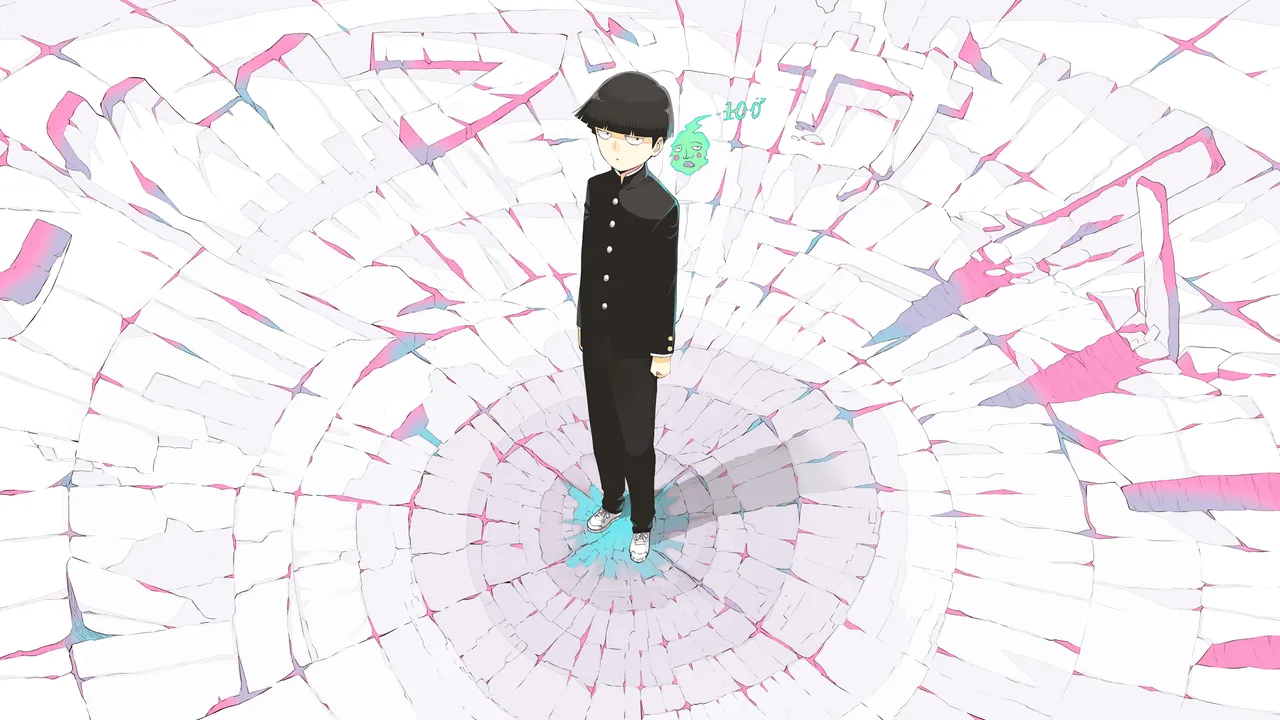
Mob Psycho 100
Mob Psycho 100 is ONE's supernatural comedy about a quiet middle schooler with overwhelming psychic powers who would rather grow as a person than fight. Across 16 volumes it blends absurd humor, explosive action and a sincere coming-of-age message.
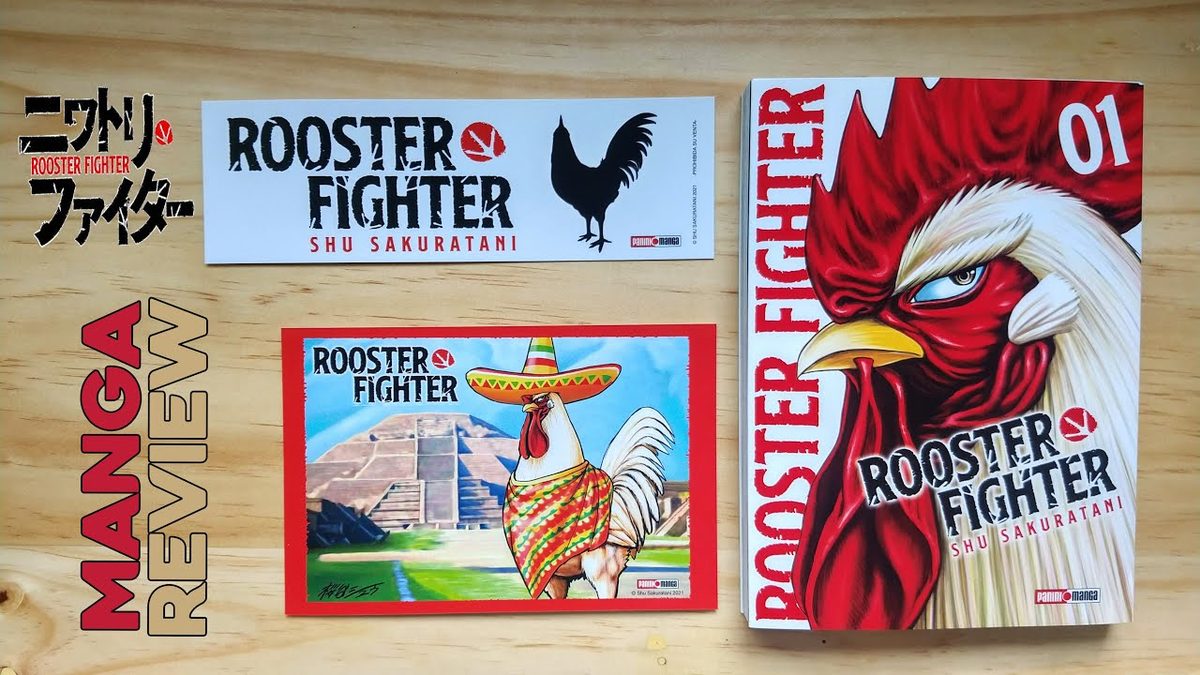
Rooster Fighter
A fearless rooster named Keiji wages a one-bird war against city-destroying kaiju in one of Weekly Shōnen Jump's most unexpectedly addictive action-comedy series.
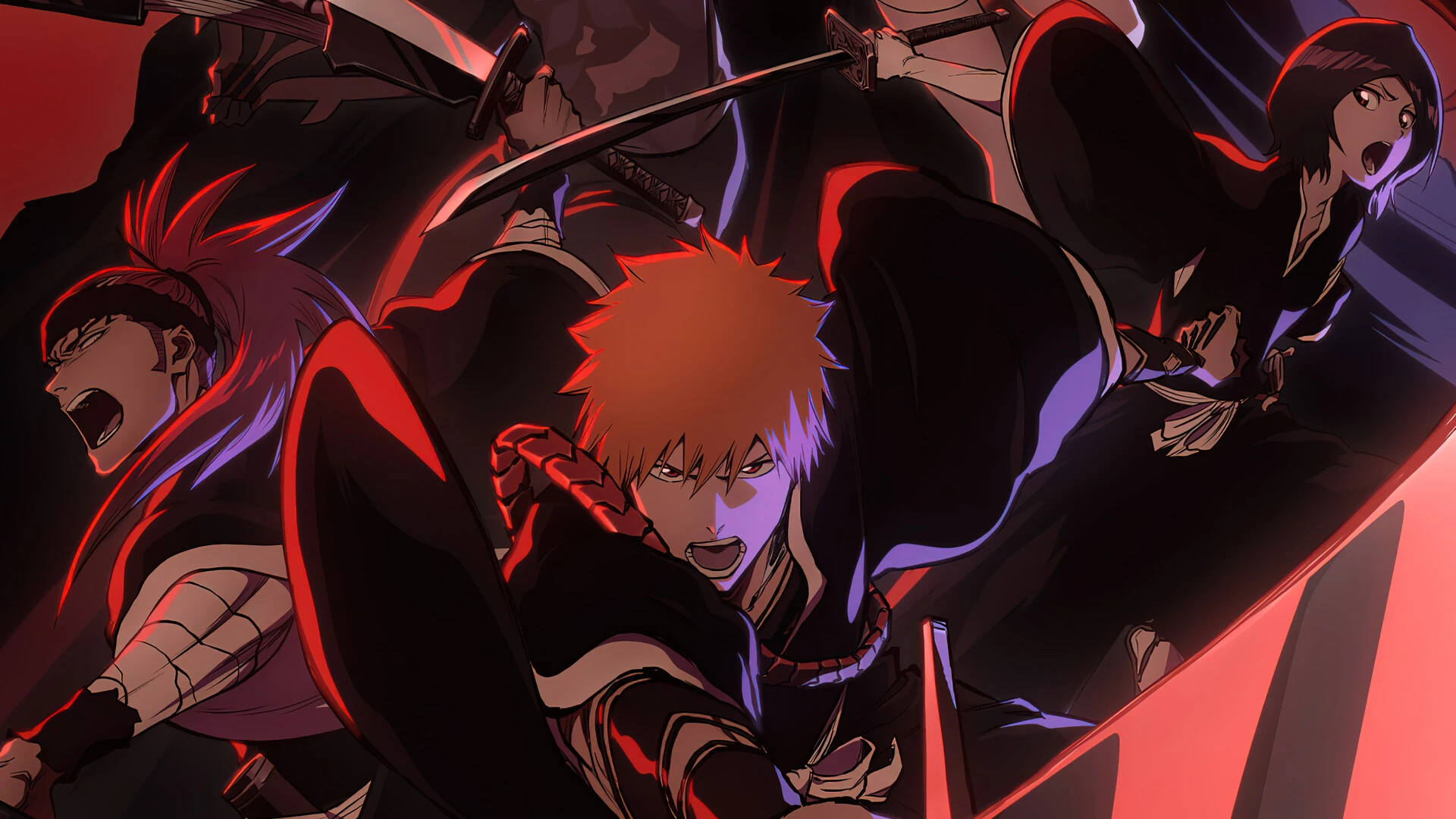
Bleach
The story of Ichigo Kurosaki, a teenager who gains the powers of a Soul Reaper — a death personification — and uses them to protect the living and the dead from evil spirits called Hollows, while uncovering a vast conspiracy that threatens both the human world and the afterlife.
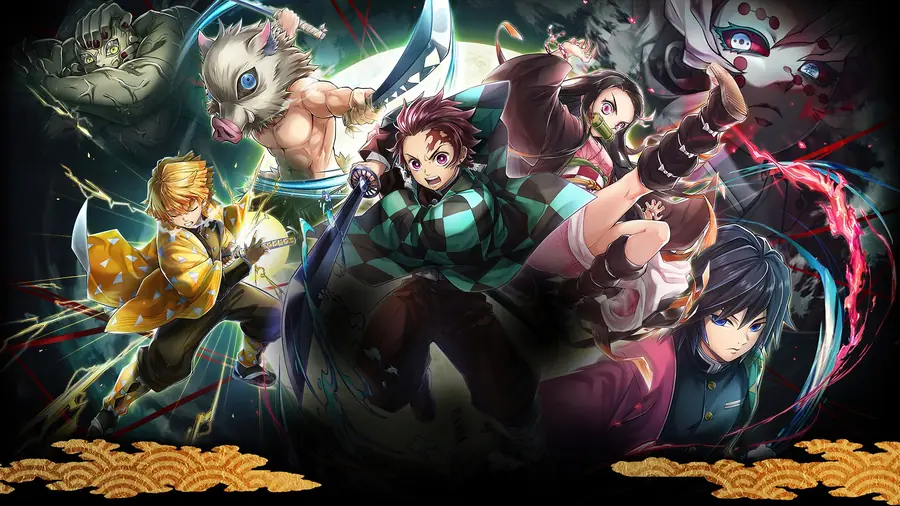
Demon Slayer: Kimetsu no Yaiba
A completed shonen series following a boy's journey to save his sister after a demon attack destroys his family
Related Articles
All articles
Top 15 Best Action Manga of All Time (2026)
The best action manga ever made, ranked. Explosive battles, legendary fights, and adrenaline-fueled epics — plus the box sets worth collecting.
Top 16 Best Shonen Manga of All Time (2026)
The best shonen manga ever made, ranked. Legendary battle epics, underdog heroes, and the series that defined the genre — plus the box sets worth owning.
Best Manga by Genre: The Ultimate 2026 Reading Guide (Shonen, Shojo, Seinen, Josei)
Comprehensive manga genre guide featuring best series by demographic and genre. From action shonen to mature josei, find your next read organized by taste and preference.