Chainsaw Man
Denji, a poverty-stricken boy who merges with his devil dog Pochita to become the Chainsaw Man, is recruited by the government's Public Safety Devil Hunter division. His desperate desire for a normal life — food, love, warmth — collides with increasingly apocalyptic devil threats.
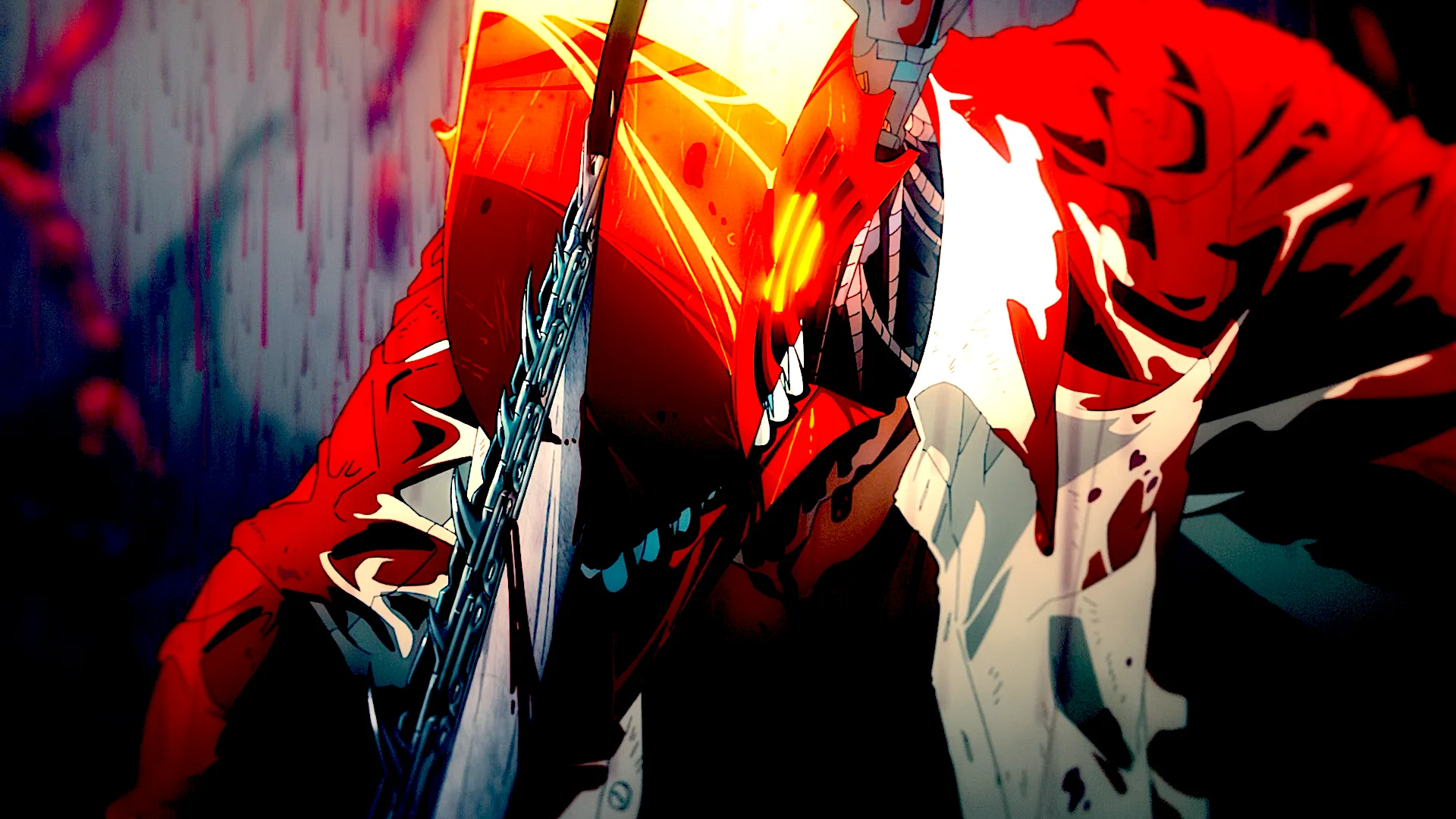
All Chainsaw Man Story Arcs in Order
| # | Arc |
|---|---|
| 1 | Public Safety Arc (Part 1) |
| 2 | Katana Man & Eternity Devil |
| 3 | Bomb Girl — Reze |
| 4 | International Assassins |
| 5 | Gun Devil & Control Devil |
| 6 | Academy Arc (Part 2) |
| 7 | Justice Devil & Fami |
Overview
Chainsaw Man represents a seismic shift in modern manga, demonstrating that shonen series could embrace horror elements, grotesque imagery, and genre-bending storytelling while maintaining compelling character narratives. Created by Tatsuki Fujimoto and serialized by Shueisha beginning in 2018, this series has revolutionized expectations for what manga can accomplish within the shonen demographic.
The story centers on Denji, a teenage boy living in poverty who works as a low-level devil hunter to pay off his father’s debts. His life takes a dramatic turn when he merges with Pochita, a small devilish creature, gaining the ability to transform his entire body into a powerful chainsaw. Suddenly thrust into the world of professional devil hunting, Denji pursues his simple dream: to experience normal teenage pleasures like romance and eating delicious food.
Chainsaw Man has achieved unprecedented success, spawning a critically acclaimed anime adaptation that received widespread praise for its visual style and faithful adaptation of the manga’s unique aesthetic. The series’ continued success and ongoing status promise even more thrilling developments ahead.
Story and Narrative Structure
Part 1: The Shonen Arc
The initial narrative arc follows Denji’s recruitment into the Public Safety Devil Hunting organization after his transformation. Here, he meets Aki Hayakawa, a stoic devil hunter haunted by tragedy, and Makima, the mysterious, charming coordinator who claims to work toward Denji’s happiness. What initially appears as a straightforward demon-hunting narrative gradually reveals darker undercurrents and shocking revelations.
The early chapters establish the series’ tonal balance—mixing comedic moments of Denji’s teenage desires with brutal demon combat and psychological horror. Denji’s obsession with normal teenage experiences (kissing, holding hands, eating good food) creates bizarre juxtaposition with the increasingly dark and grotesque threats he faces.
Part 2: The Darkness Unfolds
As the series progresses, Fujimoto systematically dismantles reader expectations. Characters readers believed safe receive unexpected fates. Motivations reveal themselves to be far more complex and darker than initially apparent. The narrative shifts from a straightforward action series into something far more complicated, exploring themes of manipulation, agency, and the costs of pursuing dreams.
A particularly devastating section forces Denji to confront the true nature of his relationships and Makima’s intentions. This arc demonstrates Fujimoto’s willingness to shatter shonen conventions and explore genuinely tragic consequences for character actions.
Part 2 Continuation
The series continues with new developments focusing on Denji’s transformations and the appearance of new characters with their own agendas. The narrative maintains its tonal balance while introducing increasingly complex supernatural threats and philosophical questions about identity and purpose.
Central Themes
The Cost of Survival
Denji’s initial motivation—to experience basic human pleasures—stems from his desperate poverty and societal marginalization. The series explores how desperation can make people vulnerable to manipulation and how pursuing simple desires can lead to catastrophic consequences.
Identity and Transformation
Chainsaw Man questions the nature of identity through Denji’s literal transformation. Is Denji still Denji after merging with Pochita? What happens to identity when someone is controlled by external forces? These questions permeate the narrative, creating psychological depth beneath the action sequences.
Power and Agency
The series interrogates the relationship between power and agency. Despite becoming physically powerful, Denji frequently lacks control over his circumstances and choices. Makima’s influence exemplifies how authority can rob someone of agency despite their power.
Human Connection
Beneath the horror and action, Chainsaw Man fundamentally examines human relationships. Denji’s desire for simple connections—romantic love, friendship, belonging—drives much of the narrative despite the chaotic circumstances surrounding him.
Main Characters
Denji
The protagonist is a fascinating study in contradictions. Denji possesses immense destructive power yet remains fundamentally vulnerable and naive. His simple desires contrast sharply with the horrific supernatural world he inhabits. Denji’s character arc involves gradual disillusionment as he discovers the harsh realities beneath the world he enters, forcing him to confront whether his simple dreams can survive contact with genuine darkness.
Makima
Denji’s handler appears charming and benevolent but masks terrifying depths. Her true nature represents one of manga’s most shocking revelations, fundamentally recontextualizing earlier narrative events. Makima serves as a primary antagonist whose motivations and methods challenge standard villain archetypes.
Aki Hayakawa
Initially a cold, professional hunter, Aki gradually develops into a sympathetic character whose tragic backstory drives his current behavior. Aki represents discipline and professional competence, contrasting sharply with Denji’s chaotic nature. His character arc explores how trauma shapes people and the impossibility of escaping one’s past through determination alone.
Power
A female devil hunter who becomes part of Denji’s found family, Power provides both comedic relief and genuine character development. Her name literally reflects her function, yet she transcends this simplification through genuine characterization. Power’s relationship with Denji develops complexity beyond initial impressions.
Pochita
The small devilish creature who merges with Denji appears cute and harmless initially but possesses mysterious significance. Pochita’s true nature remains partially shrouded in mystery, creating ongoing questions about Denji’s transformation and agency.
The Demon/Devil System
Chainsaw Man features devils—supernatural entities that manifest from human fear. Humans are afraid of things like guns, violence, and death, causing those concepts to take demonic form. The devil system creates an interesting relationship between human psychology and supernatural threats.
Unlike typical demon hierarchies, the devil system emphasizes how fear generates these entities. More widely feared concepts produce more powerful devils, making the strength hierarchy reflect actual human psychology rather than arbitrary power levels. This system creates organic logic for the series’ power structure.
Different devil hunting organizations employ devils as weapons, creating moral complexity around whether these creatures deserve rights or exploitation. This ambiguity prevents the series from settling into simple good-versus-evil frameworks.
Art Style and Visual Innovation
Tatsuki Fujimoto’s artwork brilliantly balances grotesque horror imagery with expressive character moments. The chainsaw transformation sequences are viscerally impactful, depicting the transformation’s violent and uncomfortable nature rather than sanitizing it into cool action.
The manga excels at depicting destruction and violence without shying away from consequences. Bodies are broken and contorted, environments are devastated, and the visual presentation communicates genuine danger and stakes. Yet alongside this horror, Fujimoto maintains incredible character expressions, particularly Denji’s face during comedic moments or emotional vulnerability.
The art style demonstrates Fujimoto’s versatility—shifting from grotesque demon designs to intimate character close-ups to expansive action sequences. The series’ visual style has influenced numerous subsequent works, establishing a new benchmark for manga artwork combining horror aesthetics with character-driven storytelling.
Tone and Genre-Bending
Chainsaw Man’s most innovative element is its tonal complexity. The series seamlessly transitions from crude comedy involving Denji’s teenage desires, to intense horror sequences, to devastating emotional character moments. This tonal range could create jarring disconnection in lesser hands, but Fujimoto executes it with remarkable precision.
The series refuses simple categorization. It functions as shonen action manga, horror manga, comedy manga, and tragic drama simultaneously. This genre-bending approach has influenced subsequent manga to experiment with tonal combinations previously considered incompatible.
Supporting Characters and World-Building
Chainsaw Man features a rich supporting cast. The various devil hunters, each with unique personalities and abilities, create a diverse ensemble. Characters like Beam, a former demon with canine traits, add unexpected warmth despite the dark setting. International devil hunters introduce cultural variety and different hunting philosophies.
The world-building extends beyond Japan to other countries, revealing that devil hunting is a global phenomenon with different organizational approaches. The Public Safety Division represents one bureaucratic approach, while private devil hunting organizations employ different philosophies and resources.
Cultural Impact and Anime Success
The anime adaptation by MAPPA studio received widespread critical acclaim for its visual innovation and faithful recreation of Fujimoto’s distinctive art style. The opening theme became iconic, and the anime successfully introduced Chainsaw Man to mainstream audiences who might never read manga.
The series has influenced subsequent manga creators, many attempting to capture Chainsaw Man’s combination of horror aesthetics with character-driven shonen storytelling. The franchise has expanded into merchandise, light novels, and various media adaptations.
Why You Should Read Chainsaw Man
Genre-Defying Innovation: Chainsaw Man proves shonen manga can embrace horror and experimental storytelling without sacrificing character development. The tonal range creates a unique reading experience unlike typical action series.
Compelling Protagonist: Denji is a protagonist whose vulnerability, despite physical power, makes him relatable. His simple desires and gradual disillusionment create genuine emotional investment.
Shocking Plot Developments: Without spoiling specifics, the series subverts reader expectations repeatedly. Character fates, alliance shifts, and revelations constantly surprise readers, maintaining engagement across volumes.
Gorgeous Artwork: Fujimoto’s visual style is immediately striking and consistently impressive. The combination of grotesque horror imagery with expressive character moments creates visually memorable sequences.
Philosophical Depth: Beneath the action and horror, the series explores meaningful questions about identity, agency, power, and human connection. These themes elevate the narrative beyond pure entertainment.
Accessibility: Despite its mature content and dark tone, the series remains surprisingly accessible. The character-driven narrative and compelling protagonist make the series welcoming to new manga readers.
Ongoing Mystery: The ongoing status means new chapters continue providing surprises and developments. The mystery surrounding Pochita’s true nature and Denji’s ultimate destiny remains unresolved.
Content Warnings
Chainsaw Man contains mature content including violence, blood, body horror, psychological trauma, and sexual situations. Readers sensitive to these elements should be aware before beginning the series. However, the content serves the narrative rather than existing gratuitously, and the series handles dark themes with thematic purpose.
Reading Recommendations
For readers new to Chainsaw Man, beginning from the first chapter is essential. The series deliberately builds narrative complexity, with early chapters containing information essential for understanding later developments. Unlike series where you can skip early arcs, Chainsaw Man rewards close, chronological reading.
Related Manga Recommendations
If Chainsaw Man captivates you, these series offer related qualities:
- Tokyo Ghoul - Another dark manga exploring morality and transformation
- Jujutsu Kaisen - A contemporary shonen combining action with darker supernatural elements
- Demon Slayer - A shonen series balancing action with character development
- Hunter × Hunter - A shonen series that subverts genre conventions
Ongoing Serialization
Chainsaw Man continues serialization with new chapters regularly released. The second part continues developing Denji’s story while introducing new characters and threats. The series shows no signs of concluding, promising that more shocking developments and character moments await readers.
Conclusion
Frequently Asked Questions
Is Chainsaw Man finished?
Chainsaw Man Part 1 is complete, concluding in 2020 after 11 volumes. However, Part 2 began serialization in 2022 and is currently ongoing. The series continues to release new chapters with no announced end date, meaning readers can expect more shocking developments and character moments.
How many volumes does Chainsaw Man have?
Part 1 contains 11 volumes, which can be read as a complete story despite the continuation of Part 2. Part 2 is ongoing and will continue adding volumes as new chapters are released. Readers interested in the complete current story so far can consume Part 1 as a satisfying standalone experience.
Is there an anime adaptation?
Yes, Chainsaw Man received an anime adaptation by MAPPA that covered Part 1 with 12 episodes released in 2022. The anime was highly acclaimed for its distinctive visual style and faithfulness to Fujimoto’s artwork. A second season covering Part 2 has been announced, though release details continue to evolve.
What age rating is Chainsaw Man?
Chainsaw Man is recommended for ages 17 and up due to its mature content. The series contains extreme violence, blood, body horror, psychological trauma, and sexual situations. It is significantly darker and more graphic than typical shonen manga, with content that serves the narrative but requires reader awareness before beginning.
Where can I buy Chainsaw Man manga in English?
Chainsaw Man is available in English through major retailers including Amazon, where both Part 1 volumes and upcoming Part 2 volumes can be purchased. Bookstores like Barnes & Noble stock the series, and digital versions are available through platforms like ComiXology, Kindle, and other digital manga retailers.
Chainsaw Man represents modern manga at its most innovative and bold. Tatsuki Fujimoto has created a series that refuses to be contained by genre expectations, combining horror, comedy, action, and genuine emotional depth into a cohesive whole. The protagonist’s vulnerability despite overwhelming power, the shocking narrative developments, and the gorgeous artwork combine to create an unforgettable reading experience.
Whether you’re drawn to the genre-bending approach, the compelling character development, the stunning visuals, or the ongoing mysteries driving the narrative, Chainsaw Man delivers on every front. The series’ influence on contemporary manga cannot be overstated, and its continued success ensures that Denji’s bizarre journey will continue captivating audiences. Enter the world of Chainsaw Man and discover why this series has become one of the most acclaimed manga of the 2020s.
Chainsaw Man Arc Guides
Public Safety Arc (Part 1)
Denji joins Makima's devil hunter squad alongside Power and Aki. A series of escalating devil contracts and betrayals culminates in the Gun Devil war and Makima's apocalyptic revelation as the Control Devil.
Katana Man & Eternity Devil
Denji and company face the Eternity Devil in a hotel and then the vengeful Katana Man, whose organisation seeks revenge for the death of the Zombie Devil contractor Sawatari.
Bomb Girl — Reze
The Bomb Devil Reze arrives as a seemingly romantic interest for Denji before her assassination mission is revealed. A bittersweet arc about connection and what Denji truly wants from life.
International Assassins
After Santa Claus and global assassins descend on Japan to claim the Chainsaw Devil's heart, Denji is dragged through hell — literally — as Makima's manipulations reach their peak.
Gun Devil & Control Devil
The full scope of Makima's plan to use the Chainsaw Man's power to reshape the world is revealed. Aki's death and transformation, Power's sacrifice, and Denji's final confrontation with Makima define Part 1's devastating climax.
Academy Arc (Part 2)
Denji enrols in high school under a new identity as Nayuta's guardian. His classmate Asa Mitaka hosts the War Devil Yoru, who seeks to use Denji as a weapon — beginning a new chapter in the Chainsaw Man saga.
Justice Devil & Fami
Asa and Yoru navigate a school devil threat while the enigmatic Fami — the Famine Devil and Makima's sister — manipulates events toward her own mysterious agenda in Part 2's escalating conflict.
Chainsaw Man Merchandise
Read manga free with Amazon Prime
30-day free trial: free shipping, Prime Reading, Kindle, Prime Video and more.
Affiliate link. 30-day free trial for new members. Then $14.99/month — cancel anytime.
FAQ: Chainsaw Man
You May Also Like
All manga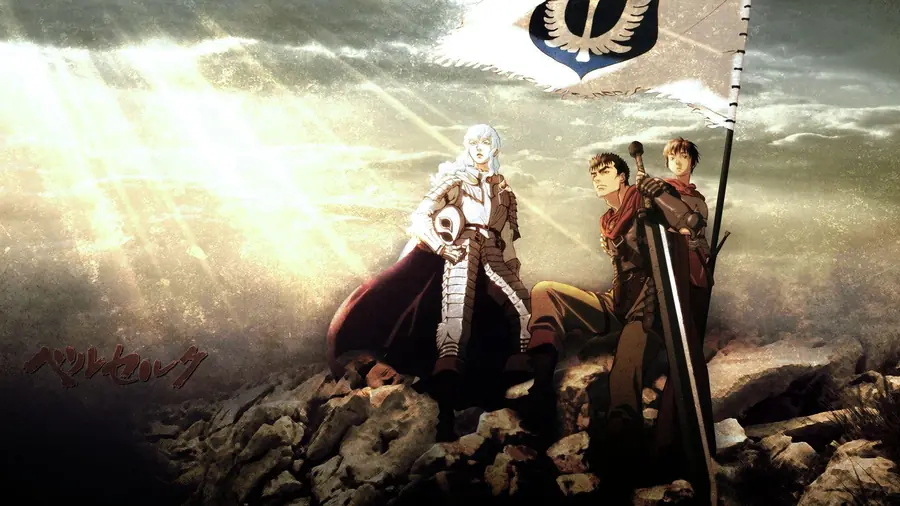
Berserk
A dark and brutal medieval fantasy following Guts on his journey of revenge, featuring complex characters and stunning artwork.
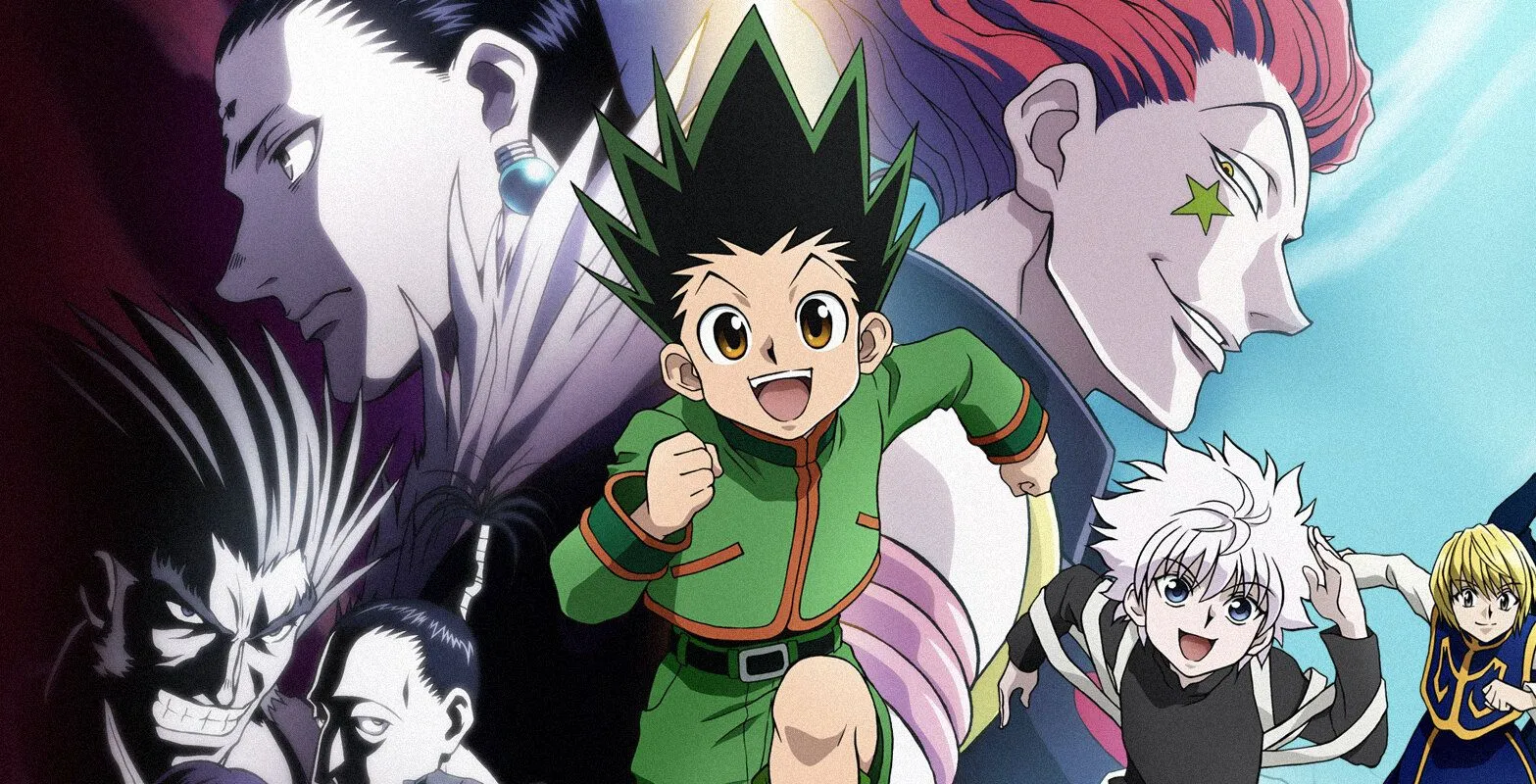
Hunter x Hunter
Twelve-year-old Gon Freecss sets out to become a Hunter — an elite licensed professional — in order to find his father Ging, the world's greatest Hunter. His journey through the gruelling Hunter Exam and beyond exposes a world far darker and more complex than he imagined.
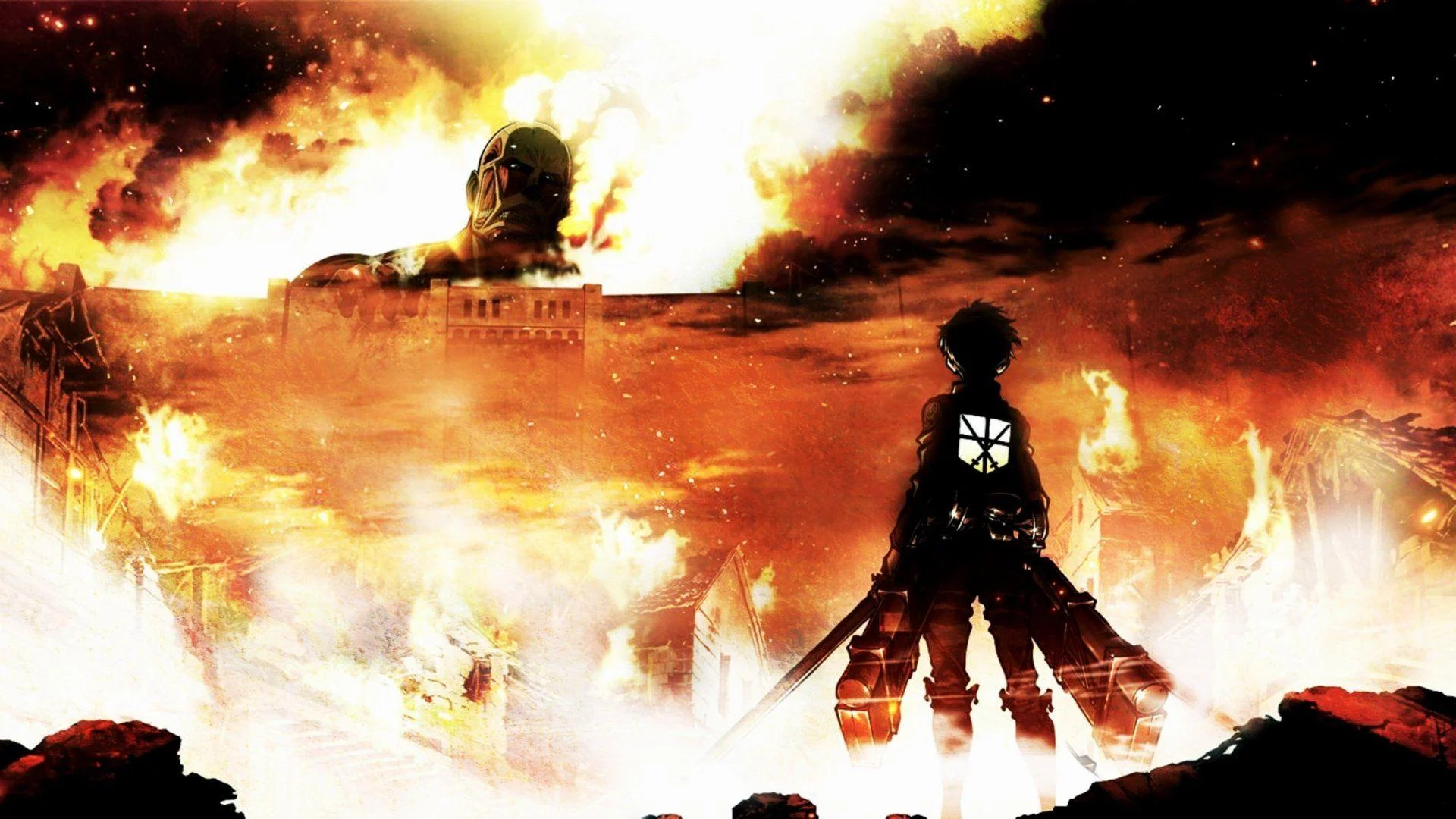
Attack on Titan
In a world where humanity cowers behind towering walls to survive the man-eating giants known as Titans, Eren Yeager vows revenge after watching his mother devoured. His journey from victim to soldier to world-changing radical reshapes everything he once fought to protect.
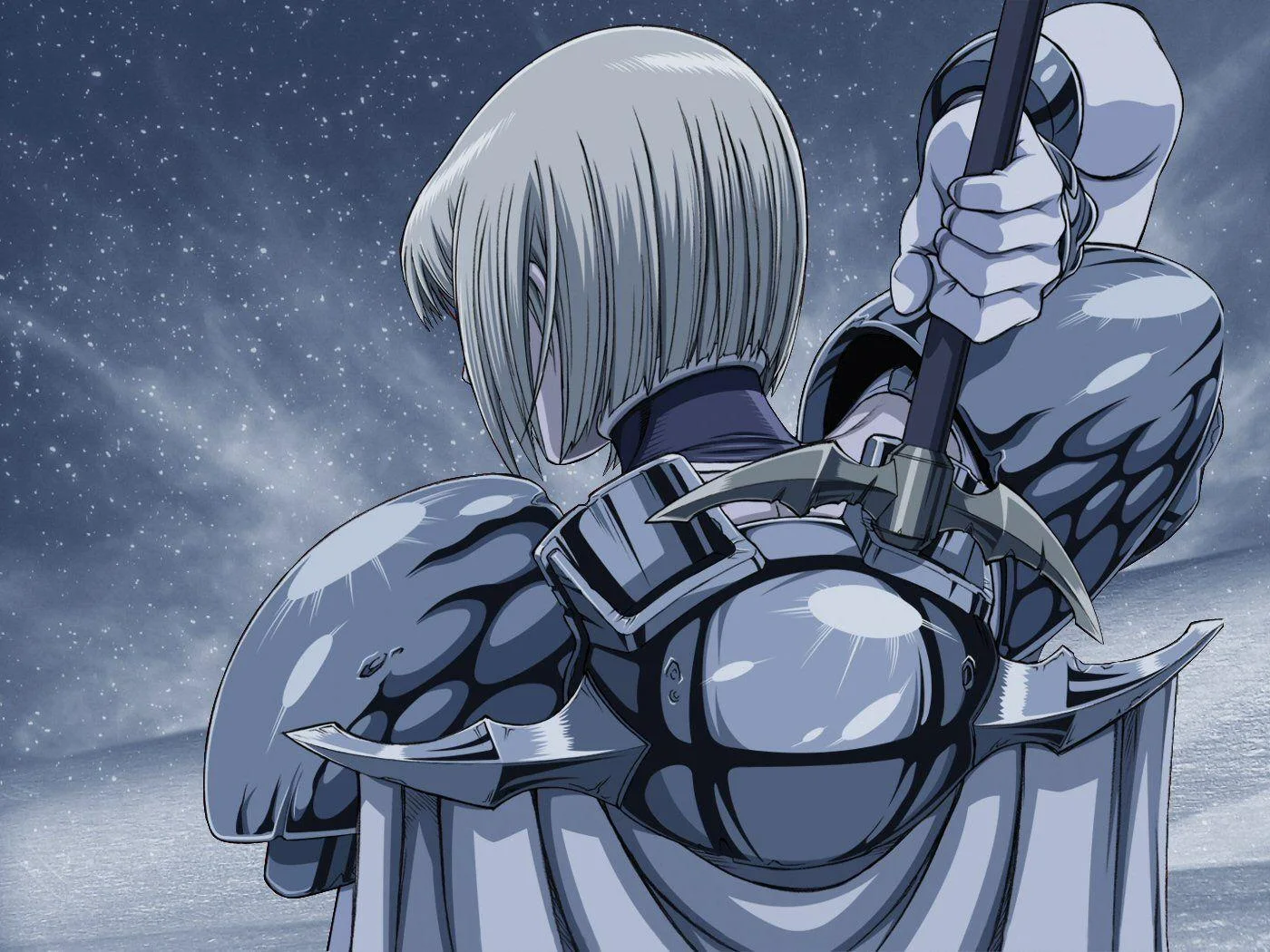
Claymore
A dark fantasy action manga featuring female warriors with monster-killing claymores fighting demonic creatures.
Related Articles
All articles
MAPPA's 15th Anniversary Showcase: JJK Season 4, Chainsaw Man and a Netflix Wave
MAPPA's 15th anniversary event dropped a Jujutsu Kaisen Season 4 trailer, a Chainsaw Man: Assassins Arc teaser, Ranma 1/2 Season 3, and new Netflix anime. Full recap.

Top 15 Best Action Manga of All Time (2026)
The best action manga ever made, ranked. Explosive battles, legendary fights, and adrenaline-fueled epics — plus the box sets worth collecting.
Top 15 Best Dark Fantasy Manga of All Time (2026)
The best dark fantasy manga ever made, ranked. Brutal worlds, morally grey heroes, and demonic horror — plus where to buy the definitive editions.