Tokyo Ghoul
A completed seinen series exploring the conflict between ghouls and humans in a dark Tokyo where ghouls feed on human flesh
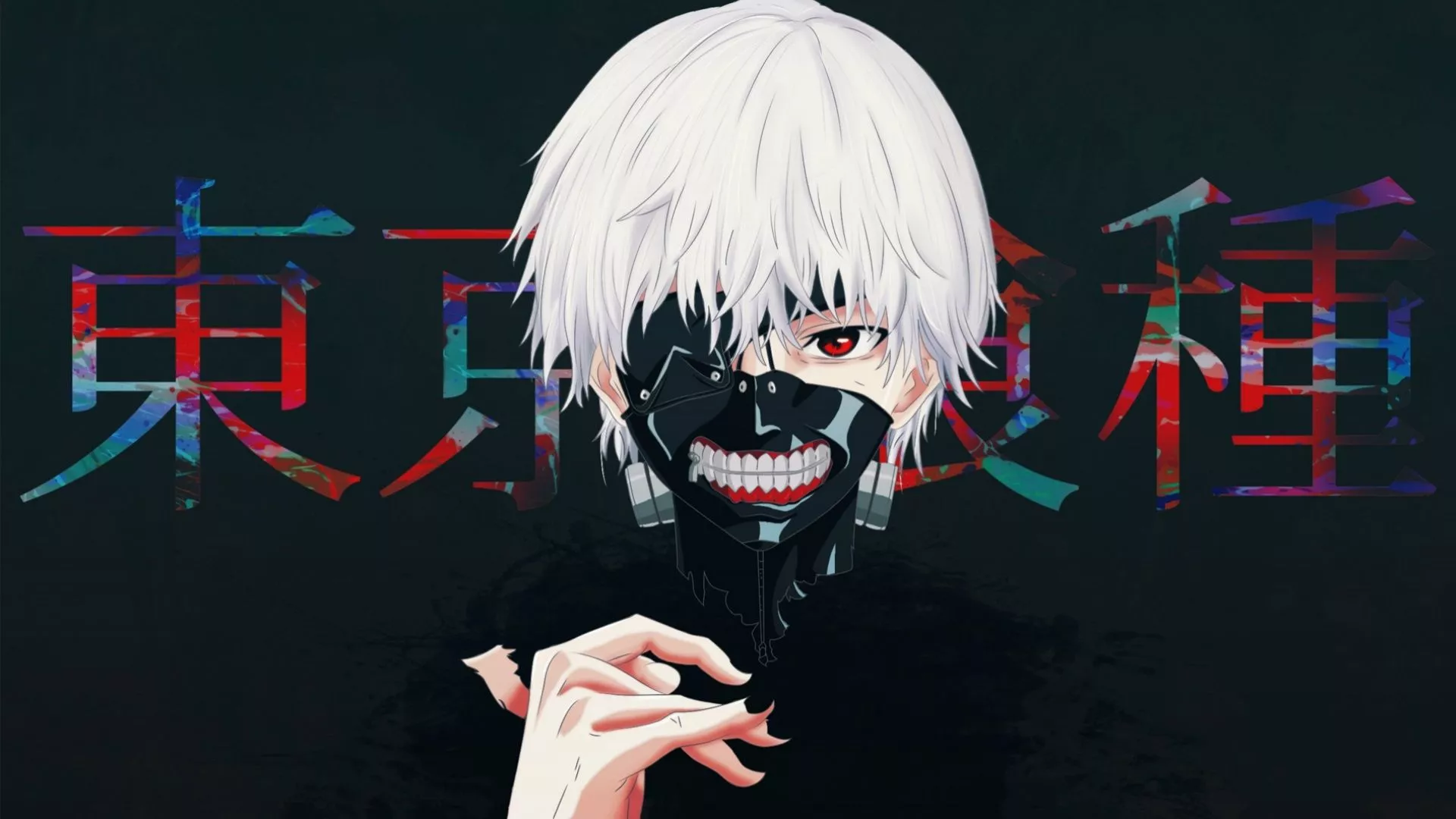
All Tokyo Ghoul Story Arcs in Order
| # | Arc |
|---|---|
| 1 | Aogiri Arc |
| 2 | Anteiku Raid Arc |
Overview
Tokyo Ghoul stands as one of the most influential seinen manga of the 2010s. Created by Sui Ishida and serialized by Shueisha from 2011 onwards, the series comprises 14 volumes of the original Tokyo Ghoul, followed by a 16-volume sequel, Tokyo Ghoul :re, for a total of 30 volumes. The completed story explores a dark urban fantasy where ghouls—creatures that feed on human flesh—coexist with humans in modern-day Tokyo.
The narrative centers on Ken Kaneki, an ordinary high school student who, through a horrific accident, transforms into a ghoul—a being who must consume human flesh to survive. Caught between two worlds and unable to reveal his true nature, Kaneki must navigate relationships with ghouls and humans while grappling with his new identity and survival instincts.
Tokyo Ghoul revolutionized seinen manga by proving that dark, mature storytelling could achieve mainstream commercial success. The series’ anime adaptation further elevated its popularity, introducing the story to international audiences and establishing Tokyo Ghoul as a cultural phenomenon.
Story Structure and Narrative Arcs
Original Tokyo Ghoul (Volumes 1-14)
The original series follows Kaneki’s initial transformation and his introduction to the ghoul underground. The narrative begins with a chance encounter with Rize Kamishiro, a ghoul who reveals her true nature when attempting to feed on Kaneki. A tragic accident involving a falling steel beam leaves Kaneki severely injured, and Rize’s organs are transplanted into him, granting him ghoul abilities while his human mind remains intact.
This transformation fundamentally alters Kaneki’s existence. The CCG (Commission of Counter Ghoul), a government organization dedicated to hunting and eliminating ghouls, becomes an ever-present threat. Kaneki’s human friends gradually become dangerous obstacles to his survival, while the ghoul community presents new dangers and unexpected connections.
The original series establishes the central conflict: Kaneki’s attempt to maintain his humanity while accepting his ghoul nature. He joins Anteiku, a ghoul café, where he meets his closest companion Touka Kirishima and other ghouls who chose to live peacefully rather than preying on humans.
Key narrative developments include:
The Aogiri Tree Arc: A powerful ghoul organization presents a genuine threat to both Kaneki and those he cares about, forcing him to confront the limitations of peaceful coexistence.
Betrayals and Revelations: Characters reveal hidden motivations and tragic backstories, destroying Kaneki’s assumptions about friend and foe categories.
Kaneki’s Breakdown: The series’ climax forces Kaneki to confront impossible choices, resulting in profound psychological trauma that transforms his character entirely.
Tokyo Ghoul :re (Volumes 15-30)
The sequel takes place approximately two years after the original series’ conclusion. Kaneki appears to have undergone severe trauma, existing as a different person entirely without clear memories of his past. The narrative follows both Kaneki’s new reality and new investigator Haise Sasaki of the CCG.
Tokyo Ghoul :re deepens the narrative complexity exponentially. The story explores themes of memory, identity, and resurrection while introducing new characters and recontextualizing events from the original series. The distinction between ghoul and human becomes increasingly blurred as the series progresses.
The sequel’s pacing is notably different—it moves quickly through revelations and developments that accelerate the narrative toward its conclusion. Multiple major character deaths and shocking reversals characterize this section, creating genuine emotional impact.
Central Themes
Identity and Transformation
Tokyo Ghoul’s fundamental theme revolves around identity. Kaneki’s physical transformation into a ghoul forces him to question who he is fundamentally. Is he still the person he was before, or has his nature completely changed? The series suggests that identity is fluid, shaped by circumstances and choices rather than fixed biology.
Survival vs. Morality
The series explores whether survival justifies moral compromise. Ghouls must consume human flesh to survive—can this biological necessity excuse predation? The series avoids simple answers, showing ghouls who respect human life struggling with their nature alongside ghouls who embrace predation.
Systemic Oppression
Tokyo Ghoul allegorizes systemic oppression and discrimination. Ghouls face systematic hunting, segregation, and elimination despite their capacity for coexistence with humans. The CCG’s methods increasingly mirror authoritarian brutality, creating moral ambiguity about which side represents justice.
The Cycle of Hatred
The series demonstrates how violence perpetuates itself. Humans hurt ghouls, causing ghouls to hurt humans, causing further human retaliation. This cycle becomes increasingly difficult to break, with each side justified in their perspective from their own position.
Found Family
Despite its darkness, Tokyo Ghoul emphasizes human connection and found family. Kaneki’s most meaningful relationships form with other ghouls who understand his struggle. These connections provide emotional grounding within the chaotic narrative.
Main Characters
Ken Kaneki
Kaneki begins as a kind, introverted student who reads extensively and values peace. His transformation into a ghoul forces him to confront aspects of himself he previously denied. Throughout the series, Kaneki experiences profound trauma, leading to severe personality changes and identity fragmentation. By the sequel, Kaneki’s character exploration reaches new depths as he grapples with fragmented memory and reconstructed identity.
Kaneki’s development is one of manga’s most compelling character arcs. His journey from innocent human to tortured ghoul hybrid to something entirely other demonstrates the transformative power of suffering and circumstance.
Touka Kirishima
Initially introduced as a ghoul who helps Kaneki, Touka becomes his closest companion. Touka’s character arc involves gradually opening up to connection despite her lonely, defensive upbringing. Her relationship with Kaneki provides emotional weight to the narrative.
Rize Kamishiro
Though her screen time is limited, Rize’s influence permeates the entire series. Her initial attack sets the story in motion, and her presence haunts Kaneki throughout his journey. Rize represents the possibility of ghoul nature unrestrained by human morality.
Juzo Suzuya
A CCG investigator with a tragic past, Juzo’s character arc explores how trauma shapes people. Juzo begins as seemingly villainous but gains increasing sympathy as his motivations and suffering become apparent.
Seidou Takizawa
Initially an ordinary CCG investigator, Takizawa’s character arc involves his own transformation into a ghoul. His journey parallels Kaneki’s while taking distinctive direction, offering comparative exploration of ghoul transformation.
Kishou Arima
This complex antagonist serves as the series’ primary opposing force. Arima’s motivations and methods raise profound questions about justice, power, and the right to decide others’ fates.
The Ghoul Biology and Power System
Tokyo Ghoul establishes consistent rules for ghoul biology. Ghouls possess enhanced physical abilities, rapid healing, and specialized organs called Kagune—weapons they manifest from their bodies. Kagune types vary among individuals, allowing for diverse combat styles.
The power system emphasizes that strength varies individually rather than following strict hierarchical levels. A ghoul’s power depends on their Kagune type, individual ability, experience, and mentality. This system avoids arbitrary power escalation while maintaining combat variety.
Importantly, the biological requirements of ghouling create moral complexity. Unlike fantasy series where magical beings can choose vegetarianism, ghouls must consume human flesh to survive. This non-negotiable requirement creates genuine moral ambiguity absent from simpler good-versus-evil narratives.
Artwork and Visual Style
Sui Ishida’s artwork is dark, atmospheric, and emotionally expressive. The manga excels at depicting psychological states through visual language. Character faces convey trauma, desperation, and emotional turmoil with remarkable clarity. Action sequences are dynamic and clearly choreographed despite their intensity.
The series’ visual aesthetic emphasizes darkness and shadow, creating a perpetually ominous atmosphere. Ishida’s use of black ink and screentone creates mood and tension throughout. The artwork genuinely conveys the horror of the world and the psychological weight characters carry.
Ishida’s later work in Tokyo Ghoul :re shows significant artistic progression, with increasingly sophisticated panel layouts and visual storytelling techniques. The sequel’s artwork is noticeably more refined than the original series, reflecting the artist’s continued development.
Organization and Faction Dynamics
Tokyo Ghoul features multiple organizations and factions, each with distinct philosophies:
Anteiku: A café where ghouls attempt peaceful coexistence with humans. Anteiku represents the possibility of ghouls living without predation, though this proves increasingly difficult to maintain.
CCG (Commission of Counter Ghoul): A government organization hunting ghouls. The CCG’s methods become increasingly questionable as the series progresses, raising questions about whether they’re heroes or villains.
Aogiri Tree: A powerful ghoul organization representing ghoul supremacy and violence. Aogiri actively works toward ghoul dominance regardless of human casualties.
Clowns: An enigmatic faction manipulating events from shadows. Their motivations remain mysterious, adding unpredictability to the narrative.
These factions create complex political dynamics where characters must navigate competing loyalties and ideologies.
Cultural Impact and Anime Success
The Tokyo Ghoul anime adaptation by Studio Pierrot introduced the series to international audiences and achieved mainstream success. The anime’s opening theme “Unravel” became iconic, and the series gained recognition beyond typical manga/anime circles.
Tokyo Ghoul influenced subsequent dark seinen manga, establishing a template for morally complex storytelling combined with action sequences and philosophical depth. The series’ success proved that dark, mature content could achieve mainstream commercial viability.
The franchise expanded into light novels, video games, live-action film adaptations, and various merchandise. This expansion demonstrated the intellectual property’s broad appeal and cultural significance.
Why You Should Read Tokyo Ghoul
Complete and Conclusive: Tokyo Ghoul provides a finished narrative across 30 volumes. Readers aren’t left hanging with unresolved plot threads or ambiguous endings. The conclusion offers genuine closure while leaving room for interpretation.
Moral Complexity: The series avoids simple good-versus-evil frameworks. Both ghouls and humans commit atrocities, both experience legitimate suffering, and both have valid perspectives. This complexity creates thought-provoking entertainment.
Character Development: The character arcs are exceptional. Kaneki’s transformation, Touka’s emotional growth, and numerous supporting characters develop throughout the narrative. By the series’ conclusion, every major character has grown and changed significantly.
Dark and Engaging Atmosphere: The series’ aesthetic creates immersive atmosphere. The dark, violent world feels genuine and threatening rather than sanitized. This atmosphere makes emotional moments land harder and stakes feel higher.
Shocking Developments: Tokyo Ghoul features numerous unexpected plot developments and character deaths. The series isn’t afraid to subvert expectations or eliminate seemingly important characters.
Thematic Depth: Beneath the action and horror, the series explores genuine themes about identity, survival, morality, and systemic oppression. These themes elevate the narrative beyond pure entertainment.
Visual Excellence: Ishida’s artwork improves throughout the series, with Tokyo Ghoul :re showcasing increasingly sophisticated artistic techniques. The manga is worth reading for the visual experience alone.
Pacing and Reading Experience
Tokyo Ghoul’s 14-volume original series moves at a measured pace, building atmosphere and character relationships before accelerating toward climactic confrontations. Tokyo Ghoul :re significantly increases pacing, rapidly progressing through major developments. This shift in pacing creates different reading experiences between the two series but maintains overall narrative cohesion.
For first-time readers, the pacing shift between original and sequel can feel initially jarring, but it ultimately serves the narrative by accelerating toward conclusions and resolutions.
Content Warnings
Tokyo Ghoul contains mature content including graphic violence, body horror, psychological trauma, torture, sexual assault references, and character deaths. Readers sensitive to these elements should be aware. However, the content serves thematic purposes rather than existing gratuitously.
Related Manga Recommendations
If Tokyo Ghoul captivates you, these series offer related qualities:
- Chainsaw Man - Another dark manga exploring identity and survival
- Jujutsu Kaisen - A contemporary dark-toned action series
- Demon Slayer - A series exploring the line between demons and humans
- Bleach - A seinen series with supernatural elements and moral complexity
Conclusion
Tokyo Ghoul stands as one of the defining manga of the 2010s. Sui Ishida created a dark, atmospheric world exploring identity, morality, and the possibility of coexistence despite fundamental biological conflict. The 30-volume narrative (14 original + 16 :re) provides a complete, emotionally resonant story featuring exceptional character development and thematic depth.
The series successfully combines entertainment value with genuine artistic merit. It demonstrates that dark, mature storytelling can achieve mainstream success without sacrificing artistic integrity or intellectual depth. Tokyo Ghoul remains essential reading for manga enthusiasts and proof of the medium’s capacity for complex, psychologically sophisticated narratives.
Whether you’re drawn to the dark atmosphere, the moral complexity, the character development, or the action sequences, Tokyo Ghoul delivers across all fronts. The completed status means you can experience the full narrative arc without waiting for ongoing serialization, providing closure and satisfaction increasingly rare in contemporary manga. Enter Tokyo’s shadowed streets and discover why Tokyo Ghoul has become one of manga’s most celebrated and influential works.
Frequently Asked Questions
Is Tokyo Ghoul finished?
Yes, Tokyo Ghoul is completed. The original series ran from 2011 to 2014 with 14 volumes, followed by Tokyo Ghoul:re which ran from 2014 to 2018 with 16 volumes. Both series have concluded, totaling 30 volumes of completed story.
How many volumes does Tokyo Ghoul have?
Tokyo Ghoul consists of 14 volumes for the original series, plus 16 volumes for the sequel series Tokyo Ghoul:re, totaling 30 volumes. This substantial collection provides a complete narrative arc exploring Kaneki’s full character development and the conflicts between ghouls and humans.
Is there an anime adaptation?
Yes, Tokyo Ghoul has a complete anime adaptation! The series received 4 seasons (2014-2018) produced by Pierrot studio, covering both the original series and the :re continuation. The anime brings the dark horror and psychological tension of the manga to vivid life.
What age rating does Tokyo Ghoul have?
Tokyo Ghoul is rated 17+ due to dark horror, psychological violence, and disturbing content. The series contains graphic depictions of violence, body horror, and psychological torture. It’s intended for mature audiences comfortable with intense horror themes and morally complex narratives.
Where can I buy Tokyo Ghoul?
Tokyo Ghoul is widely available through retailers including Amazon. Both the original series and the Tokyo Ghoul:re continuation are available in English translation as individual volumes or complete box sets. Search Amazon for the latest editions and pricing options.
Tokyo Ghoul Arc Guides
Aogiri Arc
Kaneki is captured by Aogiri Tree and tortured by Jason, leading to his transformation into the white-haired centipede ghoul.
Chapters 46-79Anteiku Raid Arc
The CCG launches a massive operation against Anteiku, culminating in Kaneki's devastating battle with Arima.
Chapters 120-143Anime Adaptation
Full guideTokyo Ghoul Merchandise
Read manga free with Amazon Prime
30-day free trial: free shipping, Prime Reading, Kindle, Prime Video and more.
Affiliate link. 30-day free trial for new members. Then $14.99/month — cancel anytime.
FAQ: Tokyo Ghoul
You May Also Like
All manga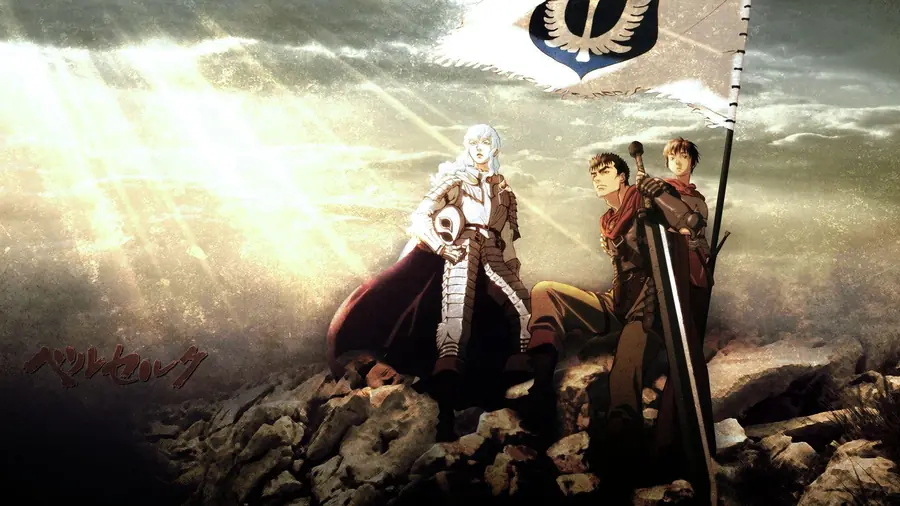
Berserk
A dark and brutal medieval fantasy following Guts on his journey of revenge, featuring complex characters and stunning artwork.
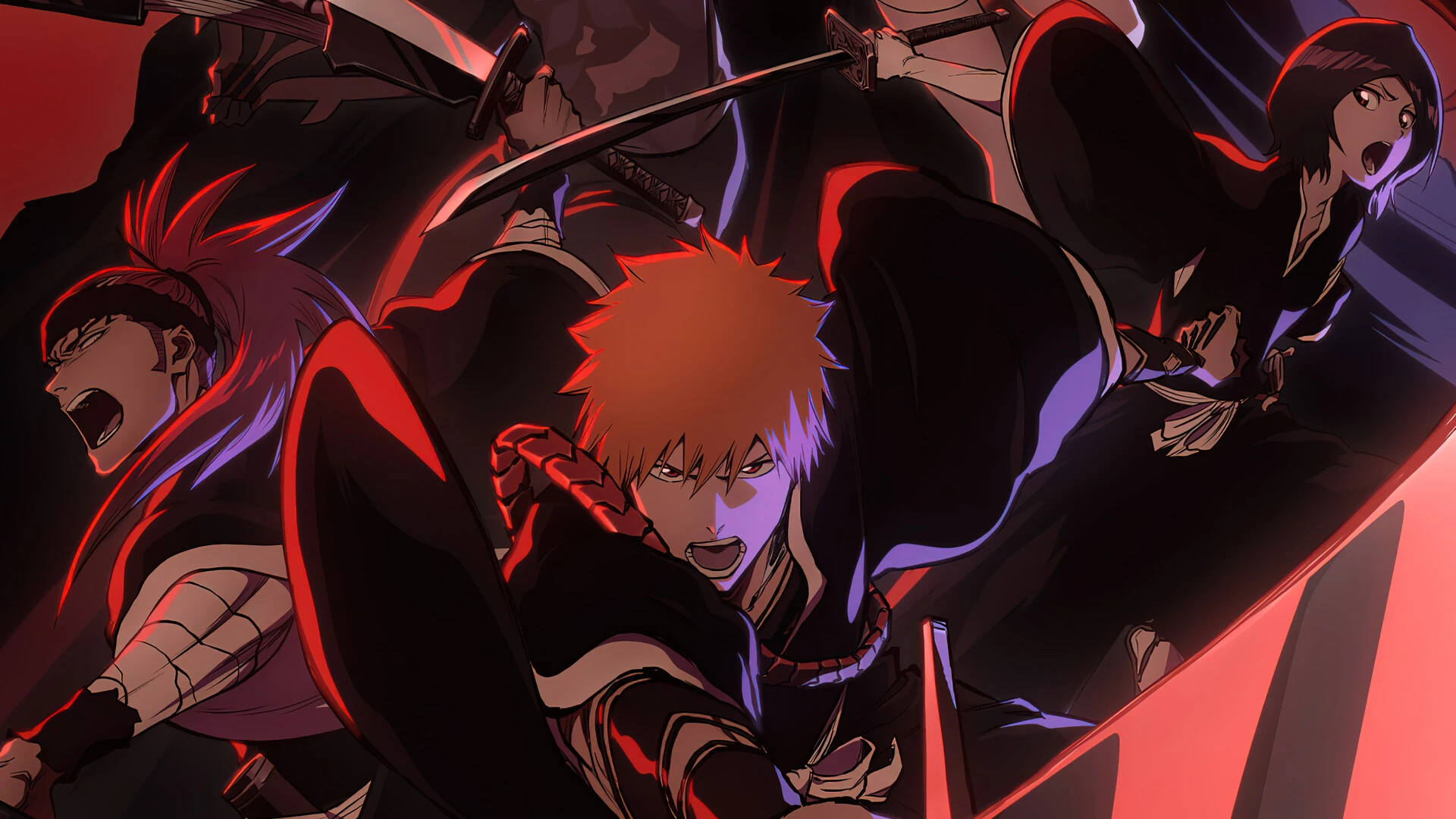
Bleach
The story of Ichigo Kurosaki, a teenager who gains the powers of a Soul Reaper — a death personification — and uses them to protect the living and the dead from evil spirits called Hollows, while uncovering a vast conspiracy that threatens both the human world and the afterlife.
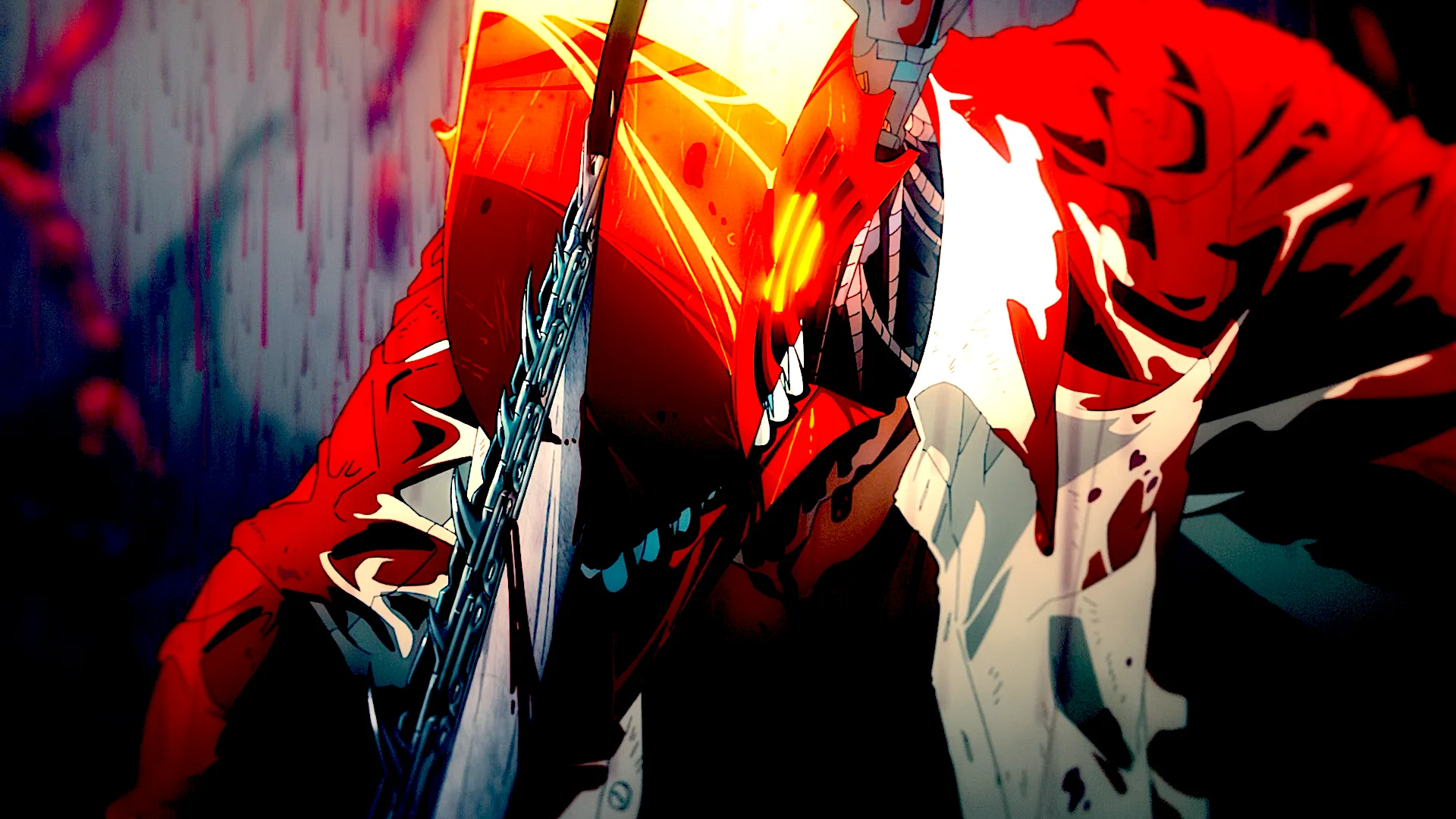
Chainsaw Man
Denji, a poverty-stricken boy who merges with his devil dog Pochita to become the Chainsaw Man, is recruited by the government's Public Safety Devil Hunter division. His desperate desire for a normal life — food, love, warmth — collides with increasingly apocalyptic devil threats.
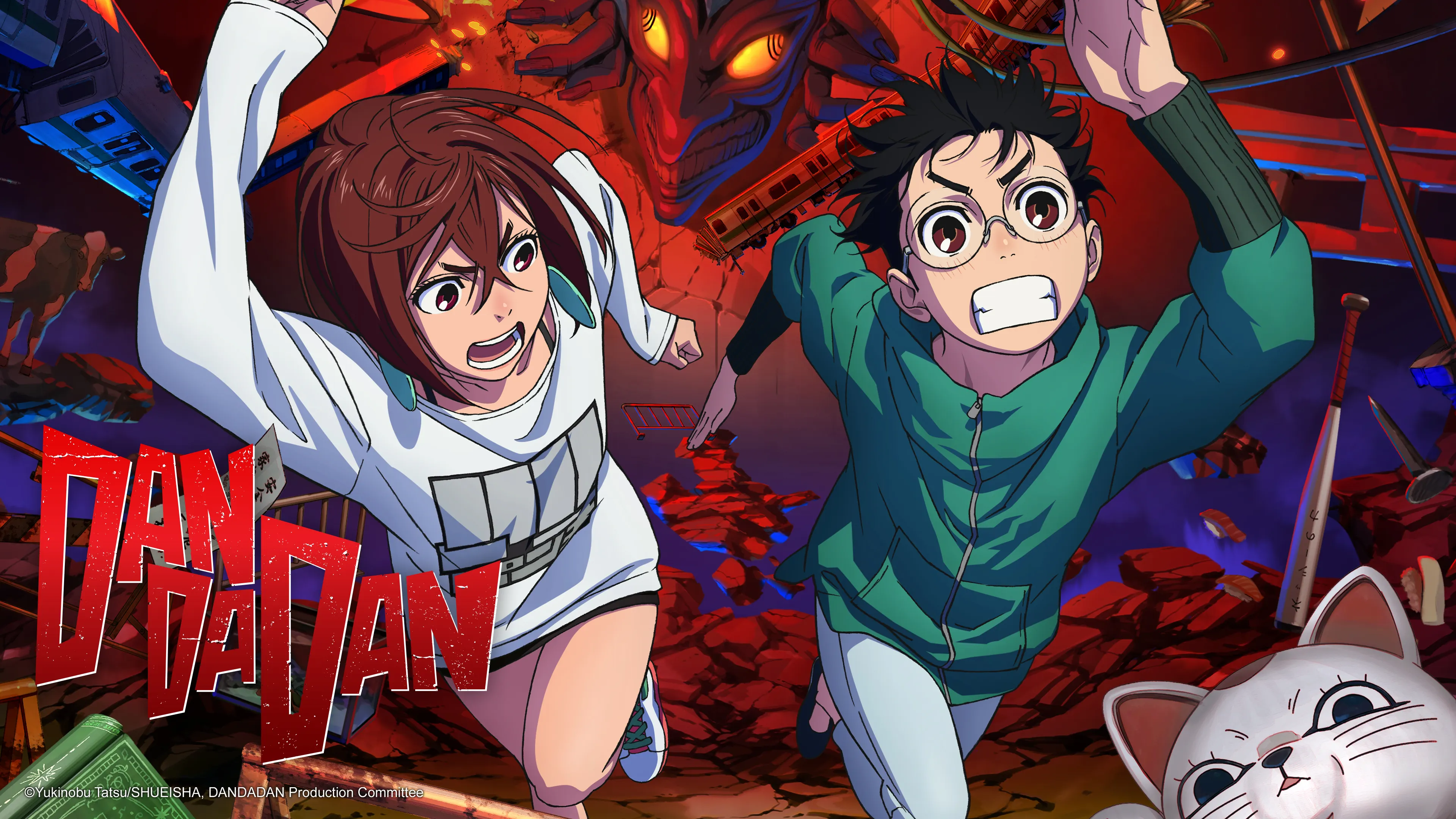
Dandadan
A contemporary shonen manga blending action, comedy, and supernatural mystery as two unlikely partners investigate paranormal phenomena.
Related Articles
All articles
Top 15 Best Action Manga of All Time (2026)
The best action manga ever made, ranked. Explosive battles, legendary fights, and adrenaline-fueled epics — plus the box sets worth collecting.

Best Manga by Genre: The Ultimate 2026 Reading Guide (Shonen, Shojo, Seinen, Josei)
Comprehensive manga genre guide featuring best series by demographic and genre. From action shonen to mature josei, find your next read organized by taste and preference.

Top 20 Best Horror Manga of All Time
Discover the scariest and most disturbing horror manga ever created. From psychological terrors to body horror classics.