Kaiju No. 8
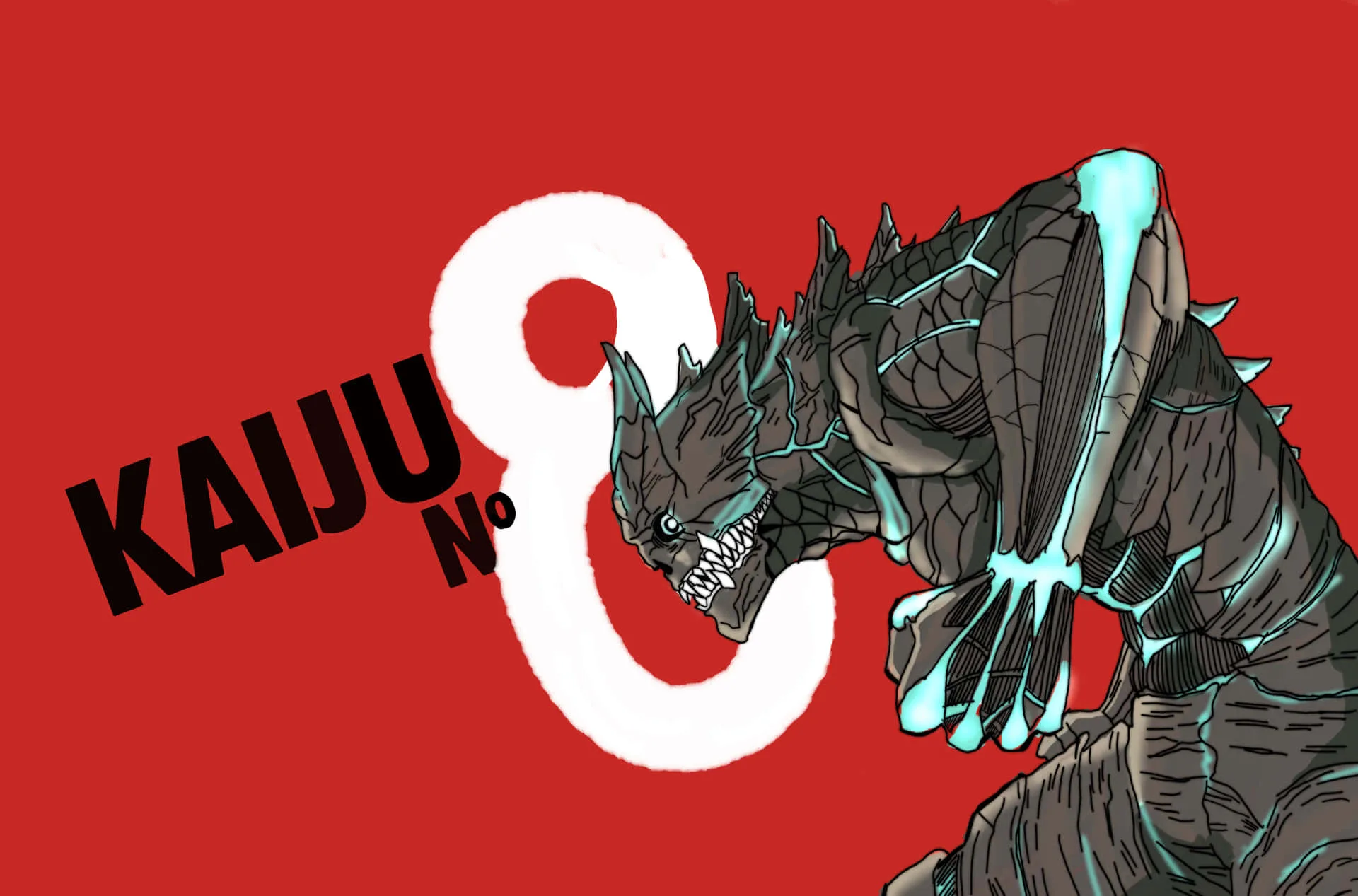
A monster-fighting action manga following a man who gains the power to transform into a kaiju.
All Kaiju No. 8 Story Arcs in Order
| # | Arc |
|---|---|
| 1 | Kafka Joins Defense Force Arc |
| 2 | The Strong Ones Arc |
| 3 | Izumo Combat Operation Arc |
| 4 | Number 9 Emergence Arc |
| 5 | Final Exam Arc |
The Monster You’ve Been Waiting to Become
Kaiju No. 8 arrives at the intersection of shonen ambition and adult emotional honesty, delivering a monster-fighting saga that distinguishes itself through the unusual specificity of its protagonist’s pain. Created by Naoya Matsumoto and serialized on Shueisha’s Manga Plus platform beginning in 2020, the series upends a premise manga has returned to for decades — humanity battles giant monsters — by planting the enemy inside the hero himself. The result is a story that burns with spectacular action while asking quieter, more unsettling questions: what does it mean to be human when your body has become a weapon of destruction, and is it ever too late to become who you always meant to be?
These questions land differently because of who is being asked to answer them. Most shonen heroes discover their power at the threshold of life beginning. Kafka Hibino is 32 years old, carrying the specific weight of a dream he quietly abandoned over more than a decade of stagnation. His journey doesn’t feel like a debut — it feels like a second chance earned through humiliation and sheer stubborn persistence. That emotional register, genuinely rare in the genre, transforms Kaiju No. 8 from a well-drawn action series into something that resonates with readers who understand what it means to fall short of their own expectations and find themselves still trying anyway.
The Premise
Kafka Hibino spent his entire adult life cleaning up after kaiju attacks — scraping monster remains from city streets as part of a specialized corpse-disposal unit, one of the least glamorous professions in a world structured around the Defense Force’s heroism. The work is inglorious and physically hazardous, and it functions as a daily reminder of the career he dreamed of as a child and failed to reach. The gap between what he does and what he wanted to become defines him in ways he has learned to joke about but never fully stopped feeling.
Then a small, parasite-like kaiju crawls into his mouth during a bizarre encounter, and everything changes. Kafka gains the ability to transform into a humanoid kaiju — a creature classified by the Defense Force as “Kaiju No. 8” and rated among the most dangerous entities ever documented. But inside that terrifying form, he retains his full human consciousness, his personality, his memories, and his capacity for embarrassment, loyalty, and affection.
Rather than accepting his fate as a classified anomaly to be hunted, Kafka seizes the transformation as leverage toward the dream he had given up. He enlists in the Defense Force’s recruitment program alongside Reno Ichikawa, a sharp and technically gifted young man who quickly becomes his closest ally, and Kikoru Shinomiya, a prodigy from one of Japan’s most celebrated monster-fighting dynasties. The central tension of every arc flows from this impossible double life: Kafka fights to protect humanity while carrying humanity’s most feared classified threat inside his own body. Every moment of extraordinary combat performance invites scrutiny from commanders who would reclassify him as a target if they discovered the truth. The series generates extraordinary drama from this premise without allowing tactical secrecy to overshadow Kafka’s most fundamental human desire — to stand beside the people he cares about and prove, finally, that he belongs somewhere.
Main Characters
Kafka Hibino
At 32, Kafka is an anomaly in a genre that typically reserves heroism for teenagers on the verge of discovering their potential. Before his transformation he was a man in slow-motion retreat from life — outwardly friendly and self-deprecating, inwardly devastated by the distance between who he was and who he had believed he would become. That foundation makes his arc genuinely moving rather than merely exciting, because the emotional stakes are personal and specific in ways that teenage-protagonist power fantasies rarely achieve.
When he gains the ability to transform into Kaiju No. 8, he doesn’t become arrogant or reckless. He becomes determined with a specificity that feels earned through years of accumulated failure: he wants to fight beside Mina Ashiro, his childhood friend and the Third Division’s formidable captain, and prove that the boy who made that promise to her was telling the truth rather than performing a fantasy he knew he wouldn’t keep.
Kafka’s greatest strength as a character is the sustained contrast between his enormous physical power in kaiju form and his persistent emotional vulnerability as a human being. He worries constantly about exposure. He second-guesses himself through missions where his kaiju form could end the fight instantly if he would only let it. He treats newer recruits with warmth that has nothing to do with rank and everything to do with the years he spent as an outsider. Matsumoto refuses to let transformation solve Kafka’s insecurities — it merely gives him a higher-stakes arena in which to confront them. He remains recognizably himself whether scrubbing monster remains from pavement or leveling an urban block with a single devastating punch, and that consistency of character is what makes him worth following across twelve volumes and counting.
Mina Ashiro
Mina Ashiro is the Third Division’s commanding officer and one of the most formidable fighters in the entire Defense Force, wielding a massive railgun that has made her a national symbol of human resistance against the kaiju threat. She and Kafka made a childhood pact to one day stand together in the Defense Force — a promise Kafka believed he had broken through years of failure while Mina advanced relentlessly to command. The emotional asymmetry of their current positions, and the complicated distance both must cross to reach an honest understanding of each other, gives the series one of its richest character dynamics.
What makes Mina genuinely fascinating is that the series refuses to define her through her relationship to the protagonist. She carries command responsibilities, makes decisions affecting hundreds of lives, and projects a fierce professional competence she neither explains nor apologizes for. Matsumoto treats her as a leader first — someone with her own burdens and her own story — and the complicated history she shares with Kafka as a dimension that adds depth without reducing her to a catalyst for his development. She is not his love interest or his goal. She is a person whose life went decisively in one direction while his went in another, and the question of what remains between them is one the series earns the right to ask through patient, honest character work.
Reno Ichikawa and Kikoru Shinomiya
Reno Ichikawa joins the same recruitment class as Kafka and becomes his closest ally — ultimately the one person who learns the truth about Kaiju No. 8 and consciously chooses loyalty over self-preservation. His arc is a quietly compelling portrait of what idealism becomes when reality tests it seriously. He begins as a technically gifted young man driven by clean ambition, and gradually becomes someone whose courage has been refined by genuine cost. Watching Reno choose to protect Kafka’s secret when that choice carries real personal risk is one of the series’ most emotionally satisfying throughlines.
Kikoru Shinomiya enters as an elite prodigy carrying an intimidating pedigree — her father Isao Shinomiya is one of the Defense Force’s most powerful senior officers — along with an emotional armor built from a lifetime of relentless pressure to perform. Her development from cold perfectionist to a teammate capable of genuine warmth and vulnerability is rendered with enough patience that every small crack in her composure feels genuinely earned. She doesn’t change because the plot demands it. She changes because she encounters people her armor cannot fully defend against. Together, Reno and Kikoru ensure Kaiju No. 8 is never just Kafka’s solo story. They hold him accountable, challenge him in ways his insecurities never could, and their parallel growth gives the larger narrative a human texture that makes the world feel genuinely populated with people rather than supporting characters.
Story and Themes
The series’ central tension — the monster carried within — operates on multiple levels simultaneously. On the surface it is a survival problem: if the Defense Force discovers what Kafka can become, the likely outcome is terminal. But Matsumoto ensures the question cuts far deeper. Kafka’s kaiju form is powerful enough to be classified as an extinction-level threat — a designation that is not hyperbole. He could destroy the people he loves without intending to. The same body that lets him defend humanity could be turned against it with catastrophic force and minimal warning. Living with that knowledge while cultivating genuine friendships and a genuine sense of belonging is the true test the series runs its protagonist through, arc by arc, with accumulating psychological weight.
The theme of late-blooming purpose runs beneath every chapter and gives Kaiju No. 8 its distinctive emotional signature. The series argues, with conviction and without sentimentality, that it is never too late to become who you were meant to be. Kafka is not exceptional because of his kaiju power — there are Defense Force soldiers who match or exceed him physically. He is exceptional because of the combination of hard-won resilience, accumulated perspective, and deep human decency that only someone who has spent a decade failing at the thing they loved most could possess. His age is not a gimmick. It is the foundation of everything he is — the source of both his chronic self-doubt and his remarkable capacity for patience and genuine care for the people around him.
As the series deepens, later arcs introduce the mysterious Number 9 — a humanoid kaiju operating with apparent consciousness, individual will, and an unsettling personal agenda that resists easy categorization as villainy. If kaiju can possess genuine consciousness and moral complexity, the Defense Force’s clean extermination mandate becomes difficult to sustain with a clear conscience. Kafka, who has experienced his monstrous form from the inside and understands what it means to carry something terrifying within a human soul, is uniquely positioned to ask these questions. Matsumoto does not rush the answers. He allows the ambiguity to accumulate with integrity, which is why the series rewards patient, sustained reading far beyond what its action sequences alone could justify.
The manga also engages seriously with questions of institutional loyalty and personal duty. Kafka’s relationship with the Defense Force is not simply a cover story — it becomes a genuine commitment, one that makes his secret more dangerous to keep as his attachment to his teammates deepens. Each arc raises the stakes not just in terms of enemy power levels but in terms of the human cost of maintaining the double life. The series understands that the most painful burdens are the ones we carry out of love.
Why This Manga Stands Out
Kaiju No. 8 stands out first because of what it dares to do with genre conventions that most comparable series accept without question. Monster-fighting shonen manga typically deploys its protagonist as a vessel for escalating power fantasies — threat levels rise, hero’s numbers climb to match, emotional stakes are manufactured from the mechanical gap between demand and capability. Matsumoto refuses that structure without abandoning the genre’s genuine pleasures. The power escalation is real and crafted with skill. The creature designs draw on body-horror and biological surrealism to produce kaiju that feel genuinely alien rather than simply oversized. Matsumoto’s action choreography has a kinetic clarity that makes even chaotic large-scale engagements legible panel by panel. But none of that spectacle is the series’ point, and Matsumoto never pretends it is. The point is always Kafka: his relationships, his fears, his stubborn insistence on caring about people despite every rational argument against it.
The manga’s handling of its ensemble distinguishes it further from its genre contemporaries. The Third Division functions as a real team with interlocking histories and personalities. Vice-Captain Hoshina, whose deceptively casual exterior masks fearsome capability and emotional complexity, has an arc running parallel to Kafka’s that never feels subordinate to the main narrative. Captain Narumi is a force of nature who could easily tip into self-parody but is kept grounded by consistent psychological logic. Even minor recruits receive moments that feel considered and humane rather than perfunctory. The result is a world that feels genuinely alive — where victories carry collective weight and losses genuinely cost something. That density of human connection transforms Kaiju No. 8 from a well-executed genre exercise into something with real, lasting emotional power.
Publication and Adaptations
Kaiju No. 8 debuted in December 2020 on Shueisha’s Manga Plus platform with a simultaneous global release that made the series internationally accessible from chapter one, without dependence on fan translations. This approach helped build a worldwide fanbase with remarkable speed. The series became one of the fastest manga in history to reach ten million copies in circulation, and Manga Plus’s free simultaneous-release model meant that global readers followed the series in real time alongside Japanese audiences throughout its entire run — a distribution reality that distinguished Kaiju No. 8’s international presence from earlier manga generations.
The anime adaptation, produced by Production I.G in collaboration with DandeLion Animation Studio, premiered in April 2024. It covered the foundational arcs with faithful attention to Matsumoto’s creature designs and combat choreography, reaching new viewers through Netflix and Crunchyroll. The adaptation drove a significant surge in manga volume sales globally and cemented the series’ status as one of the defining shonen action properties of the 2020s. A second season was confirmed following strong critical and commercial reception. The manga remains ongoing as of 2026, with weekly chapters releasing on Manga Plus.
Related Series
Readers who respond to Kaiju No. 8’s transformation premise and its portrait of heroism claimed late in life will find kindred emotional territory in My Hero Academia, which explores a similar late-bloomer arc through classical superhero mythology. For monster-fighting action with intense institutional worldbuilding and a darker tonal register, Jujutsu Kaisen offers a curse-focused take on many of the same pleasures. The question of identity preserved under monstrous transformation connects with Chainsaw Man, another landmark 2020s series about a young man whose body becomes something inhuman and whose fragile, persistent humanity is the real thing at stake throughout.
Frequently Asked Questions
Is Kaiju No. 8 finished?
Kaiju No. 8 is ongoing as of 2026. The series began in 2020 and continues publishing with new chapters and arcs being added regularly. Readers can expect continued story developments and character progression as the series evolves.
How many volumes does Kaiju No. 8 have?
Kaiju No. 8 currently has 12+ volumes and counting. As an active ongoing series, new volumes are regularly released, making it a series to catch up on and then follow as new installments publish.
Is there an anime adaptation?
Yes, Kaiju No. 8 received an anime adaptation with Season 1 released in 2024 by Production I.G. The anime brings the monster-action sequences to vivid life with impressive animation quality and dynamic battle choreography.
What age rating is Kaiju No. 8?
Kaiju No. 8 is rated 13+ (Teen). The series features action-focused monster battles and sci-fi combat with appropriate violence levels for younger audiences, while avoiding graphic content or mature themes.
Where can I buy Kaiju No. 8 manga?
Kaiju No. 8 manga is available through Amazon with tag donidhernande-20. The series is widely distributed in both physical and digital formats through major retailers, bookstores, and online platforms.
Kaiju No. 8 Arc Guides
Kafka Joins Defense Force Arc
Kafka discovers his kaiju transformation ability and infiltrates the elite Defense Force to pursue his lifelong dream of becoming a monster fighter.
The Strong Ones Arc
Kafka trains intensively alongside other promising recruits while encountering increasingly powerful monsters and discovering his kaiju form's capabilities.
Izumo Combat Operation Arc
The Defense Force launches major combat operation against unprecedented kaiju threat, forcing Kafka to participate while managing his secret and proving his capability.
Number 9 Emergence Arc
A mysterious humanoid kaiju called Number 9 emerges as primary antagonist threat, creating serious danger and challenging Kafka's understanding of kaiju nature.
Final Exam Arc
Kafka participates in Defense Force final examination where recruits must prove their capability and worthiness for official membership in ranks.
Kaiju No. 8 Merchandise
Read manga free with Amazon Prime
30-day free trial: free shipping, Prime Reading, Kindle, Prime Video and more.
Affiliate link. 30-day free trial for new members. Then $14.99/month — cancel anytime.
FAQ: Kaiju No. 8
You May Also Like
All manga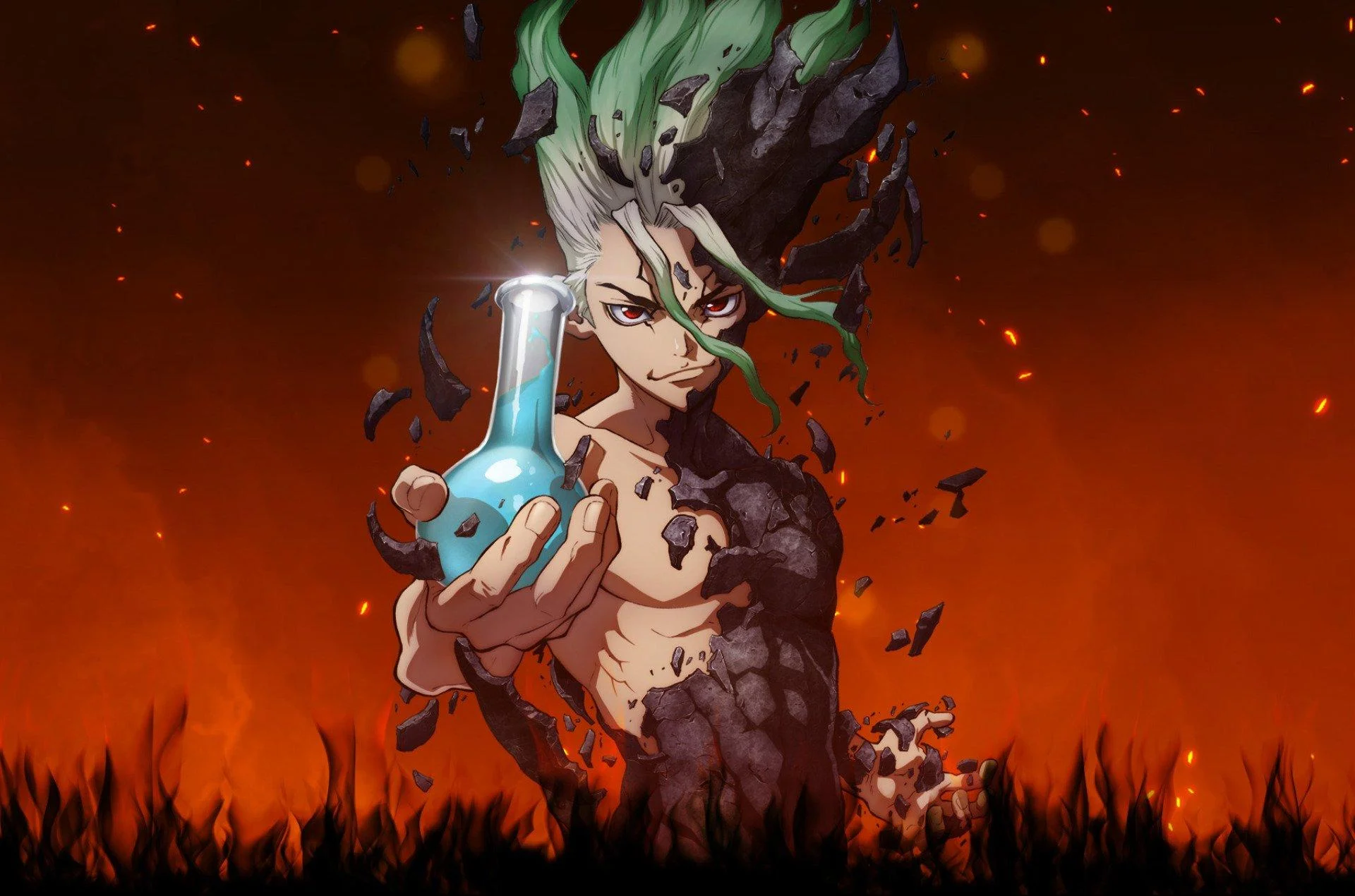
Dr. Stone
Completed sci-fi shonen: teen genius Senku Ishigami rebuilds civilization from scratch after 3,700 years of global petrification. Science vs. brute force.
Bleach
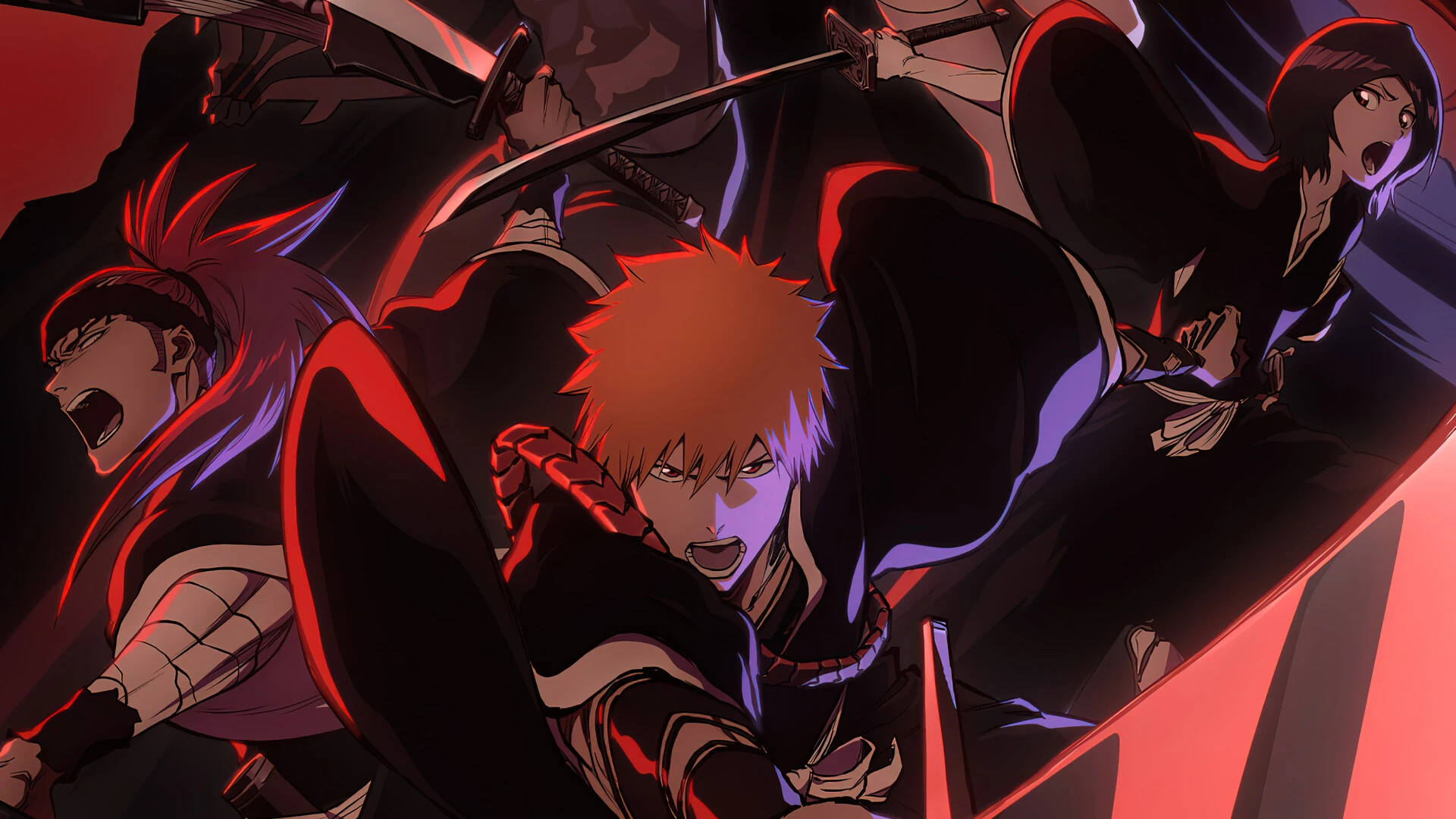
The story of Ichigo Kurosaki, a teenager who gains the powers of a Soul Reaper — a death personification — and uses them to protect the living and the dead from evil spirits called Hollows, while uncovering a vast conspiracy that threatens both the human world and the afterlife.
Claymore
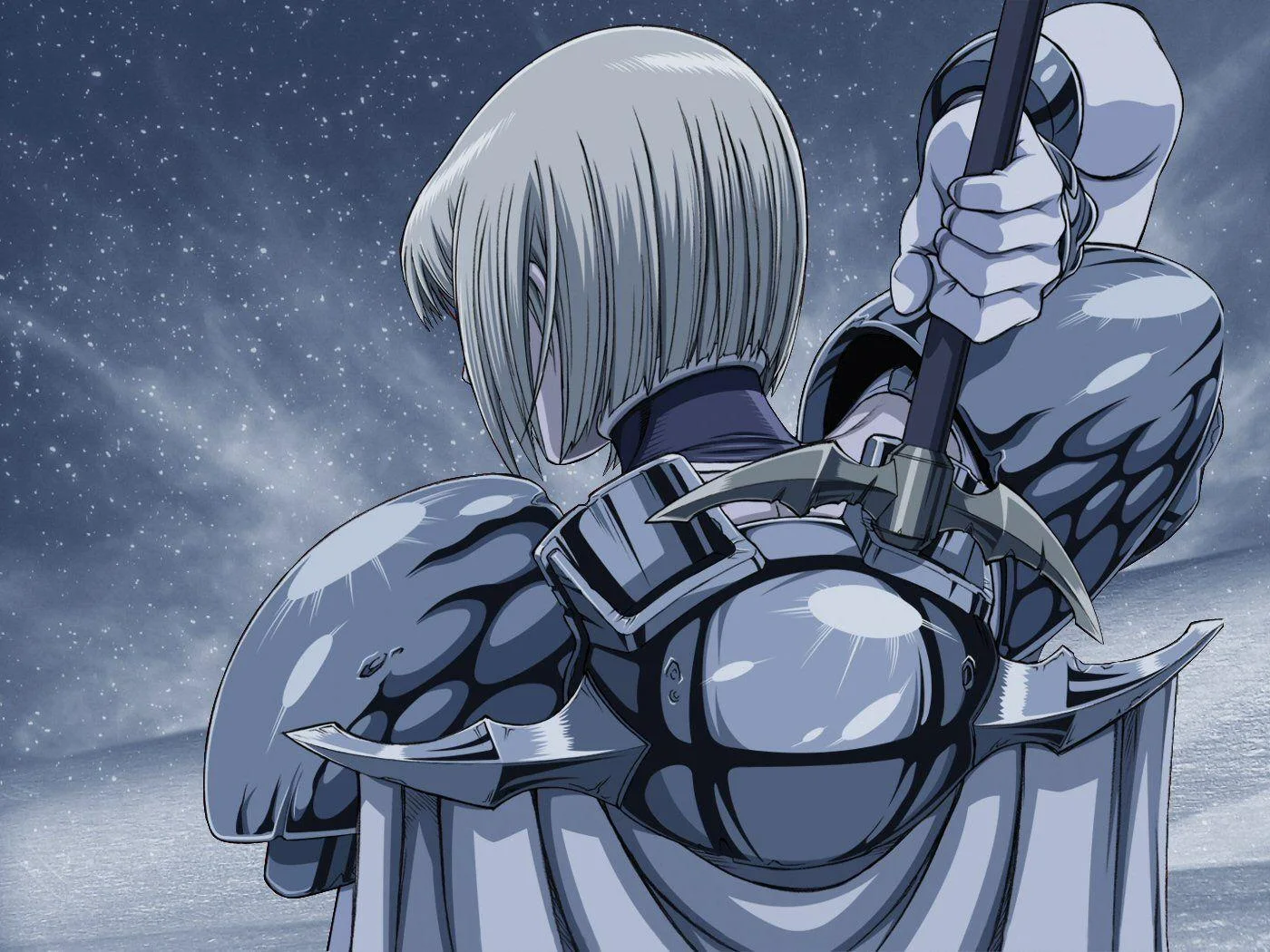
A dark fantasy action manga featuring female warriors with monster-killing claymores fighting demonic creatures.
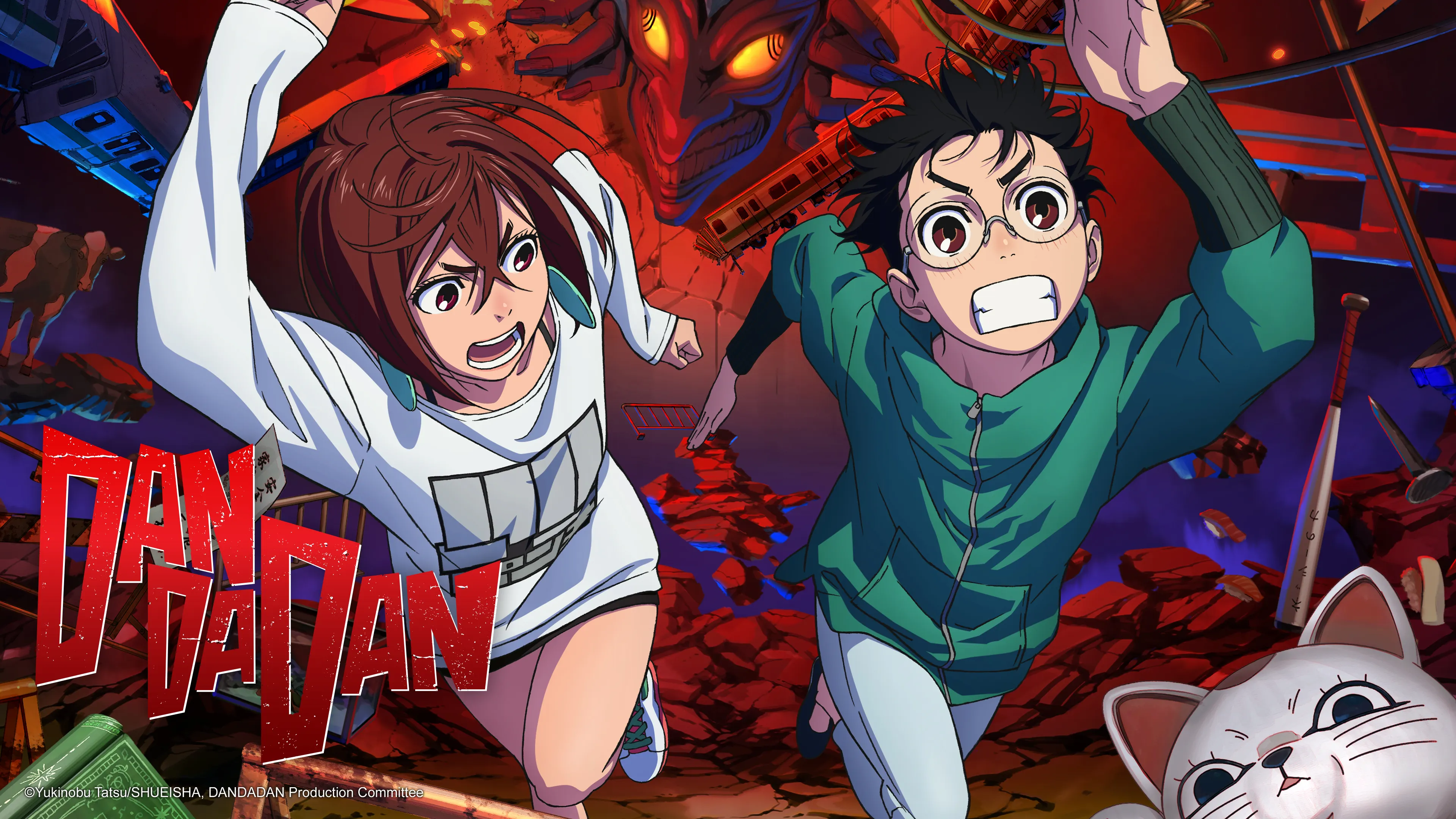
Dandadan
A contemporary shonen manga blending action, comedy, and supernatural mystery as two unlikely partners investigate paranormal phenomena.
Related Articles
All articles
Top 15 Best Action Manga of All Time (2026)
The best action manga ever made, ranked. Explosive battles, legendary fights, and adrenaline-fueled epics — plus the box sets worth collecting.
Top 16 Best Shonen Manga of All Time (2026)
The best shonen manga ever made, ranked. Legendary battle epics, underdog heroes, and the series that defined the genre — plus the box sets worth owning.

Best Manga by Genre: The Ultimate 2026 Reading Guide (Shonen, Shojo, Seinen, Josei)
Comprehensive manga genre guide featuring best series by demographic and genre. From action shonen to mature josei, find your next read organized by taste and preference.