Claymore
A dark fantasy action manga featuring female warriors with monster-killing claymores fighting demonic creatures.
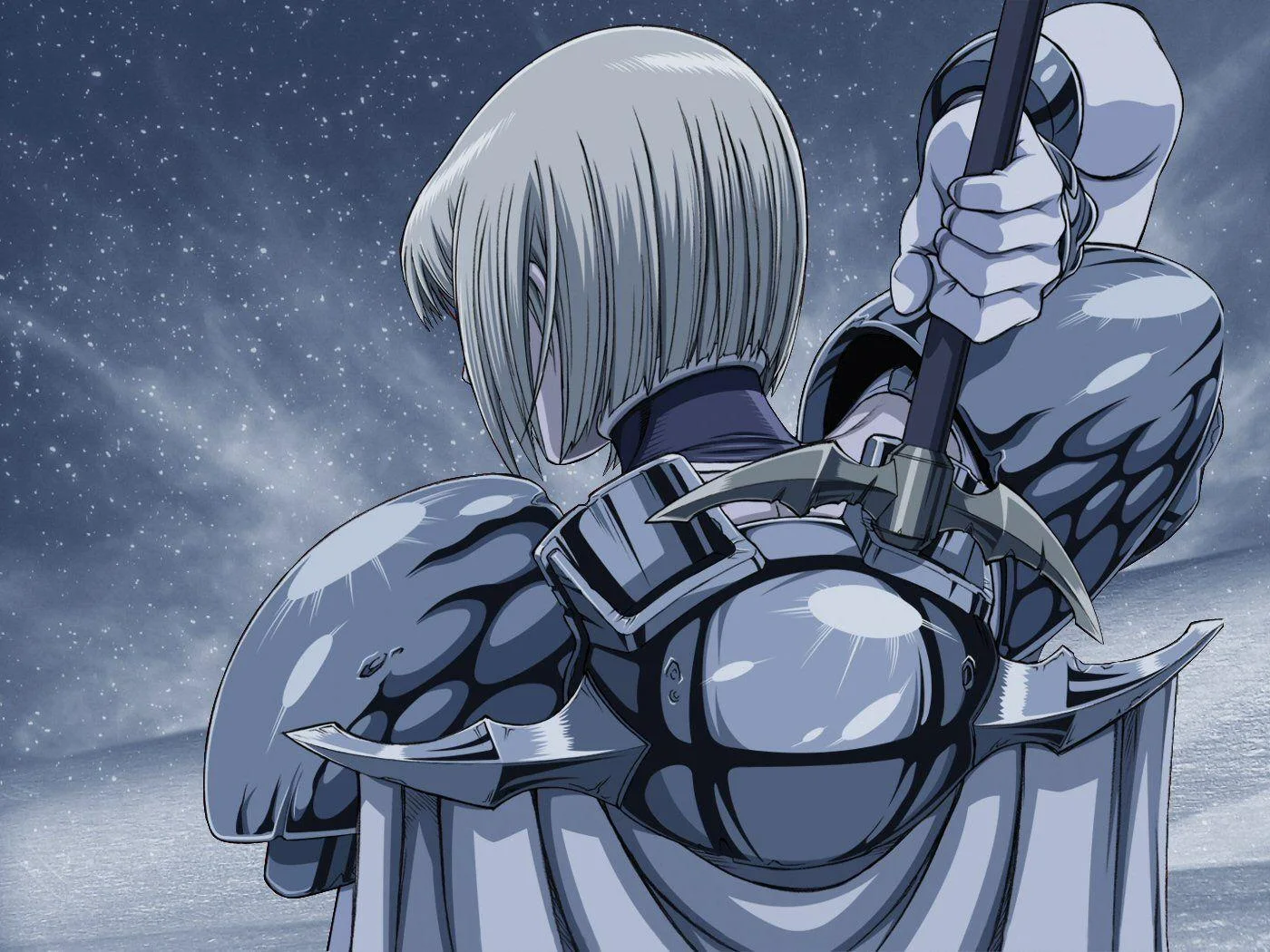
All Claymore Story Arcs in Order
| # | Arc |
|---|---|
| 1 | Raki and Clare Arc |
| 2 | The Northern Campaign Arc |
| 3 | Awakened Ones Hunt Arc |
| 4 | The Seven Ghosts Arc |
| 5 | Final Battle Rabona Arc |
Silver Eyes, Dark World
Claymore is one of the most uncompromising dark fantasy manga ever serialized in a mainstream shonen magazine. Created by Norihiro Yagi and published in Monthly Shonen Jump (Shueisha) from 2001 to 2014, the series ran for 27 collected volumes and distinguished itself from virtually every contemporary action title by placing an entirely female warrior cast at its center and refusing to soften the consequences of what those warriors are and what they endure. With a rating of 8.5/10 and a dedicated international readership, Claymore remains a landmark work that demonstrated the breadth of what shonen manga could achieve.
The series is not merely dark — it is purposefully dark, using horror elements, body transformation, and institutional betrayal to drive a narrative about identity, survival, and the cost of becoming a weapon in service of a corrupt system. The anime adaptation of 2007 introduced the franchise internationally, though it diverges from the manga’s conclusion; most readers ultimately recommend the manga as the definitive version for its complete arc and resolution. Claymore’s influence on subsequent dark fantasy manga is significant, demonstrating to publishers and creators that audiences would follow a female-led action narrative into genuinely difficult thematic territory.
The World and Premise
The world of Claymore is a medieval-inflected fantasy continent divided into small villages and territories. Scattered across this landscape are Yoma — shape-shifting demons that consume human innards and can mimic human appearance perfectly, making them nearly impossible for ordinary people to detect. The Organization, a secretive and powerful institution, created a solution: Claymores, half-human half-Yoma warriors who can sense Yoma energy and possess the strength to fight them. These warriors are dispatched to villages on payment, moving from contract to contract, regarded with fear and suspicion by the people they protect.
The Claymores themselves — called “Silver-Eyed Witches” colloquially — are numbered by rank, from the weakest at 47 to the most powerful at No. 1. They are all women, a fact the series uses purposefully rather than decoratively. Their half-Yoma nature means that every warrior carries within her the possibility of “awakening” — crossing the threshold of Yoma power usage that transforms them from warrior to monster. The Organization monitors this process and, when a warrior approaches the limit, sends other Claymores to execute her before the transformation completes. This system creates a warrior class that is simultaneously the Organization’s instrument and its most feared liability.
Main Characters
Clare
Clare begins the series ranked 47th out of 47 — the weakest Claymore on the roster by official measurement. This starting position is intentional and thematically important: the series is not about the strongest warrior transcending all opposition through raw power, but about someone working with limited resources who compensates through unconventional strategy, emotional resolve, and a willingness to accept help. Her specific weakness comes from the unusual way she became a Claymore: rather than standard Yoma tissue, she had Teresa’s flesh incorporated into her own, giving her a unique power inheritance that takes most of the series to fully develop.
Clare’s driving motivation is revenge against Priscilla, the awakened being who killed Teresa — the only person who ever treated Clare as fully human. This grief-fueled purpose is the series’ emotional engine, but Yagi complicates it continuously: Clare accumulates companions, loyalties, and responsibilities that create genuine tension between her personal vendetta and the larger struggle she finds herself part of. Her character arc is ultimately about learning that revenge and connection are not opposites, but that pursuing one without the other hollows both out.
Teresa of the Faint Smile
Teresa is the most powerful Claymore in the series’ history, ranked No. 1 by an extraordinary margin — capable of suppressing her Yoma energy so completely that other warriors cannot sense her at all. She appears primarily in flashback but her presence saturates the entire narrative. Her relationship with the young, mute Clare — whom she initially saves out of inconvenience and eventually chooses to protect at great personal cost — establishes the emotional foundation on which the series’ entire second half rests.
Teresa’s death at Priscilla’s hands is the catalytic event of Claymore’s history, and the series treats it with the weight it deserves. Her characterization as someone who possesses overwhelming power yet is undone by choosing love over self-preservation inverts the typical shonen logic of strength equating to victory. Teresa is proof that the series’ values lie elsewhere — in what people choose to protect rather than in their power rankings.
Priscilla
Priscilla is introduced as a young, seemingly gentle warrior who awakens during a mission and becomes the most powerful awakened being in existence. Her character arc is deliberately complex: she retains fragments of her original personality even after full transformation, creating a being that is simultaneously monstrous and pitiable. Her power so far exceeds Clare’s initial ability that their eventual confrontation requires Clare to fundamentally change what she is. The gap between them drives much of the series’ narrative tension.
Miria, Helen, and Deneve
The three warriors who become Clare’s primary companions form one of Claymore’s greatest strengths as an ensemble. Miria is the tactician — calm, analytical, and increasingly convinced that the Organization’s war against the Yoma is a managed deception. Helen is brash and sharp-tongued, with an extendable limb technique that makes her unpredictable in combat. Deneve is the survivor, scarred and practical, whose near-death experiences give her a particular understanding of the body horror at the series’ core. Their dynamic as a found-family unit, forged in the terrifying Northern Campaign arc, gives the series much of its emotional warmth beneath the darkness.
Story Arcs and Narrative Development
The Northern Campaign arc, which occupies the middle section of the series, is where Claymore transforms from a compelling monster-hunting manga into something considerably more ambitious. Clare and her companions are sent north with a group of other warriors on a mission that the Organization clearly never intends them to survive. The arc is a masterwork of escalating dread: resources are stripped away, warriors are injured or killed, and the full horror of awakened beings at their most powerful is rendered without mitigation. The survivors of the Northern Campaign emerge fundamentally changed — driven underground for years while the Organization hunts them — and this forced exile reshapes the series’ entire structure.
The later arcs dealing with the Organization’s true nature and the history behind the Yoma-Claymore system provide the series with an ideological dimension that elevates it beyond its initial premise. The revelation that the Organization actively manufactures the threat it claims to be fighting against is handled carefully, arrived at through evidence rather than sudden exposition, and it recontextualizes everything that has come before. The final confrontation in Rabona brings together threads that have been developing for dozens of volumes, and while the ending divides readers, it is honest to the thematic core.
Themes
The central theme of Claymore is identity under conditions designed to erase it. The Organization trains its warriors to be emotionally detached, to form no lasting bonds, to exist as tools with numbered designations rather than names and histories. The series’ entire narrative arc is a refutation of this design: the bonds Clare forms, the alliances that survive impossible odds, the choice to fight for each other rather than for the institution — all of it represents the human element reasserting itself against systematic dehumanization.
The second major theme is the cost of becoming a weapon for a corrupt system — whether the utility of that weapon justifies the harm done to the person inside it. Claymores are created without consent, implanted with monster tissue as children, and deployed until they die or awaken. The series never loses sight of this foundational injustice, and the warriors’ eventual resistance to Organization control is framed not as rebellion but as the most basic act of self-determination.
Why Read This
Claymore rewards readers who want their action manga to carry genuine weight. The fights are technically staged and visually distinctive — the enormous swords, the superhuman speed, the terrifying variety of Yoma forms — but they never feel consequence-free. Characters are permanently injured, lose companions they care about, and make choices in battle that haunt subsequent chapters. The series refuses to protect its cast from the world it has built.
The all-female warrior cast is a genuine distinction in the shonen landscape, and Yagi uses it without reducing the characters to a single purpose. The Claymores have different personalities, fighting styles, philosophical approaches, and emotional histories. The ensemble that develops around Clare in the Northern Campaign arc has the cohesion and texture of a group forged by real shared experience rather than narrative convenience.
Publication and Adaptations
Claymore was serialized in Monthly Shonen Jump (Shueisha) from 2001 to 2014 and collected into 27 volumes. Viz Media published the English edition. A 26-episode anime adaptation by Madhouse aired in 2007, praised for its visual quality and adaptation of the early arcs, though it diverges significantly in its final episodes. The manga remains the definitive version for its complete story. Merchandise, including figure lines and replica weapons, has maintained consistent availability since the anime’s release.
Related Series
Readers seeking comparable dark fantasy with serious thematic ambitions should look at Berserk, which shares Claymore’s commitment to body horror and institutional betrayal at even greater scale. Attack on Titan covers similar territory regarding all-female specialist units and organizational deception. For action manga that similarly subverts genre expectations through character interiority and moral complexity, Fullmetal Alchemist and Monster offer compelling alternatives.
Frequently Asked Questions
What is Claymore about? Claymore is a completed dark fantasy manga following Clare, the weakest-ranked warrior in an organization of female warriors called Claymores created from human-Yoma hybrid genetics to hunt demons. Clare is driven by revenge against Priscilla, a powerful awakened being who killed Teresa, the only person who ever treated her as fully human. The series combines monster-hunting narratives with institutional critique, exploring themes of identity, dehumanization, and resistance as Clare accumulates companions and uncovers the Organization’s true nature.
How many volumes does Claymore have? Claymore has 27 completed volumes. The manga ran from 2001 to 2014 in Monthly Shonen Jump and was collected into 27 volumes, providing a finished story with complete resolution. This completed status is significant—Claymore offers readers a rare opportunity to experience a fully-realized dark fantasy narrative from beginning to end. For purchase and reading options, check Amazon’s Claymore collection.
Is there an anime adaptation of Claymore? Yes, Claymore received a 26-episode anime adaptation by Madhouse that aired in 2007. The anime is praised for its visual quality and strong adaptation of the early arcs, though it diverges significantly in its final episodes and does not follow the manga’s conclusion. Most readers recommend the manga as the definitive version for its complete and thematically satisfying ending, though the anime provides a visually excellent introduction.
What makes Claymore different from typical action manga? Claymore distinguishes itself through its all-female warrior cast used purposefully rather than decoratively, uncompromising dark tone that refuses to soften consequences, institutional critique examining dehumanization and systematic abuse, and emotional weight where character relationships develop through shared trauma. The series uses body horror and transformation themes seriously rather than exploitatively, creating a narrative that carries genuine weight and consequences for its characters.
Is Claymore appropriate for mature readers? Claymore is rated 17+ and recommended for mature teen and adult readers. The series contains significant violence, dark fantasy gore, body horror transformations, institutional abuse, character death, psychological trauma, and exploration of dehumanization. The content is intentionally dark and uncompromising, appropriate for readers comfortable with serious thematic material and graphic depictions of conflict consequences.
Publication and Adaptations
Norihiro Yagi launched Claymore in Shueisha’s Monthly Shōnen Jump in May 2001, transitioning to Jump Square magazine in November 2007 after the original publication’s discontinuation. The series concluded with chapter 159 in October 2014 after thirteen and a half years of monthly publication. The compiled tankōbon edition spans 27 standard volumes published between January 2002 and December 2014. Worldwide circulation surpassed 5 million copies, exceptional for a dark seinen-leaning shōnen with relatively niche appeal. Viz Media holds the English license, with all 27 volumes available in standard format and digital availability through their Shōnen Jump app and ComiXology.
The Madhouse anime adaptation premiered on Nippon TV on April 3, 2007 and ran 26 episodes through September 2007. The adaptation faithfully covered approximately the first half of the manga before diverging into an original ending that frustrated many fans. Subsequent material was never animated, leaving the dark second half of the manga without animation. The adaptation has not received continuation despite frequent fan requests. Funimation handled English dubbing, with the Funimation/Crunchyroll merger preserving streaming access in most international markets.
The franchise has remained focused on the manga without major spin-off content. No video games, novels, or stage adaptations have been produced, an unusual restraint for a Shueisha-owned property. Norihiro Yagi has remained relatively private about post-Claymore plans, with rare new manga work appearing in Jump Square and other Shueisha publications. Yagi’s earlier work Angel Densetsu (1992-2000) preceded Claymore and remains a cult favorite among older shōnen readers.
Cultural Impact and Legacy
Claymore has accumulated substantial critical respect within dark fantasy and seinen-adjacent shōnen circles despite never achieving the commercial scale of mainstream shōnen contemporaries. The series has been compared favorably to works like Berserk, Vinland Saga, and Vagabond for its thematic depth and willingness to engage with morally complex material. Yagi’s character designs, particularly Claymore warrior aesthetics blending European medieval armor with elven characteristics, influenced subsequent dark fantasy visual design across both Japanese and Western fantasy media.
The series’ depiction of female warriors as the central characters, with male characters relegated to supporting roles, was notable for shōnen of its era and influenced subsequent works featuring strong female combat protagonists. Claymore has been the subject of academic analysis examining themes of body autonomy, institutional corruption, and the ethics of merging victim and perpetrator identities. The discontinued anime adaptation has become something of a cult phenomenon, with fan campaigns regularly requesting continuation despite the source material’s 2014 conclusion.
Frequently Asked Questions
Did Claymore really end in 2014? Yes. Chapter 159 published October 2014 in Jump Square, concluding the main story across 159 chapters and 27 volumes spanning thirteen and a half years.
Should I read the manga or watch the anime? The 26-episode anime covers approximately the first half of the manga but diverges into an original ending. Most fans recommend reading the complete manga for the full story, particularly its dark and complex second half that the anime never adapted.
Will the anime continue? No continuation has been announced despite recurring fan requests. Madhouse last produced Claymore animation in 2007, leaving substantial source material unanimated. The 2014 manga conclusion has not prompted new adaptation efforts.
Where can I read Claymore in English? Viz Media publishes the official English edition, with all 27 volumes available in standard format. Digital editions are available through ComiXology, the Shōnen Jump app, and Kindle.
Is Claymore appropriate for younger readers? No. The series carries 17+ rating with substantial violence, body horror, dark thematic material, and adult content. Most parents would consider it inappropriate for readers under 16.
Claymore Arc Guides
Raki and Clare Arc
Clare meets Raki, a young boy, and begins training him while continuing her hunt for the Yoma that destroyed her life.
The Northern Campaign Arc
Clare participates in large-scale military operation in northern territories against powerful Yoma threats, encountering other Claymores and facing serious danger.
Awakened Ones Hunt Arc
Clare and allies confront Awakened Ones, humans who deliberately transform completely into Yoma forms, creating unprecedented threat level.
The Seven Ghosts Arc
A mysterious organization called the Seven Ghosts emerges, revealing deeper conspiracy regarding Claymore creation and Yoma organization.
Final Battle Rabona Arc
Clare and final allies confront ultimate threats in climactic battle determining fate of Claymores and resolution of prophecy involving Clare's destiny.
Claymore Merchandise
Read manga free with Amazon Prime
30-day free trial: free shipping, Prime Reading, Kindle, Prime Video and more.
Affiliate link. 30-day free trial for new members. Then $14.99/month — cancel anytime.
FAQ: Claymore
You May Also Like
All manga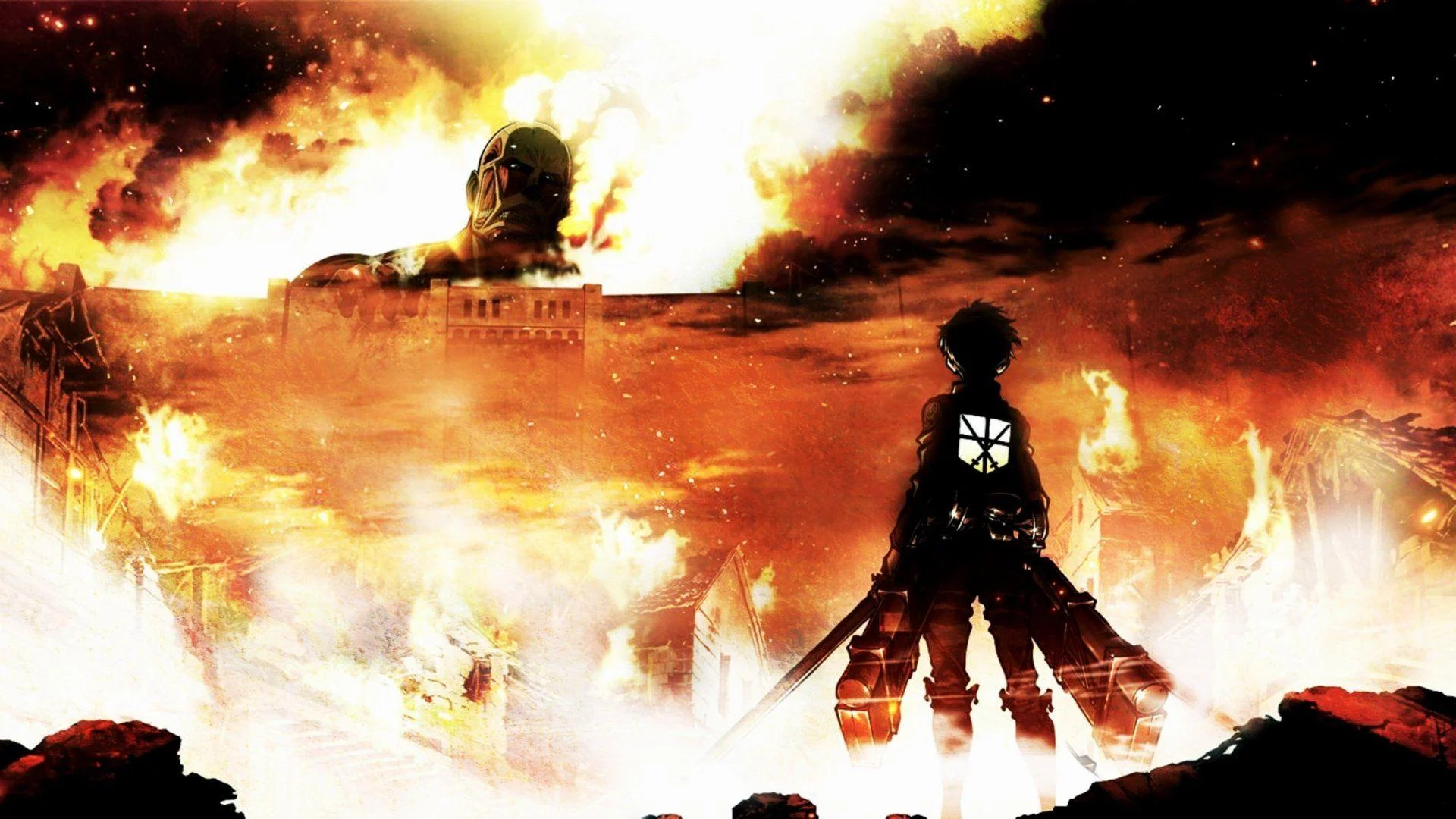
Attack on Titan
In a world where humanity cowers behind towering walls to survive the man-eating giants known as Titans, Eren Yeager vows revenge after watching his mother devoured. His journey from victim to soldier to world-changing radical reshapes everything he once fought to protect.
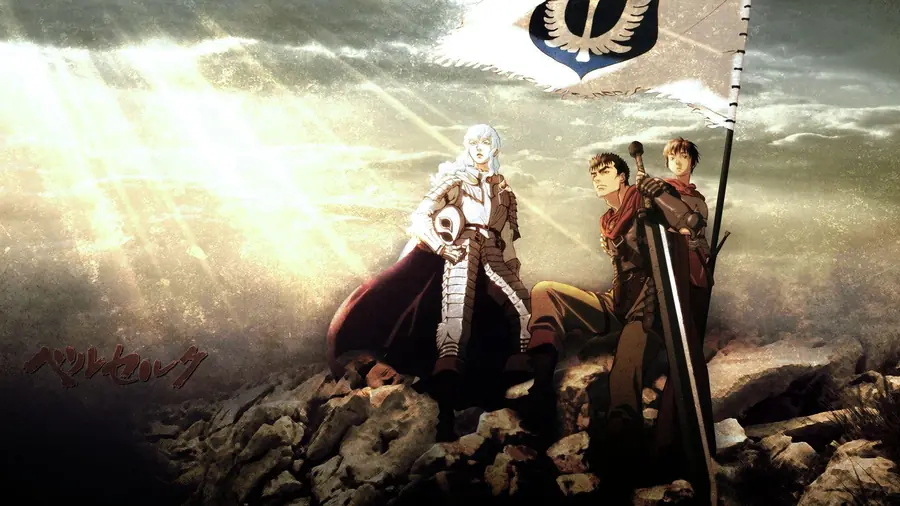
Berserk
A dark and brutal medieval fantasy following Guts on his journey of revenge, featuring complex characters and stunning artwork.
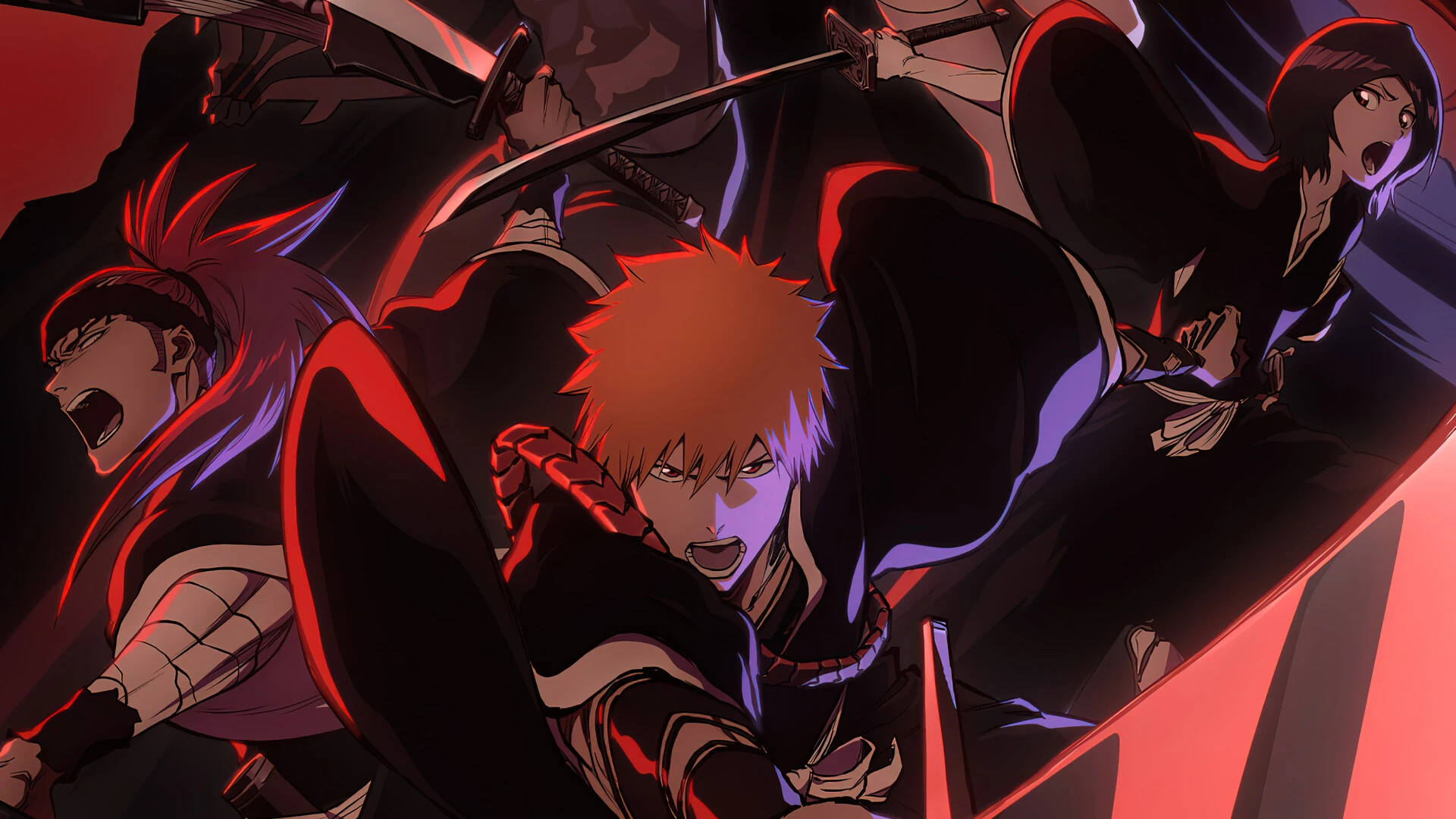
Bleach
The story of Ichigo Kurosaki, a teenager who gains the powers of a Soul Reaper — a death personification — and uses them to protect the living and the dead from evil spirits called Hollows, while uncovering a vast conspiracy that threatens both the human world and the afterlife.
Chainsaw Man
Denji, a poverty-stricken boy who merges with his devil dog Pochita to become the Chainsaw Man, is recruited by the government's Public Safety Devil Hunter division. His desperate desire for a normal life — food, love, warmth — collides with increasingly apocalyptic devil threats.
Related Articles
All articles
Top 15 Best Action Manga of All Time (2026)
The best action manga ever made, ranked. Explosive battles, legendary fights, and adrenaline-fueled epics — plus the box sets worth collecting.
Top 15 Best Dark Fantasy Manga of All Time (2026)
The best dark fantasy manga ever made, ranked. Brutal worlds, morally grey heroes, and demonic horror — plus where to buy the definitive editions.
Top 16 Best Shonen Manga of All Time (2026)
The best shonen manga ever made, ranked. Legendary battle epics, underdog heroes, and the series that defined the genre — plus the box sets worth owning.