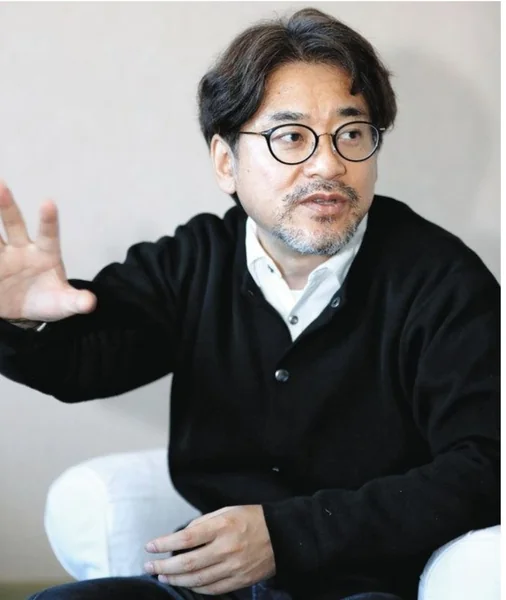
Yasuhisa Hara: Biography and Works
Mangaka behind Kingdom
Explore the career of Yasuhisa Hara, creator of the historical war manga Kingdom. From his early career setbacks to the Tezuka Cultural Prize and the second best-selling manga in Japan after One Piece.
Early Life and Artistic Development
Yasuhisa Hara was born on June 9, 1975, in Kiyama, Saga Prefecture, Japan. His path to manga was unusually indirect for a creator who would eventually produce one of the highest-selling and most critically respected serialized works of his generation. As a student he was drawn first to film rather than to comics, and his early professional ambitions ran toward live-action direction and screenwriting rather than manga authorship.
The pivotal moment in Hara’s intellectual development came during university, when he encountered Sima Qian’s Records of the Grand Historian — the foundational text of Chinese historical writing, compiled in the second century BCE — and specifically the chapters covering the Qin unification war and the rise of the First Emperor. The encyclopedic biographical structure of the Records and the rich documentation of figures such as Li Xin, Wang Jian, Meng Tian and Li Mu became the long-running source material that would eventually shape his entire career.
Professional Career and Breakthrough
Early Career and Setbacks
Hara’s early professional career was difficult. He attempted to break into film direction in the late 1990s and early 2000s without commercial success, and he made several unsuccessful manga submissions to publishers including Shueisha during the same period. His early manga work — short pieces, debut submissions, prototype chapters — received editorial attention but failed to convert into the kind of long-running serialization that would have established his career.
The combination of his interest in Chinese historical material, the difficulty of selling that material to a Japanese editorial readership in the early 2000s, and the relative obscurity of the Warring States period among general manga audiences created a barrier that took Hara years to navigate. He has spoken in interviews about the specific frustration of trying to convince editors that a long-running historical war manga set in ancient China could find a commercial readership in the contemporary market.
Kingdom and the Tezuka Cultural Prize
In January 2006, Hara began serializing Kingdom in Weekly Young Jump under Shueisha. The series — set during the closing decades of China’s Warring States period and centered on the war orphan Shin and the young king Ying Zheng who would eventually become Qin Shi Huang — initially received mixed reception. Hara’s drawing in the early arcs was relatively rough, the historical material was unfamiliar to most readers, and the seinen audience that would eventually become its core fanbase took several years to develop.
The breakthrough came with the Battle of Bayou arc and the death of Great General Ouki in volumes 13-22, which decisively established the series as one of the great war narratives in modern manga. By 2013 Kingdom had received the Grand Prize at the 17th Tezuka Osamu Cultural Prize — the most prestigious honor in Japanese manga, named after Osamu Tezuka and awarded annually by Asahi Shimbun. The award confirmed Hara’s standing in the canonical group of contemporary seinen creators and gave the series the institutional recognition that its commercial success had not yet fully established.
The post-Tezuka decade has seen Kingdom become one of the structural pillars of Shueisha’s seinen catalog. By 2022 the series had passed 100 million tankōbon copies in cumulative circulation, and by 2024 it had become the second best-selling manga in Japan after One Piece by lifetime sales — a position it continues to hold as the manga approaches its third decade of serialization.
Cross-Format Adaptations
The Pierrot anime adaptation of Kingdom began in 2012 and has now produced six TV seasons across more than 180 episodes. Hara has been actively involved in the adaptation supervision throughout, and the post-Season-2 transition to traditional 2D animation was undertaken with his explicit input. The Sony live-action film series — Kingdom (2019), Kingdom 2: Far and Away (2022), Kingdom 3: Flame of Destiny (2023), and Kingdom 4: Return of the Great General (2024), all directed by Shinsuke Sato with Kento Yamazaki as Shin — has collectively grossed over 30 billion yen at the Japanese box office and represents one of the most commercially successful sustained live-action adaptation series in modern Japanese cinema.
Hara’s involvement in the live-action films has been particularly close. He has worked directly with director Shinsuke Sato on the staging of major battle sequences, and his early background in film has given the collaboration a depth unusual for the typical mangaka-to-live-action relationship. The films’ commercial reception in Japan has confirmed Kingdom’s standing as one of the rare manga properties whose cross-format adaptation has succeeded at the highest commercial level in every medium it has reached.
Artistic Style and Technique
Hara’s art has evolved significantly across the long serialization of Kingdom. The early arcs are drawn in a relatively rough register — character proportions are inconsistent, backgrounds are often minimal, and the action sequences sometimes lose tactical clarity in favor of expressive momentum — and several readers initially struggle with the visual style of the first ten volumes. By the Battle of Bayou arc the drawing has tightened considerably, and the post-Coalition arcs feature some of the most carefully composed sustained action sequences in modern seinen.
The defining technical achievement of Hara’s mature style is his command of mass-army composition. The Battle of Sai sequences — hundreds of chapters depicting a hundred-day siege of a fortified city by combined coalition armies — combine the legibility of frontline single-combat with the geometric clarity of large-scale tactical movement, and the result is an action style that few other manga have attempted at this scale. His named-general close-ups have become some of the iconic images of contemporary seinen, and the visual signatures of major characters such as General Ouki, Houken, Riboku and the senior Qin generals are immediately recognizable to readers of the series.
The historical research that grounds the visual style is unusually detailed. Hara has spoken in interviews about the time he spent studying the Records of the Grand Historian, the archaeological literature on Qin-era weapons and armor, and contemporary academic scholarship on the military organization of the Warring States period. The result is a visual vocabulary that treats the period’s material culture — armor, weapons, banners, formation patterns, the textures of ancient Chinese cities — with a fidelity that has been engaged with by academic specialists in the field.
Key Achievements
- Created Kingdom, one of the foundational historical war manga of the 21st century and the second best-selling manga in Japan by lifetime tankōbon sales
- Won the Grand Prize at the 17th Tezuka Osamu Cultural Prize (2013), confirming the series’ standing in the canonical group of contemporary seinen
- Sustained continuous serialization of Kingdom in Weekly Young Jump for over twenty years across more than 75 tankōbon volumes
- Supervised the long-running Pierrot anime adaptation across six TV seasons
- Collaborated directly with director Shinsuke Sato on the Sony live-action film series, which has grossed over 30 billion yen at the Japanese box office
- Developed an unusually detailed historical research methodology that has been engaged with by academic specialists in Chinese history
Personal Life and Legacy
Hara has remained a relatively private figure throughout his career, and the public information about his personal life is limited. He continues to live and work in the Tokyo area and has maintained the weekly serialization schedule of Kingdom for nearly two decades — an unusual demonstration of professional consistency at the scale of Weekly Young Jump publication.
His relationship to the historical material that grounds his work has been the consistent subject of his rare public interviews. He has spoken about his commitment to the Records of the Grand Historian as both source and ethical reference, his ongoing reading of contemporary scholarship on the Qin period, and his explicit awareness that he is writing about historical figures whose lives are documented in the academic record. The combination of this historical awareness with the structural ambition of the long-running serialization has produced a body of work that few of his contemporaries have attempted.
Lasting Impact and Industry Influence
Hara’s contribution to the contemporary seinen catalog is the demonstration that serious historical war fiction can sustain a major weekly serialization at the highest commercial level. Before Kingdom, the broad genre of Chinese historical manga had been the domain of shorter and more specialized works (Hi no Tori, the various Three Kingdoms adaptations, the works of Mitsuteru Yokoyama in the 1970s and 1980s) without producing a series of comparable commercial reach. After Kingdom, the category has been actively expanded by both new entries and renewed publication of older material, with several younger creators citing Hara’s work as the proof that the genre could find a contemporary readership.
His influence on contemporary seinen action and military fiction is direct. Series such as Vinland Saga, The Apothecary Diaries and others working in serious historical material have benefited from the readership and editorial space that Kingdom helped to establish. The post-Tezuka generation of historical seinen creators has cited the series as both a structural model and a commercial proof point.
Outside Japan, Hara’s influence is visible in the rapid growth of the international audience for serious historical seinen. The Pierrot anime adaptation and the Sony live-action films have together created a cross-format presence that few manga properties have matched, and the international release of the manga in French, Italian, Spanish and English print editions has confirmed the genre’s commercial viability in markets that had previously been considered closed to Chinese historical material.
Interesting Facts
- Hara originally trained for film direction before turning to manga, and his early background continues to inform his collaboration with the live-action film series
- The historical figures depicted in Kingdom — Li Xin (Shin), Wang Jian (Ou Sen), Meng Tian (Mou Ten), Wang Ben (Ou Hon), Li Mu (Riboku) — are all documented in Sima Qian’s Records of the Grand Historian
- Kingdom passed 100 million tankōbon copies in cumulative circulation in 2022 and 110 million in 2024
- The Tezuka Osamu Cultural Prize Grand Prize that Hara won in 2013 is the same award previously given to Naoki Urasawa’s 20th Century Boys and Inio Asano’s Goodnight Punpun
- The Sony live-action film series has been one of the most commercially successful sustained Japanese live-action adaptation projects of the recent decade, with each subsequent film expanding the box office of its predecessor
- Hara has confirmed in interviews that the historical Li Xin on whom Shin is based ultimately becomes one of the great commanders of the unification war — a trajectory the manga is still working toward in its 2026 serialization
- The Battle of Sai arc, widely considered the manga’s masterpiece, was developed across more than 100 weekly chapters and devoted hundreds of pages to a single hundred-day siege
Frequently Asked Questions
When was Yasuhisa Hara born? Hara was born on June 9, 1975, in Kiyama, Saga Prefecture, Japan. He is currently 50 years old and remains active as the serialized author of Kingdom.
What is Kingdom about? Kingdom is a historical war manga set during the closing decades of China’s Warring States period. It follows the war orphan Shin as he climbs the Qin military hierarchy and the young king Ying Zheng — the historical figure who will eventually become Qin Shi Huang, the First Emperor — as he pursues the unification of the seven warring states under a single banner for the first time in human history.
Why is Kingdom so important? Kingdom is the second best-selling manga in Japan after One Piece by lifetime tankōbon sales, won the Tezuka Osamu Cultural Prize Grand Prize in 2013, and has been adapted into a long-running Pierrot anime and four highly successful Sony live-action films. Critically, it is widely considered one of the great historical war narratives of the past two decades.
What was Hara’s first major work? Kingdom is effectively Hara’s debut major work. He had attempted earlier manga submissions and pursued a film career in the late 1990s and early 2000s without commercial success, and the launch of Kingdom in 2006 was the breakthrough that established his career.
Has Kingdom been adapted? Yes — extensively. The Pierrot TV anime has produced six seasons since 2012 covering the manga from the opening arcs through the recent Eastern Zhao campaign material. Sony has produced four live-action films directed by Shinsuke Sato between 2019 and 2024, with Kento Yamazaki playing Shin throughout the series.
Is Hara still actively writing manga? Yes. He continues to publish Kingdom on its weekly serialization schedule in Weekly Young Jump and has maintained the weekly publication rhythm for nearly two decades.
What other manga has Hara written? Kingdom is essentially Hara’s only major work. His career has been almost entirely dedicated to the single long-running serialization since 2006, and he has not undertaken parallel manga projects on the scale of his ongoing flagship.
Who influenced Hara’s style? Hara has cited Sima Qian’s Records of the Grand Historian, the broader tradition of Chinese historical literature, and the contemporary academic scholarship on the Warring States period as primary influences. Among manga creators, he has spoken of the influence of the historical works of Mitsuteru Yokoyama and the broader seinen tradition of Naoki Urasawa and others.
How historically accurate is Kingdom? Kingdom is unusually faithful to the historical record. The major events of the unification war — the dates, the named generals, the strategic outcomes — track the Records of the Grand Historian and contemporary academic scholarship on the Qin period. Where the historical record is silent on interior scenes, personal motivations, or day-to-day military life, Hara has filled the gap with characterization that the academic literature has begun to engage with on its own terms.
Where does Kingdom rank in Japanese manga sales? As of 2024, Kingdom is the second best-selling manga in Japan by lifetime tankōbon sales, behind only One Piece. The series passed 100 million copies in cumulative circulation in 2022 and 110 million in 2024.
Yasuhisa Hara stands as one of the foundational creators of contemporary historical seinen. Through Kingdom, his sustained engagement with Sima Qian’s Records of the Grand Historian and the closing decades of China’s Warring States period has produced a body of work whose commercial scale, critical recognition and historical fidelity are matched by few of his contemporaries. The series continues in 2026 as one of the structural pillars of Shueisha’s seinen catalog, and Hara’s career stands as the proof that serious historical war fiction can sustain modern weekly serialization at the highest possible level.
Frequently asked questions about Yasuhisa Hara
Sources and editorial review
Editorial review: Doni Hernandez. Sourcing and corrections policy. Report an error.
Other Mangakas You May Like
All mangakas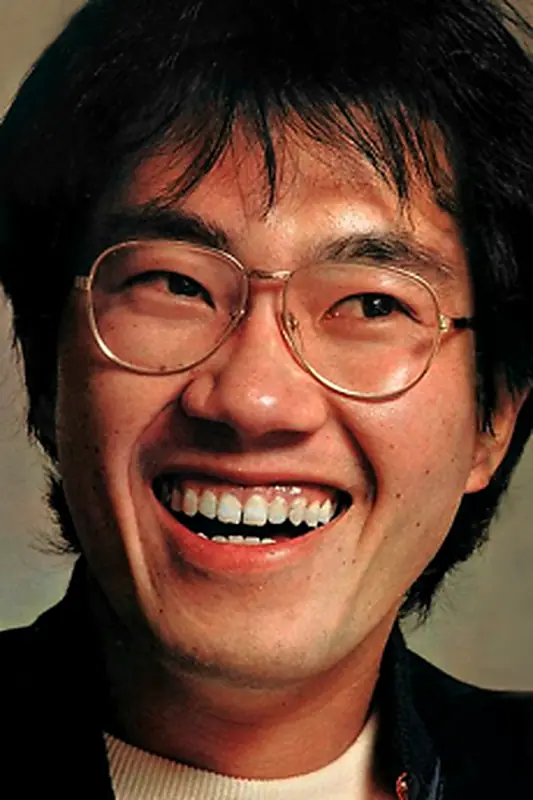
Akira Toriyama
Explore Akira Toriyama’s manga and character design. Distinguish Dragon Ball from its adaptations and find a starting point for his work.
Notable Works:
- • Dragon Ball
- • Dr. Slump
- + 2 more
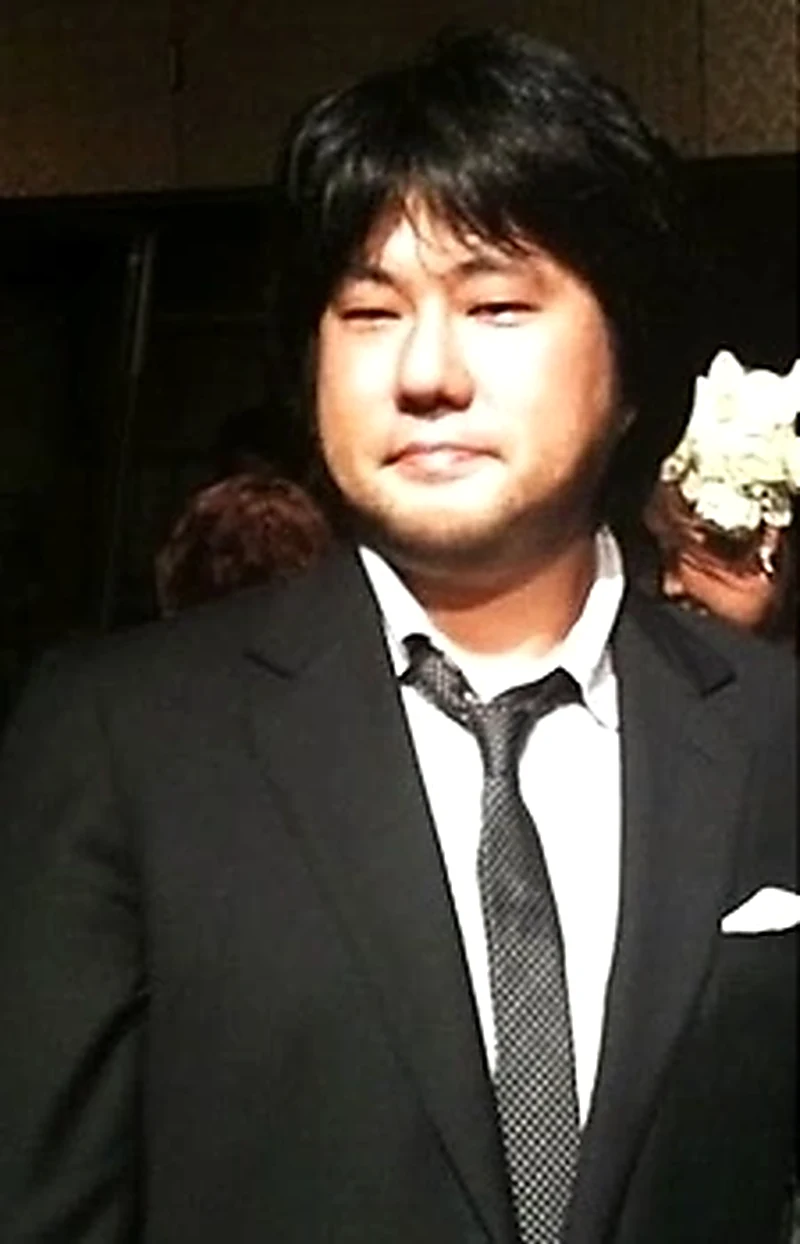
Eiichiro Oda
Meet Eiichiro Oda, creator of One Piece. Follow verified career milestones and learn what to look for when reading his work.
Notable Works:
- • One Piece
- • Wanted!