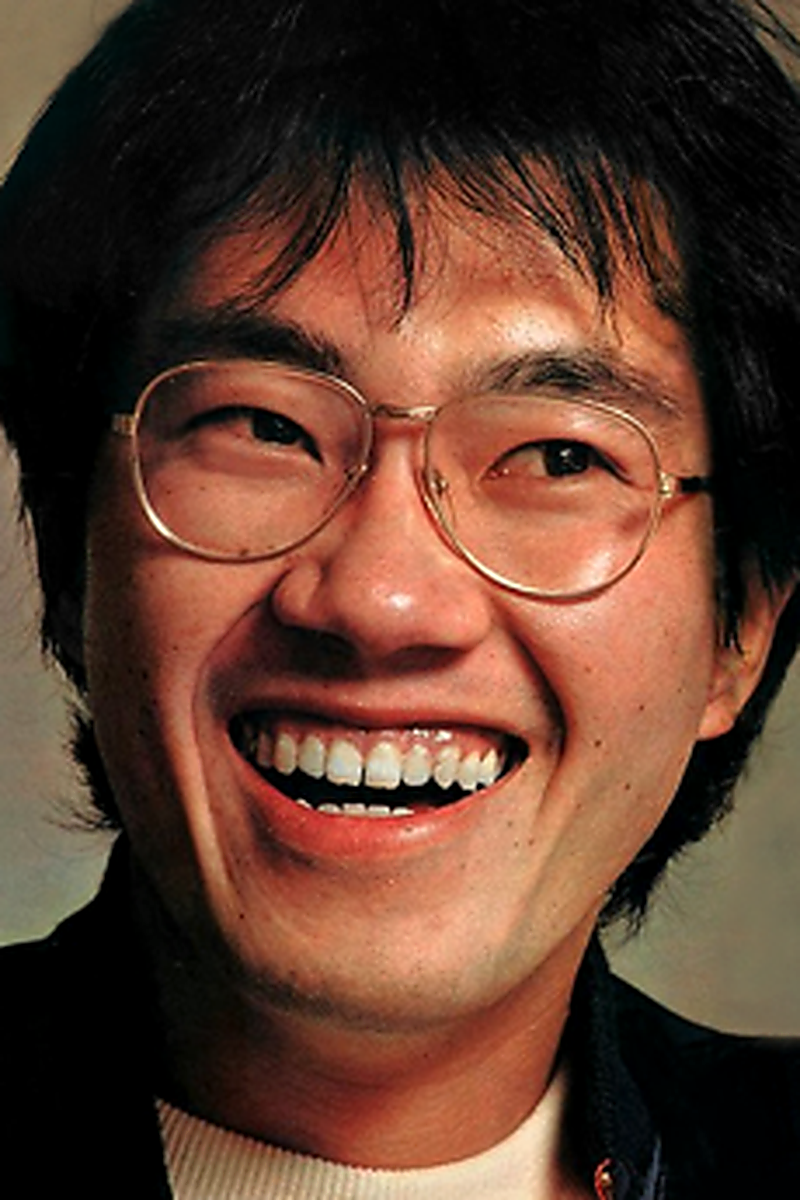
Akira Toriyama
Explore Akira Toriyama's revolutionary career: creator of Dragon Ball, Dr. Slump, and iconic manga. Learn about his artistic genius, influence, and legacy in manga history.
Early Life and Influences
Akira Toriyama was born on April 5, 1955, in Nagoya, Japan, a city that would serve as his humble origins before achieving worldwide fame. From a young age, he displayed an exceptional talent for drawing and a deep fascination with storytelling. Rather than pursuing a traditional path, Toriyama studied design and illustration at a local technical college, where he refined the artistic skills that would later revolutionize the manga industry.
During his formative years, Toriyama was influenced by classic Western comics and animation, particularly the works of Walt Disney. These early inspirations would shape his artistic philosophy and contribute to his distinctive character design style. His educational background in design gave him a unique perspective compared to other manga artists, allowing him to blend technical precision with imaginative storytelling.
After graduating, Toriyama worked as a freelance artist and graphic designer, creating illustrations for various magazines and advertisements. This period of apprenticeship was crucial in developing his professional discipline and time management skills—essential qualities for any manga artist. His early career experiences taught him how to work under pressure and deliver quality content consistently.
Career and Notable Works
The Dragon Ball Phenomenon
Toriyama’s breakthrough came with his creation of Dragon Ball, first serialized in Weekly Shōnen Jump in 1984. This was not merely a manga series; it was a cultural revolution that transformed the manga and anime industry forever. The story of Goku’s quest to find the Dragon Balls, combined with martial arts tournaments and increasingly fantastical adventures, captured the imagination of millions worldwide.
Dragon Ball quickly became one of the most popular manga series of its era, running for 11 years and spawning multiple sequels. The series’ success led to anime adaptations that became even more iconic than the original manga. Dragon Ball Z, the most famous sequel, introduced increasingly powerful villains and epic transformations that became hallmarks of the shōnen genre.
What made Toriyama’s creation special was his ability to balance humor with action. Early chapters featured comedic situations and absurdist humor, while later arcs introduced genuine danger and emotional stakes. This tonal balance kept audiences invested across multiple story arcs spanning decades.
Other Significant Creations
Beyond Dragon Ball, Toriyama demonstrated remarkable versatility. Dr. Slump, his first major serialization, was a comedic manga featuring a robot girl named Arale and her creator. The series showcased Toriyama’s mastery of physical comedy and slapstick humor—skills often overlooked in discussions of his legacy.
Chrono Trigger represented his work in the video game industry, designing characters for the legendary Square game that remains highly regarded decades after its release. Sand Land, a shorter work, demonstrated his continued creativity in world-building and character design even after his mega-successful franchises.
Art Style and Techniques
Toriyama’s artistic approach revolutionized manga aesthetics. His character designs feature exaggerated proportions, expressive faces, and dynamic poses that remain instantly recognizable. Unlike some contemporaries who favored detailed backgrounds, Toriyama often simplified environments to emphasize character action and expression.
His technique for action sequences influenced an entire generation of manga artists. The flow of movement across panels, the use of motion lines, and the choreography of fight scenes in Dragon Ball became the template that many subsequent action manga artists attempted to replicate. His innovation in visual storytelling demonstrated that manga could achieve cinematic quality through creative panel layouts and dynamic illustrations.
Toriyama’s use of color, when it appeared in special editions or illustrations, showed a sophisticated understanding of visual composition. His color palettes were often bright and optimistic, reflecting the adventurous spirit of his narratives.
Key Achievements
- Created Dragon Ball, which became the second best-selling manga series of all time with over 250 million copies sold worldwide
- Pioneered the template for modern shōnen manga that dominated the industry for decades
- Designed characters for Chrono Trigger, contributing to one of the most acclaimed video games ever created
- Maintained creative output and relevance for over four decades
- Influenced countless manga artists who cite Dragon Ball as their primary inspiration
Legacy and Impact
Toriyama’s impact on manga and anime cannot be overstated. He essentially defined what mainstream shōnen manga would become: adventure-driven narratives with escalating power levels, tournament arcs, and emotional character development. Every subsequent battle manga owes a debt to the template established by Dragon Ball.
His work transcended manga and anime to become a global phenomenon. Dragon Ball merchandise generated billions in revenue, and the franchise continued to expand decades after the original manga’s conclusion with new series like Dragon Ball Super. His creation demonstrated the international appeal of manga and helped establish the medium as a serious artistic and commercial force.
The influence of Akira Toriyama extends beyond specific artistic techniques. He demonstrated that manga could achieve artistic legitimacy while maintaining mass appeal. His works proved that serialized manga could sustain narratives across hundreds of chapters without losing quality or audience interest.
Interesting Facts
- Despite creating one of the world’s most successful manga franchises, Toriyama is famously private and rarely appears in public or on camera
- He has stated that he designs characters first and then builds stories around them—the opposite approach of many writers
- Toriyama is an accomplished video game designer in his own right, and actively participated in the development of Chrono Trigger
- His distinctive art style evolved significantly over the 11-year run of Dragon Ball, becoming cleaner and more refined in later arcs
- Toriyama has expressed that he originally planned for Dragon Ball to be much shorter, but its popularity led to continuous extensions
- He is known for his meticulous attention to consistency, keeping detailed character sheets to ensure visual continuity across assistants’ work
Frequently Asked Questions
What is Akira Toriyama’s most famous creation? Dragon Ball is unquestionably Toriyama’s most famous work. This manga series became a global phenomenon and influenced the entire shōnen manga genre. The franchise spawned multiple sequel series, anime adaptations, and continues to generate content today.
How many manga series has Toriyama created? Toriyama has created several major series including Dragon Ball, Dr. Slump, Chrono Trigger (video game), Sand Land, Jaco the Galactic Patrolman, and several one-shots. However, Dragon Ball remains his primary focus and claim to fame.
What is the total sales number for Dragon Ball? Dragon Ball has sold over 250 million copies worldwide, making it one of the best-selling manga series of all time. When including related merchandise, video games, and anime, the franchise has generated billions of dollars in revenue.
Is Akira Toriyama still working? Yes, Toriyama remains active in the industry. He continues to work on Dragon Ball related projects and occasionally creates new works. However, he maintains a much slower pace compared to his early career.
What influenced Akira Toriyama’s art style? Toriyama has cited Disney animation and Western comics as major influences on his artistic approach. His training in design and illustration also shaped his distinctive visual style and character design philosophy.
How did Dragon Ball change manga and anime? Dragon Ball established the template for modern shōnen manga: long-running adventure narratives with escalating power levels, tournament arcs, and character progression. It demonstrated the global appeal of manga and helped establish the medium’s legitimacy as serious entertainment.
What is Toriyama’s creative process like? According to interviews, Toriyama designs characters first, then builds stories around them. He works very deliberately and is known for his meticulous attention to detail and consistency. He keeps detailed reference sheets for characters to ensure visual consistency.
Has Dragon Ball influenced other mangaka? Absolutely. Numerous successful manga artists, including Masashi Kishimoto, Eiichiro Oda, and Tite Kubo, have cited Dragon Ball and Akira Toriyama as primary influences on their work.
What is Toriyama’s artistic legacy? Toriyama’s legacy includes revolutionizing manga aesthetics, establishing the shōnen manga genre template, and demonstrating that manga could achieve global commercial and critical success. His innovative approach to character design and action sequences influenced an entire generation of artists.
Why is Toriyama relatively private compared to other mangaka? Toriyama has expressed a preference for letting his work speak for itself. He believes that the artist should remain in the background while the manga takes center stage. This philosophy has made him somewhat of a mysterious figure, which only adds to his legendary status.
Akira Toriyama stands as one of the most influential manga artists in history. His creation of Dragon Ball fundamentally changed the manga industry, establishing conventions that remain dominant today. Through his innovative art style, engaging storytelling, and unforgettable characters, Toriyama created works that continue to inspire artists and entertain audiences across generations.
FAQ: Akira Toriyama
Other Mangakas You May Like
All mangakas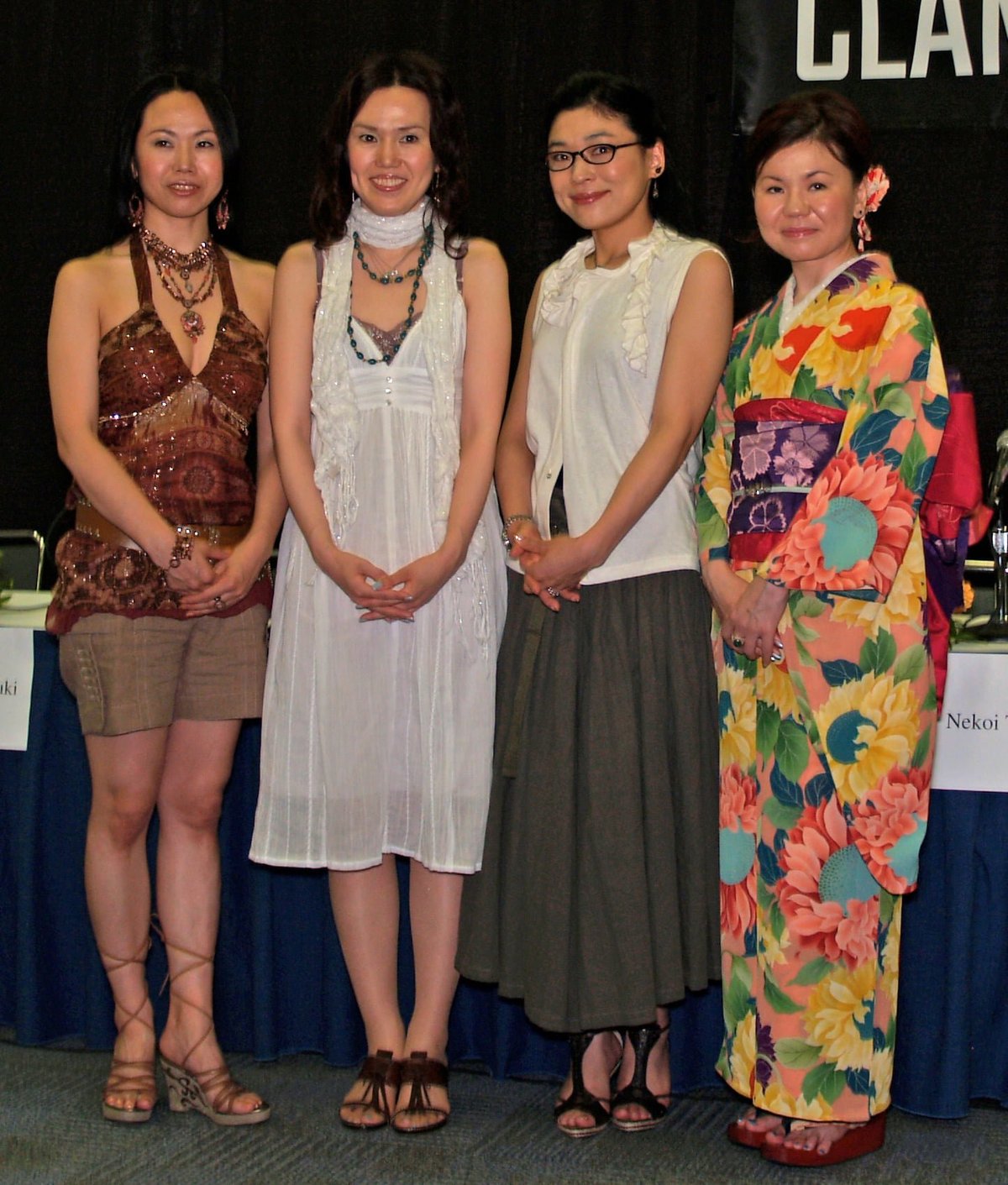
CLAMP
Discover CLAMP, the iconic collective of four talented female manga artists. Explore their revolutionary works from Cardcaptor Sakura to xxxHolic and their lasting industry impact.
Notable Works:
- • Cardcaptor Sakura
- • xxxHolic
- + 4 more
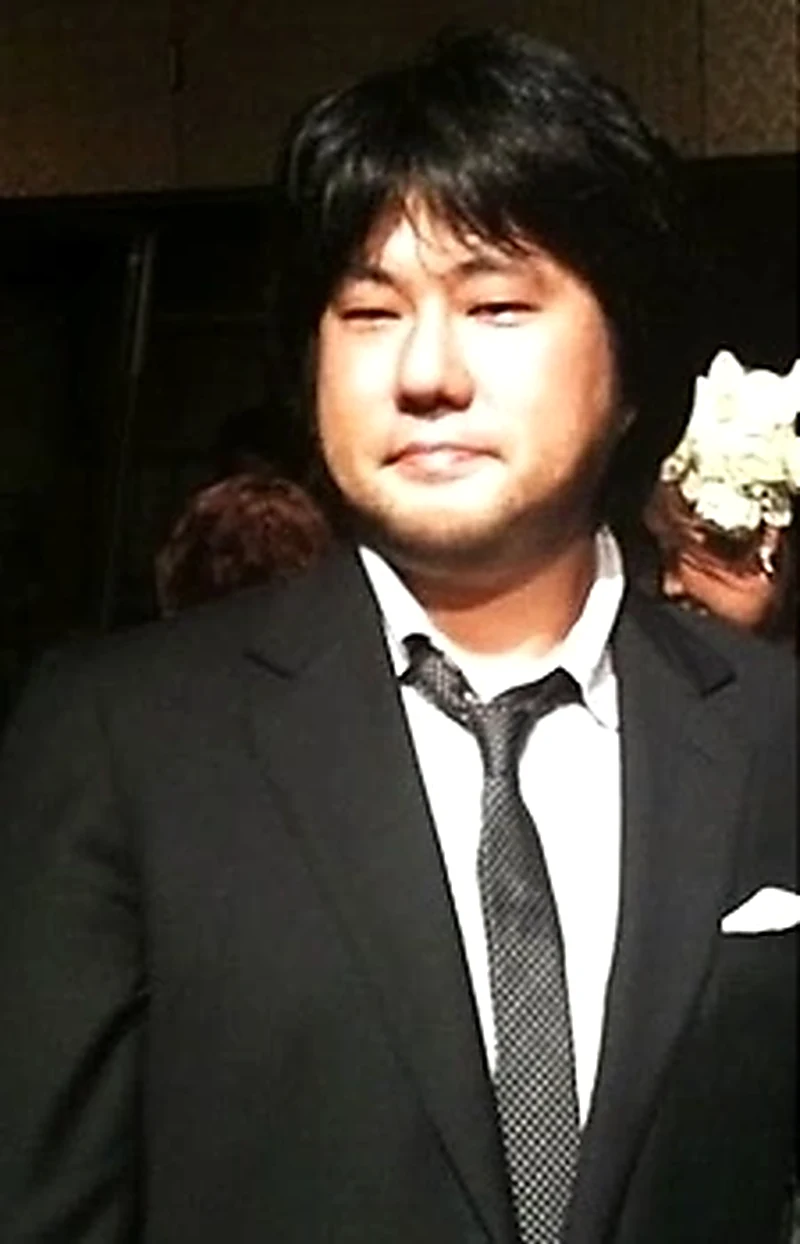
Eiichiro Oda
Discover Eiichiro Oda's remarkable journey from aspiring artist to creator of One Piece, the best-selling manga of all time. Learn about his creative vision and lasting impact.
Notable Works:
- • One Piece
- • Wanted!
- + 1 more

Gege Akutami
Explore Gege Akutami's remarkable ascent in manga. From early works to creating the sensation Jujutsu Kaisen, discover this rising star's artistic journey and influence.
Notable Works:
- • Jujutsu Kaisen
- • Kuchisaki Dounatsu
- + 1 more

Gosho Aoyama
Discover Gosho Aoyama's remarkable career crafting the legendary mystery series Detective Conan. Explore his evolution from Magic Kaito to one of manga's greatest detective stories.
Notable Works:
- • Detective Conan (Case Closed)
- • Magic Kaito
- + 2 more