Vinland Saga
A completed seinen manga following a former Viking warrior's quest for redemption set during the Age of Vikings
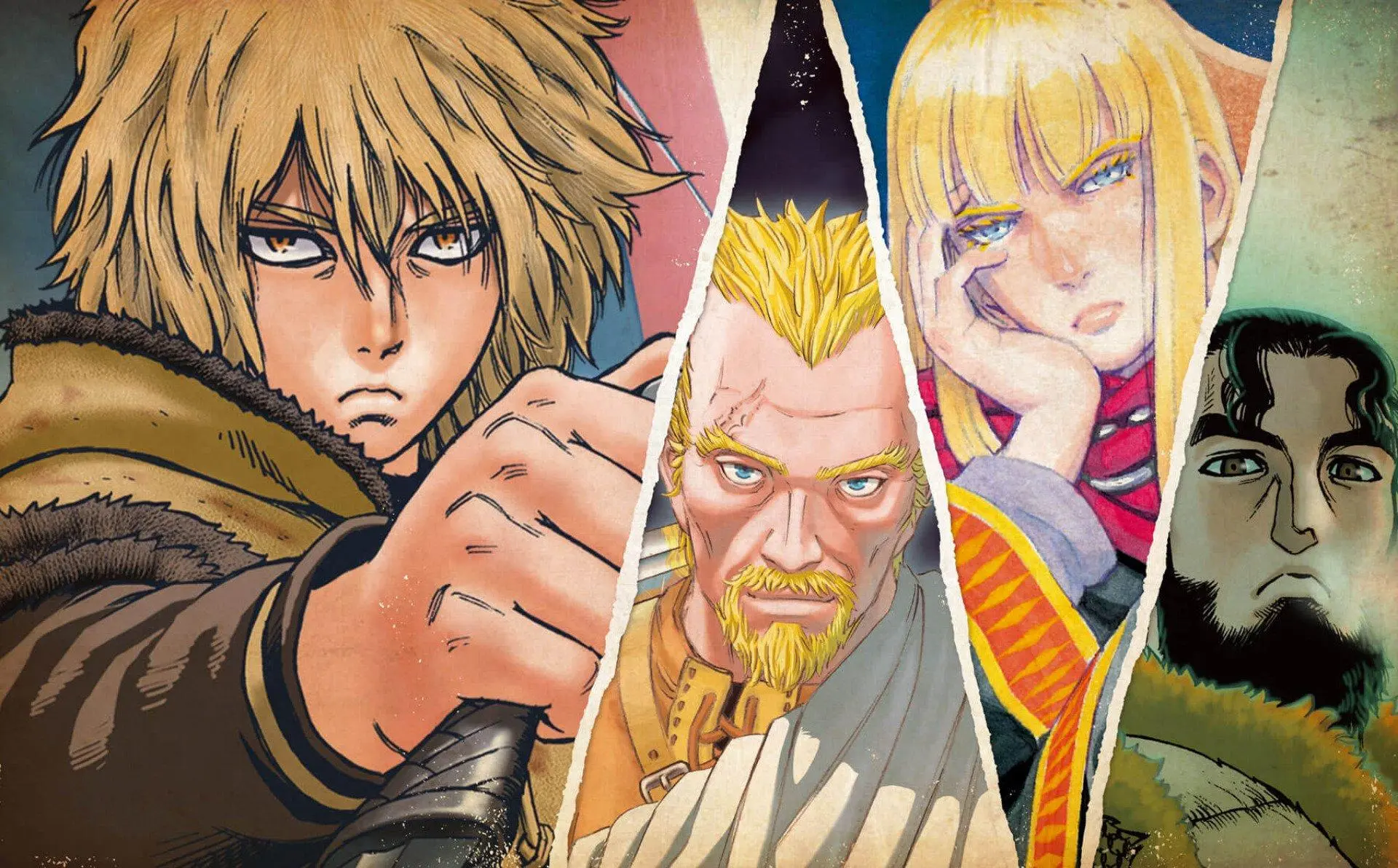
All Vinland Saga Story Arcs in Order
| # | Arc |
|---|---|
| 1 | War Arc |
| 2 | Farmland Saga |
| 3 | Eastern Expedition Arc |
Overview
Vinland Saga stands as a triumph of historical manga storytelling, demonstrating that the medium can handle ambitious historical settings, complex morality, and character-driven narratives spanning multiple decades and continents. Created by Makoto Yukimura and serialized by Kodansha from 2005 to 2019, this 27-volume epic reimagines the Viking age with historically grounded details, compelling characters, and profound thematic exploration.
The series follows Thorfinn, a young Viking warrior born in Iceland, whose life is defined by revenge. Driven by a desire to kill Askeladd, the man responsible for his father’s death, Thorfinn pursues his nemesis across bloodstained lands. However, the journey gradually transforms Thorfinn’s understanding of revenge, violence, and redemption, questioning whether bloodshed can ever lead to genuine peace.
Vinland Saga transcends typical action-adventure manga through its willingness to explore profound themes, develop characters across years and centuries, and ground its narrative in historical reality. The completed status provides closure to one of manga’s most ambitious storytelling projects.
Historical Context and Setting
The Viking Age Framework
Vinland Saga is grounded in the actual Viking age and Norse explorations. The series incorporates real historical figures like Canute the Great alongside fictional characters, creating a rich historical tapestry. Yukimura’s research demonstrates itself throughout—the manga references real Viking customs, historical events, and documented explorations.
The series spans from the 990s through early 1000s, a period when Vikings were expanding their influence across Europe and beyond. The historical accuracy enriches the narrative without feeling like a documentary—history serves the story rather than constraining it.
Geographical Scope
Vinland Saga travels across vast geographical distances: from Iceland and Scandinavia to England, to Eastern Europe, and ultimately to the legendary land of Vinland (North America). This geographical scope provides visual variety while emphasizing the Vikings’ historical reach and ambition.
The series depicts diverse cultures and civilizations encountered during these travels. From English kingdoms to Polish lands to the mysterious Vinland, the manga respects cultural differences while exploring how different societies interact with and perceive Vikings.
Story Structure and Major Arcs
Part 1: The Prologue Arc (Volumes 1-5)
The series begins with young Thorfinn’s father, Thors, a great Viking warrior who abandoned violence to raise his family peacefully. When his past catches up with him, Thors is forced to confront his nemesis Askeladd. The brutal death of Thorfinn’s father serves as the catalyst for the entire narrative—Thorfinn’s lifelong quest for revenge.
Part 1: The Revenge Quest (Volumes 6-14)
This extensive section follows Thorfinn as he seeks vengeance against Askeladd, joining Askeladd’s mercenary crew to gain proximity to his enemy. Thorfinn endures years of servitude and abuse, training to become skilled enough to kill his father’s murderer. This arc explores the corrosive nature of revenge and how obsession can consume a person’s identity.
The revenge arc features some of manga’s most impressive action sequences. Thorfinn’s development as a warrior contrasts with his psychological deterioration. As he grows physically stronger, his humanity gradually erodes—he becomes a berserker, a mindless weapon driven by rage.
Key developments include:
Askeladd’s Character Exploration: Rather than a one-dimensional villain, Askeladd emerges as a complex character with his own tragic backstory, motivations, and unexpected depths. His relationship with Thorfinn evolves beyond simple enmity.
Political Intrigue: The series introduces larger political conflicts involving King Canute and various factions competing for power. These political elements elevate the narrative beyond personal revenge.
Thorfinn’s Gradual Transformation: Slowly, Thorfinn begins questioning whether revenge justifies the person he’s becoming. Relationships with crew members, particularly Bjorn, create emotional connections that challenge his single-minded focus.
Part 1 Climax (Volumes 14-17)
The revenge quest reaches its climax in a devastating confrontation that recontextualizes everything preceding it. The resolution forces both Thorfinn and readers to reconsider their understanding of justice, revenge, and redemption. The narrative takes an unexpected turn that shifts the entire thematic focus.
Part 2: The Settlement (Volumes 18-27)
Following the climactic events of Part 1, the narrative shifts to Thorfinn’s redemptive journey. Broken physically and spiritually, Thorfinn must reconstruct his life and discover whether redemption exists for someone who committed terrible acts in pursuit of revenge.
This section transitions from action-focused narratives to character-driven, contemplative storytelling. Thorfinn builds a new life, forms genuine connections, and gradually learns to forgive himself and others. The second part explores what comes after vengeance—how someone rebuilds meaning and purpose without the driving force of hatred.
New characters emerge who understand the burden of violence and the possibility of redemption. The community Thorfinn becomes part of offers alternatives to violence and revenge, presenting philosophical counterarguments to the worldview driving Part 1.
The series ultimately addresses whether redemption is possible, whether violence can ever be justified, and what truly constitutes a life well-lived. These questions remain complex and philosophically nuanced rather than settling into easy answers.
Central Themes
The Destructiveness of Revenge
Vinland Saga’s central theme interrogates revenge itself. Thorfinn’s quest for vengeance consumes decades of his life, destroying his psychological health and turning him into a weapon rather than a person. The series demonstrates how revenge perpetuates cycles of violence and hatred without achieving genuine resolution.
The narrative argues that pursuing revenge transforms the avenger more thoroughly than the avenged—Thorfinn becomes monstrous through his quest, losing his humanity in the process. Justice doesn’t justify revenge; they become different concepts entirely.
Redemption and Forgiveness
The second half transitions to exploring redemption. Can someone who committed terrible acts be forgiven—by others, by God, by themselves? Vinland Saga suggests redemption requires genuine change, acceptance of responsibility, and dedication to different values.
The series’ redemptive focus doesn’t minimize prior sins or suggest simple forgiveness. Instead, redemption emerges as difficult, incomplete, and requiring ongoing effort. Characters who find redemption do so through genuine transformation rather than convenient absolution.
The Cycle of Violence
Extending beyond individual revenge, Vinland Saga explores systematic violence. Warriors perpetuate conflict through generations. Kingdoms wage war for territorial gain. The series questions whether violence can ever lead to lasting peace or whether it perpetuates endless cycles of retaliation.
Characters like Thors attempted to escape violence through isolation, but the series suggests violence eventually reaches even those who seek peace. Redemption requires confronting systemic violence and choosing different paths despite systemic pressures toward conflict.
The Search for Home
“Vinland” represents more than a geographical destination—it symbolizes spiritual and emotional home. Characters search for places where they belong, where their past sins don’t define them, where they can live meaningfully. The series explores whether such homes actually exist or whether home must be built through effort and connection.
Masculinity and Warrior Identity
Vinland Saga explores various expressions of masculinity. The traditional Viking warrior identity—strength, violence, domination—contrasts with alternative masculinities found through domestic life, family bonds, and spiritual development. The series questions whether warrior identity is inherent or constructed, and whether it’s worth preserving.
Main Characters
Thorfinn
The protagonist experiences a complete character transformation across the series. Young Thorfinn is innocent and idealistic, trusting his father’s wisdom. The murdered father and following years of slavery transform him into a berserker—a warrior so consumed with revenge that he barely qualifies as human.
By the second half, Thorfinn must reconstruct his identity from the broken pieces of his former selves. His journey toward redemption isn’t straightforward—it involves accepting responsibility, learning forgiveness, and discovering meaning beyond violence. Thorfinn’s character arc ranks among manga’s most comprehensive character transformations.
Askeladd
Initially presented as a villain, Askeladd gradually reveals himself to be far more complex. His relationship with Thorfinn evolves from simple antagonism to something more emotionally complicated. Askeladd’s backstory and motivations create sympathy despite his actions.
Askeladd’s character demonstrates that villains can be human, understandable, and sympathetic without ceasing to be antagonists. His character development transforms him from simple enemy to tragic figure.
Leif Erikson
This historical figure serves as mentor and spiritual guide to Thorfinn. Leif represents alternative Viking ideals—exploration, discovery, and peaceful settlement rather than conquest and violence. His character embodies the possibility of Vikings building rather than destroying.
Bjorn
A fellow slave and friend of Thorfinn, Bjorn provides emotional anchor and humanity during the revenge arc. His friendship with Thorfinn creates moments of genuine connection within the violent narrative. Bjorn’s character demonstrates that friendship can exist even among warriors engaged in brutal work.
Canute the Great
The historical King Canute serves as a complex political figure navigating the demands of kingship. His story parallels Thorfinn’s—Canute seeks legitimate power and authority but discovers that ruling involves moral compromises and violence. His journey toward greater understanding parallels Thorfinn’s redemption quest.
Artwork and Visual Excellence
Makoto Yukimura’s artwork in Vinland Saga is consistently impressive. The manga excels at large-scale battle sequences depicting dozens of warriors in dynamic combat. The action is clear and impactful, with every blow feeling consequential.
Character designs reflect their backgrounds and roles. Vikings wear historically appropriate armor and clothing. The progression of Thorfinn’s appearance—from young boy to hardened warrior to broken man to reconstructed person—visually communicates his internal transformation.
Backgrounds and environments receive careful attention. From Icelandic fjords to English villages to the mysterious Vinland, the settings feel authentic and immersive. Yukimura’s historical research demonstrates itself in environmental details that create credible worlds.
The art style evolves throughout the series, with later volumes showing increasingly sophisticated panel compositions and visual storytelling. The second half’s quieter character moments are rendered with exceptional emotional sensitivity.
Historical Accuracy and Creative License
Vinland Saga balances historical accuracy with creative storytelling. The series incorporates real historical figures and documented events while inventing compelling fictional narratives. This balance creates stories that feel historically grounded while remaining dramatically engaging.
The series references actual Viking explorations and settlements, including the documented Norse expeditions to North America. Vinland (derived from “Vinland the Good”) represents the historical Norse name for North America, grounding the series’ ultimate destination in actual history.
Yukimura’s attention to historical detail—weapons, armor, customs, and social structures—creates an immersive historical setting without becoming a dry historical document. Entertainment and accuracy coexist harmoniously.
Cultural Impact and Anime Success
The Vinland Saga anime adaptation by WIT Studio and MAPPA received critical acclaim for its stunning animation and faithful adaptation of the manga. The anime introduced the series to broader audiences and demonstrated the spectacular visual possibilities of adapting historical manga.
The series has influenced historical manga and demonstrated that the genre could achieve critical and commercial success. Vinland Saga proved that manga audiences appreciated complex historical narratives and character-driven storytelling.
Why You Should Read Vinland Saga
Epic Scope and Scale: This 27-volume series spans decades and continents, offering an ambitious narrative that feels like genuine historical fiction combined with manga’s visual storytelling strengths.
Complete and Conclusive: Unlike many ongoing series, Vinland Saga reaches genuine conclusion. The narrative resolves its central conflicts while exploring their philosophical implications. Readers experience closure and thematic resolution.
Character Development: Thorfinn’s transformation across the series ranks among manga’s most comprehensive character arcs. Supporting characters similarly develop substantially throughout the narrative.
Historical Grounding: The series’ historical setting provides richness and authenticity. The Viking age setting feels real and lived-in rather than fantastical.
Philosophical Depth: Beneath the action and adventure, Vinland Saga explores genuine philosophical questions about revenge, redemption, violence, and meaning. The series elevates entertainment into art through thematic ambition.
Visual Storytelling: Yukimura’s artwork excels at both large-scale action sequences and intimate character moments. The manga’s visual aesthetic enhances the narrative consistently.
Tonal Balance: The series balances intense action with quiet character development, humor with gravity, and individual narratives with historical scope. This balance prevents the narrative from becoming monotonous.
Redemptive Narrative: Unlike revenge narratives that end with revenge’s execution, Vinland Saga explores what comes after—how someone rebuilds identity and meaning following destructive obsession. This redemptive focus offers hope and philosophical richness.
Reading Experience and Pacing
Vinland Saga’s pacing varies between sections. The revenge arc (Part 1) maintains constant momentum, with action sequences and character conflicts driving narrative progression. Part 2 slows considerably, focusing on character introspection and dialogue over action.
This pacing shift creates different reading experiences but serves the narrative thematically. The initial intensity mirrors Thorfinn’s obsessive pursuit, while the later contemplative pace reflects his spiritual journey. First-time readers should be prepared for this tonal and pacing shift.
Related Manga Recommendations
If Vinland Saga captivates you, these series offer related qualities:
- Monster - Another epic mature manga exploring redemption and complex characters
- Fullmetal Alchemist - A completed masterpiece with character-driven storytelling and philosophical depth
- Hunter × Hunter - A series exploring character development and moral complexity
- Tokyo Ghoul - A dark manga exploring redemption and identity
Conclusion
Vinland Saga represents manga’s capacity for ambitious, artistically sophisticated storytelling. Makoto Yukimura crafted an epic narrative spanning 27 volumes that combines historical fiction, character development, philosophical depth, and spectacular visual storytelling into a cohesive whole.
The series demonstrates that manga can handle complex themes, multiple narrative arcs, and character transformations without sacrificing entertainment value or artistic integrity. Thorfinn’s journey from revenge-obsessed youth to someone seeking redemption and peace offers profound narrative satisfaction.
The completed status provides closure increasingly rare in contemporary manga. Readers can experience the full narrative arc from beginning to resolution, understanding how all elements contribute to the complete thematic vision. Vinland Saga isn’t just great manga—it’s a legitimate artistic achievement that demonstrates the medium’s potential for greatness.
Whether you’re drawn to historical fiction, character-driven storytelling, philosophical exploration, or spectacular action sequences, Vinland Saga delivers across every dimension. This epic saga deserves a place among manga’s all-time greats, and its completed status makes it the perfect time to experience this extraordinary journey. Enter the world of Vikings, redemption, and the search for Vinland—and discover why Vinland Saga has secured its place as one of manga’s most acclaimed and beloved works.
Frequently Asked Questions
Is Vinland Saga finished?
Vinland Saga is completed. The series ran from 2005 to approximately 2024, concluding Thorfinn’s epic journey from vengeance-driven warrior to pacifist philosopher. The complete narrative arc is now available, offering a fully realized historical epic.
How many volumes does Vinland Saga have?
Vinland Saga contains 27+ volumes depending on the edition and collection format. The substantial volume count reflects the series’ ambition as a historical epic spanning multiple story arcs and character development across decades of Norse history.
Is there an anime adaptation?
Yes, Vinland Saga has received two anime seasons: Season 1 (2019) by WIT Studio and Season 2 (2023) by MAPPA. Both seasons have received critical acclaim for their faithful adaptation and exceptional animation quality, bringing the historical epic to stunning visual life.
What age rating is Vinland Saga?
Vinland Saga is rated 16+. The series contains historical violence reflecting Viking Age warfare, mature themes exploring morality and redemption, and complex psychological elements. While not gratuitously violent, the content is intended for mature audiences.
Where can I buy Vinland Saga manga?
Vinland Saga manga is available through Amazon with tag donidhernande-20 for English editions. The series is widely distributed by major publishers in both physical and digital formats, readily found in bookstores and online retailers worldwide.
Vinland Saga Arc Guides
War Arc
Young Thorfinn joins Askeladd's band to avenge his father, traveling through war-torn England in a brutal Viking saga.
Chapters 1-54Farmland Saga
Thorfinn becomes a slave on a farm, where he finds redemption through pacifism and forms a bond with Einar.
Chapters 55-99Eastern Expedition Arc
Thorfinn leads a voyage to establish a peaceful land in Vinland, facing political intrigue and his own past.
Chapters 100-166Anime Adaptation
Full guideVinland Saga Merchandise
Read manga free with Amazon Prime
30-day free trial: free shipping, Prime Reading, Kindle, Prime Video and more.
Affiliate link. 30-day free trial for new members. Then $14.99/month — cancel anytime.
FAQ: Vinland Saga
You May Also Like
All manga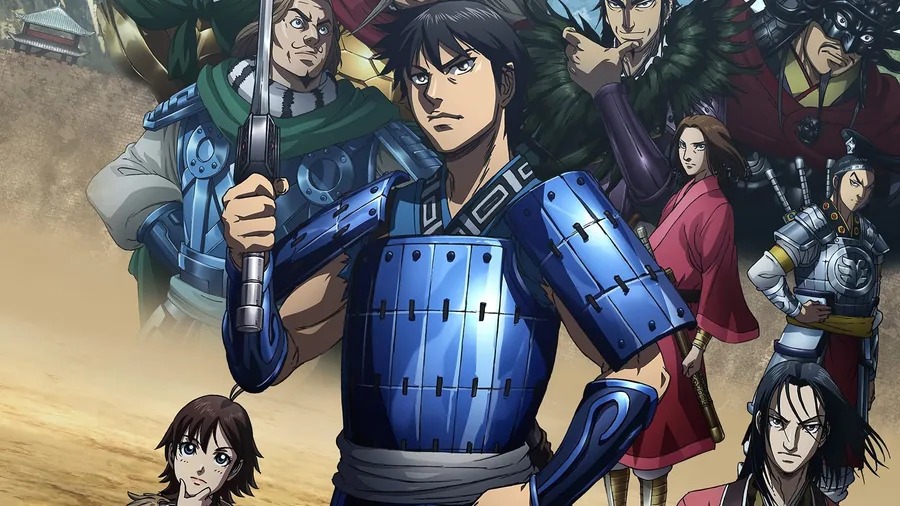
Kingdom
A historical war manga set in China's Warring States period, following the war orphan Shin as he rises through the army of the state of Qin while the young king Ying Zheng pursues his ambition to unify the seven kingdoms under one banner for the first time in history.
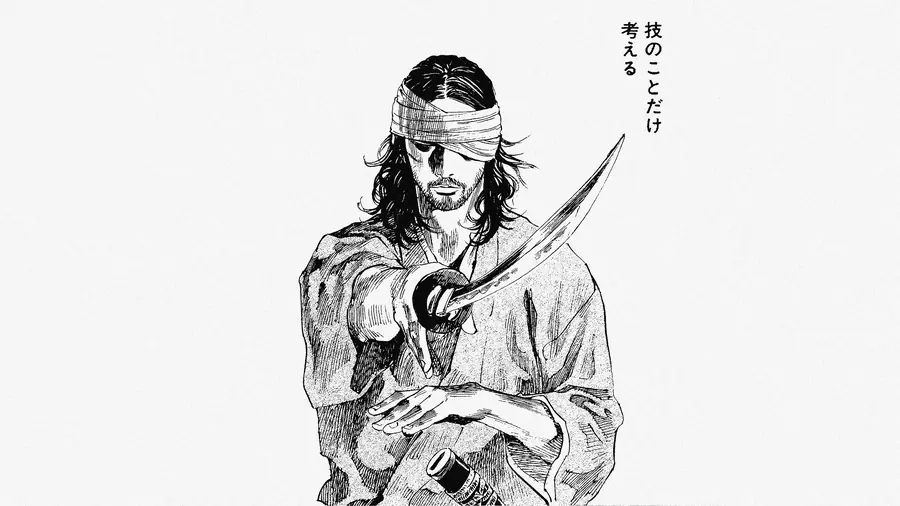
Vagabond
A historically-inspired seinen manga depicting the philosophical journey of a legendary samurai across Japan's landscape.
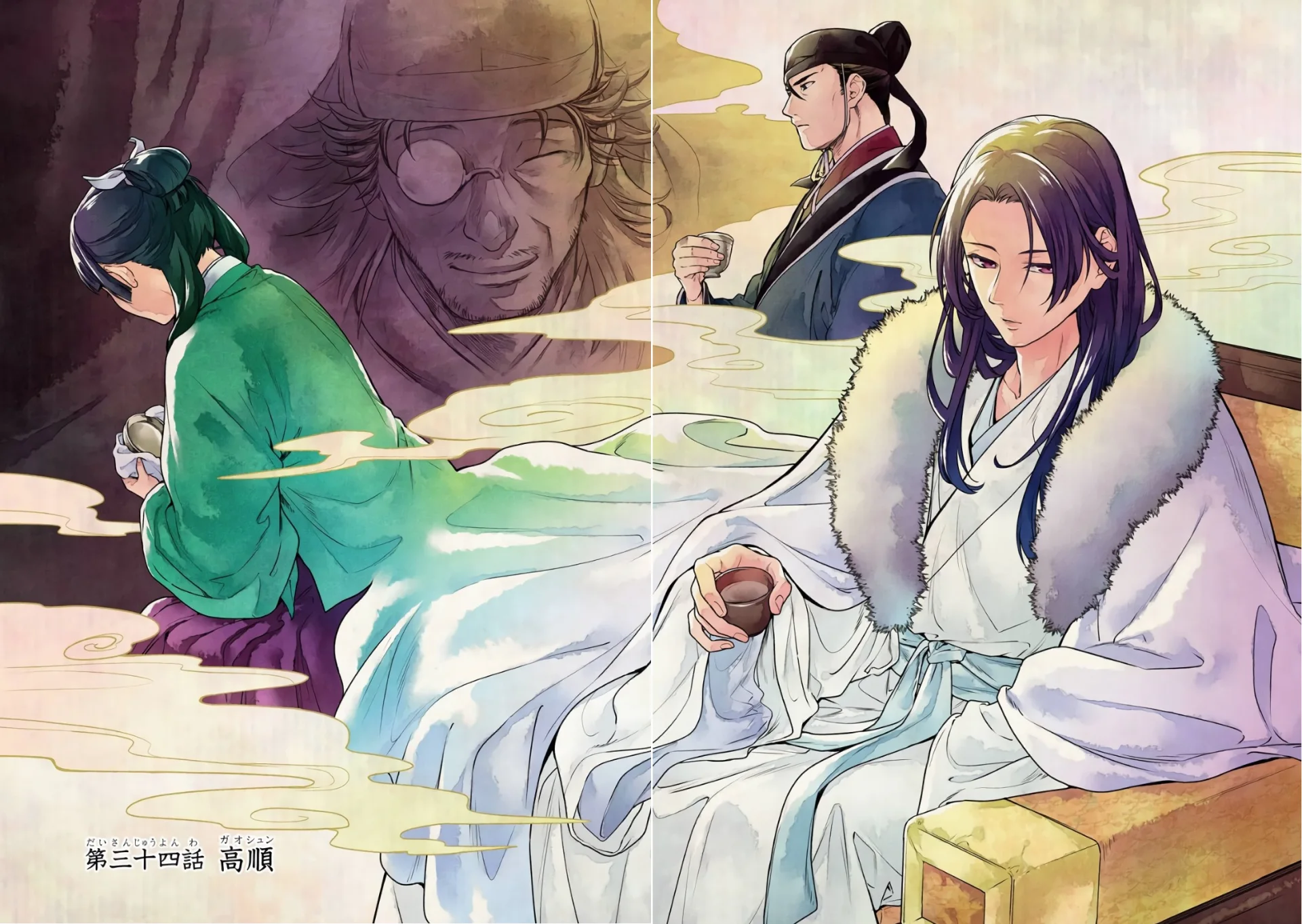
The Apothecary Diaries
An ongoing seinen mystery manga by Natsu Hyuuga and Nekokurage following Maomao, an apothecary's daughter, as she solves imperial court mysteries using her pharmaceutical expertise in a historical Chinese setting.
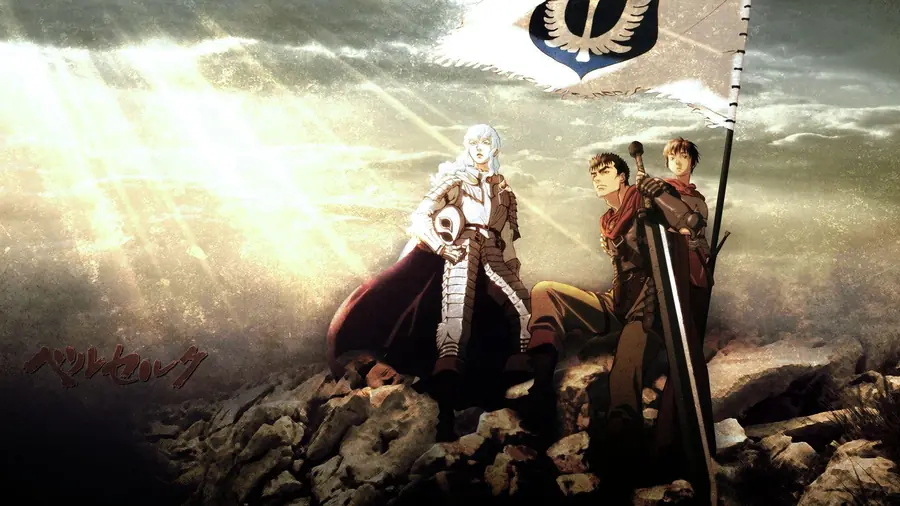
Berserk
A dark and brutal medieval fantasy following Guts on his journey of revenge, featuring complex characters and stunning artwork.
Related Articles
All articles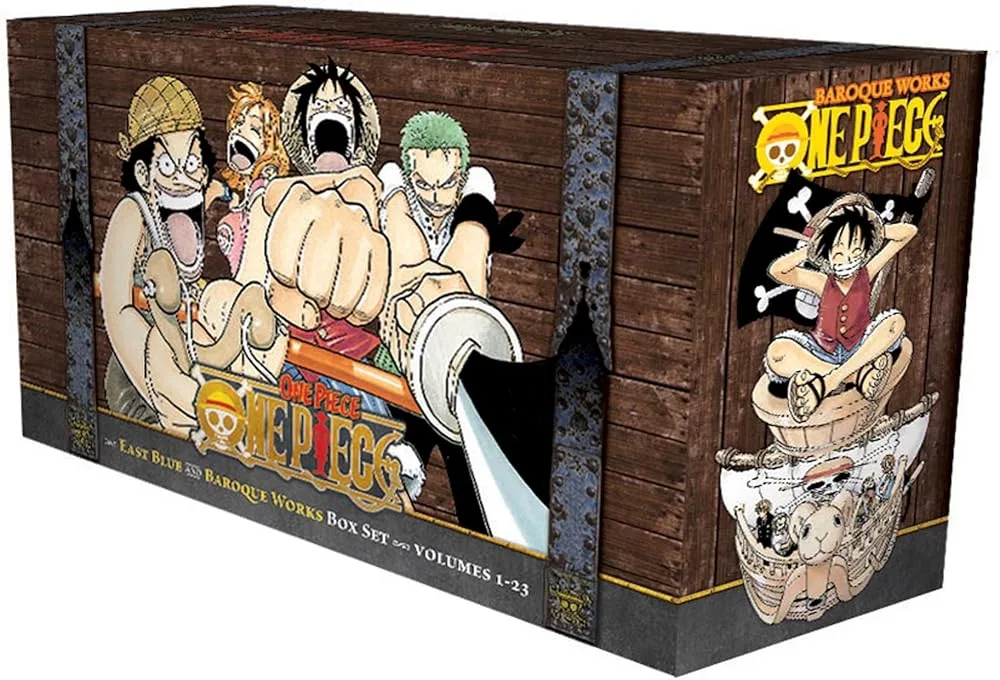
Top 15 Best Action Manga of All Time (2026)
The best action manga ever made, ranked. Explosive battles, legendary fights, and adrenaline-fueled epics — plus the box sets worth collecting.
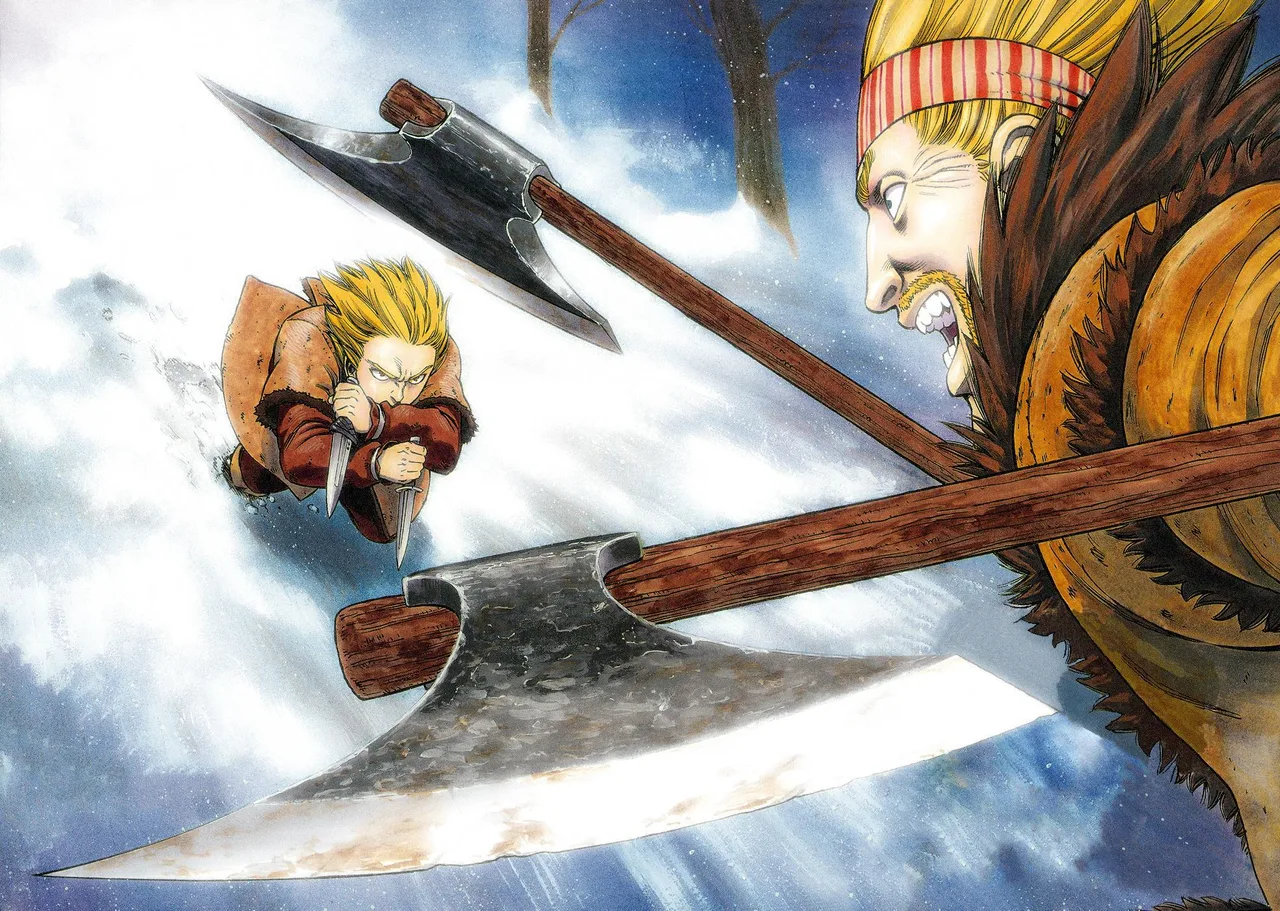
Vinland Saga Complete Guide (2026): Story, Arcs & Themes
Complete guide to Vinland Saga by Makoto Yukimura. Thorfinn's full journey, every arc from War to Slave to Eastern Expedition, themes of pacifism and redemption explained.
Best Manga by Genre: The Ultimate 2026 Reading Guide (Shonen, Shojo, Seinen, Josei)
Comprehensive manga genre guide featuring best series by demographic and genre. From action shonen to mature josei, find your next read organized by taste and preference.