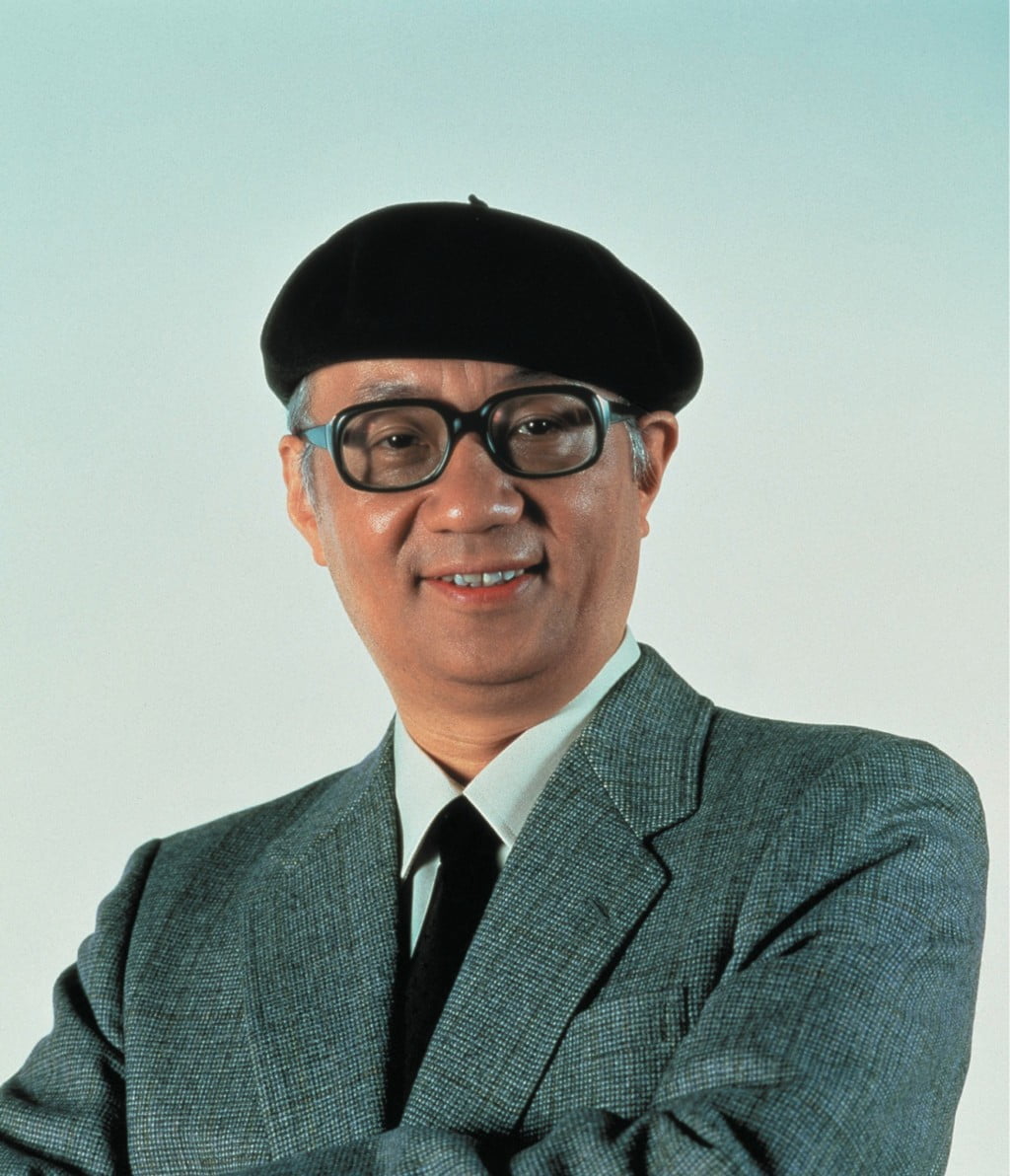
Osamu Tezuka
Discover Osamu Tezuka's revolutionary contributions to manga and anime. From Astro Boy to Black Jack, explore the legacy of manga's most influential creator.
Early Life and Foundational Influences
Osamu Tezuka was born on November 3, 1928, in Osaka, Japan, during a pivotal period of cultural transformation. From childhood, he was fascinated by comics and animation, particularly the works of Walt Disney. His artistic interests extended beyond visual media—he was equally passionate about nature and science, regularly collecting specimens and observing animals on field trips.
Tezuka graduated from Osaka University with a degree in medicine in 1946, but rather than pursuing medical practice, he followed his passion for manga and animation. This decision proved revolutionary: his formal education in medicine later enriched his manga with authentic medical details and humanistic perspectives often lacking in contemporary works.
In 1947, Tezuka’s work was featured in the children’s magazine “Shōnen,” marking his professional debut. His early work demonstrated the profound influence of Disney aesthetics, particularly in character design and animation principles that he would translate into manga form.
Career and Artistic Revolution
The Birth of Modern Manga
In 1951, Tezuka published “Shin Takarajima” (New Treasure Island), which revolutionized manga aesthetics. This work established cinematic panel layouts, detailed backgrounds, and sophisticated visual storytelling techniques that became the foundation of modern manga. Tezuka’s innovation demonstrated that manga could achieve artistic complexity comparable to cinema while maintaining narrative accessibility.
Tezuka’s pioneering use of “limited animation” techniques in anime production significantly reduced production costs while maintaining visual quality. This innovation was instrumental in making anime commercially viable as a medium, fundamentally shaping the industry’s development.
Iconic Works and Their Significance
Astro Boy (1952-1968)
Astro Boy, Tezuka’s most famous creation, tells the story of Atom (known as Astro Boy in English), a robot with human emotions created to replace a scientist’s deceased son. The series transcends simple robot fiction, exploring profound themes of humanity, love, and self-discovery. Through Astro Boy’s journey, Tezuka examined what constitutes humanity—consciousness, emotions, morality, or physical form.
The character design of Astro Boy became iconic, instantly recognizable globally. His distinctive appearance influenced countless subsequent robot and android characters in manga and anime. The series’ commercial success demonstrated manga’s potential for sustained narratives spanning hundreds of chapters.
Kimba the White Lion (1950-1954)
Kimba the White Lion presented a classic adventure narrative set in the African savanna. The series showcased Tezuka’s ability to create engaging narratives while maintaining artistic integrity. Kimba’s character—a white lion navigating African wildlife politics—demonstrated Tezuka’s capacity for creating complex protagonists facing genuine moral dilemmas.
Princess Knight (1953-1956)
This pioneering shoujo manga series featured Princess Sapphire, born with both male and female hearts, navigating societal expectations while fulfilling her destiny. Princess Knight is widely recognized as one of the first shoujo manga series, effectively creating the genre. Tezuka’s exploration of gender identity and societal norms was remarkably progressive for the 1950s.
Black Jack (1973-1983)
Black Jack represented Tezuka’s mature artistic period. This medical drama series featured an unlicensed but brilliant surgeon operating outside legal systems to save lives. The series demonstrated that manga could address serious moral and ethical issues while maintaining dramatic tension and emotional authenticity.
Black Jack’s narrative sophistication—exploring medical ethics, human dignity, and the conflict between individual morality and institutional systems—elevated manga’s intellectual legitimacy. The series’ dark tone and mature themes showed that manga could appeal to adult audiences with sophisticated storytelling.
Phoenix (1954-1989)
Phoenix, Tezuka’s most ambitious work, is a collection of interconnected stories exploring eternal themes: life, death, the human condition, and the eternal cycle of existence. Spanning decades of serialization, Phoenix demonstrated manga’s capacity for epic scope and philosophical depth. The series’ non-linear narrative structure and complex interconnections between seemingly separate stories showcased innovative storytelling techniques.
Artistic Innovation and Technique
Tezuka revolutionized manga visual language by adapting film technique principles to the sequential art medium. His use of varied panel sizes, dynamic angles, and expressive character expressions created visual impact comparable to cinema. His backgrounds, rendered with meticulous detail, established the environment’s narrative importance rather than treating settings as incidental details.
His character design philosophy emphasized simplicity combined with distinctive features allowing instant recognition. This approach proved remarkably influential—countless subsequent manga artists adopted variations of Tezuka’s design principles.
Tezuka’s understanding of human anatomy and movement, enhanced by his medical background and Disney studies, enabled superior action sequences and emotional expressions. His ability to convey complex emotions through minimal line work influenced generations of manga artists.
Key Achievements
- Pioneered modern manga visual language, establishing conventions that remain dominant today
- Created Astro Boy, one of the first anime series broadcast on television and among the earliest anime to achieve international recognition
- Developed “limited animation” techniques enabling anime as a commercially viable medium
- Founded Mushi Production, establishing the anime production industry’s foundational practices
- Created diverse works spanning multiple genres, demonstrating manga’s versatility
- Maintained artistic innovation throughout 40+ year career without significant quality decline
Personal Life and Legacy
Tezuka married Etsuko Okada, fellow manga artist, in 1955. The couple had two children. Despite his enormous success, Tezuka maintained deep concern for the manga industry’s working conditions, advocating for artist rights and industry standards improvement.
Tezuka passed away in 1989 from stomach cancer at age 60. His death marked the end of manga’s foundational period, but his influence remained and continues to shape the medium fundamentally. The Osamu Tezuka Cultural Prize was established in his honor, recognizing excellence in manga and animation annually.
Interesting Facts
- Tezuka held a medical degree but never practiced medicine, choosing art instead
- He created over 700 manga and numerous anime works throughout his career
- Astro Boy’s design was inspired by both Mickey Mouse and Japanese aesthetics
- Tezuka designed over 600 distinct characters throughout his career, maintaining detailed reference sheets for consistency
- He was deeply concerned about manga industry working conditions and advocated for artist welfare
- Phoenix, his masterwork, incorporated philosophical and spiritual concepts from various Eastern traditions
- Tezuka was known for working extensive hours, maintaining an incredibly demanding schedule that likely contributed to his early death
Frequently Asked Questions
When was Osamu Tezuka born? Tezuka was born on November 3, 1928, during Japan’s cultural modernization period.
What was Tezuka’s first major success? “Shin Takarajima” (New Treasure Island) in 1951 revolutionized manga aesthetics and established Tezuka’s professional reputation.
Why is Osamu Tezuka called the “God of Manga”? Tezuka fundamentally established modern manga visual language, created revolutionary works demonstrating the medium’s artistic potential, and influenced virtually every subsequent manga artist. His contributions essentially created manga as we know it today.
What was Tezuka’s most significant contribution to anime? Tezuka’s limited animation techniques made anime commercially viable by reducing production costs while maintaining visual quality. Without this innovation, the anime industry likely wouldn’t exist in its current form.
How many manga works did Tezuka create? Tezuka created over 700 manga and numerous anime series throughout his 40+ year career, demonstrating extraordinary productivity and creative stamina.
What makes Astro Boy historically important? Astro Boy was one of the first manga series to achieve massive commercial success, established conventions for robot character design, and demonstrated manga’s potential for sustained long-form narratives.
Did Tezuka create anime as well as manga? Yes, Tezuka founded Mushi Production and personally directed several anime series. He understood animation’s unique expressive capabilities and worked to advance the medium.
How did Tezuka’s medical background influence his work? His medical knowledge enabled authentic depiction of medical concepts in works like Black Jack. More profoundly, his understanding of human anatomy enhanced his character design and action sequences significantly.
What is Phoenix considered Tezuka’s masterwork? Phoenix, spanning decades and featuring interconnected stories exploring eternal themes, is widely regarded as Tezuka’s most ambitious and sophisticated work, demonstrating manga’s philosophical depth.
How has Tezuka influenced contemporary manga? Virtually every successful manga artist cites Tezuka as a foundational influence. His visual language, narrative techniques, and willingness to experiment with diverse genres established conventions that remain central to manga today.
Osamu Tezuka stands as manga’s greatest pioneer and most influential creator. Through his revolutionary visual language, diverse groundbreaking works, and unwavering commitment to the medium’s artistic potential, Tezuka transformed manga from children’s entertainment into a sophisticated art form capable of exploring any subject with depth and authenticity. His legacy continues to guide manga and anime creators worldwide.
FAQ: Osamu Tezuka
Other Mangakas You May Like
All mangakas
CLAMP
Discover CLAMP, the iconic collective of four talented female manga artists. Explore their revolutionary works from Cardcaptor Sakura to xxxHolic and their lasting industry impact.
Notable Works:
- • Cardcaptor Sakura
- • xxxHolic
- + 4 more
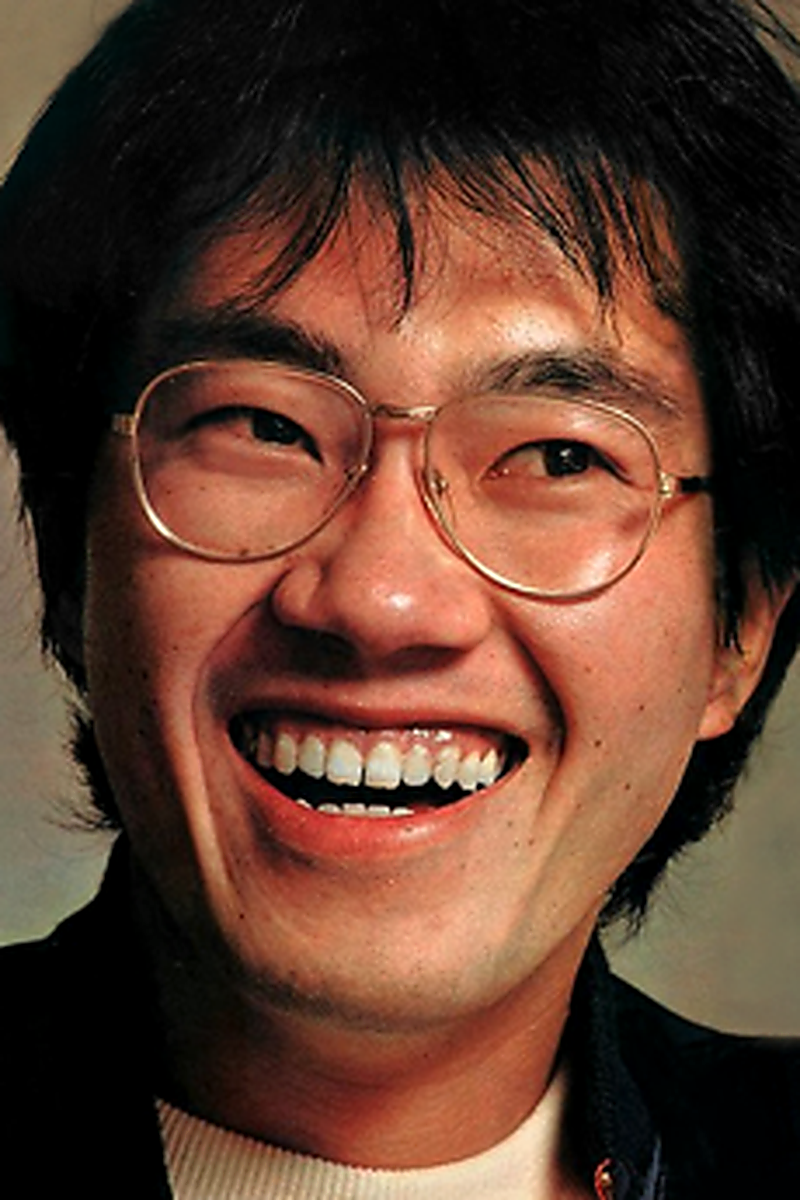
Akira Toriyama
Explore Akira Toriyama's revolutionary career: creator of Dragon Ball, Dr. Slump, and iconic manga. Learn about his artistic genius, influence, and legacy in manga history.
Notable Works:
- • Dragon Ball
- • Dragon Ball Z
- + 3 more

Eiichiro Oda
Discover Eiichiro Oda's remarkable journey from aspiring artist to creator of One Piece, the best-selling manga of all time. Learn about his creative vision and lasting impact.
Notable Works:
- • One Piece
- • Wanted!
- + 1 more

Gege Akutami
Explore Gege Akutami's remarkable ascent in manga. From early works to creating the sensation Jujutsu Kaisen, discover this rising star's artistic journey and influence.
Notable Works:
- • Jujutsu Kaisen
- • Kuchisaki Dounatsu
- + 1 more