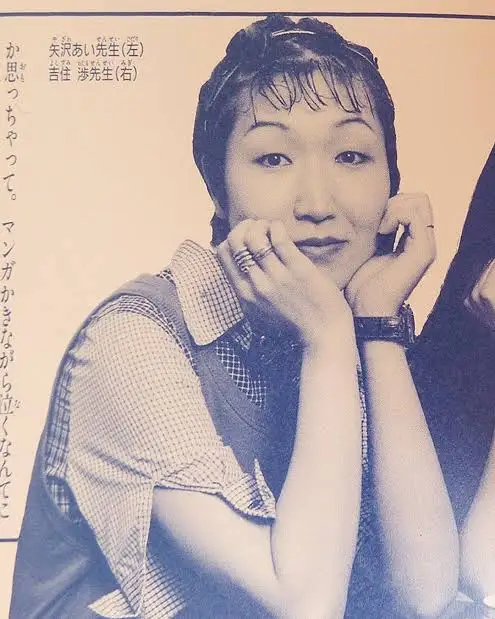
Ai Yazawa
Discover the life and enduring legacy of Ai Yazawa, one of manga's greatest storytellers, whose series Nana changed what shōjo manga could be — and whose hiatus became one of the industry's most followed stories.
Early Life and Artistic Development
Ai Yazawa was born on March 7, 1967, in Osaka, Japan. She grew up in an environment that encouraged artistic exploration, and from adolescence she demonstrated an instinct for fashion, music, and visual style that would become the hallmark of everything she created. Unlike many manga artists who cite other manga as their primary influence, Yazawa has frequently referenced fashion designers, musicians, and Western visual culture as formative sources — making her work feel distinctly cosmopolitan within a genre that often trends domestic.
She made her professional debut in 1985, aged 18, in Shōjo Comic magazine. Her early work showed a precocious maturity in character writing and fashion illustration that immediately set her apart from peers.
Over the following decade, Yazawa built a reputation within shōjo manga for works that treated young women not as passive romantic leads but as complex protagonists navigating identity, ambition, loss, and desire on their own terms.
Professional Career and Rise to Fame
The Foundational Works: 1985–2000
Yazawa’s early serializations established her signature: Tenshi Nanka ja Nai (I’m No Angel, 1991–1994) and Gokinjo Monogatari (Neighborhood Story, 1995–1998) were both major critical and commercial successes, with the latter winning the Shogakukan Manga Award for Shōjo manga in 1995.
Gokinjo Monogatari is particularly significant — a story set in a fashion arts high school in Tokyo, it introduced the recurring visual and thematic vocabulary Yazawa would refine throughout her career: urban youth culture, fashion as self-expression, the tension between artistic ambition and romantic attachment.
Paradise Kiss — A Turning Point
Published from 1999 to 2003 in Zipper magazine (Shodensha), Paradise Kiss represented a maturation of everything Yazawa had built. Set in a Tokyo fashion design atelier run by young aspiring designers, it followed Yukari — a high-achieving student who falls into the world of independent fashion and the charismatic, troubled George.
Paradise Kiss was notable for its refusal to deliver a conventional romantic resolution. The ending — realistic, bittersweet, and honest about how the people who change us most are not always the ones who stay — signaled that Yazawa was willing to break from genre expectations entirely in service of emotional truth. The series received an anime adaptation (2005) and a live-action film (2011).
Nana — The Defining Work
Nana began serialization in Cookie magazine (Shueisha) in 2000 and became the defining work of Yazawa’s career — and arguably the defining work of mature shōjo manga in the early 21st century.
The premise: two young women named Nana — Nana Osaki, a punk vocalist, and Nana Komatsu, a romantic dreamer — meet by chance on a train and become roommates in Tokyo. Their friendship forms the emotional spine of a story that expands to encompass bands, record deals, love triangles, pregnancy, betrayal, addiction, and the ways that ambition and attachment can either elevate or consume a person.
Nana was unlike anything else in mainstream manga:
- It treated its adult characters with the full complexity of literary fiction
- Its fashion and music references were meticulously current, drawing from real Japanese indie and punk scenes
- Its emotional stakes were genuinely devastating — not melodramatic in a genre sense, but painful in a recognizable, human way
By the time the serialization was halted in 2009, Nana had sold over 50 million copies worldwide. The anime adaptation (2006–2007, 47 episodes) remains one of the most beloved shōjo anime ever produced.
The Hiatus and Its Cultural Impact
In 2009, Yazawa suffered a serious illness (the specific nature of which has never been publicly disclosed) that required extended hospitalization and forced the indefinite suspension of Nana. The manga has not resumed as of early 2026.
The hiatus is among the most followed and emotionally significant open stories in manga history. Millions of readers who invested deeply in the characters’ fates have waited over 15 years for resolution. Yazawa has occasionally communicated through her editors or brief public statements that she wishes to return to the work, but no timeline has ever been confirmed.
The incomplete Nana is a cultural wound that refuses to close — and paradoxically, the open ending may have deepened the work’s emotional impact, making Nana Osaki’s final, ambiguous absence feel like an artistic statement rather than an interruption.
Artistic Style and Narrative Approach
Yazawa’s visual identity is immediately recognizable. Her character designs are elongated, high-fashion, and rooted in real-world style references. Nana Osaki’s look — black clothing, heavy eyeliner, chunky boots, Vivienne Westwood accessories — was not invented for manga aesthetics but derived from actual subcultural fashion, giving the characters a documentary authenticity.
Fashion as character: No other mangaka uses clothing with the same intentionality. What a character wears in a Yazawa work is never incidental — it is self-expression, status signaling, protective armor, or vulnerability, depending on the scene.
Music integration: Nana takes rock and punk music seriously, depicting the creative process, band politics, record label dynamics, and the soul-crushing compromises that commercial success demands. The fictional bands Blast and Trapnest feel like real entities.
Dialogue: Yazawa’s writing has the texture of how people actually speak — overlapping, contradictory, funny and devastating in the same breath. Her panels breathe.
Key Achievements
- Won the Shogakukan Manga Award (1995) and Kodansha Manga Award (2003)
- Sold over 50 million copies of Nana worldwide
- Produced multiple acclaimed anime adaptations and live-action films
- Fundamentally expanded the emotional and thematic range of shōjo manga
- Created in Nana Osaki one of manga’s most iconic female characters
Personal Life and Creative Philosophy
Yazawa has lived in Tokyo for most of her adult life. She is known for her genuine engagement with fashion culture — attending shows, collaborating with designers, and bringing professional-level costume design knowledge to her work.
In interviews before her illness, she described her creative process as deeply intuitive — she rarely planned far ahead, preferring to follow her characters and discover where they wanted to go. This approach created the organic, surprising quality of her long-form narratives.
Her illness and extended absence from manga have made her a figure of both immense admiration and profound sympathy within the global manga community. She is frequently cited by shōjo and josei mangaka as an influence.
Legacy and Industry Impact
Ai Yazawa is among the most important mangaka of her generation regardless of gender. In a medium where shōjo manga is often underestimated by mainstream commentary, she produced work of consistent literary and artistic quality that stands alongside any title in the medium’s history.
Nana in particular demonstrated that manga could handle adult complexity — class anxiety, artistic compromise, addiction, non-traditional relationships, and the specific tragedy of people who love each other but cannot survive together — without simplification. The series helped internationalize shōjo manga, finding deep audiences in Europe and the Americas who had little prior connection to the genre.
Her influence on a generation of female mangaka — and on female readers who saw themselves in Nana K.’s desires and Nana O.’s fury — cannot be overstated. The world still waits, with patient devotion, for her return.
FAQ: Ai Yazawa
Other Mangakas You May Like
All mangakas
Aka Akasaka
Aka Akasaka is a highly accomplished Japanese manga writer known for genre mastery across romantic comedy and dark drama. His works Kaguya-sama: Love Is War and Oshi no Ko have achieved massive commercial and critical success, with Kaguya-sama selling over 22 million copies worldwide. Akasaka is celebrated for subverting genre conventions, creating complex psychological narratives, and exploring moral ambiguity in compelling storytelling.
Notable Works:
- • Kaguya-sama: Love Is War
- • Oshi no Ko
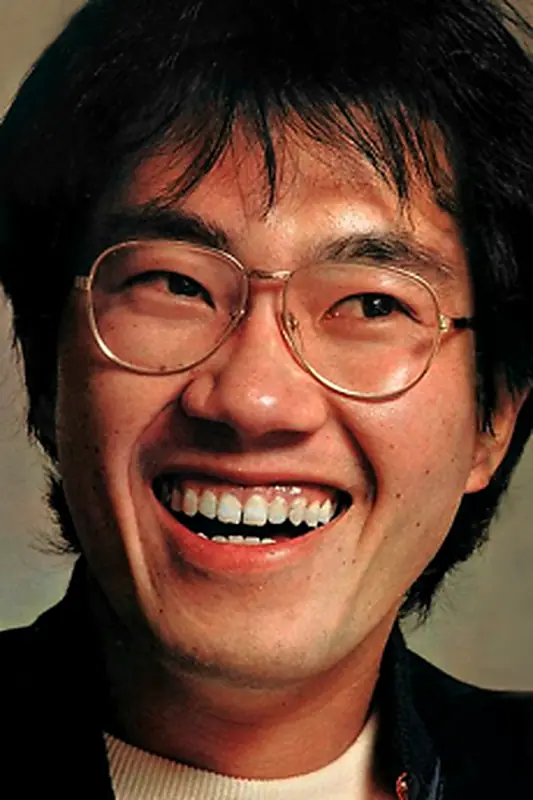
Akira Toriyama
Explore Akira Toriyama's revolutionary career: creator of Dragon Ball, Dr. Slump, and iconic manga. Learn about his artistic genius, influence, and legacy in manga history.
Notable Works:
- • Dragon Ball
- • Dragon Ball Z
- + 3 more
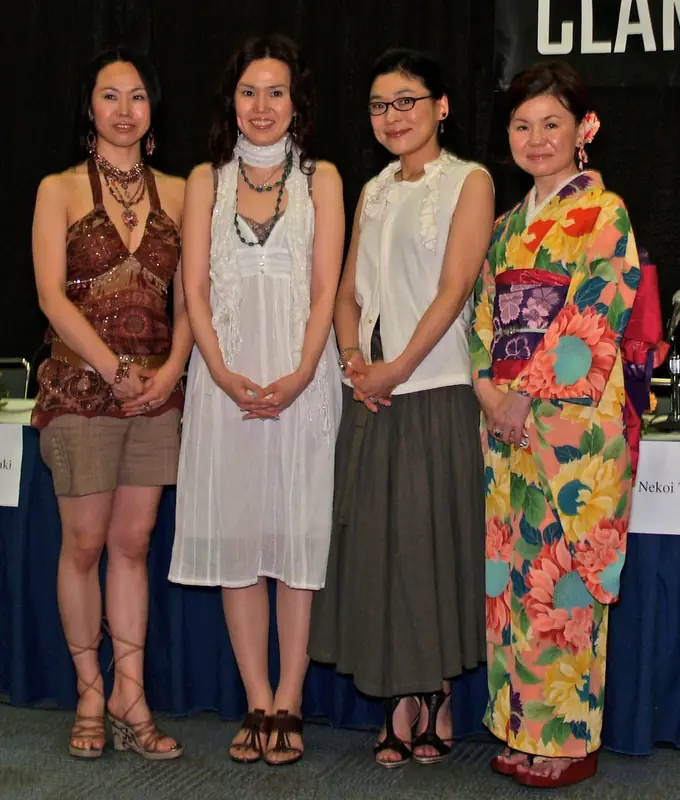
CLAMP
Discover CLAMP, the iconic collective of four talented female manga artists. Explore their revolutionary works from Cardcaptor Sakura to xxxHolic and their lasting industry impact.
Notable Works:
- • Cardcaptor Sakura
- • xxxHolic
- + 4 more

Eiichiro Oda
Discover Eiichiro Oda's remarkable journey from aspiring artist to creator of One Piece, the best-selling manga of all time. Learn about his creative vision and lasting impact.
Notable Works:
- • One Piece
- • Wanted!
- + 1 more