Kingdom Manga
A historical war manga set in China's Warring States period, following the war orphan Shin as he rises through the army of the state of Qin while the young king Ying Zheng pursues his ambition to unify the seven kingdoms under one banner for the first time in history.

Start Kingdom: Volume 1
The recommended place to begin the series
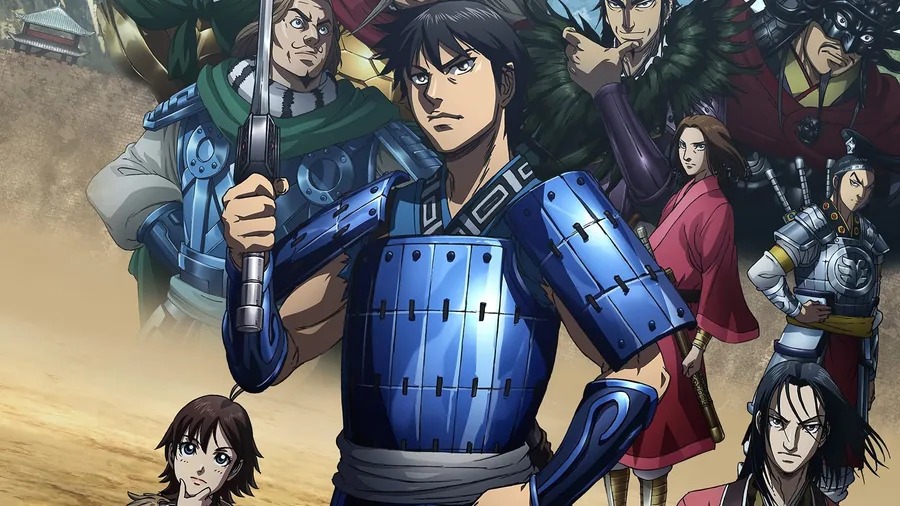
All Kingdom Story Arcs in Order
Overview
Kingdom is the historical war manga that, more than any other work of the past two decades, has demonstrated that the conventions of seinen serialization can sustain a narrative whose structural ambition runs across centuries of in-universe history and tens of thousands of named soldiers. Created by Yasuhisa Hara and serialized in Weekly Young Jump from January 2006, the series follows the war orphan Shin and the young king Ying Zheng across the closing decades of China’s Warring States period — culminating in the historical unification of the seven kingdoms under the First Emperor of Qin in 221 BCE — and is currently the second best-selling manga in Japan after One Piece by lifetime tankōbon sales.
The series is organized around a sequence of macro-arcs each of which spans dozens of tankōbon volumes: the early Reunion and Cheng Jiao Coup d’État establishes the political premise; the Battle of Dakan Plains and the formation of the Hi Shin Unit transition the series from political thriller to formal war manga; the Battle of Bayou and the death of Great General Ouki recode the entire post-Bayou narrative; the Coalition Invasion and the Hundred Days War of Sai stand as the most ambitious sustained war sequence in modern manga; the Aisen coup arc resolves the political subplot; and the post-Aisen arcs from Gyou through Shukai Plains stage the unification war’s decisive phase. The manga is ongoing in 2026 and has not yet reached the historical events of 221 BCE.
What Is Kingdom About?
The premise is rendered with deliberate historical specificity. The series opens in 245 BCE — the early reign of King Ying Zheng, who will eventually become Qin Shi Huang, the First Emperor of unified China — at a moment when the seven kingdoms of the Warring States period (Qin, Zhao, Wei, Han, Chu, Yan and Qi) have been in continuous war for over two centuries. Two war orphan slaves in a Qin village, Shin and Hyou, train daily with wooden swords against each other and any adult who will spar with them, bound by a shared oath that they will both rise from slavery to become Great Generals of the Heavens — the highest rank in the Qin military hierarchy.
The plot pivots in the second chapter. Hyou is summoned to the palace by a court official and returns days later mortally wounded, with one final mission: to bring a map and a sword to Shin. The boy who arrives at the village to receive them is not Hyou but King Ying Zheng himself, the half-brother whose body Hyou had been hired to use as a body double during a palace coup orchestrated by the king’s own brother Cheng Jiao. The bond that drives the series is forged in that recognition: Shin’s sworn brother died as a stand-in for the king’s life, and the king’s survival has now obliged him to share the unification ambition that will shape both their careers.
What follows across more than 75 tankōbon volumes is the gradual rise of Shin through the Qin military ranks — five-man squad, hundred-man unit, thousand-man unit, multi-thousand-man combined command — alongside the parallel political maturation of Ying Zheng from a thirteen-year-old monarch dependent on Lu Buwei’s patronage into the personally authoritative ruler whose decisions drive the unification war. The historical outcome — Qin will conquer Han in 230 BCE, Zhao in 228 BCE, Wei in 225 BCE, Chu in 223 BCE, Yan in 222 BCE and Qi in 221 BCE — is known to readers, but Hara has used the historical inevitability to focus the arcs on the cost rather than the outcome of the war.
Reading Order
The manga can be read straightforwardly in tankōbon order. Each major arc spans multiple volumes and the transitions between arcs are clearly marked, so readers can pace themselves: the Reunion arc through the Battle of Dakan Plains (volumes 1-13) introduces the cast and the cosmology; the Battle of Bayou (volumes 13-22) is the series’ first great death and remains many readers’ favorite arc; the middle campaign arcs from Sanyou through the Coalition buildup (volumes 22-34) develop the political geography; the Coalition Invasion and Battle of Sai (volumes 34-43) is the series’ most celebrated arc; the Aisen coup arc (volumes 43-52) closes the political subplot; and the post-Aisen unification campaigns from Gyou onward (volumes 52-current) drive the manga’s contemporary serialization.
For readers who want to start with the anime, Pierrot’s six-season adaptation has now reached the Eastern Zhao campaign arcs and provides one of the most consistently faithful long-form anime productions of the past decade. The Sony live-action film series — four films released between 2019 and 2024, with Kento Yamazaki as Shin — has independently adapted the early arcs through the post-Bayou material and is among the highest-grossing Japanese live-action releases of recent years.
What Makes Kingdom Important
Kingdom is the manga that has done more than any other work of its generation to demonstrate that historical fiction can sustain modern seinen serialization at the highest commercial level. By 2024 it had become the second best-selling manga in Japan after One Piece by lifetime tankōbon sales, and its critical reception — the Tezuka Osamu Cultural Prize Grand Prize in 2013, multiple Manga Taishō nominations, and the broad recognition of the Battle of Sai arc as one of the great war narratives of modern manga — has placed it firmly in the canonical group of contemporary seinen alongside Berserk, Vinland Saga and Vagabond.
Its specific contribution to the genre is the fusion of the long-running shonen power-progression structure with the dense political-military fiction of historical seinen. Shin’s rank climb through the Qin army uses the same satisfying mechanical clarity that drives shonen action titles — each promotion fought for in named battles, each rank explicitly defined — but Hara has set the climb inside a multi-front war whose tactical and political complexity rewards the close reading typical of seinen fiction. The result is a series that has been able to reach both audiences without compromising the textures either of them values.
The series has also been one of the most influential modern works in shaping the international recognition of historical Chinese fiction in the manga medium. Earlier titles such as Hi no Tori and Three Kingdoms had established the broad genre, but Kingdom has reached an audience size and international recognition that no previous Japanese-produced Chinese historical manga had attained. Its anime adaptation has been broadcast in dozens of countries, and the live-action films’ international box office has confirmed the appetite for the material outside Japan.
Why This Manga Stands Out
Beyond its commercial position, the manga rewards close reading on its own terms. Hara’s art style is an acquired taste that several readers initially struggle with — the early arcs are drawn in a relatively rough register that has been refined across the long serialization — but his command of mass-army composition, named-general close-up, and the geometry of multi-front engagement has reached a level that few other manga have attempted. The Battle of Sai sequences in particular are widely cited as among the most carefully composed sustained action passages in the medium.
The manga’s emotional weight comes from its consistent willingness to kill named characters at every level of the cast. Hyou dies in the second chapter. General Ouki dies at the close of the Bayou arc. Officers and ordinary soldiers of the Hi Shin Unit are killed in named battles across every major arc, and the cumulative weight of those deaths gives the late campaigns a stakes-density that few other long-running manga have achieved. The Hundred Days War of Sai is the most concentrated example: Hara devotes hundreds of chapters to the day-by-day collapse of the city’s defenses, with named officers and ordinary soldiers dying in equal proportion, and the moment when King Ying Zheng picks up a sword on the wall not as a symbol but as a working soldier is the culmination of nearly a decade of build-up.
The series’ handling of the historical material is also unusual. The Li Xin on whom Shin is based, the Wang Jian on whom Ou Sen is based, the Meng Tian on whom Mou Ten is based, the Wang Ben on whom Ou Hon is based — all are documented historical figures whose careers are preserved in the Records of the Grand Historian and other Qin-era sources. Hara has worked from these sources with care, and the arcs the manga has reached so far track the documented chronology of the unification war with a faithfulness unusual in the genre. Where the historical record is silent — interior scenes, personal motivations, the day-to-day texture of military life — Hara has filled the gap with characterization that the academic literature on the period has begun to engage with directly.
Publication and Adaptations
Kingdom has been serialized in Weekly Young Jump since January 2006 and is currently published in 75+ tankōbon volumes by Shueisha. The series passed 100 million copies in cumulative circulation in 2022 and has been translated into multiple languages including French (Meian), Italian (Edizioni BD), Spanish (Distrito Manga / Norma Editorial in different markets), and English (digital release through Shueisha’s Manga Plus platform). The Tezuka Osamu Cultural Prize Grand Prize in 2013 confirmed its critical standing alongside its commercial success.
The Pierrot anime adaptation began in 2012 and has now produced six seasons across more than 180 episodes, covering the manga from the opening arcs through the recent Eastern Zhao campaign material. The early seasons used a distinctive CGI style that received mixed reception; the later seasons (3 onward) shifted to traditional 2D animation and have been broadly considered among the most faithful long-form anime adaptations of the recent decade. Sony’s live-action film series — Kingdom (2019), Kingdom 2: Far and Away (2022), Kingdom 3: Flame of Destiny (2023), and Kingdom 4: Return of the Great General (2024), all directed by Shinsuke Sato — have collectively grossed over 30 billion yen at the Japanese box office and confirmed the manga’s standing as a cross-format property at the highest commercial level.
Related Series
Readers drawn to Kingdom’s historical scope and its argument about the relationship between personal heroism and the larger work of national-scale war will find immediate companions in Vinland Saga, whose treatment of the Viking-era political-military world belongs to the same tradition of serious historical seinen, and in Vagabond, whose meditation on the nature of swordsmanship and personal cosmology runs as a structural counterpart to Shin’s career. For readers more interested in the multi-front political-military fiction, Berserk’s Golden Age arc and the medieval political maneuvering of The Heroic Legend of Arslan offer the closest tonal parallels. Among contemporary serialization, Vinland Saga and The Apothecary Diaries share Hara’s commitment to the texture of historical material and his willingness to develop political institutions as full characters in their own right.
Frequently Asked Questions
Is Kingdom finished?
Kingdom is ongoing in 2026. The series has been serialized continuously in Weekly Young Jump since January 2006 and is currently in the post-Gyou arcs of the conquest of Zhao. The historical events the manga is moving toward — the unification of the seven kingdoms under Qin Shi Huang in 221 BCE — have not yet been reached in the serialization.
How many volumes does Kingdom have?
The manga has 75+ tankōbon volumes as of early 2026 and is the second best-selling manga in Japan after One Piece by lifetime tankōbon sales. New volumes are released approximately quarterly.
Is there an anime adaptation?
Yes. The Pierrot anime adaptation has produced six TV seasons since 2012, covering the manga from the opening arcs through the recent Eastern Zhao campaign material. Sony has also produced four live-action films starring Kento Yamazaki between 2019 and 2024.
What age rating is Kingdom?
Kingdom is a seinen manga rated for older teen and adult readers. The series features sustained battlefield violence, named-character deaths at every level of the cast, and political manipulation of considerable cynicism. It is closer in age band to Vinland Saga and Berserk than to mainstream shonen titles.
Is Kingdom historically accurate?
Kingdom is unusually faithful to the historical record. The major events of the unification war — the dates, the named generals, the strategic outcomes — track the Records of the Grand Historian and contemporary academic scholarship on the Qin period. Where the historical record is silent on interior scenes, personal motivations, or day-to-day military life, Hara has filled the gap with characterization that the academic literature has begun to engage with on its own terms.
Where can I buy Kingdom manga?
The manga is published in English digitally through Shueisha’s Manga Plus platform. French print editions are available through Meian, Italian through Edizioni BD, and Spanish editions are published in Spain and Latin America through Distrito Manga and Norma Editorial. The Kento Yamazaki live-action film series is available globally through Sony streaming partners.
Kingdom edition comparison
All available editions on Amazon. Prices and availability may vary.
| Edition | Format | Volumes | Buy |
|---|---|---|---|
Vol. 1Start here | Paperback | 1 | Check price |
Kingdom Anime Season 1 Blu-ray | Digital | S1 | Check price |
Vol. 1
Paperback · 1
Kingdom Anime Season 1 Blu-ray
Digital · S1
Affiliate links. As Amazon Associates we earn from qualifying purchases at no extra cost to you.
Kingdom Arc Guides
Reunion & Coup d'État Arc
The war orphan slave Shin and his sworn brother Hyou train together dreaming of becoming Great Generals of the Heavens, until Hyou is summoned to the royal palace and returns mortally wounded — sending Shin into the company of King Ying Zheng on a desperate flight to retake the throne from his usurping half-brother.
Chapters 1-49Battle of Dakan Plains & Hi Shin Unit Formation
Shin enlists in the Qin army as an infantry foot soldier and fights his first formal battles in the war against the state of Wei, distinguishing himself enough to be granted command of his own one-hundred-man unit — the Hi Shin Unit — under Great General Wang Yi.
Chapters 50-122Battle of Bayou & Death of Ouki
Qin invades the state of Zhao and confronts the legendary Three Great Heavens of Zhao at the Battle of Bayou, where Great General Ouki engages in a long-deferred personal duel with Houken, the strongest warrior in the seven kingdoms.
Chapters 123-227Sanyou Campaign & Coalition Buildup
Qin pursues a series of regional campaigns including the Battle of Sanyou and the Battle of Joto, while the surrounding states begin to coordinate on the unprecedented Coalition Invasion that will threaten Qin's existence as a state.
Chapters 228-372Coalition Invasion & Battle of Sai (Hundred Days War)
A coalition of six states invades Qin in the largest military operation in the series, breaking through the Kankoku Pass and forcing the entire kingdom into a defensive war that culminates in the hundred-day siege of the city of Sai with the king himself on the wall.
Chapters 373-491Black Sheep Arc & Aisen's Coup
With the existential threat of the Coalition repelled, the political conflict at the Qin court between King Ying Zheng and Lu Buwei reaches its violent conclusion through the engineered rebellion of Lu Buwei's protégé Aisen and his attempted seizure of the throne.
Chapters 492-558Battle of Gyou
With the political reorganization complete, Qin launches the most ambitious offensive in its history under General Ou Sen — a deep strike into Zhao territory to capture the strategic city of Gyou and cripple the kingdom that has stood as Qin's primary obstacle to unification.
Chapters 559-668Battle of Shukai Plains & Conquest of Zhao
With Zhao's northern provinces lost, the final confrontation between Qin and the prime minister Riboku unfolds across the Battle of Shukai Plains and the subsequent invasion of the Zhao heartland — the campaign that will end one of the seven kingdoms and bring the unification war into its decisive phase.
Chapters 669-currentAnime Adaptation
Full guideMovies
All moviesKingdom (2019 live-action film)
2019 · Sony Pictures Entertainment Japan · 134 minKingdom 2: Far and Away
2022 · Sony Pictures Entertainment Japan · 134 minKingdom 3: Flame of Destiny
2023 · Sony Pictures Entertainment Japan · 144 minKingdom 4: Return of the Great General
2024 · Sony Pictures Entertainment Japan · 145 minKingdom Merchandise
Read manga free with Amazon Prime
30-day free trial: free shipping, Prime Reading, Kindle, Prime Video and more.
Affiliate link. 30-day free trial for new members. Then $14.99/month — cancel anytime.
FAQ: Kingdom
You May Also Like
All manga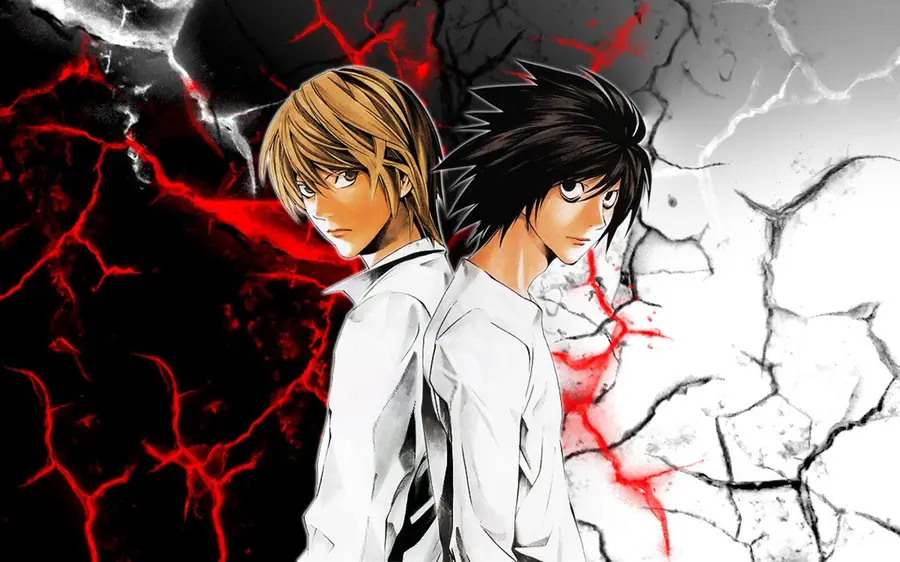
Death Note
Start Death Note’s psychological conflict without ending spoilers. Follow the 12-volume main story and distinguish it from guides and other editions.
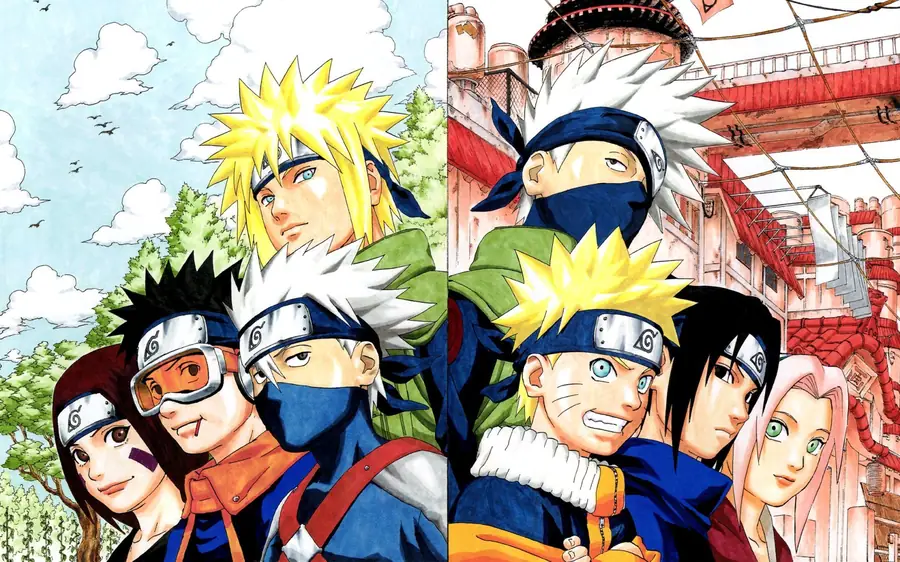
Naruto
Read Naruto’s original ninja story from the beginning. Understand the 72-volume order and how it relates to Shippuden, Boruto and collected editions.
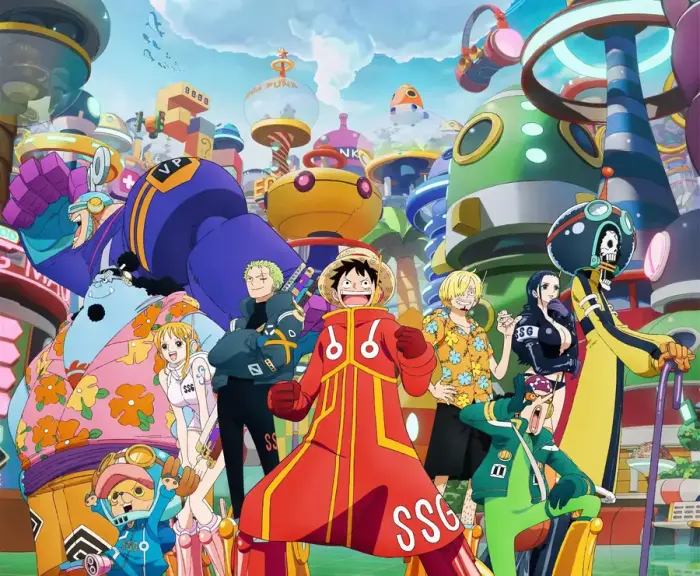
One Piece
Follow Luffy’s pirate adventure from chapter 1. Learn how to start One Piece, compare editions and decide whether its long-form journey suits you.