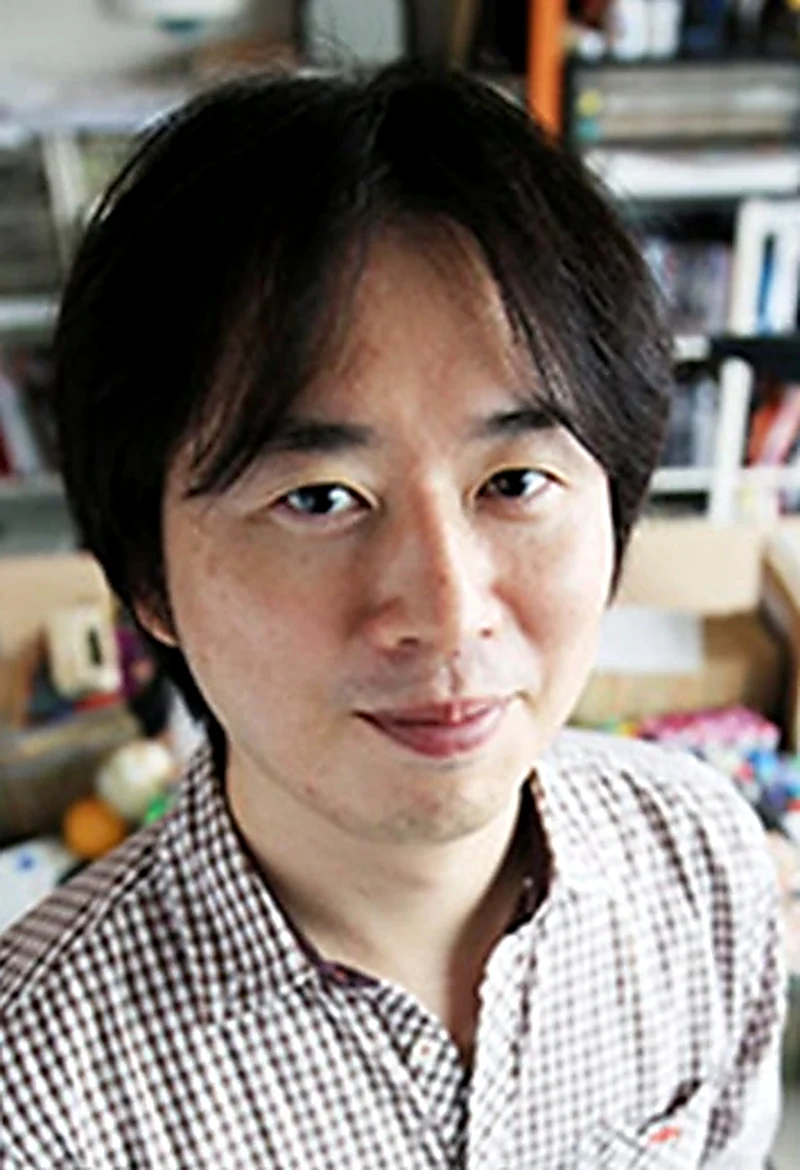
Masashi Kishimoto
Explore Masashi Kishimoto's extraordinary career as creator of Naruto, one of the most influential shōnen manga series. Learn about his artistic evolution and lasting legacy.
Early Life and Inspirations
Masashi Kishimoto was born on November 8, 1974, in Nagi, Okayama, Japan. He is the older identical twin of Seishi Kishimoto, who would also pursue a manga career. From childhood, Kishimoto displayed exceptional artistic talent and deep interest in manga and anime. His passion for the medium was sparked by watching anime shows such as Dragon Ball and Kinnikuman alongside his younger brother.
Kishimoto’s primary inspiration came from Akira Toriyama, whose Dragon Ball significantly influenced his artistic direction and narrative sensibilities. Though his family couldn’t afford a subscription to Weekly Shōnen Jump, young Kishimoto followed manga through friends’ copies, demonstrating his extraordinary dedication to understanding the medium.
During high school, Kishimoto temporarily lost interest in manga while focusing on sports like baseball and basketball. His passion was rekindled after viewing the animated film Akira, which inspired him to imitate the distinctive style of creator Katsuhiro Otomo. This experience taught him that stylistic innovation required studying diverse artistic approaches rather than copying any single source.
Artistic Development and Breakthrough
Education and Early Career
Kishimoto enrolled in art college with the explicit goal of becoming a manga artist. Initially, he aspired to create Chanbara (samurai) manga, a genre lacking representation in Weekly Shōnen Jump at the time. However, after reading Hiroaki Samura’s “Blade of the Immortal” and Nobuhiro Watsuki’s “Rurouni Kenshin,” both of which successfully executed the Chanbara genre, Kishimoto recognized the difficulty of competing in an already saturated niche.
During his second year of college, Kishimoto submitted manga to contests, discovering that his works resembled seinen manga (aimed at young adults) rather than shōnen manga (targeted at children). This realization prompted a stylistic pivot—he studied anime character designer Tetsuya Nishio’s work, whose designs perfectly captured the shōnen aesthetic. This research fundamentally shaped Kishimoto’s unique style, blending his natural sensibilities with shōnen conventions.
In 1997, Kishimoto won a one-shot manga award with his work “Karakuri,” published in Weekly Shōnen Jump, marking his professional debut.
The Creation of Naruto
In 1999, Kishimoto realized his dream with Naruto, serialized in Weekly Shōnen Jump. The series follows Naruto Uzumaki, a young ninja ostracized by his village due to harboring a powerful nine-tailed fox demon, who dreams of becoming Hokage (village leader). Over fifteen years, Naruto captivated global audiences with compelling characters, epic battles, and profound themes of friendship, perseverance, and redemption.
Naruto revolutionized the shōnen genre by combining traditional ninja mythology with modern character psychology. Kishimoto created complex, relatable protagonists whose growth felt earned rather than arbitrary. The series’ exploration of isolation, belonging, and personal growth resonated deeply with audiences across age demographics.
Artistic Style and Narrative Techniques
Kishimoto’s art style evolved significantly throughout Naruto’s serialization. Early chapters featured relatively simple character designs and limited backgrounds, while later volumes showcased increasingly detailed environments and sophisticated character expressions. This evolution reflected both technical improvement and increased resources as the series gained popularity.
His action sequences in Naruto demonstrated exceptional understanding of spatial composition and movement. Combat scenes conveyed genuine physical weight and impact through careful panel positioning and visual emphasis. The series’ famous hand-seal sequences (used for jutsu activation) became iconic visual elements instantly recognizable to fans.
Kishimoto’s dialogue reveals nuanced understanding of character development. Each character possesses distinct speech patterns reflecting their personality and background. The series balances comedic moments with serious storytelling, maintaining emotional investment across multiple narrative arcs spanning hundreds of chapters.
Key Achievements
- Created Naruto, a cultural phenomenon that fundamentally influenced modern shōnen manga
- Maintained serialization for 15 years without significant quality degradation
- Developed complex ninja mythology combining traditional elements with original concepts
- Successfully mentored numerous assistants who became successful manga artists
- Transitioned to supervisor role on Boruto: Naruto Next Generations, ensuring franchise continuity
- Received the Osamu Tezuka Cultural Prize for exceptional contributions to manga
Post-Naruto Career Development
Following Naruto’s conclusion, Kishimoto took time for family before announcing new projects. In 2016, he assumed supervisor role for Boruto: Naruto Next Generations, providing story direction and character design while chief assistant Mikio Ikemoto illustrated.
In December 2017, Kishimoto announced “Samurai 8: The Tale of Hachimaru,” a science fiction adventure series. While innovative in concept, the series struggled to find audience traction and concluded after one year. This experience demonstrated that even legendary creators face creative risks and market rejection.
Kishimoto has indicated intentions to develop new manga projects while prioritizing work-life balance and family time—a departure from the punishing schedule demanded by Naruto’s weekly serialization.
Interesting Facts
- Kishimoto is an identical twin whose brother Seishi also became a successful manga artist, creating “O-Parts Hunter” and other series
- The character Naruto’s love for ramen was inspired by Kishimoto’s personal passion for the dish
- Kishimoto’s favorite ramen shop, located near Kyushu Sankyo University where he studied, inspired the ramen establishment depicted in Naruto
- He maintains meticulous character design sheets and mythology documentation to ensure consistency
- Kishimoto has expressed regret about insufficient family time during Naruto’s serialization, consciously avoiding this pattern in subsequent projects
- Many narrative elements in Naruto were influenced by real-world philosophical concepts and Eastern spirituality
Frequently Asked Questions
When was Masashi Kishimoto born? Kishimoto was born on November 8, 1974, making him part of a generation that grew up with anime and manga as cultural staples.
What was Kishimoto’s first successful manga? Naruto, serialized from 1999 to 2014, was Kishimoto’s breakthrough series that achieved worldwide recognition and commercial success.
How long did Naruto run? Naruto ran for 15 years with 700 chapters collected into 72 volumes, making it one of the longest-running serialized manga in Weekly Shōnen Jump history.
What makes Naruto special compared to other ninja manga? Naruto combined traditional ninja mythology with contemporary character psychology, creating emotionally resonant narratives beyond typical action manga. The series explored themes of isolation, belonging, and personal growth with unprecedented depth.
What is Naruto’s estimated sales? Naruto has sold over 235 million copies worldwide, making it one of the best-selling manga series of all time.
Has Naruto been adapted into other media? Yes, extensively. Naruto was adapted into two anime series, multiple films, video games, novels, and merchandise. The continuation Boruto: Naruto Next Generations expands the universe.
Why did Kishimoto create Samurai 8 after Naruto? Kishimoto wanted to explore different creative territory and challenge himself with science fiction storytelling. Though commercially unsuccessful, the project represented his artistic growth and willingness to experiment.
How does Kishimoto balance creative work with family life? Unlike during Naruto’s serialization, Kishimoto has prioritized family time in subsequent projects. He has spoken publicly about learning to manage work demands more sustainably.
What are Kishimoto’s artistic influences? Akira Toriyama remains his primary influence, along with anime designers and Western comic book artists. These diverse influences shaped his unique visual style.
How has Naruto influenced other mangaka? Numerous contemporary manga creators cite Naruto and Kishimoto as primary influences on their career choices and artistic development. The series established new standards for character development and long-term serialization planning.
Masashi Kishimoto stands as one of manga’s most influential creators. Through Naruto, he demonstrated that serialized manga could achieve both artistic legitimacy and massive commercial success while maintaining emotional authenticity. His impact on the medium continues to resonate through multiple generations of manga artists and dedicated global fans.
FAQ: Masashi Kishimoto
Other Mangakas You May Like
All mangakas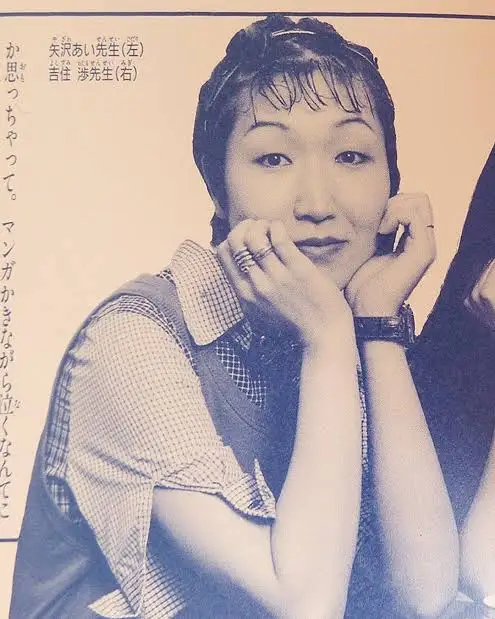
Ai Yazawa
Discover the life and enduring legacy of Ai Yazawa, one of manga's greatest storytellers, whose series Nana changed what shōjo manga could be — and whose hiatus became one of the industry's most followed stories.
Notable Works:
- • Nana
- • Paradise Kiss
- + 2 more

Aka Akasaka
Aka Akasaka is a highly accomplished Japanese manga writer known for genre mastery across romantic comedy and dark drama. His works Kaguya-sama: Love Is War and Oshi no Ko have achieved massive commercial and critical success, with Kaguya-sama selling over 22 million copies worldwide. Akasaka is celebrated for subverting genre conventions, creating complex psychological narratives, and exploring moral ambiguity in compelling storytelling.
Notable Works:
- • Kaguya-sama: Love Is War
- • Oshi no Ko
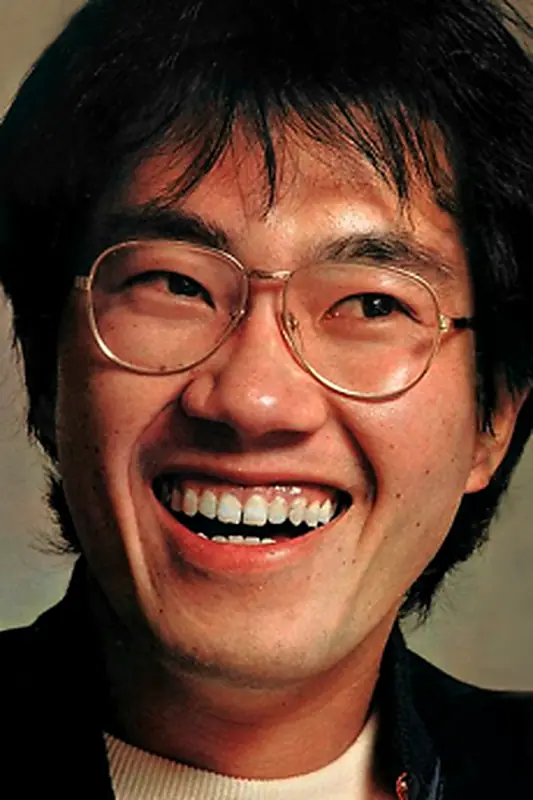
Akira Toriyama
Explore Akira Toriyama's revolutionary career: creator of Dragon Ball, Dr. Slump, and iconic manga. Learn about his artistic genius, influence, and legacy in manga history.
Notable Works:
- • Dragon Ball
- • Dragon Ball Z
- + 3 more
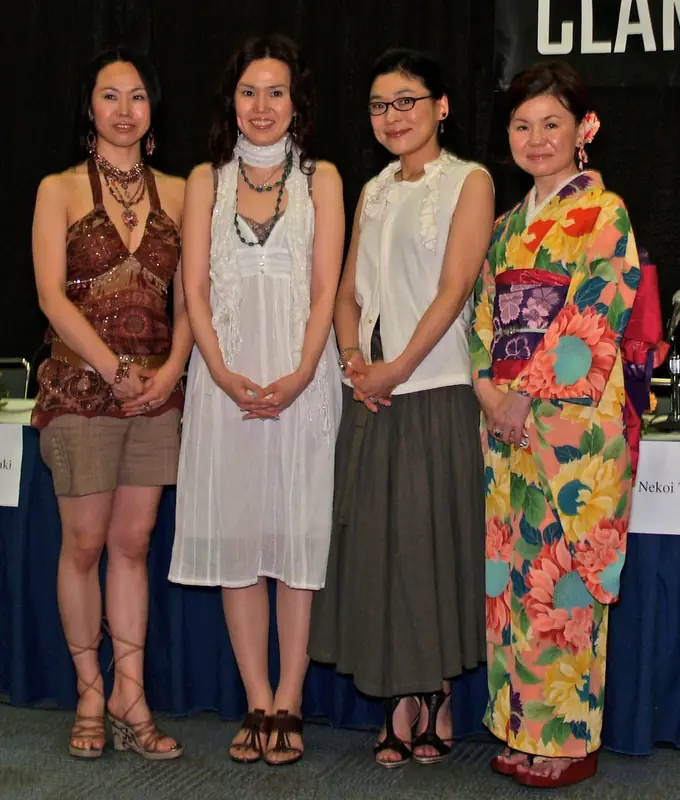
CLAMP
Discover CLAMP, the iconic collective of four talented female manga artists. Explore their revolutionary works from Cardcaptor Sakura to xxxHolic and their lasting industry impact.
Notable Works:
- • Cardcaptor Sakura
- • xxxHolic
- + 4 more
Related Articles
All articles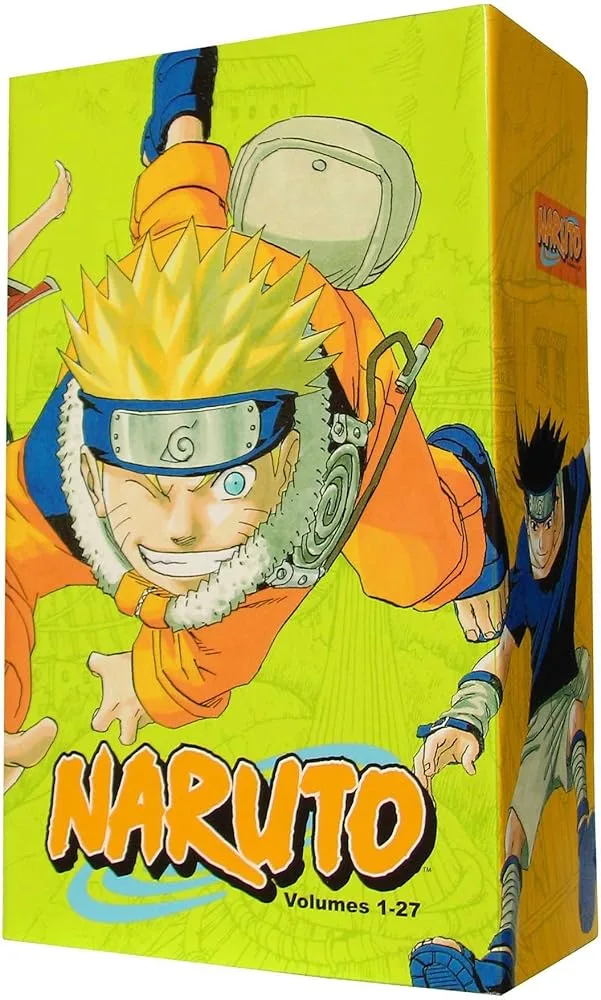
Naruto Box Set Guide 2026: Which to Buy & Reading Order
The complete Naruto manga box set guide for 2026. All three official box sets compared, which to buy first, and how to collect the full 72-volume saga for less.
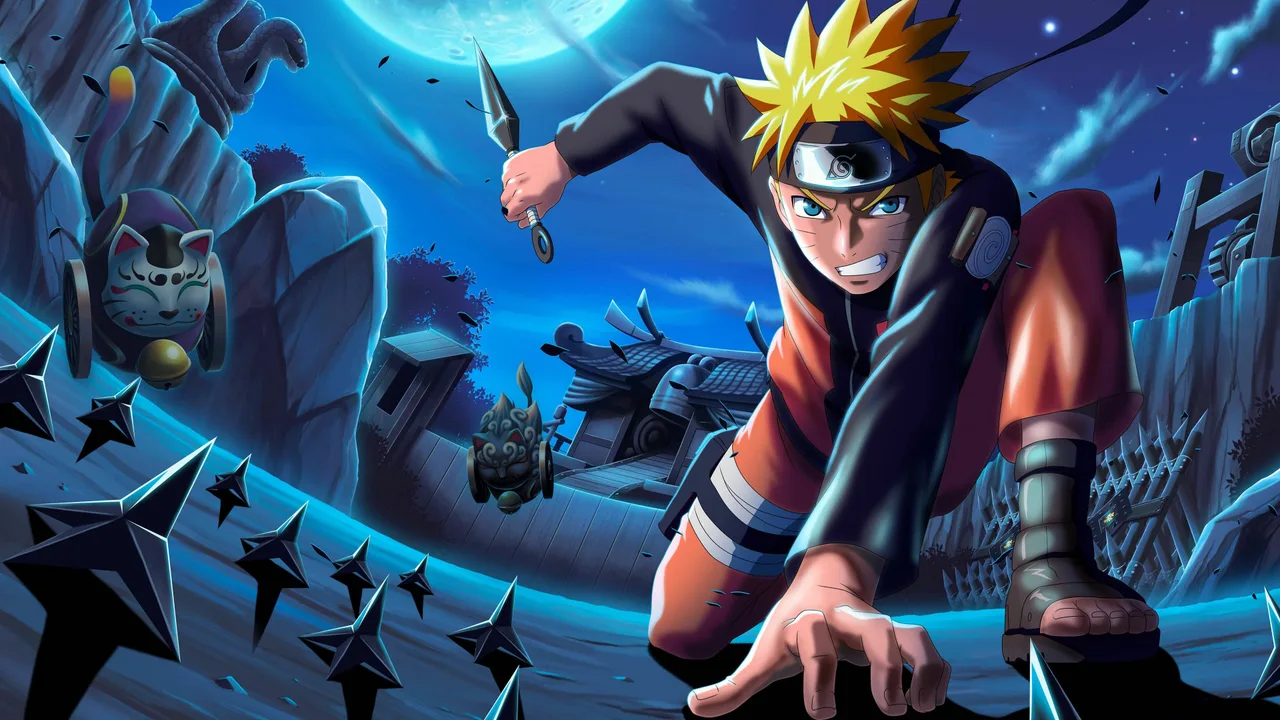
Best Naruto Arcs Ranked (2026): From Chunin Exams to Pain
Complete ranking of the best Naruto arcs from Chunin Exams to the Pain arc. Discover which Naruto Shippuden arcs defined the series and why they matter.
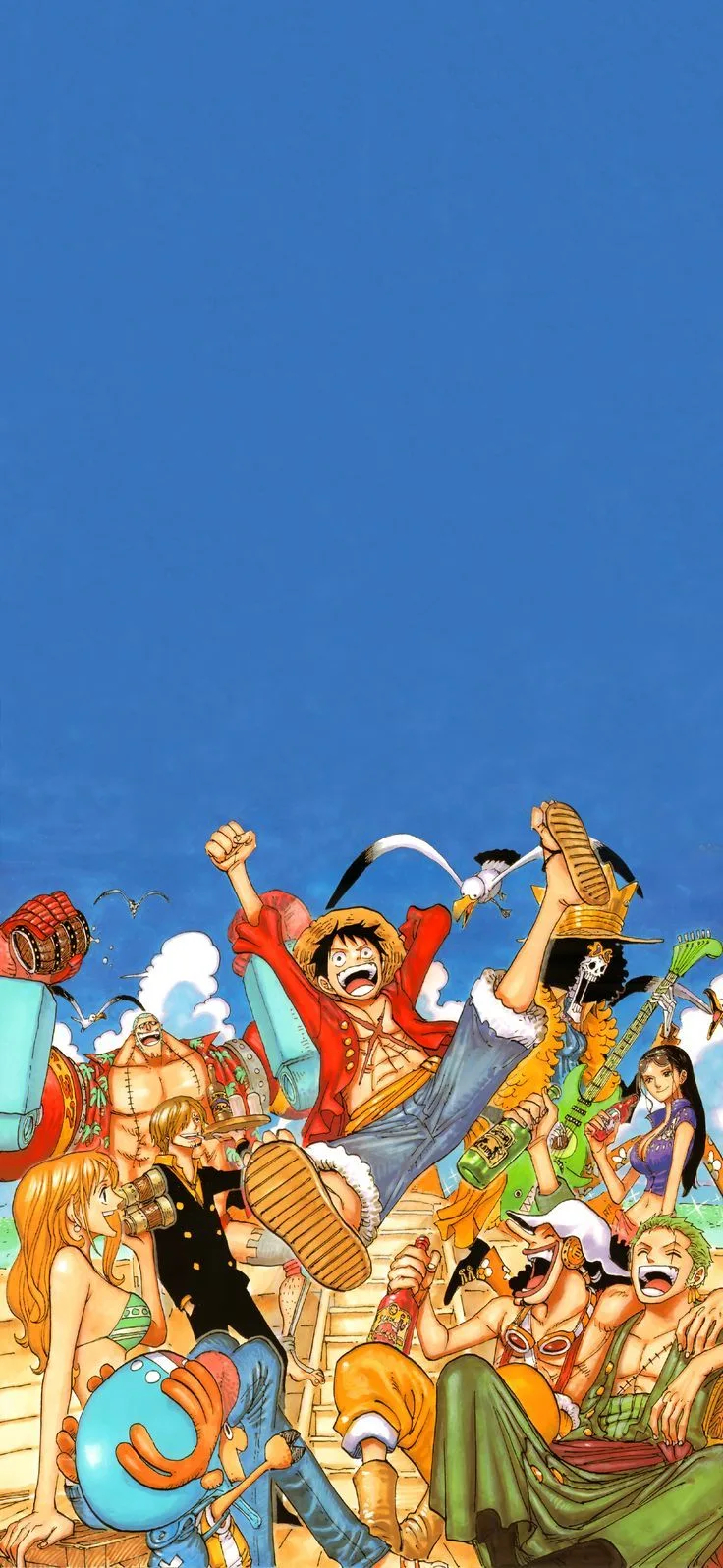
One Piece vs Naruto: Which Manga Should You Read First? (2026)
One Piece vs Naruto: the ultimate manga comparison for new readers. We break down story, characters, pacing, length, and which series to start with.