Fairy Tail
Join Natsu and the Fairy Tail guild as they embark on magical adventures, forming unbreakable bonds while protecting their world.
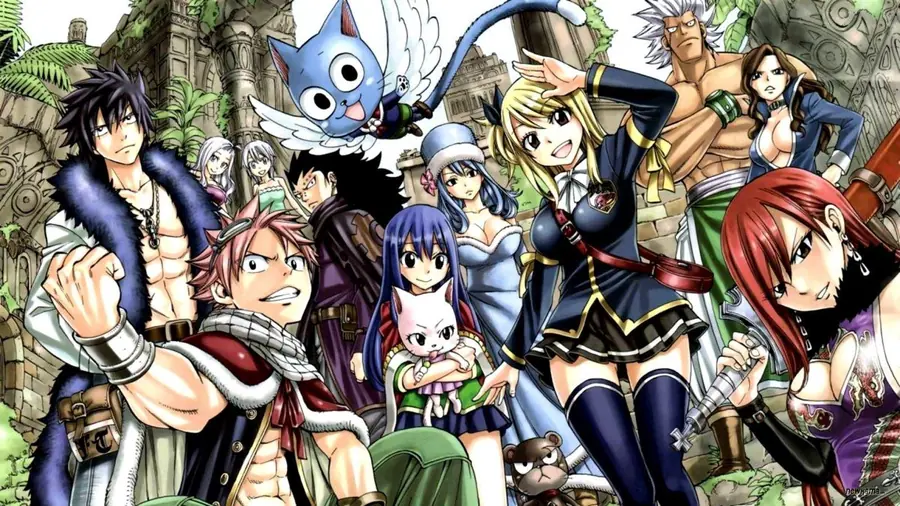
All Fairy Tail Story Arcs in Order
| # | Arc |
|---|---|
| 1 | Macao Arc |
| 2 | Phantom Lord Arc |
| 3 | Tower of Heaven Arc |
| 4 | Battle of Fairy Tail Arc |
| 5 | Edolas Arc |
| 6 | Tenrou Island Arc |
| 7 | Grand Magic Games Arc |
| 8 | Tartaros Arc |
| 9 | Alvarez Empire Arc |
Welcome to Fairy Tail
Fairy Tail represents one of shonen manga’s most joyful and emotionally resonant entries. Created by Hiro Mashima, this fantasy adventure series centers on the Fairy Tail guild—a chaotic family of wizards pursuing dreams, protecting friends, and growing stronger through shared experiences. The series demonstrates that genuine strength comes not from individual power, but from bonds forged through shared struggle and unwavering support.
The World of Fiore and Earth-Land
Fairy Tail takes place in the fantasy world of Earth-Land, specifically in the continent of Fiore. This world operates on magical principles where wizards form guilds—organizations combining commerce, adventure, and mutual support. The Fairy Tail guild distinguishes itself through unconventional methods and genuine care for guildmates beyond profit motive.
The world-building encompasses multiple continents, distinct magical systems, and complex political structures. Various factions including different guilds, kingdoms, and dark forces create external conflicts while the guild remains the emotional center grounding the narrative.
Main Characters and Their Bonds
Natsu Dragneel - The Dragon Slayer with Heart
Natsu begins his journey searching for his adoptive father, the dragon Igneel. His character represents determination and passion—driven equally by desire for power and loyalty to friends. Natsu’s growth encompasses learning that strength means nothing without people to protect. His Fire Dragon Slayer magic allows impressive combat while his emotional intelligence becomes his true power.
Lucy Heartfilia - The Celestial Wizard
Lucy’s initial desire to join Fairy Tail stems from romantic idealization of adventure, but the guild transforms her through genuine friendship. Her celestial spirits provide diverse combat applications while her character development explores courage beyond magical power. Lucy represents emotional growth through meaningful relationships.
Happy - The Flying Companion
A small cat with wings, Happy provides comic relief while representing unconditional companionship. His unwavering loyalty to Natsu and genuine care for Lucy demonstrate that heroism encompasses diverse forms. Happy’s seemingly simple character contains surprising emotional depth.
Erza Scarlet - The Requip Wizard
Erza’s ability to swap between magical armors reflects her varied personality layers. Her traumatic past and recovery through guild support demonstrates Fairy Tail’s healing power. Erza’s character arc explores how past trauma need not define future identity, that chosen family can heal profound wounds.
Gray Fullbuster - The Ice Wizard
Gray’s ice magic abilities mask deeper emotional warmth beneath his cool exterior. His rivalry with Natsu contains genuine affection beneath playful competition. Gray’s character demonstrates that tough exteriors often conceal caring hearts, and that appearing strong differs from actually being strong.
Wendy Marvel - The Sky Dragon Slayer
Introduced later, Wendy represents the next generation of Dragon Slayers. Her character demonstrates that even young members of the guild possess value and capabilities. Her healing magic adds utility while her emotional vulnerability creates relatable character dynamics.
Master Makarov - The Paternal Leader
As guild master, Makarov represents unconditional parental support. His willingness to trust members despite their mistakes, to treat guild as family rather than mere organization, establishes Fairy Tail’s philosophical foundation. His character demonstrates that true leadership involves genuine care for those under one’s guidance.
The Best Fairy Tail Arcs
The Tenrou Island Arc
This arc presents a trial for guild membership while exploring team dynamics. The island itself presents mysterious challenges requiring genuine cooperation. Character development occurs through forced partnerships and shared struggle, strengthening bonds through shared adversity.
The Edolas Arc
Introduction to an alternate dimension exploring themes of parallel realities and contrasting choices. This arc demonstrates consequences of different paths, allowing characters to see potential futures and reinforces commitment to their actual journey. The arc combines action with philosophical exploration.
The Tartaros Arc
The series’ darkest arc introduces the demon guild Tartaros seeking to unseal ultimate evil. The arc demonstrates genuine consequences through character transformations and permanent power loss. This arc shows that not all problems have clean solutions, and sometimes survival requires sacrifice.
The Alvarez Empire Arc
The final major arc involves invasion by an empire led by Zeref himself. This arc ties together long-running mysteries while culminating in ultimate magical warfare. The arc’s exploration of Zeref’s motivation and history provides philosophical context for the series’ conflict.
Why Fairy Tail Resonates
Fairy Tail’s greatest strength lies in its genuine exploration of friendship and found family. The series never treats these bonds as decorative—they’re central to character survival and growth. When characters face impossible challenges, their victory stems from support networks rather than individual power alone.
The series also excels at balancing spectacle with character moments. Massive guild battles intercut with intimate conversations about dreams and fears. This tonal variety prevents the series from becoming relentlessly serious while maintaining genuine stakes during conflicts.
The artwork by Hiro Mashima effectively conveys emotion and action. Character expressions communicate internal feelings without dialogue, while action sequences remain visually clear despite magical complexity. The visual style captures both fantasy grandeur and intimate character moments.
Related Fantasy Adventures
Readers enjoying Fairy Tail’s magical adventure often enjoy One Piece, which similarly emphasizes found family and crew bonds. My Hero Academia shares themes of friendship transcending individual power, while Naruto explores similar concepts of team strength through varied abilities.
The Magic System
Fairy Tail’s magic system emphasizes diverse casting methods—elemental magic, celestial spirits, requip armor transformations, and dragon slayer techniques create varied combat styles. Rather than centralizing power, the system allows different character archetypes equal viability. This encourages appreciation of different fighting styles and character approaches.
The magic system also connects to character personality and emotion. Magical strength correlates with emotional state and determination. This creates narratives where psychological elements matter as much as technique, rewarding character development with increased magical capability.
Frequently Asked Questions
What makes Fairy Tail’s guild concept unique? Unlike typical adventure parties, Fairy Tail functions as persistent family with shared headquarters and economic base. The guild provides community, support, and belonging beyond simple alliance for battles. This creates investment in guildmates extending beyond main characters.
How does Natsu’s dragon slayer magic compare to other magical systems? Dragon slayer magic represents one of Fairy Tail’s most distinctive elements. The magic allows consumption of specific elements for enhancement while enabling powerful attacks. Natsu’s growth encompasses learning his dragon slayer heritage—exploring identity alongside power.
What role do the Celestial Spirits play in the series? Lucy’s celestial spirits provide diverse abilities beyond her personal power. The spirit characters possess individual personalities and relationships with Lucy, creating emotional bonds transcending combat utility. The spirits represent Lucy’s connections and emotional growth.
How does Fairy Tail handle serious themes? While maintaining generally lighthearted tone, Fairy Tail addresses genuine trauma, sacrifice, and loss. Character backstories often involve tragedy and loss, but the guild’s support helps members process trauma. The series demonstrates how community facilitates healing.
What is the significance of Dragon Slayer magic? Dragon slayer magic represents bonds between humans and dragons. Natsu, Wendy, and other slayers inherited their magic from dragons, creating emotional connections transcending simple power acquisition. Dragon slayer magic embodies the series’ themes of inherited relationships and family.
How does Fairy Tail address power scaling? Power scaling occurs through character training and magical development. The series generally maintains internal logic regarding power increases, though some critics note occasional inconsistencies. Character growth stems from meaningful effort rather than arbitrary elevation.
What makes Fairy Tail’s antagonists interesting? Many of Fairy Tail’s major antagonists possess understandable motivations and complex backstories. Villains often become guild members or allies after understanding their perspective, reflecting the series’ belief in redemption. This approach creates more nuanced conflicts than simple good versus evil.
How does the series address Natsu’s past? Natsu’s revelation about his true nature and past provides context for his powers while deepening emotional complexity. Rather than arbitrary, his history directly influenced his personality and approach to relationships, creating organic character development.
What role do female characters play in Fairy Tail? Fairy Tail features numerous strong female characters with distinct combat abilities and character arcs. Characters like Erza and Wendy receive meaningful development beyond romance stereotypes, though some critics note room for deeper female character exploration.
Should I watch Fairy Tail or read the manga? The manga represents Hiro Mashima’s original vision with his distinctive artwork. The anime expansion adds filler content that, while entertaining, differs from original story. Many fans experience both to appreciate each medium’s distinct qualities.
The Emotional Core of Fairy Tail
Fairy Tail’s greatest achievement lies in genuinely exploring how belonging transforms lives. Every character joins the guild broken or incomplete in some fashion—Natsu seeking family, Lucy escaping arranged marriage, Gray carrying trauma, Erza recovering from enslavement. The guild becomes their healing place, where acceptance permits growth impossible in isolation.
The series demonstrates that strength comes not from power level alone, but from connections willing to support you through struggle. This message resonates across demographics because everyone experiences need for belonging and understanding. Fairy Tail argues that genuine strength means being vulnerable with others, trusting in their support even when independent power would suffice.
The Lasting Legacy
Fairy Tail influenced numerous subsequent series emphasizing guild structures and team dynamics. The series proved that consistent character focus alongside spectacle could sustain narratives across 63 volumes. For readers seeking adventure that balances action with genuine emotional investment in character relationships, Fairy Tail stands as one of manga’s most rewarding experiences—a series that argues, convincingly, that the greatest power comes not from magic, but from friends.
Publication and Adaptations
Hiro Mashima launched Fairy Tail in Kodansha’s Weekly Shōnen Magazine on August 2, 2006, concluding the main series on July 26, 2017 after 545 chapters serialized across nearly eleven years. The complete run was collected into 63 tankōbon volumes between December 2006 and November 2017. Kodansha USA holds the English license, releasing all 63 volumes in standard format and later issuing 21 Master’s Edition omnibuses, each collecting three volumes in larger trim with revised translations. The series surpassed 72 million copies in circulation worldwide as of 2019, making it one of Kodansha’s flagship shōnen properties of the 2000s and 2010s.
The A-1 Pictures and Satelight anime adaptation premiered on TV Tokyo in October 2009 and ran 175 episodes through March 2013. After a brief hiatus, Bridge took over animation duties for the second series spanning 102 episodes from April 2014 to March 2016, followed by the final season of 51 episodes from October 2018 to September 2019, totaling 328 episodes. Two theatrical films expanded the universe: Fairy Tail the Movie: Phoenix Priestess (2012) and Fairy Tail: Dragon Cry (2017), both featuring original stories supervised by Mashima. Funimation handled English dubbing across the entire run, with the dub completing in 2022.
The franchise spawned multiple spin-off manga continuing the world. Fairy Tail Zero (2014-2015) chronicled the guild’s founding by Mavis Vermilion. Fairy Tail Gaiden anthologies focused on side characters like Rhodonite, Road Knight, and Twin Dragons of Sabertooth. Most significantly, Fairy Tail: 100 Years Quest launched in July 2018 as the official sequel, written by Mashima with art by Atsuo Ueda, following Natsu’s team on a century-long quest tackling the Five Dragon Gods. The sequel received its own anime adaptation by J.C.Staff in July 2024. Mashima’s broader Heart Kreuz universe connects Fairy Tail to Rave Master and Edens Zero through shared character cameos and thematic continuity.
Cultural Impact and Legacy
Fairy Tail’s emphasis on guild structure influenced an entire subgenre of fantasy manga, with works like Black Clover, Edens Zero, and various isekai titles incorporating similar found-family dynamics. The series received the 33rd Kodansha Manga Award for shōnen category in 2009, validating its commercial and editorial success early in its run. International conventions consistently report Fairy Tail cosplay among the most popular categories, with Erza Scarlet, Lucy Heartfilia, and Natsu Dragneel cosplays remaining staples a decade after the manga’s conclusion.
Hiro Mashima’s open relationship with fans through social media, where he regularly shares character sketches and concept art, established a template for manga creator engagement that newer artists have followed. The Fairy Tail brand extended into mobile games (Fairy Tail: Forces Unite!, Fairy Tail: Magic Card Battle), console games (Fairy Tail by Koei Tecmo and GUST in 2020), light novels, drama CDs, and merchandise spanning Funko Pop figures to high-end Bandai Tamashii Nations statues.
Frequently Asked Questions
When did Fairy Tail’s main story end? The original manga concluded on July 26, 2017 after 545 chapters and 63 volumes published over nearly eleven years in Kodansha’s Weekly Shōnen Magazine.
Is Fairy Tail: 100 Years Quest canon? Yes. Hiro Mashima writes the sequel with Atsuo Ueda handling artwork. It launched July 2018 in Magazine Pocket and continues the story immediately after the original manga’s epilogue.
How does Fairy Tail connect to Edens Zero? Both are written by Hiro Mashima and feature visual cameos of Fairy Tail characters in Edens Zero. While not direct sequels, Mashima has confirmed thematic and universe connections through his Heart Kreuz multiverse concept.
What order should I watch the Fairy Tail anime? Watch the original 175 episodes (2009-2013), then the second series of 102 episodes (2014-2016), then the final season of 51 episodes (2018-2019), then Fairy Tail: 100 Years Quest (2024-).
Did Fairy Tail win any major awards? Yes, it won the 33rd Kodansha Manga Award in the shōnen category in 2009 and consistently appeared in Oricon’s annual top-ten manga sales rankings throughout its run.
Fairy Tail Arc Guides
Macao Arc
Natsu and Lucy's first adventure as Fairy Tail members introduces the guild's mission-based adventures. When they encounter a man transformed into a demon by dark magic, they must work together to defeat the creature and save him. This arc establishes the dynamic between the main characters and demonstrates the bonds within the guild.
Phantom Lord Arc
Two rival guilds clash in epic combat when Phantom Lord attacks Fairy Tail, kidnapping Lucy and destroying guild infrastructure. Guild Master Makarov confronts Jose, Phantom Lord's leader, while Natsu and his friends pursue their captured comrade. This arc showcases the darker side of guild politics and introduces inter-guild warfare.
Tower of Heaven Arc
Erza's traumatic past emerges when a mysterious man from her history—Jellal Fernandes—kidnaps her and her friends. They discover the Tower of Heaven, an ancient weapon designed to destroy the continent, and Erza must confront her former enslaver. The arc reveals Erza's hidden strength and sets up Jellal's complex redemption.
Battle of Fairy Tail Arc
Laxus, the Guild Master's grandson, launches an assault on Fairy Tail itself, forcing guildmates to battle each other in a deadly tournament. The Thunder God Tribe fights against other members while dark forces manipulate events from behind the scenes. This arc explores internal guild conflict and marks Laxus's gradual character development.
Edolas Arc
A magical anomaly transports Natsu and friends to Edolas, an alternate dimension where parallel versions of themselves exist and magic is disappearing. King Faust rules with an iron fist while alternate versions of beloved characters challenge the heroes' understanding of identity and fate. The arc explores themes of parallel lives and meaningful choice.
Tenrou Island Arc
Fairy Tail's S-Class mage examination takes place on a mysterious island where the guild master is revealed to have hidden a powerful magical artifact. When Grimoire Heart dark guild invades seeking Fairy Heart, Acnologia makes a catastrophic appearance. The arc shifts the series toward darker, higher-stakes conflicts.
Grand Magic Games Arc
After their return from Tenrou Island, Fairy Tail members participate in a tournament showcasing the strongest guilds in Fiore. Future Rogue's appearance and the Eclipse Gate weapon create unexpected complications, and Natsu faces a mysterious dragon slayer from another timeline. The arc combines spectacle with mystery and foreshadows darker threats.
Tartaros Arc
The demon guild Tartaros, filled with creatures from Zeref's dark grimoires, attacks Fairy Tail seeking Face, a magical weapon designed to eliminate magic from the world. Natsu's growth as a Dragon Slayer and Igneel's return create emotional stakes alongside apocalyptic threat. The arc features permanent power losses and tragic character moments.
Alvarez Empire Arc
Zeref's own empire invades Fiore with the Spriggan 12, his elite mages wielding god-tier magic. The final arc culminates in Natsu discovering his true nature as END and facing Zeref directly. Acnologia's true form and ultimate magical warfare determine the fate of the entire world.
Fairy Tail Merchandise
Read manga free with Amazon Prime
30-day free trial: free shipping, Prime Reading, Kindle, Prime Video and more.
Affiliate link. 30-day free trial for new members. Then $14.99/month — cancel anytime.
FAQ: Fairy Tail
You May Also Like
All manga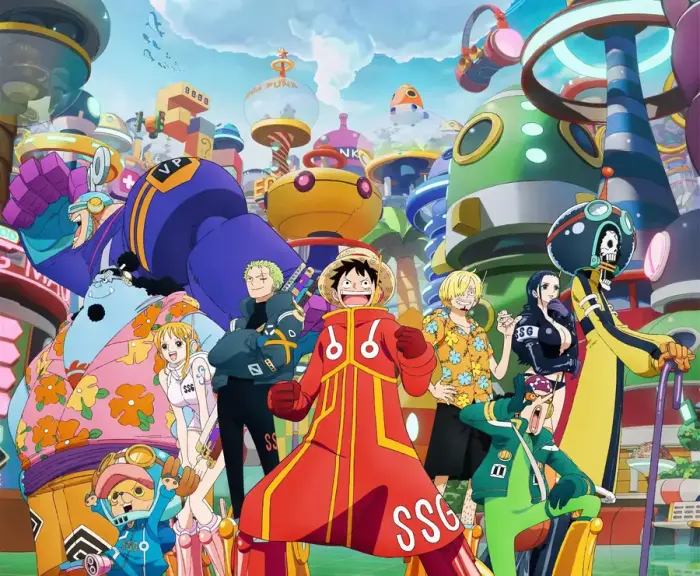
One Piece
The story of Monkey D. Luffy, a young man who gains rubber powers from eating a Devil Fruit and sets out to find the legendary treasure One Piece and become King of the Pirates.
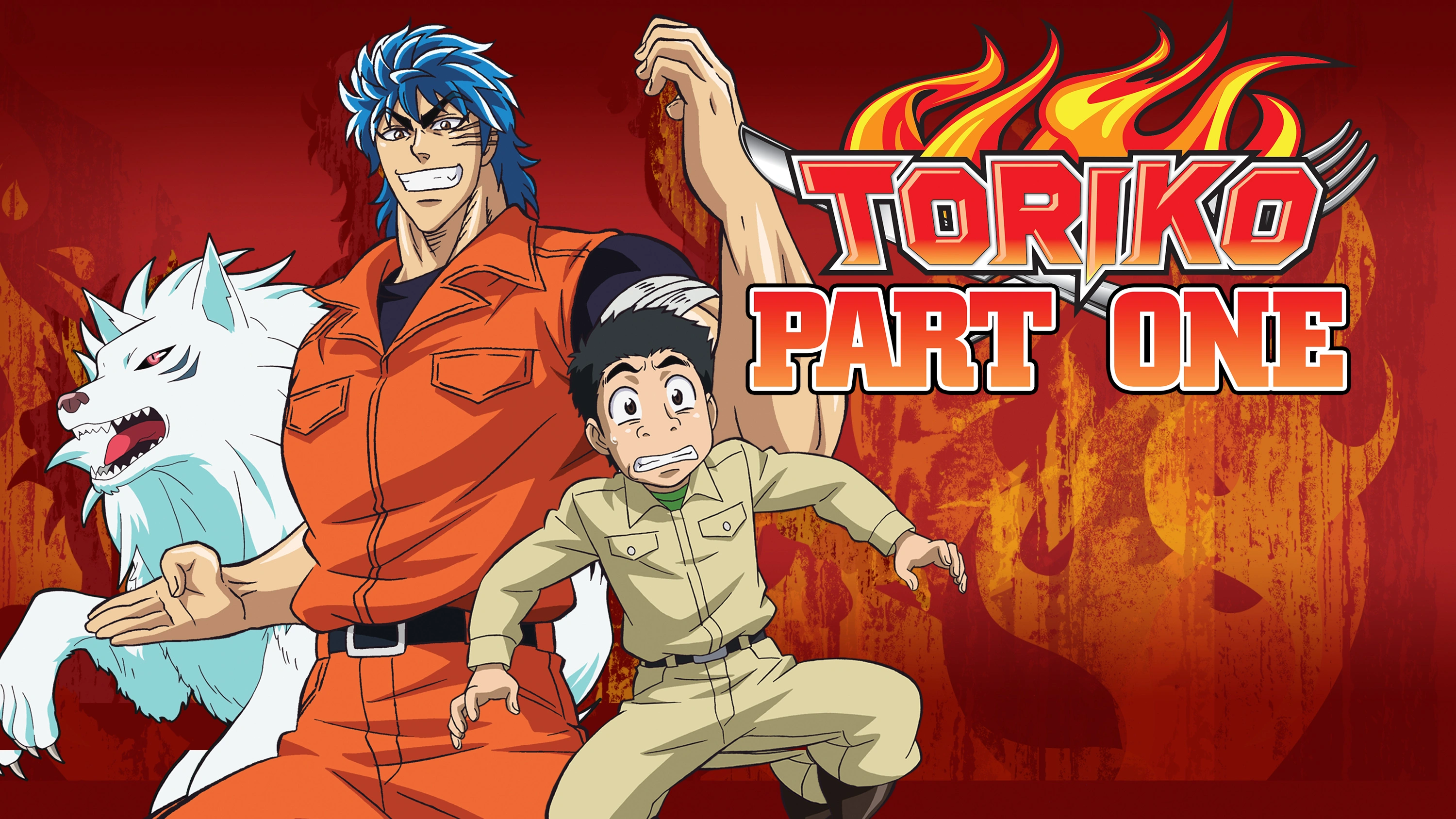
Toriko
A completed shonen adventure manga by Mitsutoshi Shimabukuro about Toriko, a Gourmet Hunter searching for legendary ingredients to complete his dream Full Course Menu alongside his chef partner Komatsu, in a world where cuisine and combat are inseparable.
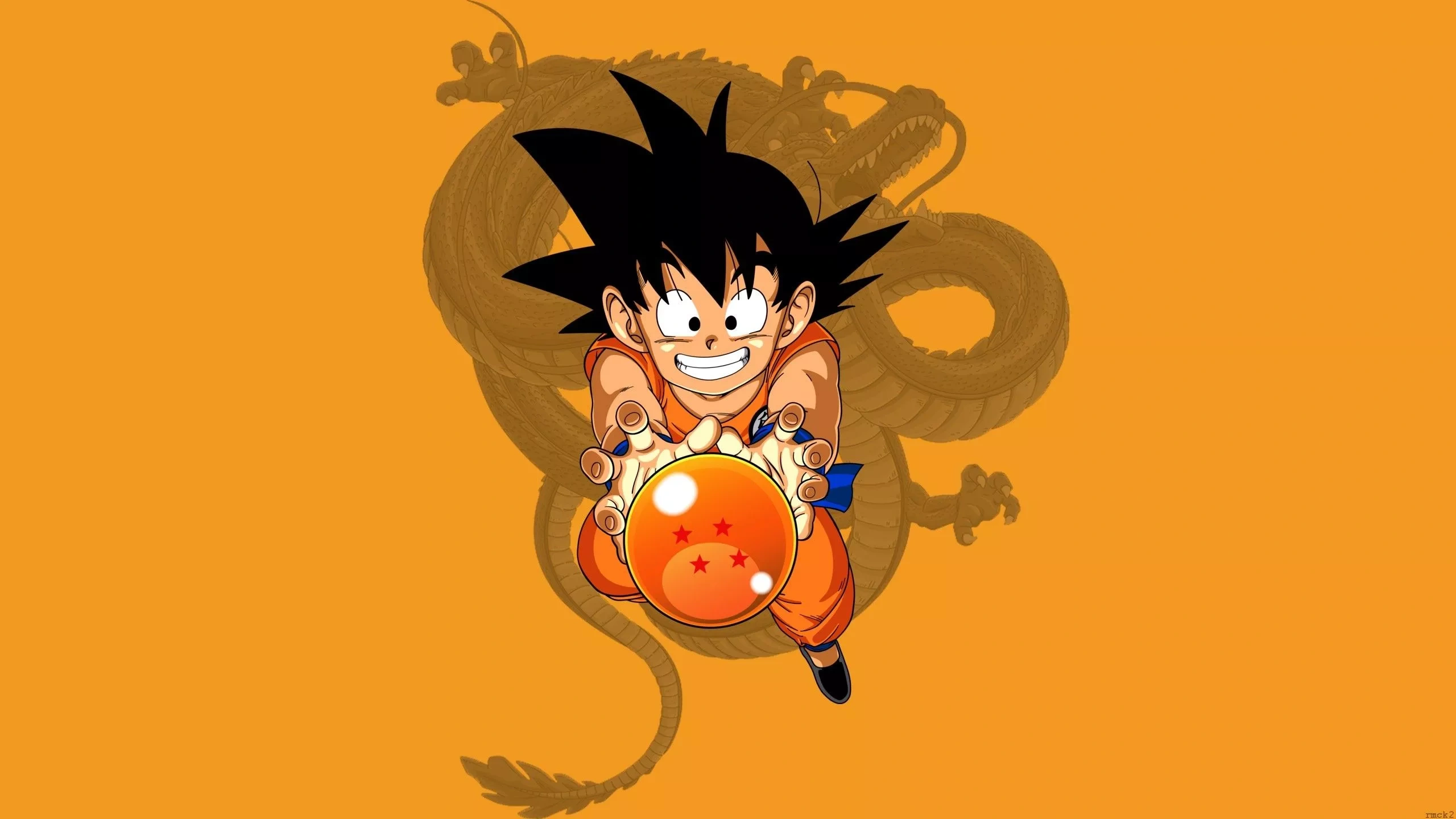
Dragon Ball
Follow Goku's incredible journey from a martial arts novice to Earth's mightiest defender in this action-packed adventure series.
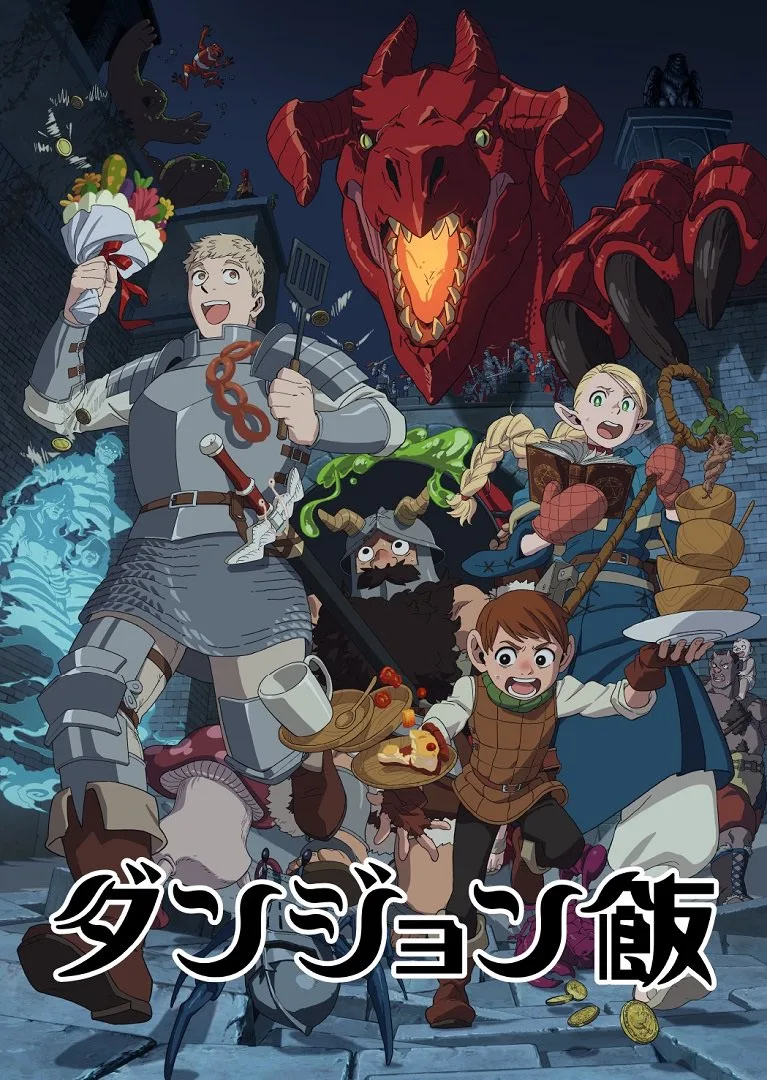
Delicious in Dungeon
A fantasy adventure comedy following an adventuring party that cooks and eats the monsters of a vast dungeon while racing to rescue their friend Falin. Created by Ryoko Kui.
Related Articles
All articles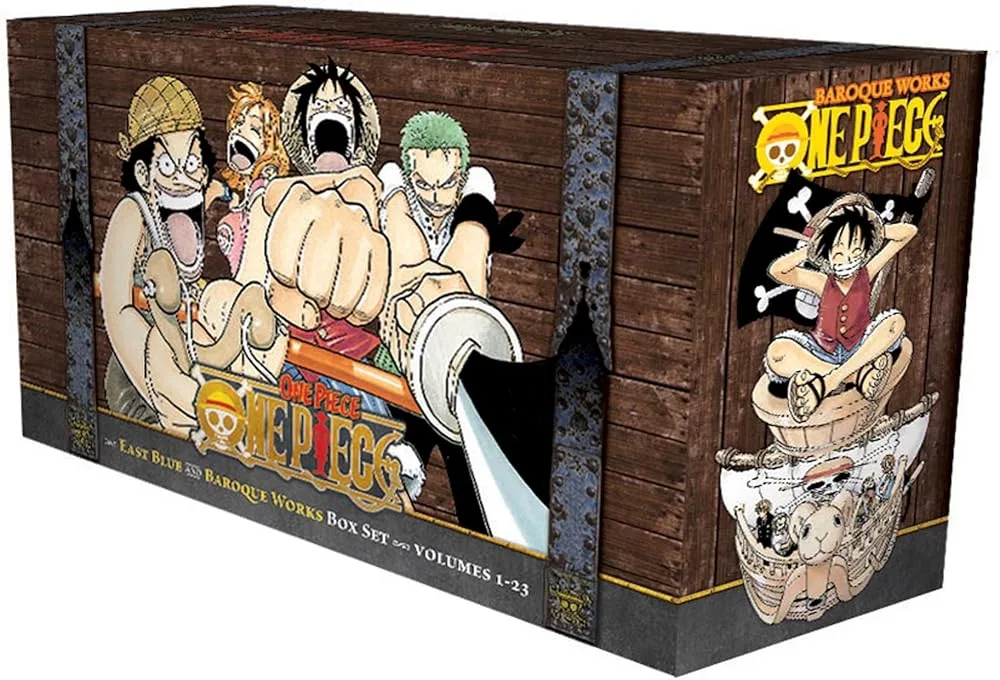
Top 15 Best Action Manga of All Time (2026)
The best action manga ever made, ranked. Explosive battles, legendary fights, and adrenaline-fueled epics — plus the box sets worth collecting.
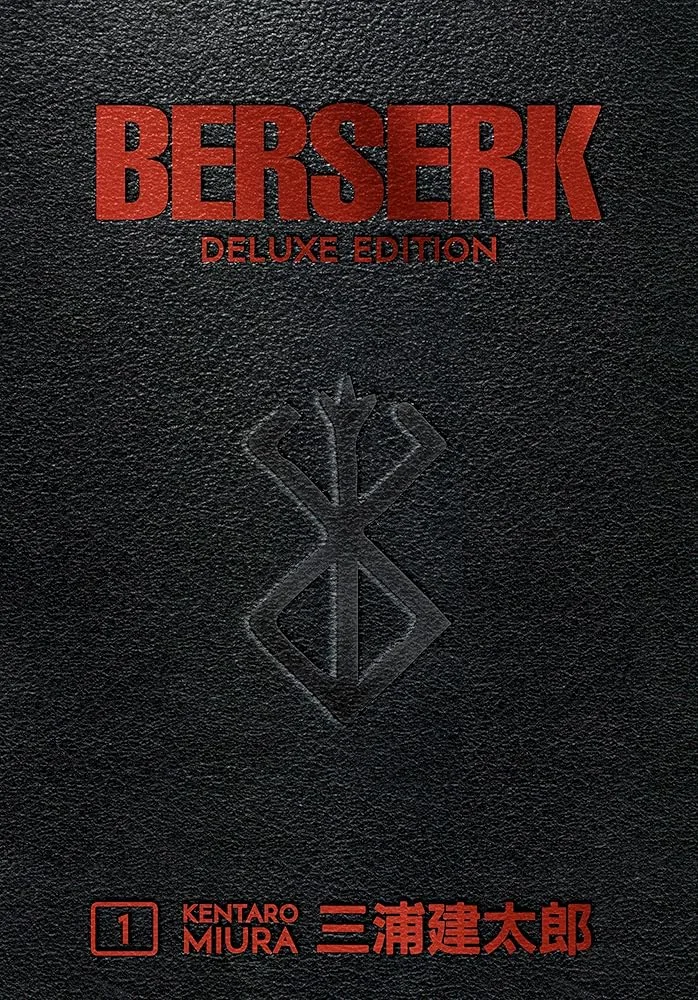
Top 15 Best Dark Fantasy Manga of All Time (2026)
The best dark fantasy manga ever made, ranked. Brutal worlds, morally grey heroes, and demonic horror — plus where to buy the definitive editions.
Top 18 Best Fantasy Manga of All Time
The best fantasy manga ever made, from dark epics to isekai adventures. Magic systems, world-building, and unforgettable journeys ranked.