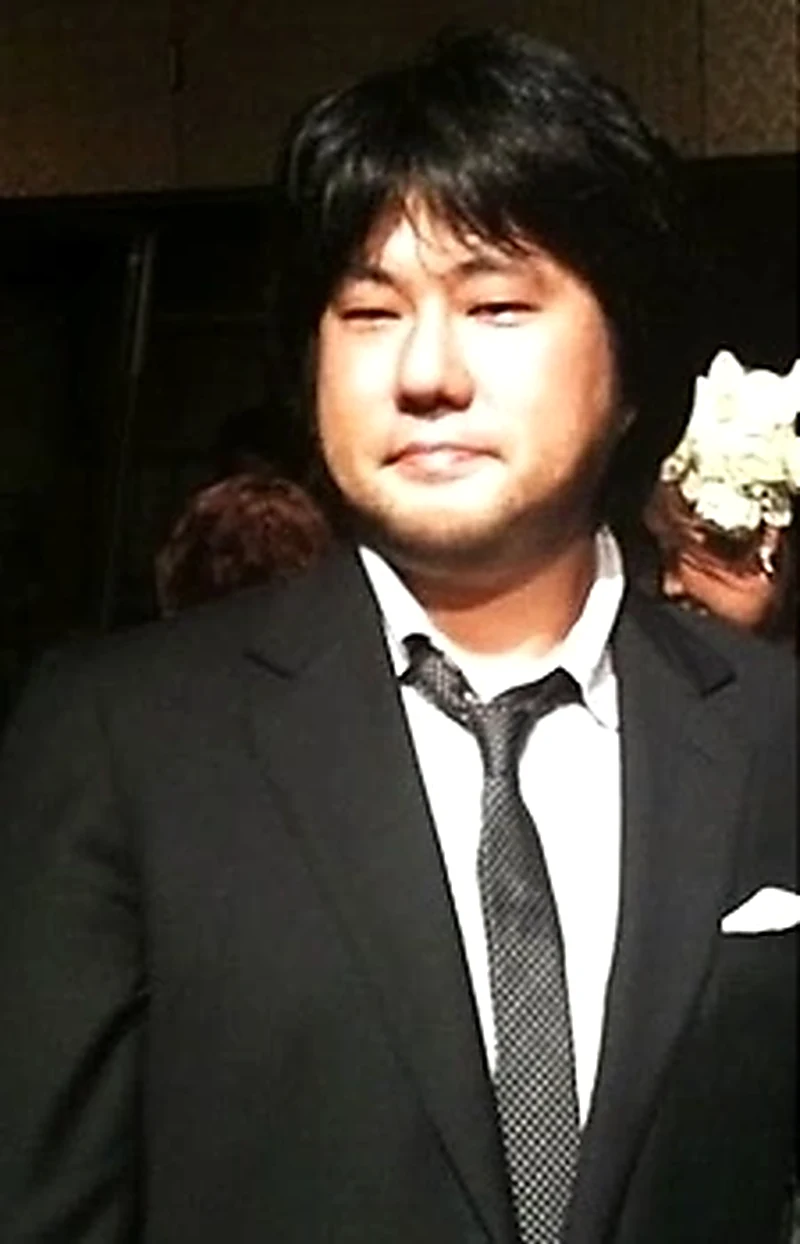
Eiichiro Oda
Discover Eiichiro Oda's remarkable journey from aspiring artist to creator of One Piece, the best-selling manga of all time. Learn about his creative vision and lasting impact.
Early Life and Creative Influences
Eiichiro Oda was born on January 1, 1975, in Kumamoto Prefecture, Japan. From early childhood, he displayed an extraordinary passion for manga and storytelling. This passion was shaped significantly by the works of legendary mangaka such as Akira Toriyama, whose Dragon Ball served as a primary inspiration for the young artist. Oda’s dedication to his craft was evident even at age four, when he began drawing his own manga stories with remarkable persistence.
Growing up, Oda immersed himself in the manga industry, studying successful series to understand narrative structure, character development, and artistic techniques. He attended art school while simultaneously working toward his dream of becoming a professional manga artist. His teenage years were marked by determination and countless rejection letters—experiences that would later inform the resilience themes prevalent in One Piece.
Oda’s fascination with adventure narratives, world exploration, and piracy emerged during his formative years. These interests would eventually crystallize into One Piece, which seamlessly blends his childhood dreams with mature storytelling techniques developed over years of artistic study.
Career Development and Breakthrough
Early Professional Work
Oda made his professional debut in 1991 with the one-shot manga “Wanted!”, published in Weekly Shōnen Jump. Though this early work wasn’t a major commercial success, it demonstrated Oda’s emerging artistic talent and established him as a promising newcomer. For several years, he worked on various projects and assisted established mangaka, using these experiences to develop his distinctive style.
The journey from aspiring artist to successful mangaka required perseverance through multiple rejections. Oda submitted his work to Weekly Shōnen Jump when he was seventeen years old, and despite initial rejections, he continued refining his craft. This period of apprenticeship and rejection proved invaluable in developing the resilience and technical skills necessary for sustained manga creation.
The Creation of One Piece
In 1997, Eiichiro Oda introduced the world to One Piece, which would become the best-selling manga series of all time. The premise was deceptively simple: the story follows Monkey D. Luffy, a young pirate with the dream of becoming King of the Pirates, and his journey across the Grand Line with his diverse crew of adventurers.
What makes One Piece exceptional is its masterful balance of multiple narrative elements. Oda crafted a world with incredibly detailed geography, unique nations with distinct cultures, complex political systems, and a deep lore that unfolds gradually across decades of serialization. This world-building sophistication elevated One Piece beyond typical adventure manga.
The character designs in One Piece showcase remarkable creativity. Each crew member has a distinctive silhouette, personality, and backstory, making them instantly recognizable while serving specific narrative functions within the broader story. The variety of character archetypes allows Oda to appeal to diverse audience demographics simultaneously.
Artistic Style and Narrative Innovation
Oda’s artistic approach combines bold lines with detailed environmental backgrounds. His character designs feature exaggerated proportions and expressive features that convey emotions effectively. The action sequences in One Piece demonstrate sophisticated understanding of visual momentum and spatial composition.
Beyond visual artistry, Oda’s narrative structure represents a significant innovation in manga. One Piece employs complex multi-layered storytelling: episodic adventures provide immediate entertainment, while longer arcs develop character relationships and reveal overarching plot elements. This structure allows casual readers to enjoy individual story arcs while rewarding long-term readers with intricate plot connections and foreshadowing spanning hundreds of chapters.
Oda’s dialogue writing reveals nuanced understanding of character voice. Each character speaks distinctively, with speech patterns reflecting personality, background, and emotional state. The humor in One Piece ranges from slapstick comedy to sophisticated wordplay, accommodating audiences of varying ages and preferences.
Key Achievements
- Created One Piece, the best-selling manga series of all time with over 500 million copies sold worldwide
- Maintained consistent serialization and artistic quality for over 25 years without major hiatuses
- Developed an intricate fictional world with internal consistency that rivals fantasy literature classics
- Successfully translated manga to global audiences, proving the medium’s international appeal
- Inspired the creation of multiple anime series, films, video games, and merchandise franchises generating billions in revenue
Personal Life and Support System
Oda married Chiaki Inaba on November 7, 2004, after they met at the 2002 Shonen Jump Festa. Inaba, a former model and actress, left her entertainment career to support Oda’s manga work. The couple has two daughters and lives in an upscale Tokyo neighborhood. Despite his incredibly demanding schedule—Oda famously sleeps only three hours per night during serialization—he prioritizes family time, with his family visiting his studio weekly.
Oda has publicly stated that he made a promise to Chiaki to travel the world together once One Piece concludes. This commitment reflects the partnership’s importance to his creative sustainability and personal happiness. His wife’s support has been acknowledged as crucial to his ability to maintain the intense work schedule demanded by weekly serialization.
Legacy and Impact on the Industry
One Piece has had profound effects on the global manga and anime industries. The series demonstrated conclusively that manga could achieve massive commercial success through sustained quality storytelling rather than relying on gimmicks or trends. It established a new standard for world-building complexity in manga and proved that adventure narratives could sustain reader interest across decades.
The international success of One Piece influenced how Japanese publishers approach global markets. The series has been translated into numerous languages and adapted into multiple anime series, numerous films, and successful video games. This global reach contributed to manga’s recognition as a legitimate art form worthy of serious critical analysis.
Oda’s influence extends to contemporary mangaka. Kohei Horikoshi, creator of My Hero Academia, and numerous other modern manga artists cite Eiichiro Oda as a primary influence on their work and career choices.
Interesting Facts
- Oda maintains detailed character reference sheets and world encyclopedias to ensure consistency across assistants’ work
- He has stated that One Piece was originally planned to last five years but its popularity led to continuous expansion
- Oda is a devoted soccer fan and supporter of the Brazilian national team, which influences cultural elements in One Piece
- He is an avid collector of CDs and records, with a particular appreciation for music composition
- Many character designs in One Piece were influenced by real historical pirates and military figures
- Oda is famous for hiding “Pandaman” easter eggs throughout One Piece chapters, which fans hunt for obsessively
Frequently Asked Questions
When was Eiichiro Oda born? Oda was born on January 1, 1975, making him one of the most successful manga artists of his generation.
What was Oda’s first published work? “Wanted!” was Oda’s first published work, appearing in Weekly Shōnen Jump in 1991. Though not commercially successful, it established his professional presence in the manga industry.
How long has One Piece been running? One Piece began serialization in 1997 and remains ongoing, with over 25 years of continuous publication and no conclusion date announced.
What makes One Piece unique compared to other adventure manga? One Piece combines elaborate world-building, complex character development, intricate foreshadowing, and a perfect balance of humor and serious storytelling. The series’ longevity hasn’t diminished artistic quality, which distinguishes it from many long-running manga.
Has One Piece been adapted into other media? Yes, extensively. One Piece has been adapted into multiple anime series, dozens of films, numerous video games, and successful merchandise franchises. A live-action adaptation is in development.
What is One Piece’s estimated sales? One Piece has sold over 500 million copies worldwide, making it the best-selling manga series of all time and among the best-selling literary properties globally.
How does Oda maintain serialization while ensuring quality? Oda employs a skilled team of assistants who handle backgrounds and inking, allowing him to focus on character design, panel composition, and storytelling. He maintains meticulous planning and storyboarding to ensure narrative coherence.
What are Oda’s hobbies and interests? Oda is a passionate soccer fan, particularly of Brazil’s national team. He’s also an avid music collector with sophisticated taste in CDs and records. These interests occasionally appear as references in One Piece.
How has One Piece influenced other mangaka? Many contemporary manga creators cite One Piece as their primary inspiration. The series established new standards for adventure narratives, character development, and long-term storytelling planning.
What is Oda’s creative vision for One Piece’s conclusion? Oda has indicated that One Piece remains active and that he has substantial story yet to tell. While estimates suggest several more years of serialization, the exact timeline remains flexible based on story requirements.
Eiichiro Oda represents the pinnacle of manga artistry and commercial success. One Piece stands as a testament to the power of sustained creative vision, meticulous world-building, and genuine love for storytelling. Through his work, Oda has demonstrated that manga can achieve both artistic legitimacy and massive commercial success while maintaining quality across multiple decades of publication.
FAQ: Eiichiro Oda
Other Mangakas You May Like
All mangakas
Ai Yazawa
Discover the life and enduring legacy of Ai Yazawa, one of manga's greatest storytellers, whose series Nana changed what shōjo manga could be — and whose hiatus became one of the industry's most followed stories.
Notable Works:
- • Nana
- • Paradise Kiss
- + 2 more

Aka Akasaka
Aka Akasaka is a highly accomplished Japanese manga writer known for genre mastery across romantic comedy and dark drama. His works Kaguya-sama: Love Is War and Oshi no Ko have achieved massive commercial and critical success, with Kaguya-sama selling over 22 million copies worldwide. Akasaka is celebrated for subverting genre conventions, creating complex psychological narratives, and exploring moral ambiguity in compelling storytelling.
Notable Works:
- • Kaguya-sama: Love Is War
- • Oshi no Ko
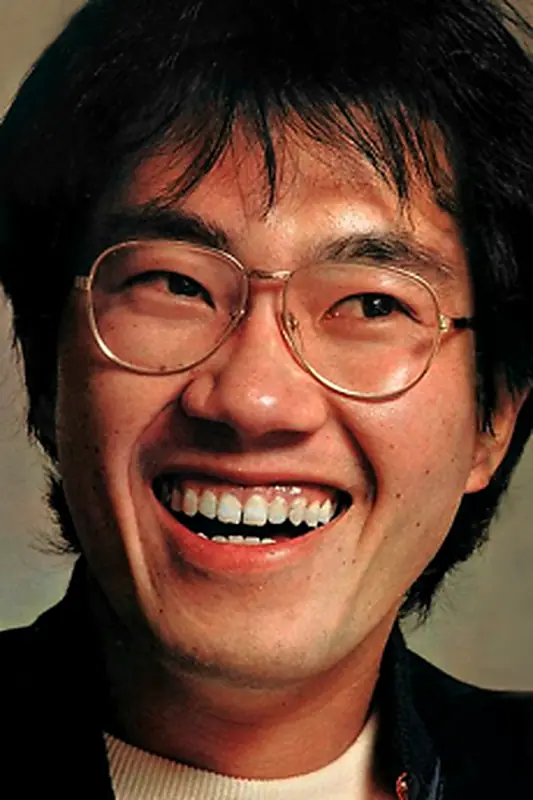
Akira Toriyama
Explore Akira Toriyama's revolutionary career: creator of Dragon Ball, Dr. Slump, and iconic manga. Learn about his artistic genius, influence, and legacy in manga history.
Notable Works:
- • Dragon Ball
- • Dragon Ball Z
- + 3 more

CLAMP
Discover CLAMP, the iconic collective of four talented female manga artists. Explore their revolutionary works from Cardcaptor Sakura to xxxHolic and their lasting industry impact.
Notable Works:
- • Cardcaptor Sakura
- • xxxHolic
- + 4 more
Related Articles
All articles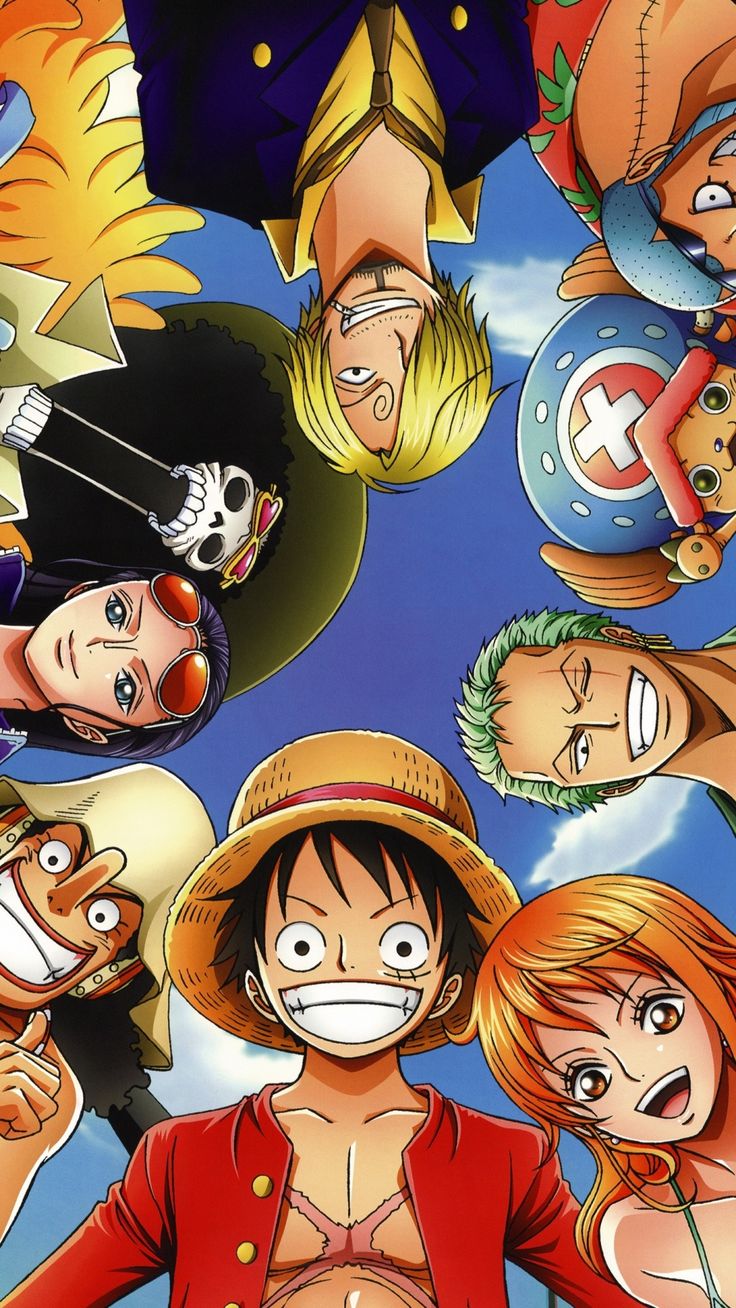
Best One Piece Arcs Ranked (2026): The Complete Guide
Discover the top 10 best One Piece arcs ranked by narrative impact. From Marineford to Wano, we break down every essential arc every fan must experience.
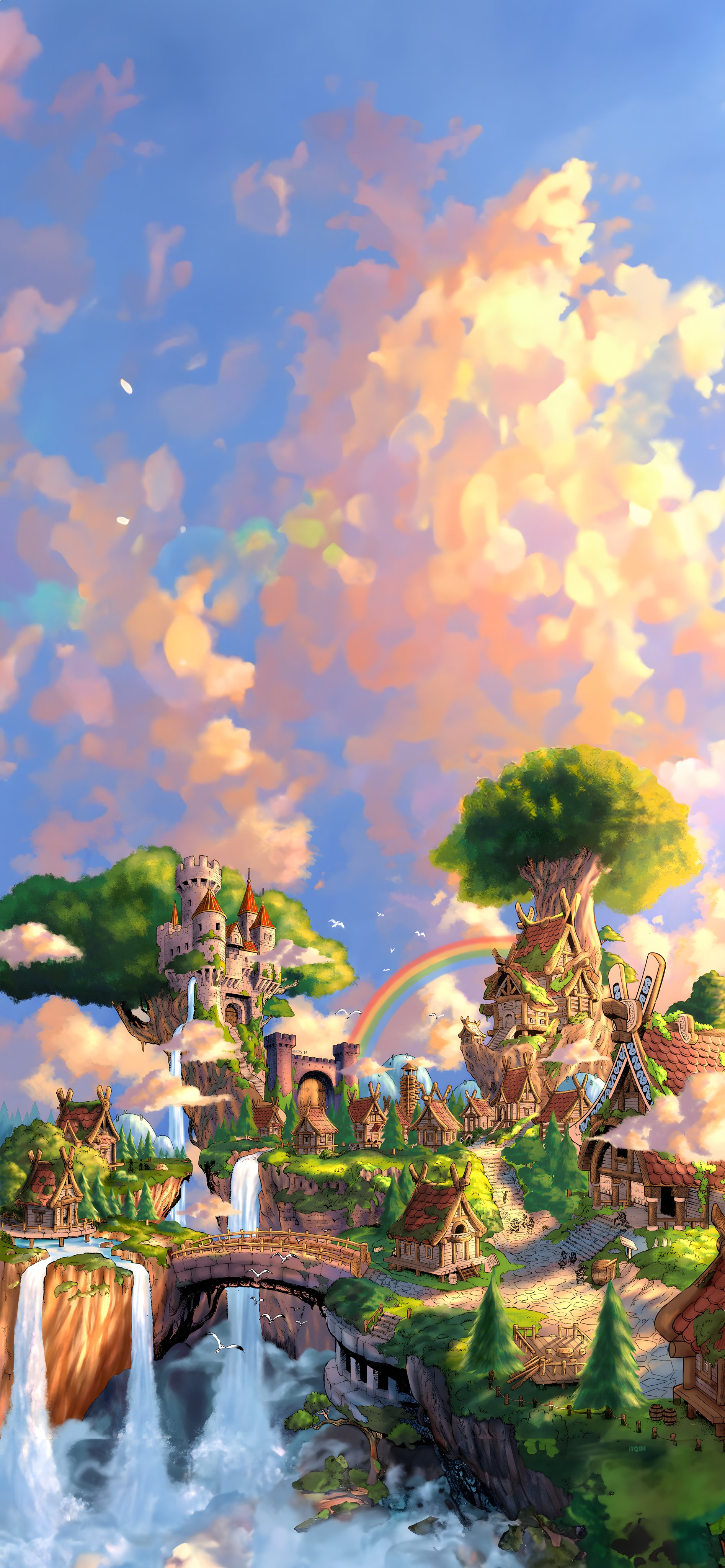
One Piece Elbaf Arc Guide (2026): Giants, Loki & Shanks
Complete guide to One Piece's Elbaf Arc. Giants' kingdom, Loki the Prince, Shanks' role, and why this is the arc fans waited 25 years for.

One Piece vs Naruto: Which Manga Should You Read First? (2026)
One Piece vs Naruto: the ultimate manga comparison for new readers. We break down story, characters, pacing, length, and which series to start with.