Silver Spoon
Hiromu Arakawa's completed slice-of-life comedy following Yugo Hachiken, a burned-out Sapporo student who enrolls at Ooezo Agricultural High School in Hokkaido and discovers that farming, food, and friendship are far harder and more rewarding than exam scores.
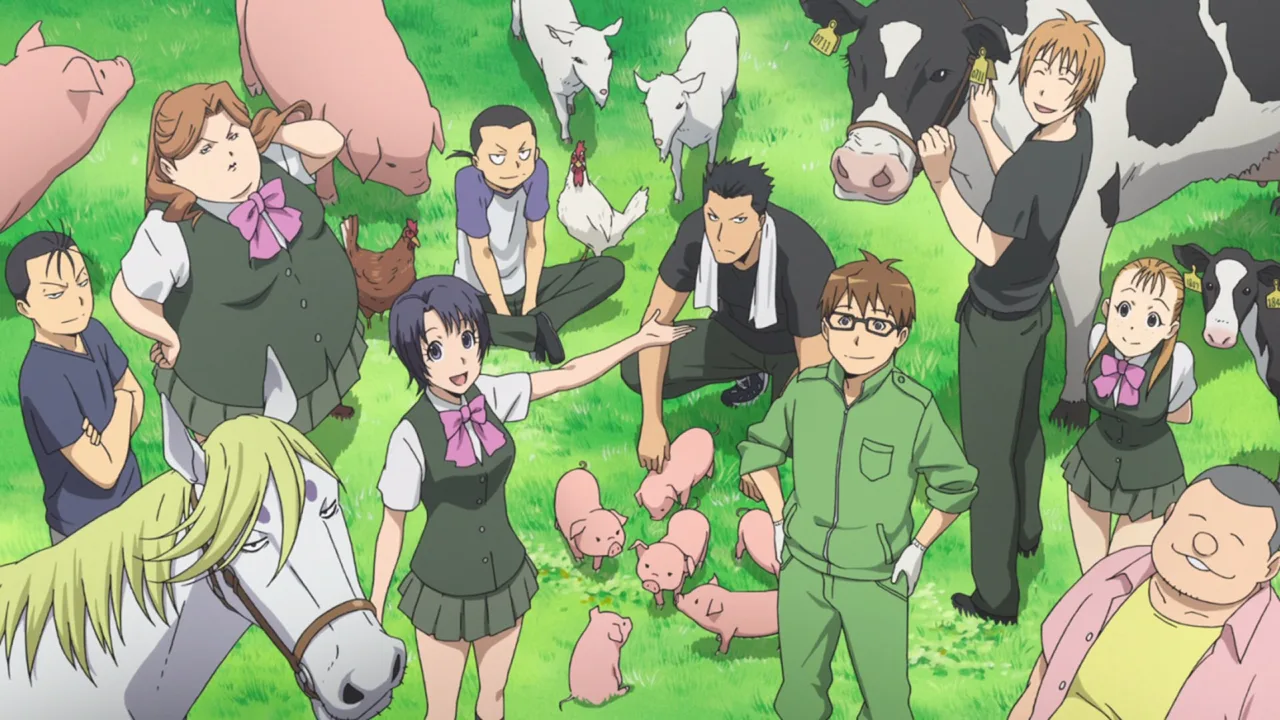
All Silver Spoon Story Arcs in Order
| # | Arc |
|---|---|
| 1 | Enrollment and Pork Bowl |
| 2 | Equestrian Club and Summer Vacation |
| 3 | The Ezono School Festival |
| 4 | Komaba and the Farm Crisis |
| 5 | Finding a Dream |
The Fullmetal Alchemist Author Goes Back to the Farm
After finishing one of the best-selling and most acclaimed shonen epics ever made, Hiromu Arakawa did something almost no creator at her level would: she wrote a comedy about cow manure. Silver Spoon (Gin no Saji) trades the alchemy, war, and philosophy of Fullmetal Alchemist for the pre-dawn chores and budget spreadsheets of a Hokkaido agricultural high school — and it is every bit as thoughtful. Arakawa grew up on a dairy farm in Hokkaido, and the series is her love letter to, and unsentimental reckoning with, the world she came from. The result is one of the warmest, funniest, and quietly wisest slice-of-life manga of its era, a story about food, labor, and the difficult work of figuring out who you are when you have spent your whole life only trying to win.
Serialized in Weekly Shonen Sunday from 2011 to 2019 across fifteen volumes, Silver Spoon won the Manga Taisho Award in 2012 and a Shogakukan Manga Award, confirming that Arakawa’s gift was never limited to fantasy.
A Burned-Out City Kid in Farm Country
Yugo Hachiken is a high-achieving Sapporo student who chooses the boarding-based Ooezo Agricultural High School essentially to flee his domineering father and the cram-school grind — and because he assumes a farm school will be an easy place to rank first. He is humbled almost immediately. His classmates can deliver a calf, repair an engine, and rise at four in the morning without complaint, while Hachiken, who can solve calculus, cannot catch a runaway and is appalled to learn where eggs come from. The comedy of the early volumes runs on this gap between book-smarts and the practical, physical competence of kids raised on the land.
But the school is not played for mockery. The longer Hachiken stays, the more the manga reveals the intelligence, economics, and ethics packed into work that city life renders invisible.
Pork Bowl: The Question at the Center
The series’ moral engine is a piglet. Assigned to the pork-production course, Hachiken takes charge of a weak runt, names it “Pork Bowl,” feeds it, and grows attached — knowing from day one that the animal is destined for slaughter. That contradiction, caring for a creature you intend to eat, is the question Silver Spoon keeps returning to. Rather than preaching vegetarianism or shrugging the issue off, Arakawa lets Hachiken sit in the discomfort and think it through, ultimately confronting the choice head-on in a way that respects both his sentiment and the reality of food production. It is one of the most honest treatments of where meat comes from in any manga, and it gives a gentle comedy a genuine spine.
A Story About Not Having a Dream
Hachiken’s deepest problem is not the chores; it is that he has no dream. He is surrounded by classmates who know exactly what they want — Aki Mikage wrestling with the family farm’s expectations, Ichiro Komaba chasing professional baseball to save his family, Aikawa set on veterinary school — and their certainty throws his own emptiness into relief. Raised to equate worth with academic victory, Hachiken keeps making himself useful to feel valued, a compulsion that climaxes when he collapses from overwork during the school festival. The lesson his friends force on him — that relying on others is not weakness, and that he matters for who he is rather than what he produces — is the emotional core of the series, and an unusually mature message for a shonen comedy.
Agriculture Without the Postcard
What separates Silver Spoon from idyllic country-life fantasies is its refusal to romanticize. Arakawa shows the relentless rhythm of dairy work, the thin margins, the debt, and the precariousness beneath the scenic Hokkaido fields. The series’ hardest arc follows Komaba’s family farm into bankruptcy, forcing him to abandon his baseball dream to support his mother and sisters — a blunt depiction of the economic stakes that hang over small agriculture. By grounding the comedy in real financial and physical pressure, Arakawa gives weight to the dignity she finds in the work, and to the self-sufficiency celebrated in set-pieces like the students building a stone oven to make pizza entirely from ingredients they raised and grew.
Arakawa’s Own Hokkaido Roots
The authority behind all this is autobiographical. Arakawa is a farmer’s daughter who spent years doing exactly the labor she depicts, and she has been open about drawing on that upbringing. It shows in the specificity: the manure management, the ban’ei draft-horse racing, the texture of dorm life and seasonal work that no amount of research could fake. Silver Spoon occasionally went on hiatus partly because Arakawa returned to help with family farm work, a detail that says everything about how lived-in the series is. Where many slice-of-life stories borrow a setting, this one is reported from the inside.
Adaptations: Anime and Live-Action
A-1 Pictures adapted the manga into a two-season anime in 2013 and 2014, faithfully capturing both the comedy and the food-ethics themes. A live-action film followed in 2014, shot on location in Hokkaido’s farm country. Together the adaptations brought Arakawa’s agricultural world to audiences who knew her only from Fullmetal Alchemist, and they remain a strong entry point — though, as ever, the manga carries the full arc of Hachiken’s growth.
Volumes and Legacy
Complete in fifteen volumes and published in English by Yen Press, Silver Spoon stands as proof that Arakawa’s storytelling — her humor, her empathy, her structural control — translates to any genre. It is frequently recommended to readers who think they dislike slice-of-life, precisely because it has so much underneath its gentle surface. Check Amazon for volumes and box sets.
Frequently Asked Questions
Is Silver Spoon by the same author as Fullmetal Alchemist?
Yes. Both are by Hiromu Arakawa. Silver Spoon was her major follow-up project, drawing on her real childhood on a Hokkaido dairy farm rather than the fantasy of Fullmetal Alchemist.
Is Silver Spoon based on a true story?
It is fiction, but heavily informed by Arakawa’s own experience growing up on a farm. The agricultural detail, economics, and daily labor are drawn from real life, which is why the series feels so authentic.
Is the manga finished?
Yes. Silver Spoon concluded in 2019 after fifteen volumes, telling a complete story of Hachiken’s time at Ooezo Agricultural High School.
Do I need to be interested in farming to enjoy it?
Not at all. The farming is the setting, but the series is really about friendship, finding purpose, and an honest look at where food comes from. Many readers with no interest in agriculture find it one of the most engaging slice-of-life manga they have read.
What award did Silver Spoon win?
Silver Spoon won the Manga Taisho Award in 2012 and a Shogakukan Manga Award, both significant recognitions of its quality.
Silver Spoon Arc Guides
Enrollment and Pork Bowl
Yugo Hachiken arrives at Ooezo Agricultural High School expecting an easy ride and instead collides with the relentless physical reality of farm life: pre-dawn chores, escaped livestock, and the uncomfortable truth of where food comes from. He befriends his dorm classmates, joins the equestrian club to be near Aki Mikage, and bonds with a runt piglet he names Pork Bowl, setting up the series' central tension between affection for animals and the inevitability of slaughter.
Equestrian Club and Summer Vacation
Hachiken settles into the equestrian club, rises to a position of responsibility, and spends his summer vacation working on Aki Mikage's family farm rather than going home. The hard physical labor, the dairy routine, and the warmth of the Mikage household teach him the texture of agricultural life from the inside, while his feelings for Aki deepen and his sense of belonging at Ezo grows.
The Ezono School Festival
The massive Ezo Agricultural School Festival becomes Hachiken's proving ground. Drawn into organizing the equestrian club's events and a school-wide pizza project, he overextends himself, takes on too much in his eagerness to be needed, and physically collapses from exhaustion, forcing a hard lesson about limits, delegation, and why he keeps sacrificing himself for others' approval.
Komaba and the Farm Crisis
Ichiro Komaba's dream of professional baseball and his family's struggling dairy farm collide in tragedy when the Komaba farm goes bankrupt and is sold to pay debts. Forced to drop out and work to support his mother and sisters, Komaba confronts Hachiken with the brutal economic reality of agriculture, deepening Hachiken's understanding of the stakes his friends live with daily.
Finding a Dream
Hachiken finally begins to forge his own purpose, channeling everything he has learned into an entrepreneurial venture that connects struggling local farmers, value-added food production, and his unique outsider's perspective. As graduation approaches, the cast settles into their futures and Hachiken reconciles with his family, completing his transformation from a lost runaway into a young man with direction.
Anime Adaptation
Full guideMovies
All moviesSilver Spoon Merchandise
Read manga free with Amazon Prime
30-day free trial: free shipping, Prime Reading, Kindle, Prime Video and more.
Affiliate link. 30-day free trial for new members. Then $14.99/month — cancel anytime.
FAQ: Silver Spoon
You May Also Like
All manga
Spy × Family
A masterful blend of comedy, action, and slice-of-life storytelling following a spy, assassin, and psychic girl who form a fake family while concealing their true identities from each other.
A Silent Voice
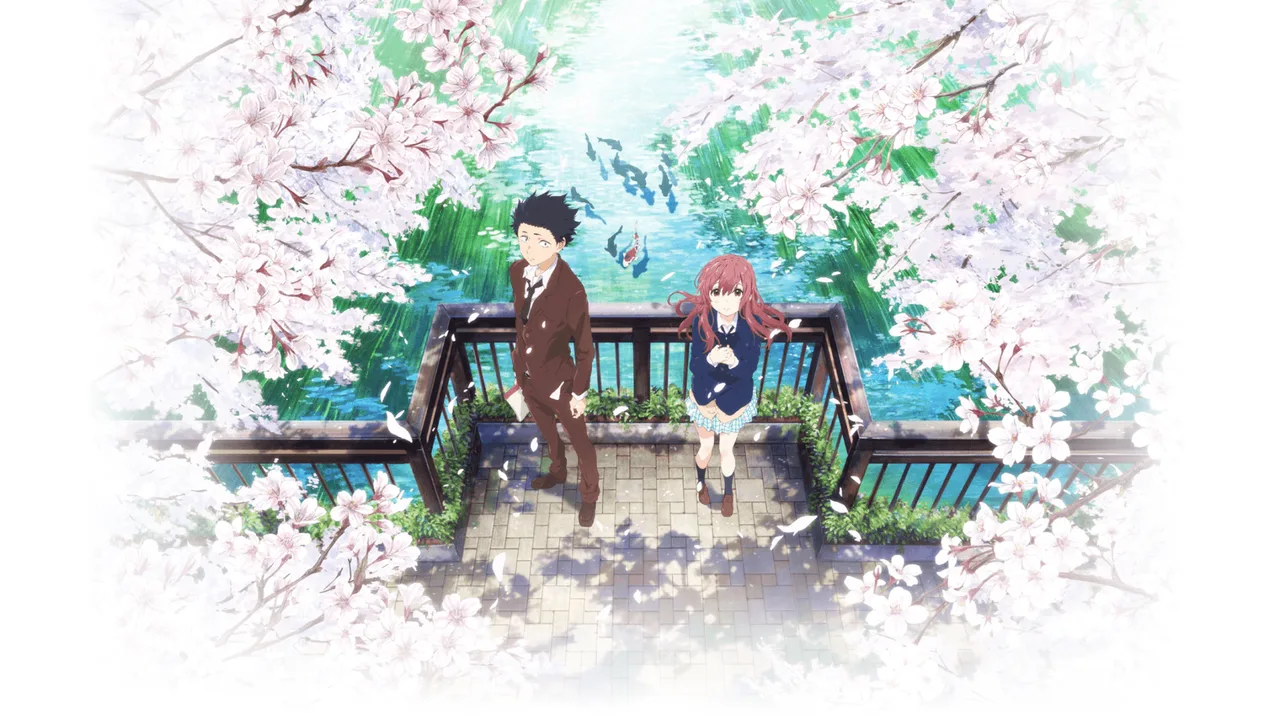
A poignant standalone drama by Yoshitoki Oima following Shoya Ishida, a former bully who seeks atonement by reconnecting with Shoko Nishimiya, the deaf classmate he tormented in elementary school. The series explores guilt, redemption, communication and the difficult path toward forgiveness.
Dandadan
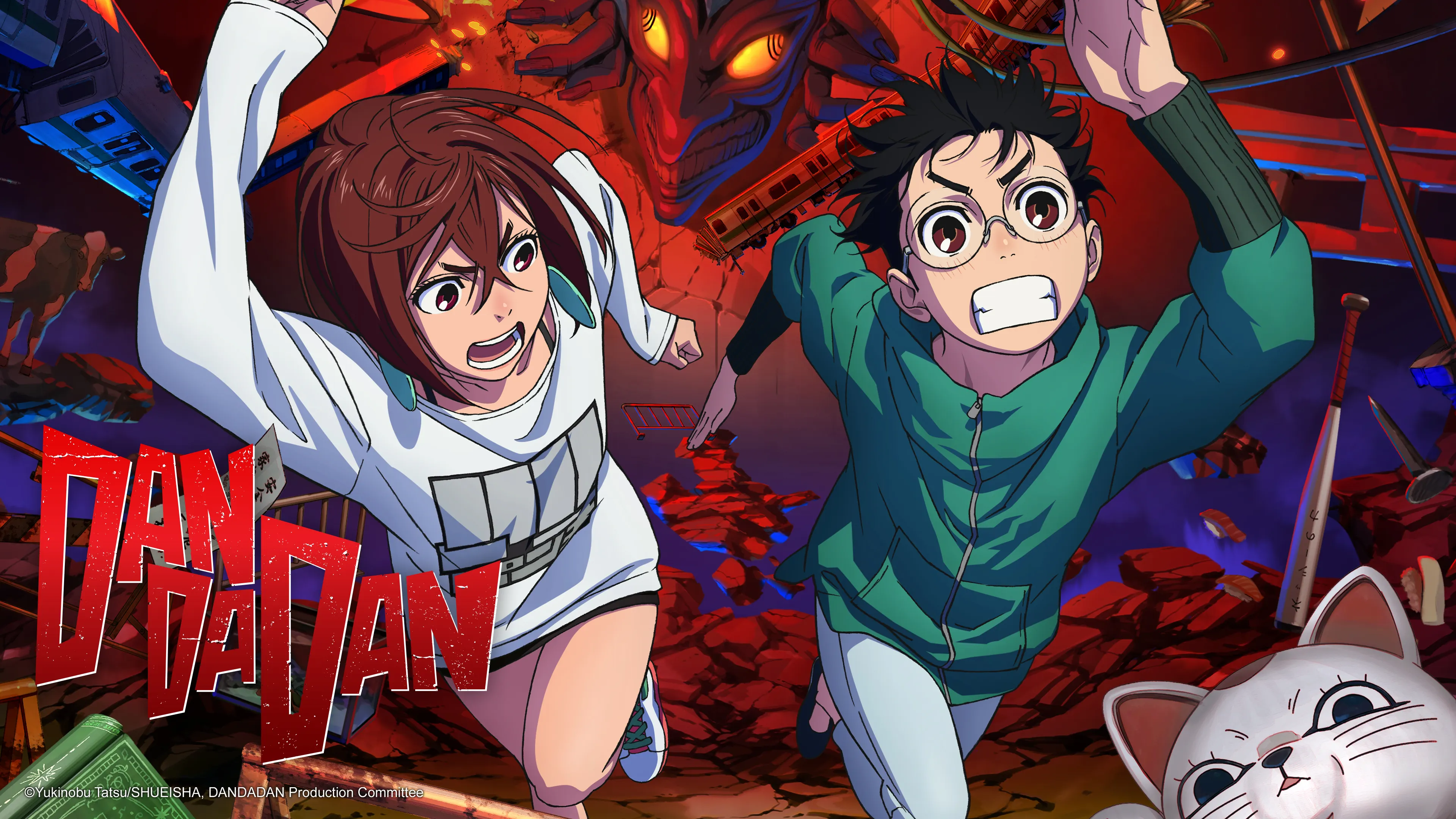
A contemporary shonen manga blending action, comedy, and supernatural mystery as two unlikely partners investigate paranormal phenomena.

Detective Conan (Case Closed)
A long-running mystery and detective manga following the high-school detective Shinichi Kudo, who is shrunk into the body of a child by a mysterious organization and continues to solve cases under the pseudonym Conan Edogawa while hunting his attackers.
Related Articles
All articles
Top 16 Best Shonen Manga of All Time (2026)
The best shonen manga ever made, ranked. Legendary battle epics, underdog heroes, and the series that defined the genre — plus the box sets worth owning.

Best Manga by Genre: The Ultimate 2026 Reading Guide (Shonen, Shojo, Seinen, Josei)
Comprehensive manga genre guide featuring best series by demographic and genre. From action shonen to mature josei, find your next read organized by taste and preference.
Weekly Shonen Jump Explained: How the World's Biggest Manga Magazine Works
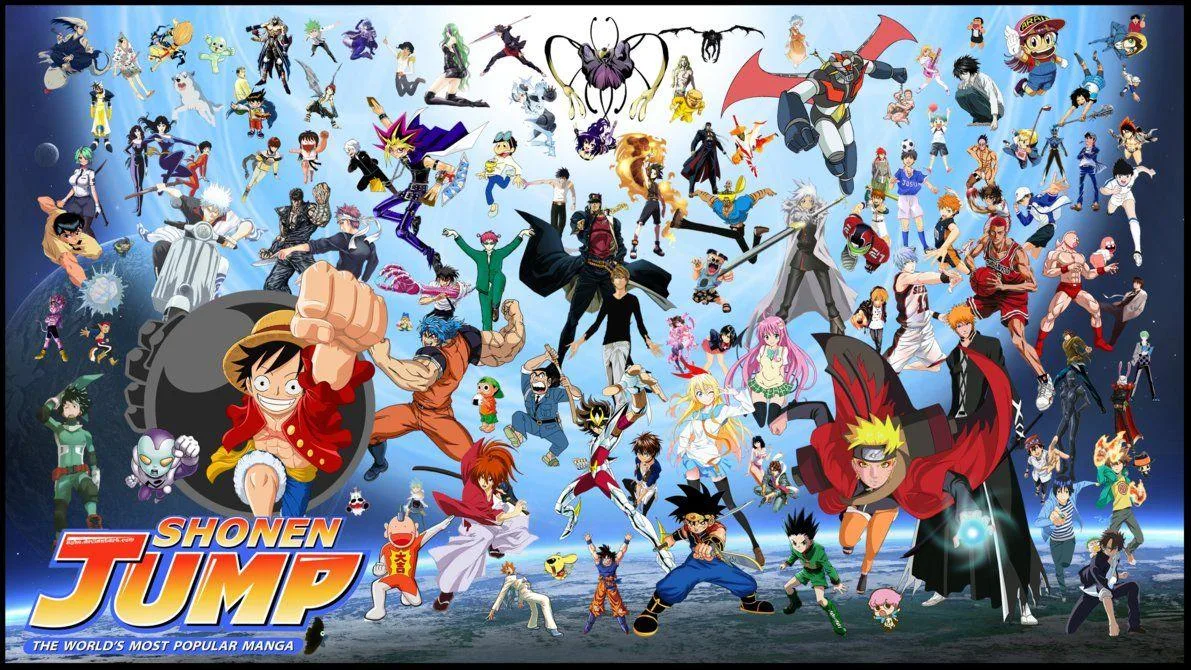
Everything you need to know about Weekly Shonen Jump — history, ranking system, how manga gets serialized and canceled, famous series, and how to read it in English.