Mushoku Tensei
An epic isekai fantasy manga about a man reincarnated into a magical world determined to live meaningfully.
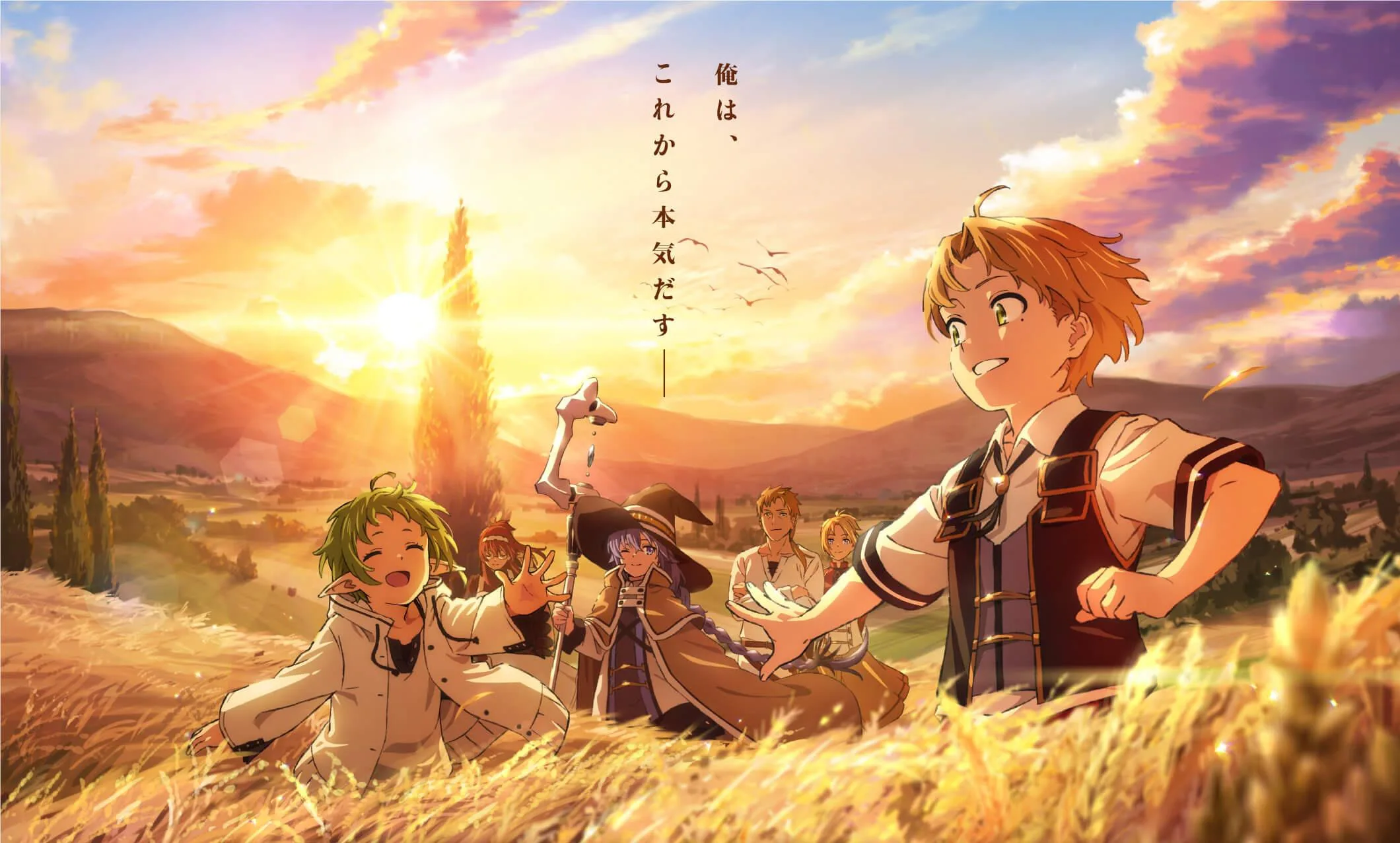
All Mushoku Tensei Story Arcs in Order
| # | Arc |
|---|---|
| 1 | Childhood Arc |
| 2 | Fitz Arc |
| 3 | Demon Continent Arc |
| 4 | Milis Continent Arc |
| 5 | Homecoming Arc |
The Isekai That Dared to Grow Up
Mushoku Tensei: Jobless Reincarnation stands as the series most responsible for demonstrating that isekai — a genre long dismissed as adolescent power fantasy — could deliver genuinely sophisticated character writing, emotional honesty, and long-form narrative development. Based on the web novel by Rifujin na Magonote (later published as a light novel series), with manga adaptation by Shirotaka, this landmark work began serialization in 2014 and ran to completion, spanning 26 collected volumes. Published through MF Books and localized internationally by Seven Seas Entertainment, Mushoku Tensei achieved a rare combination: critical prestige and massive commercial success.
The series launched a generation of isekai imitators, yet none have quite matched its central commitment: the protagonist is deeply, genuinely flawed, and his growth over the narrative’s long span is earned through painful self-examination rather than cheat skills or plot convenience. With a rating of 8.4/10 and a dedicated global fanbase, Mushoku Tensei represents the high-water mark of a genre that has produced hundreds of titles. The 2021 anime adaptation by Studio Bind introduced the series to an even wider international audience, praised for its exceptional production values and emotional fidelity to the source material.
The World and Premise
Rudeus Greyrat is born into the world of Ranoa — a richly detailed secondary world with distinct continents, competing magic traditions, and complex political structures — but he carries the memories of a wasted life. His previous self was a 34-year-old shut-in who died shielding strangers from a truck, a final selfless act that stands in ironic contrast to decades of failure and isolation. Reborn as an infant to the knight Paul Greyrat and the mage Zenith, Rudeus resolves, with the full clarity of adult awareness, to live differently this time.
The world itself is constructed with unusual care. Different continents follow different magical schools; the Migurd race, to which Roxy belongs, possesses telepathy but varies widely in ability. Magic is studied through incantation and eventually silent casting — a progression Rudeus masters early, establishing his prodigious talent while grounding that talent in dedicated practice. The series treats its world as a place with genuine history, politics, and consequence rather than a theme park backdrop for a hero’s journey, and that investment pays dividends throughout the narrative.
Main Characters
Rudeus Greyrat
Rudeus is one of manga’s most honestly written protagonists. He begins the series as a brilliant but psychologically damaged child: his adult memories give him intellectual advantages, but also carry ingrained patterns of avoidance, social fear, and self-sabotage that resurface throughout his life. The series never pretends he has fully healed — there are relapses, moments of cowardice, and choices the reader is meant to find uncomfortable. This willingness to portray genuine psychological complexity, rather than a clean redemption arc, is what elevates Rudeus above the isekai archetype.
His growth is measured not in power levels but in relationships and responsibility. Learning to say “I was wrong” to his father Paul, to accept love from Sylphiette without retreating into cynicism, to mentor students with genuine investment — these are the milestones that matter in Mushoku Tensei. The series earns its emotional climaxes precisely because it has spent so many chapters showing how difficult sustained change actually is.
Roxy Migurdia
Roxy is Rudeus’s first teacher and, for many readers, the character whose introduction signals what kind of story Mushoku Tensei intends to be. A Migurd mage who cannot use her race’s telepathy — making her a social outsider in her own village — Roxy left home to become a wandering scholar and mage-for-hire. She arrives at the Greyrat household to coax a supposedly magicless child out of his room, and what she finds is a student who surpasses her almost immediately.
Rather than diminishing Roxy’s importance, this dynamic deepens it. Her influence on Rudeus is foundational not because she teaches him spells but because she models the possibility of leaving a place that defined you as broken and building a new life through competence and quiet perseverance. She becomes his ideal and, eventually, a genuine companion whose own arc — navigating loneliness, searching for her wayward student across continents — receives full narrative attention.
Eris Boreas Greyrat
Eris is the fiery, initially undisciplined noble girl whom Rudeus is hired to tutor. Their relationship begins with her hitting him for every perceived slight, and slowly transforms into one of the series’ most emotionally charged bonds. Eris’s growth from impulsive aristocrat to a warrior of genuine skill and discipline is rendered with as much care as Rudeus’s own arc. Her decision to leave after the Displacement Arc — framed for chapters as an apparent betrayal — is later revealed to be a selfless choice made from love and insecurity, a recontextualization that hits hard precisely because the reader has followed her development so closely.
Paul Greyrat
Paul is arguably the most important secondary character in the series because he represents the honest complexity of fatherhood. He is charming, strong, genuinely loving — and also reckless, unfaithful, and prone to catastrophic failures of judgment. His relationship with Rudeus oscillates between pride and resentment, warmth and recrimination. Paul’s arc asks whether a flawed man can face his failures honestly enough to deserve the relationships he values, and the answer the series provides is hard-won and not entirely comfortable.
Story Arcs and Narrative Development
Mushoku Tensei is structured around a series of arcs tied to Rudeus’s age and location: the Childhood Arc, the Demon Continent Arc, the Fitz Arc at Ranoa Magic Academy, the Milis Continent Arc, and the final Homecoming. Each arc expands the world and deepens relationships while gradually pulling all threads toward a conclusion rooted in family, healing, and hard-fought peace. The series is notably patient — willing to spend many chapters on quiet domestic life, on Rudeus attending school and making friends, on the texture of daily existence in a fantasy world.
The pivotal event around which much of the middle narrative orbits is the Mana Calamity — a catastrophic magical event that teleports many of the main characters across the world and separates Rudeus from his parents and Sylphiette simultaneously. This disaster reshapes the series’ emotional stakes and sets the protagonist on a years-long journey of searching, loss, and reunion that gives Mushoku Tensei much of its distinctive melancholy. The series earns its reputation not from its power system or its world-building alone, but from the weight it places on these separations and reunions.
Themes
The series’ central theme is the possibility of genuine change. Mushoku Tensei takes the question seriously rather than answering it cheaply. Rudeus is given every advantage a second life can offer — knowledge, time, magic talent, loving parents — and the series then shows how difficult it still is to break entrenched psychological patterns. Depression recurs. Trauma resurfaces under pressure. The reader watches Rudeus fail in recognizable ways, and then watches him slowly build the tools to fail less catastrophically next time.
A secondary but equally important theme is the meaning of family — biological, chosen, and constructed. The Greyrat family is a messy, imperfect unit held together by genuine love and consistent effort. Rudeus’s relationships with his wives, his children, and his parents all require the same sustained, imperfect, unglamorous work. The series ultimately argues that this work — showing up, apologizing, trying again — is what gives a life meaning, whether you are living it for the first time or the second.
Why Read This
Mushoku Tensei rewards readers who come to it ready to invest time. It is a slow series in the best sense: it uses its length to show genuine aging, gradual character development, and the texture of a life rather than a highlight reel. If you have ever found isekai narratives frustratingly shallow, this series is the direct counter-argument. The characters feel like real people making real mistakes, and when they finally reach moments of genuine joy or reconciliation, those moments land with accumulated emotional force.
The 2021 anime covers the early arcs with exceptional production quality and is an excellent entry point. However, the manga and light novel provide significantly more interiority and secondary character depth. Both are worth experiencing for readers who engage deeply with character-driven fantasy.
Publication and Adaptations
The original web novel by Rifujin na Magonote began in 2012 on Shosetsuka ni Naro and ran to 2015. The light novel adaptation (MF Books) ran from 2014 to 2022 across 26 volumes. The manga adaptation, illustrated by Shirotaka, has been serialized in Monthly Comic Flapper since 2014. The anime adaptation by Studio Bind debuted in January 2021 and has continued across multiple seasons, covering substantial portions of the light novel. The series has also received video game adaptations and extensive merchandise.
Seven Seas Entertainment holds the North American license for both the light novel and manga, ensuring strong English-language availability. The anime is available on Funimation and other streaming platforms internationally.
Related Series
Readers who enjoy Mushoku Tensei’s approach to isekai character development may find Sword Art Online a useful contrast — lighter in tone but similarly influential in the isekai genre’s international growth. For other fantasy series prioritizing world-building and emotional stakes, Frieren: Beyond Journey’s End and Vinland Saga offer comparable narrative patience and character depth.
Frequently Asked Questions
What is Mushoku Tensei about? Mushoku Tensei follows Rudeus Greyrat, a 34-year-old shut-in who dies and is reborn in a magical fantasy world with his adult memories intact. Rather than pursuing power or conquest, the series focuses on Rudeus’s long journey of personal transformation—overcoming depression, building genuine relationships, accepting responsibility, and learning to live meaningfully. It’s fundamentally a coming-of-age story told across decades in a secondary world, exploring how difficult sustained character growth actually is.
How many volumes does Mushoku Tensei have and is it complete? Mushoku Tensei has 26 volumes and is completed. The manga adaptation by Shirotaka has concluded, providing a satisfying full story arc from childhood through adulthood. Both the light novel and manga are fully available in English translation, making it accessible for readers seeking complete narratives without hiatus concerns or uncertain endings.
Does Mushoku Tensei have an anime adaptation? Yes, Studio Bind produced a highly acclaimed anime adaptation that began in 2021 and has continued across multiple seasons. The anime is praised for exceptional production quality and emotional fidelity to the source material. However, the manga and light novel provide significantly more character interiority and secondary character depth, making both manga and novel worth reading alongside the anime.
What makes Mushoku Tensei different from other isekai manga? Mushoku Tensei stands apart through its commitment to genuine character development and emotional honesty. Rather than a cheat skills power fantasy, the series shows how psychologically difficult sustained change is, portraying Rudeus with realistic flaws, relapses, and moments of cowardice throughout his growth. The story prioritizes relationships, family complexity, and the unglamorous work of building a meaningful life over power escalation or adventure spectacle.
Is Mushoku Tensei appropriate for all readers? Mushoku Tensei is best suited for mature readers comfortable with character-driven fantasy exploring themes including depression, PTSD, sexual content, family dysfunction, and moral complexity. The series contains suggestive material and handles relationships maturely. It rewards patient readers willing to invest time in slow-burn character development and the texture of daily life in a fantasy world. You can purchase Mushoku Tensei on Amazon to begin this transformative series.
Publication and Adaptations
Mushoku Tensei: Jobless Reincarnation began as a web novel by Rifujin na Magonote (Magonote with No Reason), serialized free on the Shōsetsuka ni Narō user-generated novel platform from November 2012 through April 2015. The web novel reached 286 chapters across 24 in-universe years, providing a complete narrative arc that subsequent commercial editions have refined and expanded. MF Books acquired the property and published the official light novel edition starting January 2014, with art by Shirotaka. The light novel reached 26 volumes by 2024 with the main series concluded, plus the ongoing sequel light novel Mushoku Tensei Redundancy (2024-) exploring post-main-story material. Total light novel circulation has surpassed 24 million copies worldwide.
The manga adaptation began in May 2014 in Monthly Comic Flapper magazine, with art by Yuka Fujikawa. The manga has reached 21 volumes by mid-2025 and continues serialization, currently adapting the Beheirit Continent arc. Seven Seas Entertainment holds the English manga license, with releases through major retailers and digital platforms. Yen Press licenses the English light novel translations, providing the most complete coverage of the original story. Multiple spin-off manga have launched including Mushoku Tensei: Redundancy by Tarō Yamada and Recovery of an MMO Junkie style romantic comedy adaptations.
The Studio Bind anime adaptation premiered in January 2021 with Mushoku Tensei: Jobless Reincarnation, producing 11 episodes in the first split. The second cour (Part 2) aired October 2021 through December 2021 for 12 additional episodes. Season 2 launched in July 2023 with 12 episodes, followed by the second cour in April 2024 with another 12 episodes. The animation production has received exceptional critical acclaim, with industry observers ranking Mushoku Tensei among the most artistically ambitious anime productions of the early 2020s. Studio Bind, founded specifically for this adaptation, has staked its reputation on the project’s continued quality. Crunchyroll holds the international streaming license, with simulcast availability in over 200 countries.
Cultural Impact and Legacy
Mushoku Tensei has been widely cited as the work that legitimized isekai as a credible literary genre rather than a derisive shorthand for derivative power-fantasy material. While preceding works like Sword Art Online and Re:Zero achieved commercial success, Mushoku Tensei’s combination of mature thematic engagement, complete narrative arc, and exceptional craft contributed to growing critical acceptance of isekai as a genre worthy of serious analysis. The series’ influence on subsequent isekai light novels and manga is substantial, with works including Tensura (That Time I Got Reincarnated as a Slime), Re:Zero, and Overlord all engaging with structural and thematic territory Mushoku Tensei explored.
The series’ depiction of sexuality, particularly its treatment of the protagonist’s pre-existing trauma and growth toward healthier relationships, has prompted both critical praise and controversy. Academic discussions of Mushoku Tensei have analyzed its engagement with depression, PTSD, family dynamics, and the complex ethics of consciousness transferred between bodies. The light novel’s complete arc, ending with the protagonist’s death from old age in his second life, has been particularly noted for offering thematic closure rare in long-running isekai franchises that often prioritize indefinite continuation.
Frequently Asked Questions
Is Mushoku Tensei the original isekai? No. The web novel began in November 2012, several years after isekai works like Sword Art Online (2002) and Mushoku Tensei’s web novel competitors. However, Mushoku Tensei is widely credited with elevating the genre’s craft and critical reputation.
Should I read the light novel or watch the anime? The light novel offers the complete and definitive story across 26 volumes. The Studio Bind anime is exceptionally faithful and beautifully animated but only adapts a portion of the source material. Many fans recommend starting with anime for accessibility, then continuing with light novel.
Is Mushoku Tensei finished? The web novel ended in April 2015. The official light novel concluded its main series in 2024 across 26 volumes. The sequel light novel Mushoku Tensei Redundancy began in 2024 exploring post-main-story material. The manga adaptation continues at Comic Flapper.
How many seasons of anime exist? Two seasons totaling four cours (47 episodes) have aired through 2024. Studio Bind has not announced Season 3 plans but has maintained continued production capacity. Industry observers consider continued adaptation likely given commercial success.
Where can I stream Mushoku Tensei? Crunchyroll holds international streaming rights with simulcast availability in over 200 countries. Hulu carries selected episodes in the United States. The series has been removed from some platforms in particular regions due to content concerns.
Mushoku Tensei Arc Guides
Childhood Arc
Rudeus begins his new life as an infant in a magical world, meeting his family and receiving early mentorship from Roxy.
Fitz Arc
Rudeus meets Fitz, a mysterious swordsman, and their complex relationship becomes central to his growth and emotional development.
Demon Continent Arc
Rudeus ventures into the Demon Continent, expanding his worldview and experiencing diverse cultures and magical traditions.
Milis Continent Arc
Rudeus travels to the Milis Continent, encountering religious societies and confronting serious threats that test his abilities and character.
Homecoming Arc
Rudeus returns home as an adult, reconciling his past with his present and building toward his future with those he loves.
Mushoku Tensei Merchandise
Read manga free with Amazon Prime
30-day free trial: free shipping, Prime Reading, Kindle, Prime Video and more.
Affiliate link. 30-day free trial for new members. Then $14.99/month — cancel anytime.
FAQ: Mushoku Tensei
You May Also Like
All manga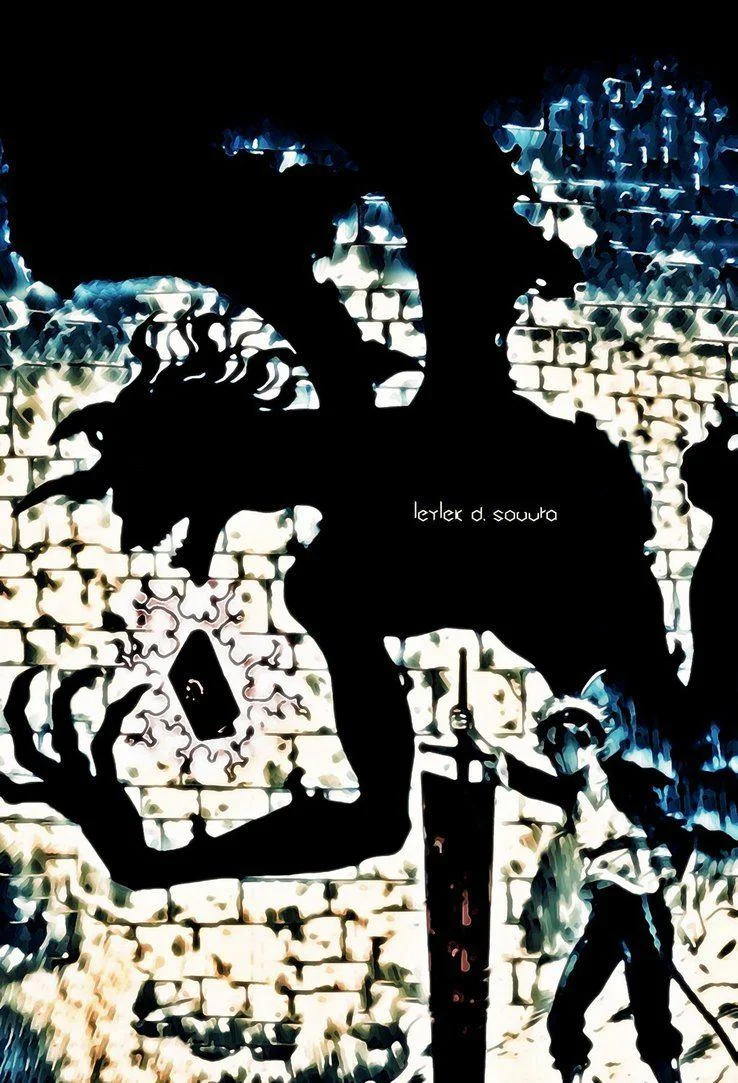
Black Clover
An ongoing shonen fantasy magic manga following Asta, a young man without magic power in a world where magic dominates, as he pursues his dream of becoming the Wizard King through determination and friendship
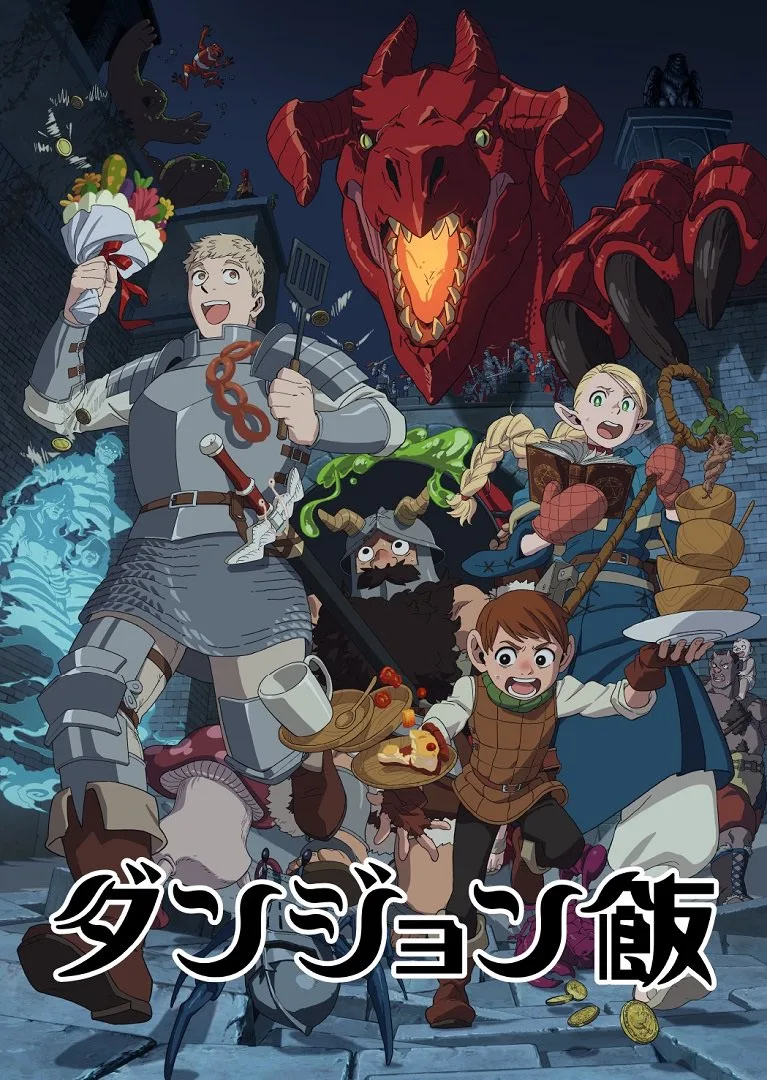
Delicious in Dungeon
A fantasy adventure comedy following an adventuring party that cooks and eats the monsters of a vast dungeon while racing to rescue their friend Falin. Created by Ryoko Kui.
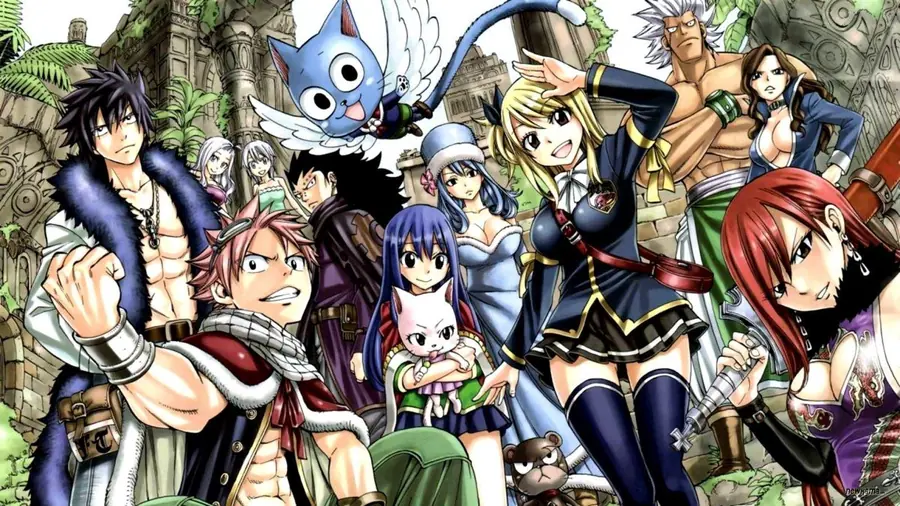
Fairy Tail
Join Natsu and the Fairy Tail guild as they embark on magical adventures, forming unbreakable bonds while protecting their world.
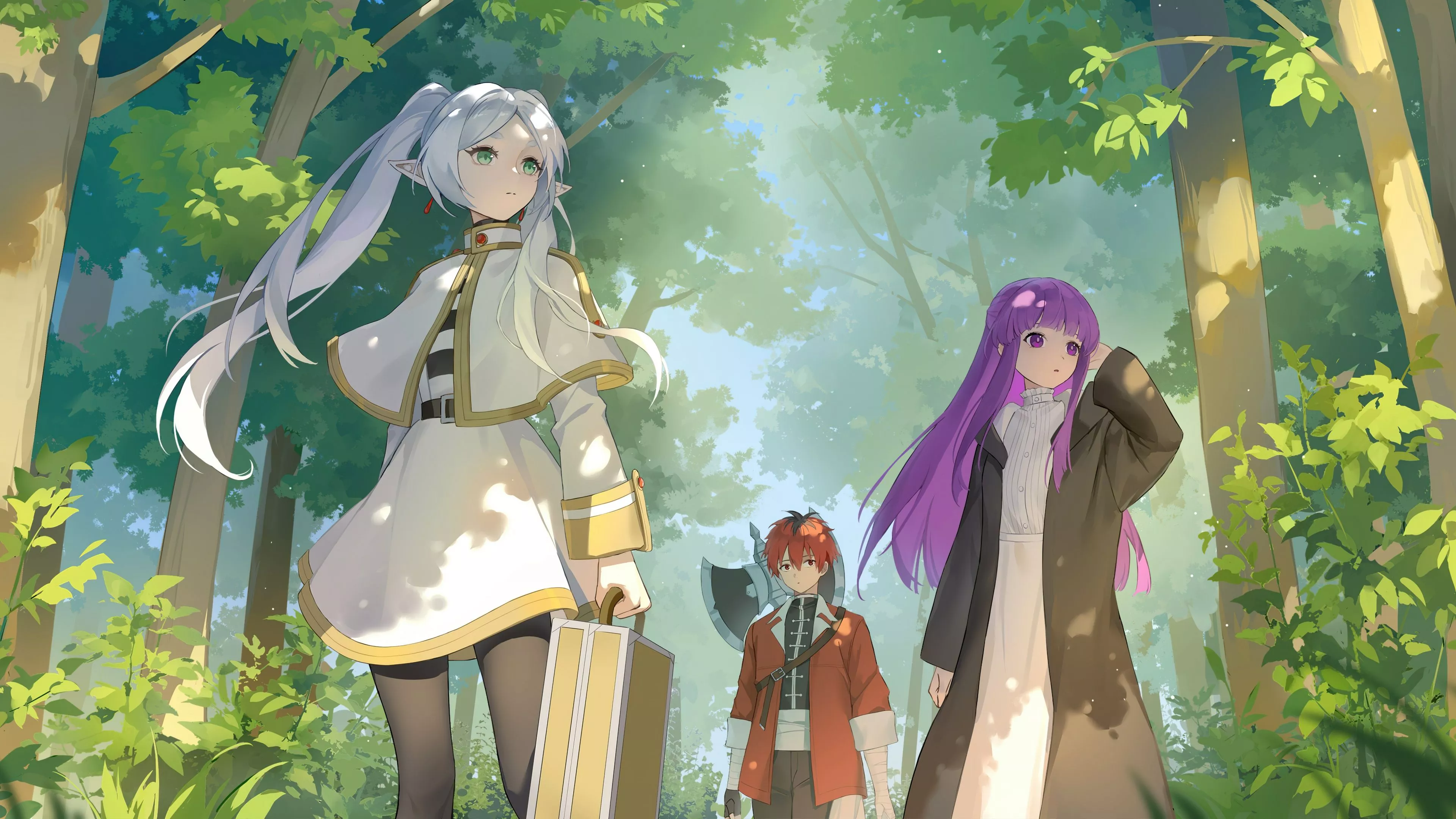
Frieren: Beyond Journey's End
An ongoing seinen fantasy manga by Kanehito Yamada and Tsukasa Abe following the elf mage Frieren as she embarks on a journey to understand humanity after her companions' deaths.
Related Articles
All articles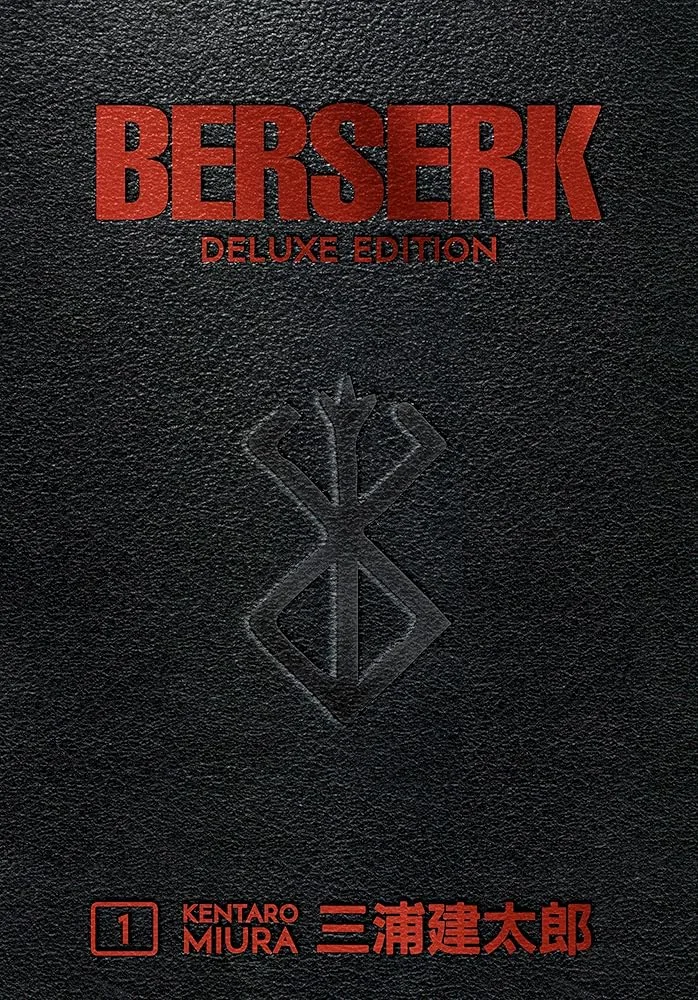
Top 15 Best Dark Fantasy Manga of All Time (2026)
The best dark fantasy manga ever made, ranked. Brutal worlds, morally grey heroes, and demonic horror — plus where to buy the definitive editions.
Top 18 Best Fantasy Manga of All Time
The best fantasy manga ever made, from dark epics to isekai adventures. Magic systems, world-building, and unforgettable journeys ranked.

Top 15 Best Isekai Manga of All Time
Discover the best isekai manga with transported heroes, fantasy worlds, and epic adventures across parallel dimensions.