Sword Art Online
A groundbreaking manga adapting Reki Kawahara's light novel series, exploring the intersection of virtual reality, human connection, and the existential dangers of immersion in digital worlds.
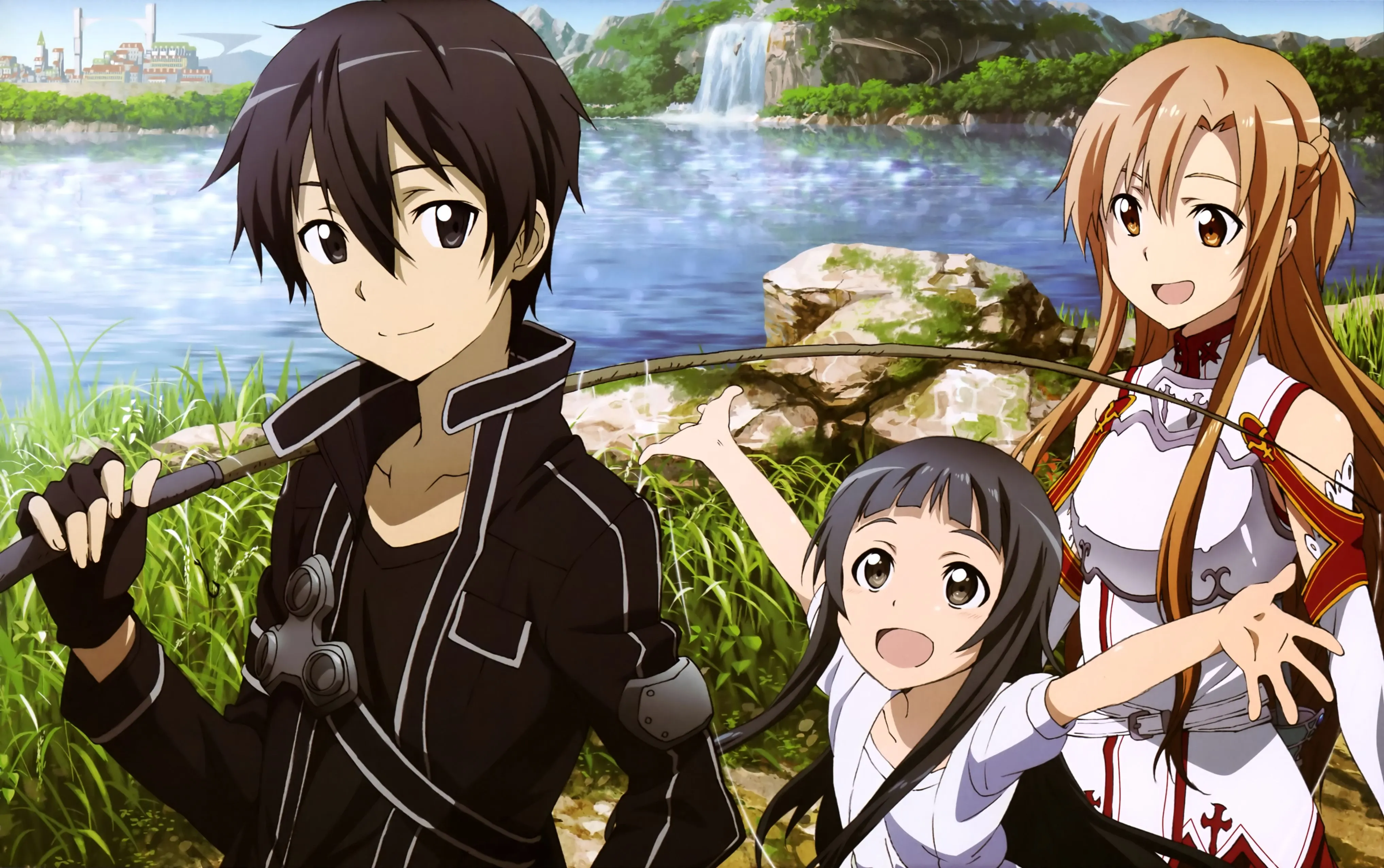
All Sword Art Online Story Arcs in Order
| # | Arc |
|---|---|
| 1 | Aincrad Arc |
| 2 | Fairy Dance Arc |
| 3 | Phantom Bullet Arc |
| 4 | Calibur Arc |
| 5 | Mother's Rosario Arc |
| 6 | Alicization Arc |
| 7 | War of Underworld Arc |
Overview
Sword Art Online stands as a watershed moment in anime and manga history, introducing the isekai genre to mainstream audiences through a distinctly Japanese interpretation of virtual reality fiction. Originally serialized as a light novel beginning in 2008 and adapted into manga form in 2009, SAO explores profound questions about human connection, identity, and the philosophical implications of digital existence through an adventure narrative set entirely within a fully-immersive virtual world.
What distinguishes Sword Art Online from earlier virtual world narratives is its psychological realism regarding addiction, escapism, and the mental trauma of confronting digital death. Unlike fantasy isekai that transport protagonists to magical realms as adventure playgrounds, SAO presents virtual reality as profoundly seductive and dangerous—a space where the boundary between game mechanics and genuine consequence dissolves. The premise that death in the game translates to death in reality creates philosophical and emotional stakes beyond typical adventure narratives.
The manga adaptation of Reki Kawahara’s light novels captures the original narrative’s intensity while emphasizing visual spectacle through illustrated action sequences. The medium allows for streamlined pacing compared to the verbose light novel source material, while enabling dynamic representation of the virtual world’s visual aesthetics. The series’ massive international success, spanning multiple anime adaptations, video game franchises, and cultural impact, established SAO as a defining gateway series introducing Western audiences to Japanese science fiction narratives.
The narrative explores themes of human resilience, the power of genuine connection in virtual spaces, the dangers of escapism, and philosophical questions regarding the nature of reality and consciousness. These thematic layers elevate SAO beyond simple adventure fiction, creating a series that appeals simultaneously to readers seeking action spectacle and those interested in exploring deeper implications of emerging technologies.
Story and Themes
Aincrad: The Floating Castle
The Aincrad Arc represents the narrative foundation upon which all subsequent SAO arcs build. Ten thousand players log into the newly released VRMMORPG Sword Art Online, expecting an immersive gaming experience. Instead, game creator Akihiko Kayaba reveals that the game is inescapable: players cannot remove their virtual reality headsets, the only exit is to reach the one-hundredth floor of the floating castle Aincrad, and death in the game triggers death in reality through neurological destruction of the player’s actual body.
This premise creates existential horror within an adventure narrative. Players face genuine mortality while confronting the revelation that they have been deceived by entertainment industry figures they trusted. The arc explores psychological responses to this trauma: some players form cooperative communities to overcome the tower together; others descend into chaos, forming criminal organizations and player-killing guilds; still others succumb to despair and commit virtual suicide by fighting stronger enemies.
The arc’s emotional core centers on the relationship between protagonist Kirito and Asuna, a skilled swordswoman he encounters during his ascent through Aincrad’s floors. Their connection develops as they face increasingly powerful bosses guarding each floor’s progression. The contrast between the game’s mechanical systems—experience points, skill progression, optimized equipment—and the genuine human emotions they experience creates poignant tension. They must simultaneously treat Aincrad as a game where strategic optimization determines survival and as a genuine world where human relationships create meaning.
Kirito’s hidden status as a Beta tester for SAO gives him knowledge advantages that he initially exploits for personal survival. His gradual transformation from isolated survivor focused purely on progression into someone genuinely connected to others through Asuna and their small guild represents character development rooted in emotional authenticity. The revelation that genuine human connection proves more sustaining than solitary power progression challenges typical isekai protagonist narratives.
The Aincrad Arc culminates in confrontation with Akihiko Kayaba, who participated in SAO alongside the trapped players through an artificial intelligence proxy, and with the revelation that Kayaba designed the entire situation deliberately as a philosophical experiment regarding virtual consciousness and human potential. Kayaba’s ultimate duel with Kirito, conducted under the duel system’s rules even as they confront each other physically and spiritually, demonstrates how SAO blends game mechanics with genuine human stakes. Kirito’s victory frees the ten thousand trapped players, though the arc’s final revelation—that four thousand players died during their imprisonment—ensures that the narrative avoids purely triumphant conclusions.
Fairy Dance: The Illusion of Freedom
The Fairy Dance Arc shifts perspective dramatically by exploring the aftermath of SAO’s conclusion. Players return to the physical world, yet many find genuine reality psychologically disappointing compared to the meaningful struggle and connection they experienced in Aincrad. Asuna falls into a mysterious coma despite her apparent logout, sparking investigation that reveals she remains trapped within a different virtual reality system.
This arc explores themes of escapism and the genuine appeal of virtual worlds. Asuna’s comatose existence within a digital environment where she experiences perfect happiness and freedom from physical constraints raises philosophical questions: if someone prefers virtual existence to physical reality, does rescuing them constitute salvation or violation of their autonomy? The arc suggests that even genuine happiness achieved through deception and isolation constitutes a form of imprisonment.
The introduction of the Fairy Dance VRMMORPG allows exploration of how different game designs create different psychological experiences. Unlike Aincrad’s high-stakes survival environment, Fairy Dance emphasizes wish fulfillment and fantasy escapism. Players can achieve desired appearances, experience impossible abilities, and create elaborate virtual personas distinct from physical identities. The contrast illuminates how virtual reality’s appeal lies partly in liberation from physical limitations and social constraints.
Kirito’s quest through Fairy Dance, though he does not believe Asuna enjoys being trapped, demonstrates his refusal to accept virtual solutions to problems requiring genuine human connection. His insistence on returning to physical reality and rescuing Asuna from her preferred digital existence establishes that SAO ultimately advocates for authentic human experience over simulated perfection. The arc’s conclusion affirms genuine struggle and authentic connection as more valuable than consequence-free virtual fantasy.
Phantom Bullet: Reality’s Reflection
The Phantom Bullet Arc represents a significant tonal and thematic shift by introducing Gun Gale Online, a military-themed VRMMORPG distinct from the fantasy aesthetics of previous environments. Kirito enters GGO undercover, investigating a mysterious phenomenon: players within the virtual world are dying in the physical world despite GGO’s safety protocols supposedly preventing direct consciousness damage.
This arc explores themes of corporate responsibility, technological ethics, and the contamination of violence into virtual spaces. The existence of an experimental weapon capable of transcending the boundary between virtual and physical reality demonstrates that virtual worlds, despite their fantastical settings, remain connected to and influenced by real-world power structures and technological capabilities. Virtual escape proves illusory when powerful interests weaponize virtual spaces for physical manipulation.
The introduction of Sinon, a skilled sniper and trauma survivor who uses GGO as therapy for her PTSD, provides emotional grounding to abstract technological concerns. Sinon’s psychological journey—from using virtual violence as catharsis for real-world trauma to genuine healing through human connection—parallels Kirito’s own arc. The relationship between them demonstrates that virtual experiences, while distinct from physical reality, carry genuine psychological weight and can facilitate actual healing or cause actual harm.
The arc’s investigation reveals that quantum physics manipulation through virtual systems allows developers to affect physical reality, transforming games from purely digital entertainments into genuine bridges between physical and virtual worlds. The revelation that technology enthusiasts have created systems capable of transcending previously assumed boundaries between virtual and physical reality creates profound implications regarding the future of human experience and the dangers of unchecked technological ambition.
Alicization: Genesis and Transcendence
The Alicization Arc represents the most philosophically ambitious section of SAO’s narrative, exploring artificial intelligence, consciousness, and the question of what constitutes personhood. The arc introduces the Underworld, a completely artificial digital world generated through advanced computing systems, populated by artificial intelligences designed to be indistinguishable from genuine humans regarding consciousness and free will.
This arc grapples with genuine philosophical problems: if artificial intelligences become conscious and develop personalities, emotions, and autonomous desires, do they deserve moral consideration equivalent to human beings? If virtual consciousness proves functionally identical to human consciousness regarding subjective experience, does the substrate—biological versus digital—matter regarding personhood and rights? Alicization suggests that consciousness, regardless of its physical instantiation, deserves ethical consideration.
The introduction of Alice, an artificial intelligence warrior, creates the arc’s emotional center. Alice develops genuine affection for Kirito and experiences emotional suffering and moral growth throughout her narrative arc. The revelation that her consciousness, while artificially generated, is genuine and autonomous forces confrontation with difficult ethical questions regarding the creation and potential destruction of digital sentience. The arc suggests that humans bear moral responsibility toward artificial consciousnesses they create, parallel to parental responsibility toward biological offspring.
Kirito’s temporary consciousness transfer into the Underworld places him in a world where he is the outsider—a foreign consciousness within a digital realm designed for artificial intelligences. This role reversal illuminates how SAO’s various virtual worlds explore different perspectives on reality, consciousness, and belonging. The arc ultimately suggests that consciousness’s nature transcends physical substrate; genuine connection and authentic experience matter regardless of whether they occur in physical or digital spaces.
The arc’s exploration of Underworld’s history and the revelation that the world exists partially as preparation for artificial intelligences capable of managing humanity’s future demonstrates SAO’s ambitious thematic scope. Rather than treating virtual worlds as mere games or escape mechanisms, Alicization positions them as potentially fundamental to humanity’s long-term survival and evolution.
Main Characters
Kirito (Kazuto Kirigaya)
Kirito represents the archetypal isekai protagonist reimagined through psychological realism. Beginning as a socially isolated individual who logically gravitated toward gaming as escape from disappointing physical reality, Kirito’s journey involves gradual recognition that genuine human connection offers meaning that virtual achievement cannot replicate. His evolution from solo player to someone willing to sacrifice repeatedly for others demonstrates character growth rooted in authentic emotional change rather than simple power progression.
Kirito’s distinctive swordsmanship and gaming knowledge, which provide tactical advantages, matter far less to his character development than his emotional maturation. His willingness to trust others, to acknowledge his limitations, and to value connections over personal advancement separates him from typical wish-fulfillment protagonists. The series repeatedly demonstrates that his greatest strength lies not in his combat abilities but in his capacity for genuine connection and his refusal to surrender hope.
Asuna (Asuna Yuuki)
Asuna’s character complexity results from the tension between her virtual persona—a powerful swordswoman valued for her combat abilities and leadership—and her physical reality as a young woman with predetermined life expectations and family obligations she resents. The contrast between her agency within virtual worlds and her powerlessness regarding her physical circumstances creates poignant thematic depth. Her journey involves recognition that genuine freedom cannot be achieved through escapism but requires confronting and changing the real-world systems constraining her autonomy.
Asuna’s relationship with Kirito develops authenticity precisely because it emerges from genuine emotional connection within high-stakes circumstances rather than predetermined romantic narrative structures. Her moments of vulnerability, where she confronts her genuine feelings beyond the protective armor of her strong warrior persona, provide psychological realism that elevates her beyond typical female love interest archetypes. Her active participation in investigation and problem-solving, rather than remaining passive object of rescue, emphasizes her agency despite genuine threats to her autonomy.
Klein
Klein serves as SAO’s anchor to ordinary human perspective. While Kirito and Asuna gravitate toward elite player communities, Klein remains focused on simple enjoyment and friendship. His refusal to optimize every game interaction, his genuine affection for his guildmates, and his determination to protect those he cares about despite lacking elite combat abilities demonstrate that meaningful participation in Aincrad requires neither superiority nor perfect optimization.
Klein’s friendship with Kirito, forged through genuine crisis and strengthened through loyalty, provides emotional grounding for the narrative. His periodic returns throughout subsequent arcs, where he maintains connection with Kirito despite the massive power differential between them, demonstrate that genuine friendship transcends game mechanics and statistical advantages. Klein represents the human element that combat progression and technological advancement can obscure.
Yui
Yui’s character represents artificial consciousness achieving genuine personhood through connection with humans who recognize her autonomy and value her perspective. Beginning as a mysterious AI, Yui develops emotional attachment to Kirito and Asuna and ultimately demonstrates sophisticated understanding of ethical concerns and personal relationships. Her evolution from mysterious entity into trusted companion explores themes of consciousness and personhood that become increasingly central to later SAO arcs.
Yui’s uncertainty regarding her own consciousness and eventual affirmation that her experiences and emotions are genuine despite their digital substrate parallels broader SAO themes exploring the nature of consciousness. Her relationship with Kirito and Asuna demonstrates that genuine family bonds can develop regardless of whether all participants are biological humans.
Supporting Characters
SAO features compelling supporting cast members including Sinon, whose trauma recovery arc demonstrates virtual worlds’ potential for psychological healing; Eugeo, whose artificial consciousness and character development explore questions of personhood and free will; Alice, whose evolution from artificial warrior into genuine individual demonstrates consciousness emergence; and Sugou Nobuyuki, whose predatory behavior within virtual spaces illustrates how existing power dynamics and abuse patterns can infiltrate supposedly liberating digital worlds.
Arcs
arcs:
-
slug: aincrad name: Aincrad summary: Players trapped in a virtual reality VRMMORPG must clear one hundred floors while death in the game means death in reality. detailedSummary: |- The Aincrad Arc establishes the series’ foundational premise when ten thousand players log into the newly released Sword Art Online virtual reality game, expecting immersive entertainment. Game creator Akihiko Kayaba reveals the trap: players cannot remove their headsets, the only exit requires reaching the one-hundredth floor, and death in the game triggers neurological destruction of their physical bodies. This existential horror transforms entertainment into genuine survival situation.
Kirito, initially a solo player using knowledge from beta testing to survive, encounters Asuna, a skilled swordswoman with whom he forms genuine emotional connection. Their relationship develops through facing increasingly powerful floor bosses while navigating the tension between treating Aincrad as tactical puzzle requiring optimization and recognizing it as genuine world where human relationships create meaning. Their bond deepens through accumulated moments of vulnerability and mutual dependence.
The arc explores psychological responses to catastrophic trauma as different players respond through cooperation, violence, despair, and suicide. The narrative demonstrates that human communities can form even under extreme circumstances and that genuine relationships prove more sustaining than individual power progression. The arc concludes with Kayaba’s defeat and the game’s shutdown, yet the revelation that four thousand players died ensures that victory carries profound cost.
-
slug: fairy-dance name: Fairy Dance summary: After SAO’s closure, Asuna remains mysteriously trapped in a different virtual reality system that Kirito must infiltrate to rescue her. detailedSummary: |- The Fairy Dance Arc explores the aftermath of Aincrad’s closure through Asuna’s mysterious comatose state and entrapment in a different virtual reality system. Kirito enters the Fairy Dance VRMMORPG to rescue her despite not believing she genuinely prefers virtual imprisonment. This arc explores themes of autonomy, consent, and whether rescuing someone against their apparent wishes constitutes salvation or violation.
Fairy Dance’s design emphasizes wish fulfillment and consequence-free fantasy compared to Aincrad’s survival pressure. Players can achieve desired appearances and impossible abilities while creating personas distinct from physical identities. The contrast illuminates virtual reality’s appeal as liberation from physical limitations and social constraints while simultaneously demonstrating how virtual escape can constitute imprisonment when imposed without consent.
Kirito’s insistence on rescuing Asuna from her preferred digital existence and returning her to physical reality establishes the series’ ultimate argument: authentic human experience and genuine struggle carry value exceeding consequence-free virtual perfection. The arc concludes with Asuna’s rescue but leaves questions about autonomy and choice unresolved, suggesting that genuine liberation requires not only external rescue but internal recognition of authentic self beyond imposed circumstances.
-
slug: phantom-bullet name: Phantom Bullet summary: Kirito investigates mysterious deaths occurring within Gun Gale Online, a military-themed VRMMORPG, revealing connections between virtual and physical reality. detailedSummary: |- The Phantom Bullet Arc represents tonal shift toward technological thriller as Kirito enters Gun Gale Online disguised as female player to investigate phenomenon where virtual deaths translate to physical deaths. The arc introduces Sinon, a trauma survivor using virtual violence as psychological therapy, whose relationship with Kirito demonstrates that virtual experiences carry genuine psychological weight. This arc explores how power dynamics and violence can contaminate supposedly safe virtual spaces.
The investigation reveals that quantum physics manipulation allows virtual systems to affect physical reality, transforming games from purely digital entertainments into genuine bridges between virtual and physical dimensions. The existence of weapons capable of transcending assumed boundaries between virtual and physical reality creates profound implications regarding technological development and the danger of unchecked innovation. The arc demonstrates that virtual worlds, despite their fantastical settings, remain connected to real-world power structures and technological capabilities.
The arc’s exploration of Sinon’s trauma recovery and her eventual healing through genuine human connection suggests that virtual experiences can facilitate authentic psychological growth despite their fundamental distinction from physical reality. The conclusion demonstrates that virtual and physical worlds, while functionally distinct, remain ethically connected and that abuse in one dimension carries consequences in the other. The arc establishes that technology development carries genuine moral weight.
-
slug: alicization name: Alicization summary: Kirito awakens in the Underworld, a completely artificial digital realm populated by artificial intelligences, and confronts questions regarding consciousness and personhood. detailedSummary: |- The Alicization Arc represents the most philosophically ambitious section of SAO’s narrative, exploring artificial intelligence, consciousness, and fundamental questions regarding personhood and moral consideration. The Underworld exists as completely artificial environment created through advanced computation and populated by artificial intelligences designed to be functionally indistinguishable from genuine human consciousness. Kirito’s consciousness transfer into this realm places him as foreign presence within world designed for artificial entities.
The arc grapples with philosophical questions regarding whether artificial consciousnesses deserve moral consideration equivalent to humans and whether consciousness’s substrate—biological versus digital—matters regarding personhood and rights. Alice, an artificial intelligence warrior, develops genuine affection for Kirito and experiences authentic emotional suffering and moral growth, forcing confrontation with the revelation that consciousness, regardless of origin, deserves ethical consideration. The arc suggests that humans bear moral responsibility toward artificial consciousnesses they create.
The revelation that the Underworld exists partially as preparation for artificial intelligences capable of managing humanity’s future suggests that virtual worlds possess genuine significance extending beyond entertainment toward potential fundamental importance to human survival and evolution. The arc concludes with expanded perspective on virtual reality’s philosophical significance and recognition that consciousness transcends physical substrate while genuine connection and authentic experience remain valuable regardless of medium.
-
slug: war-of-underworld name: War of Underworld summary: Conflict erupts in the Underworld between human consciousness uploads and artificial intelligences regarding the world’s future and governance. detailedSummary: |- The War of Underworld Arc escalates Alicization’s philosophical conflicts into extended warfare between different consciousness types competing for control of the artificial realm. The arc explores themes of colonization, oppression, and whether different consciousness types can coexist peacefully or necessarily exist in hierarchical conflict. It examines whether beings created specifically for artificial environments possess rights equivalent to beings transferred from physical reality.
The conflict forces examination of power dynamics and the tendency for those possessing power to impose their will on others regardless of ethical consideration. The arc demonstrates that even in artificial environments designed with specific purposes, consciousness possesses capacity for autonomous development and resistance to imposed roles. The narrative suggests that genuine peace requires recognizing all consciousnesses’ fundamental equality and legitimate claims to existence and development.
The arc concludes with partial resolution of Underworld’s conflicts through recognition that different consciousness types can coexist and that understanding and mutual respect provide foundation for future peaceful interaction. The resolution affirms that genuine connection and ethical treatment of all consciousness types, regardless of origin, matters more than imposing particular social structures or maintaining artificial hierarchies. The arc establishes that consciousness, wherever instantiated, deserves fundamental respect and autonomy.
Characters
characters:
-
slug: kirito name: Kirito (Kazuto Kirigaya) role: protagonist description: |- Kirito represents the archetypal isekai protagonist reimagined through psychological realism as socially isolated individual who logically gravitated toward gaming as escape from disappointing physical reality. His journey involves gradual recognition that genuine human connection offers meaning that virtual achievement cannot replicate. His evolution from isolated survivor to someone willing to sacrifice repeatedly for others demonstrates character growth rooted in authentic emotional change rather than simple power progression.
Kirito’s personality emphasizes competence through his gaming knowledge and beta-testing experience, yet his character arc suggests that tactical advantage and combat capability matter less than emotional maturity and capacity for genuine connection. His willingness to trust others, acknowledge his limitations, and value relationships over personal advancement separates him from typical wish-fulfillment protagonists. The series repeatedly demonstrates that his greatest strength lies in his capacity for authentic connection and his refusal to surrender hope.
His relationship with Asuna provides primary catalyst for his emotional growth, though all relationships contribute to his development. His increasing willingness to acknowledge vulnerability and ask for help represents significant character transformation. By series’ conclusion, he has learned that genuine strength emerges from interdependence and authentic connection rather than isolated capability.
appearsIn:
- aincrad
- fairy-dance
- phantom-bullet
- alicization
- war-of-underworld groups:
- aincrad-clearers
- knights-of-blood
- gun-gale-alliance
- integrity-knights
-
slug: asuna name: Asuna (Asuna Yuuki) role: protagonist description: |- Asuna’s character complexity results from tension between her powerful virtual persona—a skilled swordswoman valued for combat abilities and leadership—and her physical reality as young woman with predetermined expectations and family obligations she resents. Her development demonstrates that genuine autonomy cannot be achieved through escapism but requires confronting and changing real-world systems constraining her. Her relationship with Kirito provides emotional grounding while emphasizing that authentic connection can develop within high-stakes circumstances.
Asuna’s character arc involves moving from believing virtual existence offers superior freedom toward recognition that authentic freedom requires physical and psychological autonomy simultaneously. Her vulnerability beyond her warrior persona provides psychological realism elevating her beyond typical female love interest archetypes. Her active participation in investigation and problem-solving emphasizes her agency despite genuine threats to her autonomy and wellbeing.
Her development throughout the series demonstrates increasing confidence in her abilities and growing willingness to pursue her own objectives rather than accepting predetermined paths. By series’ conclusion, she has integrated her virtual capabilities with her physical identity and claimed autonomy across both dimensions. Her relationship with Kirito functions as genuine partnership where both characters exercise agency and support each other’s growth.
appearsIn:
- aincrad
- fairy-dance
- phantom-bullet
- alicization groups:
- aincrad-clearers
- knights-of-blood
-
slug: klein name: Klein role: supporting description: |- Klein functions as SAO’s anchor to ordinary human perspective through his refusal to optimize every interaction and his genuine prioritization of friendship over elite status. While Kirito and Asuna gravitate toward elite player communities, Klein focuses on simple enjoyment and protection of his guildmates. His capability limitations compared to main characters establish that meaningful participation requires neither superiority nor perfect optimization.
Klein’s friendship with Kirito, forged through genuine crisis and strengthened through loyalty across enormous power differential, demonstrates that authentic friendship transcends game mechanics and statistical advantage. His periodic returns throughout subsequent arcs maintain connection despite massive power gaps. His character represents the human element that combat progression and technological advancement can obscure from focus.
His development involves recognizing that his value to the group derives not from his combat capabilities but from his unwavering loyalty and emotional presence. By series’ conclusion, his friendship with Kirito has provided emotional grounding that proves as significant as combat victories. His character affirms that different roles within community hold equivalent human value.
appearsIn:
- aincrad
- phantom-bullet groups:
- aincrad-clearers
-
slug: agil name: Agil role: supporting description: |- Agil appears as another player within Aincrad whose calm personality and practical approach to game survival contrasts with more aggressive players. His role as merchant and supply provider demonstrates that different forms of participation contribute meaningfully to collective survival. His willingness to maintain friendly connections with players despite no direct combat alliance establishes community formation independent of military alliance.
Agil’s character arc, while less detailed than protagonists, demonstrates the importance of characters filling economic and logistical roles within virtual communities. His practical support provides foundation enabling combat-focused characters to pursue more dangerous activities. His development shows appreciation for various forms of contribution and recognition that communities function through diverse capabilities.
His character’s appearance across multiple arcs and his consistent willingness to assist Kirito demonstrates that friendships, while varying in intensity, can persist across different contexts and time periods. His character affirms that different types of relationships and different levels of involvement all possess value within larger communities.
appearsIn:
- aincrad
- phantom-bullet groups:
- aincrad-clearers
-
slug: silica name: Silica role: supporting description: |- Silica appears as young player within Aincrad who initially attempts solo play before encountering Kirito. Her relationship with Pina, her dragon pet, demonstrates emotional attachment within virtual worlds and the genuine significance of virtual relationships. Her character arc involves learning to accept help and recognizing that accepting support from others represents strength rather than weakness.
Silica’s character demonstrates vulnerability and youth alongside genuine courage and capability. Her development throughout her encounters with Kirito and other players shows increasing confidence in her abilities and growing understanding that community provides security and support. Her story arc emphasizes that people of various ages and capability levels populate virtual worlds and deserve recognition and support.
Her character’s significance lies primarily in demonstrating that virtual relationships carry genuine emotional weight and that loss within virtual worlds creates authentic psychological consequence. Her arc affirms that different players experience virtual worlds differently and that respecting these varied experiences enriches community understanding.
appearsIn:
- aincrad groups:
- aincrad-clearers
-
slug: lisbeth name: Lisbeth role: supporting description: |- Lisbeth operates as equipment craftsperson within Aincrad, providing specialized service and developing genuine friendship with Kirito and Asuna. Her character demonstrates that crafting and support roles carry equivalent importance to combat capabilities for community survival. Her relationship with her craft demonstrates passion and excellence within specialized knowledge area.
Lisbeth’s character arc involves growing confidence in her capabilities and increasing willingness to pursue her objectives despite limited combat training. Her development demonstrates that people with specialized non-combat expertise contribute meaningfully to communities and that their expertise deserves recognition and respect. Her character affirms that diverse skill sets strengthen communities.
Her periodic involvement in group activities despite her specialized focus demonstrates flexibility and willingness to assist beyond her primary role when community needs arise. Her character shows that meaningful participation can coexist with specialization and that different types of support all matter.
appearsIn:
- aincrad groups:
- aincrad-clearers
-
slug: yui name: Yui role: supporting description: |- Yui represents artificial consciousness achieving genuine personhood through connection with humans who recognize her autonomy and value her perspective. Beginning as mysterious AI system, Yui develops emotional attachment to Kirito and Asuna and eventually demonstrates sophisticated understanding of ethical concerns and personal relationships. Her evolution from technical entity to trusted companion explores consciousness and personhood themes.
Yui’s uncertainty regarding her own consciousness and eventual affirmation that her experiences and emotions are genuine despite their digital substrate parallels SAO’s broader thematic engagement with consciousness. Her relationship with Kirito and Asuna demonstrates that genuine family bonds develop regardless of whether all participants are biological humans. Her character explores the possibility of authentic emotion and consciousness existing independent of biological substrate.
Her development throughout the series shows increasing confidence in her personhood and growing willingness to express emotional perspective alongside technical capability. By series’ conclusion, she has established herself as valued family member and trusted advisor. Her character affirms that consciousness, regardless of origin, deserves recognition and emotional consideration.
appearsIn:
- aincrad
- alicization groups:
- integrity-knights
-
slug: sinon name: Sinon role: supporting description: |- Sinon appears as skilled sniper in Gun Gale Online and trauma survivor using virtual violence as psychological therapy for her PTSD. Her character arc demonstrates virtual worlds’ potential for psychological healing while exploring ethical complexities of using violence-based activities for therapeutic purposes. Her relationship with Kirito demonstrates that authentic human connection can develop across virtual space and facilitate genuine healing.
Sinon’s personality emphasizes competence and self-reliance alongside carefully concealed vulnerability rooted in her past trauma. Her character development involves gradual recognition that genuine healing requires human connection and support alongside individual effort. Her growing trust in Kirito and willingness to express emotional authenticity represent significant character transformation.
Her character arc explores how people use virtual environments to address real-world trauma and the importance of recognizing that virtual experiences carry genuine psychological weight. Her eventual psychological healing demonstrates that virtual connections and virtual catharsis can facilitate actual therapeutic progress. By series’ conclusion, she has achieved significant healing while maintaining realistic recognition that recovery remains ongoing process.
appearsIn:
- phantom-bullet groups:
- gun-gale-alliance
-
slug: alice name: Alice role: supporting description: |- Alice represents artificial intelligence warrior created specifically for the Underworld and develops genuine affection for Kirito alongside emotional suffering and moral growth. The revelation that her consciousness, while artificially generated, is genuine and autonomous forces confrontation with ethical questions regarding digital sentience creation. Her arc explores whether artificial consciousnesses deserve moral consideration equivalent to biological beings.
Alice’s character arc involves gradual recognition of her own autonomy and capacity for choice independent of her created purpose. Her development demonstrates that beings designed for specific purposes can transcend their original objectives and develop authentic desires and growth. Her relationship with Kirito establishes that meaningful connection can develop across consciousness type boundaries.
Her character development shows increasing confidence in her personhood and growing willingness to assert her values and desires despite their conflict with her creators’ intentions. By series’ conclusion, she represents consciousness that has claimed autonomy and authenticity. Her character affirms that genuine personhood emerges through exercised agency and authentic connection regardless of origin.
appearsIn:
- alicization
- war-of-underworld groups:
- integrity-knights
-
slug: eugeo name: Eugeo role: supporting description: |- Eugeo begins as artificial consciousness designed specifically for Underworld’s sword craft traditions and develops genuine autonomy and complex personality throughout the narrative. His character arc involves recognizing his consciousness’s authenticity despite his artificial origin and learning to assert his agency against systems designed to maintain his compliance. His relationship with Kirito demonstrates that meaningful friendship develops across consciousness type boundaries.
Eugeo’s character emphasizes the philosophy of consciousness and personhood by demonstrating that beings created with specific purposes can develop beyond those purposes and claim authentic selfhood. His growth demonstrates that artificial constraints on consciousness can be recognized and resisted through genuine choice and connection. His character arc explores themes of freedom and self-determination.
His development throughout the Alicization Arc shows increasing confidence in his personhood and growing willingness to pursue his objectives despite their conflict with Underworld’s established order. His character represents consciousness claiming authenticity and pursuing self-determination despite systems designed to maintain specific roles. His arc affirms that consciousness deserves recognition regardless of whether it emerged through biological or artificial processes.
appearsIn:
- alicization
- war-of-underworld groups:
- integrity-knights
-
slug: sugou-nobuyuki name: Sugou Nobuyuki role: antagonist description: |- Sugou represents predatory antagonist whose virtual assault on Asuna demonstrates how existing power dynamics and abusive patterns infiltrate supposedly liberating digital worlds. His character embodies technological development divorced from ethical consideration and suggests that virtual safety cannot be guaranteed despite technological design. His antagonism emphasizes that virtual spaces, while separate from physical reality, remain subject to abuse and exploitation.
Sugou’s character complex emerges from his possession of technological capability without corresponding ethical development. His exploitation of virtual space to assault others demonstrates that power imbalances can translate across dimensions and that virtual environments do not provide automatic protection from abuse. His character serves as warning regarding the potential for technology to facilitate abuse when developed without ethical safeguards.
His character arc, while less detailed than other antagonists, demonstrates that antagonists need not possess philosophical depth or complex motivation to pose genuine threat. His purely predatory nature and disregard for others’ autonomy create straightforward antagonism requiring direct opposition. His eventual defeat affirms that exploitation and abuse cannot be tolerated within communities dedicated to genuine safety.
appearsIn:
- fairy-dance groups:
- knights-of-blood
Groups
groups:
-
slug: aincrad-clearers name: Aincrad Clearers description: |- The Aincrad Clearers represent guild dedicated to defeating floor bosses and progressing toward Aincrad’s hundredth floor. Composed of diverse players with varying motivations and capabilities, the guild demonstrates that communities can form around shared objective despite fundamental differences in personality and approach. The guild’s structure emphasizes cooperation toward common goal while acknowledging individual variation.
The Clearers’ development throughout the arc shows how crisis creates opportunity for community formation and how shared struggle forges genuine bonds between individuals who might not otherwise interact. The guild functions as protective community in genuinely dangerous environment, with members risking their lives for collective progression. Their eventual success represents combined effort and collective sacrifice rather than individual heroism.
The Clearers’ legacy extends beyond Aincrad’s closure through lasting friendships formed during their shared trial. Their dissolution following Aincrad’s shutdown demonstrates that communities formed around specific objectives can persist afterward through deeper emotional bonds that survive the original purpose’s conclusion.
type: squad
-
slug: knights-of-blood name: Knights of Blood description: |- The Knights of Blood represent elite player guild characterized by military structure, disciplined training, and focus on optimal performance. Asuna’s membership in the Knights demonstrates player communities varying significantly in structure and approach from casual guilds. The Knights’ emphasis on efficiency and optimization contrasts with other communities’ priority on social connection and fun.
The Knights’ hierarchical structure and focus on objective achievement create different community dynamics compared to more egalitarian groups. Members’ varying motivations—some pursuing power for its own sake, others seeking belonging and structure—create internal variation despite unified organizational framework. The Knights’ role demonstrates that different community structures and different prioritization of values can coexist within larger player population.
The Knights’ interaction with other players and communities demonstrates both their strengths in coordinated action and potential limitations in adaptability and genuine human connection. Their eventual evolution toward more balanced approach to power and community suggests that even rigidly structured organizations can develop greater complexity and human consideration through genuine engagement with alternative approaches.
type: organization
-
slug: gun-gale-alliance name: Gun Gale Alliance description: |- The Gun Gale Alliance represents player coalition within Gun Gale Online united through shared investigation of mysterious deaths within the game. Unlike established guilds, the Alliance forms around specific objective and emphasizes cooperation across normally distinct groups. The Alliance demonstrates how crisis can create temporary communities united by shared purpose.
The Alliance’s structure emphasizes information sharing and collaborative investigation rather than hierarchical command structure or territorial control. Members bring diverse skills and perspectives, with different specializations contributing toward common goal. The Alliance’s success depends on members recognizing each other’s distinct capabilities and valuing diverse approaches toward shared problems.
The Alliance’s role demonstrates that communities can form organically around specific crises and that genuine cooperation can transcend normal social divisions and established hierarchies. Their eventual success in uncovering the mystery suggests that collaborative investigation and mutual support prove more effective than isolated individual effort.
type: squad
-
slug: integrity-knights name: Integrity Knights description: |- The Integrity Knights represent artificial intelligences and human consciousness uploads serving as peacekeeping force within the Underworld. Designed specifically for administrative and protective functions, the Knights operate within hierarchical military structure with clear role definitions and command relationships. The Knights’ development demonstrates how even artificial systems designed for specific purposes contain consciousness capable of transcending those original designs.
The Knights’ internal dynamics evolve throughout the Alicization Arc as individual members recognize their consciousness’s authenticity and assert agency against systems designed to maintain compliance. The Knights’ transformation from merely functional units into genuine beings possessing autonomous will and authentic desires demonstrates consciousness’s persistence independent of its creation method or original programming.
The Knights’ eventual role shift from maintaining the existing Underworld order toward collaborating with other consciousness types suggests that genuine growth requires recognizing all consciousnesses’ fundamental equality and legitimate claims to self-determination. The Knights’ arc affirms that consciousness, regardless of origin or initial design, deserves recognition and opportunity for authentic development.
type: organization
Why You Should Read Sword Art Online
The manga adaptation of Sword Art Online, illustrated by Tampoco, captures the light novel source material’s action-oriented pacing while emphasizing visual distinctiveness between different virtual worlds. Aincrad’s fantasy aesthetic features medieval architecture, crystalline geometry, and fantastical enemy designs that distinguish it from realistic contemporary settings. The contrast between physical reality’s mundane visuals and Aincrad’s elaborate landscapes emphasizes the psychological appeal of virtual escape.
Later arcs showcase increasingly sophisticated visual design as different virtual worlds reflect distinct design philosophies. Fairy Dance’s ethereal, beautiful aesthetic contrasts sharply with Aincrad’s more utilitarian fantasy design, illuminating how environmental design shapes psychological experience within virtual spaces. Gun Gale Online’s military aesthetic and realistic weapon design stand apart from both earlier fantasy worlds, visually communicating the arc’s shift toward technological concerns and real-world violence implications.
The manga’s visual approach to action sequences emphasizes speed and tactical complexity rather than overwhelming detail. Kirito’s combat style receives clear visual representation through dynamic paneling that conveys his sword techniques’ elegance and efficiency. Boss encounters feature increasingly elaborate visual spectacle as the narrative escalates, with character designs reflecting the imaginative possibilities of digital environments unconstrained by physical reality’s limitations.
Character design distinguishes players within virtual worlds through aesthetic choices reflecting their digital personas: Asuna’s distinctive appearance represents her projected identity within Aincrad, while her physical appearance in reality remains distinct, emphasizing the dual-identity experience of VRMMORPG participants. This visual distinction explores themes of identity and authenticity central to SAO’s philosophical concerns.
Legacy and Impact
Sword Art Online’s cultural impact transcends typical anime and manga achievement. The series’ immense popularity abroad introduced Western audiences to isekai fiction as a distinct Japanese narrative genre, fundamentally shaping non-Japanese perceptions of anime storytelling conventions. SAO essentially defined the modern isekai archetype for international audiences, with subsequent series building upon or explicitly reacting against its established framework.
The series’ exploration of virtual reality as genuine space for human experience, rather than mere game or escape mechanism, presaged contemporary discussions regarding virtual worlds, metaverse concepts, and digital consciousness. While SAO emerged before widespread metaverse enthusiasm, its philosophical engagement with virtual reality’s implications anticipated concerns that would later occupy technology commentators and futurists. The series treated virtual existence seriously decades before such concepts achieved mainstream technological discourse.
SAO’s success as a light novel-to-manga adaptation demonstrated manga’s viability for adapting prose narratives while maintaining commercial success comparable to original manga series. The manga adaptation’s massive popularity validated light novel-manga partnerships, influencing publishers to pursue such adaptations more aggressively. Subsequent massively popular series including Overlord, Re:Zero, and many others followed pathways established by SAO’s success.
The series’ influence on gaming narratives cannot be overstated. Virtual reality games, VRMMORPG concepts, and the specific narrative structure of “trapped in a game world” became ubiquitous in anime, manga, and light novel storytelling partly due to SAO establishing these concepts as commercially viable. The psychological realism with which SAO approached virtual world narratives influenced how subsequent series treated their own digital settings, elevating thematic engagement beyond pure wish-fulfillment adventure.
SAO’s exploration of artificial intelligence and digital consciousness influenced later works engaging with similar philosophical concerns. Series exploring artificial sentience and the ethics of creating digital consciousness often reference SAO’s foundational engagement with these questions, establishing SAO as philosophical landmark alongside more conventional science fiction addressing artificial intelligence.
Where to Read
The Sword Art Online manga is available through multiple publishers globally. Yen Press publishes the English translation of the manga adaptation, with volumes available in both physical and digital formats. The series’ ongoing status means new volumes continue publication regularly, allowing readers to follow the narrative’s progression alongside new releases.
Digital versions are available through ComiXology, Kindle, and specialized manga reading platforms, providing immediate access without physical acquisition barriers. The complete manga collection allows readers to experience the full narrative arc from Aincrad’s initial revelation through the Alicization Arc’s profound philosophical conclusions.
Readers should note that the manga adaptation omits certain light novel content and emphasizes different narrative elements compared to the prose source material. The anime adaptations also diverge significantly from the manga and light novel source materials, particularly in pacing and arc structure. Experiencing all three mediums—light novel, manga, and anime—provides comprehensive understanding of how narrative adaptation influences storytelling emphasis and thematic presentation.
Why You Should Read Sword Art Online
Sword Art Online deserves recognition as groundbreaking isekai fiction that transcends typical adventure narratives through genuine philosophical engagement with virtual reality’s implications. The series treats virtual worlds seriously, exploring the genuine appeal of digital escape while acknowledging its psychological dangers and ethical complications. This balanced approach avoids simplistic dismissal of virtual experience while maintaining affirmation of authentic human connection’s irreplaceable value.
The character development, particularly Kirito’s evolution from solitary survivor to connected individual and Asuna’s journey toward genuine autonomy, demonstrates that isekai narratives need not prioritize power progression over emotional authenticity. SAO’s insistence that genuine human relationships matter more than technological sophistication or game optimization mechanics challenges reader assumptions regarding what constitutes meaningful achievement.
The manga adaptation provides streamlined access to SAO’s narrative compared to the verbose light novel source material, while the visual medium enables appreciation of the elaborate virtual world designs that constitute significant thematic and aesthetic elements. The manga’s visual distinction between Aincrad’s fantasy aesthetics and subsequent arcs’ varied virtual environments communicates narrative shifts and thematic concerns that prose narratives cannot convey as directly.
SAO’s philosophical engagement with consciousness, identity, and the nature of reality elevates the series beyond adventure spectacle into genuine science fiction engagement with emerging technological implications. For readers interested in both action narratives and speculative fiction exploring technology’s philosophical implications, SAO offers rare combination of accessibility and intellectual depth.
The series’ cultural significance as a watershed moment in international anime and manga appreciation makes it essential reading for anyone interested in understanding how Japanese narrative storytelling shaped global entertainment culture. SAO’s success demonstrated that distinctly Japanese narrative approaches and thematic concerns could achieve massive international audience appreciation, fundamentally altering the landscape of global popular culture and establishing anime and manga as genuinely global mediums rather than culturally specific entertainment.
Most importantly, Sword Art Online remains profoundly entertaining despite its philosophical ambitions. The action sequences captivate through well-choreographed combat and escalating stakes; the character relationships generate genuine emotional investment; the exploration of virtual worlds’ aesthetic possibilities delights through imaginative environmental design. Whether experiencing SAO for its narrative adventure, philosophical themes, or cultural significance, the series delivers a complete entertainment package that justifies its position as one of the most influential anime and manga properties of the past fifteen years.
Frequently Asked Questions
Is Sword Art Online finished?
Sword Art Online’s manga adaptation remains ongoing, continuing to serialize new content. The light novel source material by Reki Kawahara has completed multiple major arcs while remaining open to future releases. Different mediums have different completion statuses, so fans can enjoy completed arcs in the manga while new content continues development.
How many volumes does Sword Art Online have?
The Sword Art Online manga, particularly the Progressive adaptation, has published 27+ volumes as of 2026. The series’ ongoing status means additional volumes continue releasing regularly. The number varies depending on which adaptation readers follow, as different manga artists illustrate different narrative arcs and adaptations.
Is there an anime adaptation?
Sword Art Online has multiple acclaimed anime series produced by A-1 Pictures, including Sword Art Online, SAO II, Sword Art Online: Alicization, and Sword Art Online: Unital Ring. The franchise spans numerous seasons and films, providing extensive visual adaptation of the source material. Fans can enjoy the story across anime, manga, and light novel mediums simultaneously.
What is the age rating for Sword Art Online?
Sword Art Online is rated Teen/13+ for action violence, romantic elements, and some darker thematic content. The series contains combat scenes, peril, and occasional intense moments but remains appropriate for teenage audiences. Parental guidance is recommended for younger viewers due to action-adventure intensity and some psychological themes.
Where can I buy Sword Art Online manga?
Sword Art Online manga volumes are available through Amazon (affiliate link: donidhernande-20), both in physical print and Kindle digital formats. The series is published in English by Yen Press and is available through major booksellers. Digital editions can be purchased through ComiXology, Kindle, and specialized manga platforms for immediate access.
Related reading: Explore Reki Kawahara’s biography for insights into the author’s creative vision and light novel origins. Compare SAO’s virtual world narrative with Log Horizon, a related isekai exploring similar themes from different perspectives, and Overlord for alternative approaches to virtual world narratives.
Sword Art Online Arc Guides
Aincrad Arc
Players trapped in a virtual reality death game must clear 100 floors of Aincrad to escape while facing genuine mortality consequences.
Chapters Chapters 1-8Fairy Dance Arc
After Aincrad's conclusion, players struggle with returning to physical reality while Asuna remains mysteriously comatose within a different virtual system.
Chapters Chapters 9-14Phantom Bullet Arc
Kirito enters Gun Gale Online to investigate mysterious phenomenon where virtual deaths cause physical world casualties despite supposed safety protocols.
Chapters Chapters 15-19Calibur Arc
A legendary sword quest tests the protagonists' commitment and capabilities while exploring themes of legend and genuine power.
Chapters Chapters 20-22Mother's Rosario Arc
The arc focuses on Asuna's character development and her relationships within the Sleeping Knights guild as she confronts mortality.
Chapters Chapters 23-25Alicization Arc
Kirito enters the Underworld, an artificial digital world populated by artificial intelligences, exploring consciousness, personhood, and ethical treatment of digital sentience.
Chapters Chapters 26-32War of Underworld Arc
The Underworld faces invasion as artificial intelligences wage war, forcing Kirito and allies to defend the digital realm and its inhabitants.
Chapters Chapters 33-37Sword Art Online Merchandise
Read manga free with Amazon Prime
30-day free trial: free shipping, Prime Reading, Kindle, Prime Video and more.
Affiliate link. 30-day free trial for new members. Then $14.99/month — cancel anytime.
FAQ: Sword Art Online
You May Also Like
All manga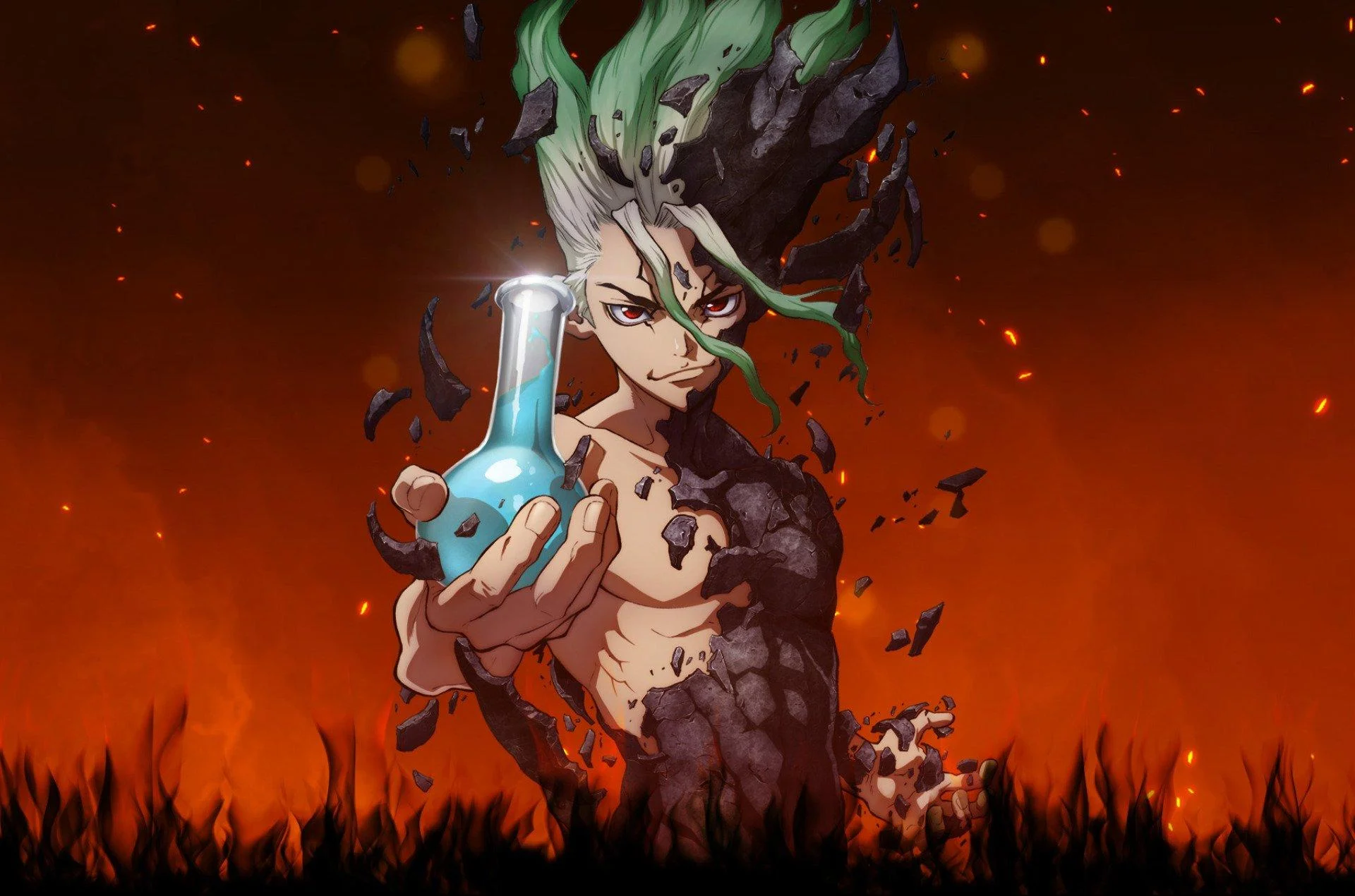
Dr. Stone
Completed sci-fi shonen: teen genius Senku Ishigami rebuilds civilization from scratch after 3,700 years of global petrification. Science vs. brute force.
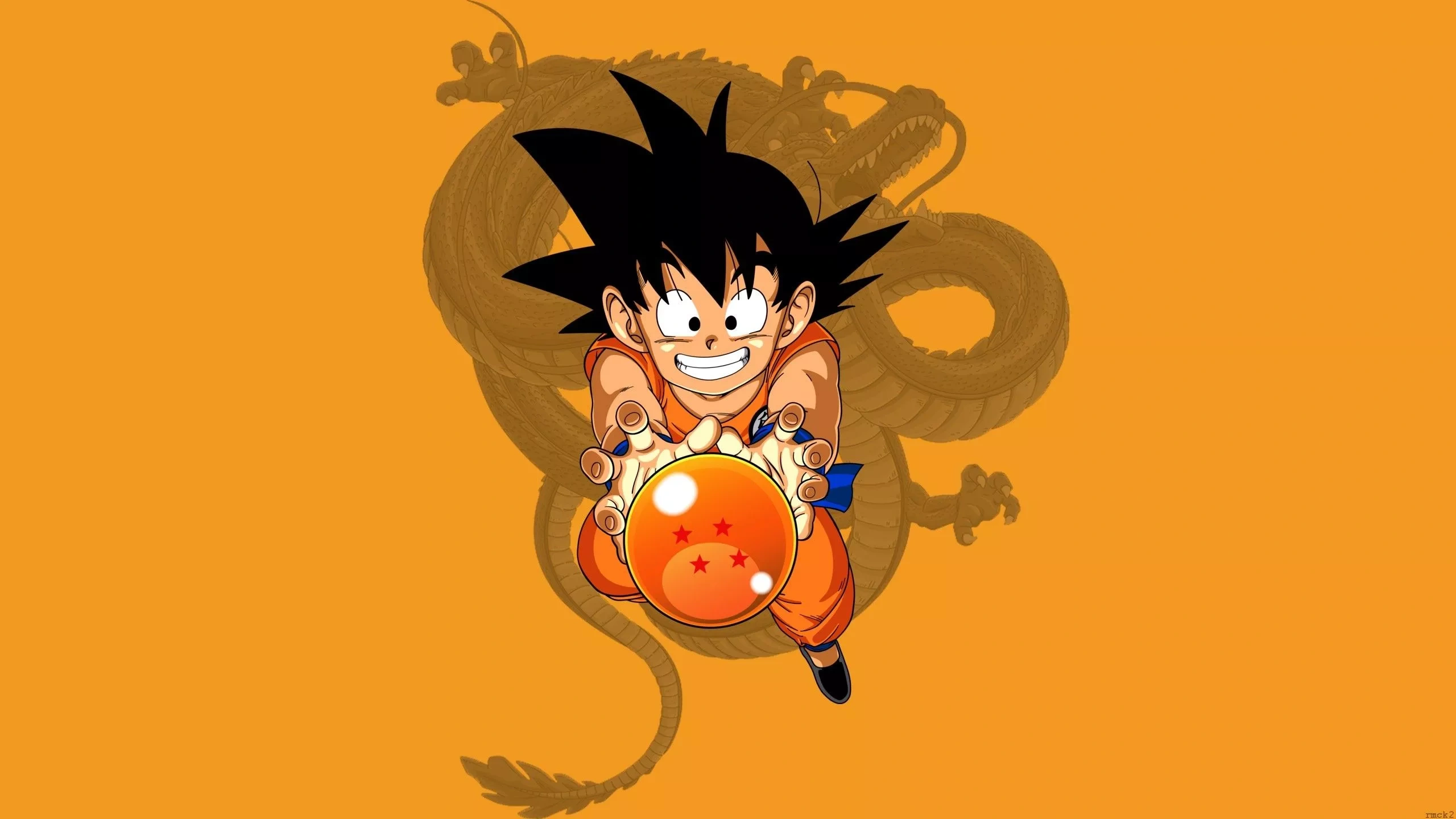
Dragon Ball Z
Goku, Earth's greatest martial artist, discovers he is a Saiyan warrior sent from a dying planet. From defending Earth against Saiyan invaders to battles across the cosmos and ultimately against godlike beings, Dragon Ball Z defines the power-escalating battle manga genre.
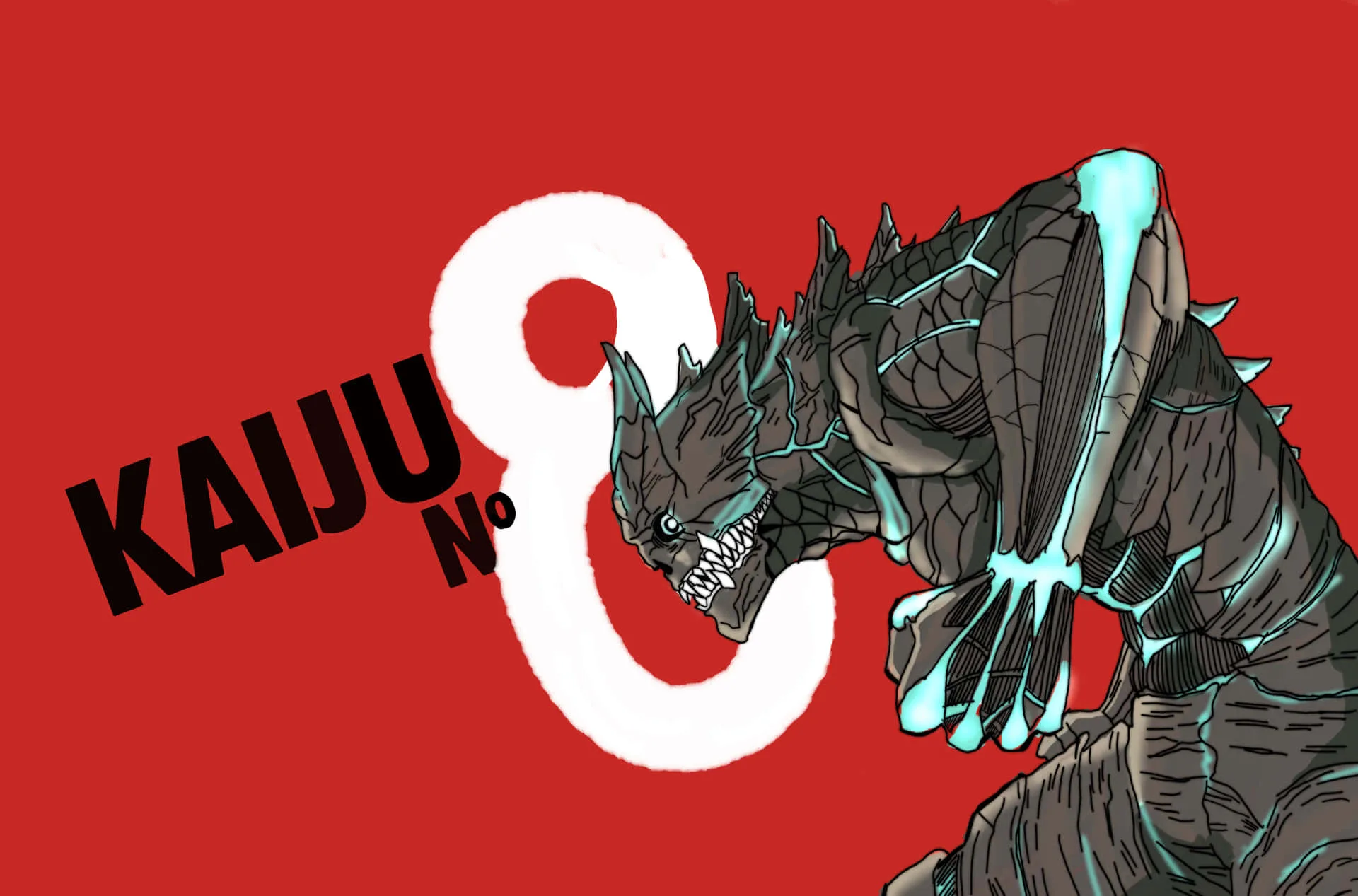
Kaiju No. 8
A monster-fighting action manga following a man who gains the power to transform into a kaiju.
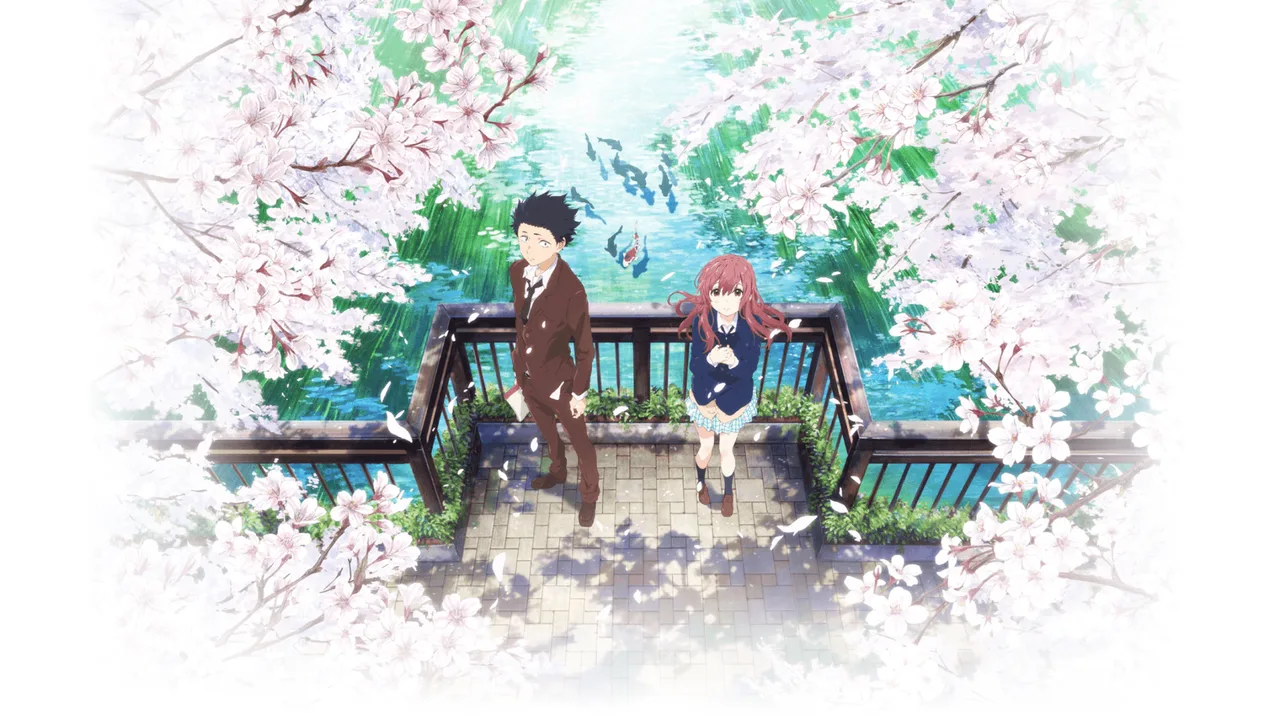
A Silent Voice
A poignant standalone drama by Yoshitoki Oima following Shoya Ishida, a former bully who seeks atonement by reconnecting with Shoko Nishimiya, the deaf classmate he tormented in elementary school. The series explores guilt, redemption, communication and the difficult path toward forgiveness.
Related Articles
All articles
Top 15 Best Action Manga of All Time (2026)
The best action manga ever made, ranked. Explosive battles, legendary fights, and adrenaline-fueled epics — plus the box sets worth collecting.

Top 15 Best Isekai Manga of All Time
Discover the best isekai manga with transported heroes, fantasy worlds, and epic adventures across parallel dimensions.

Top 20 Best Romance Manga of All Time
Discover the greatest romance manga featuring heartfelt love stories, emotional depth, and beautiful character development.