Frieren: Beyond Journey's End
An ongoing seinen fantasy manga by Kanehito Yamada and Tsukasa Abe following the elf mage Frieren as she embarks on a journey to understand humanity after her companions' deaths.
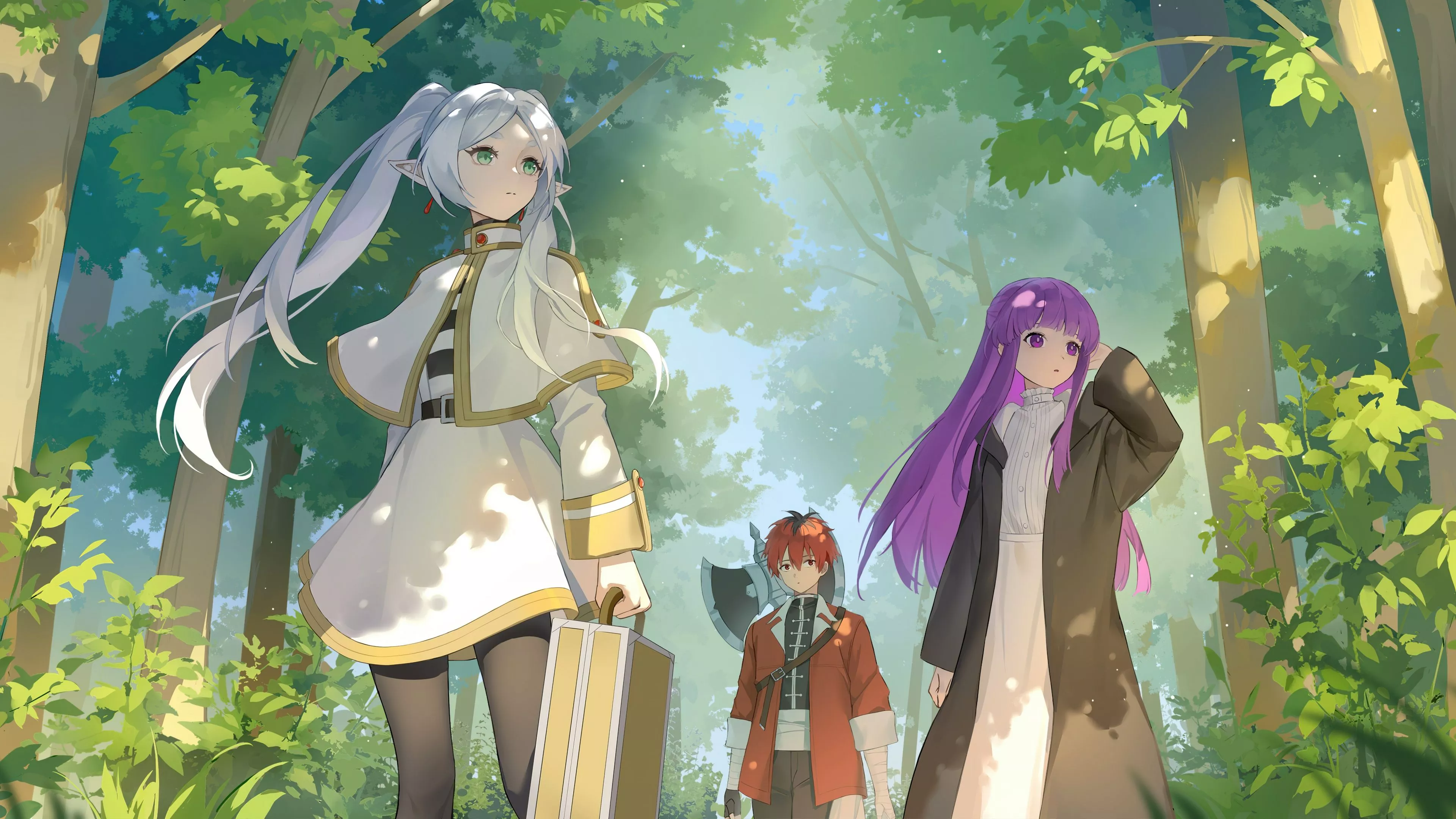
All Frieren: Beyond Journey's End Story Arcs in Order
| # | Arc |
|---|---|
| 1 | Himmel's Funeral Arc |
| 2 | Journey to Ende Arc |
| 3 | First-Class Mage Exam Arc |
| 4 | Golden Land Arc |
After the Dragon Is Slain, Time Continues
The standard fantasy narrative ends with the defeat of the great evil. The hero’s party assembles, they suffer and sacrifice together across the long years of the quest, and they win. Then the story stops, because convention has decided that what comes after victory is less interesting than the victory itself. Frieren: Beyond Journey’s End opens exactly where those stories end, and what it finds there is quietly devastating.
An elf mage named Frieren was part of the party that defeated the Demon King. The quest lasted ten years. To her companions — the hero Himmel, the warrior Eisen, the priest Heiter — those ten years were the defining experience of their lives. To Frieren, who has lived for centuries and will live for centuries more, they were an eyeblink. She attended the victory celebration, watched the fireworks with her friends, and thought nothing of saying goodbye. She would see them again sometime. Elves have all the time in the world.
Fifty years later, she returns to visit Himmel and finds an old man dying. It is not unexpected — she knew he would age, she simply had not felt the urgency of that fact. Standing at his funeral, watching the tears of people who loved him, Frieren realizes that she barely knew him. She spent a decade beside him and she let the time pass without ever really paying attention to who he was. She is not sure she was even capable of paying attention. And now she cannot ask.
Premise and World
The world of Frieren is a post-quest fantasy landscape: a continent in the slow process of rebuilding after generations of demonic threat, dotted with the ruins and legacies of previous heroes’ journeys. Magic exists as a craft and discipline; mages of various ranks pursue mastery through study and practice. The Demon King’s defeat has left the demons scattered but not extinct, and various human, elven, and other communities navigate a world that is safer than it was but not yet safe.
This backdrop serves the series’ purposes without dominating them. The world-building is economical and precise — enough detail to make the settings feel inhabited, not so much that the fantasy mechanics overshadow the human (and inhuman) drama at the center. What the setting provides above all is scale: the sense of enormous time, of civilizations rising and falling within a single elf’s lifetime, of moments that feel enormous to humans being barely perceptible to Frieren. That scalar gap is where the series lives.
Frieren’s journey — to retrace the route of the original quest, to reach the northern lands where the Demon King once ruled, ostensibly to find a way to communicate with the dead — gives the series its forward motion. But the destinations are less important than the passage between them, the encounters along the road, and the accumulating question of what it means to have traveled with people and never truly known them.
Main Characters
Frieren
Frieren is the most unusual protagonist in recent fantasy manga: ancient, emotionally underdeveloped, genuinely difficult to reach, and the character through whose transformation the entire series is organized. She is not cold precisely — she notices things, she has preferences, she is capable of something like fondness — but she has spent so much of her existence passing through human lives without pausing that she never developed the relational musculature that genuine closeness requires. Himmel’s death is her education beginning.
The series is careful not to make Frieren’s transformation a problem to be solved. She does not learn to feel appropriately and then move on. What she learns, slowly, is to pay attention — to the people currently in front of her, to what they actually need and mean, to the fact that the time she has with them is limited and will not return. This is an enormously simple lesson, and the series earns its emotional weight by taking the cost of not knowing it seriously.
Fern and Stark
Fern was taken in and trained by the elderly priest Heiter — one of Frieren’s original companions — before his death. She arrives in Frieren’s life as a teenager with formidable magical ability, considerable emotional guardedness of her own, and a devotion to the people who raised her that has never entirely found an object. Her relationship with Frieren is the series’ primary ongoing bond: an elf who does not know how to be present with another person, and a human who needs presence more than she admits, learning each other with the careful patience of people who have both been left too many times.
Stark is the most straightforwardly human member of the traveling party: a warrior who fights well, worries openly, and finds Frieren genuinely mysterious in ways he doesn’t try to philosophize about. His presence provides grounding and, occasionally, comedy. His relationship with Fern — both of them young, both of them figuring out how to be close to someone, neither of them quite willing to say what they mean — runs as a quiet parallel narrative beneath the main story.
Himmel, Remembered
Himmel appears in the series almost entirely through flashbacks — moments from the original quest that Frieren is only now, retracing the route, able to see clearly. He was brave in the obvious heroic way, but what the series keeps returning to is how carefully he paid attention to the people around him, how deliberately kind he was, how little of that kindness he required to be acknowledged. He understood that he would age and Frieren would not; he spent their time together trying, gently, to teach her that moments matter even when the person experiencing them will outlast the moment by millennia. She mostly didn’t hear him. The series is, in one reading, an extended act of retrospective listening.
Story and Themes
The central argument of Frieren is that mortality is not only a tragedy but a source of meaning — that the urgency human lives carry, the way every year has weight because there are only so many of them, creates a quality of experience that immortality cannot replicate. Frieren watches humans live their decades with something that gradually becomes less like incomprehension and more like awe. They have so little time and they use it so fully. She has all the time in the world and has spent most of it not quite present.
Memory and grief organize the series’ emotional texture. Frieren grieves Himmel, and then Heiter, and then others; each loss clarifies what she failed to do while the person was alive. But the series resists the easy lesson that grief teaches us to love better the next time. It is more honest than that: Frieren keeps missing things, keeps arriving too late to certain understandings, keeps learning from experience in the slow, partial way that all genuine learning works. The improvement is real but it is not complete and it is not fast.
The flashback structure is the series’ formal innovation. In a single chapter, the present-day journey and a moment from fifty or a hundred or five hundred years ago can coexist, the past illuminating the present not through exposition but through contrast. The technique makes time itself visible — the reader experiences the gap between who Frieren was and who she is becoming, the distance between the moment she was in and the moment she can now see it clearly from.
Why This Manga Matters
Frieren arrived in 2020 and within three years had won the Shogakukan Manga Award, the Manga Taisho Award, and the Anime of the Year award for its Madhouse adaptation. These are external measures. The more important measure is the response it produced in readers who described, repeatedly, putting down a volume and sitting quietly for a while before picking it up again — the sense that something had been said to them about their own lives and the people they loved that they had not quite heard before in fiction.
What Frieren does that almost nothing else does is make the philosophical legible through the specific. It does not lecture about impermanence and the value of connection. It shows you Himmel’s funeral. It shows you Frieren looking at the grave of someone she knew two centuries ago and not being able to remember their face. It shows you what it costs to let time pass without paying attention. The philosophy becomes emotion because it is rendered as scene, and the scenes are precise and unhurried enough that you have time to understand what you are seeing.
Publication History
Frieren: Beyond Journey’s End is written by Kanehito Yamada and illustrated by Tsukasa Abe. It began serialization in Weekly Shonen Sunday (Shogakukan) in April 2020 and is ongoing as of 2026, with 13+ collected volumes available. The manga won the 14th Manga Taisho Award in 2021. The anime adaptation by Madhouse premiered in September 2023, running for 28 episodes across two cours and receiving near-universal acclaim; it won Anime of the Year at the Crunchyroll Anime Awards 2024. English publication is handled by VIZ Media.
Related Series
Readers drawn to what Frieren does with time and grief often find Vinland Saga similarly transformative (a warrior’s long reckoning with violence and meaning), A Silent Voice (emotional precision in a contemporary setting), March Comes in Like a Lion (another seinen work about learning to receive care), and Dungeon Meshi (a fantasy manga from the same recent wave that similarly trusts its world-building to carry philosophical weight without announcing it).
Frequently Asked Questions
What is Frieren: Beyond Journey’s End about? Frieren: Beyond Journey’s End is an ongoing fantasy manga that deconstructs the post-victory narrative by following an immortal elf mage returning to retrace her original quest route after realizing she barely knew her companions who aged and died while she remained unchanged. The series explores themes of mortality, connection, and the meaning found in finite human lifespans versus endless immortal existence. Through retraced journeys and poignant flashbacks, Frieren learns to genuinely pay attention to the people around her.
How many volumes does Frieren have? Frieren: Beyond Journey’s End currently has 13+ volumes and is ongoing as of 2026. The manga began serialization in Weekly Shonen Sunday in April 2020 and continues regular publication. New volumes are released regularly as the story develops. To find the latest volumes and purchase options, check Amazon’s Frieren collection.
Is there an anime adaptation of Frieren? Yes, Frieren has a highly acclaimed anime adaptation by Madhouse that premiered in September 2023. The anime ran for 28 episodes across two cours and received near-universal critical acclaim, including winning Anime of the Year at the Crunchyroll Anime Awards 2024. The adaptation faithfully adapts the manga while bringing the emotional scenes to life with beautiful animation and composition.
What makes Frieren different from typical fantasy manga? Frieren deconstructs standard fantasy conventions by starting where most stories end—after the hero’s victory—and exploring what comes after. Rather than focusing on action and adventure, it emphasizes quiet emotional moments, mortality’s significance, and how to form genuine connection across vast differences in lifespan. The series uses philosophical themes but makes them legible through specific scenes and flashbacks rather than exposition.
Is Frieren appropriate for all readers? Frieren is appropriate for teen readers and adults. The series contains no graphic violence or explicit content, though it deals with themes of death, grief, and loss. The emotional weight of these themes may affect sensitive readers, but nothing is gratuitously depicted. The series is best appreciated by readers ready for philosophical reflection on mortality and human connection.
Made in Abyss by Akihito Tsukushi, while involving younger protagonists, shares philosophical exploration of human meaning and connection within fantasy frameworks.
Frieren: Beyond Journey's End Arc Guides
Himmel's Funeral Arc
After the Demon King's defeat, Frieren attends the funeral of Himmel, the human hero who led their party, and realizes her profound emptiness regarding their relationship.
Chapters 1-7Journey to Ende Arc
Frieren embarks on a journey retracing her original adventure, meeting people from her past and gradually understanding what her companions meant to her.
Chapters 8-20First-Class Mage Exam Arc
Frieren and Fern take the examination to become First-Class Mages, encountering powerful opponents and facing personal trials that test their growth and resolve.
Chapters 42-65Golden Land Arc
Frieren ventures into the Golden Land, a dangerous region where truth and illusion blur, facing trials that test her understanding of what she's learned about humanity.
Chapters 66+Anime Adaptation
Full guideFrieren: Beyond Journey's End Merchandise
Read manga free with Amazon Prime
30-day free trial: free shipping, Prime Reading, Kindle, Prime Video and more.
Affiliate link. 30-day free trial for new members. Then $14.99/month — cancel anytime.
FAQ: Frieren: Beyond Journey's End
You May Also Like
All manga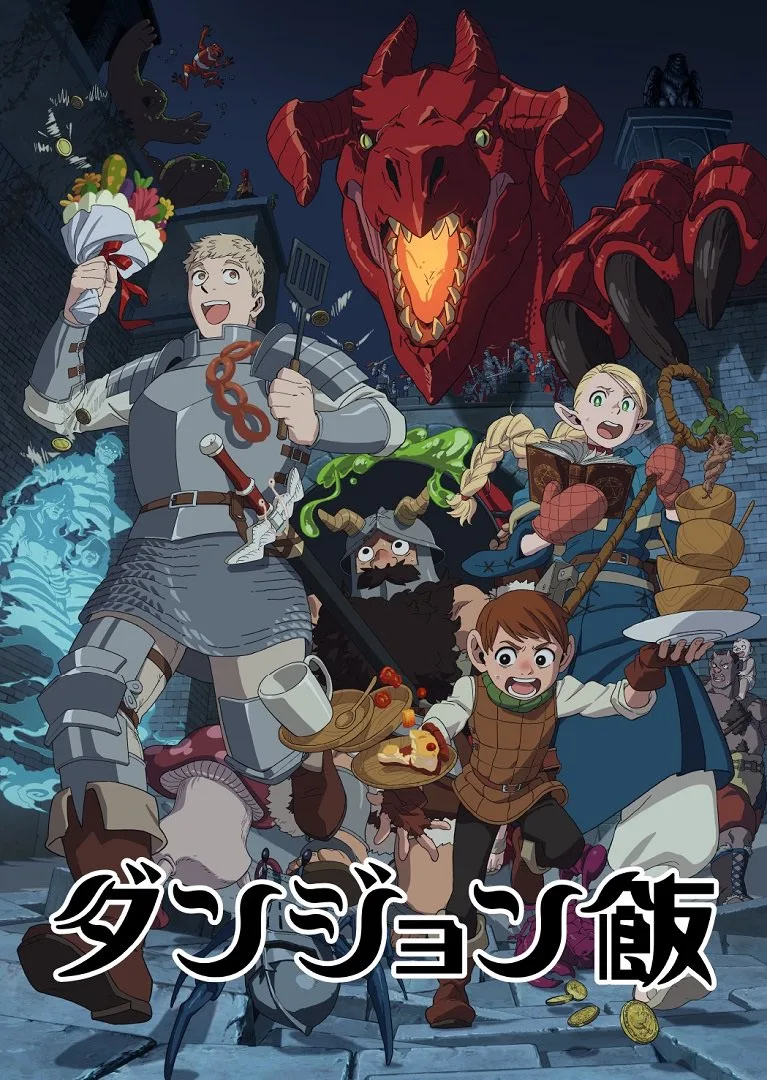
Delicious in Dungeon
A fantasy adventure comedy following an adventuring party that cooks and eats the monsters of a vast dungeon while racing to rescue their friend Falin. Created by Ryoko Kui.
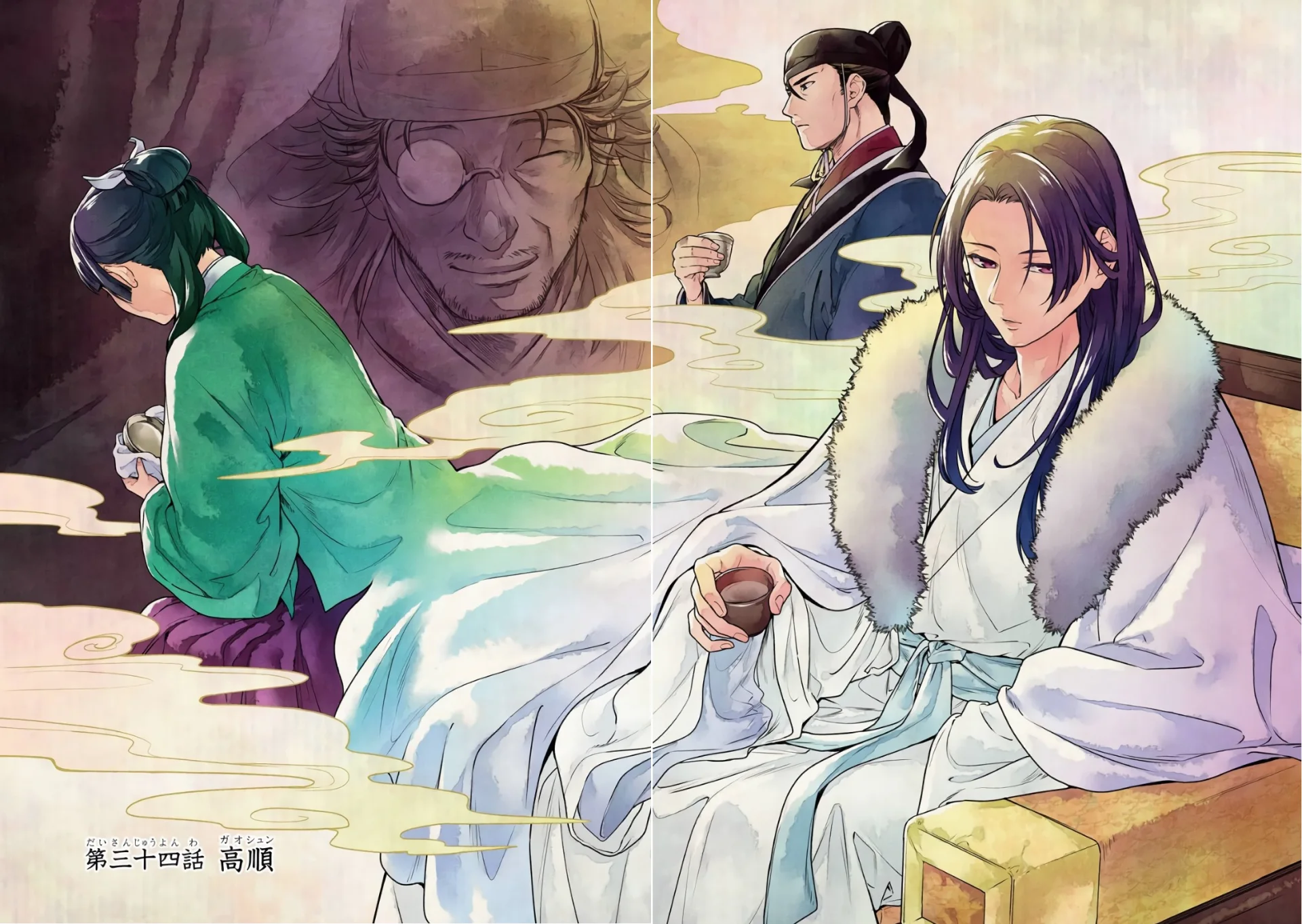
The Apothecary Diaries
An ongoing seinen mystery manga by Natsu Hyuuga and Nekokurage following Maomao, an apothecary's daughter, as she solves imperial court mysteries using her pharmaceutical expertise in a historical Chinese setting.
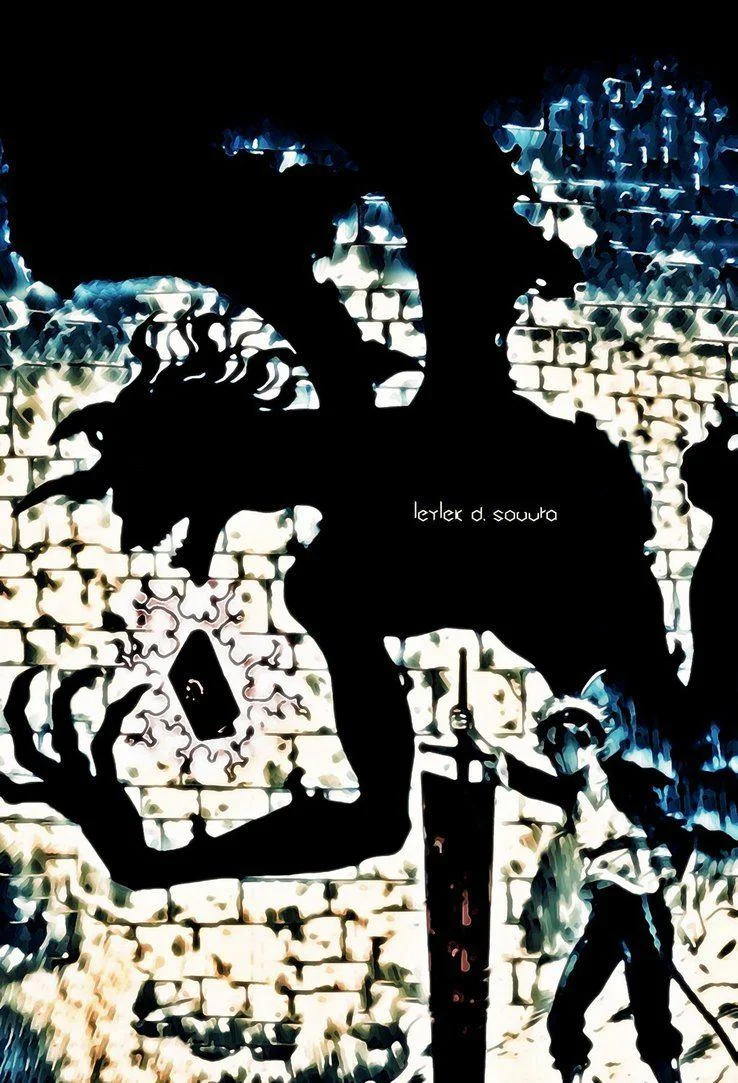
Black Clover
An ongoing shonen fantasy magic manga following Asta, a young man without magic power in a world where magic dominates, as he pursues his dream of becoming the Wizard King through determination and friendship

Blue Period
An ongoing seinen coming of age manga by Tsubasa Yamaguchi about Yatora Yaguchi, a high school student who discovers a passion for painting and aims to enter the prestigious Tokyo University of the Arts.
Related Articles
All articles
Top 15 Best Dark Fantasy Manga of All Time (2026)
The best dark fantasy manga ever made, ranked. Brutal worlds, morally grey heroes, and demonic horror — plus where to buy the definitive editions.
Top 18 Best Fantasy Manga of All Time
The best fantasy manga ever made, from dark epics to isekai adventures. Magic systems, world-building, and unforgettable journeys ranked.
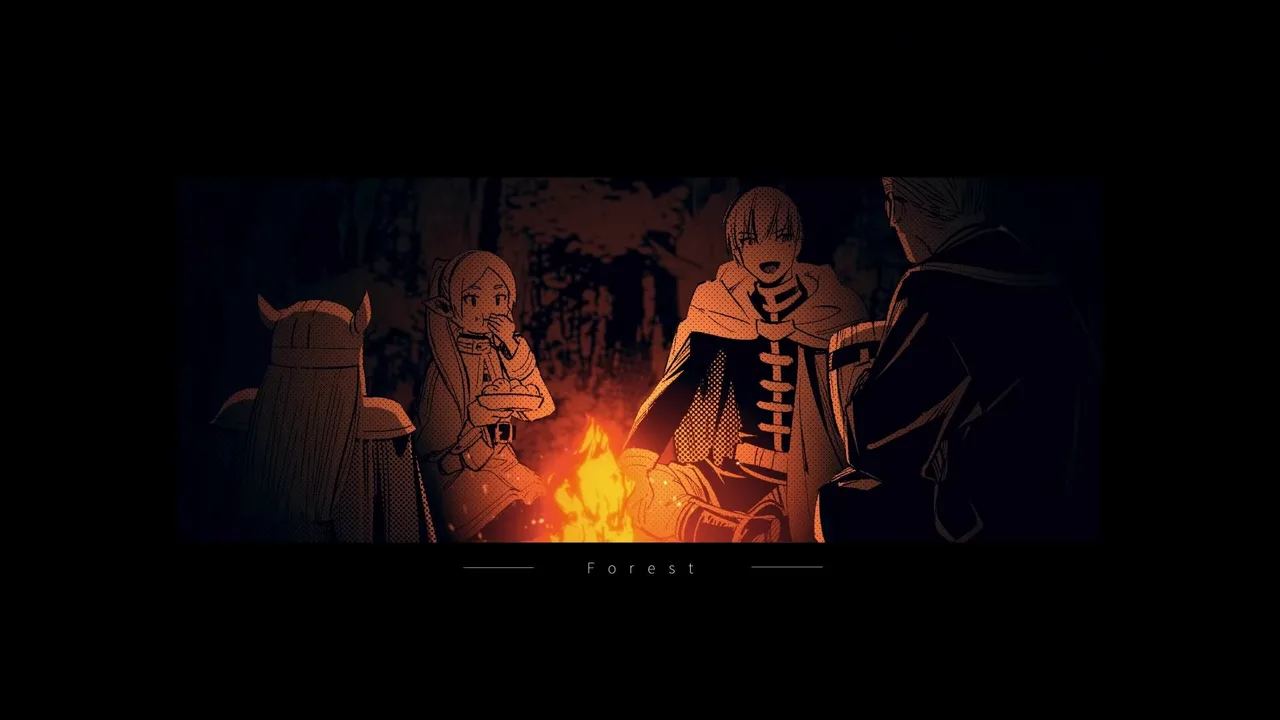
Frieren: Beyond Journey's End — Complete Manga Guide (2026)
Complete guide to Frieren: Beyond Journey's End — the manga redefining fantasy storytelling. Story analysis, character breakdowns, themes of time and grief, and why it won the Manga Taisho Award.