InuYasha
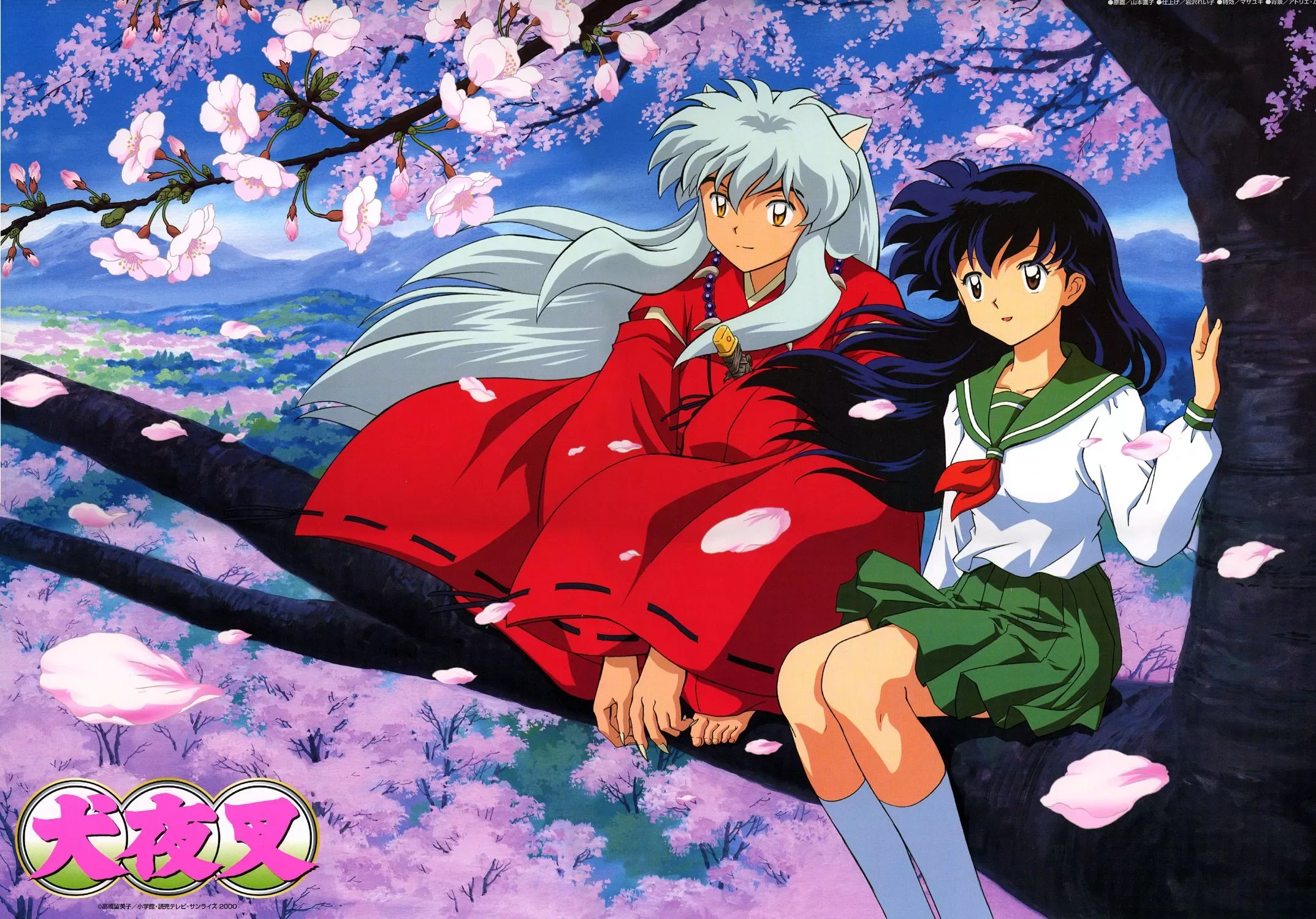
A shonen fantasy romance manga where a girl is transported to medieval Japan and teams with a half-demon warrior to defeat an ancient evil.
All InuYasha Story Arcs in Order
| # | Arc |
|---|---|
| 1 | Shikon Jewel Introduction |
| 2 | Sesshomaru Encounters |
| 3 | Naraku's Origins |
| 4 | Band of Seven Arc |
| 5 | Final Battle Arc |
| 6 | Mount Hakurei Arc |
Overview
InuYasha stands as one of the longest, most commercially successful, and culturally significant manga series ever created. Written and illustrated by legendary manga creator Rumiko Takahashi, InuYasha began serialization in 1996 and concluded in 2008, spanning an impressive 56 volumes that sold hundreds of millions of copies worldwide. The series represents a masterwork of extended narrative construction, maintaining reader engagement across twelve years of publication while developing complex character relationships, expansive world-building, and sophisticated thematic material.
The premise involves Kagome Higurashi, an ordinary contemporary Japanese schoolgirl, being transported five hundred years into the past through a mystical well. There she encounters InuYasha, a half-demon warrior initially imprisoned by a sacred arrow. Together they embark on a quest across medieval Japan, gathering allies, fighting demons, and pursuing the witch Naraku, whose actions drive much of the narrative’s forward momentum. The series balances shonen action-adventure conventions with romance, character development, and exploration of medieval Japanese culture and folklore.
What distinguishes InuYasha from typical fantasy adventure manga is Takahashi’s sophisticated integration of romance, humor, and action within an expansive narrative. Rather than treating romance as subordinate to adventure, Takahashi weaves romantic tension between Kagome and InuYasha throughout the entire series, with their relationship developing gradually through shared struggle and accumulated emotional intimacy. This integration of romance and action-adventure appealed to both male and female audiences, contributing substantially to the series’ remarkable commercial success.
Story and Themes
InuYasha employs an episodic yet progressive narrative structure where individual demon encounters and side quests contribute to larger narrative arcs while advancing the central storyline concerning Naraku’s ultimate defeat. This structure allows tremendous variety in storytelling—each volume might feature a distinct demon antagonist with unique abilities and backstory, yet these encounters consistently advance character development and contribute to thematic concerns.
The central plot involves gathering powerful sacred jewel shards scattered across medieval Japan, with various demons, humans, and supernatural beings seeking to gather these fragments for their own purposes. This collection narrative provides structural framework while allowing diverse antagonists and settings. Naraku, the primary villain, pursues the jewel shards with his own mysterious purposes, creating ongoing tension and stakes throughout the series.
The series explores the possibility of connection across profound difference. InuYasha and Kagome come from entirely different worlds—she is a contemporary human; he is a half-demon from the past. Their relationship requires genuine effort to bridge psychological, cultural, and temporal differences. Rather than resolving these differences through dramatic revelation, the series depicts them working through complications gradually, demonstrating that authentic connection requires accepting fundamental differences rather than erasing them.
The theme of redemption recurs throughout the narrative. Various characters, including supporting cast members, possess backgrounds involving tragedy, moral failure, or victimization by circumstance. The series argues that redemption becomes possible when people receive genuine support, alternative options, and recognition of their inherent worth. Characters frequently receive second chances and opportunities for growth, suggesting that people contain capacity for change despite past mistakes.
Loyalty and friendship receive sophisticated exploration. The team that gradually assembles around Kagome and InuYasha—including Miroku, Sango, and Shippo—develop through shared struggle and mutual vulnerability. Rather than becoming allies through instant bonding, these relationships develop through repeated cooperation, conflict resolution, and demonstrated commitment to each other’s well-being. The series emphasizes that genuine friendship requires sustained effort and willingness to forgive.
The series also explores the tension between individual agency and destiny. Kagome is transported to the past for purposes beyond her initial understanding, yet she gradually makes authentic choices about her continued presence in that time period. InuYasha must choose whether his half-demon nature defines him or whether he can transcend initial circumstances to create new identity. The series argues that meaningful agency requires active choice rather than passive acceptance of circumstance.
Family and belonging emerge as significant themes. Multiple characters have experienced broken or traumatic family relationships, yet they gradually form new families through their chosen relationships. The series suggests that biological family matters less than genuinely supportive relationships characterized by loyalty and care.
Main Characters
Kagome Higurashi functions as the series’ protagonist and provides reader perspective as a character from contemporary Japan transported to medieval era. Initially overwhelmed by her circumstances, Kagome gradually develops competence, courage, and genuine affection for InuYasha and her allies. Her character arc involves accepting her role in the past while maintaining her fundamental identity, discovering that growth need not require abandoning your original self.
Importantly, Kagome possesses genuine agency throughout the narrative. She makes authentic choices about her continued involvement, frequently making decisions that prioritize her values and relationships over easier alternatives. Her spiritual power—the ability to purify sacred jewel shards and demonic energy—represents genuine skill rather than accident, earning her respect as capable team member rather than mere supporting character.
InuYasha, a half-demon warrior, begins the series as angry, volatile, and deeply insecure about his mixed heritage. His character arc involves gradually accepting both aspects of his dual nature, learning that strength emerges not from denying or exalting one side of his heritage but from integrating seemingly opposed elements into unified identity. His relationship with Kagome provides catalyst for much of his emotional growth, though he develops through interactions with all party members.
Miroku, introduced later in the series, functions as the lecherous priest whose apparent shallow flirtatiousness conceals genuine depth and serious motivations. Miroku’s character arc involves addressing genuine trauma and learning to connect with others authentically rather than through surface-level flirtation. His relationship with Sango develops gradually from friction to genuine affection, demonstrating how different personality types can develop connection.
Sango, the demon slayer introduced alongside Miroku, possesses extraordinary combat skills and practical competence. Her character arc involves addressing trauma related to her family’s destruction and learning to trust her team members with her psychological burden. Her relationship with Miroku develops organically through shared struggle and mutual appreciation of each other’s capabilities and vulnerability.
Shippo, a young demon who joins the party, provides comedic relief while receiving genuine character development. His relationship with Kagome develops into genuine affection, with Shippo gradually accepting her as maternal figure. His character arc involves growing from vulnerable child into confident young demon capable of contributing meaningfully to the group’s efforts.
Naraku, the primary antagonist, remains largely mysterious throughout much of the narrative, with his true nature and motivations gradually revealed across the series’ span. Rather than presenting a simple evil villain, Takeuchi depicts Naraku as complex antagonist whose actions derive from genuine objectives, making his ultimate defeat carry weight and significance.
Arcs
arcs:
-
slug: four-souls-journey name: The Four Souls Journey summary: Kagome and InuYasha begin their quest to gather scattered sacred jewel shards while learning to trust each other. detailedSummary: |- Kagome Higurashi discovers herself transported five hundred years into the past through a mystical well. She encounters InuYasha, a half-demon imprisoned by a sacred arrow, and together they must recover the shattered pieces of the sacred Four Souls Jewel scattered across medieval Japan. Their initial distrust and frequent conflicts mask a growing understanding as they face demons seeking to use the jewel’s power for their own purposes.
During this arc, the fundamental dynamic between Kagome and InuYasha develops through repeated encounters where they must depend on each other for survival. Kagome learns to use her spiritual purification powers effectively, while InuYasha begins to recognize the value of cooperation over isolation. The discovery that Naraku, a mysterious demon, actively pursues the jewel fragments raises the stakes beyond simple collection mechanics.
The arc establishes the series’ core themes of connection across difference, redemption through support, and the possibility of transcending initial circumstances. Minor antagonists introduce various demons and their backstories, demonstrating that evil is often contextual rather than absolute. By arc’s end, their bond has deepened sufficiently to survive the revelation that Kagome had formerly encountered InuYasha as the reincarnation of his lost love, Kikyo, creating complex emotional complications for their developing relationship.
-
slug: narakus-web name: Naraku’s Web summary: The mysterious villain Naraku consolidates power while the group discovers his connections to various supernatural conflicts. detailedSummary: |- As the group expands to include Miroku and Sango, they begin uncovering Naraku’s true nature: he is not a single demon but rather a network of demons and corrupted souls bound together by dark magic. Naraku’s influence extends throughout medieval Japan, with his machinations responsible for countless tragedies including the destruction of Sango’s village and the curse that threatens Miroku’s life. This revelation transforms their quest from collecting artifacts into pursuing a specific antagonist.
The arc focuses on how Naraku manipulates others through their desires and fears, corrupting decent people into serving his purposes. The band of demons he employs, including incarnations of his own power, test the group’s combat abilities while revealing fragments of his ultimate plan. Key character development occurs as Miroku addresses his cursed hand and personal trauma, while Sango confronts the grief of her family’s destruction and finds strength through her new bonds.
Multiple pivotal battles force the group to develop better coordination and strategies, with each member’s unique abilities becoming essential to their survival. The emotional stakes intensify as they realize defeating Naraku will be vastly more difficult than anticipated. The arc concludes with the understanding that Naraku cannot be defeated through ordinary means and may possess supernatural immortality requiring investigation into ancient magic and forbidden rituals.
-
slug: mount-hakurei name: Mount Hakurei summary: The group uncovers a sacred barrier and learns of Naraku’s origins through investigation of mystical locations. detailedSummary: |- Mount Hakurei, a sacred location housing an ancient barrier, becomes central to understanding Naraku’s true nature and the history of supernatural conflicts in Japan. The group learns that Naraku was created through dark magic designed to embody demonic power, and that he may be connected to Kikyo’s resurrection and the original breaking of the sacred jewel. This arc expands the narrative scope beyond personal revenge into examining large-scale supernatural conflict and historical tragedy.
Investigation of the sacred site reveals that seemingly unrelated events throughout the series connect to a larger conspiracy involving demonic resurrection and the manipulation of sacred powers. The group encounters various supernatural guardians and trials testing not only their combat abilities but their moral convictions and understanding of right action. Characters confront difficult truths about the consequences of their choices and the complexity of distinguishing heroism from personal vendetta.
The arc deepens exploration of Kikyo’s nature as simultaneously human, supernatural being, and Naraku’s puppet. Her relationship with both Kagome and InuYasha becomes increasingly complicated as they discover that Naraku deliberately engineered their conflict to maintain control. The revelation of deeper conspiracies forces the group to question whom they can trust and whether certain characters’ loyalties can be relied upon.
-
slug: band-of-seven name: The Band of Seven summary: A group of evil incarnations of Naraku’s power tests the group’s abilities and explores themes of redemption and sacrifice. detailedSummary: |- The Band of Seven, a group of Naraku’s incarnations consisting of powerful demons and corrupted humans, emerges as a major threat. Despite their origins as manifestations of Naraku’s power, these characters develop individual personalities and motivations, challenging the notion that incarnations of evil must be purely evil. Some members display unexpected honor, friendship among their own ranks, and capacity for growth, even if ultimately bound to Naraku’s will. This complexity complicates the group’s moral certainty about their enemies.
The arc focuses on extended battles with these adversaries, with each incarnation possessing distinct combat styles and powers requiring different strategies. These conflicts push the main characters to their physical and emotional limits, with several members suffering serious injuries that force them to confront mortality and the cost of their quest. The emotional weight increases as they develop reluctant respect for some opponents while remaining committed to stopping them.
Key character moments emerge as the band members’ individual personalities and backgrounds receive exploration, revealing trauma and manipulation that shaped them into Naraku’s servants. Some characters achieve moments of freedom from Naraku’s control through the group’s intervention, while others sacrifices demonstrate the power of connection and redemption. The arc’s conclusion establishes that defeating Naraku requires not only combat victory but understanding the human tragedy underlying his own creation.
-
slug: final-battle name: Final Battle summary: The group confronts Naraku in his final form as he attempts to absorb the sacred jewel and achieve ultimate power. detailedSummary: |- The final confrontation with Naraku represents the culmination of the entire narrative, with all plot threads, character arcs, and thematic concerns converging in an extended battle sequence. Naraku reveals his ultimate goal: to absorb the complete sacred jewel and use its power to achieve godlike existence, transcending his limitations as a bound network of demonic essence. The group realizes that conventional combat alone cannot defeat him, and that the battle involves emotional and spiritual dimensions alongside physical conflict.
The confrontation forces each character to confront their individual relationship with Naraku and the trauma he has caused them. Sango must overcome her grief and hatred to maintain clarity. Miroku must accept his curse’s cost and find meaning in sacrifice. InuYasha must reconcile his demon and human natures as sources of strength rather than weakness. Kagome must affirm her value beyond her spiritual power and declare her commitment to the present rather than the past. These internal victories prove as essential as combat prowess.
The battle’s conclusion involves sacrifice, loss, and profound change for the survivors. The resolution does not result in simple triumph but rather hard-won victory accompanied by genuine cost. Characters emerge from the conflict fundamentally changed, having learned that meaningful victory requires accepting complexity, loss, and the imperfection of reality. The series concludes by affirming that the relationships formed and growth achieved matter more than the absence of struggle or the achievement of perfect endings.
Characters
characters:
-
slug: inuyasha name: InuYasha role: protagonist description: |- InuYasha is a half-demon warrior distinguished by silver hair, dog ears, and a volatile temperament that masks deep insecurity about his mixed heritage. Beginning the series as angry and isolated, he initially views others with suspicion and prioritizes personal survival over cooperation. His role centers on providing action sequences through powerful combat abilities while serving as emotional focal point for exploring identity, belonging, and the possibility of transcending initial circumstances.
InuYasha’s past trauma—centuries of loneliness, imprisonment, and betrayal—created the emotional patterns that initially define him. His complicated history with Kikyo, the priestess who sealed him with a sacred arrow, creates profound uncertainty about love, trust, and the possibility of genuine connection. His mixed demon-human nature was treated as shameful by both communities, leaving him with fundamental doubt about whether he belongs anywhere or can be valued for his complete self.
Throughout the narrative, InuYasha’s character arc centers on learning to accept both aspects of his nature and recognize that strength emerges from integration rather than denial. His relationship with Kagome provides the primary catalyst for this growth, though interactions with all party members contribute to his emotional development. By series’ conclusion, he has transformed into someone capable of genuine vulnerability, willing to value others’ wellbeing over personal advancement, and confident in his identity despite its unconventional nature.
appearsIn:
- four-souls-journey
- narakus-web
- mount-hakurei
- band-of-seven
- final-battle groups:
- inu-gang
-
slug: kagome-higurashi name: Kagome Higurashi role: protagonist description: |- Kagome Higurashi functions as the series’ protagonist, providing reader perspective as a contemporary Japanese schoolgirl transported five hundred years into the past. Initially overwhelmed by her circumstances and possessing no combat training, Kagome gradually develops competence through necessity and emotional growth. Her role extends beyond the typical female support character through her genuine agency, decision-making autonomy, and spiritual powers that prove essential to the group’s success.
Kagome’s personality balances competence with ordinariness—she remains fundamentally herself rather than becoming a mystical warrior untethered from human concerns. She worries about school, her family, and her romantic feelings while simultaneously risking her life against supernatural threats. This integration of mundane and extraordinary creates her appeal and allows readers to identify with her despite her unusual circumstances.
Her character arc involves learning to accept responsibility while maintaining her fundamental values and autonomy. She consciously chooses to remain in the past repeatedly despite the opportunity to stay in contemporary Japan, affirming through action rather than passive acceptance that her place is alongside her chosen companions. Her spiritual purification powers, which represent genuine skill earned through practice rather than inherited birthright, provide her role as capable team member rather than dependent liability.
appearsIn:
- four-souls-journey
- narakus-web
- mount-hakurei
- band-of-seven
- final-battle groups:
- inu-gang
-
slug: miroku name: Miroku role: protagonist description: |- Miroku is introduced as a lecherous Buddhist priest whose surface-level flirtatiousness and comedic behavior initially conceal genuine depth and serious character motivation. His primary characteristic—constant flirtation with women—appears shallow until revealed as coping mechanism for addressing genuine trauma and difficulty forming authentic connections. Beneath his playful exterior exists a damaged individual seeking validation and connection through the only methods he learned during his troubled childhood.
Miroku possesses spiritual powers and combat training that complement the group’s combat capabilities, while his priesthood provides cultural grounding within medieval Japan. His cursed hand, inheritance from his father’s conflict with Naraku, creates both practical limitation and emotional burden. This curse represents generational trauma that Miroku must learn to live with while refusing to allow it to define his entire existence or limit his capacity for genuine relationship.
His character arc centers on learning to connect authentically with others and accept vulnerability. His relationship with Sango develops gradually from initial friction to genuine affection through demonstrated respect for her capabilities and shared vulnerability. The series suggests that genuine healing requires supportive relationships and opportunity to grow, themes consistent throughout its exploration of how people transform through connection rather than isolation.
appearsIn:
- narakus-web
- mount-hakurei
- band-of-seven
- final-battle groups:
- inu-gang
-
slug: sango name: Sango role: protagonist description: |- Sango is a demon slayer introduced alongside Miroku, possessing extraordinary combat skills, practical competence, and emotional strength despite significant psychological trauma. As the sole survivor of her village’s destruction by Naraku’s machinations, she carries grief, guilt, and survivor’s burden while continuing to function with remarkable resilience. Her role provides both combat effectiveness and emotional grounding, as her struggle to process trauma while forming new bonds resonates with audiences.
Sango’s character centers on the tension between her capabilities as warrior and her fundamental humanity as grieving survivor. Rather than becoming hardened killer, she maintains compassion despite rightful reasons for hatred. Her relationship with her younger brother Kohaku, who was manipulated by Naraku into attacking their village, creates additional emotional complexity as she must forgive him while he struggles with his own trauma and manipulation.
Her development involves learning to trust her new companions with her psychological burden and recognizing that forming new family relationships honors rather than betrays her original family. Her domestic interests—cooking, housekeeping—are treated as genuine sources of meaning and identity rather than secondary to her warrior role. By series’ conclusion, she has integrated her capabilities and vulnerability into a complete personhood.
appearsIn:
- narakus-web
- mount-hakurei
- band-of-seven
- final-battle groups:
- inu-gang
- demon-slayers
-
slug: shippo name: Shippo role: supporting description: |- Shippo, a young kitsune (fox demon) who joins the party, serves multiple narrative functions including comic relief, emotional anchor through his youth and vulnerability, and genuine character receiving meaningful development. Despite his small stature and limited combat abilities compared to other party members, he gradually gains competence and confidence through repeated challenges and the security of belonging to a group that values him.
Shippo’s relationship with Kagome develops into genuine affection, with him gradually accepting her as maternal figure while retaining his own identity and growth trajectory. This dynamic explores how found family forms through consistent care, demonstrated commitment, and accumulated positive shared experiences rather than biological connection. His presence grounds the group emotionally, reminding them of vulnerability and the importance of protection.
His character arc involves growing from vulnerable child dependent on others’ protection into young demon capable of contributing meaningfully to the group’s efforts. While he never becomes powerful warrior equivalent to adult party members, he learns that meaningful participation does not require equivalent strength and that different roles within community hold equivalent value. His development affirms that groups function through diverse capabilities rather than requiring homogeneous strengths.
appearsIn:
- four-souls-journey
- narakus-web
- mount-hakurei
- band-of-seven
- final-battle groups:
- inu-gang
-
slug: sesshomaru name: Sesshomaru role: supporting description: |- Sesshomaru, InuYasha’s older half-brother, begins the series as a powerful demon antagonist pursuing the same sacred jewel shards for his own purposes. Unlike InuYasha, who is half-human, Sesshomaru is full-demon and initially represents the values InuYasha feared he should embrace—pure power, rejection of human connection, and superiority through demonic nature. His role involves demonstrating that this path leads to isolation and meaninglessness.
Sesshomaru’s introduction as antagonist creates dynamic where neither protagonist nor antagonist occupy simple moral positions. He is motivated by legitimate objectives and possesses honor within his own value system, complicating the narrative’s moral clarity. His possession of demonic powers superior to InuYasha’s creates ongoing tension, with their battles never resulting in clear victory but rather stalemate respecting each other’s capabilities.
His character arc, while less detailed than main characters, involves gradual recognition that exclusive isolation produces emptiness and that connection, even begrudgingly undertaken, offers meaning. His developing relationship with Rin, a human child he rescues, provides catalyst for understanding that protecting another person’s wellbeing can matter more than power pursuit. By series’ conclusion, he has evolved from pure antagonist to complex character whose goals occasionally align with the party’s.
appearsIn:
- four-souls-journey
- narakus-web
- mount-hakurei
- final-battle groups:
- demon-slayers
-
slug: naraku name: Naraku role: antagonist description: |- Naraku, the primary antagonist, remains mysterious throughout much of the narrative, with his true nature and motivations gradually revealed across the series’ span. Rather than presenting a simple evil villain motivated purely by malice, the series depicts Naraku as complex antagonist whose actions derive from genuine objectives and whose creation resulted from human tragedy and magical corruption. He represents how good intentions and legitimate desires can become twisted into destructive ambition through combination of power and isolation.
Naraku’s origin as deliberately created demon—synthesized from multiple demonic and human components bound through dark magic—explains his composite nature and disconnection from traditional demonic society. He exists as external manifestation of corrupted human desires, with his various incarnations representing different aspects of ambition, jealousy, and hunger for power. His pursuit of the sacred jewel represents attempt to transcend his created limitations and achieve true independent existence.
His character develops primarily through his impact on others and revelation of his schemes across the narrative. Unlike traditional villains who remain static in their evil, Naraku continues evolving, accumulating power and adjusting strategies based on obstacles. His interactions with other characters, particularly his complicated relationship with Kikyo and his fear-based manipulation of Sesshomaru, reveal psychological complexity beneath his demonic power. The narrative ultimately suggests that his tragedy lies in inability to connect authentically with others, making his pursuit of power compensation for fundamental loneliness.
appearsIn:
- four-souls-journey
- narakus-web
- mount-hakurei
- band-of-seven
- final-battle groups:
- naraku-incarnations
-
slug: kikyo name: Kikyo role: supporting description: |- Kikyo, a priestess from InuYasha’s past, appears as ghost-zombie hybrid resurrected through dark magic to serve Naraku’s purposes. Her complicated status—neither fully alive nor completely dead, possessing memories of previous life but lacking the person she was—creates profound tragedy. She serves as reminder of InuYasha’s past love while representing how Naraku corrupts even intimate relationships into tools for manipulation and control.
Kikyo’s resurrection creates emotional conflict for InuYasha, who must navigate simultaneous affection for his lost love and recognition that this resurrected version is puppet controlled by Naraku. The comparison between Kikyo and Kagome, whom Kagome discovers she is reincarnation of, creates additional complexity exploring themes of identity, past, and present. Kikyo’s struggle to maintain her agency despite Naraku’s control demonstrates how even powerful individuals can be victims of manipulation.
Her character arc involves gradual recognition of her own agency despite supernatural constraints and eventual attempt to break free from Naraku’s control. She exists as tragic figure damaged by love, betrayal, and resurrection without consent. By series’ conclusion, she achieves limited redemption through actions defending those she cares about, though her fundamental status as corrupted being prevents full reconciliation. Her story explores how people caught in systems of manipulation can find moments of authentic choice.
appearsIn:
- four-souls-journey
- narakus-web
- mount-hakurei
- band-of-seven
- final-battle groups:
- naraku-incarnations
-
slug: koga name: Koga role: supporting description: |- Koga, leader of a wolf demon tribe, begins as rival to InuYasha with romantic interest in Kagome that creates ongoing comedic and emotional tension. Unlike InuYasha and Sesshomaru, Koga possesses social bonds within his tribe and demonstrates that demonic nature need not equal isolation. His role provides alternative model of demon existence and complicates simplistic moral categorization through his simultaneous status as opponent and occasional ally.
Koga’s personality—confident, affectionate, and willing to cooperate—contrasts sharply with InuYasha’s initial guardedness, creating dynamic where Kagome must navigate between two very different partners with valid claims to her affection. The romantic triangle between InuYasha, Koga, and Kagome provides emotional stakes alongside action sequences, with all three characters possessing legitimate perspectives and genuine feelings.
His character arc involves learning to respect Kagome’s choices despite his romantic feelings and recognizing that loyalty to her means accepting her decisions even if contrary to his desires. His role demonstrates that genuine connection sometimes requires accepting outcomes you do not prefer and valuing other person’s autonomy over your own desires. His periodic returns throughout the series demonstrate sustained connection despite lack of romantic reciprocation.
appearsIn:
- narakus-web
- mount-hakurei
- band-of-seven groups:
- demon-slayers
-
slug: rin name: Rin role: supporting description: |- Rin, a human child rescued and protected by Sesshomaru, serves as catalyst for his character development and emotional grounding. Young and innocent, she demonstrates unconditional affection toward Sesshomaru despite his initially cold demeanor, gradually revealing his capacity for protective care. Her role explores how protecting vulnerable others can transform hardened individuals and create meaning beyond power pursuit.
Rin’s presence alongside Sesshomaru complicates the narrative’s portrait of demons as purely antagonistic and highlights the series’ consistent message that connection across apparent difference remains possible. Despite her powerlessness against supernatural threats, her emotional impact proves as significant as battle outcomes. Her cheerful presence provides moments of lightness within darker narrative sections.
Her character arc, though less developed than adult characters, demonstrates the power of consistent care and demonstrated commitment to gradually transform fear and suspicion into trust. She represents innocence protected and preserved through others’ sacrifice and care, affirming that investment in vulnerable individuals holds genuine value. Her relationship with Sesshomaru suggests that redemption and emotional growth remain possible regardless of past coldness.
appearsIn:
- mount-hakurei
- band-of-seven
- final-battle groups:
- demon-slayers
-
slug: kohaku name: Kohaku role: supporting description: |- Kohaku, Sango’s younger brother, begins under Naraku’s magical control as unwitting instrument of his family’s destruction. His manipulation represents Naraku’s corruption of family bonds and forces Sango to navigate the ethical complexity of forgiving him while holding him accountable. Unlike clear antagonists, Kohaku exists as victim and perpetrator simultaneously, complicating moral judgment.
His character explores themes of identity under external control and the possibility of retaining authentic self despite magical domination. His periodic moments of clarity, where his true personality emerges despite magical suppression, demonstrate that identity persists even under significant constraint. His relationship with Sango demonstrates that genuine forgiveness requires acknowledging both the harm caused and the circumstances that created the perpetrator.
His character arc involves gradual liberation from Naraku’s control through extended struggle and eventual achievement of autonomy. His journey toward freedom parallels larger party struggles against Naraku’s influence, demonstrating that liberation requires external support alongside individual will. His eventual freedom suggests that even those deeply compromised by malevolent influence can recover authentic identity through consistent care and support.
appearsIn:
- narakus-web
- mount-hakurei
- band-of-seven
- final-battle groups:
- demon-slayers
- naraku-incarnations
Groups
groups:
-
slug: inu-gang name: InuYasha’s Group description: |- The core group of protagonists assembled around InuYasha and Kagome forms the narrative’s emotional and practical center. Characterized by diverse capabilities, distinct personalities, and varying motivations, the group demonstrates that genuine community develops through accumulated shared experiences rather than instant bonding. Each member brings unique perspective and skills, with the group’s strength deriving from complementary capabilities rather than homogeneous power levels.
The group’s dynamics evolve significantly across the series, with relationships deepening through repeated cooperation, conflict resolution, and demonstrated commitment to each other’s wellbeing. Initial friction between members—particularly between Sango and Miroku—gradually transforms into genuine affection. The expansion from central duo to larger group follows organic narrative logic, with each new member introduction serving plot while adding relationship complexity.
The group functions as found family, providing emotional support and sense of belonging that exceeds what biological families offer to some members. Their collective pursuit of Naraku provides structural framework while allowing exploration of how different personality types navigate shared purpose. Their eventual bond becomes so strong that separation creates genuine emotional difficulty, affirming that chosen community sometimes proves more authentic than accident of birth.
type: squad
-
slug: demon-slayers name: Demon Slayers description: |- The demon slayers represent organized community of humans trained to combat supernatural threats. Sango operates within this tradition, though her village’s destruction by Naraku devastated their numbers and left her among the last remaining practitioners. The demon slayer organization demonstrates that humans can develop systematic approaches to supernatural combat through training, cooperation, and specialized knowledge.
Despite their practical focus on eliminating demonic threats, the series complicates simplistic categorization through revelation that demons vary significantly in morality and motivation, while humans prove capable of equivalent cruelty. The organization represents institutional response to supernatural danger rather than moral crusade, with practitioners maintaining diverse individual perspectives within shared professional framework.
The demon slayers’ reduced numbers following their village’s destruction emphasizes how Naraku’s machinations decimate human resistance, creating stakes for the human world’s vulnerability to supernatural threats. Sango’s continued practice despite her isolation demonstrates the organization’s significance to her identity and purpose, though her primary loyalty eventually shifts toward her found family.
type: organization
-
slug: naraku-incarnations name: Naraku’s Incarnations description: |- Naraku’s incarnations represent fragments of his compound consciousness split into separate entities to pursue different objectives. Rather than serving as simple minions, incarnations function as semi-autonomous extensions of Naraku’s will possessing distinct personalities and occasionally conflicting objectives. This structure demonstrates how even unified ambition can fragment when distributed across multiple vessels with individual agency.
The incarnations include both purely demonic components and human-demon hybrids, with variation in their power levels and independence from Naraku’s direct control. Some incarnations develop sufficient autonomy to pursue objectives beyond their creator’s explicit will, while others remain bound in psychological slavery. Their existence raises philosophical questions about identity, free will, and the possibility of autonomy under external control.
The incarnations’ individual characterization complicates simplistic antagonistic categorization. While serving Naraku’s purposes, many demonstrate honor, affection for each other, and capacity for growth. Their eventual defeat involves both combat victory and sometimes recognition of their fundamental humanity or capacity for change. Their existence demonstrates that evil often results from circumstance and trauma rather than essential nature.
type: organization
-
slug: band-of-seven name: The Band of Seven description: |- The Band of Seven consists of particularly powerful incarnations of Naraku selected and enhanced specifically to serve as his elite soldiers. These incarnations were human or powerful demons prior to their recruitment, retaining memories and personalities from their previous lives while subjected to Naraku’s magical enhancement. Unlike purely demonic incarnations, the Seven demonstrate capacity for genuine emotions, conflicting loyalties, and moments of autonomy from Naraku’s control.
The Band functions as interconnected unit with combat coordination strategies and mutual loyalty despite their origins as manifestations of singular consciousness. Their relationships with each other prove genuinely affectionate, creating tragedy when loyalty to Naraku conflicts with loyalty to each other. Their presence forces the protagonist group to acknowledge moral complexity in their enemies while remaining committed to stopping them.
The Seven’s eventual defeat occurs through extended conflict that tests the protagonist party physically and emotionally. While their destruction remains necessary, the narrative suggests that their tragedy lies in their creation and Naraku’s manipulation rather than in their essential nature. Some achieve moments of freedom or redemption before their end, demonstrating that even those deeply compromised retain capacity for authentic choice and meaningful action.
type: squad
Art Style
Rumiko Takahashi’s art style evolved substantially throughout InuYasha’s 12-year run, beginning with relatively clean linework in early volumes and becoming increasingly detailed and sophisticated. Her character designs are immediately distinctive, with InuYasha’s characteristic silver hair and dog ears, Kagome’s contemporary schoolgirl appearance, and other characters receiving visual design that reflects personality and role.
Action sequences demonstrate considerable technical proficiency, with supernatural combat clearly depicted and spatially coherent despite the superhuman abilities involved. The choreography of fights involving InuYasha’s transformation, Sango’s weapon expertise, and Miroku’s spiritual powers is executed with clarity that makes combat comprehensible while remaining visually exciting.
Takahashi’s approach to depicting medieval Japanese settings demonstrates research and care, with architecture, clothing, and cultural elements receiving detailed rendering that grounds the fantasy elements in historically informed aesthetics. The distinction between contemporary Japan and the medieval past is visually communicated through art style and setting details.
Background work receives substantial attention, with landscapes conveying the scale and beauty of Japan’s geography. Forests, mountains, villages, and temples are rendered with detail that creates immersive environmental storytelling alongside character-focused narrative.
The use of screentone application becomes increasingly sophisticated throughout the series, with later volumes demonstrating remarkable skill in creating atmospheric effects and dimensional depth. The visual presentation evolved substantially across the series, reflecting both Takahashi’s growing experience and increasing production resources.
Facial expressions effectively convey character emotion and psychology, with subtle shifts in expression communicating internal states. Takahashi’s particular skill lies in depicting romantic tension and affection through visual language, with glances, proximity, and expression conveying emotional connection without explicit dialogue.
Cultural Impact
InuYasha achieved massive cultural success in Japan, establishing itself as one of the country’s most recognizable manga series. The commercial success generated substantial merchandising opportunities, with figures, apparel, and accessories becoming ubiquitous in anime retail spaces. The series remained commercially viable decades after its conclusion, with new merchandise continuing to be produced based on renewed popularity.
The anime adaptation, spanning multiple seasons and films, achieved comparable fame to the manga, introducing the series to audiences beyond manga readers. The anime’s success contributed substantially to anime’s continued cultural prominence, establishing InuYasha as a cornerstone of the medium’s popular culture presence.
Within manga, InuYasha demonstrated the commercial viability of extended narrative across 56 volumes while maintaining quality and reader engagement. The series’ success encouraged publishers to invest in longer serialized narratives with ambitious scope, contributing to industry-wide shifts toward extended narrative series.
The series influenced how subsequent manga approached the integration of romance and action-adventure. Before InuYasha, these elements were often treated as competing narrative threads. Takahashi’s success in weaving them together demonstrated that sophisticated romantic development could enhance rather than detract from action-adventure narratives, influencing subsequent creators’ approaches to similar material.
InuYasha also contributed to popularizing Japanese folklore and historical settings within manga and anime. The series’ incorporation of yokai (demons) from Japanese mythology, historical references, and cultural elements introduced international audiences to Japanese supernatural traditions and cultural heritage.
Extended Narrative Structure
InuYasha demonstrates sophisticated management of extended narrative across 56 volumes spanning twelve years of publication. Rather than allowing extended length to result in padding or decline in quality, Takahashi maintains consistent entertainment value while allowing character relationships and plot threads to develop gradually. The series employs episodic storytelling—individual arcs featuring specific demons or conflicts—while maintaining continuous forward momentum toward ultimate confrontation with Naraku.
The series demonstrates understanding of how character relationships deepen through accumulated interactions. Kagome and InuYasha’s relationship develops through countless small moments—conversations, shared meals, mutual support during difficulty—rather than through dramatic confessions or convenient revelations. This gradual accumulation of affection and understanding across volumes creates genuine emotional investment.
The expansion of the party from the central duo to include Miroku, Sango, and Shippo follows organic narrative logic, with each character introduction serving plot while simultaneously adding new relationship dynamics. The interplay between characters develops naturally, with group dynamics becoming increasingly complex and believable as the series progresses.
World-Building and Supernatural System
InuYasha develops consistent supernatural world-building, establishing clear rules governing how demons exist, how sacred jewel shards function, and what powers various supernatural beings possess. This world-building extends beyond mere mechanical system to incorporate Japanese folklore, historical elements, and cultural traditions. The series demonstrates research regarding actual Japanese mythology and adapts these traditions for narrative purposes while maintaining internal consistency.
The depiction of medieval Japan, while not historically documentary, captures essential atmosphere through architectural details, clothing, social dynamics, and cultural practices. The series grounds fantasy elements in historically informed settings, making supernatural occurrences feel integrated into believable world rather than overlay on generic fantasy backdrop.
The progressive revelation of larger supernatural conflict—that initially localized demon encounters connect to larger conspiracy—demonstrates sophisticated narrative progression. Early arcs appear standalone until connections to Naraku become apparent, creating sense that understanding deepens through accumulated experience rather than relying on exposition.
Romantic Tension and Emotional Maturity
InuYasha demonstrates maturity in handling romantic elements in shonen narrative. Rather than treating romance as subordinate subplot to be resolved eventually, Takahashi integrates romantic tension throughout the entire series. Kagome and InuYasha’s relationship develops realistically, with misunderstandings, genuine conflicts, and moments of affection coexisting. The series acknowledges that romantic relationships involve genuine emotional work and compromise.
The development of secondary romantic relationships—particularly Miroku and Sango’s gradual connection—demonstrates variety in how relationships develop. While Kagome and InuYasha experience intense romantic tension requiring conscious navigation, Miroku and Sango develop affection more gradually through mutual respect and shared vulnerability.
Why You Should Read It
InuYasha represents extended shonen narrative at its finest, offering entertainment that sustains engagement across 56 volumes. If you appreciate character-driven narratives where relationships develop gradually through shared struggle, the series provides this consistently. The gradual development of Kagome and InuYasha’s relationship, along with the expansion of their found family, creates emotional investment that carries readers through the lengthy publication.
For readers seeking action-adventure narratives that integrate romance without treating it as subordinate storyline, InuYasha excels. The series demonstrates how genuine romantic tension and character affection can enhance action-adventure narrative rather than detracting from it.
The series demonstrates sophisticated extended narrative construction, maintaining reader engagement and consistent quality across twelve years of publication. For those interested in how serialized narrative evolves and develops, how authors sustain complex storylines across extended runs, InuYasha provides valuable study in narrative craft.
If you have interest in Japanese culture, folklore, and history, InuYasha provides accessible introduction to these subjects. The series incorporates historical references, supernatural traditions, and cultural elements that create educational value alongside entertainment.
For those seeking character development across extended narratives, the series delivers substantial growth for protagonist and supporting cast. Characters develop gradually, accumulating experiences that shape their understanding and relationships. This slow-burn character development contrasts with more rapid transformations in shorter narratives.
Frequently Asked Questions
Is InuYasha finished?
InuYasha is completed, having finished serialization in 2008 after twelve years of publication. All 56 volumes are available in their entirety, providing readers with the complete narrative arc. The sequel series Yashahime: Princess Half-Demon has also concluded, offering continuation content for fans seeking additional story beyond the original conclusion.
How many volumes does InuYasha have?
InuYasha contains 56 volumes total, compiled from its original serialization in Weekly Shonen Sunday. The complete collection allows readers to experience the full narrative journey from beginning to end. All volumes are widely available in English translation through Viz Media and in various other language editions worldwide.
Is there an anime adaptation?
InuYasha has extensive anime adaptation with 167 episodes spanning 2000-2004, followed by The Final Act series with 26 episodes (2009-2010). The franchise also includes numerous films and the sequel series Yashahime: Princess Half-Demon. Multiple mediums provide extensive visual adaptation of the beloved manga series.
What is the age rating for InuYasha?
InuYasha is rated Teen/13+ for action violence, some scary demon encounters, and romantic content. The series contains fighting sequences and occasional frightening moments but remains appropriate for teenage audiences. Some younger viewers may find certain demon designs or action scenes intense, so parental guidance is recommended below age 13.
Where can I buy InuYasha manga?
InuYasha manga volumes are available through Amazon (affiliate link: donidhernande-20), both as physical editions and Kindle digital versions. Viz Media publishes the English translation and distributes through major booksellers. The series remains one of the most widely available manga titles, making it easy to find both new and used copies.
InuYasha Arc Guides
Shikon Jewel Introduction
Kagome is transported to medieval Japan and discovers InuYasha, beginning their quest to collect Shikon jewel shards.
Chapters 1-5Sesshomaru Encounters
InuYasha's full-demon brother Sesshomaru appears, pursuing the same jewel shards for mysterious reasons.
Chapters 6-15Naraku's Origins
The group uncovers information about Naraku, the mysterious force orchestrating many of their conflicts.
Chapters 16-40Band of Seven Arc
A group of resurrected dead warriors created by Naraku threatens the group as they progress toward the final confrontation.
Chapters 41-65Final Battle Arc
The climactic confrontation where InuYasha and his allies finally face Naraku in an ultimate battle for the jewel.
Chapters 470-556Mount Hakurei Arc
The final confrontation escalates at Mount Hakurei as the barrier between past and present threatens to collapse.
Chapters 500-556InuYasha Merchandise
Read manga free with Amazon Prime
30-day free trial: free shipping, Prime Reading, Kindle, Prime Video and more.
Affiliate link. 30-day free trial for new members. Then $14.99/month — cancel anytime.
FAQ: InuYasha
You May Also Like
All manga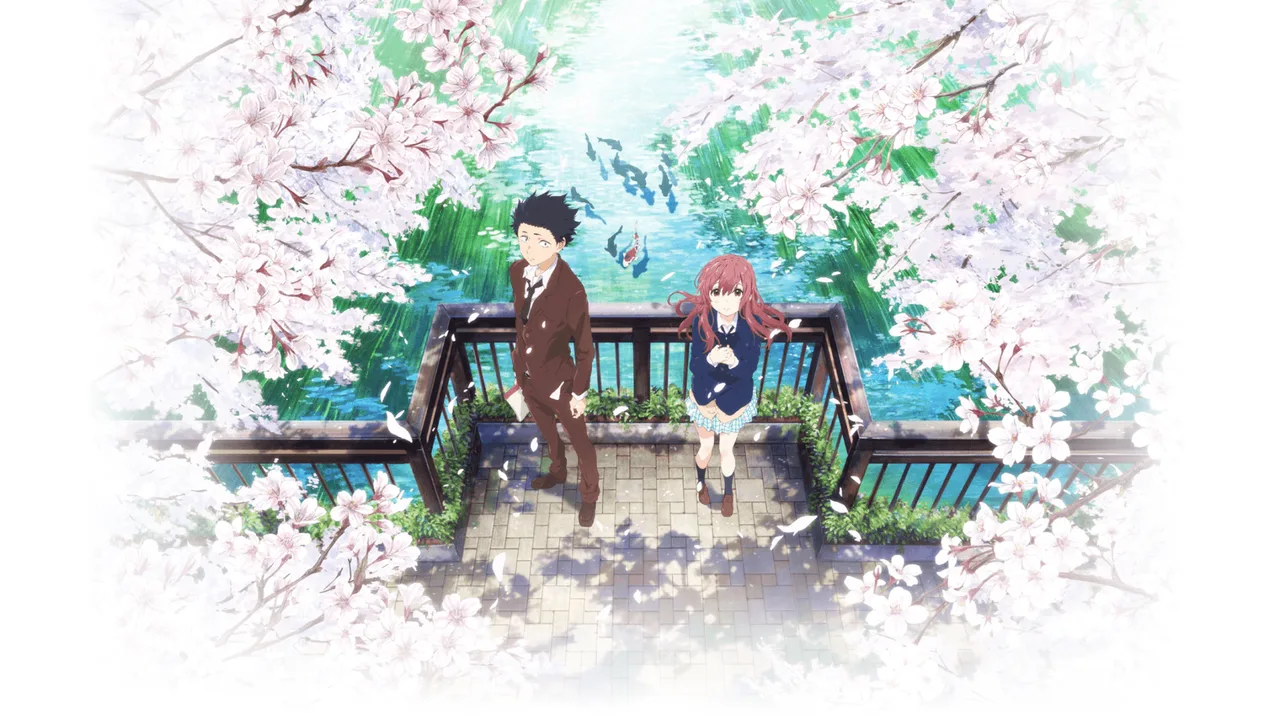
A Silent Voice
A poignant standalone drama by Yoshitoki Oima following Shoya Ishida, a former bully who seeks atonement by reconnecting with Shoko Nishimiya, the deaf classmate he tormented in elementary school. The series explores guilt, redemption, communication and the difficult path toward forgiveness.
Black Clover
An ongoing shonen fantasy magic manga following Asta, a young man without magic power in a world where magic dominates, as he pursues his dream of becoming the Wizard King through determination and friendship
Blue Box
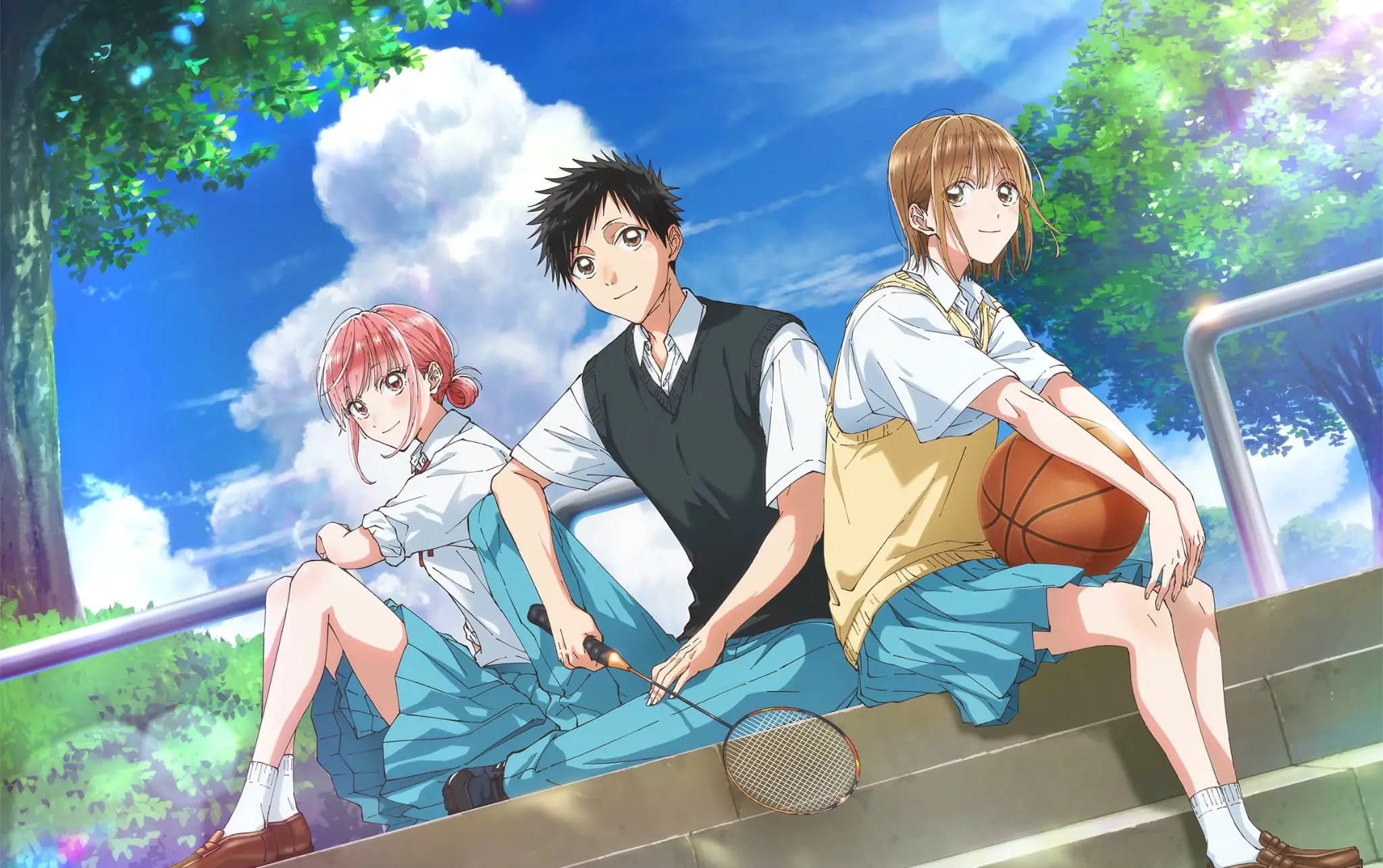
An ongoing shonen sports romance manga by Kouji Miura about a badminton player and his crush, a basketball team ace, who unexpectedly begin living together while pursuing their athletic dreams.
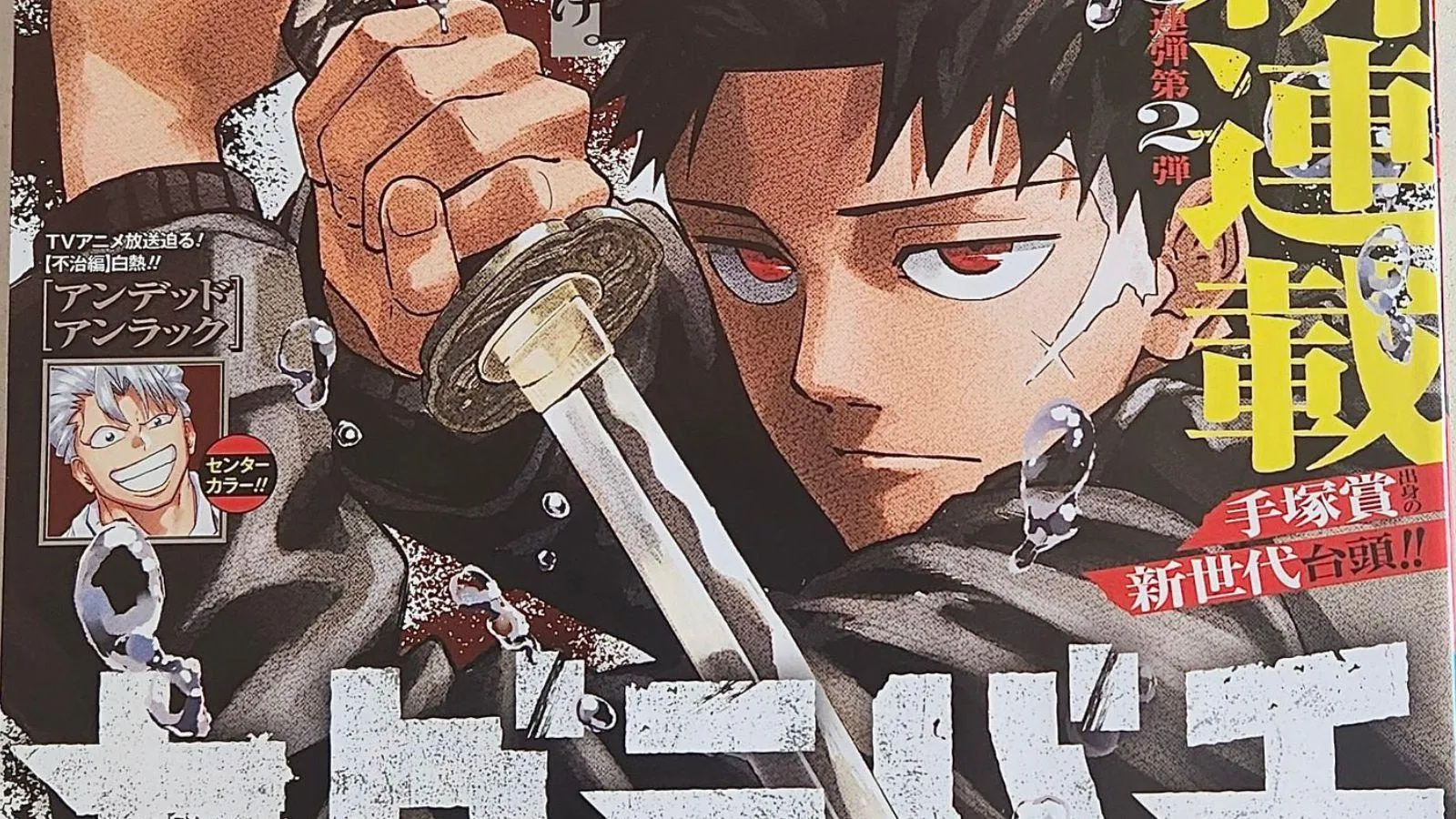
Kagurabachi
An ongoing shonen action-fantasy manga by Takeru Hokazono following Chihiro Rokuhira as he seeks revenge against those who murdered his swordsmith father and stole his enchanted blades.
Related Articles
All articles
Top 15 Best Dark Fantasy Manga of All Time (2026)
The best dark fantasy manga ever made, ranked. Brutal worlds, morally grey heroes, and demonic horror — plus where to buy the definitive editions.
Top 18 Best Fantasy Manga of All Time
The best fantasy manga ever made, from dark epics to isekai adventures. Magic systems, world-building, and unforgettable journeys ranked.
Top 16 Best Shonen Manga of All Time (2026)
The best shonen manga ever made, ranked. Legendary battle epics, underdog heroes, and the series that defined the genre — plus the box sets worth owning.