Kagurabachi
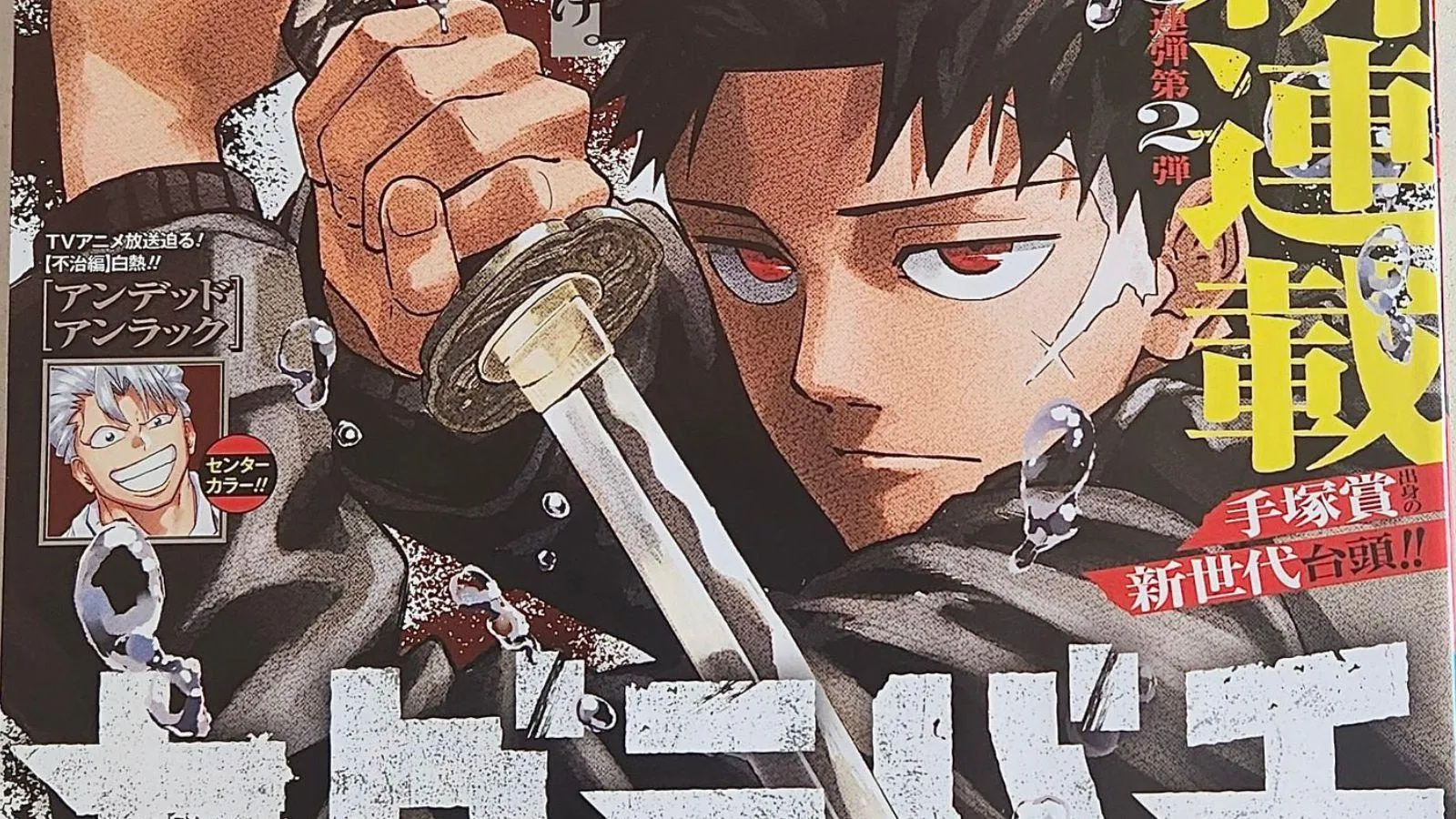
An ongoing shonen action-fantasy manga by Takeru Hokazono following Chihiro Rokuhira as he seeks revenge against those who murdered his swordsmith father and stole his enchanted blades.
All Kagurabachi Story Arcs in Order
| # | Arc |
|---|---|
| 1 | Swordsmith Murder Arc |
| 2 | Rakuzaichi Auction Arc |
| 3 | Hishaku Invasion Arc |
| 4 | Current Arc |
Overview
Kagurabachi stands as an exciting newcomer to the shonen action genre. Created by Takeru Hokazono, who previously worked on the manga series Jigoku no Akuma, Kagurabachi began serialization in Weekly Shonen Jump in 2023. Despite being relatively recent, the series has quickly gained significant popularity for its compelling premise, dynamic action, and engaging character work.
What distinguishes Kagurabachi is its focused narrative approach. Rather than building toward an unclear future goal, Chihiro has a specific, concrete objective—recover his father’s stolen Enchanted Blades and discover the truth about his father’s murder. This clear motivation creates constant narrative momentum and purpose.
The Enchanted Blades concept is central to Kagurabachi’s appeal. Each stolen blade represents both a physical object to recover and a piece of Chihiro’s father’s legacy. The swordplay mechanics in Kagurabachi emphasize creative blade use and individual blade capabilities, making each recovered weapon feel significant.
The series also benefits from Hokazono’s strong action choreography. Combat sequences in Kagurabachi are dynamic and clear, employing varied angles and pacing that make fights engaging and easy to follow. The creator demonstrates particular skill at depicting rapid sword movement and the impact of blade-to-blade collisions.
While not yet receiving an anime adaptation, Kagurabachi’s popularity and critical reception make an anime inevitable. The series has demonstrated consistent quality and strong reader engagement since its debut.
Story and Narrative Structure
Kagurabachi employs a straightforward yet effective quest narrative structure. The premise is elegantly simple—Chihiro must recover six stolen Enchanted Blades while discovering the truth about his father’s murder. Each arc presents a challenge related to recovering another blade, creating natural story structure and progression.
The series balances episodic encounters with overarching narrative development. Early arcs involve individual blade recovery, but gradually larger patterns emerge—Hishaku’s involvement suggests coordinated conspiracy rather than random theft, and Chihiro learns that multiple parties are pursuing the same objectives. This creates a narrative where seemingly simple blade recovery becomes entangled with larger mysteries.
Chihiro’s journey also serves as a vehicle for world-building. Through his encounters with various criminals, dealers, and fighters, readers learn about the world’s power structure, the supernatural elements that exist within it, and how Enchanted Blades fit into the broader landscape. The series gradually reveals that Enchanted Blades are rare, powerful, and sought after by multiple factions.
The series maintains momentum through introducing new antagonists, challenges, and allies. Rather than recycling the same threats, Kagurabachi presents varied obstacles that require different approaches. Some antagonists are pure combatants, others are cunning strategists, and others occupy middle ground. This variety maintains engagement and prevents combat from becoming repetitive.
Chihiro’s character development progresses alongside the narrative. He begins as a motivated but relatively inexperienced fighter and gradually becomes more capable through combat experience and training. The series suggests that his journey will fundamentally change him, and that recovering the blades may reveal truths he’s unprepared for.
Central Themes
Kagurabachi explores the theme of revenge and whether it provides meaningful closure. Chihiro is motivated by vengeance for his father’s murder, but the series gradually raises questions about whether pursuing revenge transforms the pursuer. The series has begun suggesting that revenge may not be as straightforward as Chihiro initially believed.
The series also examines the theme of legacy and inheritance. The Enchanted Blades are Chihiro’s father’s creations, representing both his genius and his life’s work. By pursuing the blades, Chihiro connects to his father’s legacy and continues his work. The series explores what responsibility Chihiro has to his father’s memory and how best to honor it.
Another theme is growth through adversity and combat. Chihiro becomes stronger through fighting increasingly formidable opponents. The series suggests that the journey toward his goal matters as much as the goal itself—through pursuing the blades, Chihiro develops as a fighter and person.
Kagurabachi also explores the theme of connections and companionship. Though Chihiro begins his journey alone, he gradually gathers companions who support his quest. The series suggests that shared purpose and genuine connection are as important as individual capability.
The series further explores the supernatural and magical elements integrated into its world. Enchanted Blades possess various magical properties beyond standard weapons, and Kagurabachi gradually reveals deeper magical systems and supernatural realities within its setting.
Main Characters
Chihiro Rokuhira is the protagonist and driving force of Kagurabachi. The young son of legendary swordsmith Kunishige, Chihiro inherits exceptional potential and his father’s final creation—an Enchanted Blade. Chihiro is motivated, determined, and dedicated to his quest of recovering the stolen blades and avenging his father. His character arc explores how pursuing revenge affects him and whether he can maintain his humanity while engaging in increasingly violent conflict. Chihiro demonstrates both physical capability and intelligence—he uses strategy and observation in combat rather than relying purely on strength.
Kunishige Rokuhira, Chihiro’s father, is deceased when the series begins but central to Kagurabachi’s narrative. Kunishige was a legendary swordsmith whose creations are objects of desire and power. Flashbacks gradually reveal details about Kunishige’s life, his relationships, and the circumstances of his murder. Understanding Kunishige becomes part of Chihiro’s journey.
Samura is a character encountered early in Kagurabachi who becomes significant to the narrative. Samura possesses skills and knowledge relevant to the blade recovery quest, and his interactions with Chihiro provide both combat partnership and perspective on Chihiro’s journey.
Uruha is a female character introduced as the series progresses who becomes increasingly important to the narrative and Chihiro’s quest.
Hishaku organization members serve as major antagonists throughout Kagurabachi. The organization is presented as having hierarchical structure with various capable members pursuing different aspects of blade collection.
Art Style
Takeru Hokazono’s artwork in Kagurabachi is strong and particularly excels at action sequences. The character designs are clean and memorable, with Chihiro’s appearance effectively communicating his youth and inexperience that gradually gives way to greater competence. The Enchanted Blades are designed distinctively, making each recovered weapon visually recognizable.
The action choreography is a particular strength of Hokazono’s artwork. Sword combat is depicted with clear positioning and dynamic movement. Readers can follow combatants’ movements, understand the pace of action, and appreciate the technique demonstrated by fighters. Speed and impact are conveyed through panel composition and linework rather than overwhelming detail.
The backgrounds throughout Kagurabachi are rendered adequately, creating environments that ground the action without overwhelming character focus. Urban settings, forests, and combat arenas are depicted with sufficient detail to establish location while maintaining clarity.
Hokazono demonstrates skill at conveying emotion through character expression and body language. Moments of determination, fear, pain, and victory are communicated clearly through visual storytelling rather than relying on exposition.
Cultural Impact
While Kagurabachi is relatively recent, having begun only in 2023, it has already become one of the most popular ongoing shonen manga. The series has quickly established a dedicated fanbase and consistently ranks highly in Weekly Shonen Jump popularity polls.
The series’ popularity is notable given the crowded shonen landscape. Kagurabachi has distinguished itself through compelling character work, excellent action sequences, and a clear, focused narrative. The series has demonstrated that straightforward revenge narratives with excellent execution can resonate despite more complex narratives dominating recent manga trends.
Kagurabachi has influenced expectations about how new series can establish themselves. The series launched in a crowded field but through quality and clear premise quickly gained recognition and reader investment.
The series’ consistent serialization and lack of hiatuses have maintained reader engagement. Unlike some manga that struggle with consistent publication, Kagurabachi has maintained steady output, allowing its narrative to progress without extended interruptions.
Why You Should Read Kagurabachi
Kagurabachi offers straightforward shonen entertainment with genuine quality and engaging character work. If you enjoy action manga with clear goals and dynamic combat, Kagurabachi delivers.
The series’ premise is immediately compelling and easy to understand—recover stolen weapons and avenge a father’s murder. This clarity creates easy entry point for new readers while providing sustained narrative momentum.
The action sequences are exceptional. If you appreciate well-executed sword combat, dynamic choreography, and creative fighting techniques, Kagurabachi’s action will satisfy.
The character work, while still developing, shows promise. Chihiro is a sympathetic protagonist with clear motivation, and the companions he encounters demonstrate genuine character development.
The pacing of Kagurabachi is excellent. The series moves forward consistently, introducing new challenges and antagonists while maintaining engagement with the core quest.
For those concerned about ongoing series reliability, Kagurabachi’s consistent publication schedule and steady progress toward its stated objectives suggest minimal risk of indefinite hiatuses or narrative drift.
The series offers relatively accessible entry point for readers new to manga or the action genre—it doesn’t require extensive prior knowledge and explains concepts as they emerge.
Content Warnings
Kagurabachi, as a shonen action manga, contains violence appropriate for the classification. Combat between characters involves swordplay and impact, though graphic gore is generally avoided.
Some scenes depict death and violence on screen, though presented in action context rather than gratuitously.
The series occasionally depicts emotional trauma, particularly related to Chihiro’s loss of his father and the pursuit of those responsible.
Character injuries from combat are shown, though medical consequences are generally not extensively depicted.
Related Manga Recommendations
Readers who enjoy Kagurabachi might appreciate:
Demon Slayer by Koyoharu Gotouge offers similar shonen action with character-driven storytelling and excellent action choreography, though with different setting and more supernatural elements.
Vinland Saga by Makoto Yukimura, while seinen rather than shonen, explores revenge narratives with depth and complexity similar to Kagurabachi’s trajectory.
Rurouni Kenshin by Nobuhiro Watsuki combines swordplay-focused action with character development, offering similar appeal to Kagurabachi’s action-adventure balance.
My Hero Academia by Kohei Horikoshi shares shonen action focus with character development and consistent world-building.
Frequently Asked Questions
What is Kagurabachi manga about? Kagurabachi is an ongoing shonen manga by Takeru Hokazono that follows Chihiro Rokuhira, a young swordsman on a revenge quest to recover six stolen Enchanted Blades created by his legendary father and discover who murdered him. The series balances straightforward blade recovery missions with deeper mysteries about conspiracy and larger power structures. Through combat encounters and strategic challenges, Chihiro gradually becomes stronger while uncovering truths about his father’s death.
How many volumes does Kagurabachi have? Kagurabachi currently has 7+ volumes and is ongoing. The manga began serialization in Weekly Shonen Jump in 2023 and has rapidly become one of the most popular ongoing shonen series. New volumes are regularly released as the story progresses. To purchase or find the latest volumes, check Amazon’s Kagurabachi collection.
What makes Kagurabachi stand out in the shonen genre? Kagurabachi distinguishes itself through exceptional action choreography, clear and compelling narrative structure, and consistent publication without hiatuses. The series features straightforward revenge quest narrative with excellent execution, memorable Enchanted Blade designs, and character-driven storytelling that resonates despite the crowded shonen landscape. The straightforward premise—recover stolen weapons and avenge a murder—creates immediate accessibility while maintaining complex character development.
Is Kagurabachi getting an anime adaptation? As of 2026, Kagurabachi has not yet received an anime adaptation, though one is widely expected given the series’ popularity and critical acclaim. The series’ success in Weekly Shonen Jump rankings and the quality of its action choreography make adaptation to animation highly likely in the coming years.
Is Kagurabachi appropriate for younger readers? Kagurabachi is appropriate for teen readers aged 13+ who enjoy shonen action. The series contains sword combat and violence in action contexts, death and character injuries, and emotional trauma related to the protagonist’s father’s murder. Graphic gore is generally avoided, but the series presents combat consequences realistically. The content aligns with standard shonen rating and is suitable for fans of the action genre.
Jujutsu Kaisen by Gege Akutami offers shonen action with strong character work and dynamic fight sequences similar to Kagurabachi’s appeal.
Kagurabachi Arc Guides
Swordsmith Murder Arc
Chihiro witnesses his father's murder at the hands of assassins and the theft of powerful enchanted swords, driving him toward a path of revenge.
Chapters 1-8Rakuzaichi Auction Arc
Chihiro learns of an illegal auction where one of his father's stolen Enchanted Blades will be sold, and he infiltrates the event to recover it and discover information about other blades.
Chapters 9-30Hishaku Invasion Arc
A dangerous organization called Hishaku begins actively pursuing the Enchanted Blades, forcing Chihiro to accelerate his plans and engage in increasingly intense confrontations.
Chapters 31-55Current Arc
Chihiro continues his quest, recovering more Enchanted Blades while facing escalating threats from Hishaku and uncovering larger conspiracies connected to his father's murder.
Chapters 56+Kagurabachi Merchandise
Read manga free with Amazon Prime
30-day free trial: free shipping, Prime Reading, Kindle, Prime Video and more.
Affiliate link. 30-day free trial for new members. Then $14.99/month — cancel anytime.
FAQ: Kagurabachi
You May Also Like
All manga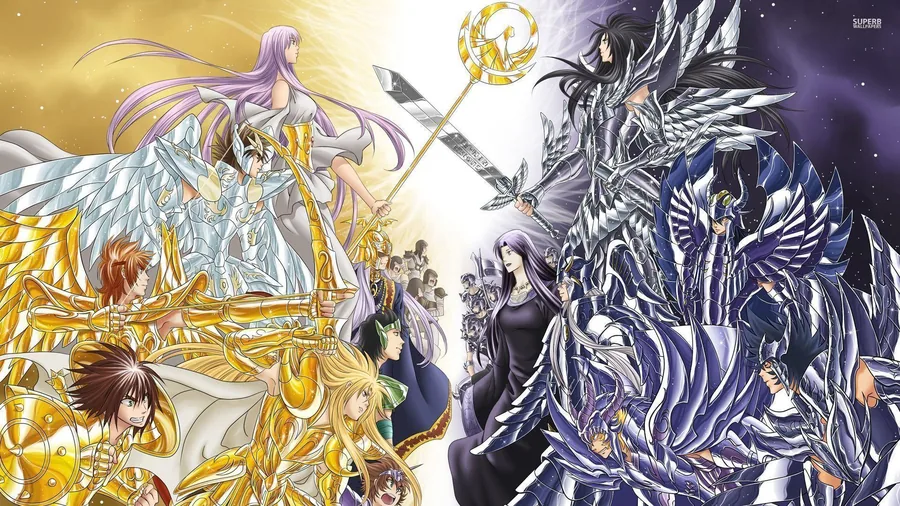
Saint Seiya
A mythological shonen action manga following five young Bronze Saints — warriors clad in constellation-themed Cloths — who fight to protect the reincarnation of the goddess Athena.
Toriko
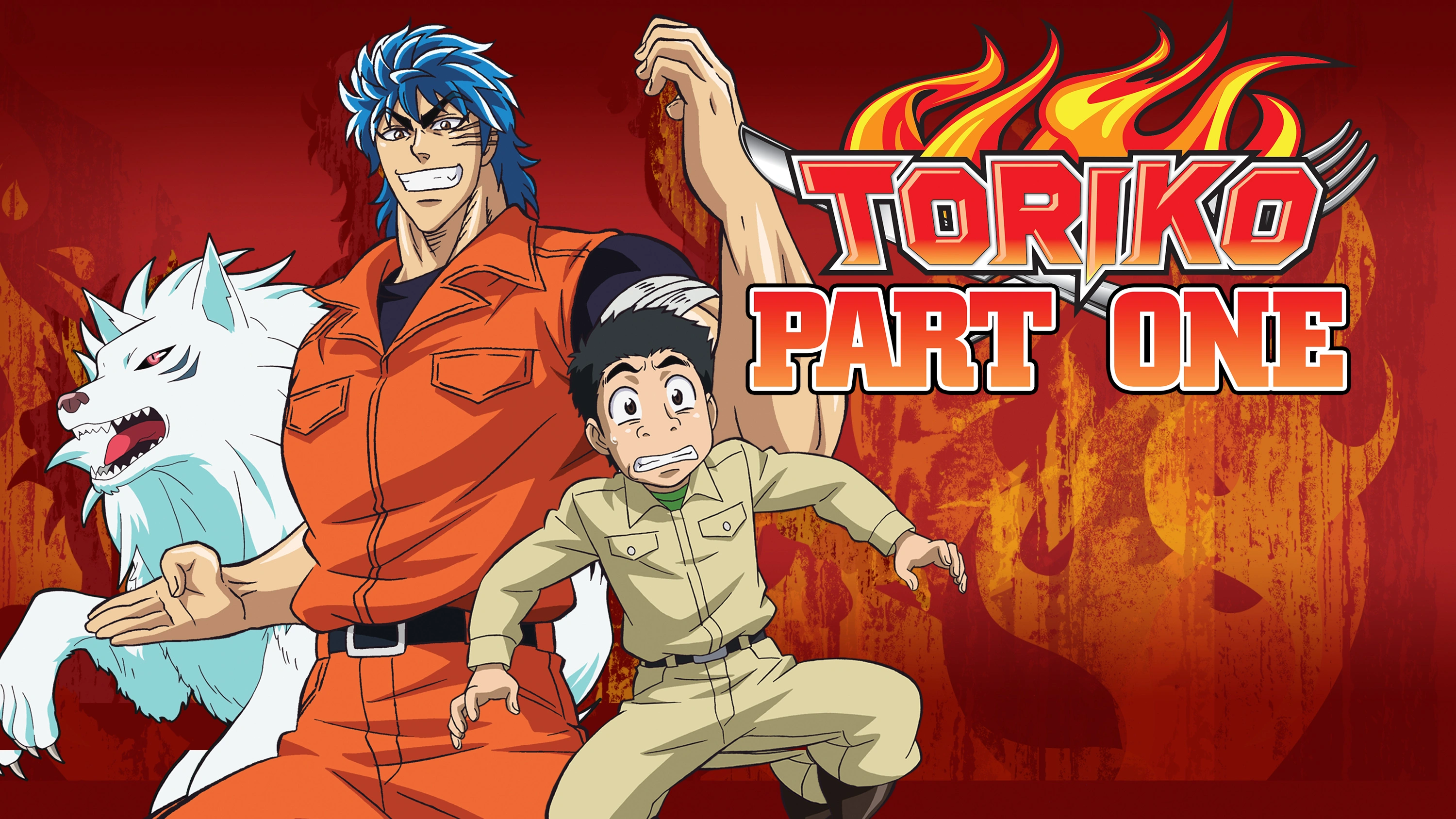
A completed shonen adventure manga by Mitsutoshi Shimabukuro about Toriko, a Gourmet Hunter searching for legendary ingredients to complete his dream Full Course Menu alongside his chef partner Komatsu, in a world where cuisine and combat are inseparable.
Black Clover
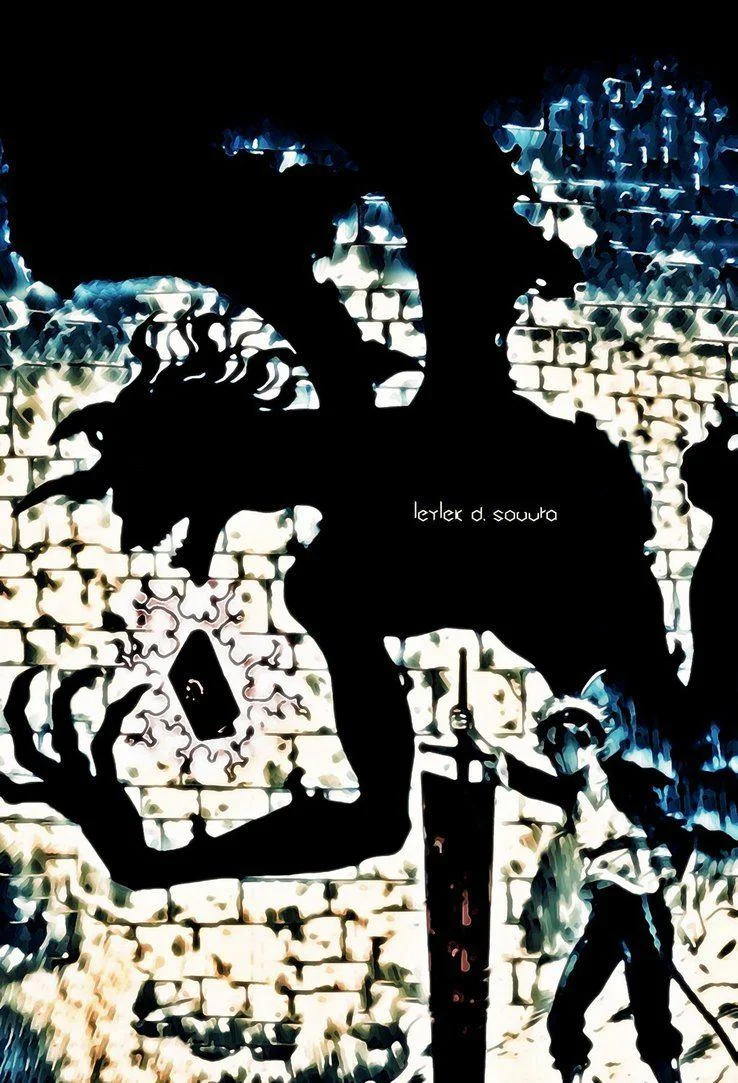
An ongoing shonen fantasy magic manga following Asta, a young man without magic power in a world where magic dominates, as he pursues his dream of becoming the Wizard King through determination and friendship
Bleach
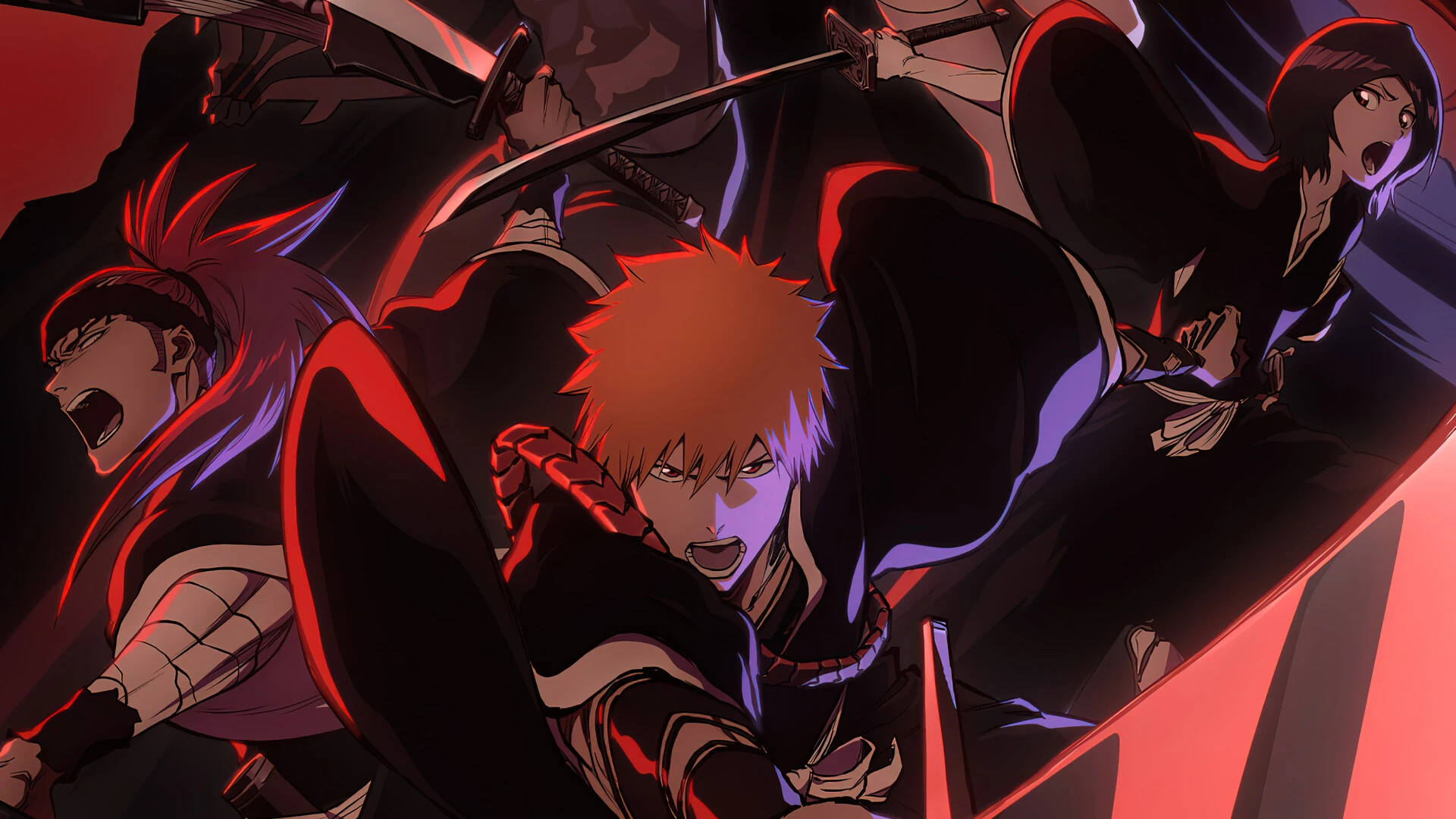
The story of Ichigo Kurosaki, a teenager who gains the powers of a Soul Reaper — a death personification — and uses them to protect the living and the dead from evil spirits called Hollows, while uncovering a vast conspiracy that threatens both the human world and the afterlife.
Related Articles
All articles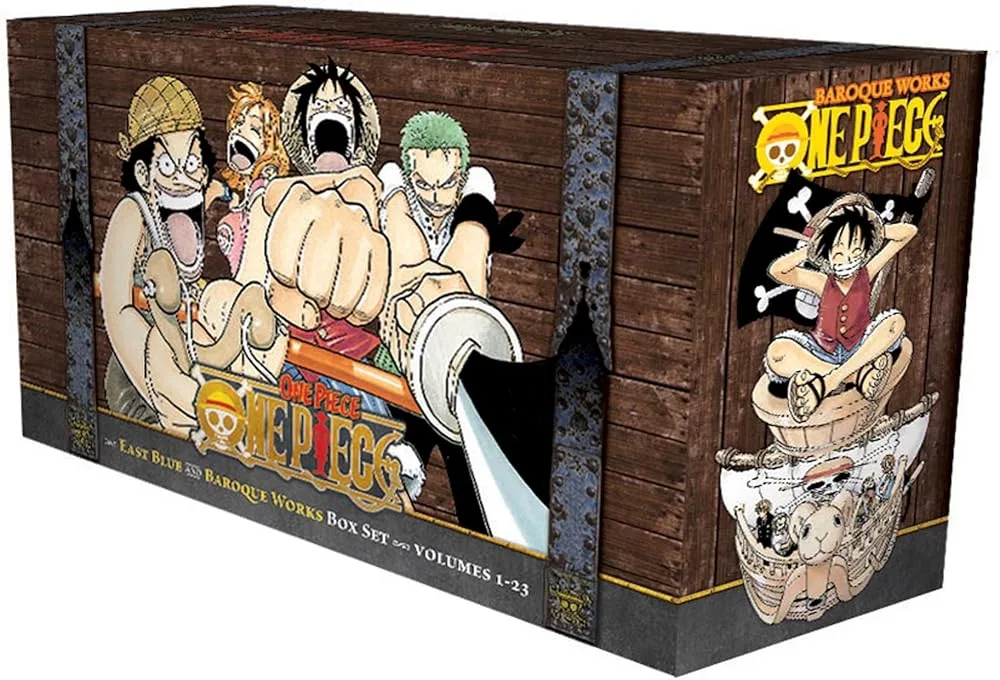
Top 15 Best Action Manga of All Time (2026)
The best action manga ever made, ranked. Explosive battles, legendary fights, and adrenaline-fueled epics — plus the box sets worth collecting.
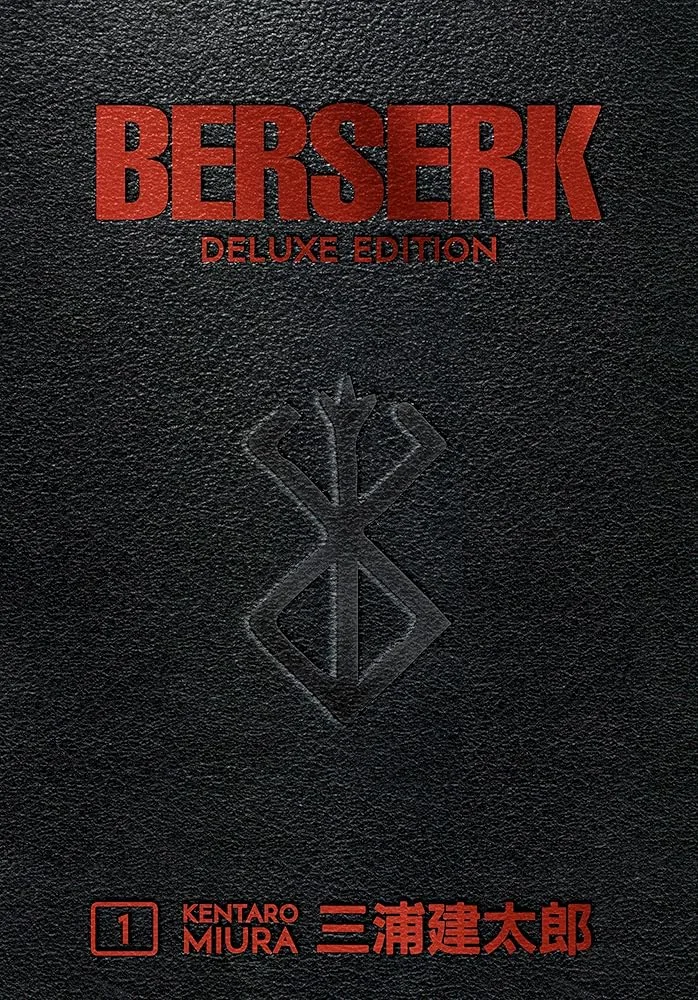
Top 15 Best Dark Fantasy Manga of All Time (2026)
The best dark fantasy manga ever made, ranked. Brutal worlds, morally grey heroes, and demonic horror — plus where to buy the definitive editions.
Top 18 Best Fantasy Manga of All Time
The best fantasy manga ever made, from dark epics to isekai adventures. Magic systems, world-building, and unforgettable journeys ranked.