Tokyo Revengers
A completed shonen time-travel gang manga following Takemichi Hanagaki's attempts to change the future and save his friends from tragedy through repeated journeys into the past
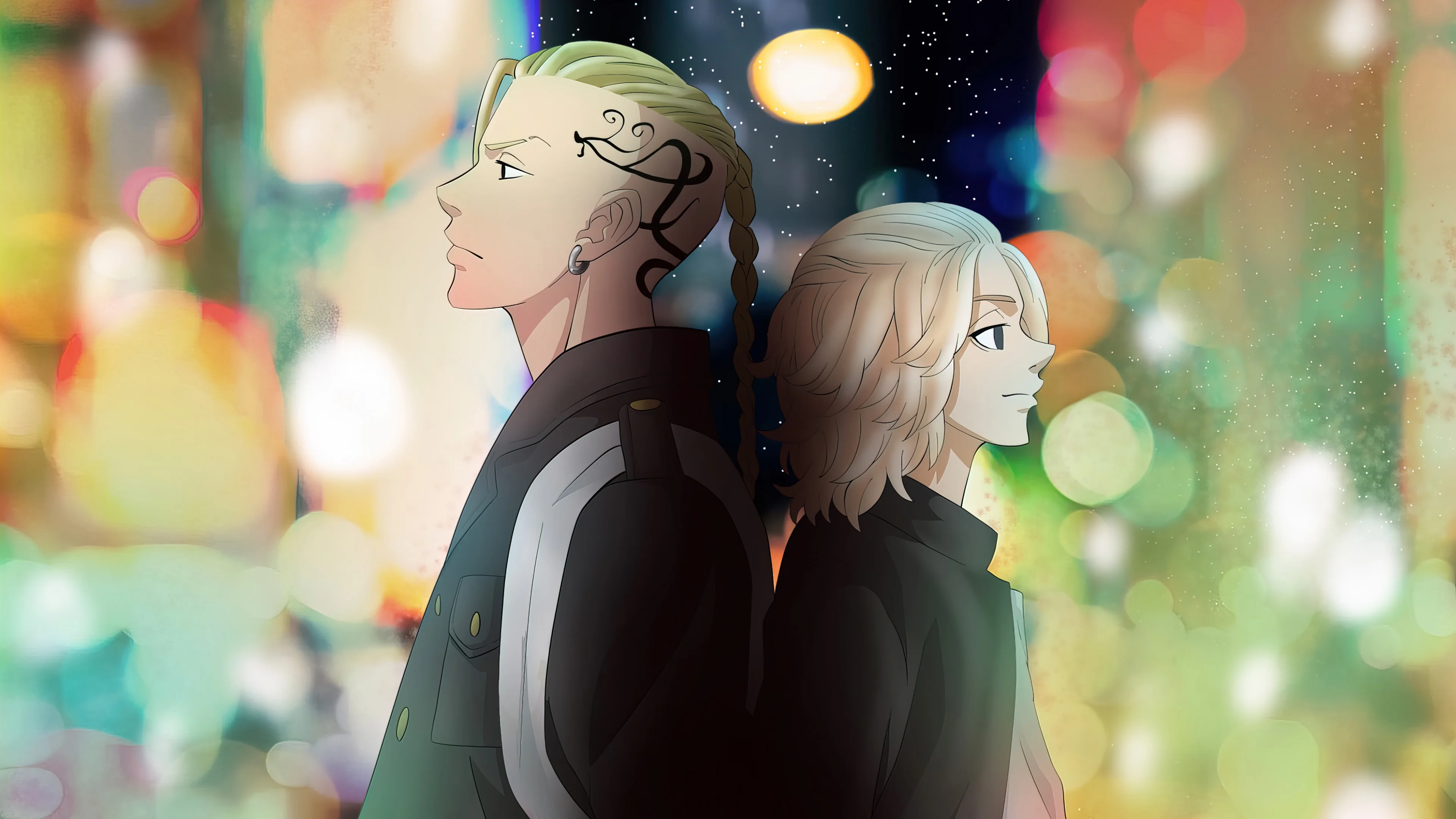
All Tokyo Revengers Story Arcs in Order
| # | Arc |
|---|---|
| 1 | Moebius Arc |
| 2 | Black Dragons Arc |
| 3 | Christmas Showdown Arc |
| 4 | Tenjiku Arc |
| 5 | Final Arc |
When a Crybaby Decides to Change the World
Tokyo Revengers is one of the most emotionally relentless manga of its decade. Ken Wakui’s series begins with a man at rock bottom — 26-year-old Takemichi Hanagaki, working a dead-end job, living in a crummy apartment, learning from a news report that his middle school girlfriend Hinata Tachibana was just killed by the Tokyo Manji Gang. Then he gets shoved onto a subway track, and instead of dying, he wakes up twelve years in the past. That premise alone would be enough to build a solid thriller. What makes Tokyo Revengers extraordinary is what it builds on top of it: a meditation on friendship, on the cruelty of fate, and on whether one decent person with the will to keep standing up can actually change the world around them.
The series ran in Weekly Shonen Magazine from 2017 to 2022, concluding at 278 chapters and 31 volumes. It sold over 70 million copies worldwide, spawned a live-action film, and received a three-season anime adaptation. More importantly, it earned a fiercely loyal readership who connected with its emotional core: the idea that the people we lose might be saved if only we could go back and do it differently, and the harder truth that even with that power, the outcome is never guaranteed.
The Time-Travel Mechanic and Its Emotional Stakes
Takemichi’s time-leap is deceptively simple in execution. By shaking hands with Hinata’s brother Naoto in the present, Takemichi is thrown back twelve years into his own body — a teenager again, with adult memories. Naoto, who becomes Takemichi’s ally in the present, receives a “trigger” effect that saves him from death, establishing that changes in the past ripple forward. This creates the series’ central loop: Takemichi leaps back, gathers information, makes changes, leaps forward, checks whether things improved, then repeats. It is not a reset button — it is a mechanism that compounds grief.
The emotional power of the mechanic comes from its cost. Every loop reveals new information that recontextualizes previous ones. A character Takemichi saved in one timeline dies in a different way in the next. A gang he disbanded reforms under worse leadership. The person he thought he was protecting turns out to be the one who needed protecting least. Wakui uses the time-travel not to generate clever paradox puzzles but to escalate emotional stakes: each return to the past carries the weight of every failure Takemichi has already witnessed, and each return to the present carries the risk that this attempt made things worse.
Main Characters
Takemichi Hanagaki — The Crybaby Hero
Takemichi is, by his own admission and the narrative’s explicit framing, a crybaby. He loses fights. He panics. He makes mistakes under pressure. In a genre crowded with protagonists defined by latent power waiting to be unlocked, Takemichi stands apart because his growth is entirely psychological. He does not become a better fighter who can punch his way to a good ending. He becomes someone who can stand back up after being knocked down, again and again, in full view of everyone who doubts him.
What makes him work as a protagonist is the specificity of his love for Hinata and his friends. His motivation never becomes abstract heroism. It stays personal and small-scale: these specific people, whose deaths he has already witnessed, deserve to live. That intimacy is what earns him the loyalty of characters far stronger than himself. Mikey, Draken, Chifuyu — they follow Takemichi not because he can protect them but because he is willing to cry openly and keep going anyway. That quality, ridiculous and genuine in equal measure, is the series’ emotional engine.
Mikey (Manjiro Sano) — The Sun of Toman
Mikey is introduced as an impossibility: a tiny teenager who is simultaneously the most beloved and the most feared person in Tokyo’s delinquent world. He has a grin that puts people at ease and a kick that ends fights in one move. He calls himself the Sun of Toman — the source of warmth around which the gang orbits — and for much of the early series, the metaphor holds. Being near Mikey feels like safety.
The tragedy of Mikey’s arc is that the Sun goes dark. Beneath the charisma lies a person who has absorbed loss after loss — his older brother Shinichiro, his mentor Baji, his closest friends — without ever developing the tools to process grief. The darkness that accumulates in Mikey is not villainy in the conventional sense. It is the portrait of someone for whom the violence of the gang world has become the only language left for pain. Takemichi’s entire journey can be read as a desperate attempt to reach Mikey before that darkness consumes him, and the series is mercilessly honest about how hard that is to do.
Draken — The Loyal Vice-Captain
Ken “Draken” Ryuguji is the structural backbone of Toman. Tall, tattooed, and dependable in a way Mikey categorically is not, Draken functions as the gang’s moral compass and emotional governor. He is the one who questions Mikey’s worst impulses, who protects younger members, who tries to maintain the original spirit of the gang as it comes under pressure from all sides. His loyalty to Mikey is absolute — which is why watching him fail to save Mikey from himself is one of the series’ sustained heartbreaks.
Draken also represents one of Tokyo Revengers’ more interesting ideas about friendship: that genuine love for someone does not guarantee the ability to fix them. His presence is stabilizing precisely because he does not pretend otherwise. He stays. He holds the line. And when the line eventually breaks, he grieves without pretending he could have done more.
Hinata Tachibana — The Heart of the Story
Hinata is the reason any of this happens, and the series is careful to make her more than a passive motivation. She is warm, perceptive, and specifically good at seeing through Takemichi’s self-deprecation to the decency underneath. Her belief in him is not naive — it is chosen. In every timeline she appears in, she chooses him. That consistency across fractured time is what makes her the series’ emotional anchor: proof that something worth saving genuinely exists.
The Gang World of Tokyo Revengers
The delinquent gang setting of Tokyo Revengers is not glamorized. Wakui shows the appeal — the brotherhood, the sense of belonging, the identity conferred by membership — and then systematically shows what that world costs. Young men with genuine capability and genuine feeling get trapped in cycles of escalating violence. Leaders who started out protecting their friends become instruments of the very destruction they once opposed. The gang world is not a backdrop. It is the mechanism by which the series’ most important characters are shaped and damaged.
What gives the setting its resonance is Wakui’s insistence on the human scale of gang violence. The enemies are not faceless. The antagonists Takemichi faces across the series — Kisaki, Izana, others — are all products of specific wounds and specific failures of the world around them. The series never excuses what they do, but it refuses to let the reader dismiss them as simply evil. Understanding why someone ended up where they are, Wakui argues, is not the same as forgiving them. But it is necessary if you want to actually change anything.
Key Story Arcs
The Moebius Arc establishes the rules and the stakes. Takemichi joins Toman, gets close to Mikey and Draken, and discovers that preventing one tragedy does not guarantee preventing the next. The Valhalla and Black Dragons arcs raise the complexity: Kisaki Tetta is introduced as the hidden hand manipulating Toman’s trajectory, and the series begins showing that the enemy is not a single person but a pattern. The Christmas Showdown Arc is the emotional peak of the middle stretch — a brutal, grief-soaked arc that tests whether any of Takemichi’s gains can hold against the weight of accumulated loss.
The Tenjiku Arc is the series at its most operatic: Izana Kurokawa leads an alliance of powerful fighters, and the confrontations reach a scale that feels genuinely final. What the arc does best, though, is deepen the series’ central tragedy. Izana is not a monster. He is a mirror of what Mikey might have become under different circumstances. The final arc brings everything back to its emotional origins, and while its reception among fans was mixed, it stays true to the series’ core proposition: that the value of trying to save people is not measured only by whether you succeed.
Themes: Loyalty, Fate, and Redemption
Loyalty in Tokyo Revengers is the series’ highest virtue and most dangerous trap. The characters who embody it most completely — Draken, Chifuyu, Takemichi himself — are also the ones who suffer most for it, because loyalty to people who are damaging themselves means staying present for damage you cannot stop. The series does not frame this as stupidity. It frames it as love. And it insists that this kind of love, costly and unreturned as it sometimes is, matters.
The question of fate is where the series does its most interesting structural work. The time-travel mechanic is explicitly framed as a challenge to determinism: the future is not fixed, change is possible. But the series keeps showing Takemichi that changing one thing does not change everything, that some patterns of destruction are deep enough to survive any single intervention. The balance the series ultimately strikes is neither fatalistic nor naively optimistic. It lands somewhere harder: that change is real, that it requires more than good intentions, and that the attempt is worth making even when the outcome is uncertain.
Why Tokyo Revengers Hit So Hard
The series arrived at a moment when its core emotional concern — can we go back and protect the people we failed? — resonated widely. The characters are teenagers doing irrevocably adult things: leading organizations, making decisions that get people killed, carrying grief they have no framework to process. Readers recognized that compression of adolescence and consequence, and recognized Takemichi’s particular form of determination — not the cool, strategic kind but the kind that looks like stubbornness and tears and refusing to stay down.
The other reason the series hit hard is Mikey. In a genre full of powerful rivals and antagonists, Mikey is something rarer: a character whose decline feels like genuine loss. The reader is invested in saving him not because he is good but because of what he represents — the possibility that even someone carrying the weight of everything Mikey carries can choose differently. When that possibility seems to close off, it hurts in a way that action-focused manga rarely achieves. Tokyo Revengers earns that hurt by taking its characters seriously from the very first chapter.
Publication and Anime
Ken Wakui’s series ran in Weekly Shonen Magazine (Kodansha) from March 2017 to November 2022. The 278 chapters were collected into 31 tankobon volumes. The anime adaptation by LIDENFILMS aired across three seasons: Season 1 covering the Moebius arc (2021, 24 episodes), Season 2 covering the Christmas Showdown arc (2022, 13 episodes), and Season 3 covering the Tenjiku arc (2023, 14 episodes). A live-action film was released in 2021. The series also received a sequel focusing on Mikey’s past and a spin-off titled Tokyo Revengers: Letter from Keisuke Baji.
Related Series
Readers drawn to Tokyo Revengers’ blend of time-travel stakes, delinquent camaraderie, and emotional intensity often connect with Attack on Titan for its similarly unflinching treatment of consequence and loss, or My Hero Academia for its shonen heart beneath a different genre surface. For the gang and delinquent side of the appeal, Crows and Worst offer deep dives into the world Wakui draws on.
Frequently Asked Questions
Is Tokyo Revengers finished?
Yes, Tokyo Revengers is completed. The series ran from 2017 to 2022 and concluded with a definitive ending across 31 volumes. Ken Wakui’s time-travel delinquent saga reached its narrative conclusion, providing closure to Takemichi’s journey and his attempts to save his friends.
How many volumes does Tokyo Revengers have?
Tokyo Revengers consists of 31 volumes total. The series spans from 2017 to 2022 and is fully collected in standard manga format. All volumes are available in English translation, making it accessible for international readers who want the complete story.
Is there an anime adaptation?
Yes, Tokyo Revengers has a comprehensive anime adaptation! Three seasons aired from 2021 to 2023 produced by Liden Films. The anime covers the major arcs of the manga story and brings the gang conflicts and time-travel drama to animated life with impressive action sequences.
What age rating does Tokyo Revengers have?
Tokyo Revengers is rated 13+ (Teen). The series features gang action, delinquent behavior, and some violence, but it’s less graphic than mature seinen manga. The story focuses on friendship, loyalty, and redemption, making it accessible to older teens while still being engaging for adult readers.
Where can I buy Tokyo Revengers?
Tokyo Revengers is widely available through retailers including Amazon. All 31 volumes are available in English translation in both physical and digital formats. You can purchase individual volumes or complete box sets. Check Amazon for current pricing, bundles, and availability options.
Tokyo Revengers Arc Guides
Moebius Arc
Takemichi discovers his ability to time travel and joins Tokyo Manji Gang, attempting to prevent his girlfriend Hinata's death and change the gang's dark trajectory through the past.
Chapters 1-41Black Dragons Arc
Takemichi discovers that the Black Dragons, led by the mysterious Kisaki Tetta, manipulates Tokyo Manji Gang's development, forcing Takemichi to confront powerful enemies and make increasingly difficult moral choices.
Chapters 42-126Christmas Showdown Arc
The Christmas Showdown serves as pivotal turning point where multiple gang leaders confront Mikey's growing darkness, with tragic consequences forcing Takemichi toward difficult realizations about change's limitations.
Chapters 127-176Tenjiku Arc
A new organization called Tenjiku emerges as the series' most dangerous threat, led by powerful individuals pursuing their own complex agendas that intersect with Takemichi's time-travel objectives in unexpected ways.
Chapters 177-255Final Arc
The Final Arc brings Tokyo Revengers' narrative toward conclusion, with Takemichi making ultimate sacrifices and final decisions regarding his time-travel power and the people he attempted to save.
Chapters 256-278Anime Adaptation
Full guideTokyo Revengers Merchandise
Read manga free with Amazon Prime
30-day free trial: free shipping, Prime Reading, Kindle, Prime Video and more.
Affiliate link. 30-day free trial for new members. Then $14.99/month — cancel anytime.
FAQ: Tokyo Revengers
You May Also Like
All manga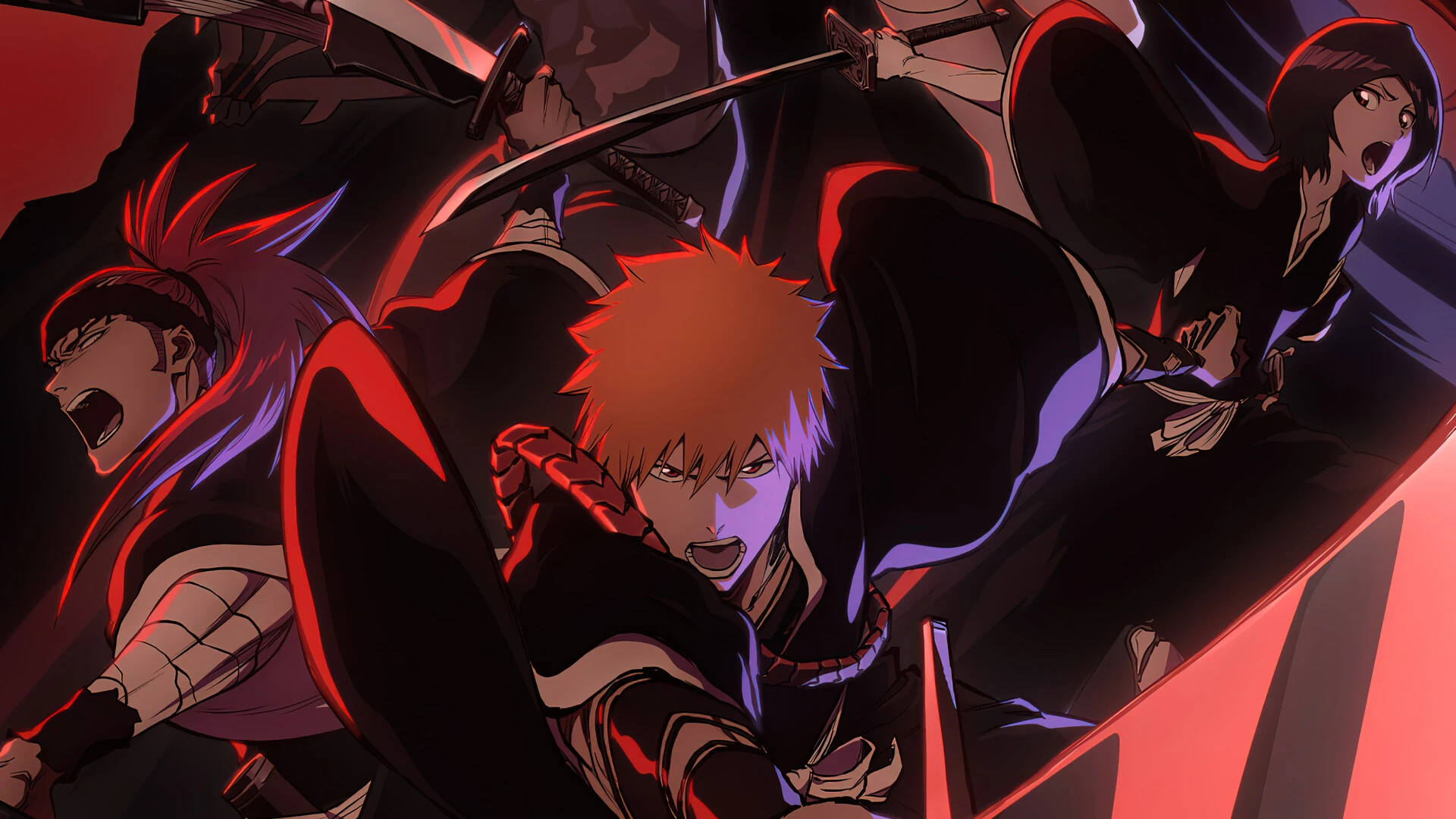
Bleach
The story of Ichigo Kurosaki, a teenager who gains the powers of a Soul Reaper — a death personification — and uses them to protect the living and the dead from evil spirits called Hollows, while uncovering a vast conspiracy that threatens both the human world and the afterlife.
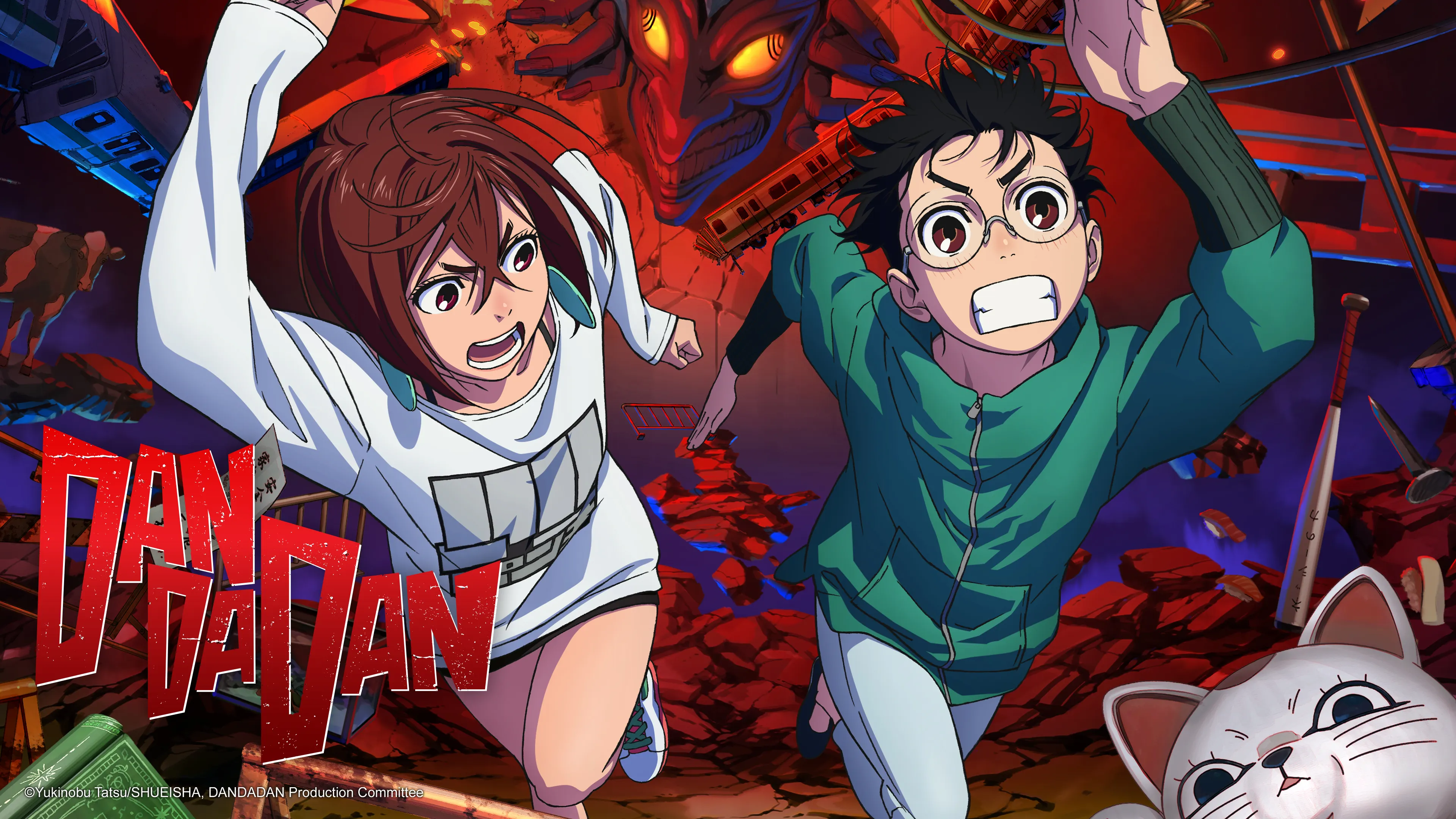
Dandadan
A contemporary shonen manga blending action, comedy, and supernatural mystery as two unlikely partners investigate paranormal phenomena.
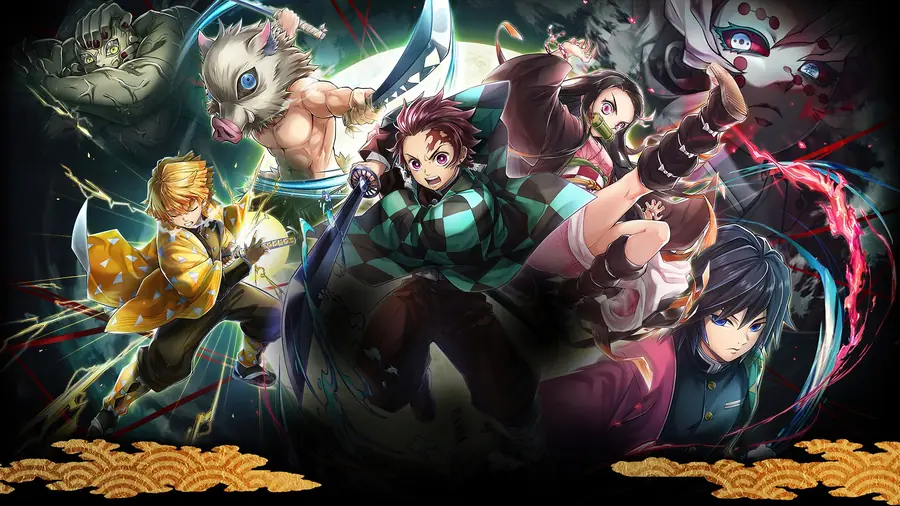
Demon Slayer: Kimetsu no Yaiba
A completed shonen series following a boy's journey to save his sister after a demon attack destroys his family
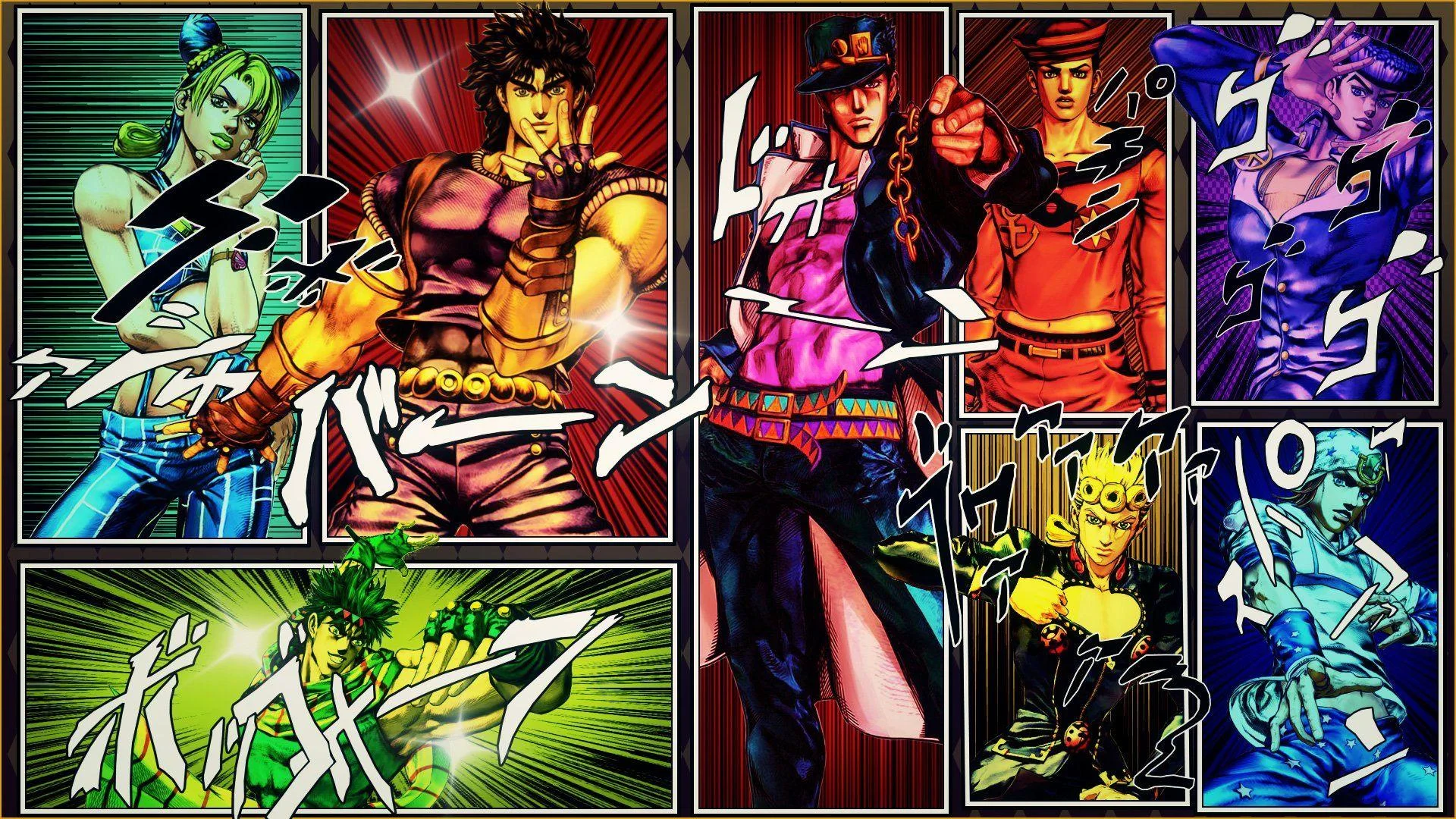
JoJo's Bizarre Adventure
An epic multi-generational manga spanning over 130 volumes with unique character abilities and unforgettable poses
Related Articles
All articles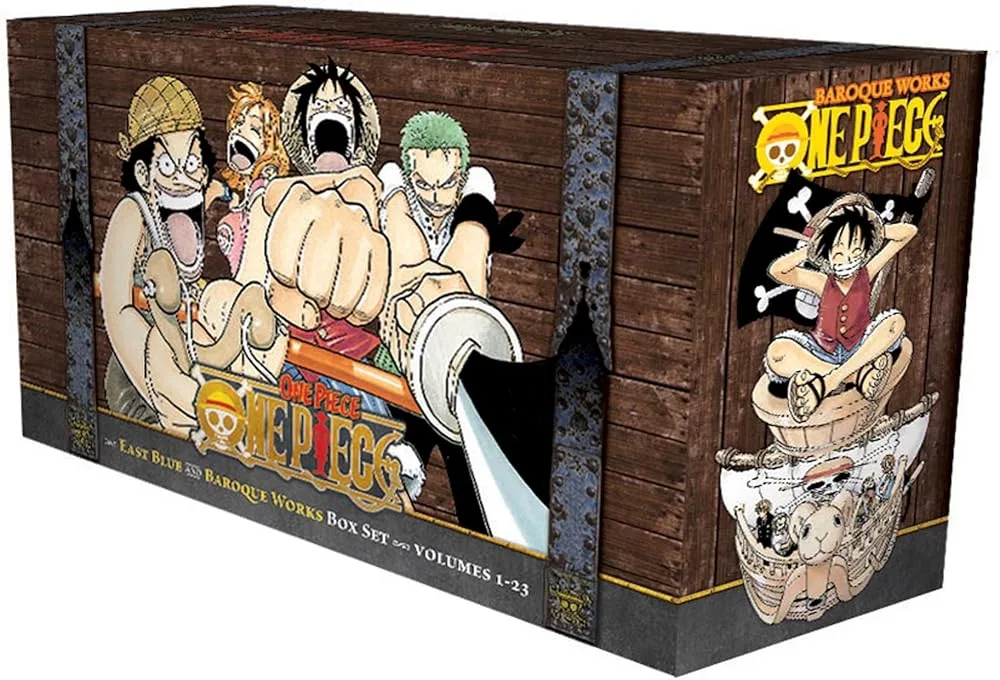
Top 16 Best Shonen Manga of All Time (2026)
The best shonen manga ever made, ranked. Legendary battle epics, underdog heroes, and the series that defined the genre — plus the box sets worth owning.

Best Manga by Genre: The Ultimate 2026 Reading Guide (Shonen, Shojo, Seinen, Josei)
Comprehensive manga genre guide featuring best series by demographic and genre. From action shonen to mature josei, find your next read organized by taste and preference.
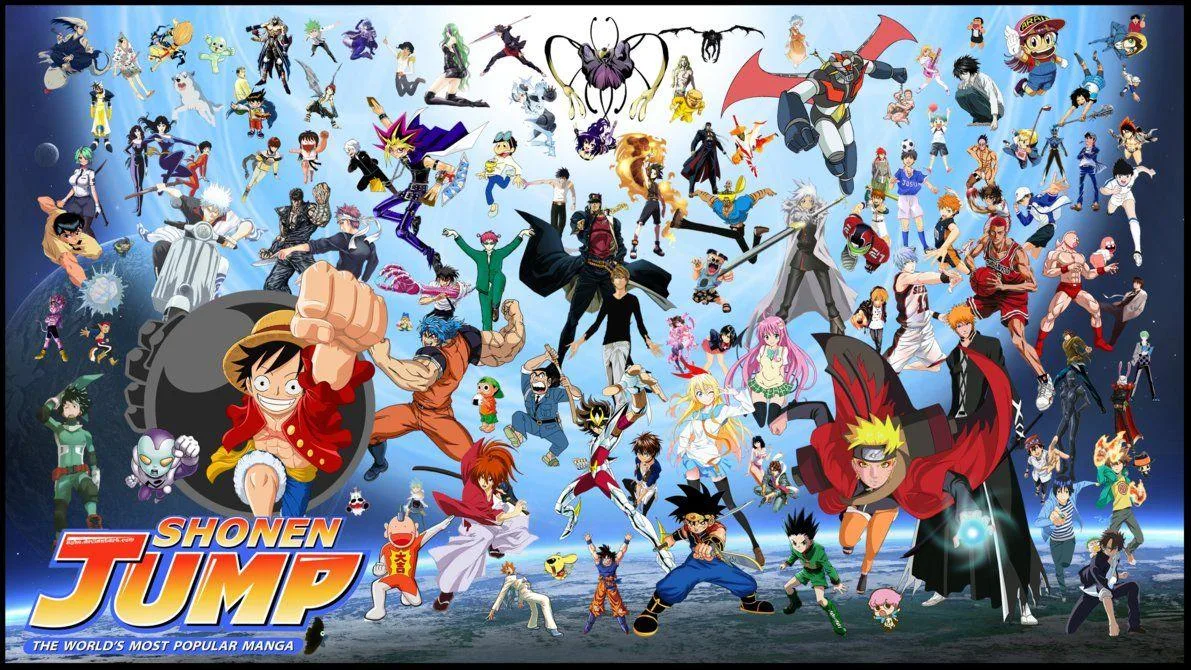
Weekly Shonen Jump Explained: How the World's Biggest Manga Magazine Works
Everything you need to know about Weekly Shonen Jump — history, ranking system, how manga gets serialized and canceled, famous series, and how to read it in English.