Ranma ½
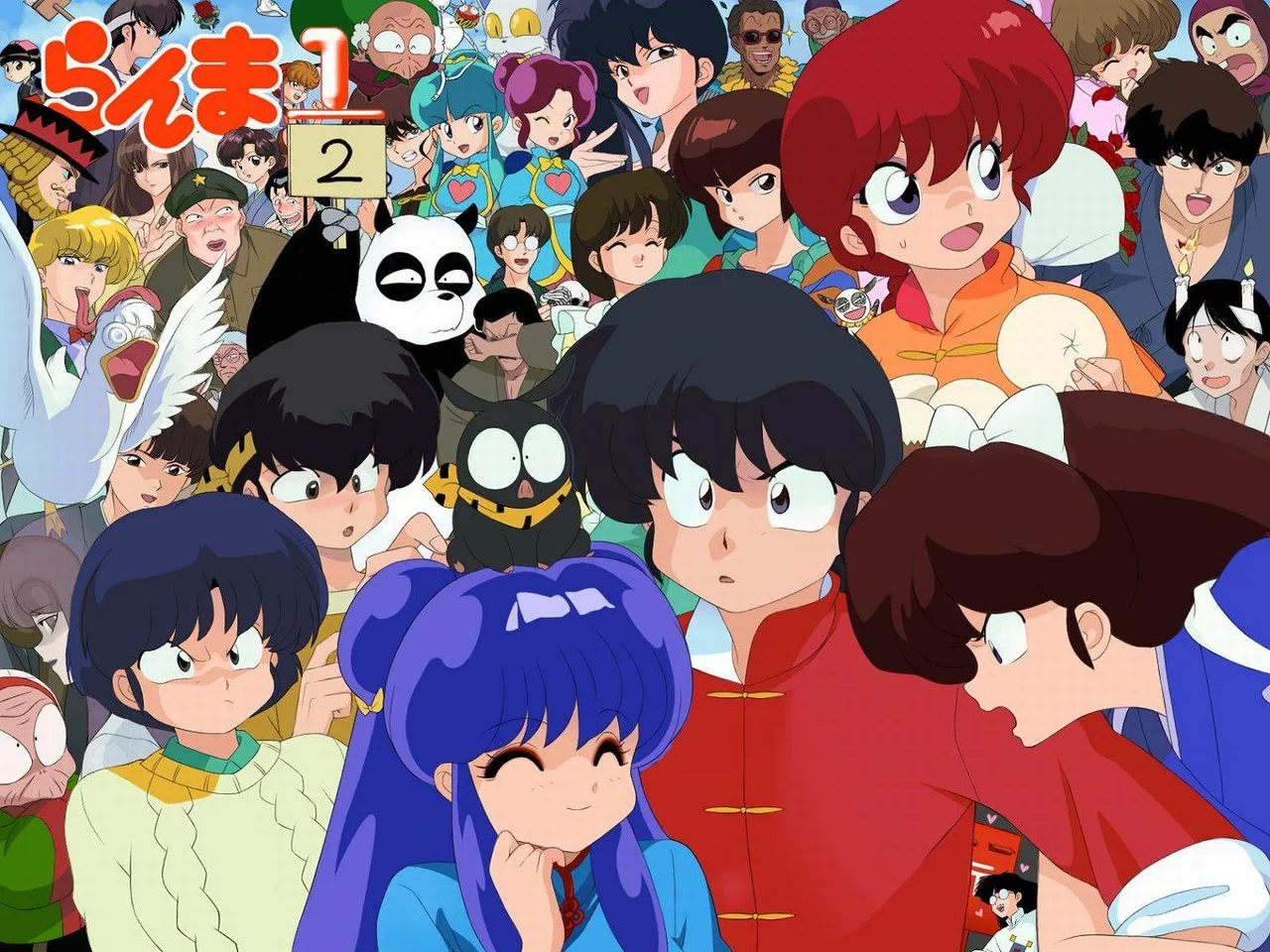
A martial arts comedy about Ranma Saotome, a teenage fighter cursed to turn into a girl whenever splashed with cold water and back into a boy with hot water. Chaos erupts when he is engaged to the hot tempered Akane Tendo.
All Ranma ½ Story Arcs in Order
| # | Arc |
|---|---|
| 1 | Cursed Springs and the Tendo Engagement |
| 2 | Furinkan High and Tatewaki Kuno |
| 3 | The Chinese Amazons: Shampoo, Mousse and Cologne |
| 4 | Ryoga, Ukyo and the Suitor Chaos |
| 5 | The Jusendo Final Arc |
Rumiko Takahashi’s Gender-Bending Blueprint
When people talk about the DNA of the modern romantic comedy manga — the love polygon, the martial-arts slapstick, the will-they-won’t-they that runs for hundreds of chapters — they are often, without knowing it, talking about Ranma ½. Rumiko Takahashi’s farce about a boy who turns into a girl when splashed with cold water ran from 1987 to 1996 and became one of the best-selling manga in history, a template so widely copied that its innovations now look like genre defaults. Decades later, a 2024 anime reboot from Studio MAPPA introduced the whole machine to a new generation, proving that a comedy built in the 1980s still runs at full speed.
What keeps Ranma ½ alive is the purity of its engine. Takahashi took a single absurd premise and extracted from it an apparently bottomless supply of jokes, fights, and tangled romances, all driven by characters too stubborn to ever resolve anything.
Cold Water, Hot Water, Total Chaos
The setup is a small miracle of comedic design. While training in China, martial artist Ranma Saotome and his father Genma fall into the cursed springs of Jusenkyo. Now Ranma transforms into a girl whenever he is hit with cold water, and back into a boy with hot; Genma, who fell into a different spring, becomes a panda. Returning to Japan, Ranma learns his father has engaged him to Akane Tendo, a hot-tempered martial artist who wants nothing to do with him. From there the cast multiplies — the eternally lost Ryoga (who becomes a piglet), the Amazon warrior Shampoo (a cat), the deluded swordsman Kuno, the lecherous old master Happosai — each with their own curse, rivalry, or romantic fixation, and each pouring fresh fuel into the fire.
A Comedy Engine That Never Stops
Ranma ½ is structured as near-perpetual farce. Almost every conflict stems from misunderstanding, pride, or the simple chaos of so many transformations colliding at once. Suitors pursue the wrong version of Ranma; Kuno loves both Akane and Ranma’s girl form without realizing they are the same person; martial-arts duels break out over the pettiest provocations. Takahashi’s genius is pacing — she keeps the plates spinning across nearly 400 chapters without the formula going stale, because the characters are so vividly drawn that watching them fail to communicate never gets old. The romance between Ranma and Akane advances at a glacial, bickering crawl, and that deliberate refusal to resolve is part of the fun.
Gender, Identity, and Why Ranma Still Gets Talked About
Long before such conversations were common in mainstream manga, Ranma ½ was casually playing with gender as a fluid, situational thing. Ranma is the same person as a boy or a girl, navigates both bodies, and the comedy constantly toys with attraction, identity, and social expectation. Takahashi treats it all as farce rather than message, but modern readers have found rich material in a hero who is literally both genders and a cast that desires “Ranma” across that divide. That openness is one reason the series feels surprisingly current, and a frequent topic when new fans discover it.
The Takahashi Touch
Ranma ½ is the work of one of the most successful comic artists who has ever lived. Rumiko Takahashi built a career of blockbusters — the alien romcom Urusei Yatsura, the grounded romance Maison Ikkoku, the feudal fantasy Inuyasha, and later Mao — selling more than 200 million copies worldwide. In 2018 she was inducted into the Eisner Award Hall of Fame, and in 2019 she won the Grand Prix at the Angoulême International Comics Festival, recognitions that place her among the medium’s all-time greats. Ranma sits at the center of her bibliography as the purest distillation of her comedic voice, and its influence on the romantic comedy and battle-comedy genres is hard to overstate.
From Studio DEEN to MAPPA: Two Anime, Decades Apart
The original Ranma ½ anime, produced by Studio DEEN, ran from 1989 to 1992 across more than 160 episodes plus films and OVAs, and was many Western fans’ first exposure to Takahashi during the early anime boom. In 2024, Studio MAPPA launched a faithful, modern reboot that streamed worldwide on Netflix, re-adapting the manga with contemporary animation and a fresh voice cast while preserving the original’s comic spirit. The reboot’s warm reception, and the announcement of more to come, demonstrated that the franchise’s appeal had survived intact across an entire generation gap — a rare second life for a comedy of its age.
Volumes and Legacy
Ranma ½ is complete in 38 volumes, available in English from VIZ Media including remastered editions. Its fingerprints are visible across decades of harem comedies, transformation gags, and martial-arts romcoms that followed. For readers exploring the foundations of the genre, or simply wanting one of the funniest long-running manga ever made, it remains essential. Check Amazon for volumes and box sets.
Frequently Asked Questions
What is Ranma ½ about?
It follows Ranma Saotome, a teenage martial artist cursed to turn into a girl when splashed with cold water (and back to a boy with hot water), after falling into a magic spring in China. Engaged against his will to Akane Tendo, he is drawn into a chaotic comedy of rivals, suitors, and other curse-afflicted fighters.
Is Ranma ½ a completed manga?
Yes. The manga ran from 1987 to 1996 and is complete in 38 volumes, telling its full story with a definitive ending.
Is the 2024 Ranma ½ anime a remake?
Yes. The 2024 anime by Studio MAPPA is a modern reboot that re-adapts the original manga, distinct from the classic 1989–1992 Studio DEEN anime. It streams internationally on Netflix.
Who created Ranma ½?
Rumiko Takahashi, one of the best-selling and most acclaimed manga artists of all time, also known for Urusei Yatsura, Maison Ikkoku, and Inuyasha. She is an Eisner Hall of Fame inductee and an Angoulême Grand Prix winner.
Should I start with the manga or the new anime?
Either works. The 2024 reboot is an accessible, faithful entry point, while the manga delivers the complete story at its own pace. Many new fans start with the MAPPA series and continue into the manga for the full run.
Ranma ½ Arc Guides
Cursed Springs and the Tendo Engagement
The opening saga introduces Ranma Saotome and his father Genma, who return from a training trip in China carrying a bizarre curse. Soun Tendo announces that one of his daughters will marry Ranma to unite their schools of martial arts.
Furinkan High and Tatewaki Kuno
At Furinkan High School, Ranma clashes with the arrogant kendo champion Tatewaki Kuno, who is obsessed with Akane and unknowingly infatuated with Ranma's cursed female form, fueling endless rivalry and slapstick duels.
The Chinese Amazons: Shampoo, Mousse and Cologne
A Chinese Amazon warrior named Shampoo arrives seeking Ranma after he defeated her, bound by tribal law to either kill his female form or marry his male form, dragging the love struck Mousse and elder Cologne into the chaos.
Ryoga, Ukyo and the Suitor Chaos
Ranma's eternally lost rival Ryoga Hibiki, cursed to become the piglet P-chan, and the cross dressing okonomiyaki chef Ukyo Kuonji, a childhood fiancee, join the tangled web of grudges and romance surrounding Ranma and Akane.
The Jusendo Final Arc
In the climactic arc, the cursed cast returns to China where Akane is kidnapped by Saffron, the prince of the Phoenix people, forcing Ranma into his most desperate battle and a confrontation with his true feelings for Akane.
Anime Adaptation
Full guideRanma ½ Merchandise
Read manga free with Amazon Prime
30-day free trial: free shipping, Prime Reading, Kindle, Prime Video and more.
Affiliate link. 30-day free trial for new members. Then $14.99/month — cancel anytime.
FAQ: Ranma ½
You May Also Like
All manga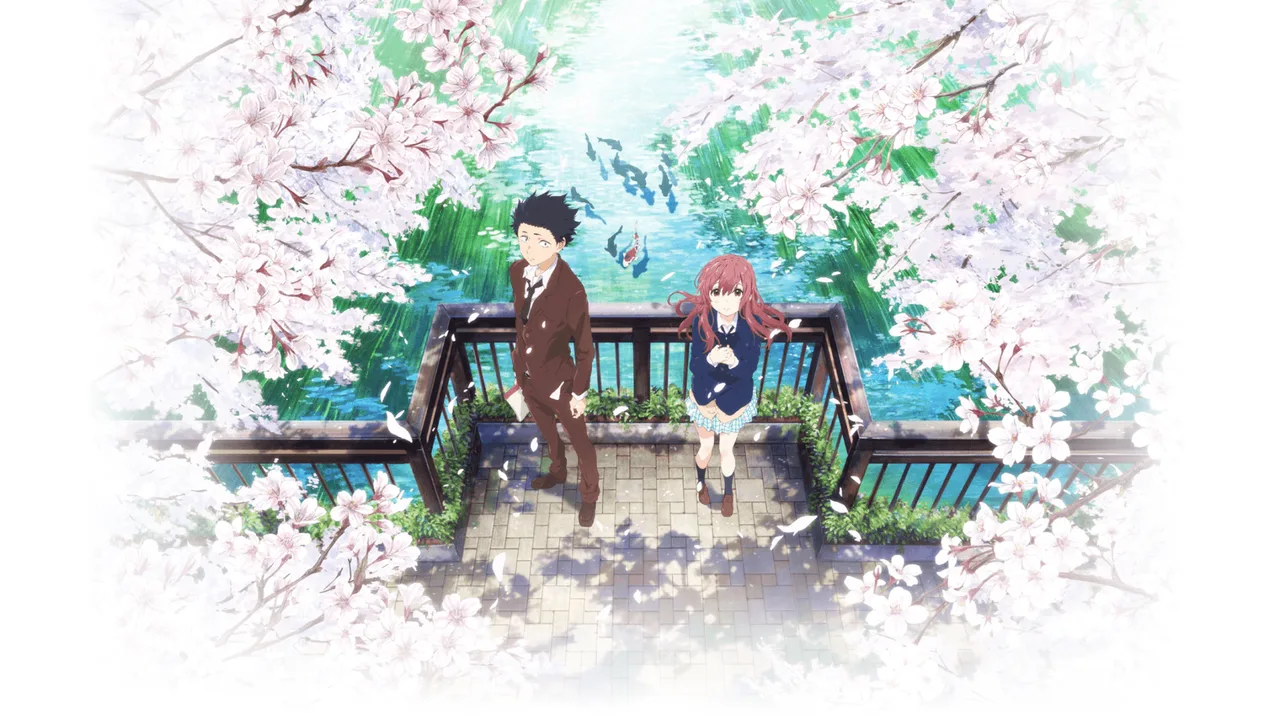
A Silent Voice
A poignant standalone drama by Yoshitoki Oima following Shoya Ishida, a former bully who seeks atonement by reconnecting with Shoko Nishimiya, the deaf classmate he tormented in elementary school. The series explores guilt, redemption, communication and the difficult path toward forgiveness.
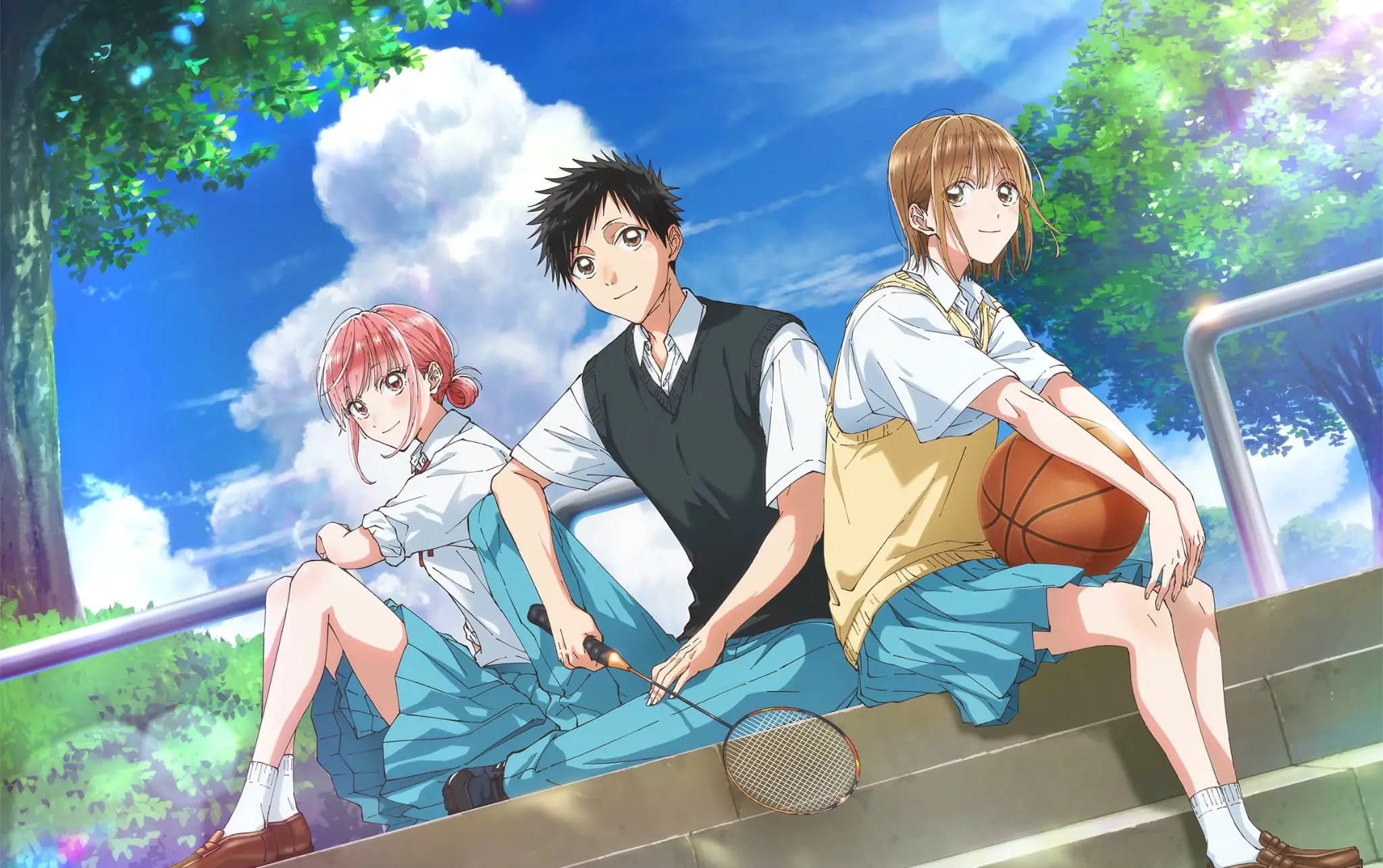
Blue Box
An ongoing shonen sports romance manga by Kouji Miura about a badminton player and his crush, a basketball team ace, who unexpectedly begin living together while pursuing their athletic dreams.
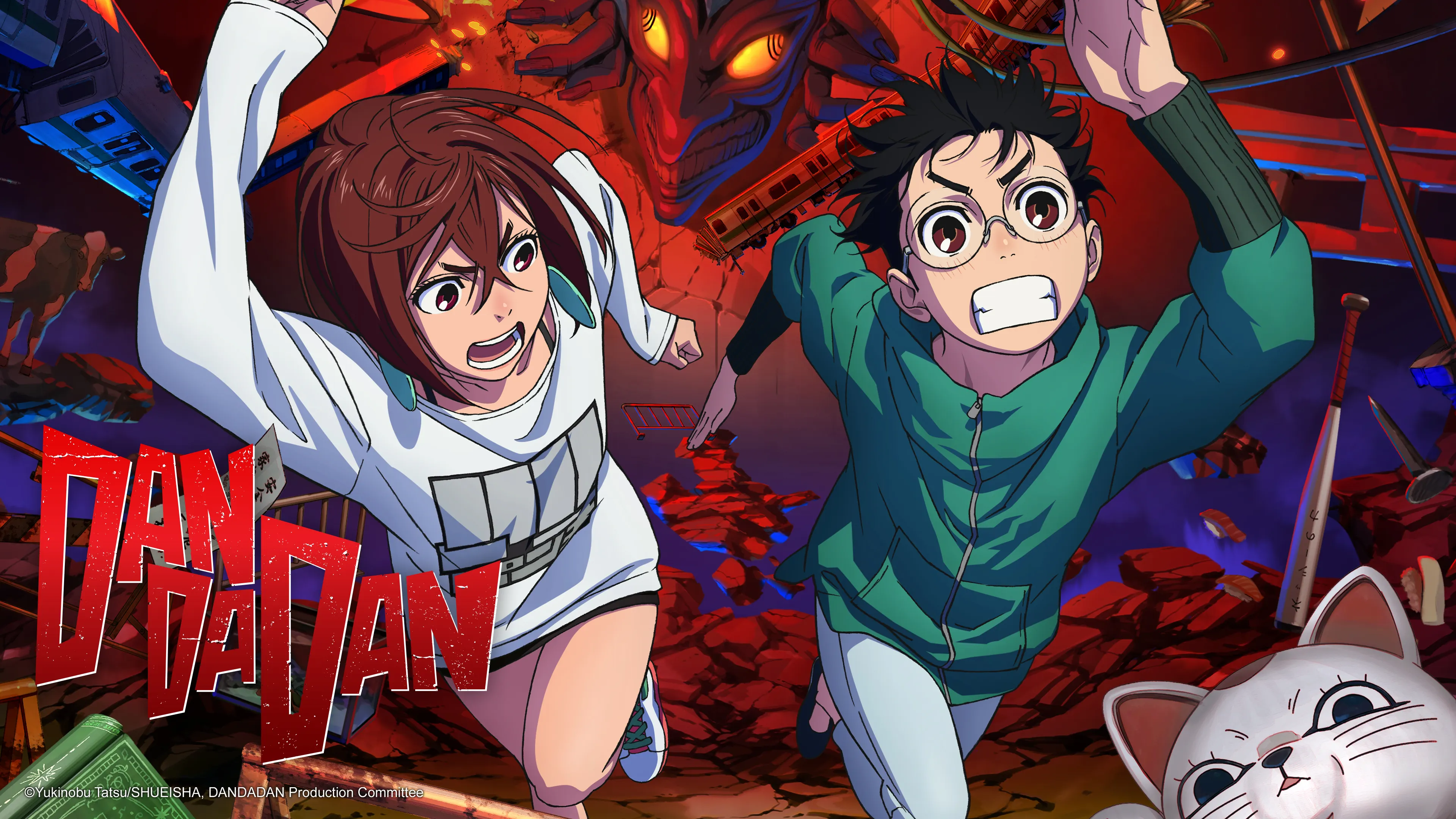
Dandadan
A contemporary shonen manga blending action, comedy, and supernatural mystery as two unlikely partners investigate paranormal phenomena.
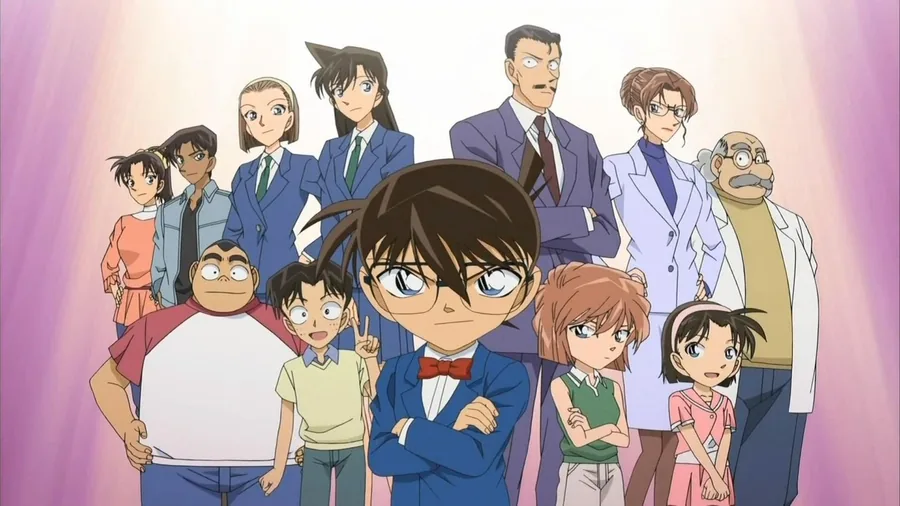
Detective Conan (Case Closed)
A long-running mystery and detective manga following the high-school detective Shinichi Kudo, who is shrunk into the body of a child by a mysterious organization and continues to solve cases under the pseudonym Conan Edogawa while hunting his attackers.
Related Articles
All articles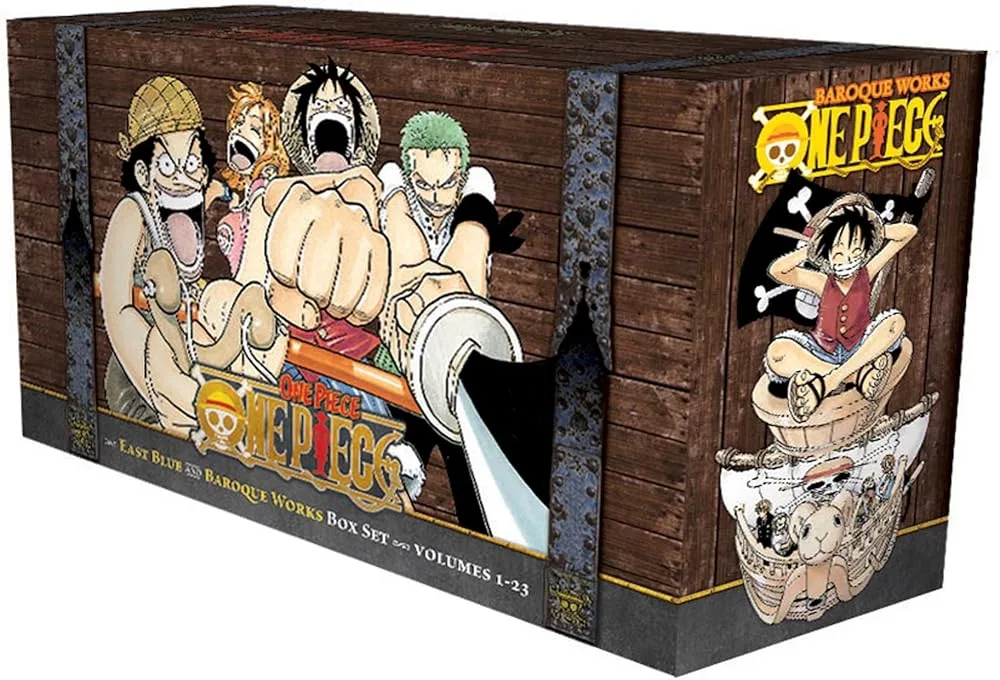
Top 16 Best Shonen Manga of All Time (2026)
The best shonen manga ever made, ranked. Legendary battle epics, underdog heroes, and the series that defined the genre — plus the box sets worth owning.

Best Manga by Genre: The Ultimate 2026 Reading Guide (Shonen, Shojo, Seinen, Josei)
Comprehensive manga genre guide featuring best series by demographic and genre. From action shonen to mature josei, find your next read organized by taste and preference.
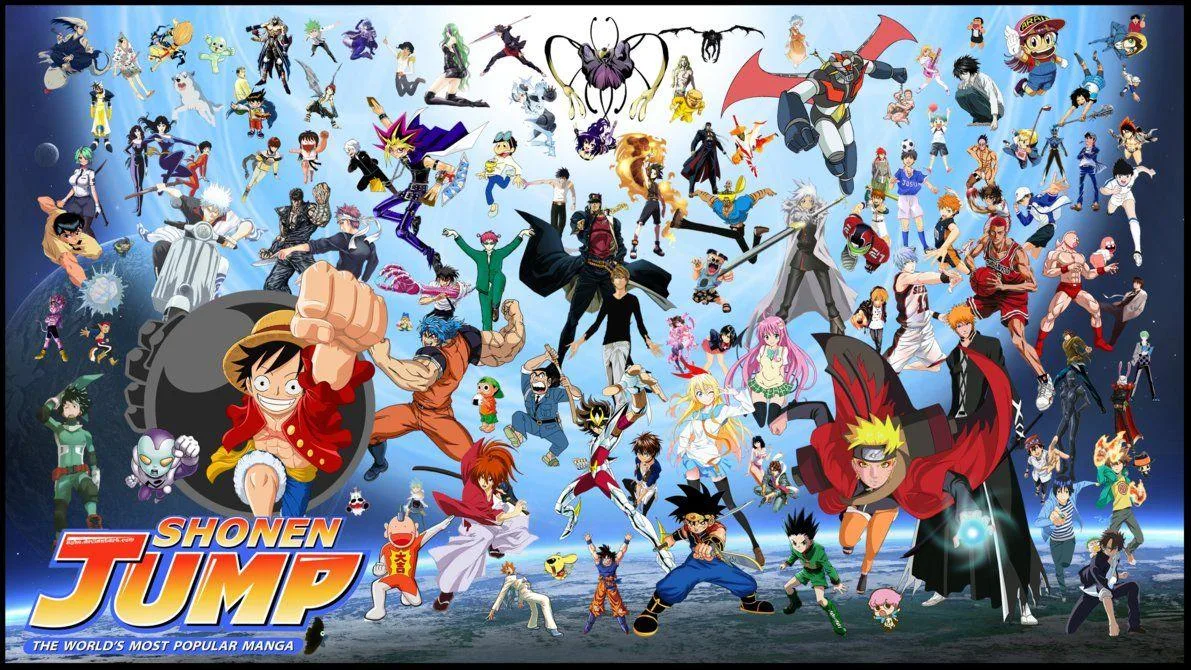
Weekly Shonen Jump Explained: How the World's Biggest Manga Magazine Works
Everything you need to know about Weekly Shonen Jump — history, ranking system, how manga gets serialized and canceled, famous series, and how to read it in English.