Medalist
An ongoing seinen sports drama manga by Tsurumaikada following young skater Inori Atsuki and former athlete turned coach Tsukasa Enomoto as they pursue Olympic glory in competitive figure skating.
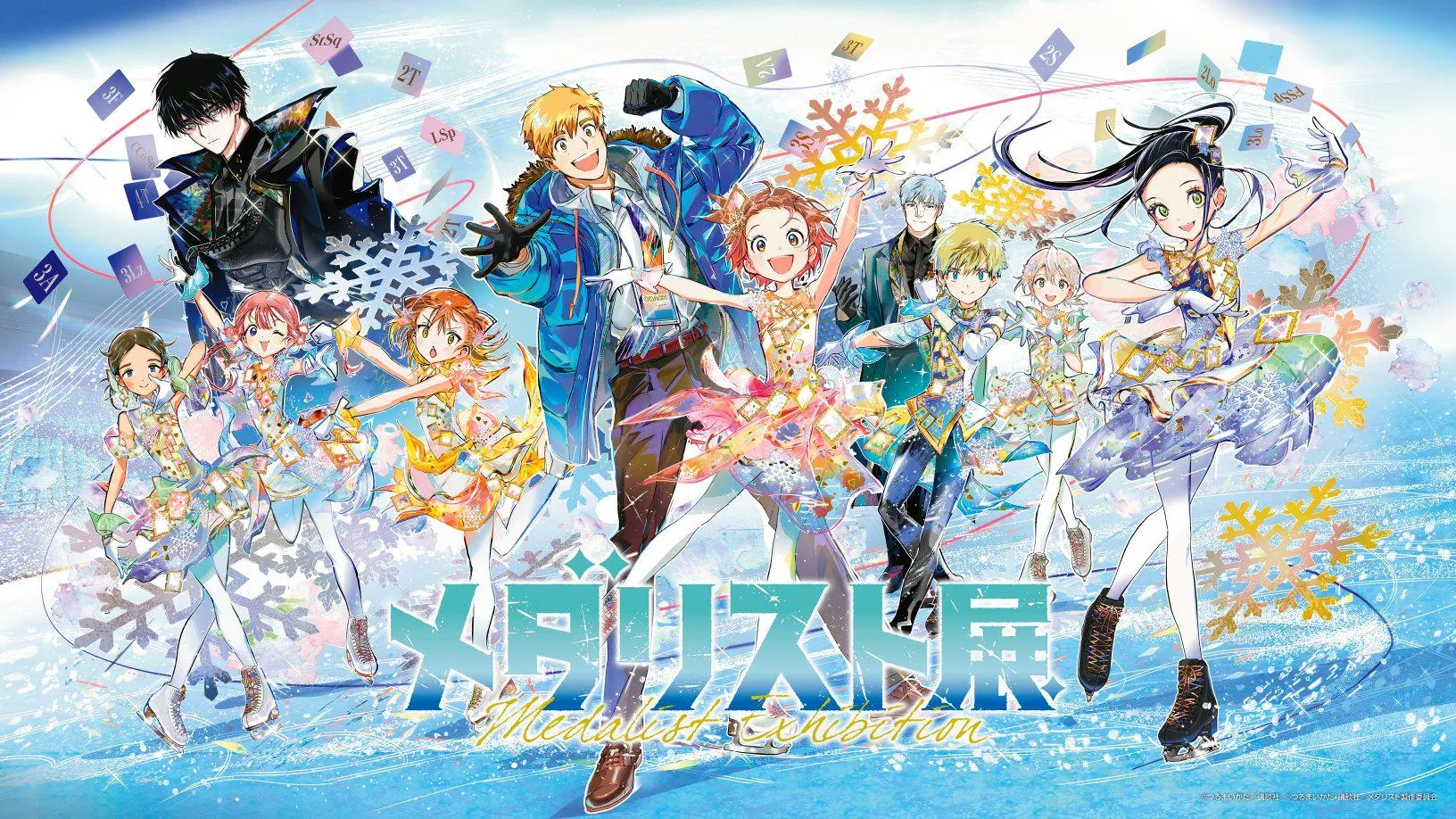
All Medalist Story Arcs in Order
| # | Arc |
|---|---|
| 1 | Meeting Arc |
| 2 | First Competition Arc |
| 3 | Regional Championship Arc |
| 4 | National Qualifiers Arc |
Overview
Medalist stands as one of the most compelling sports manga currently in serialization. Created by Tsurumaikada, Medalist began serialization in Kodansha’s Morning magazine in 2020. The series has consistently earned praise for its combination of technical sports knowledge, engaging character work, and authentic portrayal of the demanding world of competitive figure skating.
What distinguishes Medalist from typical sports manga is its dual focus on both technical skating elements and emotional development. Rather than treating figure skating as merely an action sport, Medalist explores the technical complexity of jumps, spins, combinations, and choreography. The series demonstrates genuine knowledge of figure skating mechanics, making technical sequences feel authentic.
The relationship between Inori and Tsukasa forms the emotional core of Medalist. Rather than a simple mentor-student dynamic, their relationship becomes increasingly complex—Inori’s success becomes connected to Tsukasa’s redemption, and their shared goal of Olympic success intertwines their fates. This creates emotional investment beyond simple sports narrative.
The anime adaptation by ENGI, which premiered in 2025, has been praised for adapting Tsurumaikada’s artwork while bringing figure skating sequences to life through animation. The anime’s visual presentation of skating, with fluid movement and technical execution, enhances appreciation of the sport and series.
Story and Narrative Structure
Medalist employs a character-driven sports narrative structure where individual episodes and arcs progress toward the larger goal of Olympic competition. The series balances training sequences, technical instruction, and competitive events with character development and relationship building.
The narrative structure of Medalist allows readers to understand figure skating while following Inori’s progression. Technical elements are introduced gradually as they become relevant—Inori learns jumps when preparing for early competitions, learns combinations as she faces more demanding challenges, and learns artistic expression as she matures as a skater. This integration of technical knowledge into narrative progression makes complex information accessible.
Medalist also structures its narrative around seasonal competitions and training cycles. Figure skating competitions follow seasonal schedules, and the series uses this natural structure to create story arcs and progression points. Winter competitions create natural narrative endpoints, while off-season periods allow for training development and character growth.
The series demonstrates sophisticated understanding of how athletic training progresses. Early chapters show Inori learning fundamentals, middle chapters show her developing specialized techniques, and later chapters explore how mental and psychological factors become increasingly important at elite levels. This realistic progression creates authenticity and prevents training sequences from feeling repetitive.
The relationship between Inori and Tsukasa provides emotional structure parallel to the sporting narrative. As Inori develops as a skater, Tsukasa develops as a coach and person. His journey toward redemption through helping Inori succeed provides emotional stakes alongside the competitive narrative.
Central Themes
Medalist explores the theme of second chances and redemption. Tsukasa is a failed athlete whose skating career ended in disappointment, and coaching Inori becomes his opportunity at redemption. The series suggests that while he cannot personally achieve his Olympic dreams, he can help someone else achieve theirs, finding meaning and purpose in that support.
The series also examines the theme of dedication and sacrifice required for excellence. Figure skating at elite levels demands years of training, physical and mental endurance, financial investment, and willingness to sacrifice normal adolescent experiences. The series honestly portrays these costs while celebrating the beauty and meaning that athletic excellence brings.
Another central theme is growth through adversity and challenge. Inori becomes stronger through confronting opponents, experiencing defeats, and pushing through training difficulties. The series demonstrates that growth requires struggle and that comfort does not produce excellence.
Medalist also explores the theme of individual expression within structured frameworks. Figure skating has defined technical requirements and rules, yet the greatest skaters find ways to express individuality and artistry within those constraints. Inori’s journey includes discovering her unique skating style and personality, finding ways to stand out while executing required elements.
The series further explores mentorship and teaching. Tsukasa’s journey includes learning what it means to develop another person, to understand their psychological needs, and to support them through difficulties. The series suggests that teaching provides meaning and purpose separate from personal achievement.
Main Characters
Inori Atsuki is the protagonist and young figure skater with Olympic dreams. Inori is determined, enthusiastic, and initially inexperienced in competitive skating. Her strength lies in her determination and willingness to work incredibly hard. She initially lacks technical sophistication but gains competence through dedicated training. Inori’s character arc involves maturing as a skater while discovering her unique skating style and personality. She faces disappointment and setbacks but responds with resilience and renewed commitment.
Tsukasa Enomoto is a former figure skater turned construction worker and Inori’s coach. Tsukasa harbors regret about his failed skating career and initially attempts to escape skating entirely. However, Inori’s persistence draws him back into the sport, first as her coach and eventually as someone pursuing redemption through her success. Tsukasa’s character arc involves overcoming his bitterness about his own failure and finding purpose in developing Inori. His technical skating knowledge and experience provide the foundation for Inori’s development, while his emotional growth parallels her athletic growth.
Inori’s family, particularly her parents, provide grounding and support for her skating pursuits. They must navigate the financial and emotional costs of elite athletic training while supporting their daughter’s dreams.
Tsukasa’s family and past relationships occasionally appear, providing context for his emotional state and his reasons for attempting to escape skating.
Competitive peers including other young skaters introduce rivalry and camaraderie within the skating world. These competitors are portrayed as real individuals with their own dreams and struggles rather than faceless antagonists.
Coaches and officials within the figure skating world provide additional perspectives on elite skating and introduce structural elements of the sport.
Art Style
Tsurumaikada’s artwork in Medalist effectively combines character work with sports illustration. Character designs are clean and distinctive, with character expressions effectively conveying emotion and mental state. The series’ portrayal of physical exertion, exhaustion, and determination through artwork enhances emotional impact.
The depiction of figure skating is a particular strength of Medalist. Mao demonstrates understanding of skating technique, depicting jumps, spins, and combinations with accuracy. The series shows the positions and movements involved in executing skating elements, making technical sequences comprehensible to readers without figure skating knowledge.
The action sequences depicting skating maintain clarity while conveying speed and grace. Panel composition effectively communicates the beauty of skating while showing the technical execution required. The series avoids making skating appear effortless while emphasizing its aesthetic appeal.
The backgrounds throughout Medalist establish appropriate settings—skating rinks are rendered in ways that feel authentic, training facilities show the reality of athletic spaces, and various competition venues have distinct characteristics. The environmental artwork grounds the narrative in realistic settings.
Tsurumaikada demonstrates skill at depicting the subtle body language and facial expressions that communicate internal emotional states—exhaustion, determination, frustration, joy, and doubt are all conveyed through visual storytelling alongside written narrative.
Cultural Impact
Since its debut in 2020, Medalist has become one of the most respected sports manga currently serializing. The series has earned consistent critical praise for its technical accuracy, character development, and authentic portrayal of competitive figure skating.
Medalist has influenced how the manga industry approaches sports narratives. The series demonstrates that detailed technical knowledge and artistic sports representation create compelling storytelling. Rather than simplifying sports for dramatic effect, Medalist elevates drama through accurate sports depiction.
The series has attracted particular appreciation from figure skating enthusiasts who value the accurate representation of their sport. The series’ portrayal of figure skating mechanics, competition structure, and the mental aspects of competitive skating has been praised for authenticity.
The anime adaptation has significantly expanded Medalist’s reach. The anime’s visual presentation of skating, with fluid animation depicting technical execution, brings the sport to life in ways that enhance appreciation for both the series and figure skating itself.
Medalist’s popularity has contributed to increased interest in figure skating narratives within manga and anime. The series has demonstrated that sports manga audiences value technical accuracy and character-driven storytelling alongside athletic competition.
Why You Should Read Medalist
Medalist offers exceptional sports storytelling combined with authentic technical knowledge and compelling character development. If you enjoy sports manga, Medalist provides a fresh entry into a less-frequently explored sport with excellent execution.
The series appeals to figure skating enthusiasts who appreciate accurate representation of their sport. Non-skaters will find Medalist accessible and engaging, learning about figure skating while following an engaging narrative.
The character work in Medalist is exceptional. The relationship between Inori and Tsukasa creates emotional investment beyond the competitive narrative. Watching both characters grow and finding redemption through each other provides sustained emotional engagement.
The series’ portrayal of athletic training is realistic and inspiring without being romanticized. Readers understand both the rewards and costs of pursuing athletic excellence, creating genuine appreciation for athletes’ dedication.
For those interested in sports narratives, Medalist demonstrates that individual sports can generate as much narrative tension and character development as team sports. The one-on-one relationship between coach and athlete provides different narrative dynamics than team narratives.
The technical representation of figure skating provides educational value alongside entertainment, allowing readers to genuinely understand how skating works and what execution requires.
Content Warnings
Medalist is generally appropriate for teen readers and older. The series contains athletic training and occasional sports-related injuries, though nothing is depicted gratuitously.
The series occasionally depicts realistic physical exhaustion and training-related fatigue.
Some competitive moments create emotional tension and occasional frustration from characters facing defeat or setback.
The series occasionally depicts mild language in competitive or emotional contexts.
Financial stress related to supporting athletic training is occasionally addressed, reflecting realistic economic challenges of competitive sports.
Related Manga Recommendations
Readers who enjoy Medalist might appreciate:
Haikyuu!! by Haruichi Furudate offers excellent sports manga with character-driven storytelling and detailed sport representation, focusing on volleyball team dynamics.
Blue Box by Kouji Miura combines sports romance with athletic competition, offering similar balance of athletic and character-focused narrative.
Your Lie in April by Naoshi Arakawa, while focused on music rather than sports, shares Medalist’s focus on technical skill development combined with emotional character arcs.
March Comes in Like a Lion by Chica Umino blends sports/game focus with character development and explores the psychological aspects of competitive pursuits.
Carole and Tuesday by Bone Studio (anime) explores similar themes about pursuing artistic/athletic dreams with mentorship relationships and personal growth.
Frequently Asked Questions
What is Medalist manga about? Medalist is an ongoing sports manga by Tsurumaikada that follows young figure skater Inori Atsuki and her coach Tsukasa Enomoto as they pursue Olympic glory in competitive figure skating. The series balances technical skating knowledge with compelling character development, exploring both the athletic challenges and emotional journeys of elite competition. It combines realistic training narratives with the redemption story of a failed athlete who finds purpose through coaching.
How many volumes does Medalist have? Medalist currently has 11+ volumes and is ongoing. The manga began serialization in 2020 in Kodansha’s Morning magazine and continues to receive consistent publication. New volumes are regularly released as the series progresses toward its ultimate goal of Olympic competition. For the latest volume availability and reading options, check Amazon’s Medalist collection.
Is there an anime adaptation of Medalist? Yes, Medalist has a highly anticipated anime adaptation by ENGI that premiered in 2025. The anime features 12 episodes in Season 1 and has been praised for its fluid animation of figure skating sequences and faithful adaptation of Tsurumaikada’s artwork. The anime’s visual presentation brings skating to life in ways that enhance appreciation for both the series and the sport itself.
What makes Medalist different from other sports manga? Medalist stands out for its dual focus on technical sports knowledge and emotional character development. Rather than simplifying figure skating for dramatic effect, the series demonstrates genuine knowledge of skating mechanics and competition structure, making it appealing to both skating enthusiasts and general manga audiences. The coach-student relationship between Tsukasa and Inori creates emotional stakes that parallel the competitive narrative.
Is Medalist appropriate for younger readers? Medalist is generally appropriate for teen readers and older. The series contains athletic training and occasional sports-related injuries, realistic physical exhaustion, and emotional tension from competition, but nothing is depicted gratuitously. Some financial stress related to supporting athletic training is addressed, but the content is suitable for mature teens interested in sports narratives.
Medalist Arc Guides
Meeting Arc
Inori Atsuki, a young girl with Olympic dreams, meets Tsukasa Enomoto, a failed skater turned construction worker, and convinces him to become her coach despite his reluctance.
Chapters 1-10First Competition Arc
Under Tsukasa's coaching, Inori competes in her first organized competition, learning about technical skating elements, competitive pressure, and the gap between amateur and serious skating.
Chapters 11-30Regional Championship Arc
Inori competes for the regional championship, where she faces more accomplished skaters and discovers both her strengths and the areas requiring further development.
Chapters 31-55National Qualifiers Arc
Inori pursues qualification for national competition, facing increasingly elite skaters and discovering what Olympic-level competition demands.
Chapters 56+Anime Adaptation
Full guideMedalist Merchandise
Read manga free with Amazon Prime
30-day free trial: free shipping, Prime Reading, Kindle, Prime Video and more.
Affiliate link. 30-day free trial for new members. Then $14.99/month — cancel anytime.
FAQ: Medalist
You May Also Like
All manga
The Apothecary Diaries
An ongoing seinen mystery manga by Natsu Hyuuga and Nekokurage following Maomao, an apothecary's daughter, as she solves imperial court mysteries using her pharmaceutical expertise in a historical Chinese setting.

Blue Period
An ongoing seinen coming of age manga by Tsubasa Yamaguchi about Yatora Yaguchi, a high school student who discovers a passion for painting and aims to enter the prestigious Tokyo University of the Arts.

Frieren: Beyond Journey's End
An ongoing seinen fantasy manga by Kanehito Yamada and Tsukasa Abe following the elf mage Frieren as she embarks on a journey to understand humanity after her companions' deaths.
Hajime no Ippo
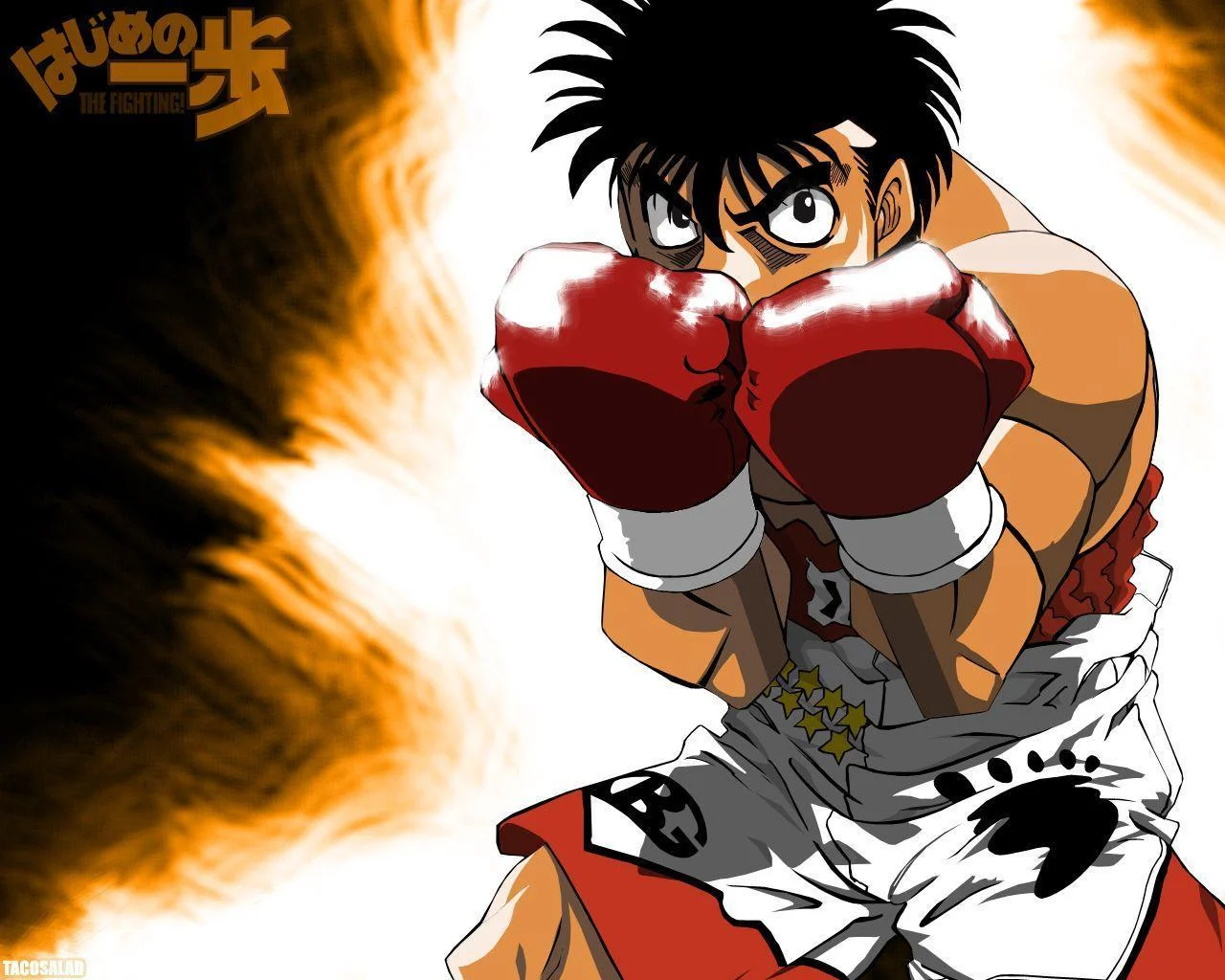
A long-running shonen boxing sports manga following Makunouchi Ippo's journey from bullied teenager toward professional boxer, exploring boxing's technical depths and life-changing personal transformation
Related Articles
All articles
Best Manga by Genre: The Ultimate 2026 Reading Guide (Shonen, Shojo, Seinen, Josei)
Comprehensive manga genre guide featuring best series by demographic and genre. From action shonen to mature josei, find your next read organized by taste and preference.

Top 20 Best Seinen Manga of All Time
Explore the greatest seinen manga crafted for adult audiences with mature themes, complex narratives, and artistic excellence.
Best Sports Manga of All Time: Top 15 Series You Need to Read
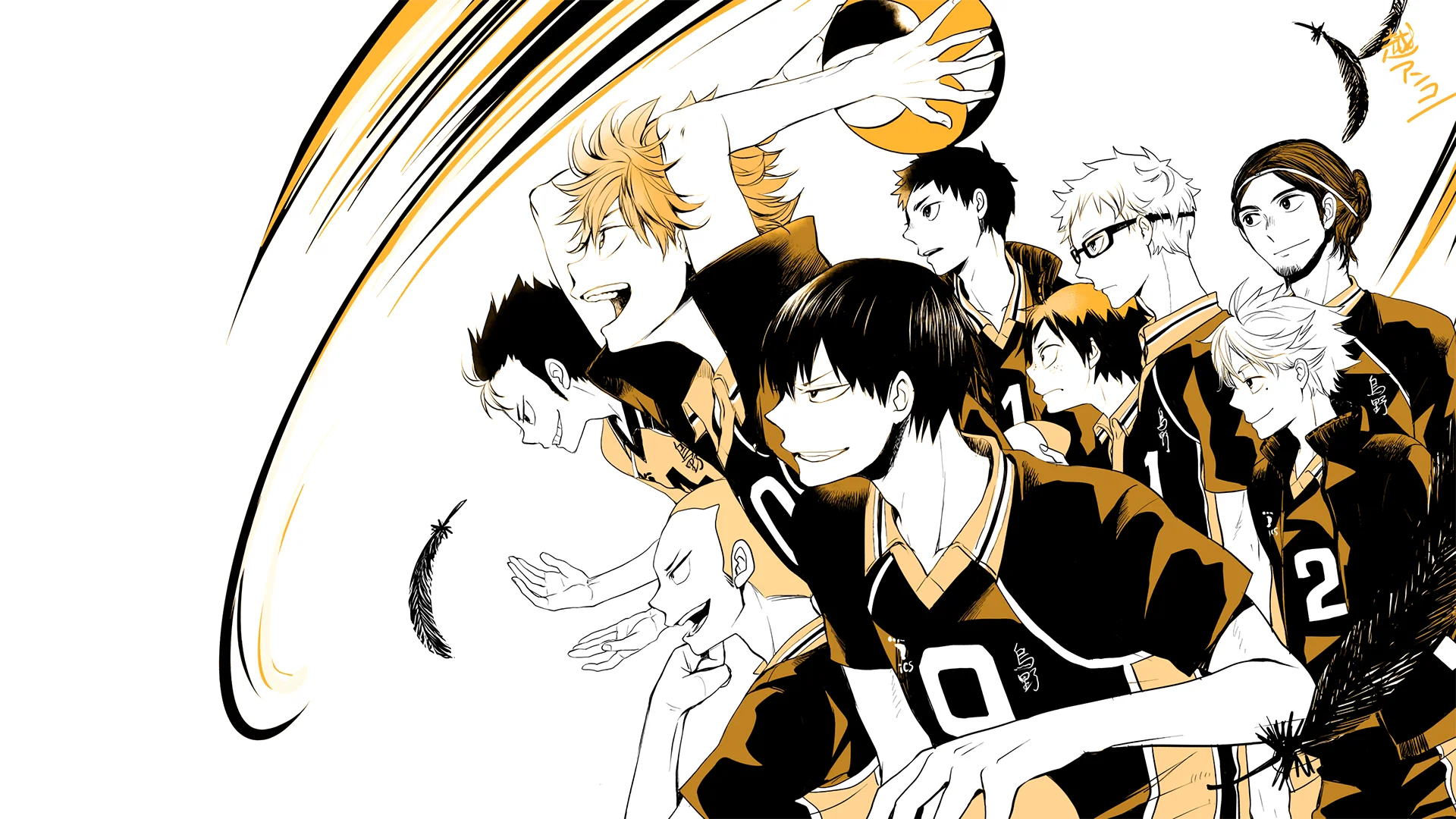
The greatest sports manga ever created, from Haikyu!! to Slam Dunk to Medalist. Essential series that use athletic competition to explore the deepest human themes.