Doraemon
A beloved kodomomuke manga featuring a robotic cat from the future who helps a struggling boy navigate daily life with futuristic gadgets.
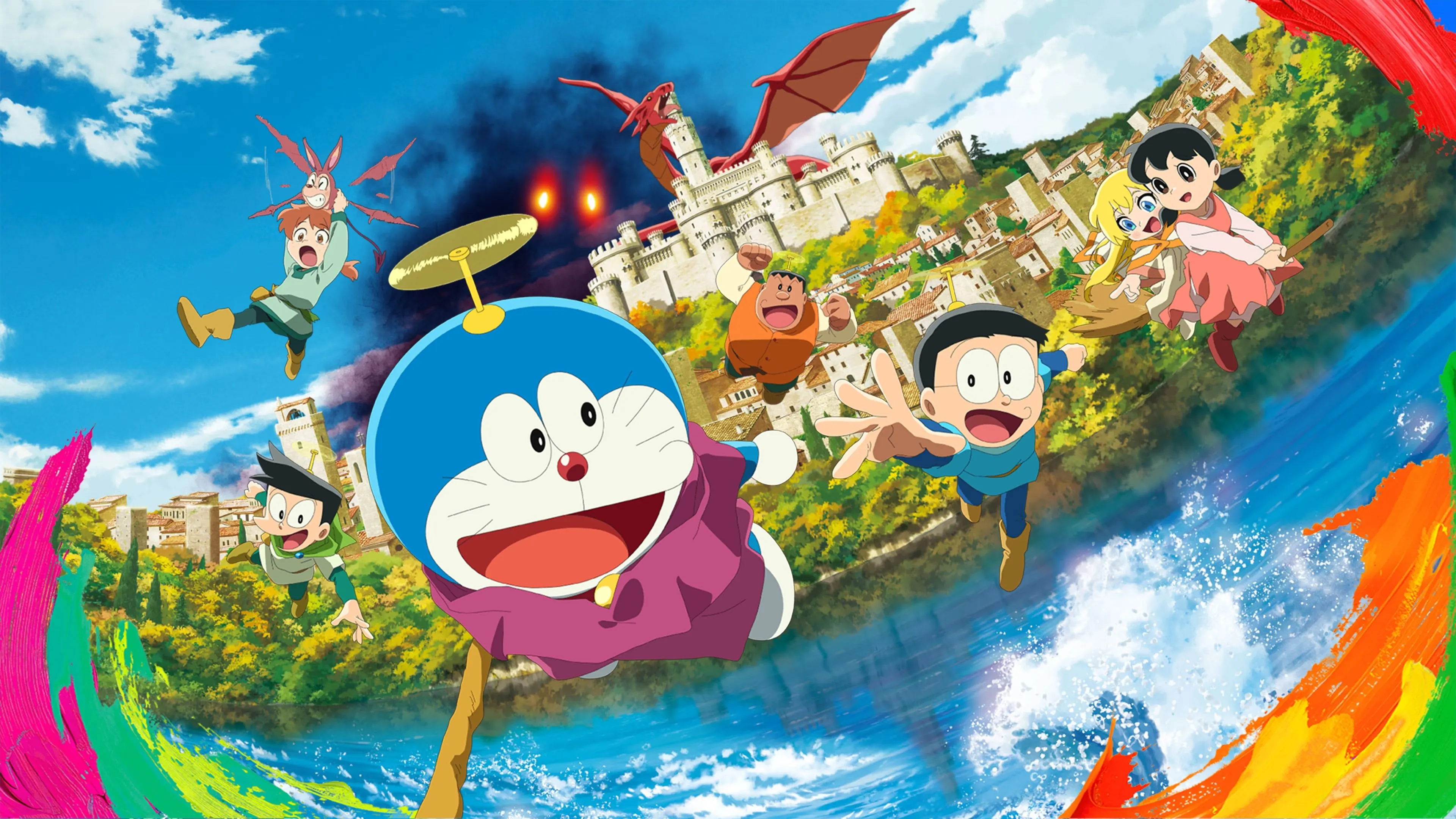
All Doraemon Story Arcs in Order
| # | Arc |
|---|---|
| 1 | The Gadgets Debut Arc |
| 2 | Nobita's Future Arc |
| 3 | The Big Adventure Arc |
| 4 | Parallel Worlds Arc |
| 5 | The Final Journey Arc |
The Robot Cat Who Came From Tomorrow
In 1969, a creative duo working under the pen name Fujiko F. Fujio published the first chapter of a manga about a robotic cat from the future and the lazy boy he had been sent back in time to help. That story ran for 27 years, filled 45 volumes, and became perhaps the most universally read manga in Japanese history. Virtually every Japanese person who grew up in the latter half of the twentieth century encountered Doraemon in some form — the manga, the long-running anime, the annual theatrical films, the merchandise that colonized every schoolbag and lunchbox. The robot cat is not merely a beloved character; he is a cultural constant, as recognized in Japan as any symbol the country has.
What makes Doraemon’s longevity comprehensible is how elegantly simple the premise is while remaining inexhaustibly generative. Nobita Nobi, a chronically underperforming elementary school student, receives a robotic cat-shaped helper dispatched from the 22nd century by his own descendants, who are tired of inheriting a legacy of failure. From a pocket in his belly, Doraemon can produce any gadget imaginable — the Anywhere Door, the Small Light, the Take-copter — each one a solution to whatever problem Nobita has manufactured for himself. The catch, reliable across all 45 volumes, is that Nobita inevitably misuses whatever he has been given, and the episode ends with the consequences of that misuse. The formula sounds mechanical; in practice it is endlessly alive.
Premise and World
The world of Doraemon is post-war suburban Japan rendered with affectionate specificity: wooden neighborhood houses, a creek where children play after school, a vacant lot that serves as the social center of the kids’ universe. Nobita’s Tokyo is modest and recognizable, and that ordinariness is essential. The gadgets arrive into an everyday world, which is why their absurdity registers so sharply. When a Take-copter transforms a lazy afternoon into a sky-high adventure, the altitude feels earned because the ground was so firmly established.
The supporting cast is drawn from the vocabulary of any Japanese childhood. Shizuka is kind and clever; Gian is loud and physically intimidating but capable of genuine loyalty; Suneo is a braggart with rich parents; Dekisugi is the effortlessly brilliant classmate whose very existence is a mild reproach to Nobita. These are stock types, but Fujiko F. Fujio gives them enough individuality that they accumulate over dozens of volumes into something resembling real people. The parents, teachers, and neighbors who orbit the kids are similarly grounded — loving but fallible, concerned but inconsistent, recognizable to anyone who has been a child or raised one.
Main Characters
Nobita Nobi
Nobita is one of manga’s great anti-protagonists. He scores zeroes on tests. He cannot run a race or throw a ball. He falls asleep in class, procrastinates on every assignment, and reliably chooses the comfortable option over the correct one. The series does not try to argue that these qualities are secretly virtues. They are genuine flaws, and Nobita suffers for them in small, daily ways that feel true. What the series does argue is that these flaws do not make Nobita worthless — that the warmth underneath his laziness, his genuine concern for friends when it actually matters, and his capacity for unexpected courage in the moments that count represent something real.
Across 45 volumes, Nobita does not transform into someone capable. He remains fundamentally himself. But he accumulates enough experience that the worst edges of his helplessness soften slightly, and the better parts of his character become a little more available. His arc is not a hero’s journey but something more honest: the slow, uneven, frequently reversed process of a flawed person learning, in small increments, how to be slightly less flawed.
Doraemon
Doraemon is sent to Nobita as a professional assignment, and he finds the assignment frequently maddening. Nobita abuses the gadgets. Nobita creates preventable crises. Nobita fails to learn the obvious lessons available to him. And yet Doraemon keeps helping, with a patience that shades into genuine affection over time, because his frustration with Nobita has never managed to extinguish his care for him. This is the series’ emotional core: a friendship that persists not because it is always easy or reciprocal but because it has become real.
Doraemon’s iconic design — round body, blue coloring, bell at the collar, the absence of ears (a mice-related incident from the future, per the lore) — communicates his personality at a glance. He is warm but exasperated, capable but often outmaneuvered by Nobita’s talent for catastrophe, devoted in ways that occasionally surprise even himself.
Story and Themes
The dominant structure is the gadget loop: Nobita has a problem, Doraemon produces a solution from his pocket, Nobita misapplies it, chaos results. What elevates this loop from repetition to resonance is the consistency of its moral argument. Shortcuts exist. They are tempting, plausible, and readily available. And they reliably produce outcomes worse than the original problem. The gadgets are not bad — they are magnificent, wonders of 22nd-century ingenuity — but applying a wonder to a situation that requires only honest effort produces misery. Doraemon is a 45-volume argument, made through comedy, that effort and genuine connection cannot be replaced.
Alongside the comic mechanics, the series explores what it means to have someone reliably in your corner. Nobita’s home life is warm but ordinary; school is mostly a site of humiliation; his peer group contains people who will turn on him given the right incentive. Doraemon is the one constant — the one presence that does not require Nobita to be better than he is in order to receive help. The series makes a case, quietly, for the value of that kind of unconditional support and for how rare it actually is.
The theme of time runs through the whole enterprise more subtly. Every episode is small and self-contained, but the 22nd-century framing reminds readers that these events have consequences stretching decades forward. Nobita’s choices now determine what his descendants will inherit. It is a gentle reminder, easily missed amid the slapstick, that ordinary days accumulate into lives.
Why This Manga Matters
Doraemon’s importance in the history of manga is structural as well as cultural. Its episodic format, its consistent tonal register, and its combination of comedy with genuine emotional stakes became a template that informed decades of children’s entertainment in Japan. Creators across genres have cited it as a foundational influence — not because they imitated its style but because it demonstrated what the medium could do for a young audience without condescending to them.
Internationally, Doraemon served as many people’s first encounter with the specifics of Japanese domestic life — not the samurai aesthetic or the neon-lit future Japan of science fiction, but the quiet particular reality of school runs, neighborhood politics, and family meals. That specificity, far from making it alien, made it deeply familiar to readers across cultures who recognized the same tensions and the same small daily dramas in their own lives. A story can be entirely located in one place and time and still be universal. Doraemon proved it.
Publication History
Doraemon was serialized simultaneously across multiple magazines beginning in January 1970, including CoroCoro Comic, before becoming most closely associated with that publication. The original manga ran through 1996 following the death of Hiroshi Fujimoto (the F. in Fujiko F. Fujio), the primary writer and artist for the property. The 45-volume run published by Shogakukan has been in continuous print since then and remains the best-selling manga series of all time in Japan. An anime adaptation began in 1979 on TV Asahi and continues to this day; an annual theatrical film franchise has produced new entries every year since 1980.
Related Series
Readers who love Doraemon often find resonance in Chi’s Sweet Home (everyday warmth in a domestic setting), Yotsuba&! (childhood wonder rendered with comparable gentleness), Dr. Slump (another Shogakukan classic built on gadget-driven comedy), and Pokemon Adventures (a later property that shares Doraemon’s faith in friendship as the one thing technology cannot replace).
Frequently Asked Questions
Is Doraemon finished?
Yes, the original manga is complete. The series ran from January 1970 through 1996, ending with the death of creator Hiroshi Fujimoto. However, Doraemon remains one of the most active franchises globally, with new anime series, theatrical films, and merchandise continuing to this day, spanning multiple animated adaptations.
How many volumes does Doraemon have?
The original manga comprises 45 volumes, all published by Shogakukan and collected in the definitive edition. This represents all chapters from the original serialization. The series remains the best-selling manga of all time in Japan, with sales exceeding 100 million copies worldwide.
Is there an anime adaptation?
Yes, extensively. The first anime series began in 1979 and the franchise continues with new adaptations. There is a theatrical film released nearly every year since 1980, making Doraemon one of the longest-running media franchises in entertainment history. The anime brings Fujio’s comic timing to vivid life with voice acting and animation.
What age rating is Doraemon?
Doraemon is rated for all ages. It’s specifically designed as children’s content (ages 4+), making it the perfect introduction to manga for young readers. The humor is accessible to adults, the messages are wholesome, and there is no violence, sexual content, or disturbing material of any kind.
Where can I buy Doraemon?
The complete 45-volume manga set is available worldwide through major retailers including Amazon (donidhernande-20 for English). Spanish editions are available through Amazon.es (donidhernande-21). Both English and Spanish translations are readily available. Many libraries carry the series for free borrowing, especially in children’s sections.
Publication and Adaptations
Fujiko F. Fujio (Hiroshi Fujimoto) launched Doraemon in December 1969 simultaneously across six Shogakukan children’s magazines: Yoiko, Yōchien, Shogaku Ichinensei, Shogaku Yonensei, and others tailored to specific age groups. The series ran until Fujimoto’s death in September 1996, producing approximately 1,345 individual stories collected into 45 standard tankōbon volumes from 1974 to 1996. Subsequent compilations include the 24-volume Doraemon Plus, the comprehensive 20-volume Fujiko F. Fujio Daizenshū hardcover edition, and themed bunkoban paperbacks. Total circulation surpassed 250 million copies worldwide as of 2024, making Doraemon one of the best-selling manga franchises of all time alongside One Piece and Golgo 13.
The animation history is equally extensive. The 1973 Nippon TV anime ran only 26 episodes before cancellation, but TV Asahi’s 1979 reboot animated by Shin-Ei Animation became a cultural institution, broadcasting continuously until March 2005 with 1,787 episodes. The current 2005 reboot, also produced by Shin-Ei Animation, has aired over 800 episodes as of 2025 with no scheduled end. Annual theatrical Doraemon films have released every March since 1980, totaling 44 films through 2024, making it the longest-running annual film franchise in Japanese cinema history. The 2014 CGI film Stand by Me Doraemon received an Academy Award submission consideration from Japan and grossed over $183 million worldwide.
The franchise expanded into multiple spin-offs and crossovers. The Doraemons (1995-2002) followed seven international robot cats. Dorabase: Daichōjin Yakyū-gaiden (2000-2011) reimagined characters as baseball players. Doraemon: Nobita’s Chronicle of the Moon Exploration tied into the 2019 film. Educational manga series under the Doraemon Learning brand teach mathematics, Japanese history, English, and science to elementary students, with over 100 titles published. Disney+ began streaming the modern anime internationally in 2023, dramatically expanding global reach beyond traditional Asian markets.
Cultural Impact and Legacy
Doraemon holds official status as Japan’s first Anime Cultural Ambassador, designated by the Ministry of Foreign Affairs in March 2008. The character represents Japanese cultural exports across Asia, where Doraemon merchandise, theme park attractions, and collaborative campaigns generate billions in annual revenue. Vietnam, Thailand, Indonesia, India, and China all rank Doraemon among their most beloved foreign characters, with localized broadcasts in over 35 languages. Saudi Arabia notably banned the series in 2008 over religious concerns, while India’s CBSE curriculum incorporated Doraemon themes into elementary education materials.
The Fujiko F. Fujio Museum opened in Kawasaki in September 2011, welcoming over 500,000 visitors annually. Doraemon-themed bullet trains operate on Hokkaido routes. Toyota, Honda, and Suzuki have featured live-action Doraemon in commercial campaigns. The character received Japanese citizenship and a fictional residence registration in 2012 as part of Tokyo’s bid promotion. Asahi Shimbun ranked Doraemon as the most influential Japanese cultural icon of the 20th century in multiple reader surveys, surpassing Hello Kitty and Pikachu in domestic recognition.
Frequently Asked Questions
Who continued Doraemon after Fujiko F. Fujio’s death? A team of assistants and former collaborators at Fujiko Productions continues producing new content under the Doraemon brand, primarily through the annual films and seasonal special chapters. The original 45-volume manga remains the canonical core authored solely by Fujimoto.
Is the 2005 anime a remake or continuation? The 2005 Shin-Ei Animation series is a complete reboot with new voice cast (Wasabi Mizuta replacing Nobuyo Ōyama as Doraemon), updated animation, and modernized storytelling while drawing from the same source manga stories.
How many Doraemon films exist? As of 2024, 44 theatrical films have released annually since 1980, plus the 2014 CGI Stand by Me Doraemon and its 2020 sequel Stand by Me Doraemon 2. New films continue releasing every March.
Where can I watch Doraemon outside Japan? Disney+ streams the modern anime internationally since 2023. Local broadcasters across Asia, Latin America, and Europe air dubbed versions. The original 1979-2005 series has limited international availability but appears on regional streaming services.
What is Doraemon’s official birthday? September 3, 2112 — exactly 100 years before the original manga’s setting. Japan officially celebrates Doraemon’s birthday annually with promotional events and museum activities.
Doraemon Arc Guides
The Gadgets Debut Arc
Doraemon arrives from the future and introduces Nobita to incredible futuristic gadgets designed to help him overcome various daily challenges.
Nobita's Future Arc
Doraemon uses time travel gadgets to show Nobita glimpses of his own future, revealing consequences of his current behavior and motivating personal growth.
The Big Adventure Arc
Nobita and friends undertake ambitious adventures using Doraemon's gadgets, exploring fantastical locations and facing unexpected challenges requiring teamwork and courage.
Parallel Worlds Arc
Doraemon and Nobita explore parallel dimensions and alternative worlds, encountering different versions of familiar characters and exploring philosophical questions about identity.
The Final Journey Arc
Doraemon's mission concludes as his power source depletes, forcing final journey through time and space as he and Nobita confront their inevitable separation.
Doraemon Merchandise
Read manga free with Amazon Prime
30-day free trial: free shipping, Prime Reading, Kindle, Prime Video and more.
Affiliate link. 30-day free trial for new members. Then $14.99/month — cancel anytime.
FAQ: Doraemon
You May Also Like
All manga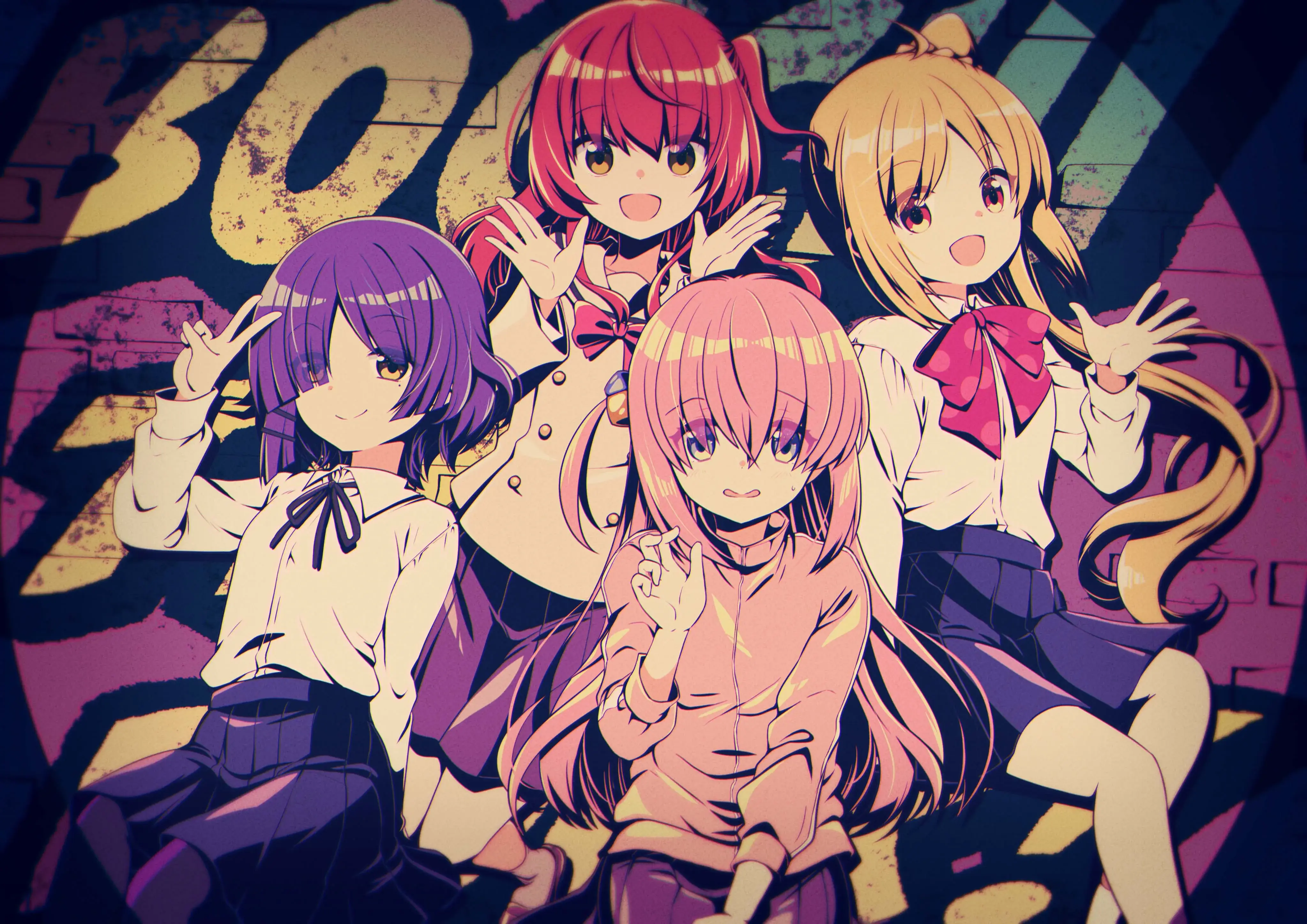
Bocchi the Rock!
A charming comedy-music manga about a shy introverted girl discovering confidence and friendship through rock band experiences.
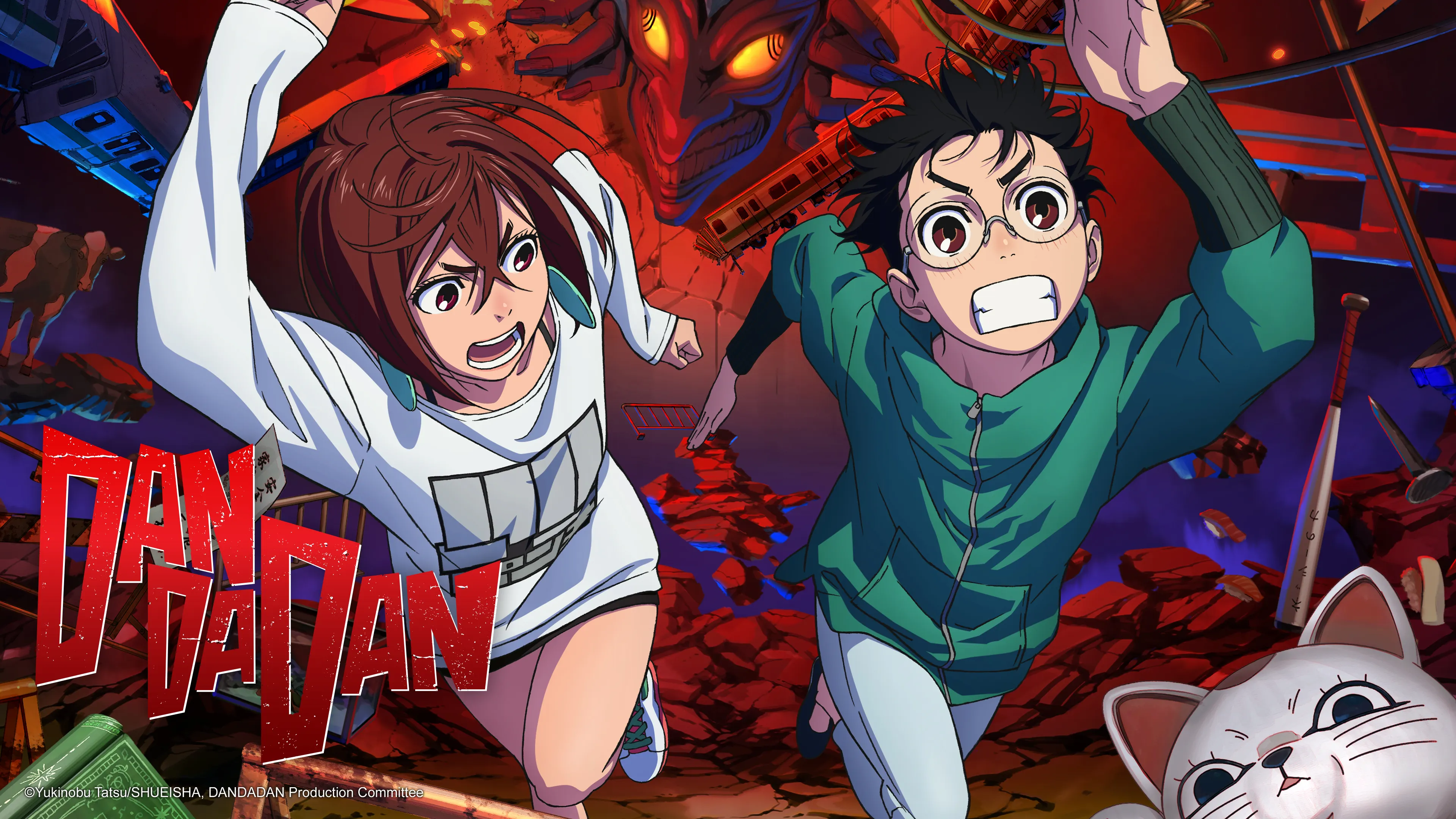
Dandadan
A contemporary shonen manga blending action, comedy, and supernatural mystery as two unlikely partners investigate paranormal phenomena.
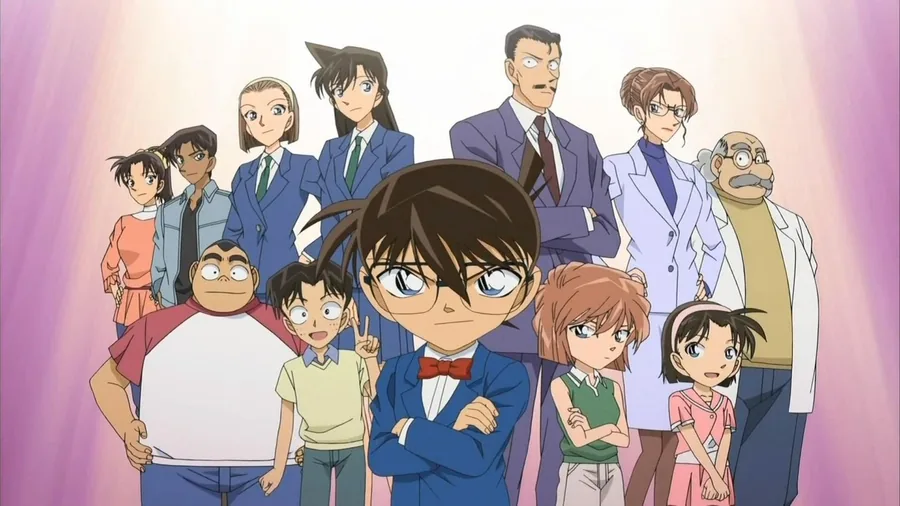
Detective Conan (Case Closed)
A long-running mystery and detective manga following the high-school detective Shinichi Kudo, who is shrunk into the body of a child by a mysterious organization and continues to solve cases under the pseudonym Conan Edogawa while hunting his attackers.
Dr. Stone
Completed sci-fi shonen: teen genius Senku Ishigami rebuilds civilization from scratch after 3,700 years of global petrification. Science vs. brute force.