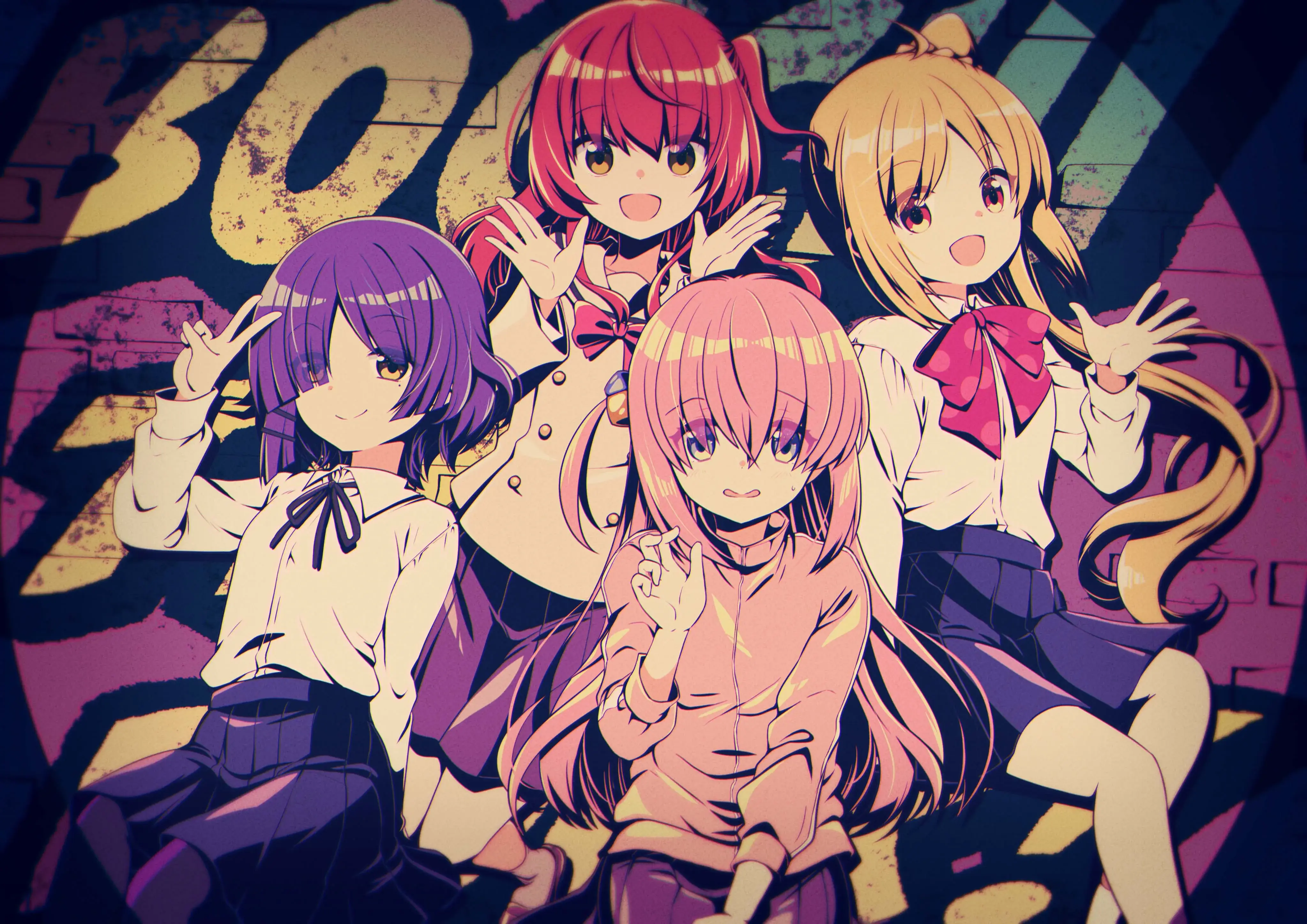
Bocchi the Rock!
A charming comedy-music manga about a shy introverted girl discovering confidence and friendship through rock band experiences.
All Bocchi the Rock! Story Arcs in Order
| # | Arc |
|---|---|
| 1 | Joining Kessoku Band Arc |
| 2 | First Live Performance Arc |
| 3 | School Festival Arc |
| 4 | New Year Concert Arc |
| 5 | Touring Arc |
The Introvert Who Found Her Stage
Bocchi the Rock! is one of the most emotionally honest comedies manga has produced, and it achieves that honesty through a deceptively simple premise: a girl so crippled by social anxiety that she can barely make eye contact somehow ends up in a band, performing in front of live audiences, and caring about people far more than she ever planned to. Created by Aki Hamaji and serialized in Houbunsha’s Manga Time Kirara Max beginning in 2018, the series ran until 2023 across seven collected volumes and stands as one of the most acclaimed four-panel manga adaptations in recent memory.
What distinguishes Bocchi the Rock! from other school-life or music-themed manga is its refusal to treat social anxiety as a quirky character trait to be overcome. Hitori Gotoh’s difficulty with human connection is portrayed with genuine empathy and specificity — the catastrophizing inner monologue, the physical manifestations of panic, the exhausting gap between who you want to be and who you can manage to be in a given moment. The series understands that anxiety doesn’t simply dissolve when the right people come along, and it never pretends otherwise. Growth happens slowly, imperfectly, and always in the company of people who have learned to make room for you exactly as you are.
The Premise
Hitori Gotoh — nicknamed “Bocchi” — has spent years teaching herself guitar in her bedroom with a singular, mortifying goal: she read somewhere that people who play in bands make friends easily, and she desperately wants friends. She has become genuinely exceptional at guitar through obsessive practice, but she has never once played for another human being. Her social anxiety is severe enough that the prospect of conversation with strangers registers as a genuine crisis rather than a minor discomfort.
This changes when Nijika Ijichi, a bright and relentlessly cheerful drummer, finds her in a park playing alone and immediately recruits her into Kessoku Band, the group she is trying to form. The band performs at Starry, a small live house in Tokyo’s Shimokitazawa neighborhood run by Nijika’s older sister Seika. From there the story expands to include Ryo Yamada, the effortlessly cool bassist with a mysterious quality that defies easy reading, and Kita Ikuyo, a popular and energetic rhythm guitarist who joins later and whose initial departure and eventual return is one of the series’ more emotionally charged early arcs.
The shape of the narrative is gentle but purposeful: Kessoku Band acquires members, rehearses, performs, fails, recovers, and slowly becomes something real. Bocchi remains central, but the series is genuinely an ensemble — each character brings something the others lack, and their collective progress is the emotional engine of the whole story. The drama is not about whether the band will make it. It is about whether Bocchi will let herself believe she belongs in it.
Main Characters
Hitori Gotoh (Bocchi)
Bocchi is one of manga’s most specific and fully realized portraits of severe social anxiety, and she works as a protagonist precisely because Hamaji never softens what that anxiety actually costs her. She thinks in spiraling disaster scenarios. She physically hides — under futons, in instrument cases, behind corners — when confronted with social demands she cannot immediately meet. She has spent so long alone that the basic mechanics of friendship are genuinely mysterious to her, and she approaches every new interaction with the sincerity and terror of someone who has never been taught the rules.
What prevents her from becoming simply pitiable is her passion and her competence. When Bocchi plays guitar, she is extraordinary — not in a shonen-power-fantasy way, but in the way that someone becomes extraordinary when they pour every unexpressed feeling they have into a single outlet for years. Music is the one language she speaks without stuttering. Her arc is not about being cured of her anxiety or transformed into someone different. It is about discovering, slowly and with enormous difficulty, that the person she already is has genuine value to the people she has somehow found herself surrounded by.
Nijika Ijichi
Nijika is the band’s drummer and its irreplaceable emotional center. Her extroversion is not a personality shortcut or a comedic foil to Bocchi’s introversion — it is grounded in a genuine and observable warmth that makes her the kind of person around whom difficult people find themselves becoming slightly less difficult. She recruits Bocchi not despite her obvious anxiety but with full awareness of it, and she continues investing in the band with uncomplicated enthusiasm through every setback and awkward performance.
Nijika’s personal arc involves managing the weight of Starry — the live house her older sister Seika runs and which depends on the band’s performances for a meaningful portion of its income. That responsibility is kept present without overwhelming the series’ lighter register. She is someone who carries real burdens and chooses to carry them with good humor, and the series has enough respect for her to let that choice register as genuinely admirable rather than just bubbly.
Ryo Yamada
Ryo is the band’s bassist and one of its most quietly compelling characters. She presents as effortlessly cool in a way that Bocchi finds intimidating and baffling, and her apparent composure masks a specific kind of internal life that the series teases out with patience. She is not secretly anxious in the way Bocchi is; she is something slightly different — someone who has constructed a particular mode of engagement with the world and is only beginning to question its costs.
Her friendship with Bocchi develops as one of the series’ most satisfying relationships, because it is built on mutual oddness rather than complementary personalities. Two socially unusual people finding each other genuinely interesting is something the series renders with real affection. Ryo’s dry humor and Bocchi’s catastrophizing make for a comedic pairing that also functions as a genuine emotional bond.
Kita Ikuyo
Kita is the rhythm guitarist who joins Kessoku Band after an early arc in which she briefly appears, demonstrates genuine talent, and then retreats before eventually committing fully. She is conventionally popular and conventionally pretty in ways that initially seem to set her apart from the band’s collection of social misfits, but the series is careful not to make her the “normal one” who functions as a normalcy anchor. She has her own specific emotional landscape, her own reasons for wanting to be part of something, and her relationship with Bocchi in particular develops a warmth and specificity that the series earns through accumulated small moments rather than declared character development.
Story and Themes
The thematic core of Bocchi the Rock! is deceptively simple: belonging doesn’t require you to become someone else. This is a thing many stories say and few actually demonstrate, but Hamaji demonstrates it with structural commitment. Bocchi does not overcome her social anxiety. She does not have a climactic moment of self-realization that transforms her into someone comfortable with crowds and easy with strangers. She remains, at the end of the series, fundamentally herself — someone for whom social interaction requires enormous effort and who panics in situations that other people find routine.
What changes is her relationship to that fact. She stops using her anxiety as evidence that she has nothing to offer. She discovers, through the specific act of playing music with and for people who want her there, that competence and care and presence are forms of communication that do not require the verbal fluency she lacks. The series argues that human connection is possible through many channels, and that the friends who meet you where you are rather than where you think you should be are worth more than any amount of forced self-improvement.
The music in Bocchi the Rock! functions as both plot and metaphor. Kessoku Band’s progress toward genuine musical competence is tracked with enough specificity that the reader actually believes in the band’s development — this is not a story where characters mysteriously become excellent overnight. The performances improve because the characters practice, fail, learn, and practice again, and the emotional resonance of the later performances is inseparable from having watched the work that produced them. Rock music in particular is a good fit for Bocchi’s story: it is loud and direct in ways she cannot be as a person, and the stage becomes the one space where she can say things fully.
The comedy throughout is character-driven to an unusual degree. The humor never comes at the characters’ expense in a cruel way. The exaggerated visual gags that accompany Bocchi’s inner catastrophizing are funny because they accurately reflect the scale of what the anxiety feels like from inside, not because they mock her for feeling it. This is a rare tonal achievement: genuinely funny and genuinely empathetic at the same time, without letting either quality compromise the other.
Why This Manga Stands Out
Bocchi the Rock! stands out in a crowded field of music-themed and school-life manga because it chose accuracy over flattery. Hamaji did not give Bocchi a redemption arc or a transformation sequence. She gave her a band, some friends who are also weird in their own ways, and a slow, imperfect, enormously moving process of learning to take up the space she deserves. That choice — to honor the difficulty of the thing rather than smooth it over — is what separates Bocchi the Rock! from the dozens of series that share its surface characteristics.
The manga’s visual execution deserves particular credit. Hamaji’s artwork in the four-panel format is kinetic and expressive in ways the format doesn’t always achieve. The expressiveness of the character acting — the specific ways each character holds their body, the exaggerated visual metaphors for internal states, the contrast between Bocchi’s internal reality and external presentation — elevates the comedy from jokes about anxiety to a genuine portrait of what anxiety looks like from the inside. The performance sequences, in particular, have a visual energy that communicates the experience of playing music in ways that go beyond technical accuracy.
The anime adaptation, produced by CloverWorks and released in 2022, became a viral phenomenon that introduced the series to a global audience far larger than its original manga readership. But readers who approach the manga after the anime will find that it rewards the return. The four-panel structure has its own rhythm and density, and Hamaji’s original artwork has a specificity of expression that the anime translates rather than reproduces. The manga is a complete work that justifies its own existence alongside the adaptation.
Beyond all of this, Bocchi the Rock! is simply one of the most genuinely comforting things manga has produced in recent years — not in the sense of being soft or unchallenging, but in the sense of being a story that sees its readers with unusual clarity. For anyone who has ever rehearsed a conversation in their head before making a phone call, hidden from a situation that other people navigate without apparent effort, or wondered whether the things that make them difficult are also the things that make them worth knowing, this series offers something rare: the feeling of being recognized.
Publication and Adaptations
Bocchi the Rock! ran from 2018 to 2023 in Houbunsha’s Manga Time Kirara Max, completing at seven volumes. Yen Press handled the English-language release, making the series accessible to international readers with translations that preserved the comedic timing and emotional register of the original. The series was published as a four-panel (yonkoma) manga, a format associated with slice-of-life comedy, and Hamaji used its structural constraints to generate both rhythmic comedic timing and surprising emotional depth within the restricted format.
The anime adaptation, produced by CloverWorks, premiered in October 2022. Its production quality was exceptional — the character animation in the performance sequences became a talking point, with particular attention paid to the physical act of playing specific instruments correctly and expressively. The original soundtrack featured actual songs performed by voice cast members as Kessoku Band, which received genuine commercial release and charted on music platforms. The songs, written by real musicians, function both as in-series band material and as genuine pop recordings with their own fanbase, creating an unusual crossover between fictional band and actual music release.
Related Series
Readers who respond to Bocchi the Rock!‘s portrait of social anxiety met with genuine empathy and warm comedy will find similar emotional territory in K-On!, the foundational school-music manga from which much of the genre descends and which shares the focus on a group of girls discovering belonging through music and each other. For a darker, more driven take on creative ambition, Blue Period captures a similar intensity of passion and self-discovery through visual art rather than rock. Readers specifically interested in social anxiety and unexpected connection portrayed with nuance and warmth may also appreciate My Dress-Up Darling, which handles social difference and the discovery of genuine friendship with comparable care and emotional honesty.
Frequently Asked Questions
Is Bocchi the Rock! finished?
Bocchi the Rock! is ongoing but near completion as of 2026. The series began in 2018 and has progressed through Hitori’s band journey with most major story arcs concluded, though new chapters continue to release.
How many volumes does Bocchi the Rock! have?
Bocchi the Rock! currently has 8+ volumes. The series maintains a relatively compact format despite its popularity, making it accessible while still providing substantial character development and musical experiences.
Is there an anime adaptation?
Yes, Bocchi the Rock! received an anime adaptation with 12 episodes released in 2022 by CloverWorks. The anime was a critical and fan favorite success, praised for its humor, character warmth, and faithful adaptation of the manga’s charm.
What age rating is Bocchi the Rock!?
Bocchi the Rock! is rated All Ages/Family-Friendly. The series contains comedy and slice-of-life content with zero violence or mature themes, making it appropriate and enjoyable for audiences of all ages.
Where can I buy Bocchi the Rock! manga?
Bocchi the Rock! manga is available through Amazon with tag donidhernande-20. The series is widely distributed in both physical and digital formats through major retailers and bookstores worldwide.
Bocchi the Rock! Arc Guides
Joining Kessoku Band Arc
Hitori meets Nijika and learns about the newly formed Kessoku Band, leading to her unexpected recruitment as guitarist for the group.
First Live Performance Arc
Kessoku Band prepares for and performs their first live concert, with Hitori confronting her performance anxiety and discovering the joy of shared musical experience.
School Festival Arc
Kessoku Band performs at school festival, managing preparation pressures while further developing relationships between band members and expanding their local recognition.
New Year Concert Arc
Kessoku Band performs special New Year concert, marking their growth over the year and deepening their commitment to their musical journey together.
Touring Arc
Kessoku Band expands beyond their local scene through touring performances, experiencing both success and challenges while building reputation beyond their home community.
Bocchi the Rock! Merchandise
Read manga free with Amazon Prime
30-day free trial: free shipping, Prime Reading, Kindle, Prime Video and more.
Affiliate link. 30-day free trial for new members. Then $14.99/month — cancel anytime.
FAQ: Bocchi the Rock!
You May Also Like
All manga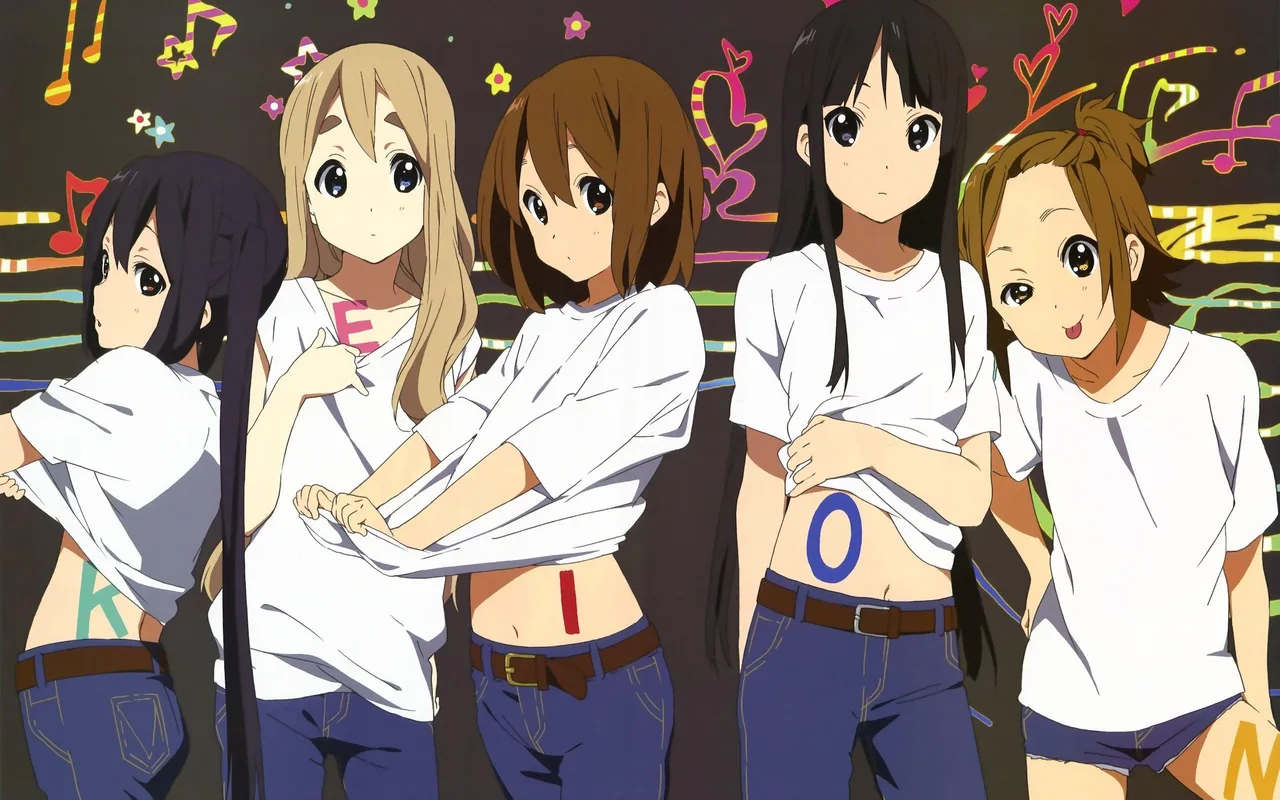
K-On!
A warm, gently comedic four-panel manga following four high school girls who keep their Light Music Club alive through tea, friendship and the slow joy of learning to play together.
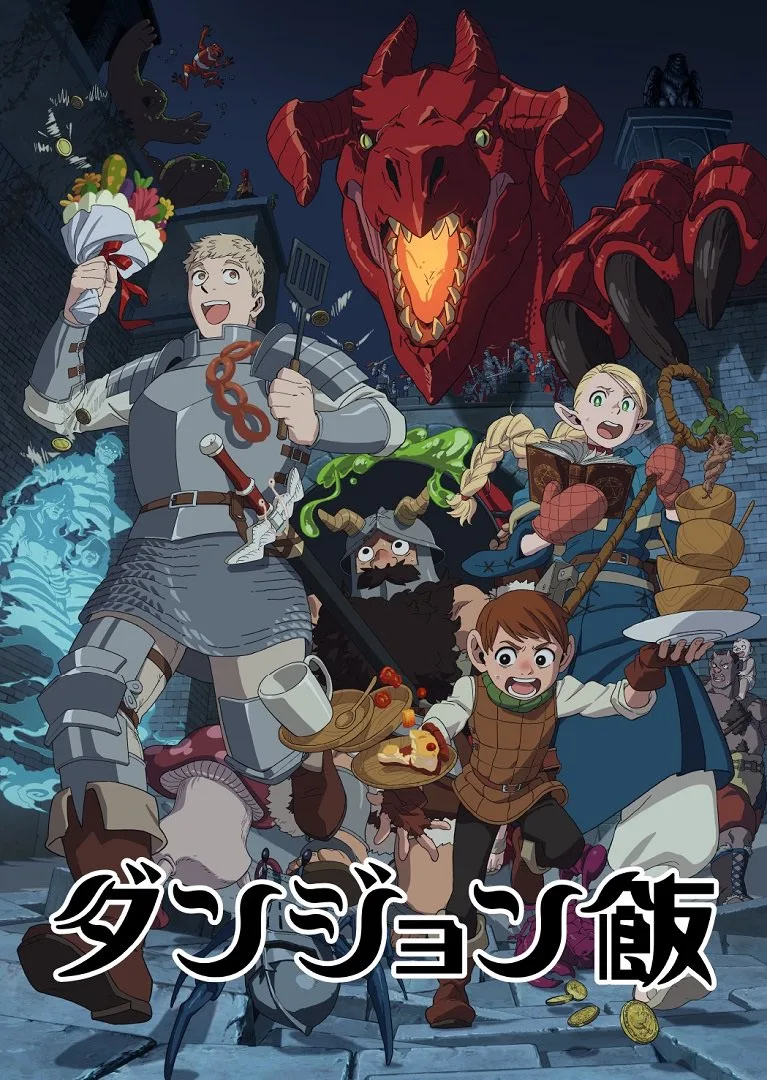
Delicious in Dungeon
A fantasy adventure comedy following an adventuring party that cooks and eats the monsters of a vast dungeon while racing to rescue their friend Falin. Created by Ryoko Kui.
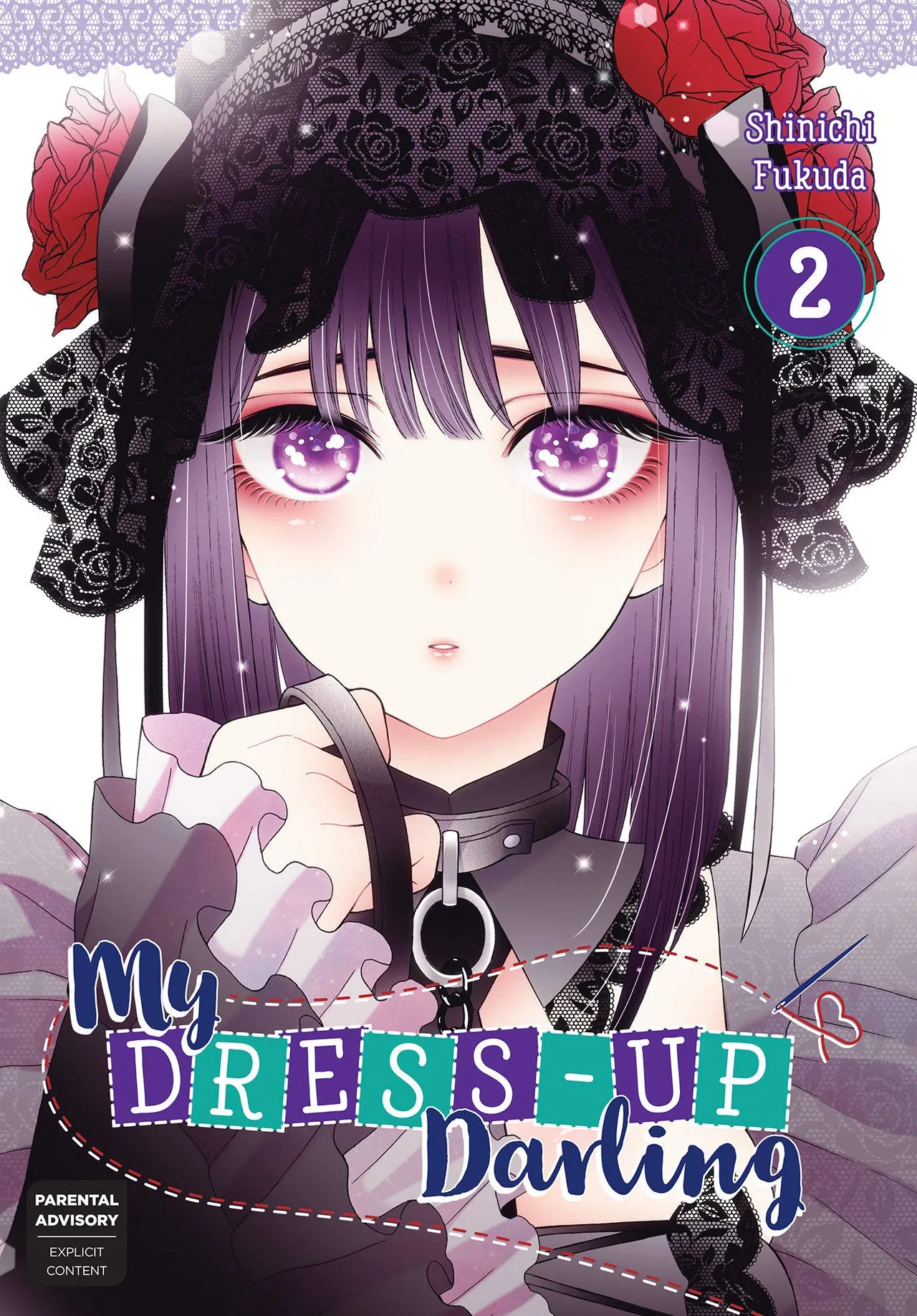
My Dress-Up Darling
My Dress-Up Darling is a seinen romance manga by Shinichi Fukuda about Wakana Gojo, a quiet apprentice hina-doll craftsman, who helps Marin Kitagawa, an outgoing and popular classmate, bring her favorite characters to life through cosplay. Their shared craft gradually blossoms into a tender, heartfelt romance.
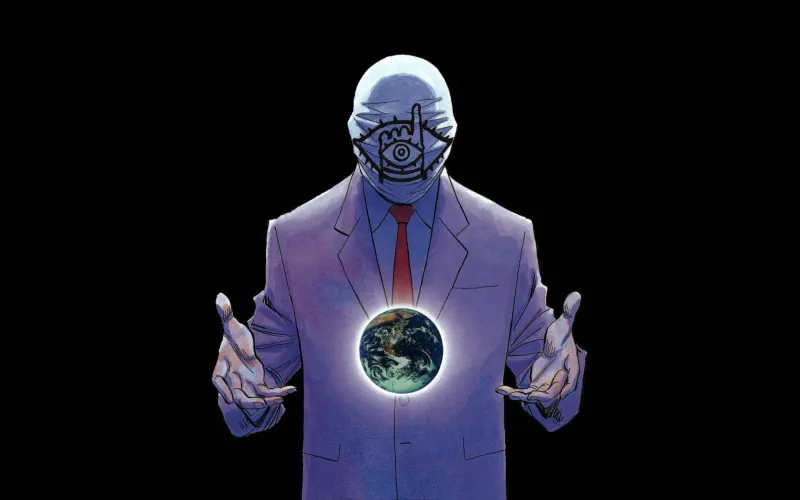
20th Century Boys
A sprawling mystery-thriller manga spanning decades, following childhood friends confronting a prophecy they created.
Related Articles
All articles
Best Manga by Genre: The Ultimate 2026 Reading Guide (Shonen, Shojo, Seinen, Josei)
Comprehensive manga genre guide featuring best series by demographic and genre. From action shonen to mature josei, find your next read organized by taste and preference.

Top 20 Best Seinen Manga of All Time
Explore the greatest seinen manga crafted for adult audiences with mature themes, complex narratives, and artistic excellence.

Shonen vs Seinen Manga: What's the Difference and Which Should You Read?
Understand the key differences between Shonen and Seinen manga. Compare themes, art styles, storytelling approaches with examples of each.