K-On!
A warm, gently comedic four-panel manga following four high school girls who keep their Light Music Club alive through tea, friendship and the slow joy of learning to play together.
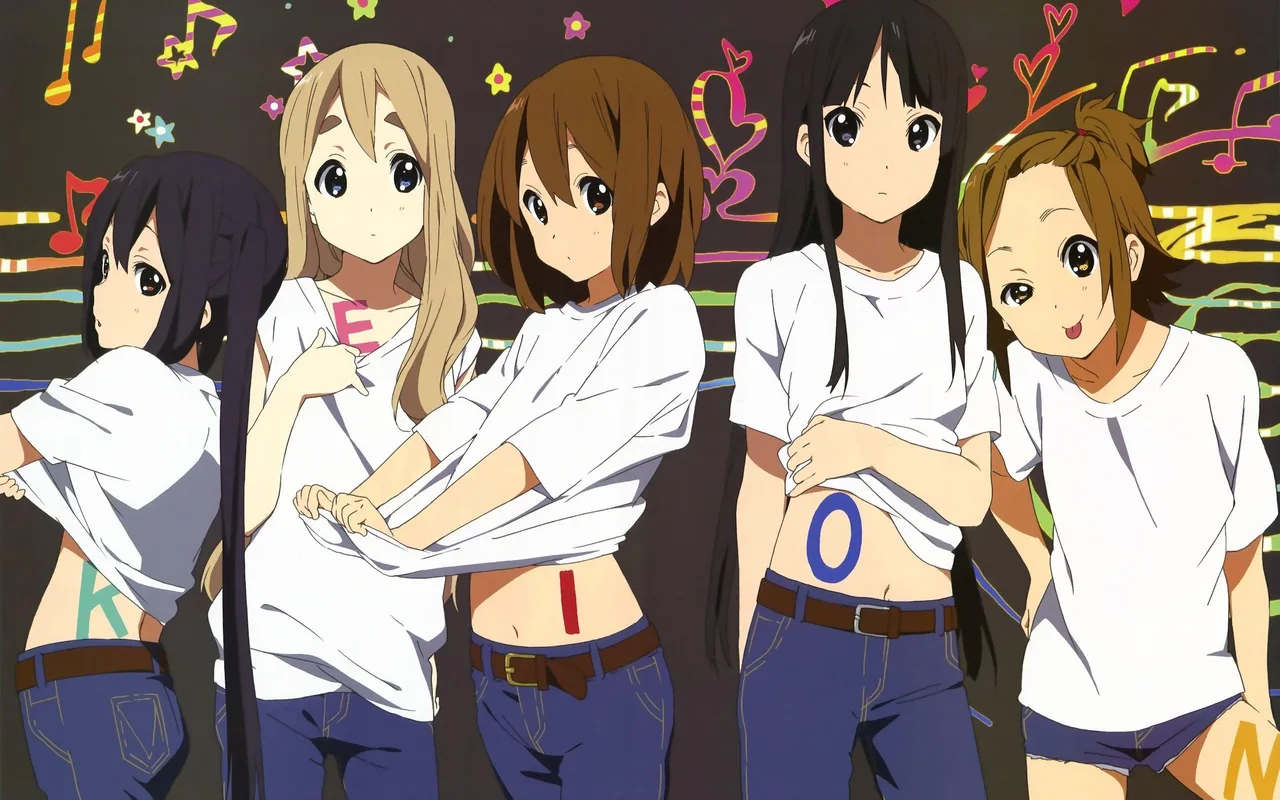
All K-On! Story Arcs in Order
| # | Arc |
|---|---|
| 1 | Forming the Light Music Club |
| 2 | First Performances and the School Festival |
| 3 | Azusa Joins and the Second Year |
| 4 | Final Year and Graduation |
| 5 | College and After High School |
Four Chords and Endless Tea
K-On! is, on paper, a manga in which almost nothing happens. Four high school girls keep a nearly-defunct music club alive, drink an enormous amount of tea, eat cake, and occasionally remember to rehearse. There is no rival to defeat, no tournament to win, no tragedy to overcome. And yet kakifly’s gentle four-panel comedy became one of the most influential manga of its era — the work that helped define an entire genre and, through its Kyoto Animation adaptation, reshaped how an industry thought about slice-of-life. Its secret is that the “nothing” is the point: K-On! is about the ordinary, unrepeatable warmth of being young with your friends before the world asks anything serious of you.
Serialized in Houbunsha’s Manga Time Kirara magazines from 2007, the original run spans four compact volumes, later extended by parallel “College” and “Highschool” continuations. It is short, light, and deliberately low-stakes, and it has outlasted countless flashier series precisely because of that.
The Format: Four Panels at a Time
K-On! is a yonkoma manga — a four-panel comic strip format with a long history in Japanese publishing, traditionally used for gag comics. Manga Time Kirara, the magazine line that ran it, specialized in yonkoma about cute girls in everyday settings, and K-On! became the line’s breakout hit. The format shapes everything about the series’ rhythm: scenes are built as small, self-contained beats — a joke about Yui forgetting her guitar, a panel of Mugi pouring tea — rather than sweeping dramatic arcs. This is why the manga can feel almost plotless and still be deeply satisfying. It is structured for accumulation, not escalation, and the affection it builds for its cast comes from hundreds of tiny, observed moments rather than any single climax.
A Plot Without Stakes — On Purpose
The narrative, such as it is, follows the founding of the Light Music Club at Sakuragaoka High School and the band the girls form within it, Ho-kago Tea Time (After School Tea Time). Yui Hirasawa joins having never held an instrument; Ritsu drums and drags along the shy bassist Mio; the wealthy Mugi supplies keyboards and pastries. Later the disciplined first-year Azusa arrives expecting a serious band and finds a tea club with instruments. The “drama” is stage fright at the culture festival, the looming entrance exams of the final year, and the quiet ache of graduation, when the seniors must leave Azusa behind.
What gives this featherlight premise its staying power is the undercurrent of impermanence. The girls know their time together is finite, and the manga’s tenderest moments come from their deliberate effort to make memories — writing songs as parting gifts — before the club they love disperses. K-On! understands that the comfort and the sadness are the same feeling viewed from different angles.
The Kyoto Animation Phenomenon
K-On!‘s cultural footprint is inseparable from its anime. Kyoto Animation adapted the series in 2009 (first season), 2011 (the second season, K-On!!), and a 2011 feature film, all directed by Naoko Yamada — who would later make A Silent Voice. Yamada’s adaptation did something the source could not: it slowed the four-panel gags into flowing, observational animation, lavishing attention on body language, light, and small gestures until the girls felt fully alive. The anime arrived at the crest of the late-2000s “moe” boom and became its defining title, a commercial juggernaut that sold extraordinary quantities of merchandise and home video.
The “K-On! Effect”: When a Manga Sold Real Guitars
Few manga have produced a measurable real-world economic effect, but K-On! did. Because the characters play carefully depicted, real instruments — Yui’s Gibson Les Paul, Mio’s Fender bass, Mugi’s Korg keyboard — the franchise’s popularity drove a documented surge of interest in those specific models, with retailers and manufacturers noting spikes in sales of the guitars the girls played. Ho-kago Tea Time’s songs were credited to the voice actresses and released as real singles that charted near the top of Japan’s Oricon rankings, an unusual feat for a fictional band. And Toyosato Elementary School in Shiga Prefecture, the real building that inspired Sakuragaoka High, became a pilgrimage destination for fans, boosting local tourism for years. For a series about a club that barely practices, K-On! had a remarkable habit of inspiring people to actually pick up an instrument.
A Genre-Defining Slice of Life
K-On! is one of the foundational texts of what English-speaking fans call “cute girls doing cute things” — the relaxing, conflict-light slice-of-life mode that flourished in its wake. Its influence runs through later club-and-hobby comedies and through the broader iyashikei (“healing”) tradition of stories designed to soothe rather than thrill. Readers who respond to its warmth often enjoy Bocchi the Rock!, a spiritual successor that pairs the same band-club premise with a sharper comedic edge and a socially anxious protagonist. The genre’s appeal is exactly what K-On! perfected: the pleasure of spending time with people you have grown to love, with nothing more urgent at stake than whether there will be cake.
Volumes and Continuations
The core story is complete in four volumes, published in English by Yen Press. kakifly followed it with two continuation lines — the “College” storyline tracking Yui, Mio, Ritsu and Mugi at university, and the “Highschool” storyline following Azusa as she keeps the club alive for a new generation — which round out the cast’s lives beyond graduation. The brevity makes K-On! an easy, low-commitment read, and a natural pairing with the Kyoto Animation anime. Check Amazon for the volumes and the continuation series.
Frequently Asked Questions
How many volumes is the K-On! manga?
The main K-On! story is four volumes. kakifly then continued the cast’s lives in two parallel follow-up series — “College” and “Highschool” — usually collected as additional volumes, so a complete collection runs longer than the core four.
Is the manga or the anime better?
They serve different purposes. The manga is a brisk, gag-focused four-panel comedy, while Naoko Yamada’s Kyoto Animation adaptation expands the same material into slower, emotionally richer animation. Many fans consider the anime the definitive version, but the manga offers the original jokes and a faster read.
Do the characters play real instruments?
Yes, and this is part of K-On!‘s legacy. The band uses faithfully depicted real-world instruments — Yui’s Gibson Les Paul being the most iconic — and the series is widely credited with boosting real sales of those models and inspiring fans to take up music.
Is K-On! a “cute girls doing cute things” series?
It is one of the genre’s defining works. K-On! is a low-conflict, comforting slice-of-life about friendship and a school music club, and it helped popularize the relaxing, character-driven style that many later club comedies followed.
Do I need to be a musician to enjoy it?
Not at all. K-On! is about friendship and the feeling of high school far more than it is about technical musicianship. The band barely rehearses, and the appeal lies in the warmth of the characters and their afternoons together, not in the music theory.
K-On! Arc Guides
Forming the Light Music Club
Yui Hirasawa joins the struggling Light Music Club at Sakuragaoka High School, and the four founding members come together to keep it from being disbanded.
First Performances and the School Festival
Ho-kago Tea Time prepares for its earliest live shows, culminating in nervous but heartfelt performances at the school cultural festival.
Azusa Joins and the Second Year
A talented underclassman, Azusa Nakano, joins as a second guitarist, bringing real discipline and a fresh perspective to the easygoing club.
Final Year and Graduation
In their last year of high school, the founding members balance entrance exams, future plans and a determination to give Azusa and the club a proper send-off.
College and After High School
Follow-up volumes split the cast between Yui's group at university and Azusa keeping the high school club alive, extending the story beyond graduation.
Anime Adaptation
Full guideMovies
All moviesK-On! Merchandise
Read manga free with Amazon Prime
30-day free trial: free shipping, Prime Reading, Kindle, Prime Video and more.
Affiliate link. 30-day free trial for new members. Then $14.99/month — cancel anytime.
FAQ: K-On!
You May Also Like
All manga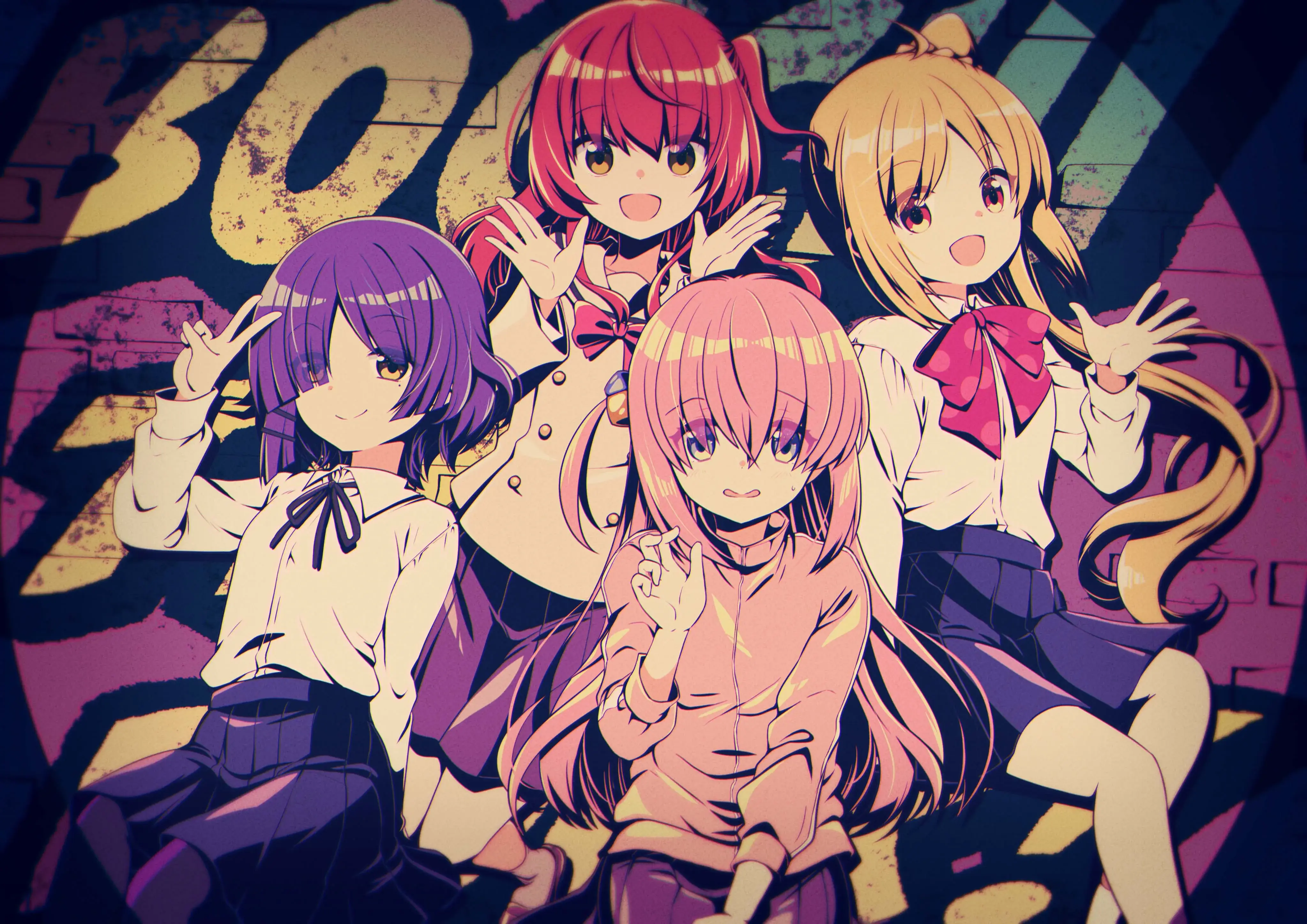
Bocchi the Rock!
A charming comedy-music manga about a shy introverted girl discovering confidence and friendship through rock band experiences.

My Dress-Up Darling
My Dress-Up Darling is a seinen romance manga by Shinichi Fukuda about Wakana Gojo, a quiet apprentice hina-doll craftsman, who helps Marin Kitagawa, an outgoing and popular classmate, bring her favorite characters to life through cosplay. Their shared craft gradually blossoms into a tender, heartfelt romance.

Blue Period
An ongoing seinen coming of age manga by Tsubasa Yamaguchi about Yatora Yaguchi, a high school student who discovers a passion for painting and aims to enter the prestigious Tokyo University of the Arts.
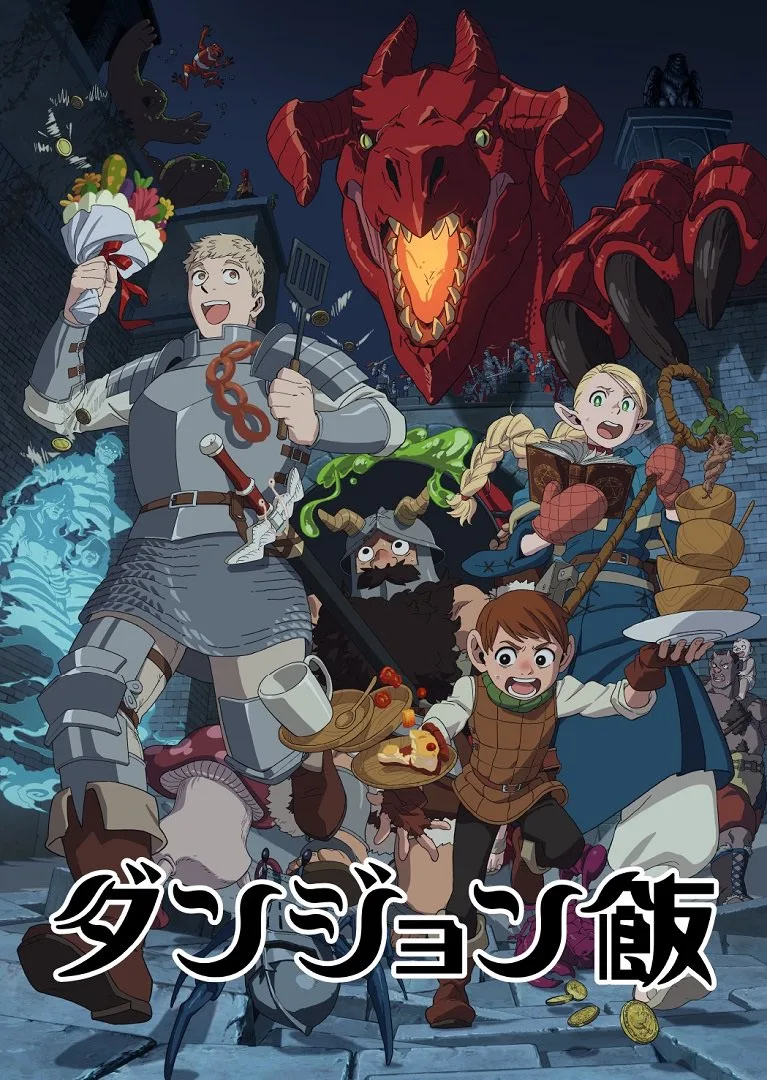
Delicious in Dungeon
A fantasy adventure comedy following an adventuring party that cooks and eats the monsters of a vast dungeon while racing to rescue their friend Falin. Created by Ryoko Kui.
Related Articles
All articles
Best Manga by Genre: The Ultimate 2026 Reading Guide (Shonen, Shojo, Seinen, Josei)
Comprehensive manga genre guide featuring best series by demographic and genre. From action shonen to mature josei, find your next read organized by taste and preference.

Top 20 Best Seinen Manga of All Time
Explore the greatest seinen manga crafted for adult audiences with mature themes, complex narratives, and artistic excellence.

Shonen vs Seinen Manga: What's the Difference and Which Should You Read?
Understand the key differences between Shonen and Seinen manga. Compare themes, art styles, storytelling approaches with examples of each.