Blue Lock
A revolutionary sports manga about soccer that redefines the sport through individual genius and tactical brilliance.
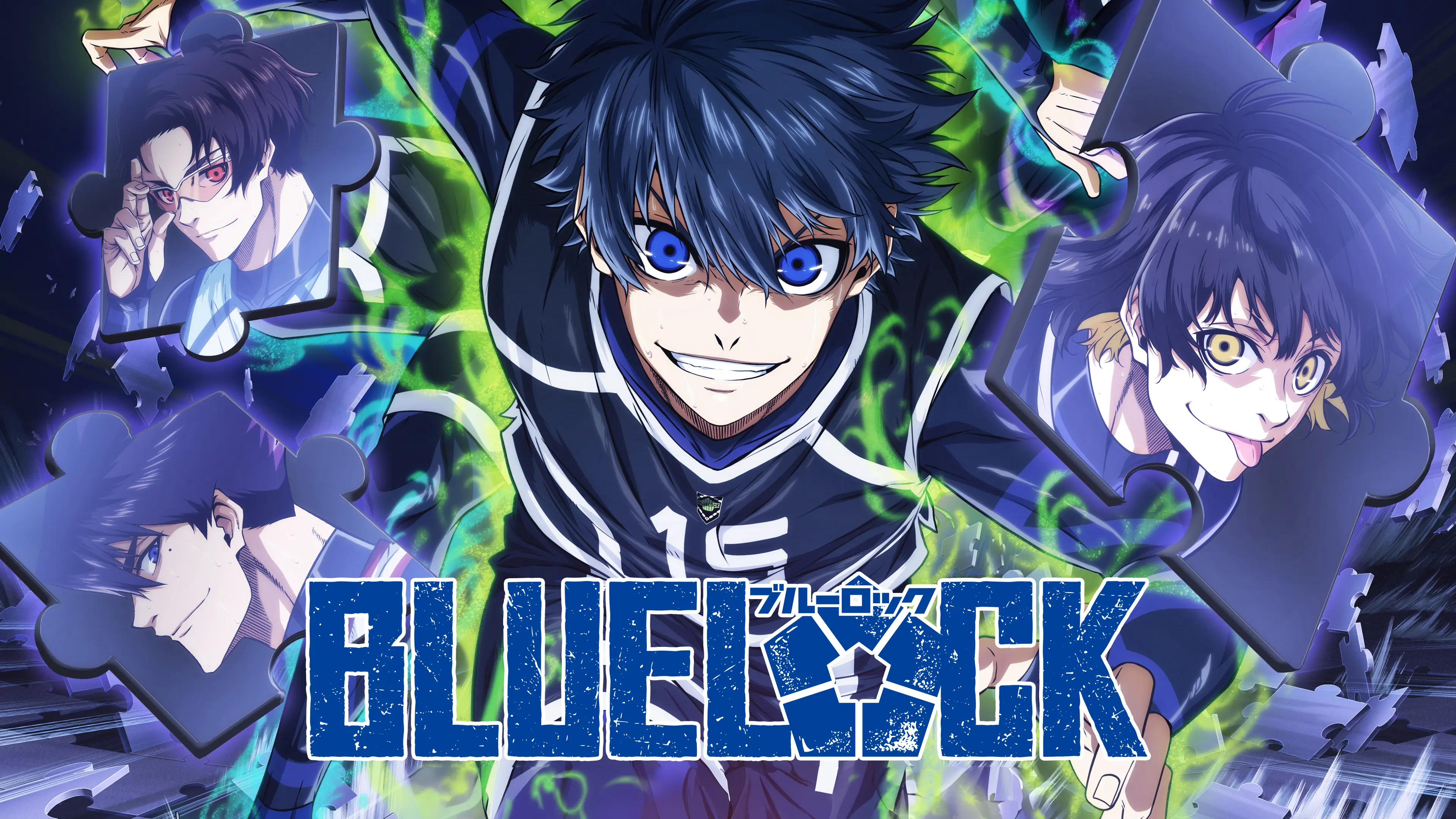
All Blue Lock Story Arcs in Order
| # | Arc |
|---|---|
| 1 | Blue Lock Program First Selection |
| 2 | Second Selection Arc |
| 3 | U-20 Japan Match |
| 4 | Neo Egoist League |
| 5 | World Stage Arc |
Overview
Blue Lock stands as one of the most innovative and influential sports manga of the 2020s, fundamentally reshaping how the medium approaches team-based athletic narratives. Created by writer Muneyuki Kaneshiro and artist Yusuke Nomura, this manga debuted in 2018 and has rapidly accumulated over 29 volumes of collected chapters. Published by Kodansha, one of Japan’s largest and most prestigious manga publishers, Blue Lock benefits from professional distribution networks and editorial support that have facilitated its explosive international growth.
With an impressive 8.6/10 rating across major manga platforms, Blue Lock has transcended typical sports manga audience expectations to appeal to broader demographics including action enthusiasts, strategy-game fans, and character-driven narrative appreciators. The series’ strategic depth and unconventional approach to sports storytelling attracted readers who might otherwise dismiss sports manga as niche content. The anime adaptation, beginning in 2022, successfully expanded the fanbase exponentially, introducing millions of viewers to the series’ unique philosophy and compelling character dynamics.
What distinguishes Blue Lock from traditional sports manga is its philosophical framework. Rather than emphasizing teamwork and collective harmony, the series celebrates individual talent, strategic thinking, and ego-driven motivation. This approach initially seems antithetical to team sports but creates fascinating internal conflicts as players must balance personal ambition with tactical cooperation. The manga doesn’t shy away from exploring the psychological aspects of competition, including fear, doubt, jealousy, and the pressure of constant improvement.
Story and Themes
Blue Lock follows Isagi Yoichi, a naturally talented but profoundly average youth soccer player who receives an unexpected invitation to a mysterious training facility. Rather than attending university soccer programs, Isagi joins Blue Lock, an experimental facility created by Japanese Football Association director Jinpachi Ego with a singular revolutionary goal: develop the world’s greatest striker by isolating individual genius and removing traditional team-based constraints.
The facility’s philosophy directly contradicts conventional soccer wisdom. Rather than emphasizing position roles and team cohesion, Blue Lock demands that each player develop distinctive, personal weapons that elevate them above peers. Players engage in elimination tournaments and small-sided matches where success depends on outthinking opponents, creating novel attacking opportunities, and executing strategies that exploit individual strengths rather than following predetermined plays. The facility is intentionally designed to foster competition among players who might otherwise be allies, creating an environment where collaboration and rivalry perpetually coexist.
Isagi’s character arc centers on discovering his unique attacking methodology and overcoming his tendency to rely on instinct and copying superior players. Initially, he lacks definable strengths compared to peers with specialized skills like powerful shots or superior speed. His journey involves recognizing that his primary weapon is tactical awareness and the ability to create unprecedented situations—he becomes the player who sees angles and opportunities that shouldn’t exist within normal game flow. This character development metaphorically explores how individuals can achieve excellence by identifying what makes them genuinely unique rather than attempting to copy successful models.
The thematic heart of Blue Lock examines what separates exceptional athletes from the merely talented. The series posits that true greatness requires not just technical skill or physical capability but psychological courage, creative thinking, and willingness to remain distinctive rather than conform to established paradigms. Secondary themes include the weight of responsibility, the psychology of competition, and whether collaborative success can be achieved through individuals pursuing personal excellence rather than collective harmony.
Main Characters
Isagi Yoichi serves as the protagonist and primary point-of-view character. Initially a well-rounded but unremarkable soccer player, Isagi enters Blue Lock seeking to discover what makes him special. His character arc progresses as he develops his unique tactical awareness and becomes increasingly confident in his unconventional attacking approach. Despite his relative lack of standout technical abilities, Isagi’s intelligence, work ethic, and psychological resilience make him consistently competitive against more naturally gifted players. His journey resonates with readers because he represents the achievable ideal—extraordinary results through understanding, determination, and self-discovery rather than inherited talent alone.
Sae Itoshi is Isagi’s principal rival and the player against whom much of his development is measured. Sae is a cold, calculating genius whose striking ability seems effortless, earned through years of international experience. His character evolves from apparent antagonist to complex rival whose single-minded pursuit of excellence mirrors Isagi’s journey while following a fundamentally different path. The relationship between Sae and Isagi provides the series’ central dramatic tension.
Reo Mikage is another central character whose initially sympathetic persona conceals deeper complexities. Reo possesses exceptional all-around talent and psychological intelligence, allowing him to quickly master Blue Lock’s philosophy. His rivalry with Isagi becomes one of the series’ most compelling dynamics, exploring how two players with different philosophical approaches to soccer and personal motivation ultimately clash. Reo’s character development explores themes of ego, insecurity beneath confidence, and the cost of ambition.
Hyoma Chigiri is an explosive winger whose past injury nearly ended his soccer career before Blue Lock provided rehabilitation and new purpose. His character arc centers on redemption and proving that setbacks don’t define capability. Despite possessing natural physical advantages, Chigiri must overcome psychological barriers and develop tactical maturity to compete at Blue Lock’s highest levels.
Bachira Meguru is a striker with apparently simple strength but hidden tactical depth. His enthusiastic personality and seemingly intuitive play style mask sophisticated understanding of space and positioning. Bachira’s character arc explores how natural intuition and technical learning can synthesize into transcendent ability.
Art Style
Yusuke Nomura’s artwork throughout Blue Lock represents sports manga illustration at an exceptionally high technical level. The soccer action sequences are rendered with dynamic perspective, strategic use of motion lines, and careful attention to anatomical realism. Nomura excels at illustrating complex ball dynamics and player positioning, making tactical elements visually clear even to readers with limited soccer knowledge. The artwork communicates positioning, spacing, and strategic concepts without requiring extensive dialogue explanation.
Character design demonstrates exceptional variety, ensuring each player looks distinctly different and memorable. From body type to facial features to costume elements, Nomura creates visual distinction that helps readers quickly identify characters during chaotic team scenes. Expression work is particularly strong, with subtle facial nuances communicating the psychological tension of high-stakes competition. A glance at a character’s expression instantly communicates confidence, doubt, fear, or determination.
The paneling and layout choices enhance tactical communication. During key plays, Nomura often employs segmented panels showing multiple perspectives simultaneously, allowing readers to understand spatial relationships and strategy deployment. Conversely, dramatic moments receive expansive panels that emphasize emotional weight. This variation in panel size and composition maintains visual momentum while preventing monotony.
Environmental designs capture soccer facilities with professional accuracy while maintaining visual interest. Training grounds, stadiums, and tactical spaces are rendered with enough detail to feel authentic without overwhelming the page. Special effects and visual metaphors for energy, momentum, and strategic concepts enhance the manga’s unique approach to sports storytelling. When describing tactical innovations, the artwork often includes visual representations of space, angles, and offensive formations that help readers intellectually engage with the game strategy.
Cultural Impact
Since its 2018 debut, Blue Lock has become a global phenomenon that transcended typical sports manga boundaries. The series resonated particularly strongly with international audiences who appreciated its strategic depth and psychological complexity. Japanese fans embraced the series enthusiastically, appreciating both its genuine soccer expertise and its philosophical exploration of individual excellence. The manga’s sophisticated approach to sports storytelling elevated the entire sports manga genre’s critical and popular perception.
The anime adaptation, beginning in 2022, proved transformative for Blue Lock’s cultural reach. The animated series brought the fast-paced soccer sequences to life with fluid animation and dynamic camera work, introducing millions of viewers to the franchise who would never have discovered the original manga. Anime fan communities on platforms like Twitter, Instagram, and YouTube created extensive fan art, edits, and discussions that maintained perpetual cultural visibility. The anime’s success demonstrated that sophisticated sports narratives could compete with action and fantasy genres for audience attention and engagement.
Merchandise sales for Blue Lock have been substantial and diverse. Beyond traditional manga merchandise, the franchise extends into trading cards, apparel, sports equipment, and collectibles. Notably, soccer equipment manufacturers began creating Blue Lock-branded products, representing unusual cross-pollination between manga and legitimate sports equipment industries. This merchandise diversity indicates the franchise’s broad appeal across demographics and consumer categories.
Gaming adaptations, including mobile games and console releases, extended Blue Lock into interactive entertainment. Players appreciated tactical game mechanics that allowed them to experience the strategic elements emphasized in the manga. Social media engagement around Blue Lock remains consistently high, with fan communities analyzing match strategy, creating match predictions, and producing creative content that keeps the franchise culturally relevant between official releases.
The series also influenced subsequent sports manga creators, demonstrating viable alternatives to traditional team-harmony narratives. Blue Lock proved that sports manga could explore psychological complexity, tactical sophistication, and character-driven narratives while maintaining broad appeal. The manga’s commercial success validated publisher investment in unconventional sports properties and encouraged creative experimentation within the genre.
Why You Should Read It
Blue Lock deserves consideration from any manga reader interested in sports narratives, strategic thinking, character development, or simply exceptional storytelling. If you’ve previously dismissed sports manga as formulaic or uninteresting, Blue Lock fundamentally challenges those preconceptions. The series proves that sports-focused narratives can deliver intellectual engagement, emotional depth, and character complexity rivaling any narrative genre.
The tactical and strategic elements of Blue Lock appeal to readers who enjoy chess, strategy games, or analytical thinking. Each match functions as a puzzle with multiple solutions, and watching characters develop solutions and anticipate opponents’ strategies provides intellectual satisfaction alongside entertainment. The series respects readers’ intelligence, avoiding oversimplification while remaining accessible to those with limited sports knowledge.
Character development throughout Blue Lock is exceptional. Individual character arcs explore themes of identity, ambition, insecurity, resilience, and self-discovery. Whether following Isagi’s journey toward confidence, Reo’s exploration of authentic motivation, or Sae’s pursuit of perfectionism, each character arc resonates emotionally. The series understands that genuine stakes arise from character growth rather than purely physical competition.
Blue Lock also excels at pacing and narrative progression. Despite ongoing serialization, the manga maintains clear direction and purposeful plot advancement. Matches are appropriately paced, neither dwelling excessively on minor encounters nor rushing through significant competitions. Tournament structures provide natural narrative progression while allowing character development to occur across multiple chapters.
The series’ philosophical framework about individual excellence and distinctive strength carries genuine appeal. Rather than suggesting readers must conform to established standards of success, Blue Lock celebrates finding what makes you personally unique and developing those qualities into genuine excellence. This message resonates particularly strongly with younger readers navigating their own journeys toward self-discovery.
Finally, Blue Lock represents contemporary manga at its finest. The collaboration between Kaneshiro’s sophisticated writing and Nomura’s exceptional artwork creates a product that showcases professional manga production standards. Kodansha’s support ensures consistent quality and professional translation. Reading Blue Lock connects you to modern manga culture and demonstrates what the medium can accomplish when creators combine technical skill with genuine artistic vision and innovative thinking.
The competitive structure throughout Blue Lock maintains consistent reader engagement through carefully designed tournament progression. Rather than simply advancing strong players while eliminating weak ones, the series creates scenarios where growth, innovation, and psychological resilience determine outcomes as much as innate talent. The tournament brackets force unexpected matchups that generate compelling narrative moments and allow secondary characters meaningful screen time. This tournament architecture ensures every match feels significant while preventing repetition or narrative stagnation.
Blue Lock’s international success demonstrates manga’s expanding global reach and appetite for sophisticated sports narratives. The series successfully appealed to both traditional manga audiences and viewers discovering anime for the first time, indicating broad narrative accessibility. The franchise’s ability to generate sustained engagement across multiple platforms—manga, anime, games, merchandise—demonstrates sophisticated multimedia strategy and genuine audience investment in the fictional soccer world and characters inhabiting it.
Story Arcs
arcs:
-
slug: blue-lock-selection name: Blue Lock Selection Arc summary: 300 elite Japanese youth soccer players enter Blue Lock facility for intensive competitive selection. Isagi joins expecting structured training but discovers Ego’s revolutionary philosophy emphasizing individual genius over teamwork. Early matches reveal distinctive player abilities while introducing the selection mechanism determining which strikers advance to higher levels. detailedSummary: |- The Blue Lock Selection Arc establishes the series’ foundational premise and unique philosophy. The Japanese Football Association, seeking to develop a world-class striker capable of winning international competition, created Blue Lock—an experimental training facility directed by the eccentric Jinpachi Ego. Rather than traditional team-based soccer development, Blue Lock embraces controversial philosophy: individual strikers must develop distinctive weapons, personal tactical approaches, and ego-driven motivation that elevate them above peers. This philosophy directly contradicts conventional soccer wisdom emphasizing position roles and team harmony.
Isagi Yoichi, an unremarkable youth soccer player invited to Blue Lock, enters the facility expecting conventional training. He discovers instead that he must develop unique attacking methodology and create situations that shouldn’t exist within normal game flow. His spatial awareness—his ability to recognize optimal positioning within complex field situations—becomes his distinctive weapon. This recognition that individual genius manifests through different capacities for different players drives the arc’s thematic focus.
The selection mechanism forces constant competitive elimination. Players engage in small-sided matches where success depends on outthinking opponents and creating unprecedented attacking opportunities. The tournament-style bracket structure generates frequent matches allowing character introduction and tactical innovation demonstration. Each match functions as puzzle with multiple solutions—players who discover novel approaches advance, while those relying on conventional methods face elimination.
Supporting characters introduced early establish diverse playing styles and psychological approaches. Reo Mikage, a naturally talented player whose wealth and social connections provide advantages, develops team-based tactical approach contrasting with Isagi’s analytical observation. Meguru Bachira, an intuitive player combining instinctive movement with hidden tactical sophistication, represents opposite approach to soccer understanding. The arc establishes that multiple pathways toward excellence exist—some through systematic analysis, others through instinctive understanding, still others through inherited talent.
The selection arc also introduces antagonism toward Blue Lock’s philosophy. Traditional soccer advocates argue that Ego’s emphasis on individual excellence undermines team cooperation necessary for legitimate competitive success. This philosophical tension persists throughout the series, creating ongoing debate regarding whether egoist strikers can ultimately succeed at highest competitive levels requiring genuine collaboration.
-
slug: second-selection name: Second Selection Arc summary: Survivors of initial selection advance to team-based battles requiring genuine collaboration despite Blue Lock’s ego-driven philosophy. Players discover that individual excellence alone cannot guarantee success when competing against coordinated team strategies. The arc introduces Rin Itoshi, a prodigious talent whose cold perfectionism and brother complex drive his motivation. detailedSummary: |- The Second Selection Arc transitions from individual competition toward team-based battles revealing complications within Ego’s philosophy. Players cannot succeed purely through individual genius when facing opponents employing coordinated tactical systems. This creates internal conflict: how can ego-driven strikers genuine ly collaborate while maintaining their distinctive personal philosophies? The arc explores whether compromise and collaboration are possible without surrendering the individual excellence Blue Lock emphasizes.
Rin Itoshi emerges as central antagonist in this arc. His prodigious talent—technically perfect, tactically sophisticated, emotionally controlled—represents ideal product of Blue Lock philosophy. Yet his motivation reveals hidden complexity: his older brother Sae, currently Spain’s top player, abandoned Rin in Japan years earlier. Rin’s single-minded pursuit of excellence derives not purely from personal ambition but from complex psychological drive toward surpassing his brother. His coldness and perfectionism mask deep emotional investment in proving himself superior to Sae.
The team matches force players to balance personal excellence with tactical cooperation. Isagi discovers that his analytical approach can enhance teammate performance while simultaneously developing his own capabilities. Bachira’s intuitive playing style finds complementary teammates, though his emotional difficulty with genuine collaboration creates ongoing tension. These matches establish that Blue Lock’s philosophy, while emphasizing individual excellence, ultimately requires cooperation—the distinction involves the why of cooperation (mutual benefit rather than subordination) rather than its necessity.
The arc introduces Oliver Aiku, Japan’s elite defensive player, whose tactical sophistication and psychological awareness establish him as serious rival. His presence establishes that defensive excellence deserves equal emphasis with striker development. The arc concludes with expanded player roster advancing toward higher competitive levels while remaining committed to Blue Lock’s individualist philosophy despite its complications.
-
slug: neo-egoist-league name: Neo Egoist League Arc summary: Corporate sponsorship elevates competition to professional level. Elite adult players participate alongside promising youth talent, creating unprecedented competitive intensity. Isagi and peers discover gaps between youth capability and professional-level excellence while developing tactical sophistication and psychological resilience necessary for elite competition. detailedSummary: |- The Neo Egoist League Arc escalates competitive stakes dramatically by introducing professional players alongside youth participants. Corporate sponsorship injects resources transforming Blue Lock from experimental facility toward genuine professional training ground. Professional strikers, while still emphasizing individual excellence, possess years of experience and tactical refinement exceeding youth players’ capabilities. This introduction of adult competition establishes realistic perspective regarding distance between youth promise and actual elite-level performance.
Isagi’s encounters with professional players force recognition that technical skill, tactical awareness, and psychological maturity require ongoing development. Professional players possess capabilities he hasn’t achieved despite his rapid growth. Their ability to maintain elite performance across match duration, their capacity to recover psychologically from setbacks, and their sophisticated tactical adaptation exceed youth-level play. Simultaneous recognition of both significant distance remaining and genuine progress already achieved creates thematic balance—growth is real yet incomplete.
The corporate sponsorship angle introduces external pressures beyond pure athletic competition. Companies investing in Blue Lock expect return on investment—successful striker development generating international-level players and potential World Cup contribution. This creates institutional pressure supplementing purely athletic motivation. Players must navigate competitive ambition alongside institutional obligation, adding psychological complexity.
Isagi’s distinctive spatial awareness becomes increasingly valuable as competition escalates. Professional players recognize the innovative approach he represents and respect his continued development. His collaboration with fellow youth players intensifies as they collectively challenge professional-level competition. The arc establishes patterns that intensify throughout the series: individual excellence facilitates rather than hinders genuine collaboration.
-
slug: u20-match name: U-20 Match Arc summary: Blue Lock strikers face Japan’s national Under-20 soccer team in high-stakes match. This competition represents direct validation of Blue Lock’s philosophy against conventional national team training approach. The match serves as ultimate competition test within Japan’s soccer context before international competition. detailedSummary: |- The U-20 Match Arc represents climactic competition within domestic Japanese context. Rather than continuing internal Blue Lock competition, players face Japan’s established national team—trained through conventional methods emphasizing teamwork and position specialization. This match directly pits Blue Lock’s ego-driven philosophy against traditional soccer wisdom. International observers recognize the match’s significance regarding whether Ego’s revolutionary approach produces genuinely superior players.
The match’s structure emphasizes collective Blue Lock striker capability against coordinated national team system. Individual Blue Lock players face multiple national team opponents simultaneously, creating situations requiring both personal excellence and tactical adaptation. Their success depends on recognizing opportunities others miss while simultaneously contributing to team victory. The match itself becomes meta-commentary on Blue Lock’s philosophy: can ego-driven individuals achieve genuine team success?
Isagi’s performance validates both his personal development and Blue Lock’s overall approach. His spatial awareness allows him to recognize and exploit defensive gaps that conventional players miss. His teammates’ distinctive weapons—Bachira’s intuitive dribbling, Chigiri’s speed, others’ specialized capabilities—prove collectively formidable despite their competitive origins. The match concludes with Blue Lock victory, suggesting Ego’s philosophy produces competitive advantage at national team level.
The match also introduces international scouting interest. European and other international teams recognize developing talent worth recruitment. This international attention establishes foundation for subsequent narrative progression toward global competition. The arc concludes with Blue Lock strikers established as Japan’s most promising generation, though they remain unproven internationally.
-
slug: world-five name: World Five Arc summary: Blue Lock invites five international players from top global academies representing diverse playing styles and national traditions. These elite international competitors establish global competitive context and reveal gaps between Japanese development and world-class soccer culture. Players face opponents trained in fundamentally different soccer philosophies. detailedSummary: |- The World Five Arc introduces genuinely elite international talent establishing global competitive context. Five players—representing top soccer academies across Europe and other regions—compete against Blue Lock strikers. These international players possess tactical sophistication, technical proficiency, and psychological conditioning refined through international competition. Their playing styles reflect distinct national soccer traditions and academy philosophies, creating tactical diversity beyond Blue Lock’s Japan-focused development.
Isagi’s encounters with world-class strikers establish realistic assessment of international competitive level. While Blue Lock’s philosophy generates innovative individual players, international soccer culture produces equally capable players developed through different methodologies. The international players’ respect for Blue Lock’s distinctive approach and Isagi’s capabilities suggests that excellence exists across different philosophical frameworks rather than single superior method.
Kaiser Michael, elite German striker and protagonist rival from this arc onward, represents technically perfect egoism refined through European tradition. His coldness and tactical perfection—distinct from yet comparable to Rin’s approach—establish multiple pathways toward elite striking capability. His matches against Isagi explore whether Japanese innovation can compete with European refinement, or whether synthesis of approaches produces optimal results.
The arc culminates in international match establishing Blue Lock strikers as legitimate world-class talent. Their performance against elite international competitors validates Ego’s philosophy within genuine global context. Yet the matches simultaneously suggest that world-class soccer requires synthesis of multiple approaches: individual excellence, tactical innovation, technical refinement, and psychological preparation all prove essential. The arc concludes with Blue Lock graduates recruiting opportunities at elite European clubs, progressing narrative toward international professional competition.
-
slug: bundesliga name: Bundesliga Arc summary: Isagi and other Blue Lock graduates sign professional contracts with German Bundesliga clubs, competing at highest professional level. This arc represents transition from academy training toward sustained professional career requiring continuous adaptation and refinement. International professional competition reveals ongoing growth opportunities despite elite status. detailedSummary: |- The Bundesliga Arc represents narrative culmination and transition toward professional maturity. Isagi signs with Bastard München, a Bundesliga club competing at Germany’s highest competitive level. Professional soccer differs fundamentally from academy training: matches occur within established team systems with defined tactical structures and role expectations. Isagi must balance his distinctive spatial awareness and ego-driven approach against team’s strategic requirements and coaching philosophy.
Professional competition establishes permanent context for ongoing player development. Rather than progressing through tournament brackets or academy selections, professional players face consistent weekly matches where performance determines playing time and career progression. Sponsorship obligations, media attention, and institutional pressure supplement purely athletic motivation. The career dimension of professional competition introduces stakes beyond individual growth—contractual agreements, team loyalty obligations, and financial considerations complicate pure athletic ambition.
Isagi’s teammates from Blue Lock pursuing professional careers across various European clubs establish network of former academy competitors scattered across international context. Their occasional matches and encounters sustain connections developed during Blue Lock training while establishing new competitive context. Each player’s professional adaptation reveals different approaches to transitioning from academy training toward established professional roles.
Kaiser Michael emerges as primary rival at professional level, their Bundesliga encounters representing extended rivalry across seasons. Their competitive relationship becomes increasingly sophisticated as both players develop professional experience and tactical adaptation. Continued rivalry combined with mutual respect establishes mature competitive relationship transcending pure antagonism.
The arc emphasizes that excellence represents continuous journey rather than completed achievement. Even elite professional players experience setbacks, require adjustment to tactical systems, and must maintain competitive growth to sustain elite status. Isagi’s continued development despite his established capability and professional success demonstrates realistic portrayal of athletic achievement—success requires ongoing commitment rather than representing permanent status.
Main Characters
characters:
-
slug: yoichi-isagi name: Yoichi Isagi role: protagonist description: |- Yoichi Isagi functions as Blue Lock’s protagonist and primary perspective character. His initial characterization emphasizes unremarkable soccer player status combined with unusual analytical capability. While his technical abilities appear ordinary and his athletic attributes merely competent, his distinctive weapon becomes spatial awareness—his capacity to recognize optimal positioning and create unprecedented situations within field geometry. This analytical approach to soccer, while unconventional, proves competitively viable against more technically talented opponents when combined with genuine tactical thinking.
Isagi’s character development involves gradual confidence in his distinctive approach. Initial self-doubt regarding whether his analytical method constitutes genuine excellence yields to recognition that individual greatness manifests through different capacities. His continued technical development alongside tactical refinement establishes him as well-rounded player rather than one-dimensional specialist. His willingness to collaborate without surrendering his individual approach becomes his psychological maturation throughout the series.
His relationships with teammates evolve from purely competitive antagonism toward genuine respect and collaboration. His recognition that his spatial awareness enhances rather than conflicts with teammates’ distinctive weapons allows him to balance individual excellence with genuine teamwork. This integration of ego and collaboration represents the series’ thematic core expressed through his character development.
appearsIn:
- blue-lock-selection
- second-selection
- neo-egoist-league
- u20-match
- world-five
- bundesliga
groups:
- blue-lock-facility
- japan-football-union
- bastard-munchen
bio: |- Isagi’s background before Blue Lock involves conventional youth soccer development through school and regional programs. His unremarkable status—competent but not exceptional—positioned him as typical player unlikely to achieve professional-level success. His invitation to Blue Lock represented unexpected opportunity to develop within Ego’s revolutionary facility. His subsequent rapid development and tactical sophistication represent genuine growth rather than hidden talent suddenly manifesting.
His professional career at Bastard München establishes him as legitimate elite-level striker capable of sustaining success within Europe’s most competitive leagues. His continued growth despite professional achievement suggests ongoing development potential and commitment to excellence. His integration into professional team system while maintaining his distinctive analytical approach represents successful balance between individual excellence and institutional role.
-
slug: rin-itoshi name: Rin Itoshi role: deuteragonist description: |- Rin Itoshi represents prodigious talent whose coldness masks profound emotional complexity. His technical perfection and tactical sophistication establish him as Blue Lock’s ideal product—a player whose excellence derives from both innate capability and systematic development. Yet his motivation reveals hidden psychological drives: his brother complex regarding older brother Sae’s superior international status generates determination to surpass and validate himself through elite achievement. His coldness masks emotional investment rather than genuine emotional absence.
Rin’s character arc involves gradual recognition that pure perfectionism cannot satisfy the underlying emotional needs driving his ambition. His encounters with Isagi and other players whose excellence manifests through different approaches challenge his conviction that single optimal pathway exists toward greatness. His potential character development toward emotional integration alongside maintained excellence remains compelling narrative thread extending beyond currently serialized material.
appearsIn:
- second-selection
- neo-egoist-league
- u20-match
- world-five
groups:
- blue-lock-facility
- japan-football-union
bio: |- Within Blue Lock Rin consistently ranks among the highest-rated players, his all- round striking ability setting the standard others chase. His defining wound is his fractured bond with his brother Sae: what began as worship curdled into a vow to surpass and humiliate him, and that obsession shapes his self-sufficient, emotionally walled style of play. As the Neo Egoist League and inter-team battles unfold, Rin is forced into confrontations that test whether victory earned alone can satisfy him, and whether the hatred driving him is sustainable. His clashes with Isagi and others gradually pressure his belief that connection is weakness, making his arc one of the series’ most compelling studies of ambition and brotherhood.
-
slug: sae-itoshi name: Sae Itoshi role: antagonist description: |- Sae Itoshi, Rin’s older brother and currently Spain’s top player, represents international elite accomplishment. Though primarily appearing through indirect reference and brief encounters, his presence motivates much of Rin’s character development. His international success and subsequent abandonment of Rin established psychological trauma defining Rin’s competitive drive. His character suggests that international excellence, while achievable, carries personal costs and emotional complications.
appearsIn:
- world-five
groups:
- spain-football
bio: |- Sae achieved remarkable international success through elite Spanish team development. His progression from Japanese youth soccer toward Spanish professional system represents unusual international career path. His decision to remain in Spain rather than maintaining family relationships with Rin established trauma driving Rin’s subsequent psychological development. His current elite status represents the achievement Rin simultaneously seeks and resents.
-
slug: rensuke-kunigami name: Rensuke Kunigami role: supporting description: |- Rensuke Kunigami represents power striker whose initial strong moral compass undergoes radical transformation throughout the series. His physical capability and aggressive playing style establish him as formidable striker. His character development involves moral compromise and psychological adaptation to Blue Lock’s ego-driven philosophy. His journey explores whether individual excellence requires sacrificing ethical considerations or whether excellence and morality can coexist.
appearsIn:
- blue-lock-selection
- second-selection
- neo-egoist-league
groups:
- blue-lock-facility
- japan-football-union
bio: |- Kunigami enters Blue Lock with strong personal values and moral convictions. His initial resistance to ego-driven philosophy stems from genuine belief that soccer requires teamwork and ethical conduct. His subsequent adaptation to Blue Lock’s approach involves gradual compromise of initial principles through recognition that competitive success requires psychological ruthlessness. His character arc explores costs of pursuing elite achievement when such pursuit demands ethical sacrifice.
-
slug: meguru-bachira name: Meguru Bachira role: supporting description: |- Meguru Bachira represents intuitive soccer genius whose apparently simple straightforward approach masks sophisticated tactical understanding. His playing style emphasizes dribbling excellence and instinctive movement creating unprecedented situations. Beneath his joyful personality lies emotional complexity regarding his distinctive playing approach and struggle with genuine collaboration. His character explores whether intuitive excellence can integrate with systematic tactical thinking and genuine teamwork.
appearsIn:
- blue-lock-selection
- second-selection
- neo-egoist-league
- u20-match
- world-five
groups:
- blue-lock-facility
- japan-football-union
bio: |- Bachira’s background involves solitary soccer development through personal practice and intuitive understanding rather than systematic training. His development of dribbling excellence occurred through individual experimentation rather than coached technique. His integration into structured team environment requires psychological adaptation allowing his intuitive approach to enhance rather than conflict with team tactical systems. His character represents possibility that different learning styles and approaches coexist within elite competition.
-
slug: hyoma-chigiri name: Hyoma Chigiri role: supporting description: |- Hyoma Chigiri represents speed-based striker whose career nearly ended through serious knee injury. His character arc centers on physical rehabilitation and psychological recovery from career-threatening setback. His return to elite competition despite ongoing physical limitations demonstrates psychological courage and commitment to excellence. His presence explores whether injury and limitation can motivate rather than defeat athletic ambition.
appearsIn:
- blue-lock-selection
- second-selection
- neo-egoist-league
- u20-match
- world-five
groups:
- blue-lock-facility
- japan-football-union
bio: |- Chigiri’s previous career involved promise as speed-based striker before serious knee injury threatened permanent competitive elimination. His rehabilitation through Blue Lock facility combined physical recovery with psychological adaptation to ongoing physical limitations. His acceptance of modified capability while maintaining elite ambition demonstrates maturity regarding realistic self-assessment alongside continued excellence pursuit. His professional career continuation despite physical compromise suggests that adaptation and resilience matter alongside pure athleticism.
-
slug: seishiro-nagi name: Seishiro Nagi role: supporting description: |- Seishiro Nagi represents effortlessly talented receiving specialist recruited by Reo Mikage. His natural ability appears to exceed even elite Blue Lock strikers, yet his character development involves transformation from passive talent recipient toward genuine striker with personal ambition. His journey explores whether inherited talent alone determines competitive capability or whether psychological engagement and personal motivation prove essential for sustained excellence.
appearsIn:
- second-selection
- neo-egoist-league
- u20-match
groups:
- blue-lock-facility
- japan-football-union
bio: |- Nagi enters Blue Lock through Reo’s recruitment rather than through initial competitive selection. His exceptional talent allowed him to succeed despite late entry and unconventional development path. His gradual transformation from receiving specialist toward independent striker demonstrates psychological maturation alongside continued technical excellence. His character represents possibility that talent alone, while valuable, requires psychological engagement and personal ambition to achieve full potential.
-
slug: reo-mikage name: Reo Mikage role: supporting description: |- Reo Mikage represents wealthy heir and fluid team player whose initial approach emphasizes collaborative adaptation. His character development involves transformation from accommodating team player toward egoist striker pursuing personal excellence. His journey explores whether individuals can reinvent themselves and develop new approaches after establishing different patterns. His wealth and privilege contrast with other players’ backgrounds, establishing socioeconomic diversity within Blue Lock.
appearsIn:
- second-selection
- neo-egoist-league
- u20-match
- world-five
groups:
- blue-lock-facility
- japan-football-union
bio: |- Mikage’s wealthy background provided advantages enabling comfortable life trajectory independent of athletic achievement. His entry into Blue Lock reflected choice rather than necessity, suggesting philosophical interest in soccer excellence rather than career obligation. His transformation from collaborative approach toward egoist philosophy demonstrates genuine psychological evolution rather than innate personality expression. His eventual professional career trajectory and personal philosophy regarding excellence represent ongoing character development.
-
slug: oliver-aiku name: Oliver Aiku role: supporting description: |- Oliver Aiku represents Japan’s elite defensive specialist whose tactical sophistication and psychological awareness establish him as formidable competitor. His presence within Blue Lock, despite being defender rather than striker, establishes that defensive excellence deserves equivalent emphasis with offensive capability. His rivalry with offensively-focused players demonstrates how different positions and approaches generate compelling competition. His character represents psychological maturity and tactical thinking extending beyond pure positional specialization.
appearsIn:
- second-selection
- neo-egoist-league
- u20-match
- world-five
groups:
- blue-lock-facility
- japan-football-union
bio: |- Aiku’s development emphasized defensive excellence rather than offensive capability. His tactical sophistication and psychological understanding of opponent motivation provide valuable perspective within striker-focused facility. His professional career and continued elite status despite defensive specialization demonstrate that excellence pathways extend across positional diversification. His character represents broader soccer excellence beyond pure striking capability.
-
slug: ego-jinpachi name: Ego Jinpachi role: supporting description: |- Ego Jinpachi represents Blue Lock’s eccentric founder and director. His revolutionary philosophy emphasizing individual genius over teamwork challenges conventional soccer wisdom. His willingness to implement unconventional training methodology and accept student failure suggests genuine belief in his approach’s validity. His character represents visionary leadership willing to pursue innovative thinking despite institutional resistance and skepticism. His ongoing role directing facility development represents commitment to philosophical ideals alongside pragmatic competitive results.
appearsIn:
- blue-lock-selection
- second-selection
- neo-egoist-league
- u20-match
- world-five
- bundesliga
groups:
- blue-lock-facility
- japan-football-union
bio: |- Backed by the Japanese Football Union as a radical experiment, Ego gathers three hundred high-school strikers and subjects them to an elimination program intended to forge a single supreme egoist. Throughout the series he observes, manipulates and refines his methods, treating the prospects as data in a grand hypothesis about what creates a match-winning forward. His philosophy proves both clarifying and dangerous, driving players to extremes that produce growth and breakdown in equal measure. As results accumulate, Ego adjusts his theories in response to how real players evolve, remaining the constant intelligence steering Blue Lock’s escalating challenges and the embodiment of its provocative central argument about ego and excellence.
-
slug: kaiser-michael name: Kaiser Michael role: antagonist description: |- Kaiser Michael represents Germany’s elite striker and Isagi’s primary international rival. His technical perfection, tactical sophistication, and arrogant confidence establish him as formidable competitor. His encounters with Isagi explore whether national soccer traditions and training methodologies produce equivalent excellence or whether innovation provides competitive advantage. His character represents European soccer excellence against which Japanese development is measured. His respect for genuinely capable opponents coexists with arrogance regarding his comparative superiority.
appearsIn:
- world-five
- bundesliga
groups:
- manshine-city
bio: |- Kaiser arrives in the Neo Egoist League as Bastard Munchen’s star, paired uneasily with the devoted Alexis Ness, and quickly fixates on Isagi as both threat and prey. His worldview, that supreme strikers are made through relentless will rather than gifted by nature, drives a controlling, individualistic style that produces spectacular results but resists genuine partnership. As Isagi adapts and begins to read and counter him, Kaiser is forced to confront the limits of a philosophy built purely on personal conquest. Their rivalry pushes both players to escalate, and Kaiser’s mix of brilliance, insecurity and ruthless ambition makes him one of the series’ most memorable antagonists during its club-football arcs.
-
slug: noel-noa name: Noel Noa role: supporting description: |- Noel Noa represents Isagi’s professional coach at Bastard München and former world’s best striker. His current coaching role allows him to mentor elite young players while sharing insights from his previous playing career. His characterization demonstrates that peak athletic achievement eventually yields to aging and role transitions. His mentorship relationship with Isagi provides valuable coaching perspective and institutional stability supporting player development within professional team system.
appearsIn:
- bundesliga
groups:
- bastard-munchen
bio: |- Noa’s previous elite striker career established him as world-class talent whose professional success created platform for subsequent coaching role. His transition from active playing career toward mentorship and coaching represents natural career progression for aging athletes. His expertise combined with institutional authority position him as crucial development facilitator for professional players. His character represents possibility that athletic excellence translates toward effective coaching and player development mentorship.
Groups
groups:
-
slug: blue-lock-facility name: Blue Lock Facility type: organization description: |- Blue Lock represents experimental training facility established by Japanese Football Association to develop elite striker through revolutionary methodology. Rather than traditional team-based soccer development, Ego’s facility emphasizes individual genius, personal excellence, and ego-driven motivation. The facility functions as prison-like environment where players engage in constant competitive selection with elimination determining continued participation. The facility’s distinctive philosophy challenges conventional soccer wisdom while simultaneously attracting elite youth talent seeking alternative development pathways.
The facility’s competitive structure generates continuous motivation through elimination mechanics. Unlike traditional team systems where established players maintain roles through seniority, Blue Lock requires sustained competitive excellence for continued participation. This creates intense psychological environment where complacency risks elimination. The facility simultaneously develops technical excellence through tactical innovation and psychological maturity through constant competitive challenge.
Blue Lock graduates establish themselves as elite talent capable of sustaining professional careers at international level. Their distinctive approaches—spatial awareness, intuitive dribbling, speed specialization, others—represent diverse pathways toward excellence cultivated through competitive development. The facility’s success in developing multiple world-class strikers validates Ego’s revolutionary approach while establishing Blue Lock as genuine alternative to conventional soccer development institutions.
-
slug: japan-football-union name: Japan Football Union type: organization description: |- The Japan Football Union represents institutional authority overseeing national soccer development and international competition. Their decision to fund Blue Lock facility demonstrates institutional willingness to pursue unconventional development approaches seeking to improve national competitive standing. The union’s role balances support for Blue Lock’s revolutionary philosophy against maintaining traditional national team systems and development infrastructure. Their institutional credibility provides legitimacy for Ego’s experimental approach while ensuring resource allocation toward striker development.
The union’s oversight role includes managing international competition participation and professional development of national talent. Their coordination with professional clubs regarding player recruitment and development represents important institutional function supporting pipeline from youth development toward professional careers. Their continued support for Blue Lock despite occasional institutional resistance and skeptical voices demonstrates genuine commitment to improving national soccer capability.
type: organization
-
slug: bastard-munchen name: Bastard München type: organization description: |- Bastard München represents German Bundesliga club employing Isagi and other elite young strikers. The club’s competitive position at Germany’s highest professional level establishes context for sustained elite competition. The club functions as professional institution providing financial resources, coaching expertise, and competitive opportunities necessary for continued player development. Club’s willingness to recruit promising international talent demonstrates openness to developing different approaches while maintaining competitive standard.
The club’s professional system, with established tactical structure and coaching philosophy, provides context for professional adaptation. Players must balance personal excellence against team tactical requirements while maintaining distinctive approaches. The club’s competitive success depends on integrating elite individual talents into coherent team system—a task requiring sophisticated coaching and institutional leadership. The club represents professional context where elite individual development continues within established team structures.
type: organization
-
slug: manshine-city name: Manshine City type: organization description: |- Manshine City represents rival Bundesliga club and Kaiser Michael’s professional team. The club’s competitive standing within Bundesliga establishes context for international professional competition. Kaiser’s presence on the club represents elite talent attraction and professional competitive positioning. The club’s rivalry with Bastard München provides ongoing competitive context for professional player matchups and team competition. The club represents professional institution competing against Isagi’s team in professional league context.
type: organization
Frequently Asked Questions
Is Blue Lock finished?
Blue Lock remains ongoing as of 2026, continuing publication of new chapters and arcs. The manga’s ongoing status means readers can follow Isagi’s journey and professional development in real-time. The series continues to expand its scope and introduce new competitive challenges, keeping the narrative fresh and engaging for dedicated followers.
How many volumes does Blue Lock have?
Blue Lock has published 30+ volumes as of 2026, with the series still actively serializing. New volumes continue releasing regularly as the story progresses through various competitive arcs. The number continues to grow as the manga remains one of the most popular ongoing sports series in the industry.
Is there an anime adaptation?
Blue Lock has two anime seasons produced by 8bit studio (2022 and 2024), plus an anime movie adaptation. The anime brings the intense soccer action and character development to vivid life through animation. Fans can enjoy both the manga and anime versions, which provide different perspectives on the same compelling story.
What is the age rating for Blue Lock?
Blue Lock is rated Teen/13+ for sports competition intensity, occasional rough language, and athletic action. The series focuses on competitive soccer matches and tactical strategies rather than violence. It’s appropriate for teenage audiences and younger fans with interest in sports competition and character-driven narratives.
Where can I buy Blue Lock manga?
Blue Lock manga volumes are available through Amazon (affiliate link: donidhernande-20), in both physical and Kindle digital formats. The series is published in English by Kodansha Comics and distributed through major booksellers. Digital versions are also available through specialized manga platforms for immediate access.
Blue Lock Arc Guides
Blue Lock Program First Selection
Isagi joins Blue Lock facility and competes in first elimination tournament to discover his unique weapon.
Chapters 1-50Second Selection Arc
Remaining players progress to second selection where they form teams and compete in more complex tactical scenarios.
Chapters 51-100U-20 Japan Match
Blue Lock players face Japan's U-20 national team in exhibition match testing real-world application of Blue Lock philosophy.
Chapters 101-150Neo Egoist League
Top players form semi-professional league where they compete in higher-stakes matches against professional opponents.
Chapters 151-200World Stage Arc
Blue Lock players progress to international competition representing Japan in world stage, competing against global strikers.
Chapters 201-PresentBlue Lock Merchandise
Read manga free with Amazon Prime
30-day free trial: free shipping, Prime Reading, Kindle, Prime Video and more.
Affiliate link. 30-day free trial for new members. Then $14.99/month — cancel anytime.
FAQ: Blue Lock
You May Also Like
All manga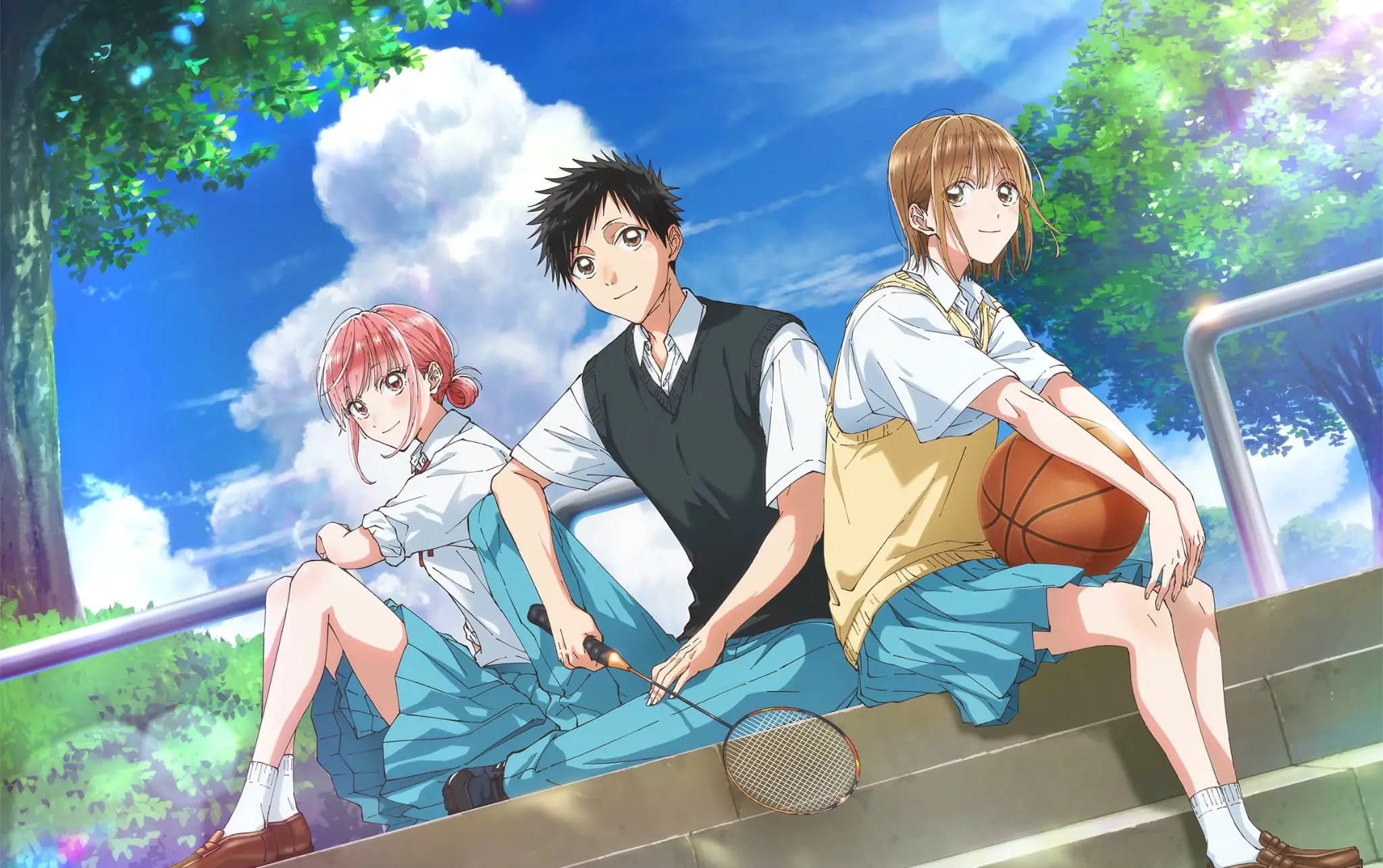
Blue Box
An ongoing shonen sports romance manga by Kouji Miura about a badminton player and his crush, a basketball team ace, who unexpectedly begin living together while pursuing their athletic dreams.
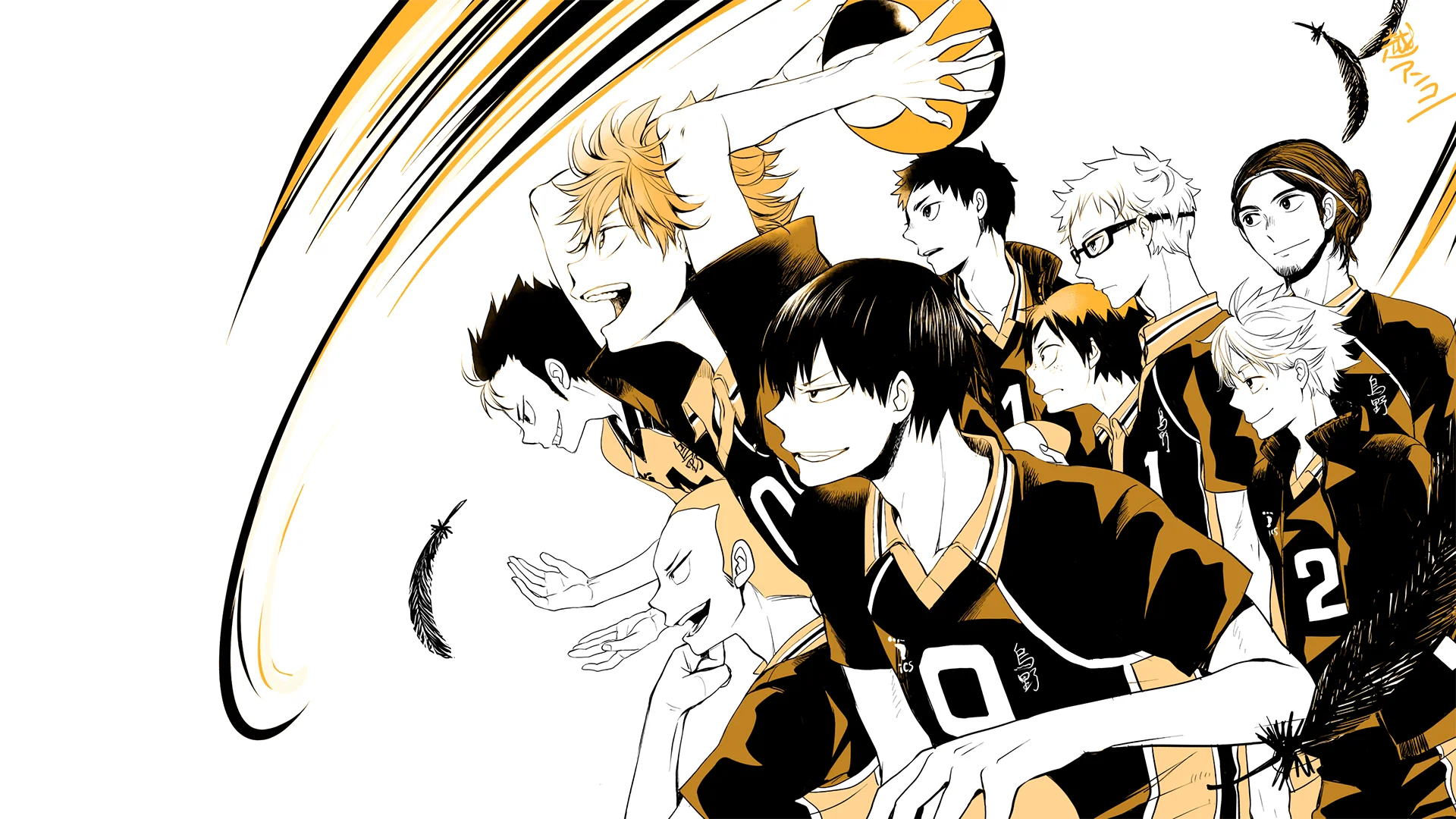
Haikyu!!
A completed shonen sports manga following Karasuno High School's journey to become a volleyball powerhouse through teamwork, determination, and rivalry
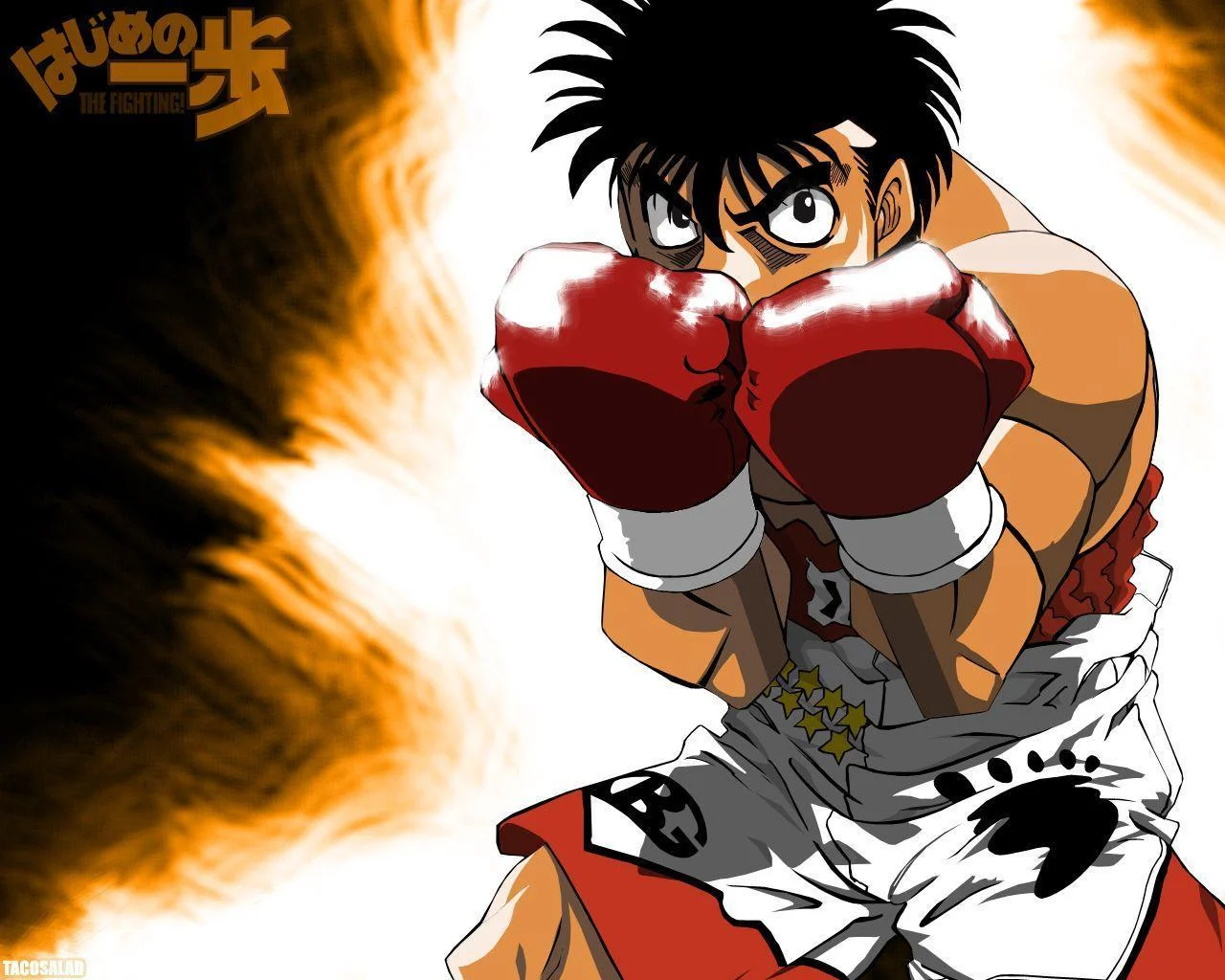
Hajime no Ippo
A long-running shonen boxing sports manga following Makunouchi Ippo's journey from bullied teenager toward professional boxer, exploring boxing's technical depths and life-changing personal transformation
Slam Dunk
A revolutionary sports manga about a delinquent who discovers basketball and transforms himself through the sport.
Related Articles
All articles Blue Lock Arcs in Order: The Complete List (2026)
Every Blue Lock arc in order, from the First Selection to the World Stage. A complete, up-to-date guide to all Blue Lock story arcs with quick summaries.

Top 16 Best Shonen Manga of All Time (2026)
The best shonen manga ever made, ranked. Legendary battle epics, underdog heroes, and the series that defined the genre — plus the box sets worth owning.

Best Manga by Genre: The Ultimate 2026 Reading Guide (Shonen, Shojo, Seinen, Josei)
Comprehensive manga genre guide featuring best series by demographic and genre. From action shonen to mature josei, find your next read organized by taste and preference.