Slam Dunk
A revolutionary sports manga about a delinquent who discovers basketball and transforms himself through the sport.
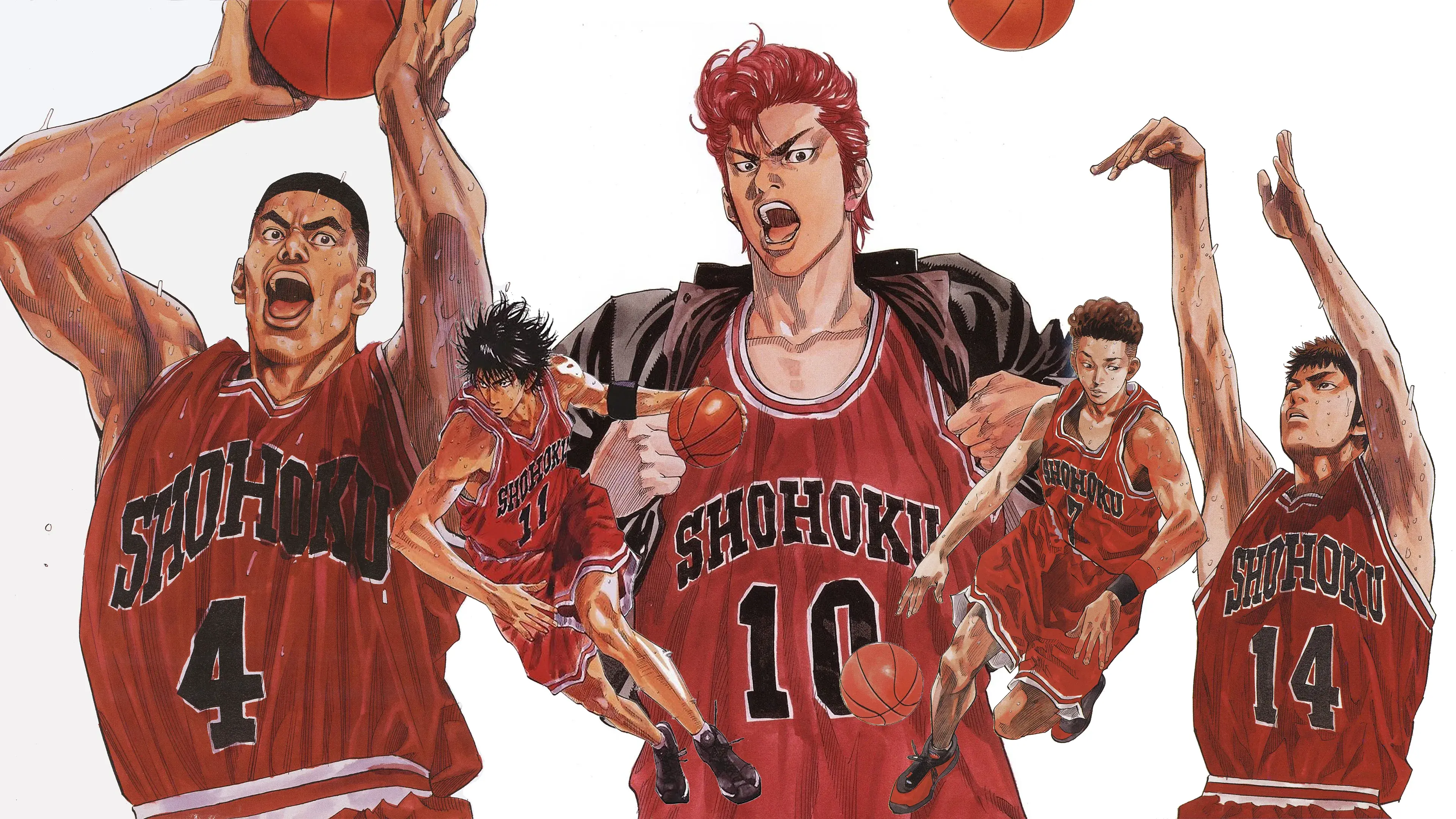
All Slam Dunk Story Arcs in Order
| # | Arc |
|---|---|
| 1 | Shohoku Introduction Arc |
| 2 | Prefectural Tournament Arc |
| 3 | Nationals Qualifier Arc |
| 4 | Interhigh Nationals Arc |
| 5 | Sannoh Game Arc |
Overview
Slam Dunk stands as one of the most revolutionary and beloved sports manga series of all time. Created by Takehiko Inoue, the series ran from 1990 to 1996, spanning 31 volumes that fundamentally transformed how the manga industry approached sports storytelling. Before Slam Dunk, sports manga often focused on detailed technical play-by-play accounts and the singular talents of exceptional athletes. Inoue’s genius was recognizing that the most compelling sports stories center on human transformation, team dynamics, and the psychological dimensions of athletic competition.
The series follows Hanamichi Sakuragi, a delinquent with a record of 50 consecutive rejections from girls, who joins the Shohoku High School basketball team despite having no previous interest in or experience with basketball. This simple premise—the rough teenager discovering redemption through an unexpected passion—became the template for countless sports manga that followed. However, Inoue’s execution transcends the basic formula, creating a narrative that explores themes of growth, redemption, friendship, rivalry, and the meaning of commitment.
Slam Dunk’s cultural impact in Japan cannot be overstated. The series revitalized interest in basketball throughout the country, leading to increased participation in the sport among young people. The anime adaptation became enormously popular, introducing the series to viewers who might never have picked up the manga. In retrospect, Slam Dunk represents a pivotal moment when manga proved capable of not just reflecting aspects of culture but actively shaping it, creating genuine, lasting change in how an entire nation engaged with a sport.
Story and Themes
The narrative structure of Slam Dunk operates on multiple layers simultaneously. On the surface level, the story depicts Sakuragi’s journey from basketball novice to valuable team member as his school progresses through regional, prefectural, and national tournaments. The sports competition provides a straightforward dramatic arc—will Shohoku win their games and continue advancing in competition?
However, Inoue uses these basketball competitions as the framework for exploring profound character development and team dynamics. Sakuragi’s initial motivation—joining the basketball team to impress Haruko Akagi, the captain’s sister—represents immature, externally motivated desire. Over the course of the series, Sakuragi gradually develops a genuine passion for basketball itself, shifting his motivation from external validation to internal growth. This arc, depicting the transition from self-centered desire to meaningful commitment, provides the emotional foundation for the entire narrative.
The series explores what it means to be part of a team and to find your role within a group effort. Sakuragi possesses natural athletic abilities and aggressive competitiveness, but initially lacks the discipline and understanding of basketball fundamentals to effectively apply these gifts. His gradual mastery of shooting technique and defensive strategy represents not just athletic improvement but psychological maturation—learning to prioritize team success over individual glory.
The theme of redemption permeates the narrative. Sakuragi arrives as a self-destructive delinquent with no direction or purpose, seemingly destined for a life of crime and violence. Basketball provides not moral lecture or coercive reform, but rather genuine opportunity for growth and belonging. The series demonstrates that redemption comes through commitment to something larger than oneself, through finding community and meaning.
Rivalry functions throughout the series as a catalyst for growth rather than mere antagonism. Sakuragi’s primary rival, Kaede Rukawa, initially appears as a perfect contrast—talented, dedicated, and entirely focused on basketball from the beginning. Rather than remaining simple rivals, Sakuragi and Rukawa gradually develop profound respect and eventual friendship, demonstrating how competition can deepen bonds rather than fracture them.
The series also explores the transient nature of athletic achievement. Even as victories accumulate and Shohoku achieves greater success, the narrative reminds readers that high school athletics are inherently temporary. The approaching end of characters’ high school careers creates dramatic tension, as the characters race against time to achieve their goals. This attention to the inevitable impermanence of athletic careers lends the competition genuine emotional weight.
Main Characters
Hanamichi Sakuragi functions as the series’ protagonist and emotional center. His arc—from delinquent to dedicated basketball player—provides the spine of the narrative. Sakuragi’s character works because his flaws are genuine and his growth comes through effort rather than sudden revelation. He remains stubborn, impulsive, and competitive throughout the series, but these traits gradually become assets rather than liabilities as he channels them into basketball. His willingness to develop fundamentals despite his ego, his capacity for growth, and his eventual recognition that he is part of something larger than himself create a genuinely inspirational character arc without sentimentality.
Kaede Rukawa represents the inverse archetype—the naturally talented prodigy who must learn that individual talent alone cannot guarantee success. Despite his abilities, Rukawa occasionally struggles against determined opponents who rely on team support and fundamental technique. His gradual recognition of Sakuragi’s development and eventual respect for his rival creates a compelling relationship dynamic.
Hanamichi’s teammates contribute significantly to the narrative. Takenori Akagi, the captain, provides leadership and strategic thinking, though he struggles with insecurity about his own abilities relative to his teammates. Hisashi Mitsui, a fellow basketball player, receives exceptional character development, with his backstory involving injury, depression, and the search for meaning creating one of the series’ most poignant subplots.
Ryota Miyagi, another teammate, represents a different kind of growth—overcoming personal trauma and learning to trust others. His relationship with Sakuragi develops from hostility to genuine friendship, demonstrating that transformation works in multiple directions within the team dynamic.
Haruko Akagi, initially presented as Sakuragi’s love interest, becomes a fully realized character in her own right. Rather than remaining a static prize to be won, she develops her own basketball knowledge and grows alongside the male characters, her development paralleling theirs in meaningful ways.
The opposing teams—particularly Shohoku’s primary rivals—feature fully developed characters with their own compelling narratives, motivations, and growth arcs. This attention to antagonists as full characters rather than obstacles creates a richer, more complex narrative world.
Art Style
Takehiko Inoue’s artistic style represents one of his greatest achievements. The character designs are distinctive and immediately recognizable, with each character’s visual design reflecting aspects of their personality and role. Sakuragi’s ridiculous hairstyles humorously communicate his delinquent status, while subtle changes in how his hair is drawn throughout the series visually convey his transformation and growing maturity.
The depiction of basketball action sequences demonstrates remarkable technical proficiency. Rather than attempting precise mechanical accuracy in every movement, Inoue employs dynamic angles and kinetic energy to convey the flow and excitement of basketball gameplay. Fast breaks are depicted with rapid-fire panels that create a sense of pace, while crucial moments—like a player making a difficult shot—receive slower, more carefully rendered sequences that emphasize their significance.
Inoue’s use of toning (screentone application) creates sophisticated shading and atmospheric effects that enhance emotional moments without overwhelming the page. The consistent application of these techniques throughout the 31 volumes demonstrates remarkable discipline and craftsmanship.
The expressions and body language of characters clearly convey emotion and psychological states. Subtle shifts in facial expressions communicate character feelings without explicit exposition. The dynamic postures during basketball action sequences make the physical sensation of the sport palpable.
Background work, particularly the depiction of gymnasium architecture and crowd reactions, creates an immersive sporting environment. The realistic rendering of basketball facilities grounds the fantastical elements of the narrative (particularly some of the athletic feats) in believable locations.
Cultural Impact
Slam Dunk’s impact on Japanese culture extended far beyond manga and anime circles. The series’ popularity revitalized interest in basketball throughout Japan during the 1990s, leading to increased participation in the sport among young people. School basketball teams cited the series as influential in attracting new players, and the sport experienced genuine growth in popularity directly traceable to the manga’s cultural penetration.
The anime adaptation, produced by Toei Animation, became enormously successful, introducing the series to audiences beyond manga readers. Opening themes by Wada Takafumi and other artists became iconic, with the anime soundtrack contributing substantially to the series’ cultural resonance.
Slam Dunk influenced how subsequent sports manga approached storytelling. Before Slam Dunk, sports manga often focused heavily on technical accuracy and detailed play-by-play strategy. Inoue’s success in prioritizing character development and emotional arcs over technical minutiae established a new template for the genre. Countless sports manga that followed incorporated similar approaches, prioritizing human transformation and team dynamics alongside athletic competition.
The series also demonstrated the commercial and critical viability of sports manga for mature audiences, proving that the genre need not be limited to children and young adults. Sports manga became a legitimate category within the industry, with publishers investing in high-quality adaptations and creative teams.
Within Japan specifically, Slam Dunk became a cultural touchstone, referenced in other media and incorporated into the broader cultural conversation. Even decades after its conclusion, the series remains beloved and frequently revisited by both original readers and new audiences discovering it for the first time.
Tournament Arc Progression
The series employs tournament competition as primary narrative structure, with regional, prefectural, and national tournament arcs providing escalating stakes and increasingly formidable opponents. Rather than making tournament progression feel mechanical or repetitive, Inoue consistently introduces new rivals and enemy teams with fully developed characters and compelling motivations. Each tournament arc features memorable antagonists—particularly Mitsui’s backstory involving his previous injury and redemption creates emotional resonance alongside competitive excitement.
The progression of tournament arcs demonstrates how Sakuragi and his teammates grow through facing increasingly difficult challenges. Early victories feel earned rather than inevitable, with opponents presenting genuine tactical challenges that require adaptation and growth. The escalating difficulty maintains tension throughout the series, preventing complacency or predictability.
Impact on Basketball Culture
Slam Dunk’s influence on actual basketball participation represents one of manga’s most tangible cultural impacts. The series inspired genuine increases in basketball interest and participation throughout Japan during the 1990s. Young people took up basketball specifically because of the manga’s influence, with some becoming serious athletes. This transformative cultural impact demonstrates manga’s capacity to shape real-world behavior in lasting ways.
The series contributed to basketball’s emergence as a genuinely popular sport in Japan, a remarkable achievement for a sport relatively unfamiliar to Japanese audiences at the time. Before Slam Dunk, basketball remained niche; afterward, it achieved mainstream recognition and participation. This demonstrates the medium’s remarkable capacity to influence society.
Thematic Resonance and Emotional Depth
Beneath the surface excitement of basketball competition, Slam Dunk explores profound themes about belonging, purpose, and transformation. The series recognizes that not all individuals begin life on advantageous trajectories. Sakuragi’s delinquent background, his repeated romantic rejections, his complete lack of basketball experience—these elements suggest someone destined for failure. Yet the series argues that circumstances need not determine destiny, that genuine commitment to growth and community can redirect lives.
The manga also explores how team success differs from individual achievement. Sakuragi’s gradual recognition that winning requires supporting teammates, that individual skill matters less than collaborative effort, represents genuine character development. This integration of individual ego into collective success provides thematic material that extends beyond sports to human existence more broadly.
Why You Should Read It
Slam Dunk represents sports storytelling at its finest. If you appreciate character-driven narratives where personal growth and development provide the core of the story, the series delivers this in abundance. Sakuragi’s transformation from delinquent to dedicated basketball player feels earned rather than convenient, with his growth occurring incrementally across the narrative.
For readers seeking accessible, engaging storytelling that rewards emotional investment, Slam Dunk excels. The series maintains consistent pacing despite its length, with basketball competitions providing natural dramatic arcs while character subplots develop in the space between major games.
If you have interest in how manga can generate cultural change, Slam Dunk provides a fascinating case study. The series demonstrates manga’s capacity to shape real-world behavior, inspiring actual basketball participation in an entire nation. This represents a rare instance of fictional media creating tangible, lasting impact on society.
For those seeking a series where team dynamics and relationships feel authentic and meaningful, Slam Dunk creates a genuine sense of community among the Shohoku team members. The bonds between teammates develop naturally throughout the narrative, creating moments of genuine emotional resonance.
The series also offers historical and cultural interest, providing insights into 1990s Japanese school life, athletic culture, and social dynamics. The manga functions as a cultural artifact that reveals aspects of contemporary Japanese society during the period of its publication.
Finally, Slam Dunk remains simply entertaining reading. The combination of humor, athletic excitement, and emotional drama creates a narrative that engages readers across multiple registers simultaneously. Whether you read for character development, for exciting basketball competition, or for pure entertainment value, the series delivers on all fronts with consistent quality across 31 volumes. It is a genuine classic that deserves its enduring reputation.
Story Arcs
arcs:
-
slug: introduction name: Introduction Arc summary: Hanamichi Sakuragi, a street delinquent with 50 consecutive romantic rejections, joins the Shohoku basketball team primarily to impress Haruko Akagi, the captain’s sister. His unexpected natural talent for basketball emerges immediately, establishing the foundation for his character development and the team’s transformation. detailedSummary: |- The Introduction Arc establishes the fundamental premise and characters of Slam Dunk. Hanamichi Sakuragi represents a delinquent with a distinctive history: 50 consecutive rejections from girls in romantic endeavors. This repeated romantic failure, rather than breaking his spirit, creates comedic resilience—he approaches each new rejection with undaunted optimism. His entry into basketball occurs entirely through instrumental motivation: he observes Haruko Akagi, the sister of Shohoku basketball team captain Takenori Akagi, and decides that joining the team represents optimal strategy for impressing her and ending his romantic losing streak.
The arc’s genius involves the immediate revelation that Sakuragi possesses genuine athletic talent for basketball. Despite having no basketball experience and approaching the sport with purely romantic motivation, his natural physical capabilities, aggressive competitiveness, and instinctive movement immediately establish him as contributor to the team. His teammates recognize his potential even as they acknowledge his fundamental ignorance of basketball technique and strategy. This introduces the series’ central character arc: transforming a self-interested delinquent with accidental talent into dedicated basketball player committed to team success.
Sakuragi’s integration into the Shohoku team introduces the core cast. Captain Takenori Akagi represents the team’s backbone—dedicated, strategically thinking, but struggling with internal insecurity regarding his own abilities. Kaede Rukawa, the naturally talented rival, represents perfect counterpoint: cold, dedicated, technically brilliant, but emotionally isolated. Ryota Miyagi, the quick point guard from street basketball background, provides contrast through his street experience and infectious enthusiasm. Hisashi Mitsui, initially appearing as troubled addition to the team, contains backstory elements establishing ongoing character development.
The arc establishes basketball as the narrative vehicle for exploring themes of redemption, commitment, and personal growth. Sakuragi’s transformation from self-centered delinquent motivated by romantic interest toward genuine basketball player motivated by team success provides the emotional foundation for the entire series. His early incompetence—missing fundamental techniques while possessing raw talent—creates comedy while establishing aspirational character arc. By arc conclusion, Sakuragi remains largely incompetent technically but demonstrates genuine commitment to improving and contributing to team success.
-
slug: prefectural-tournament name: Prefectural Tournament Arc summary: Shohoku competes through local and prefectural tournament brackets, encountering rivals including Ryonan High. Sakuragi develops increasingly sophisticated basketball fundamentals while the team establishes itself as genuine competitive force. Critical matches introduce rival players with compelling character arcs and motivations. detailedSummary: |- The Prefectural Tournament Arc represents escalating competitive stakes as Shohoku progresses from regional to prefectural tournament brackets. Each match presents new opponents with distinct playing styles and character motivations, forcing the Shohoku team to develop tactical sophistication and adapt their approach. Inoue demonstrates mastery of tournament structure—rather than treating early tournament matches as mere stepping stones, he develops compelling character arcs for opposing teams’ players, making antagonists full individuals rather than obstacles.
Ryonan High emerges as primary rival in this arc. Their star player, Sendoh, represents talented opponent whose rivalry with Shohoku forces character development for both teams. The matchup between Sakuragi and Ryonan players demonstrates his escalating basketball competence—he remains fundamentally limited technically compared to opponents, but his growing understanding of spacing, positioning, and defensive intensity increasingly allows him to compete. His willingness to play dirty—using physical aggression within acceptable boundaries—contrasts with more refined technical players while establishing his distinctive playing style.
The arc focuses on Sakuragi’s parallel development of basketball skill and emotional maturity. His reduction in arrogant boasting, his increasing recognition of teammates’ contributions, and his willingness to accept criticism from coaches and more experienced players demonstrate character growth. His romantic interest in Haruko remains present but becomes secondary to genuine basketball passion. His interactions with Rukawa evolve from pure antagonism toward recognition of his rival’s excellence—not eliminating rivalry but transforming it into relationship of mutual respect.
Akagi’s leadership throughout the tournament demonstrates the captain’s psychological burden. His insecurity regarding his own talent, combined with pressure to guide the team through increasingly competitive matches, creates emotional authenticity beneath athletic spectacle. His strategic thinking and willingness to make tactical adjustments despite pressure establish him as genuine leader rather than merely strong athlete. His relationship with Mitsui develops as the injured player gradually recognizes his worth and the importance of team commitment. The arc concludes with Shohoku’s progression to national tournament qualification, establishing the team as legitimate contender despite their previous status as perennial underdogs.
-
slug: interhigh-qualifiers name: Interhigh Qualifiers Arc summary: Shohoku faces intense competition in final qualification matches before the national Interhigh Tournament. Matches escalate tension and physical intensity while secondary characters receive meaningful development and screen time. The arc emphasizes psychological resilience alongside physical capability. detailedSummary: |- The Interhigh Qualifiers Arc intensifies competitive stakes through escalating match difficulty and psychological pressure. Teams remaining in qualification rounds represent genuinely dangerous opponents—Shohoku can no longer rely on talent advantages against smaller schools. Each victory requires the team to adapt strategically and overcome opponents with equivalent or superior athletic capability. Inoue maintains engagement through careful opponent selection—each team presents distinct challenges requiring different tactical approaches.
The arc emphasizes psychological elements of competition. Players experience fatigue, self-doubt, and pressure that mere physical training cannot fully prepare them to handle. Sakuragi’s growth manifests not purely through improved shooting or dribbling technique but through psychological maturity—his ability to overcome self-doubt and maintain focus despite pressure. His supportive role toward teammates struggling with pressure demonstrates his emotional development. His relationship with teammates deepens as shared adversity creates genuine bonds transcending initial surface-level team membership.
Rukawa’s character development accelerates throughout this arc. Initially presented as perfect talent requiring no growth, Inoue gradually reveals his emotional isolation and the psychological burden of constant expectation. His encounters with opponents genuinely challenging his abilities force recognition that individual talent, while significant, cannot guarantee success against determined competitors. His gradual respect for Sakuragi’s grit and determination, combined with recognition that team success requires his talent, demonstrates his psychological maturation. The rivalry between Sakuragi and Rukawa becomes more nuanced—they remain competitors but develop respect and eventual friendship.
The arc concludes with Shohoku’s qualification for the national Interhigh Tournament, confirming their legitimate status as competitive team rather than underdog darlings. Their journey to national tournament status demonstrates character growth and team development justified by consistent effort and improvement rather than convenient plot devices. The team members recognize that national tournament competition represents unprecedented challenge requiring all available resources and commitment.
-
slug: interhigh-tournament name: Interhigh Tournament Arc summary: The national Interhigh Tournament begins, introducing the most powerful teams in Japanese high school basketball. Shohoku faces legendary opponents including Kainan High School, featuring the formidable Shinichi Maki. The arc explores limits of effort and talent against supremely talented opponents. detailedSummary: |- The Interhigh Tournament Arc represents the first major climactic structure of the series. National tournament competition introduces teams with championship history, established coaching philosophies, and players of genuinely elite caliber. Kainan High School emerges as primary tournament opponent—a consistent championship contender with established roster of talented players. Their captain Shinichi Maki represents the most formidable point guard Shohoku has encountered, combining technique, basketball intelligence, and strategic sophistication far exceeding any previous opponent.
The Kainan match functions as centerpiece of this arc. It demonstrates that despite Shohoku’s dramatic improvement, significant gaps remain between them and the most elite teams. Sakuragi and his teammates discover that raw effort and determination, while valuable, cannot automatically overcome systematic disadvantage in talent and experience. The loss, while painful, proves psychologically important—it establishes realistic perspective that progress exists on spectrum rather than achieving invincibility through effort alone. The match also reveals that Maki, despite his perfection on court, contains emotional vulnerability and internal doubts similar to Shohoku players.
The arc explores cost of competition at elite level. Players experience injuries, fatigue, and psychological pressure exceeding anything they previously encountered. Mitsui’s injury and subsequent return to the team demonstrates that comebacks require psychological fortitude alongside physical recovery. Akagi’s increasing confidence contrasts with growing physical toll of maintaining intensity through multiple matches. Sakuragi’s recognition that he lacks fundamental techniques many opponents master without effort demonstrates humility—his raw talent and determination, while valuable, cannot completely eliminate his need for continued development.
Character relationships deepen through tournament experience. Teammates develop profound respect for each other through shared adversity. Victories against strong opponents create moments of genuine celebration and emotional bonding. Defeats, while painful, create opportunities for strategic reevaluation and psychological growth. The arc concludes with Shohoku’s tournament elimination but with recognition that their competitive level has achieved respectable standing against national-level opponents.
-
slug: nationals name: Nationals Arc summary: Shohoku advances to the national finals tournament, facing increasingly elite opponents. The arc features phenomenal athletes whose talents dwarf even Sakuragi’s and Rukawa’s capabilities. Teams represent different philosophies and approaches to basketball, creating matches exploring what basketball excellence means. detailedSummary: |- The Nationals Arc represents maximum escalation of competitive stakes. Teams remaining in nationals tournament represent basketball elite—players whose college prospects are secured, whose talent levels exceed even most talented Shohoku players, and whose coaches have developed sophisticated offensive and defensive systems. Shohoku’s advancement to this level confirms their legitimate status as genuine contender, though they simultaneously recognize the unprecedented challenge ahead.
The opponents Shohoku encounters in nationals represent different basketball philosophies and tactical approaches. Each match requires them to adapt not just to superior talent but to fundamentally different team organizations. Individual matchups become increasingly about basketball intelligence and strategy rather than pure athleticism. Sakuragi discovers that his grit and determination, while admirable, occasionally prove insufficient against opponents combining physical superiority with technical proficiency and basketball wisdom. His psychological maturity demonstrates itself through acceptance of personal limitations alongside commitment to maximizing his capability.
The physical and psychological toll of extended national tournament competition becomes increasingly apparent. Players experience cumulative fatigue that no amount of rest completely eliminates. Injuries accumulate, requiring players to determine whether they can continue competing. Akagi’s ongoing struggle with physical limitations, Mitsui’s injury management, and younger players’ progressive exhaustion all contribute to narrative tension. The team must determine whether continued competition serves their development or whether they should acknowledge realistic limitations.
The arc emphasizes that sports narratives need not conclude with triumph. Shohoku’s respectable performance against genuinely elite opponents, combined with their failure to win the championship, represents narrative maturity. The series suggests that meaningful achievement exists within spectrum rather than purely at championship summit. Their opponents’ superior capability does not diminish Shohoku’s accomplishment in reaching nationals or their individual character growth. The arc concludes with recognition of their limits, acceptance of defeat with dignity, and respect for opponents’ superior capability.
-
slug: sannoh name: Sannoh Arc summary: The legendary final arc features a match against Sannoh Kogyo, Japan’s undisputed number-one high school basketball team. This climactic encounter represents the ultimate expression of Shohoku’s improvement and their competitors’ basketball excellence, serving as culmination of character development and team growth. detailedSummary: |- The Sannoh Arc represents the series’ ultimate climactic sequence. Sannoh Kogyo, consistently Japan’s best high school basketball team, features players whose talent levels exceed even elite nationals competitors. This team represents basketball excellence at highest achievable high school level—perfectly trained, strategically sophisticated, and featuring individual players with NBA-caliber potential. The match between Shohoku and Sannoh serves as ultimate test of Shohoku’s development and each character’s growth through the series.
The Sannoh matchup is less about competitive outcome and more about demonstrating how far Shohoku has developed. Individual matchups reveal character growth—Sakuragi competes respectfully against opponents vastly exceeding his talent level; Rukawa matches himself against players who, for perhaps the first time, represent genuine peer-level competition; Akagi demonstrates leadership and basketball intelligence alongside physical limitations; supporting players show they deserve roles on genuinely competitive teams. The match becomes celebration of improvement rather than tragedy of defeat.
Sannoh players demonstrate remarkable character development despite being ultimate opponents. They are not portrayed as villains or obstacles but as admirable competitors with their own character arcs and growth narratives. Their victory is presented as deserved result of superior talent and training rather than arbitrary competitive outcome. Respect develops between teams through recognizing each other’s excellence and commitment. This philosophical approach to sports narrative—celebrating opponents’ excellence and respecting defeat with dignity—represents mature sports storytelling.
The arc emphasizes that athletic competition’s meaning extends beyond championship victory. Shohoku’s progression from initial underdog status to legitimate national competitor demonstrates character transformation independent of final tournament outcome. Each player’s individual growth—technical, tactical, and psychological—constitutes genuine achievement regardless of tournament results. The series concludes not with championship victory but with recognition that the team’s true victory involved becoming genuinely competitive and developing into admirable athletes and teammates. The characters’ futures—some progressing to college basketball, others concluding their athletic careers—are determined by their demonstrated capability and effort throughout the series rather than purely by tournament placement.
Main Characters
characters:
-
slug: hanamichi-sakuragi name: Hanamichi Sakuragi role: protagonist description: |- The redheaded protagonist whose arc from street brawling delinquent to dedicated basketball player provides the spine of the narrative. Sakuragi joins Shohoku to impress Haruko Akagi but discovers a genuine passion for the sport, and his character works because his flaws are real and his growth comes through relentless effort rather than sudden revelation. Standing tall with raw athleticism and remarkable jumping ability, he develops into a fearsome power forward and rebounding specialist who guards the basket and crashes the boards with infectious enthusiasm. His comedic arrogance, calling himself a genius, masks deep insecurity and a fierce competitive streak. Central themes of perseverance, self belief, and the value of fundamentals run through his journey, as he transforms stubbornness into inspirational determination and learns humility from teammates and rivals alike.
Sakuragi’s unique characteristic is his combination of extraordinary raw talent with fundamental technical incompetence. His natural athletic abilities—jumping, speed, physical strength—allow him to compete athletically against experienced players. Simultaneously, his complete absence of basketball fundamentals—proper shooting form, dribbling technique, defensive positioning—creates ongoing challenge requiring dedicated effort. His psychological journey involves developing discipline to master fundamentals despite his natural gifts threatening to override technical training through sheer athleticism.
His comedy derives from applying street fighter mentality to basketball competition. His tendency toward physical aggression, his arrogant boasting about his abilities, and his occasional dirty play create situations where his talent clashes with proper basketball conduct. His emotional authenticity—his genuine desire to improve, his vulnerability when confronting limitations, his growing respect for teammates—elevates him beyond purely comedic character. His relationship with Haruko shifts from instrumental motivation toward genuine friendship, suggesting emotional maturity alongside basketball development.
appearsIn:
- introduction
- prefectural-tournament
- interhigh-qualifiers
- interhigh-tournament
- nationals
- sannoh
groups:
- shohoku-basketball-club
bio: |- Sakuragi begins the story with fifty consecutive rejections from girls, prompting him to join the basketball team to win over Haruko Akagi. His initial selfish motivation gradually transforms into authentic love for the game itself. Dismissed at first as an undisciplined amateur, he attacks the fundamentals with obsessive intensity, mastering rebounding under Coach Anzai and earning the respect of teammates who once doubted him. Across the prefectural tournament he matures from a self destructive troublemaker into an indispensable player, recognizing that he is part of something larger than himself. His defining moment arrives in the climactic Sannoh match, where he plays through a serious back injury to seize a decisive rebound, completing his evolution from clown to genuine, devoted athlete who lives for the game.
His entrance into Shohoku basketball team fundamentally redirected his life trajectory. Rather than continuing street violence, he channeled his aggression toward legitimate athletic competition. Basketball provided structured outlet for his physical capability and competitive nature. His transformation from pure street fighter toward athlete required psychological adjustment—learning that winning required systematic training rather than momentary intensity, that teamwork mattered more than individual dominance, and that respect derived from consistent effort rather than intimidation.
His relationship with basketball evolved from instrumental motivation to genuine passion. His initial goal of impressing Haruko became secondary to authentic desire for basketball excellence. His willingness to work with coach Anzai despite their personality clash, to accept criticism regarding his technique, and to defer to teammates’ expertise demonstrated genuine commitment to improvement. His character arc culminates in player who remains recognizably arrogant and competitive but channels these traits toward team success rather than personal dominance. His presence on championship-competitive team demonstrates that redemption through athletic commitment represents viable path away from delinquent trajectory.
-
slug: kaede-rukawa name: Kaede Rukawa role: deuteragonist description: |- Kaede Rukawa represents natural talent archetype deconstructed and reconstructed through athletic competition. His initial characterization emphasizes perfection—technically accomplished, strategically sound, emotionally controlled. His dedication to basketball development began years before Slam Dunk narrative, establishing him as exceptional talent among even elite competitors. His coldness and emotional isolation result from single-minded focus on basketball excellence at potential cost to human relationships. His character arc involves gradual recognition that individual talent alone cannot guarantee success and that genuine connection with teammates matters alongside technical skill.
Rukawa’s rivalry with Sakuragi begins as pure antagonism—he views Sakuragi as undisciplined delinquent whose raw talent does not translate to legitimate basketball player. His dismissive attitude reflects reasonable assessment of Sakuragi’s actual incompetence. Over series progression, however, his observation of Sakuragi’s genuine improvement and his recognition of Sakuragi’s determination create grudging respect. Their relationship transforms from antagonism toward genuine friendship, suggesting that competition between talented individuals can deepen bonds rather than fracture them.
His encounters with opponents who match his technical ability force him to confront limitations of individual brilliance. Against opponents combining technique with determined competitiveness or superior athleticism, his talent alone occasionally proves insufficient. His gradual acceptance of this limitation and his recognition that teammate support constitutes crucial component of success demonstrates psychological maturation. His eventual respect for Sakuragi’s grit—qualities he initially dismissed as crude—reveals growth extending beyond basketball technique toward appreciation of different forms of excellence.
appearsIn:
- introduction
- prefectural-tournament
- interhigh-qualifiers
- interhigh-tournament
- nationals
- sannoh
groups:
- shohoku-basketball-club
bio: |- Rukawa enters Shohoku as a coveted first year whose superior abilities immediately draw attention and ignite an instant rivalry with Sakuragi. Initially content to dominate opponents single handedly, he gradually recognizes that team oriented basketball represents a valid and necessary path to excellence. A pivotal encounter with the legendary Coach Anzai instills in him the dream of competing on the national and international stage, prompting him to expand his game beyond solo scoring and begin passing and trusting his teammates. His character demonstrates that even prodigies require humbling experiences to grow. By the climactic Sannoh match he and Sakuragi finally connect as a true partnership, and he comes to acknowledge his rival as a genuine equal worthy of respect.
His entry into Shohoku team represented continuation of his trajectory toward basketball excellence rather than fundamental life change. Shohoku provided venue for continuing competitive development rather than transformative experience. His initial coldness and emotional distance frustrated some teammates, though his technical competence made him invaluable player. His gradual integration into genuine team relationships and his willingness to care about teammates’ success alongside his own development represent character growth. His arc culminates in player who maintains competitive focus while simultaneously valuing friendship and genuine team connection.
His future beyond Slam Dunk’s conclusion remains intentionally ambiguous regarding team composition. His demonstrated capability establishes him as legitimate college basketball prospect whose career trajectory appears secure. His emotional development and growing capacity for genuine relationship alongside competitive excellence suggest he will approach future competition with greater psychological balance. His recognition that excellent teammates enhance rather than threaten individual success provides foundation for potential future leadership role.
-
slug: takenori-akagi name: Takenori Akagi role: supporting description: |- Takenori Akagi, Shohoku’s team captain, represents leadership archetype emphasizing responsibility and strategic thinking. His physical size and strength establish him as legitimate center capable of defending opponents and securing rebounds. His basketball intelligence and strategic analysis provide coaching-level thinking on court. His characterization emphasizes psychological burden of leadership—he carries team’s expectations while privately questioning his own talent relative to teammates. This internal insecurity, combined with public projection of confidence and strategic clarity, creates emotional authenticity beneath athletic performance.
Akagi’s relationship with Sakuragi demonstrates his patience and faith in player development. Rather than dismissing Sakuragi as uncontrollable delinquent, he recognizes potential and provides consistent guidance. His willingness to adjust team strategy to accommodate Sakuragi’s emerging abilities and to build team offense around various players’ strengths demonstrates sophisticated basketball thinking. His relationship with his sister Haruko provides personal stakes—he cares for her genuinely while maintaining appropriate boundaries despite her admiration for Sakuragi.
appearsIn:
- introduction
- prefectural-tournament
- interhigh-qualifiers
- interhigh-tournament
- nationals
- sannoh
groups:
- shohoku-basketball-club
bio: |- Akagi has carried Shohoku through years of mediocrity, holding the team together by sheer will while dreaming of a national championship run. As captain he drives the squad through the prefectural tournament with tactical sophistication and emotional leadership, repeatedly clashing with and then molding the unruly Sakuragi into a capable rebounder. His private struggles with self doubt surface against powerhouse opponents like Kainan, where he confronts his fear of falling short, yet he steadies himself and rallies his teammates. Through the season he learns that his worth lies not in being the prefecture’s most gifted player but in orchestrating team function and drawing out the best in others. His perseverance finally carries Shohoku to the heights he long pursued.
-
slug: ryota-miyagi name: Ryota Miyagi role: supporting description: |- Ryota Miyagi, Shohoku’s point guard, brings street basketball experience and infectious enthusiasm to team. His small stature relative to other players creates ongoing physical disadvantage requiring him to compensate through speed, court vision, and basketball intelligence. His initial hostility toward Sakuragi gradually yields to respect as he observes Sakuragi’s genuine improvement. His character arc involves overcoming personal trauma and learning to trust other people—his protective walls against close relationships gradually dissolve through genuine team connection.
Miyagi’s personal backstory involves significant loss and trauma. His gradual healing through basketball and team relationships demonstrates sports narrative’s potential for genuine character development beyond purely competitive dimensions. His relationship with Sakuragi develops from initial antagonism through recognition of shared determination toward genuine friendship. His growth from isolated, defensive person toward teammate genuinely invested in others’ success constitutes his character arc.
appearsIn:
- introduction
- prefectural-tournament
- interhigh-qualifiers
- interhigh-tournament
- nationals
- sannoh
groups:
- shohoku-basketball-club
bio: |- Miyagi carries emotional scars from a troubled past, including a hospital stay after a fight and a complicated history with the team, which once left him isolated and combative. Through basketball and the unexpected bond he forms with Sakuragi and Mitsui, he gradually opens himself to his teammates and rediscovers his purpose. His relationship with Sakuragi transforms from petty antagonism into genuine brotherhood, demonstrating that vulnerability strengthens rather than weakens competitive performance. As the starting point guard he steadies Shohoku in its toughest matches, dictating tempo and threading passes against superior size. By the climactic games he has built lasting bonds with his teammates while keeping the team focused, his growth exemplifying redemption found through community and shared struggle.
-
slug: hisashi-mitsui name: Hisashi Mitsui role: supporting description: |- Hisashi Mitsui receives exceptional character development unusual for supporting character roles. His initial introduction as troubled player requiring rehabilitation establishes his complexity. His backstory involves previous injury that interrupted promising basketball career, followed by depression and loss of purpose. His return to basketball requires psychological healing alongside physical recovery. His journey represents redemption narrative—he discovers that returning to basketball, coupled with genuine team relationships, provides meaning that extended absence created void.
Mitsui’s character arc explores profound themes of loss, recovery, and finding meaning following setback. His injury and extended absence created psychological damage extending beyond physical limitations. His eventual return to team, despite ongoing physical limitations from his injury, demonstrates psychological courage alongside physical rehabilitation. His authentic relationships with teammates provide emotional foundation for his recovery. His willingness to accept limited role within team rather than demanding previous status demonstrates genuine maturation.
appearsIn:
- introduction
- prefectural-tournament
- interhigh-qualifiers
- interhigh-tournament
- nationals
- sannoh
groups:
- shohoku-basketball-club
bio: |- Mitsui was a celebrated junior high standout who chose Shohoku specifically to play under Coach Anzai, only for a devastating knee injury to end his ascent and plunge him into bitterness. He drifted into gang violence and led a group of delinquents to attack the basketball team, culminating in a confrontation where he broke down before Anzai and tearfully begged to play again. Welcomed back, he rejoins Shohoku and rediscovers his elite three point shooting, instantly elevating the team’s competitiveness. His emotional return underscores that recovery from trauma requires community, forgiveness, and renewed purpose. In the grueling tournament games he battles exhaustion from his lost years, yet his clutch shooting repeatedly rescues Shohoku in its most desperate moments.
-
slug: haruko-akagi name: Haruko Akagi role: supporting description: |- Haruko Akagi, initially presented as Sakuragi’s romantic motivation, develops into full character in her own right. Her initial introduction emphasizes her position as younger sister of team captain and Sakuragi’s love interest. Over series progression, she develops genuine basketball knowledge and understanding, becoming actual basketball enthusiast rather than mere motivation for protagonist. Her development parallels male characters’ growth, suggesting gender-inclusive approach to character development. Her genuine appreciation for basketball and her respect for all team members establish her as valued team supporter.
appearsIn:
- introduction
- midterm-exam
- interhigh-qualifiers
- interhigh-tournament
- nationals
groups:
- shohoku-basketball-club
bio: |- Haruko first meets Sakuragi when she asks whether he likes basketball, unknowingly launching his entire journey into the sport. Initially serving as his motivation, she gradually becomes a genuine participant in the team’s world, attending practices and games and absorbing knowledge of the sport from the players around her. As the daughter of a basketball family and sister to the captain, she offers steady emotional support and cheers Shohoku through its hardest battles. Her enthusiasm and faith in the players, especially the struggling Sakuragi, help sustain team morale through adversity. Though her feelings remain fixed on Rukawa, her warmth and growing devotion to the team make her a constant encouraging presence whose belief in others mirrors the wider spirit of the series.
-
slug: anzai-mitsuyoshi name: Anzai Mitsuyoshi role: supporting description: |- Anzai represents wise coaching figure combining genuine expertise with unconventional personality. His willingness to tolerate Sakuragi’s arrogance and street fighter mentality while simultaneously maintaining high standards demonstrates sophisticated coaching philosophy. His recognition of Sakuragi’s potential and his patient guidance toward channeling raw talent into legitimate basketball capability provide crucial mentorship. His occasional eccentricity and emotional expressions contrast with typical stoic coach archetype, establishing him as complex individual rather than pure authority figure.
appearsIn:
- introduction
- prefectural-tournament
- interhigh-qualifiers
- interhigh-tournament
- nationals
- sannoh
groups:
- shohoku-basketball-club
bio: |- Anzai’s extensive coaching experience and his sophisticated understanding of basketball development provide foundation for his mentorship approach. His willingness to experiment with unconventional players and his belief in second chances establishes him as coach genuinely invested in player development beyond purely competitive success. His role extends beyond strategic guidance toward emotional support and genuine caring for his players’ development as people, not purely as basketball competitors.
-
slug: kenji-fujima name: Kenji Fujima role: supporting description: |- Fujima represents rival coach and opposing team captain from Shoyo, establishing peer-level competition requiring mutual respect. His playmaking ability and strategic sophistication rival Miyagi’s vision and court control. His competitive relationship with Miyagi demonstrates that rivalry between equivalent players generates compelling narrative dynamics. His presence as worthy opponent elevates Shohoku’s competitive challenge and their growth from defeating such capable rivals.
appearsIn:
- prefectural-tournament
- interhigh-qualifiers
groups:
- shoyo-high
bio: |- Fujima leads Shoyo, long considered one of Kanagawa’s premier teams, as both its coach and its star point guard, a testament to his rare basketball mind. Initially held off the court as Shoyo builds an early lead against Shohoku, he checks in to steady his team when the game tightens, immediately reshaping the flow with his playmaking. His tactical battle against Shohoku pushes Akagi, Mitsui, and the others to dig deeper and refine their strategy, ultimately making their hard fought victory more meaningful. Though his side falls short, his composure in defeat and his evident respect for his opponents mark him as an honorable rival. His excellence affirms that many legitimate paths to basketball mastery exist within the sport.
-
slug: shinichi-maki name: Shinichi Maki role: antagonist description: |- Shinichi Maki, captain of Kainan High School, represents the most formidable point guard encountered in Shohoku’s competitive progression. His technical perfection, tactical sophistication, and apparent emotional control establish him as elite-level player. His characterization reveals that even apparently perfect competitors contain internal doubts and emotional complexity. His rivalry with Miyagi explores how competition between genuinely capable players generates mutual respect and recognition of excellent opposition.
appearsIn:
- interhigh-tournament
- nationals
groups:
- kainan-high
bio: |- Maki has guided Kainan to sustained dominance as the prefecture’s top program, carrying the weight of championship expectations with calm authority. In Kainan’s clash with Shohoku he proves nearly impossible to contain, powering to the basket against Miyagi and the defense while anchoring his team’s poise under pressure. His matchup illuminates both squads’ strengths and weaknesses and forces the Shohoku players to confront the gap between themselves and Kanagawa’s best. Beyond his on court excellence he serves as a mentor figure to younger teammates like Kiyota, who idolizes him. Though he does not receive an extensive personal backstory, his commanding presence and sportsmanship establish him as a genuine elite athlete whose challenge pushes Shohoku to grow.
-
slug: jun-uozumi name: Jun Uozumi role: supporting description: |- Jun Uozumi, Ryonan High’s center, provides physical matchup challenge against Akagi. His basketball capability and competitive intensity establish him as worthy opponent. His rivalry with Akagi explores how competition between players in equivalent positions generates mutual respect and recognition of legitimate opposition capability.
appearsIn:
- prefectural-tournament
- interhigh-qualifiers
groups:
- ryonan-high
bio: |- Uozumi’s established capability as Ryonan center and his physical presence provide genuine challenge to Akagi’s dominance. His competitive intensity and basketball skill establish him as legitimate opponent rather than mere obstacle in tournament progression.
Groups
groups:
-
slug: shohoku-basketball-club name: Shohoku Basketball Club type: squad description: |- Shohoku High School basketball team transforms throughout Slam Dunk from perennial underdog to legitimate national contender. The team’s composition includes established talented players (Rukawa) alongside unexpected additions (Sakuragi) who contribute to distinctive team chemistry. The team’s gradual improvement, from struggling local competition to competing respectably against national elite, provides narrative arc demonstrating sustained effort and genuine team development.
The team functions as primary setting for character development and relationship building. Individual players’ growth—both technical basketball skill and psychological maturity—develops through team competition and genuine relationships with teammates. The team becomes more than merely group of players competing together; it becomes genuine community where members care about each other’s development and success. This transformation from instrumental team arrangement into genuine fellowship provides thematic core of series.
Shohoku’s competitive journey demonstrates that legitimate improvement requires sustained effort, strategic thinking, and willingness to adapt and learn. Their progression from local tournament underdogs to national tournament participants validates the investment in character development and team building. Their respect for opponents and dignified acceptance of defeat against superior teams establishes mature competitive philosophy. The team’s future success remains somewhat ambiguous, with their current competitive level established but their ultimate championship potential left somewhat uncertain.
-
slug: ryonan-high name: Ryonan High type: squad description: |- Ryonan High represents Shohoku’s primary rival during prefectural competition. Their established competitive reputation and talented roster establish them as legitimate threat requiring serious competitive response. Their rivalry with Shohoku generates compelling narrative tension and opportunities for mutual respect development. Their players receive individual characterization rather than remaining purely as obstacles, establishing them as worthy opponents rather than antagonists.
Ryonan’s presence in tournament progression validates Shohoku’s competitive growth—defeating such capable opponent confirms Shohoku’s advancement beyond local-level competition. Their demonstrated capability and respect for Shohoku’s improvement establish mutual recognition of excellence. The relationship between Ryonan and Shohoku evolves from pure competitive opposition toward recognition of teams pursuing excellence through legitimate means.
type: squad
-
slug: kainan-high name: Kainan High School type: squad description: |- Kainan High School represents the championship-caliber team and consistent national tournament participant. Their establishment as dominant force throughout national competition provides context for Shohoku’s competitive standing. Their captain Shinichi Maki and their systematic team organization establish them as genuinely elite program. Their competition against Shohoku provides crucial competitive benchmark—defeat demonstrates Shohoku’s ongoing growth while simultaneously validating Kainan’s elite status.
Kainan’s consistent championship success results from systematic player development, strategic coaching, and established competitive culture. Their program represents what high school basketball excellence looks like at highest achievable level. Their respect for worthy opponents and their acknowledgment of excellent play regardless of tournament outcome establish admirable competitive values. Their continued success independent of individual tournament results demonstrates sustainable program excellence.
type: squad
-
slug: sannoh-kogyo name: Sannoh Kogyo High School type: squad description: |- Sannoh Kogyo represents Japan’s undisputed number-one high school basketball team and the ultimate competitive standard. Their consistent championship dominance and their program’s excellence across multiple competitive eras establish them as genuinely elite institution. Their competition against Shohoku in series’ climactic arc provides ultimate test of Shohoku’s development and fullest expression of each character’s growth. Their players receive substantial character development despite limited screen time, establishing them as admirable competitors rather than purely antagonistic obstacles.
Sannoh’s systematic excellence, their coaching quality, and their ability to develop elite players across time demonstrates genuine program superiority. Their victory over Shohoku, while potentially disappointing from Shohoku perspective, validates their championship standing. Their respect for worthy opponents and their recognition of excellent competition regardless of outcome establishes philosophical sophistication regarding competitive athletics. Their continuation of success beyond series’ conclusion appears assured given their demonstrated systematic excellence and sustainable competitive culture.
type: squad
Frequently Asked Questions
Is Slam Dunk finished?
Slam Dunk is a completed series, originally published between 1990 and 1996 with 31 volumes total. The story concluded with a definitive ending, though its legacy has continued with a new film adaptation released in 2022.
How many volumes does Slam Dunk have?
Slam Dunk consists of exactly 31 volumes, which can be collected to experience the entire story from beginning to end. The series is fully available in English translation through various publishers and retailers.
Is there an anime adaptation of Slam Dunk?
Slam Dunk has a comprehensive anime adaptation consisting of 101 episodes that aired from 1993 to 1996, bringing the manga’s basketball action to life. In 2022, a brand-new feature film titled “The First Slam Dunk” was released, offering a fresh take on the story with modern animation.
What age is Slam Dunk appropriate for?
Slam Dunk is rated for all ages and is appropriate for younger readers, featuring sports action, friendly competition, and positive themes about teamwork and perseverance. The series contains no graphic violence or inappropriate content, making it suitable for the whole family.
Where can I buy Slam Dunk manga?
You can purchase Slam Dunk manga volumes through Amazon and other major bookstores, both as physical copies and in digital formats. The complete series is reasonably priced and widely available, making it easy to collect all 31 volumes.
Slam Dunk Arc Guides
Shohoku Introduction Arc
Sakuragi joins Shohoku basketball team seeking to impress Haruko and discovers genuine passion for basketball.
Chapters 1-40Prefectural Tournament Arc
Shohoku competes in prefectural tournament, progressing toward nationals qualification.
Chapters 41-100Nationals Qualifier Arc
Shohoku competes in nationals qualification tournament, earning berth in interhigh nationals.
Chapters 101-170Interhigh Nationals Arc
Shohoku competes in interhigh nationals against Japan's best teams, pursuing championship.
Chapters 171-250Sannoh Game Arc
Shohoku faces Sannoh Kogyo, the championship favorites, in climactic nationals match.
Chapters 251-282Slam Dunk Merchandise
Read manga free with Amazon Prime
30-day free trial: free shipping, Prime Reading, Kindle, Prime Video and more.
Affiliate link. 30-day free trial for new members. Then $14.99/month — cancel anytime.
FAQ: Slam Dunk
You May Also Like
All manga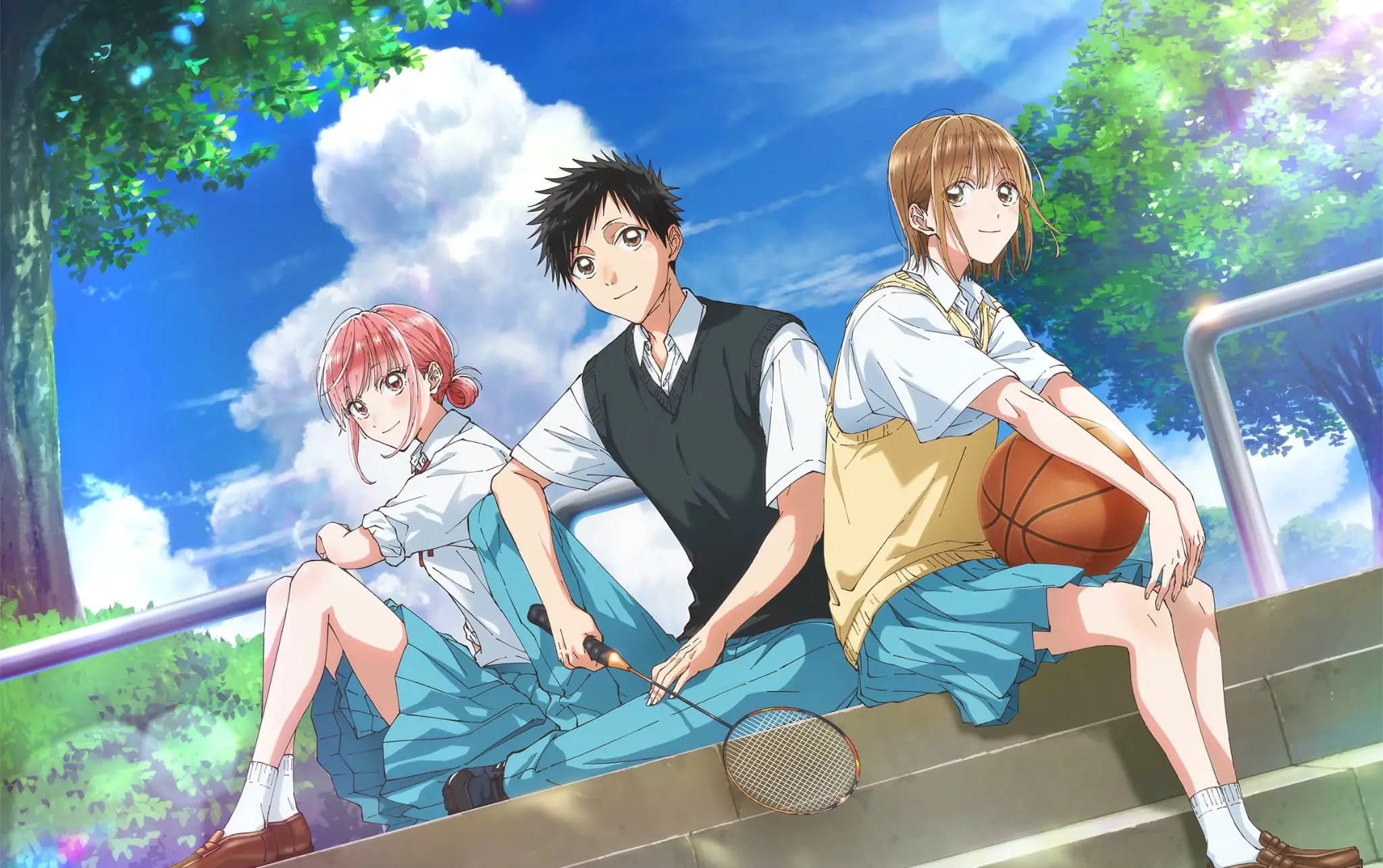
Blue Box
An ongoing shonen sports romance manga by Kouji Miura about a badminton player and his crush, a basketball team ace, who unexpectedly begin living together while pursuing their athletic dreams.
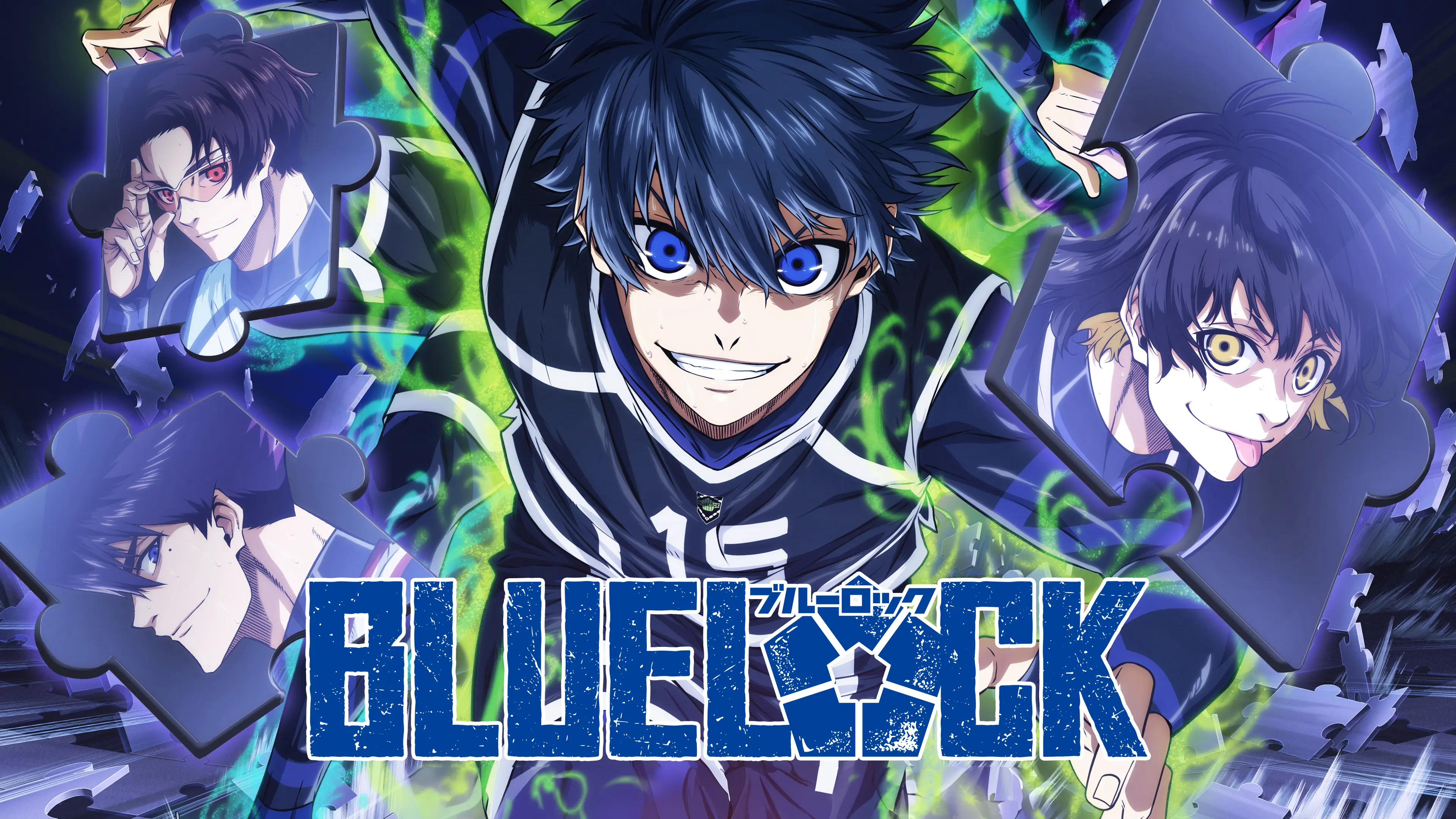
Blue Lock
A revolutionary sports manga about soccer that redefines the sport through individual genius and tactical brilliance.
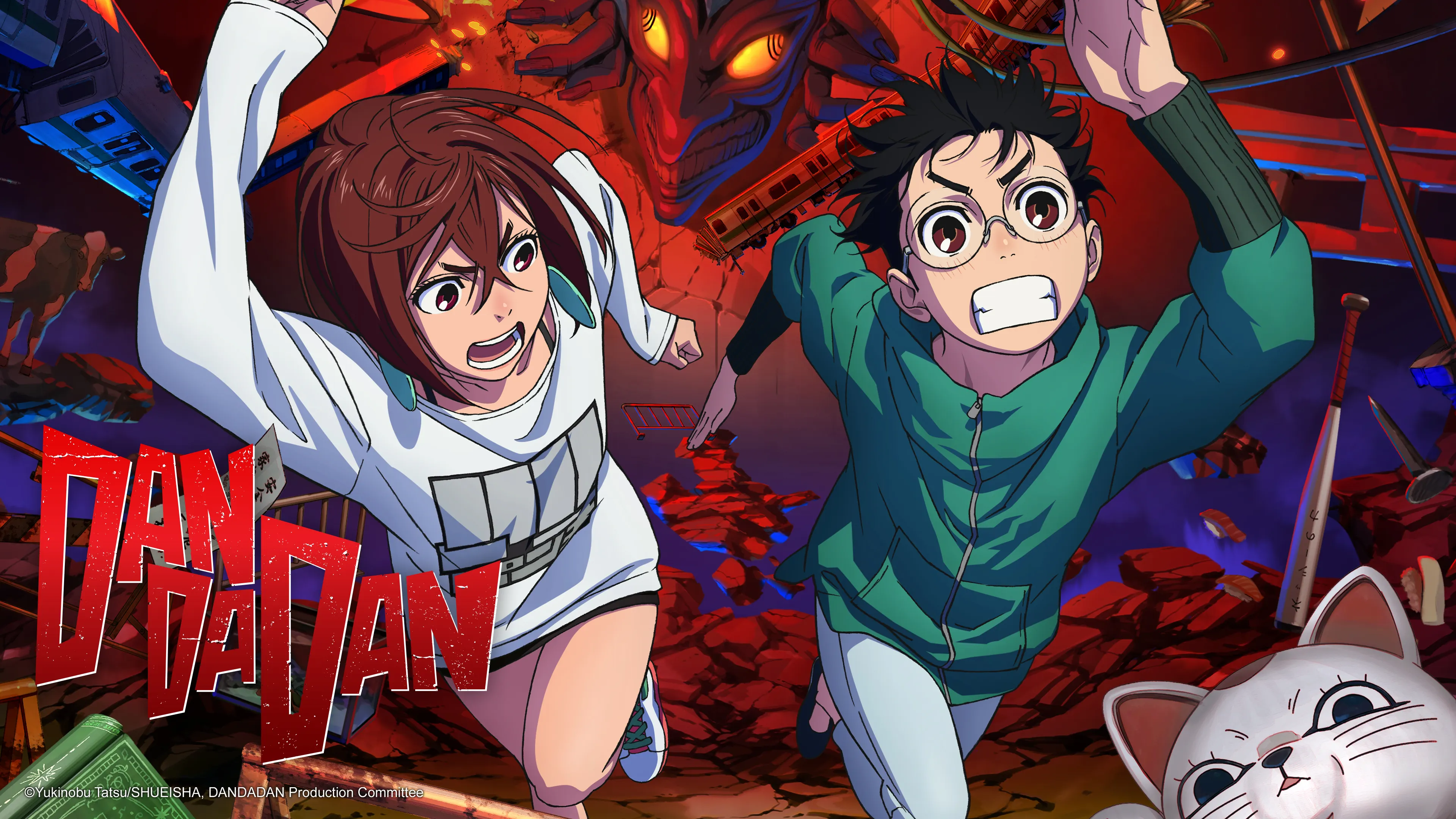
Dandadan
A contemporary shonen manga blending action, comedy, and supernatural mystery as two unlikely partners investigate paranormal phenomena.
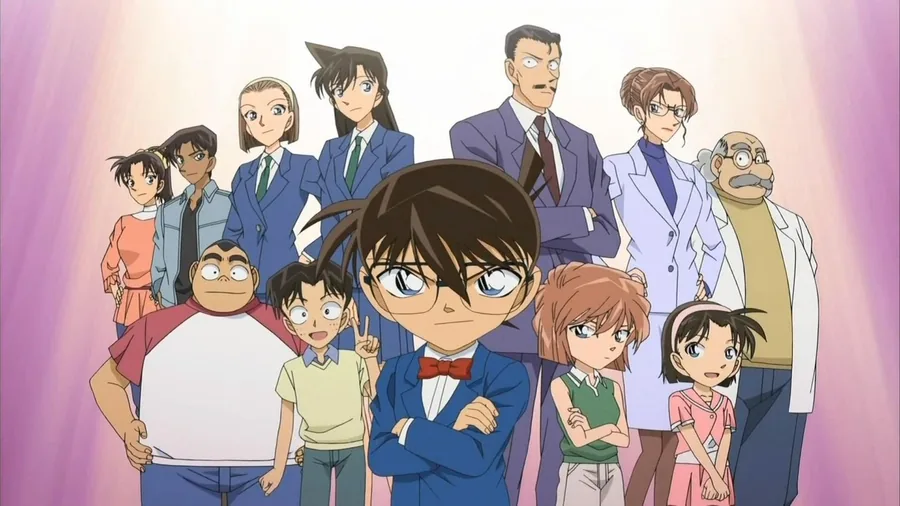
Detective Conan (Case Closed)
A long-running mystery and detective manga following the high-school detective Shinichi Kudo, who is shrunk into the body of a child by a mysterious organization and continues to solve cases under the pseudonym Conan Edogawa while hunting his attackers.
Related Articles
All articles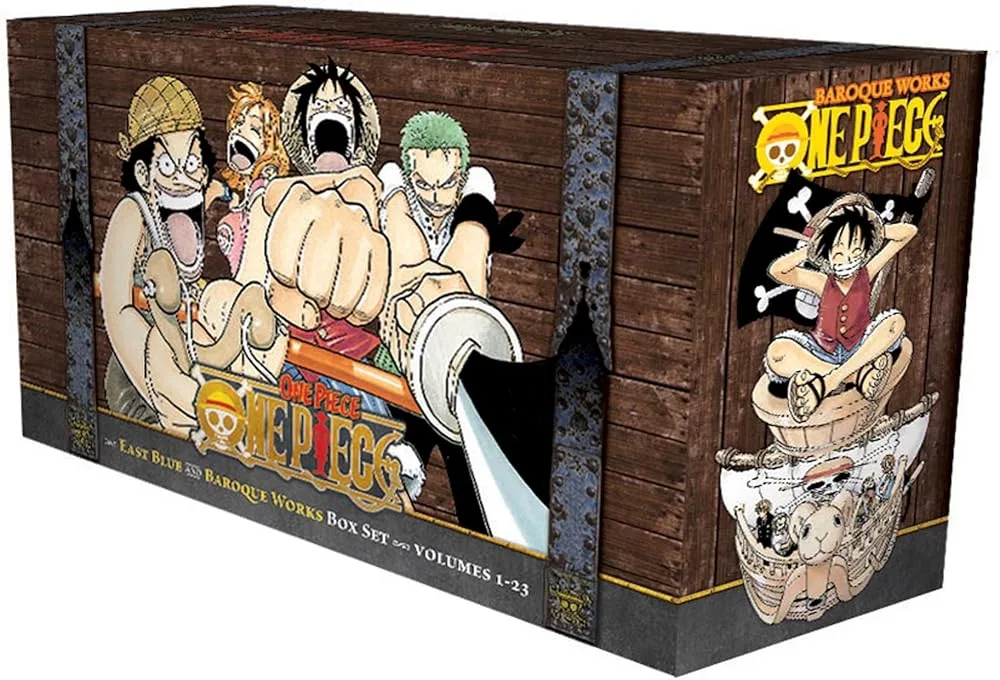
Top 16 Best Shonen Manga of All Time (2026)
The best shonen manga ever made, ranked. Legendary battle epics, underdog heroes, and the series that defined the genre — plus the box sets worth owning.
Best Manga by Genre: The Ultimate 2026 Reading Guide (Shonen, Shojo, Seinen, Josei)
Comprehensive manga genre guide featuring best series by demographic and genre. From action shonen to mature josei, find your next read organized by taste and preference.
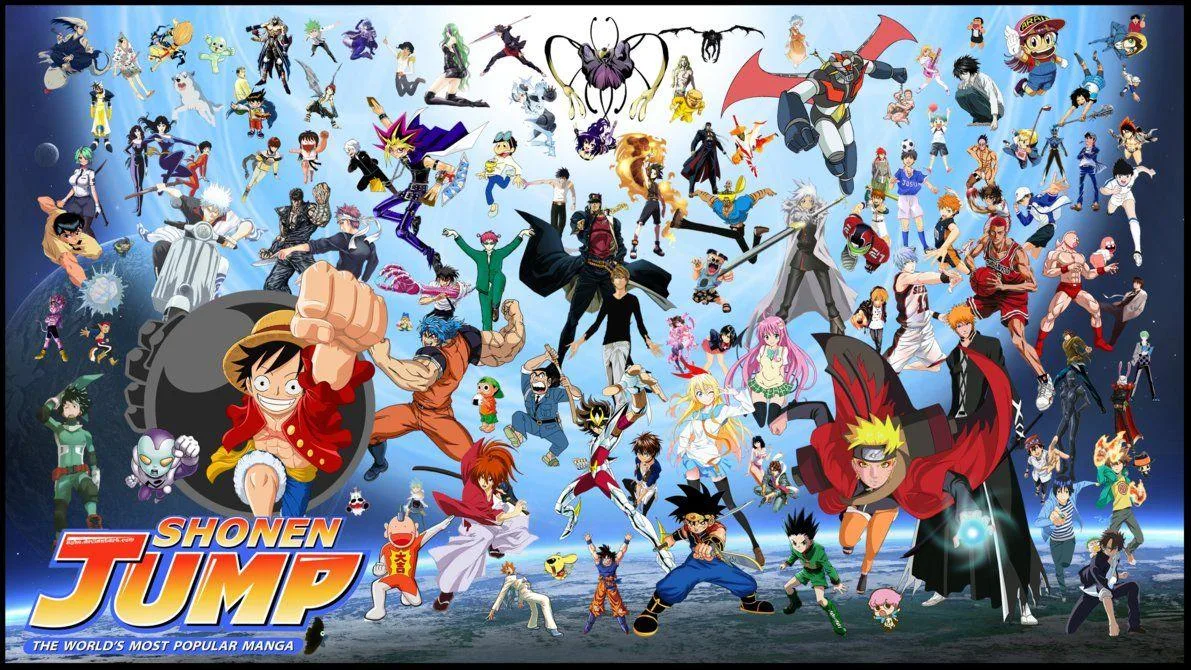
Weekly Shonen Jump Explained: How the World's Biggest Manga Magazine Works
Everything you need to know about Weekly Shonen Jump — history, ranking system, how manga gets serialized and canceled, famous series, and how to read it in English.