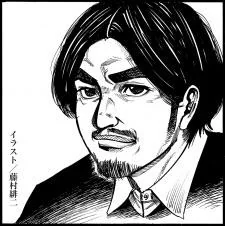
Muneyuki Kaneshiro
Explore the career of Muneyuki Kaneshiro, writer of Blue Lock and visionary storyteller who revolutionized sports manga with psychological depth, competitive intensity, and innovative narrative structure.
Early Life
Muneyuki Kaneshiro represents a distinctive category within manga creation—the writer-specialist whose primary contribution lies in narrative structure, dialogue, conceptual innovation, and thematic development rather than visual art. This role, while crucial to manga’s evolution and success, often receives less recognition than that of artist-mangaka, yet the best writer-illustrator collaborations have produced some of manga’s most celebrated works.
Born in the 1980s, Kaneshiro came of age during a period of significant transformation in manga and anime, with expanding globalization of Japanese popular culture and increasing technical sophistication in serialization practices. His background, while not extensively documented in publicly available sources, appears rooted in strong interest in narrative structure, character psychology, and sports storytelling. The development of a writer-specialist involves different pathways than traditional mangaka training—rather than apprenticing with established mangaka, writers often develop through engagement with literature, screenwriting, storytelling theory, and critical analysis of narrative structure.
The decision to specialize in writing rather than illustration suggests both aptitude recognition and deliberate career choice. Not every talented storyteller possesses the drawing ability or interest necessary to work as a full mangaka. Conversely, brilliant writers may find collaborative models more suited to their strengths and interests. Kaneshiro’s emergence as a major creative force through the writer-illustrator model with Blue Lock demonstrates the viability and value of this alternative pathway.
Career and Notable Works
Foundation in Writing and Storytelling
Before achieving breakthrough success with Blue Lock, Muneyuki Kaneshiro built his foundation as a storyteller through engagement with various narrative forms and storytelling approaches. His background in writing—whether through formal training, professional experience in other media, or intensive self-study—provided the conceptual framework that would distinguish his later work. The sports manga genre, while containing numerous entries, had rarely been approached with the level of psychological complexity and philosophical inquiry that Kaneshiro would bring to it.
Understanding narrative structure, character motivation, dialogue patterns, and thematic coherence represents the core of what a manga writer contributes. While many aspiring mangaka focus primarily on visual storytelling, the text component—dialogue, narration, exposition—requires equal skill and attention. Kaneshiro’s development likely involved extensive study of how language functions within the manga format, how dialogue can communicate character while advancing plot, and how narrative voice can deepen thematic resonance.
Blue Lock: A Conceptual Revolution
Blue Lock, which began serialization in 2018, stands as Muneyuki Kaneshiro’s defining work and a watershed moment in sports manga history. The series, illustrated by Yusuke Nomura, presents an innovative premise: a secret facility dedicated to developing the world’s greatest striker through radical training methods and psychological pressure. Rather than following a traditional school sports team narrative, Blue Lock isolates promising young players and forces them into competitive situations where only advancement remains possible and friendships cannot develop.
This premise alone reveals Kaneshiro’s innovative approach to sports storytelling. Traditional sports manga often emphasize teamwork, friendship, and mutual growth through shared struggle. While valuable, this formula had become somewhat predictable and formulaic across the genre. Blue Lock’s fundamental inversion—creating a deliberately hostile environment designed to foster individual excellence at the expense of traditional team values—represents conceptual audacity. The series asks uncomfortable questions: what does it mean to sacrifice friendship for individual achievement? Can competitive excellence exist without mutual support systems?
The philosophical underpinnings of Blue Lock distinguish it from more conventional sports narratives. The series engages with concepts of talent versus effort, individual potential, psychological manipulation, and the nature of genius itself. Rather than simply depicting athletic competitions, Kaneshiro crafts tournaments that become metaphorical battlegrounds for exploring human psychology and competitive drive. This thematic depth, combined with well-developed characters and compelling action sequences, creates sophistication often associated with seinen (adult-oriented) manga despite Blue Lock’s serialization in Weekly Young Jump, traditionally a shounen publication.
The narrative structure of Blue Lock demonstrates mastery of long-form storytelling. Rather than resolving conflicts quickly, Kaneshiro develops complex tournament structures that extend across dozens of chapters, creating sustained tension and allowing character relationships to evolve through extended interaction. The selection of what information to reveal and when—controlling reader knowledge to maximize impact—shows sophisticated understanding of narrative pacing and audience psychology.
Character Development Through Dialogue
One of Kaneshiro’s particular strengths lies in character development through dialogue and internal monologue. The protagonist Isagi Yoichi undergoes significant transformation across Blue Lock’s narrative, and much of this development occurs through his conversations with rivals and mentors, his inner questioning, and his gradually evolving philosophy regarding individual excellence. Strong manga dialogue must accomplish multiple simultaneous functions: advance plot, reveal character, deepen relationships, and maintain engaging pacing. Kaneshiro’s dialogue writing demonstrates excellence across all these dimensions.
The relationship between protagonist and antagonist represents a crucial element in sports narratives, and Kaneshiro crafts these relationships with considerable nuance. Rather than simple good-versus-evil dynamics, Blue Lock features rivals who respect and challenge one another, whose competitive struggle creates a kind of connection despite formal opposition. This complexity elevates sports drama beyond simple victory-and-defeat mechanics.
Artistic Style and Narrative Philosophy
Psychological Depth in Sports Competition
A primary distinguishing feature of Kaneshiro’s narrative approach is the emphasis on psychological elements of competition. Rather than focusing exclusively on physical technique and strategic gameplay—common elements in sports manga—Kaneshiro explores the mental dimensions of athletic performance. Character motivation, psychological pressure, confidence, fear, and self-perception receive substantial narrative attention. This psychological realism grounds the fantastical elements of the story and creates emotional investment beyond mere spectacle.
The series depicts how training, competition, and isolation affect athlete psychology. Characters suffer genuine psychological pressure, experience breakthrough moments that reshape their self-understanding, and struggle with doubt and insecurity alongside confidence and ambition. This portrayal of the mental component of athletic excellence demonstrates understanding of real-world sports psychology and elevates the narrative beyond simplistic depiction of athletic competition.
Innovative Tournament Structure
Tournament structure in sports manga has a long tradition, from martial arts competitions to athletic tournaments. Kaneshiro’s tournament design in Blue Lock reveals innovative thinking about narrative pacing and competitive fairness. Rather than simple elimination brackets, Blue Lock features complex formats designed to maximize competitive intensity and force repeated interaction between rivals. The structural choices serve thematic purposes—they create situations where psychological factors become as important as physical ability.
Thematic Coherence
The narrative maintains impressive thematic coherence across its extensive serialization. Central questions about individual versus team orientation, the nature of genius, the role of opportunity versus ability, and what constitutes genuine growth remain persistent themes woven through various arcs. Rather than treating themes as intellectual overlays on action sequences, Kaneshiro ensures that narrative structure and action serve thematic purposes.
Integration of Multiple Perspectives
While Isagi remains the primary protagonist, Kaneshiro’s narrative incorporates numerous other perspectives, creating a rich ensemble cast. Different characters embody different philosophical approaches to competition and individual excellence. By showing multiple valid perspectives and how different personalities approach the core conflicts of the series, Kaneshiro creates nuance and complexity that single-perspective narratives cannot achieve. Readers understand why characters make particular choices and sympathize with motivations even when disagreeing with approaches.
Legacy and Influence
Changing Sports Manga Paradigms
Muneyuki Kaneshiro has significantly influenced expectations and approaches within the sports manga genre. His success demonstrates that sports narratives need not follow predictable formulas. While team camaraderie and collective growth remain valuable themes, Kaneshiro showed that different organizational frameworks and philosophical approaches can create equally compelling narratives. Publishers and creators increasingly recognize that genre conventions provide guidelines rather than rigid requirements.
The sports manga market has evolved partly in response to Blue Lock’s success. More sports manga now incorporate psychological complexity, philosophical questioning, and unconventional narrative structures. The demonstration that such approaches can achieve commercial success provides validation for creative risk-taking within genre conventions.
Valorization of the Writer-Specialist Model
Kaneshiro’s prominence and success have elevated the status of writer-specialists in manga creation. While artist-mangaka remain the dominant model, the proven success of strong writer-illustrator collaborations demonstrates alternative pathways. Aspiring writers who lack visual art skills or preference for illustration have evidence that their narrative abilities can form the foundation of successful manga properties.
This elevation of the writer role also influences publishing industry decisions. Publishers increasingly recognize that partnering strong writers with skilled illustrators can create properties that neither creator could produce independently. The collaborative model, while more complex logistically, can leverage complementary strengths more effectively than demanding all skills from single individuals.
Influence on Sports Fiction Generally
Beyond manga specifically, Kaneshiro’s approach to sports storytelling—emphasizing psychological complexity, philosophical depth, and unconventional character motivation—influences how sports narratives are conceived across media. The success of psychologically complex sports fiction demonstrates that audiences appreciate sophistication and thematic depth. Sports narratives need not cater exclusively to simple victory narratives; they can explore moral complexity and psychological struggle with equal effectiveness.
Innovation in Tournament Narrative
The specific innovations in tournament structure pioneered by Kaneshiro—multiple formats, varied competitive frameworks, non-traditional elimination structures—have influenced how other creators approach competitive narrative climaxes. The technical and narrative sophistication required to make complex tournament structures comprehensible and dramatically effective requires considerable skill. Kaneshiro’s execution has created a template other creators study and build upon.
Japanese Sports Culture Representation
Blue Lock’s engagement with soccer as a sport reflects and influences contemporary awareness of soccer in Japan. The series celebrates Japanese athletes’ potential in a global context, addressing themes of national pride, international competition, and Japan’s position in world sports. This cultural dimension adds another layer to the narrative, making Blue Lock relevant to discussions of sports, national identity, and global competition.
Collaboration and Creative Process
Partnership with Illustrator Yusuke Nomura
The success of Blue Lock depends crucially on the effective collaboration between Kaneshiro’s writing and Yusuke Nomura’s illustration. Nomura’s visual style—featuring dynamic action sequences, creative panel layouts, and expressive character work—translates Kaneshiro’s narrative concepts into visual reality. The combination of strong writing and strong visual execution creates a whole greater than either component separately. The development of such partnerships requires complementary creative visions and effective communication between creator and illustrator.
Understanding how Kaneshiro communicates his narrative intentions to Nomura remains partially hidden from public view, as most manga creative process details remain private. However, the coherence and sophistication evident across Blue Lock suggests clear vision communication and mutual respect between collaborators.
Continuing Evolution and Contemporary Relevance
Long-Form Serialization Mastery
As Blue Lock continues serialization, Kaneshiro demonstrates sustained creative energy and evolving narrative sophistication. The series has not devolved into repetition or formula application—instead, successive arcs introduce new competitive frameworks, expand the character cast, and deepen thematic exploration. This sustained creative growth suggests an artist operating at considerable artistic confidence and mastery.
Adaptation and Multimedia Success
The anime adaptation of Blue Lock brought the series to broader audiences, and the successful translation of Kaneshiro’s complex narrative to animated form validates his storytelling approach. The challenges of adapting psychologically complex sports narrative to animation are substantial, yet successful adaptation suggests narrative clarity and visual comprehensibility. Kaneshiro’s continued potential for multimedia success remains significant.
Conclusion
Muneyuki Kaneshiro stands as a significant creative force in contemporary manga, having revolutionized expectations within the sports genre through psychological depth, philosophical inquiry, and innovative narrative structure. His success as a writer-specialist validates alternative creative pathways and demonstrates that manga greatness need not emerge exclusively from the artist-mangaka model. Blue Lock’s achievement—creating a commercially successful, critically acclaimed property that achieves sustained creative excellence across multiple years of serialization—positions Kaneshiro among the most influential contemporary voices in manga storytelling. His influence extends beyond genre boundaries, affecting broader expectations for narrative sophistication and thematic coherence in serialized fiction. As manga continues to evolve and develop new audience relationships globally, Kaneshiro’s emphasis on psychological realism and philosophical depth will likely continue shaping the medium’s trajectory.
FAQ: Muneyuki Kaneshiro
Other Mangakas You May Like
All mangakas
Ai Yazawa
Discover the life and enduring legacy of Ai Yazawa, one of manga's greatest storytellers, whose series Nana changed what shōjo manga could be — and whose hiatus became one of the industry's most followed stories.
Notable Works:
- • Nana
- • Paradise Kiss
- + 2 more

Aka Akasaka
Aka Akasaka is a highly accomplished Japanese manga writer known for genre mastery across romantic comedy and dark drama. His works Kaguya-sama: Love Is War and Oshi no Ko have achieved massive commercial and critical success, with Kaguya-sama selling over 22 million copies worldwide. Akasaka is celebrated for subverting genre conventions, creating complex psychological narratives, and exploring moral ambiguity in compelling storytelling.
Notable Works:
- • Kaguya-sama: Love Is War
- • Oshi no Ko
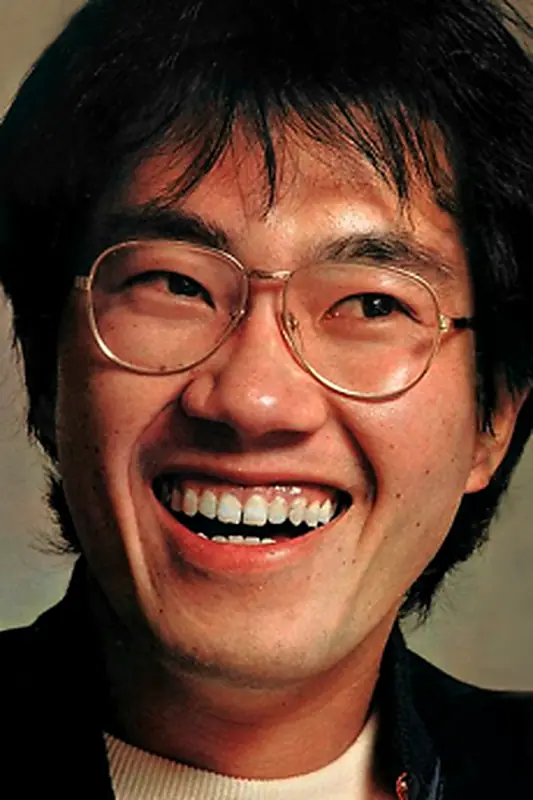
Akira Toriyama
Explore Akira Toriyama's revolutionary career: creator of Dragon Ball, Dr. Slump, and iconic manga. Learn about his artistic genius, influence, and legacy in manga history.
Notable Works:
- • Dragon Ball
- • Dragon Ball Z
- + 3 more

CLAMP
Discover CLAMP, the iconic collective of four talented female manga artists. Explore their revolutionary works from Cardcaptor Sakura to xxxHolic and their lasting industry impact.
Notable Works:
- • Cardcaptor Sakura
- • xxxHolic
- + 4 more
Related Articles
All articles
Blue Lock Arcs in Order: The Complete List (2026)
Every Blue Lock arc in order, from the First Selection to the World Stage. A complete, up-to-date guide to all Blue Lock story arcs with quick summaries.

Blue Lock Manga Summary: Complete Guide to the Soccer Thriller Series
Comprehensive Blue Lock manga summary. Explore the plot, characters, anime adaptation, and why this soccer thriller became a global phenomenon.