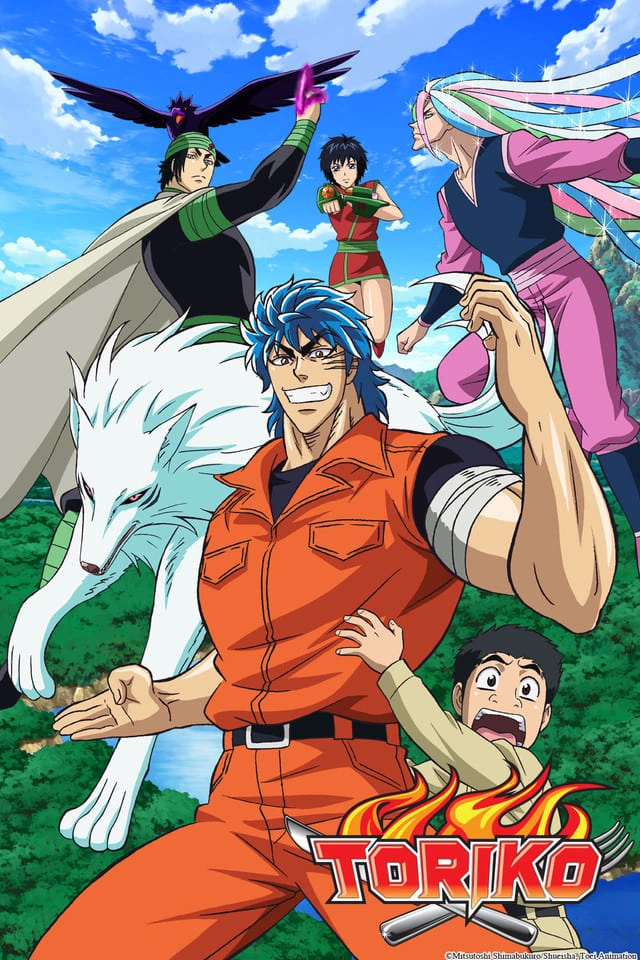
Mitsutoshi Shimabukuro: Biography and Works
Mangaka behind Toriko
Discover Mitsutoshi Shimabukuro's journey from aspiring artist to creator of Toriko, one of Weekly Shonen Jump's most beloved gourmet adventure manga.
Early Life and Artistic Origins
Mitsutoshi Shimabukuro was born August 8, 1978, in Niigata Prefecture, Japan. He grew up during golden age of manga, influenced by shounen works emphasizing adventure, camaraderie, and personal growth. From early childhood, Shimabukuro demonstrated exceptional artistic talent and fascination with creation narrative—not merely drawing adventure stories but crafting worlds containing their own internal logic and thematic coherence.
Shimabukuro’s early inspiration derived from classic shounen manga featuring powerful protagonists on personal quests. However, unlike many contemporaries, Shimabukuro demonstrated equal interest in supporting characters and ensemble dynamics. His early sketches show characteristic attention to character variety, comic timing, and visual storytelling distinct from mere action-focused illustration.
During adolescence, Shimabukuro made deliberate choice to pursue manga creation professionally. Rather than pursuing conventional art education, he sought mentorship within manga industry, working as assistant to established mangaka to learn professional techniques and develop unique artistic voice. This apprenticeship approach—common in Japanese creative industries—provided practical education impossible to obtain through academic channels.
Career Development and Breakthrough
Shimabukuro’s early professional career involved creating short works and participating in manga magazines’ new artist competitions. These early pieces demonstrated distinctive stylistic elements: dynamic action sequences, innovative comedic timing through visual gags, and ability to establish character personalities through minimal exposition. His breakthrough came recognition that his strength lay not in adapting existing popular formulas but in creating original premises with distinctive thematic interests.
Shimabukuro’s initial serialized works showed promise but limited commercial success, common experience among mangaka developing distinctive voices. Rather than compromising artistic vision to achieve commercial viability, Shimabukuro refined his approach, understanding that sustainable career required combination of commercial appeal and genuine artistic integrity.
The opportunity for major breakthrough came through development of concept eventually becoming Toriko. Shimabukuro proposed manga centered on ingredient hunting and culinary adventure—premise seemingly commercially risky within shounen market dominated by power-scaling and tournament narratives. However, editorial teams at Jump Square recognized unique potential in approach combining action, comedy, food appreciation, and character-driven storytelling into cohesive whole.
Toriko’s serialization beginning 2008 marked transformative moment in Shimabukuro’s career. Initial chapters established multiple foundational elements: world-building introducing ingredient ranking system and Gourmet Hunters, character dynamics between Toriko and Komatsu establishing partnership as emotional core, and thematic interests in hunger, ambition, and personal growth. Readers responded positively to combination of spectacular action sequences with genuine character relationships and comic sensibility.
Artistic Style and Thematic Preoccupations
Shimabukuro’s artistic approach combines meticulous line work with dynamic compositions creating sense of movement and impact. His character design demonstrates understanding of visual storytelling: distinguishing characters through distinctive silhouettes, expressions, and stylistic choices allowing instant recognition. Unlike mangaka emphasizing photorealistic detail, Shimabukuro maintains stylized approach that paradoxically feels more emotionally authentic through emphasis on personality over technical precision.
Shimabukuro’s visual comedy demonstrates exceptional timing and spatial awareness. He constructs comedic sequences through careful panel arrangement, exaggerated expressions, and unexpected juxtaposition of scale—techniques maximizing impact within comics medium. This comic sensibility pervades even serious dramatic moments, creating tonal balance preventing series from becoming overly heavy while maintaining stakes and character investment.
Thematically, Shimabukuro obsessively examines hunger—both literal appetite for food and metaphorical hunger for growth, connection, and meaning. This thematic interest distinguishes his work within broader shounen context: where many series emphasize power acquisition and victory achievement, Shimabukuro’s narratives emphasize appetite’s philosophical significance and hunger’s relationship to human identity and desire.
Shimabukuro demonstrates sophisticated understanding of partnership and ensemble dynamics. Rather than isolating protagonist, his narratives emphasize supporting characters’ equal importance. Komatsu’s role in Toriko extends far beyond convenient plot device; the chef represents essential component of Toriko’s success and emotional grounding. Four Heavenly Kings receive individual development reflecting distinct personalities rather than serving as interchangeable power-up sources. This character approach creates richer narrative allowing exploration of diverse perspectives and interpersonal dynamics.
Shimabukuro’s approach to world-building emphasizes internal consistency and logical progression. Ingredient ranking systems, capture mechanics, and Gourmet World geography follow established rules allowing readers to understand threat levels and achievement significance. This systematic approach parallels video game design—readers understand challenge escalation and appreciate protagonist’s growth against quantifiable standards. This design principle proved partially responsible for Toriko’s accessibility to diverse audience segments.
Major Works and Impact
Toriko represents Shimabukuro’s primary commercial and artistic success, serializing for eight years across 43 volumes. The series achieved significant international recognition, receiving anime adaptation, film releases, merchandise proliferation, and translation into multiple languages. Toriko’s success established Shimabukuro as significant figure within manga landscape capable of creating original concepts with sustained commercial viability.
Beyond Toriko, Shimabukuro created additional serialized works demonstrating range while maintaining distinctive stylistic and thematic preoccupations. These works, though receiving less commercial attention than Toriko, showed Shimabukuro’s commitment to artistic exploration and experimental narrative approaches. The relatively modest success of post-Toriko works compared to the phenomenon status of his masterpiece reflects common industry pattern: mangaka achieving singular breakthrough often struggle creating equally successful successor properties.
Shimabukuro’s impact on contemporary manga extends beyond commercial success. His approach to food appreciation and ingredient-focused narratives influenced subsequent manga creators exploring culinary themes. Works like Food Wars! and similar food-centric narratives show clear lineage to Toriko’s popularity and critical recognition. Shimabukuro demonstrated that adventure narratives could successfully incorporate food appreciation and culinary storytelling without sacrificing action and character development.
Personal Life and Philosophy
Despite his prominence, Shimabukuro maintains relatively private personal life. Public information remains limited, reflecting general pattern among mangaka protecting privacy while maintaining professional profiles. Known information suggests Shimabukuro maintains commitment to craft, continuing creation of new works and remaining engaged with manga industry.
Interviews suggest Shimabukuro approaches manga creation with philosophical seriousness viewing medium as legitimate artistic expression deserving aesthetic and thematic rigor. He expresses commitment to character-driven storytelling believing that action sequences and world-building serve primarily to illuminate character relationships and emotional truths. This perspective distinguishes him from mangaka emphasizing technical spectacle or plot complexity over emotional authenticity.
Shimabukuro appears motivated by desire to create memorable characters readers connect with emotionally and relationships readers invest in meaningfully. Rather than pursuing novelty for novelty’s sake, he demonstrates commitment to exploring selected thematic interests—hunger, partnership, personal growth, power’s moral implications—across multiple works and volumes. This consistency of vision creates coherent artistic voice recognizable across his bibliography.
Legacy and Continuing Influence
Toriko’s completion did not diminish its cultural significance. Fanbase remains active, creating fan art, fiction, and community discussions examining character relationships and thematic implications. The manga achieved classic status within shounen canon, appearing in discussions of essential adventure narratives alongside One Piece, Hunter x Hunter, and similar landmark series.
Shimabukuro’s influence particularly notable among manga creators approaching food-focused narratives and character ensemble dynamics. His demonstration that ingredient hunting could sustain compelling narrative across 43 volumes encouraged publishers to greenlight food-centric concepts that might otherwise seem commercially risky. The prevalence of culinary manga published subsequent to Toriko’s success demonstrates his impact on editorial commissioning and creator opportunities.
Shimabukuro’s artistic legacy emphasizes that commercial success and artistic integrity need not represent opposed values. Toriko achieved massive popularity while maintaining thematic depth, character development, and philosophical seriousness. This balance—appealing simultaneously to broad audience and critical readers—represents considerable achievement requiring both commercial acumen and unwavering artistic vision.
FAQs About Mitsutoshi Shimabukuro
What defines Shimabukuro’s unique artistic contribution? Shimabukuro distinguished himself through emphasis on character relationships and thematic depth combined with spectacular action sequences and strong comedic sensibility. His incorporation of food appreciation and culinary elements into adventure narrative proved innovative within shounen context, allowing exploration of hunger’s philosophical significance alongside conventional adventure elements.
How does Shimabukuro approach character development? Shimabukuro emphasizes supporting character importance and ensemble dynamics rather than isolating protagonist. His characters receive distinct personalities, philosophies, and development arcs preventing them from becoming interchangeable power sources. This approach creates richer narrative exploring diverse perspectives and interpersonal relationships.
What is Shimabukuro’s relationship to food in his narratives? Food holds both literal and metaphorical significance in Shimabukuro’s work. Ingredients represent adventure objectives, character values, and thematic explorations of appetite and hunger. Rather than treating food as peripheral element, Shimabukuro centers narratives on ingredient appreciation and culinary artistry, creating unique narrative opportunities.
Why is Toriko considered Shimabukuro’s masterwork? Toriko represents culmination of Shimabukuro’s artistic interests, thematic preoccupations, and character development abilities. The series achieved massive commercial success while maintaining consistent thematic depth and character focus across 43 volumes. It balanced action, comedy, emotional sincerity, and philosophical exploration into cohesive whole.
Has Shimabukuro created work post-Toriko? Yes, Shimabukuro created additional serialized manga after Toriko’s conclusion. However, subsequent works received less commercial attention than Toriko, reflecting common industry pattern following successful breakthrough properties. These works demonstrated Shimabukuro’s continued artistic commitment and experimentation with narrative approaches.
What influence did Shimabukuro have on contemporary manga? Shimabukuro’s success with food-focused adventure narrative influenced subsequent creators exploring culinary theme
Frequently asked questions about Mitsutoshi Shimabukuro
Sources and editorial review
Editorial review: Doni Hernandez. Sourcing and corrections policy. Report an error.
Other Mangakas You May Like
All mangakas
Ai Yazawa
Discover the life and enduring legacy of Ai Yazawa, one of manga's greatest storytellers, whose series Nana changed what shōjo manga could be — and whose hiatus became one of the industry's most followed stories.
Notable Works:
- • Nana
- • Paradise Kiss
- + 2 more

Aka Akasaka
Aka Akasaka is a highly accomplished Japanese manga writer known for genre mastery across romantic comedy and dark drama. His works Kaguya-sama: Love Is War and Oshi no Ko have achieved massive commercial and critical success, with Kaguya-sama selling over 22 million copies worldwide. Akasaka is celebrated for subverting genre conventions, creating complex psychological narratives, and exploring moral ambiguity in compelling storytelling.
Notable Works:
- • Kaguya-sama: Love Is War
- • Oshi no Ko
Akira Toriyama
Explore Akira Toriyama’s manga and character design. Distinguish Dragon Ball from its adaptations and find a starting point for his work.
Notable Works:
- • Dragon Ball
- • Dr. Slump
- + 2 more

CLAMP
Discover CLAMP, the iconic collective of four talented female manga artists. Explore their revolutionary works from Cardcaptor Sakura to xxxHolic and their lasting industry impact.
Notable Works:
- • Cardcaptor Sakura
- • xxxHolic
- + 4 more