Bishoujo Senshi Sailor Moon
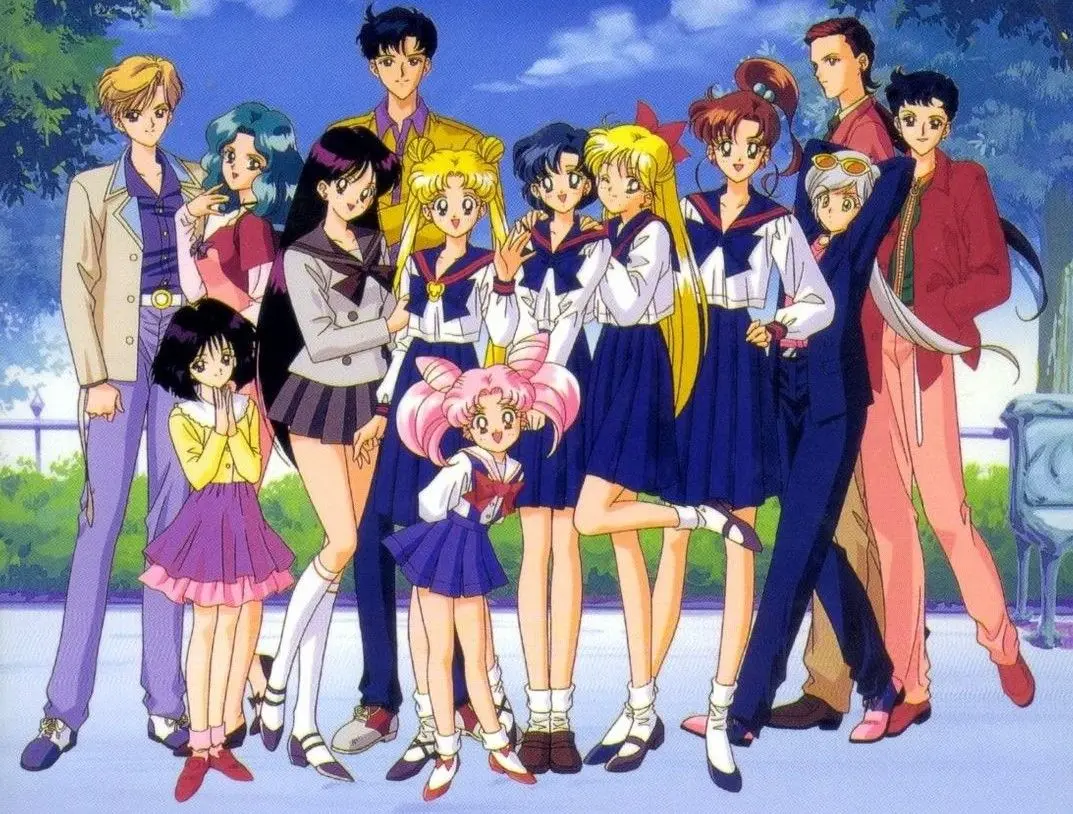
A revolutionary magical girl manga where a girl discovers she is part of an elite warrior group protecting Earth from dark forces.
All Bishoujo Senshi Sailor Moon Story Arcs in Order
| # | Arc |
|---|---|
| 1 | Dark Kingdom Arc |
| 2 | Black Moon Clan Arc |
| 3 | Infinity Arc |
| 4 | Dream Arc |
| 5 | Stars Arc |
Overview
Sailor Moon stands as one of the most influential, beloved, and culturally significant manga series ever created. Written and illustrated by Naoko Takeuchi, Sailor Moon began serialization in 1991 and concluded in 1997, spanning 18 volumes that revolutionized the magical girl genre and exerted profound influence on manga, anime, and global popular culture. The series became a generational phenomenon, with its massive commercial success, iconic characters, and innovative storytelling establishing templates that influenced countless subsequent creators.
The narrative follows Usagi Tsukino, an ordinary junior high school girl who discovers that she is actually a reincarnated warrior responsible for protecting Earth from supernatural threats. Alongside other similarly discovered girls—Ami, Rei, Makoto, and Minako—Usagi transforms into Sailor Moon, a warrior with extraordinary powers dedicated to preserving humanity. Despite her initial reluctance to embrace her destiny, Usagi gradually accepts her role, discovering that genuine growth requires courage, commitment, and willingness to sacrifice for others.
What distinguished Sailor Moon from earlier magical girl manga was its sophisticated integration of action, comedy, romance, and character development alongside the genre’s traditional elements. Rather than serving as showcase for magical transformations and supernatural combat, Takeuchi’s narrative prioritized character relationships, emotional stakes, and thematic depth. The series demonstrated that manga ostensibly aimed at young female audiences could contain complex storytelling, sophisticated character arcs, and genuine emotional weight while remaining accessible and entertaining.
Story and Themes
Sailor Moon employs a structure where increasingly significant narrative arcs build upon each other, beginning with relatively simple supernatural threats and gradually escalating to conflicts with cosmic significance. This progressive escalation allows character development to accumulate organically, with each new arc introducing greater challenges that require corresponding growth from the protagonists.
The central thematic framework explores the tension between ordinary life and extraordinary responsibility. Usagi desperately desires to live a normal existence—to focus on school, romance, and friendship—yet her identity as Sailor Moon increasingly demands sacrifice of normal teenage experience. The series takes this tension seriously, acknowledging that responsibility and duty sometimes require giving up what you want. Yet the narrative also argues that genuine growth and meaning emerge through accepting responsibility and discovering that the sacrifice becomes its own reward.
The series explores female friendship and solidarity with remarkable sophistication for a story marketed to young girls. The Sailor Guardians operate as a team where individual members possess distinct abilities, personalities, and circumstances, yet work together toward shared purpose. Rather than presenting female competition or cattiness, the series emphasizes cooperation, emotional support, and collective action. The friendships between characters feel genuine and earned, developing through shared struggle and mutual vulnerability rather than superficial bonding.
Romance appears throughout the narrative, yet Takeuchi handles it with nuance that complicates traditional romance tropes. Usagi and Mamoru’s relationship operates as significant thematic element, yet the narrative acknowledges genuine complications and challenges to their connection. The series recognizes that teenage romance exists alongside other priorities and commitments, that love does not automatically solve problems, and that genuine connection requires ongoing work and compromise.
The concept of destiny versus agency receives recurring exploration. Usagi is predestined as Sailor Moon, yet her character arc involves actively choosing to embrace this destiny rather than passively accepting it. The series argues that genuine transformation requires willing participation, that being chosen for greatness differs fundamentally from choosing to act with integrity and courage.
Self-sacrifice and protection emerge as significant themes. The series presents genuine stakes where characters must risk death to protect others. Yet rather than glorifying martyrdom, the narrative suggests that meaningful sacrifice derives its significance through genuine choice and through its consequences for community. Characters grow through understanding what they are willing to die for and what they desire to live for.
Redemption appears throughout the narrative. Various characters initially presented as antagonists gradually transform into allies or protagonists, suggesting that people contain capacity for change and growth. The series refuses to present simple moral categories, instead suggesting that circumstances, upbringing, and psychological factors shape individuals’ choices, and that redemption becomes possible when people receive genuine support and alternative options.
Main Characters
Usagi Tsukino functions as the series’ protagonist and emotional center. Introduced as an ordinary, underachieving girl who would prefer avoiding responsibility, Usagi consistently demonstrates that genuine heroism does not require exceptional natural talent but rather courage, determination, and willingness to grow. Her character arc involves gradually accepting her role and discovering that she possesses capabilities—both practical and emotional—she initially believed she lacked.
Importantly, Usagi remains fundamentally herself throughout her transformation. She never becomes the perfectly disciplined, perpetually competent warrior archetype. Instead, she demonstrates that ordinary people with ordinary flaws and limitations can accomplish extraordinary things through commitment and support from community. This portrayal resonated with readers who saw themselves reflected in Usagi’s initial inadequacy and gradual growth.
Ami Mizuno represents the intelligent, studious member of the group. Ami’s character arc involves learning that academic excellence and analytical thinking, while valuable, do not suffice alone for genuine connection with others. Her development emphasizes emotional intelligence and vulnerability alongside intellectual capability, suggesting that complete personhood requires integration of multiple aspects.
Rei Hino functions as the principled, traditional member of the group. Rei’s spiritual sensitivity and commitment to proper behavior initially suggest rigidity, yet her character arc involves discovering that genuine principle sometimes requires departing from tradition, that following rules matters less than acting with integrity. Her relationship with Usagi evolves from initial friction to deep affection, demonstrating how different personality types can develop genuine connection.
Makoto Kino represents the physically strong member whose childhood trauma and difficult family circumstances created deep insecurity beneath her competent exterior. Makoto’s character arc involves recognizing her strength as genuine without requiring constant validation from others, developing independence alongside interdependence. Her domestic interests—cooking, housekeeping—are treated as genuine sources of meaning rather than as secondary to her warrior role.
Minako Aino, introduced later in the series, functions as the enthusiastic member whose apparent shallowness conceals genuine depth. Minako’s character arc involves recognizing her capacity for serious commitment and sacrifice, discovering that her upbeat personality coexists with psychological complexity and genuine pain.
Mamoru Chiba serves as Usagi’s love interest and eventual ally, though his relationship with Usagi develops gradually. Rather than immediately becoming simply supportive, Mamoru initially creates complications, yet their relationship deepens through genuine connection and mutual growth.
Arcs
arcs:
-
slug: dark-kingdom name: Dark Kingdom summary: Usagi discovers her role as Sailor Moon and teams with other Guardians to combat the Dark Kingdom’s invasion of Earth. detailedSummary: |- The Dark Kingdom Arc introduces the series’ premise when Usagi Tsukino, an ordinary underachieving girl, encounters Luna, a talking cat who reveals her true identity as Sailor Moon. Alongside newly discovered Guardians Ami, Rei, and Makoto, Usagi must transform into magical warrior form to combat the Dark Kingdom’s growing influence on Earth. The Kingdom’s agents infiltrate human society through various schemes, draining human energy to revive the Dark Kingdom’s leaders.
Usagi’s initial reluctance to embrace her destiny provides the arc’s emotional anchor. She would prefer focusing on school, friends, and potential romance rather than defending Earth against supernatural threats. This conflict between ordinary teenage desires and extraordinary responsibility remains consistently genuine throughout the arc, establishing the series’ sophisticated integration of superhero action with realistic teenage experience and emotional development.
The arc introduces Mamoru Chiba, a mysterious young man who repeatedly assists Usagi while claiming to be on the Dark Kingdom’s side, creating romantic tension alongside combat stakes. The gradual revelation of his true allegiance and the complex layers of his character establish romantic relationships within the narrative as equally significant to action sequences. The arc concludes with the Dark Kingdom’s apparent defeat, though hints of greater threats create foundation for subsequent narrative expansion.
-
slug: black-moon-clan name: Black Moon Clan summary: A new threat emerges from the future when the Black Moon Clan invades Earth, forcing the Guardians to confront expanded cosmic scope. detailedSummary: |- The Black Moon Clan Arc escalates stakes by introducing antagonists from the future who seek to prevent the formation of the utopian civilization they originated from. Their presence forces the Guardians to recognize that threats extend beyond present moment into temporal complexity and that preventing the future requires present action. The introduction of Chibiusa, a strange child claiming to be Usagi’s daughter, creates emotional stakes and complicates relationships through revelation of futures that may never occur.
This arc introduces additional Guardians—Setsuna, Haruka, and Michiru—expanding the Guardians into larger community while introducing military aesthetics and more sophisticated combat strategies. The expanded team demonstrates how found family grows beyond initial members while maintaining existing relationships’ significance. New Guardians bring different personalities and perspectives, complicating group dynamics while deepening emotional stakes as larger community forms.
The arc grapples with questions of destiny and agency through Chibiusa’s existence: if futures can be prevented, what does this mean for free will and predetermined fate? If the future can be altered, characters wonder whether their present actions carry sufficient weight. The arc suggests that genuine agency emerges not from denying destiny but from actively choosing actions within whatever constraints circumstances present. The conclusion demonstrates that the future is not fixed but rather continuously created through present choices.
-
slug: infinity name: Infinity summary: A new enemy emerges from within the Solar System as the Guardians confront their most powerful individual adversaries yet. detailedSummary: |- The Infinity Arc introduces the Daimon enemies and their quest to retrieve the Holy Grails, positioning the threat as originating from within known space rather than external invasion. The Guardians discover that three of their members—Haruka, Michiru, and Hotaru—carry fragments of the enemy’s power, creating internal conflict within their community. This revelation forces confrontation with the question of whether people carrying contamination should be protected or destroyed, and whether predetermined roles can be transcended through genuine connection.
Hotaru, a young girl recovering from severe injuries with supernatural power, develops relationship with Chibiusa that demonstrates found family formation across generations and normalcy levels. While other Guardians prepare for combat, Hotaru’s quiet presence reminds them that protecting others’ lives and possibilities matters more than abstract military victory. Her character demonstrates that vulnerability can coexist with power and that those carrying potential danger require support rather than rejection.
The arc introduces the Holy Grail and escalates magical transformation sequences into more elaborate and spectacular displays of power. These transformation moments function as visual expression of characters’ spiritual growth and commitment to their roles. The arc’s exploration of destiny versus agency deepens through examination of whether Haruka, Michiru, and Hotaru can transcend their predestined roles through chosen action and community support, with the narrative answering affirmatively that genuine bonds allow transcendence of assumed limitations.
-
slug: dream name: Dream summary: The Dream Arc brings personal nightmares into reality as Guardians face enemies born from collective unconscious fears. detailedSummary: |- The Dream Arc explores the unconscious and psychological dimensions of experience through enemies manifested from collective fears and desires. The Guardians discover that the Dead Moon Circus, their antagonist, actually represents manifestation of humanity’s destructive dreams and nightmares given physical form. This arc emphasizes that external threats often reflect internal conflicts and that defeating enemies requires simultaneously addressing inner psychological struggles.
Character-specific episodes explore individual Guardians’ personal fears and insecurities made manifest as individual enemies. Usagi confronts her lingering inadequacy and self-doubt. Ami faces pressure regarding her intelligence and uncertain future. Rei grapples with identity confusion between her spiritual calling and ordinary teenage desires. Each Guardian must overcome not only physical opponent but psychological barrier that opponent represents. This structure deepens character exploration while suggesting that personal growth and external triumph are inseparable.
The arc introduces Nehellenia, the Dead Moon Circus’s true leader, and reveals her tragic backstory rooted in trauma and isolation. Her character demonstrates that even primary antagonists carry genuine suffering and that understanding opponent’s psychology creates opportunity for redemption or, if redemption proves impossible, at least recognition of shared vulnerability. The arc concludes with both combat victory and psychological growth for all Guardians, establishing that true growth requires addressing both external threats and internal struggles.
-
slug: stars name: Stars summary: The final arc brings cosmic scale conflict as Sailor Guardians confront threats from outer space and face fundamental questions about their roles and futures. detailedSummary: |- The Stars Arc, the series’ final narrative section, introduces the Sailor Starlights and positions the ultimate threat as originating from cosmic scale conflict beyond Earth’s immediate sphere. The revelation that some characters possess cosmic significance forces confrontation with questions of identity, destiny, and personal desire. Characters discover that their Sailor Guardian identities may be fundamental to cosmic balance while simultaneously recognizing their individual desires and personal relationships matter equally.
The arc addresses themes of endings and transitions as some characters recognize their roles will eventually change or conclude. Usagi and Mamoru’s evolving relationship takes on additional significance as they contemplate futures distinct from their present identities. The narrative acknowledges that growth sometimes requires releasing previous roles and identities in favor of new possibilities, suggesting that clinging to past identities prevents authentic development.
The final confrontation with Galaxia and the Shadow Galactica explores themes of power, corruption, and whether ultimate power can be separated from fundamental isolation and emptiness. The arc argues that genuine strength emerges from relationships and commitment to protecting others rather than from individual power accumulation. The series concludes with transformation of Guardians’ roles, their graduation from primary defender status to different relationships with cosmic conflict, and affirmation that their victory derives from collective effort and mutual support.
Characters
characters:
-
slug: usagi-tsukino name: Usagi Tsukino role: protagonist description: |- Usagi Tsukino functions as the series’ protagonist and emotional center, introduced as an ordinary underachieving girl who would prefer avoiding responsibility. Despite her initial inadequacy and consistent anxiety regarding her role, Usagi demonstrates genuine growth through the series’ progression. Her character arc centers on discovering that genuine heroism does not require exceptional natural talent but rather courage, determination, and willingness to sacrifice for others.
Usagi’s personality remains fundamentally unchanged throughout her transformation into Sailor Moon. She never becomes the perfectly disciplined warrior archetype but rather demonstrates that ordinary people with ordinary flaws and limitations can accomplish extraordinary things through commitment and community support. Her continued struggle with mathematics, her romantic anxieties, and her desire to pursue normal teenage experiences ground her in relatable humanity that makes her eventual triumph meaningful.
Her role as leader develops gradually rather than emerging suddenly, with her consistent prioritization of protecting others’ wellbeing eventually establishing her as decision-maker despite her own uncertainty. Her willingness to place herself in danger to protect her friends and her refusal to abandon people in difficulty provide demonstration of genuine leadership rooted in values rather than authority or power. By series’ conclusion, she has become person whom others rely upon for moral guidance and emotional support despite her continued self-doubt.
appearsIn:
- dark-kingdom
- black-moon-clan
- infinity
- dream
- stars groups:
- inner-senshi
-
slug: ami-mizuno name: Ami Mizuno role: protagonist description: |- Ami Mizuno represents the intelligent, studious member of the Guardian group, with exceptional academic achievements and analytical thinking serving as her defining characteristics. Her introduction as isolated student who experiences genuine friendship for the first time through the Guardians establishes her character arc as exploring the limitations of pure intellectual achievement without emotional connection. Academic excellence, while valuable, proves insufficient for genuine relationship and psychological integration.
Ami’s psychological complexity emerges through recognition that her exceptional intelligence sometimes isolates her from peers and that connection requires vulnerability and willingness to appear inadequate. Her character arc emphasizes emotional intelligence and vulnerability alongside intellectual capability, suggesting that complete personhood requires integration of multiple aspects. Her development of genuine friendship with other Guardians provides foundation for her continued growth and increasingly confident self-expression.
Her role as strategist within Guardian team utilizes her analytical strengths while requiring her to consider emotional and interpersonal dimensions alongside tactical optimization. Her increasing confidence in her abilities and growing comfort with emotional expression demonstrate her development into integrated person combining intellectual and emotional competencies. By series’ conclusion, her transformation from isolated student into confident young woman demonstrates that belonging and genuine connection provide growth opportunities exceeding those available through isolated achievement.
appearsIn:
- dark-kingdom
- black-moon-clan
- infinity
- dream
- stars groups:
- inner-senshi
-
slug: rei-hino name: Rei Hino role: protagonist description: |- Rei Hino functions as the spiritually sensitive, principled member of the Guardian group, serving as a Shinto shrine maiden alongside her role as Sailor Guardian. Her spiritual gifts—the ability to sense supernatural presence and channel spiritual power—provide practical contribution to the group while reflecting her connection to traditional Japanese culture. Her character arc involves discovering that genuine principle sometimes requires departing from tradition and that following rules matters less than acting with integrity.
Rei’s personality emphasizes honor, discipline, and commitment to proper behavior, initially suggesting rigidity and potential conflict with her newfound role as Sailor Guardian. Her relationship with Usagi evolves from initial friction, where she criticizes Usagi’s laziness and inadequacy, to deep affection and genuine respect for Usagi’s moral strengths. This evolution demonstrates how people with different personality types can develop genuine connection through shared purpose and recognition of each other’s authentic capabilities.
Her character development involves balancing her spiritual calling with her identity as ordinary teenage girl, recognizing that spirituality and normalcy need not be opposed. Her growing confidence in her psychic abilities and increased willingness to express emotional authenticity rather than maintaining controlled exterior demonstrate her evolution. By series’ conclusion, she has integrated her spiritual identity with her personal identity, becoming whole person rather than compartmentalized roles.
appearsIn:
- dark-kingdom
- black-moon-clan
- infinity
- dream
- stars groups:
- inner-senshi
-
slug: makoto-kino name: Makoto Kino role: protagonist description: |- Makoto Kino represents the physically strong member whose childhood trauma and difficult family circumstances created profound insecurity beneath her competent exterior. Initially perceived as tough, masculine girl interested in fighting, Makoto’s character arc reveals deep vulnerability, genuine sorrow, and desire for domestic connection rooted in her loss of parents. Her development demonstrates that apparent strength sometimes masks genuine pain and that vulnerability need not negate capability.
Makoto’s domestic interests—cooking, housekeeping, caring for others—receive treatment as genuine sources of meaning and identity rather than secondary to her warrior role. The series affirms that traditionally feminine interests carry equivalent value to combat achievements and that complete personhood includes multiple dimensions of interest and capability. Her growing confidence in her physical abilities and increasing comfort expressing emotional vulnerability demonstrate her integration of seemingly opposed aspects into coherent identity.
Her character arc centers on recognizing her strength as genuine without requiring constant external validation and developing independence alongside interdependence. She learns that relying on friends does not negate her capability and that asking for help represents strength rather than weakness. Her eventual ability to combine physical power, domestic capability, and emotional vulnerability into unified self demonstrates the series’ argument that complete personhood requires integration of multiple dimensions.
appearsIn:
- dark-kingdom
- black-moon-clan
- infinity
- dream
- stars groups:
- inner-senshi
-
slug: minako-aino name: Minako Aino role: protagonist description: |- Minako Aino, introduced later in the series, functions as the enthusiastic member whose apparent shallowness, obsession with makeup and romance, and friendly demeanor initially obscure genuine depth and psychological complexity. Her character arc involves recognizing her capacity for serious commitment and sacrifice and discovering that her upbeat personality coexists with capacity for profound emotion, genuine pain, and moral seriousness. Her introduction demonstrates that later-arriving characters can develop meaningful connections with established group through genuine effort and demonstrated commitment.
Minako’s personality emphasizes spontaneity, emotional expression, and immediate authenticity in contrast to other Guardians’ more controlled approaches. Her willingness to voice emotions and connect impulsively creates relational dynamics distinct from other Guardians’ patterns. Her development does not involve becoming more serious or controlled but rather integrating her natural optimism with recognition of serious stakes and deeper emotional dimensions.
Her character arc centers on demonstrating that genuine capability and depth need not emerge through denial of joy or forced somber presentation. She learns that meaningful growth occurs through deepening existing strengths rather than acquiring different personality structures. Her consistent loyalty to her friends despite her free-spirited nature demonstrates that different personality types can maintain authentic commitment. By series’ conclusion, she maintains her characteristic enthusiasm while demonstrating psychological maturity and genuine capacity for sacrifice.
appearsIn:
- dark-kingdom
- black-moon-clan
- infinity
- dream
- stars groups:
- inner-senshi
-
slug: mamoru-chiba name: Mamoru Chiba role: protagonist description: |- Mamoru Chiba serves as Usagi’s love interest and eventual ally, functioning as the male protagonist balancing Usagi’s female-centered narrative. His relationship with Usagi develops gradually from initial antagonism and mystery, through genuine connection, to deep love and partnership. Rather than immediately becoming supportive love interest, Mamoru initially creates complications and misunderstanding, requiring genuine effort from both characters to build trust and authentic connection.
Mamoru’s character complexity results from his possession of mysterious powers and unclear motivations throughout the early narrative. His revelation as reincarnated prince with previous lifetime connection to Usagi creates romantic significance while complicating questions of whether their connection is genuine or merely predestined repetition of past relationship. His character arc involves asserting his individual identity and genuine present-moment connection independent of past life roles.
His development demonstrates that male characters can evolve through relationships without becoming subsumed into female-centered narrative. His capabilities grow throughout the series alongside Usagi’s, with his own character arc including transformation of his abilities and understanding of his role. His partnership with Usagi functions as genuinely equal relationship where both characters grow and both exercise agency. By series’ conclusion, their relationship has evolved from romantic tension into genuine partnership combining emotional authenticity with mutual support.
appearsIn:
- dark-kingdom
- black-moon-clan
- infinity
- dream
- stars groups:
- shitennou
-
slug: chibiusa name: Chibiusa role: supporting description: |- Chibiusa, introduced as mysterious child claiming to be Usagi’s future daughter, creates emotional stakes while complicating relationships and introducing themes of temporal complexity. Her character arc involves gradual growth from vulnerable, demanding child into young woman capable of independent action and genuine growth. Her presence forces other Guardians to recognize that protecting future requires present action and that consequences of present choices extend across time.
Chibiusa’s relationship with Usagi develops from antagonism—Usagi resents the responsibility and complications of caring for difficult child—into genuine affection and parental protection. This evolution demonstrates that meaningful relationships develop gradually through consistent care and demonstrated commitment rather than emerging from biological connection or initial affinity. Her presence in the narrative affirms that formed families and connections chosen through circumstance can develop equivalent authenticity to predetermined relationships.
Her character development involves maturing from self-centered child into person capable of considering others’ perspectives and recognizing her own capacity for heroism. Her Sailor Guardian transformation into Sailor Chibi Moon demonstrates that she possesses her own capabilities and identity beyond her connection to Usagi. By series’ conclusion, she has grown into young woman worthy of her own narrative and capable of meaningful participation in Guardian efforts.
appearsIn:
- black-moon-clan
- infinity
- dream
- stars groups:
- inner-senshi
-
slug: setsuna-meioh name: Setsuna Meioh role: supporting description: |- Setsuna Meioh, introduced as the sophisticated older Guardian responsible for protecting the space-time barrier, brings maturity and mysterious knowledge to the group. Her role as Sailor Pluto positions her as guardian of boundaries and temporal stability, creating distance from other Guardians through her cosmic responsibilities. Her character arc involves gradually opening to emotional connection and recognizing that isolation imposed by responsibility carries genuine cost.
Setsuna’s personality emphasizes restraint, emotional control, and acceptance of solitude as necessary price for her role. Her development demonstrates that people can maintain difficult responsibilities while simultaneously forming genuine human connections and that isolation need not be permanent state. Her growing affection for Chibiusa and eventual recognition that protecting her loved ones matters alongside protecting cosmic balance represents her character evolution.
Her character’s complexity results from tension between her cosmic role’s requirements and her personal desires for connection and belonging. Her eventual recognition that these dimensions need not be opposed and that genuine strength emerges from integration of responsibility and connection demonstrates the series’ consistent message regarding wholeness. By series’ conclusion, she maintains her guardian role while having developed authentic friendships and recognized that connection enriches rather than compromises her effectiveness.
appearsIn:
- black-moon-clan
- infinity
- dream
- stars groups:
- outer-senshi
-
slug: haruka-tenoh name: Haruka Tenoh role: supporting description: |- Haruka Tenoh, the outer Sailor Guardian transformed as Sailor Uranus, brings military sophistication and serious demeanor to the group. Her character’s presentation as tomboyish, confident athlete with romantic interest in other girls complicates narrative expectations and demonstrates series’ willingness to explore diverse identities. Her role represents characters whose identities and presentations may not conform to conventional expectations but remain equally valid and worthy of narrative engagement.
Haruka’s character arc involves learning to trust inner Guardians with significant knowledge and recognizing that solo responsibility need not prevent collaborative action. Her development demonstrates that people whose roles emphasize independence and decision-making can learn to function within teams and that such growth strengthens rather than weakens them. Her relationship with Michiru demonstrates that deepest bonds can exist between people working in partnership.
Her character development centers on recognizing that genuine protection sometimes requires accepting help and that perfect control remains unattainable. Her growth involves releasing need for absolute certainty and accepting vulnerability that comes with interdependence. By series’ conclusion, she has maintained her distinctive identity while demonstrating capacity for genuine connection and collaborative action.
appearsIn:
- infinity
- dream
- stars groups:
- outer-senshi
-
slug: michiru-kaioh name: Michiru Kaioh role: supporting description: |- Michiru Kaioh, introduced as Sailor Neptune, brings artistic sophistication and emotional sensitivity to the outer Guardians. Her character emphasizes intuition, aesthetic appreciation, and connection to emotional dimensions of experience. Her relationship with Haruka demonstrates that deeply committed partnerships exist across multiple configurations and that genuine love and loyalty take multiple forms.
Michiru’s character arc involves recognizing her own strength despite her emphasis on intuition and emotional capability and affirming that these dimensions carry equivalent value to more obvious power displays. Her development demonstrates that sensitivity and strength need not be opposed and that artistic capability and warrior capability can coexist. Her character complicates simplistic categorizations by demonstrating that people can be simultaneously sensitive artists and capable fighters.
Her character development centers on increased confidence in her intuitive capabilities and growing willingness to act decisively based on emotional intelligence. Her partnership with Haruka demonstrates how different personality types can complement each other and create stronger combined unit than either could achieve individually. By series’ conclusion, she has integrated her artistic identity with her Guardian role, becoming complete person expressing all aspects of her personality.
appearsIn:
- infinity
- dream
- stars groups:
- outer-senshi
-
slug: hotaru-tomoe name: Hotaru Tomoe role: supporting description: |- Hotaru Tomoe, the youngest Guardian, combines devastating power with profound vulnerability rooted in severe childhood illness and traumatic medical treatment. Her character arc involves gradual healing through Chibiusa’s friendship and Guardian community’s acceptance, demonstrating that wounded individuals require compassionate support rather than judgment or rejection. Her presence challenges the narrative’s treatment of power by emphasizing that those wielding greatest capability may carry deepest pain.
Hotaru’s transformation into Sailor Saturn represents the most powerful and potentially most destructive Guardian role, creating tension between her gentle personality and her devastating capabilities. Her character arc involves recognizing that power carries responsibility but need not define entire identity and that people can wield significant capability while maintaining gentleness and vulnerability. Her development suggests that genuine maturity involves accepting power’s reality while refusing to become hardened by capability.
Her character development centers on integration of her past trauma with present healing and future possibility. Her Sailor Guardian role provides purpose and belonging that her previous isolated existence lacked. Her relationship with Chibiusa demonstrates that genuine connection alleviates isolation and supports growth. By series’ conclusion, she has achieved some healing while maintaining realistic recognition of her powers’ limitations and costs, becoming young woman integrating her trauma, capability, and hope for genuine belonging.
appearsIn:
- infinity
- dream
- stars groups:
- outer-senshi
-
slug: queen-beryl name: Queen Beryl role: antagonist description: |- Queen Beryl functions as the primary antagonist of the Dark Kingdom Arc, leading the Kingdom’s invasion of Earth in pursuit of the Dark King’s resurrection. Her character represents antagonist with genuine ambition and compelling motivations rooted in her own experience. Rather than pure evil, Beryl emerges as person corrupted by power and her desire to resurrect the ruler she loves, demonstrating how personal attachment can motivate destructive action.
Beryl’s character complexity results from recognition that her villainy stems from love and loyalty, albeit directed toward achieving destructive goals. Her backstory reveals trauma and abandonment that shaped her into person capable of extreme ambition. Her development suggests that even primary antagonists carry genuine suffering and that understanding their motivation does not negate the necessity of opposing their objectives.
Her character arc, though less detailed than protagonist development, demonstrates series’ consistent message that antagonists are complex individuals rather than pure evil. Her eventual defeat occurs through direct confrontation but also through recognition that her power derives from the Dark King’s essence and that his control over her remains absolute. Her character ultimately represents tragedy of corruption through attachment to unsuitable figure and demonstrates danger of placing personal relationships above ethical consideration.
appearsIn:
- dark-kingdom groups:
- dark-kingdom
Groups
groups:
-
slug: inner-senshi name: Inner Sailor Guardians description: |- The Inner Guardians—Sailor Moon, Sailor Mercury, Sailor Mars, Sailor Jupiter, and Sailor Venus—form the narrative’s emotional and practical center as the series’ primary team. Characterized by distinct personalities, different combat specializations, and varying motivations, the Inner Guardians demonstrate that genuine community develops through accumulated shared experiences and mutual vulnerability. Each member brings unique perspective and capabilities, with their combined strength exceeding any individual capability.
The group’s dynamics evolve significantly across the series, with relationships deepening through repeated cooperation, conflict resolution, and demonstrated commitment to each other’s wellbeing and growth. Initial friction between members gradually transforms into profound affection characterized by genuine loyalty and willingness to sacrifice for each other. The expansion from initial trio into group of five follows organic narrative logic, with each new member addition strengthening existing bonds while introducing new relationship dimensions.
The Inner Guardians function as found family, providing emotional support and sense of belonging that sometimes exceeds biological family relationships. Their collective pursuit of justice and protection of Earth provides structural framework while allowing exploration of how different personality types navigate shared purpose. Their eventual bond becomes so strong that separation creates genuine emotional difficulty, affirming that chosen community sometimes proves more authentic than accident of birth.
type: squad
-
slug: outer-senshi name: Outer Sailor Guardians description: |- The Outer Guardians—Sailor Pluto, Sailor Uranus, Sailor Neptune, and Sailor Saturn—operate as independent team dedicated to protecting the Solar System from external threats. Distinguished from Inner Guardians through their cosmic responsibilities and greater isolation, the Outer Guardians initially maintain distance from Earth’s protectors while eventually integrating into larger community. Their development demonstrates that even people prioritizing independence and cosmic duty can form genuine human connections.
The Outer Guardians demonstrate greater maturity and experience compared to Inner Guardians, bringing military sophistication and strategic planning to community of Guardians. However, their development suggests that greater strength and capability need not result in superior isolation and that genuine growth requires vulnerability and willingness to accept help. Their integration with Inner Guardians expands the definition of community and demonstrates that different groups can learn to work collaboratively despite initial differences.
The Outer Guardians’ complex internal dynamics—particularly the deep partnership between Haruka and Michiru—demonstrate that formed family and committed partnership take multiple configurations. Their eventual acceptance within larger Guardian community affirms that differences in personality, approach, and capability need not prevent genuine belonging. Their arc suggests that those initially perceived as separate or superior eventually recognize their need for connection and community.
type: squad
-
slug: dark-kingdom name: Dark Kingdom description: |- The Dark Kingdom represents the primary antagonistic force during the first arc, serving as invading force seeking to resurrect its ancient ruler and drain human energy. The Kingdom’s structure emphasizes hierarchy and loyalty to distant leadership, with front-line agents receiving orders from increasingly powerful commanders. Its aesthetic of darkness and corruption contrasts sharply with the Guardians’ light-based powers, establishing visual and thematic opposition.
The Dark Kingdom demonstrates that antagonistic organizations, while possessing clear leadership and shared objectives, contain individuals with varying motivation levels and capability. Some agents willingly serve the Kingdom’s purposes while others appear manipulated or coerced into compliance. This variation complicates simplistic categorization and suggests that antagonistic organizations, like protagonist communities, contain diverse individuals with particular motivations.
The Kingdom’s eventual defeat occurs through direct confrontation of its leadership and disruption of the power structure maintaining its existence. However, the series’ treatment of individual Kingdom members sometimes emphasizes their victimization alongside their antagonistic actions, suggesting that people serving destructive organizations may themselves be victims of circumstance or manipulation deserving compassion even if their actions require opposition.
type: organization
-
slug: black-moon-clan name: Black Moon Clan description: |- The Black Moon Clan represents temporal antagonists originating from the future and seeking to prevent the establishment of the Crystal Tokyo civilization they consider oppressive. Their antagonism emerges from philosophical disagreement rather than simple evil, creating more sophisticated conflict than the Dark Kingdom’s straightforward invasion. The Clan’s presence introduces temporal complexity and suggests that future threats originating from future grievances require present-day resolution.
The Black Moon Clan’s structure emphasizes sophisticated organization and advanced technology, contrasting with the Dark Kingdom’s emphasis on ancient mystical power. Their presence demonstrates that antagonists can represent various philosophical positions and that opposing antagonists sometimes requires recognizing legitimate grievances even while opposing their methods. Their character complexity elevates the narrative beyond simplistic good versus evil framework.
The Clan’s relationship with the Guardians develops sophistication as some members develop sympathetic motivations or recognize the Guardians’ genuine commitment to protection. This recognition creates opportunity for some antagonists to transcend their original affiliations and choose alternative paths. The Clan’s eventual defeat occurs through combination of military victory and recognition that their grievances, while legitimate, do not justify their chosen methods.
type: organization
-
slug: shitennou name: Shitennou description: |- The Shitennou (Four Heavenly Kings) represent Mamoru’s past-life generals who exist in the present as reincarnated individuals. Their presence introduces complexity to the narrative by suggesting that past-life affiliations and current identities create tension requiring navigation. Unlike straightforward antagonists, the Shitennou demonstrate that people can transcend past role definitions and form new identities based on present-moment choices.
The Shitennou’s development emphasizes that reincarnation and past-life connections, while potentially significant, need not determine present identity or present relationships. Their potential redemption and integration into the narrative alongside rather than against the Guardians represents possibility of transcending past antagonisms through genuine present-moment connection and choice. Their arc suggests that even those initially defined by antagonistic past roles can choose transformation.
The Shitennou’s role demonstrates that antagonists need not remain antagonistic and that people can change fundamental allegiances through experiencing genuine connection and recognizing possibilities beyond their original programming or role definition. Their integration into the narrative as characters capable of growth and transformation affirms the series’ consistent message regarding possibility of redemption and change.
type: squad
Community and Found Family
Naoko Takeuchi’s art style evolved considerably throughout Sailor Moon’s publication, beginning with relatively simple character designs that gradually became increasingly detailed and sophisticated. The distinctive aesthetic of the series—with characteristic large eyes, elaborate hair, and expressive faces—became iconic, influencing how subsequent magical girl manga approached character design.
Takeuchi’s approach to depicting magical transformations and special abilities emphasized visual spectacle and beauty, with transformation sequences becoming iconic moments that readers anticipated. These sequences demonstrated the series’ commitment to visual excitement while simultaneously expressing character emotional states through visual design—the magical transformations convey power, beauty, and the characters’ growth.
Action sequences demonstrate Takeuchi’s technical proficiency, with battle choreography clearly depicted and spatially coherent despite the superhuman abilities on display. The supernatural elements are depicted with weight and consequence rather than as lightweight fantasy spectacle.
The use of screentone application became increasingly sophisticated throughout the series, with later volumes demonstrating remarkable skill in creating atmospheric effects and dimensional depth. The visual presentation became more polished and professional as the series progressed, reflecting both Takeuchi’s growing experience and increasing production resources.
Takeuchi’s approach to facial expression effectively conveys character emotion and psychology. Subtle shifts in expression communicate internal states without requiring explicit exposition, demonstrating sophisticated understanding of how visual media conveys meaning through non-dialogue elements.
Background work receives appropriate attention, with school settings, Tokyo locations, and supernatural spaces receiving clear rendering. The backgrounds effectively establish setting without overwhelming the character-focused narrative.
Cultural Impact
Sailor Moon’s cultural impact extends far beyond manga into broader global popular culture. The series became a massive commercial success, with merchandise including toys, apparel, accessories, and collectibles generating enormous revenue. Sailor Moon merchandise remains commercially viable decades after the series’ conclusion, demonstrating the character’s enduring cultural presence and fan devotion.
The anime adaptation, produced by Toei Animation, achieved comparable fame to the manga, introducing the series to audiences beyond manga readers. The anime’s massive international success established anime as a viable commercial and cultural force in Western markets, contributing substantially to anime’s current mainstream presence.
Within manga specifically, Sailor Moon proved that stories marketed to young female audiences could achieve critical acclaim and cultural significance. Prior to Sailor Moon’s success, the manga and anime industries sometimes treated content for girls as less significant than content for boys. Takeuchi’s success demonstrated that quality storytelling transcends gender marketing categories, opening opportunities for subsequent shojo manga to receive serious critical and commercial consideration.
The series influenced how magical girl manga approached their material. Before Sailor Moon, the genre consisted primarily of simple transformation narratives. Takeuchi’s integration of action, romance, comedy, and genuine character development established templates that influenced subsequent creators, elevating the genre’s perceived artistic and narrative potential.
The series also influenced broader discussions of femininity and female empowerment. Rather than presenting female power as requiring rejection of traditional feminine interests, Sailor Moon suggested that girls could be powerful, beautiful, interested in romance, and serious about their responsibilities simultaneously. This more nuanced approach to femininity influenced how subsequent female-centered narratives approached gender presentation.
In academic and critical circles, Sailor Moon received substantial scholarly attention, with critics analyzing the series through frameworks including feminist theory, postcolonial analysis, and media studies. This critical engagement elevated manga’s status within academic discourse, establishing that the medium contained sufficient complexity to warrant serious scholarly attention.
Evolution of Magical Girl Narrative
Before Sailor Moon, magical girl manga typically featured simpler premises where girls received magical powers to transform and fight evil. Takeuchi revolutionized the genre by creating a series where magical transformation represented only one element of complex character dynamics, romantic relationships, and sophisticated narrative arcs. The series demonstrated that magical girl narratives could accommodate genuine emotional depth, romantic tension, and nuanced character development alongside magical action sequences.
The transformation sequences function beyond mere spectacle—they represent visual manifestation of character commitment and transformation. Each Sailor Guardian’s transformation communicates her personality and role within the group, with visual design reflecting character. The series’ attention to making transformation visually distinctive for each character demonstrates Takeuchi’s understanding that visual language can communicate characterization alongside spectacle.
The integration of everyday teenage experience with supernatural responsibility provides fresh approach to the genre. Unlike narratives where girls become warriors and abandon normal teenage life, Sailor Moon depicts the Guardians constantly navigating tension between school, friends, romance, and supernatural duties. This realistic portrayal of juggling multiple responsibilities resonates with readers balancing various demands on their time and attention.
Female Agency and Empowerment Models
Sailor Moon approaches female empowerment differently than later, sometimes more militant interpretations. Rather than presenting power as requiring rejection of femininity or romance, the series argues that girls can be powerful, feminine, interested in romance, and serious about their responsibilities simultaneously. This nuanced approach to femininity influenced broader cultural conversations about what female empowerment means.
The series never presents male characters as obstacles to female development or as unnecessary to female success. Mamoru functions as genuine romantic interest whose development parallels the female characters’, suggesting that romantic partnership coexists with rather than replacing individual growth and achievement. The series avoids presenting romance and female agency as mutually exclusive, an important message for audiences absorbing often-contradictory cultural narratives about femininity.
Community and Found Family
The Sailor Guardians function as genuine community rather than merely allies fighting together. The series emphasizes their deep friendships, their support for each other during difficult moments, and their genuine affection despite personality differences. The gradual expansion of the group to include additional members suggests that community grows organically through shared experiences and mutual vulnerability rather than through convenient bonding.
The found family aspect becomes increasingly significant as the series progresses, with the Guardians providing emotional support to each other that sometimes exceeds what biological families offer. This exploration of community as chosen and developed through commitment rather than biological accident resonates particularly with readers experiencing their own found families.
Why You Should Read It
Sailor Moon represents magical girl fiction at its finest, offering entertainment that works simultaneously for young audiences and adult readers returning to the series. If you appreciate character-driven narratives where relationships and emotional stakes provide the narrative’s center, the series delivers this consistently across 18 volumes.
For readers interested in how manga and anime can shape culture, Sailor Moon provides essential reading. Understanding this series is crucial to understanding modern anime and manga’s cultural significance and explaining why the medium achieved mainstream acceptance in Western markets.
The series demonstrates how action, romance, comedy, and character development can coexist within the same narrative, with each element reinforcing the others rather than creating conflict. This integration makes Sailor Moon particularly valuable for understanding sophisticated narrative structure.
For those seeking stories featuring female protagonists and relationships between female characters as central narrative elements rather than peripheral, Sailor Moon provides excellent examples. The Sailor Guardians’ friendships and their cooperative action toward shared goals offers an alternative model to narratives emphasizing individual heroism or romantic relationships as primary.
The manga also appeals to those interested in how serialized narrative evolves and develops over extended runs. Sailor Moon demonstrates how character development, thematic complexity, and narrative stakes accumulate over multiple volumes, with later arcs building meaningfully on earlier foundations.
Sailor Moon stands as a genuine classic of manga and popular culture more broadly. Its influence on subsequent manga, anime, and global popular culture justifies serious engagement with the work. Whether you read it for pure entertainment, for understanding cultural history, or for examining how effective character-driven narrative functions, Sailor Moon deserves its reputation as one of the most important manga ever created. The series’ continued popularity across generations and cultures demonstrates its genuine quality and enduring appeal, making it absolutely essential reading for anyone interested in manga as a medium and as cultural phenomenon.
Frequently Asked Questions
Is Sailor Moon finished?
Sailor Moon is a completed series, originally published between 1991 and 1997 with a total of 18 volumes. The story has a definitive ending, though various spin-offs and remakes have continued the universe over the decades.
How many volumes does Sailor Moon have?
Sailor Moon has 18 volumes in the original manga edition, though later “Kanzenban” complete editions were compiled into 12 volumes for more compact collection. Either way, the series offers a complete story experience from start to finish.
Is there an anime adaptation of Sailor Moon?
Sailor Moon has extensive anime adaptations, including five original seasons that aired from 1992 to 1997 with numerous films. Additionally, the “Pretty Guardian Sailor Moon Crystal” reboot series began in 2014, offering a more faithful adaptation of the manga.
What age is Sailor Moon appropriate for?
Sailor Moon is rated for all ages and is family-friendly, featuring magical girl action, humor, and romantic elements without explicit content. The series is specifically designed to appeal to younger readers while also offering depth that resonates with adult audiences.
Where can I buy Sailor Moon manga?
You can purchase Sailor Moon manga volumes through Amazon and major book retailers in both physical and digital formats. The series is widely available in multiple editions, including the original 18-volume release and the newer 12-volume Kanzenban collection.
Bishoujo Senshi Sailor Moon Arc Guides
Dark Kingdom Arc
Usagi discovers her role as Sailor Moon and teams with other Guardians to combat the Dark Kingdom's invasion of Earth.
Chapters Chapters 1-9Black Moon Clan Arc
A new threat emerges from the future when the Black Moon Clan invades Earth, forcing the Guardians to confront expanded cosmic scope.
Chapters Chapters 10-16Infinity Arc
A new enemy emerges from within the Solar System as the Guardians confront their most powerful individual adversaries yet.
Chapters Chapters 17-23Dream Arc
The Dream Arc brings personal nightmares into reality as Guardians face enemies born from collective unconscious fears.
Chapters Chapters 24-29Stars Arc
The Stars Arc represents the series' final arc as cosmic threats emerge forcing the Guardians to confront ultimate sacrifice and transcendence.
Chapters Chapters 30-40Bishoujo Senshi Sailor Moon Merchandise
Read manga free with Amazon Prime
30-day free trial: free shipping, Prime Reading, Kindle, Prime Video and more.
Affiliate link. 30-day free trial for new members. Then $14.99/month — cancel anytime.
FAQ: Bishoujo Senshi Sailor Moon
You May Also Like
All manga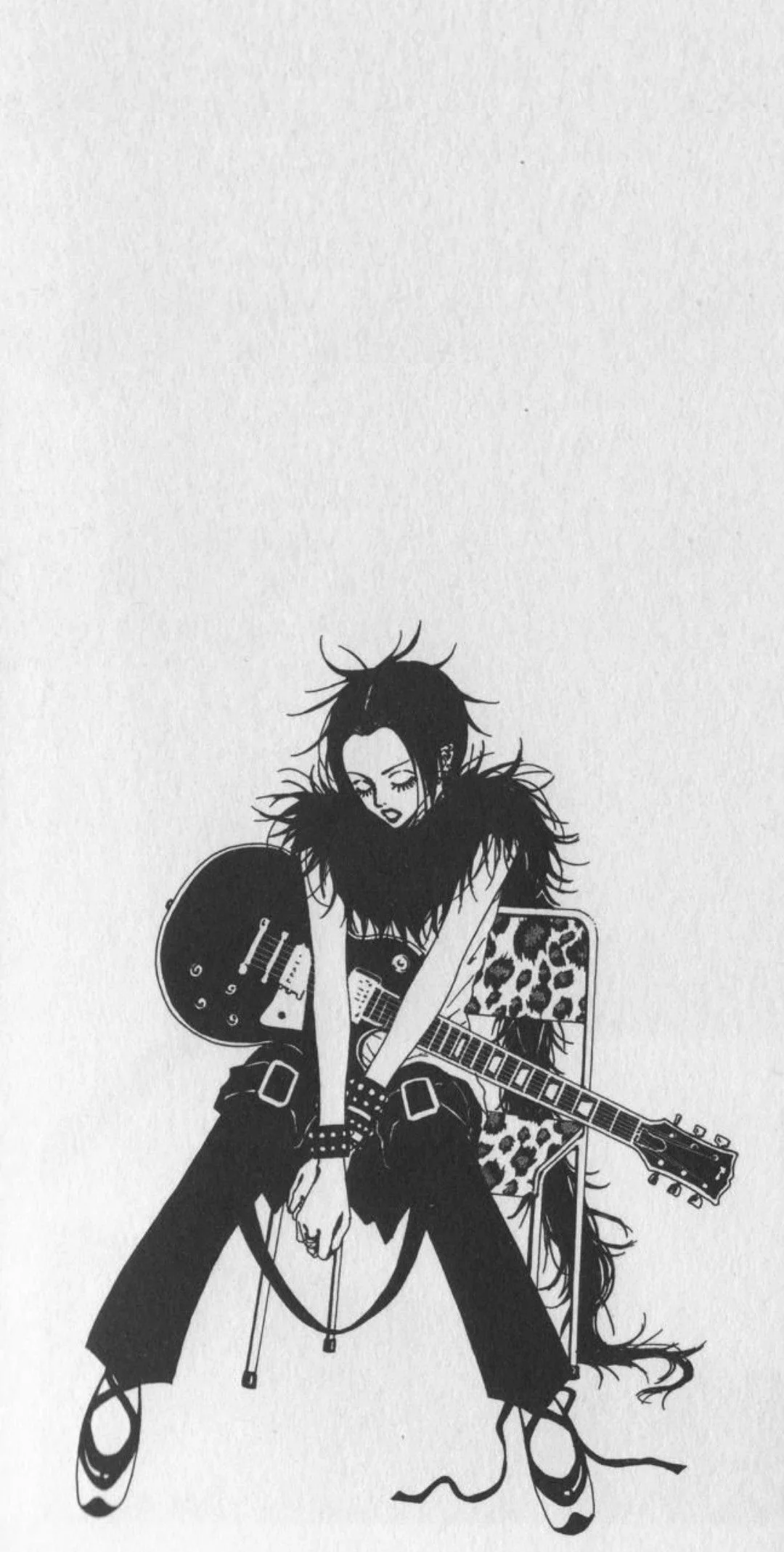
Nana
A josei/shojo romance drama manga following two girls named Nana whose contrasting personalities and dreams intersect in Tokyo, exploring friendship, love, ambition, and personal tragedy
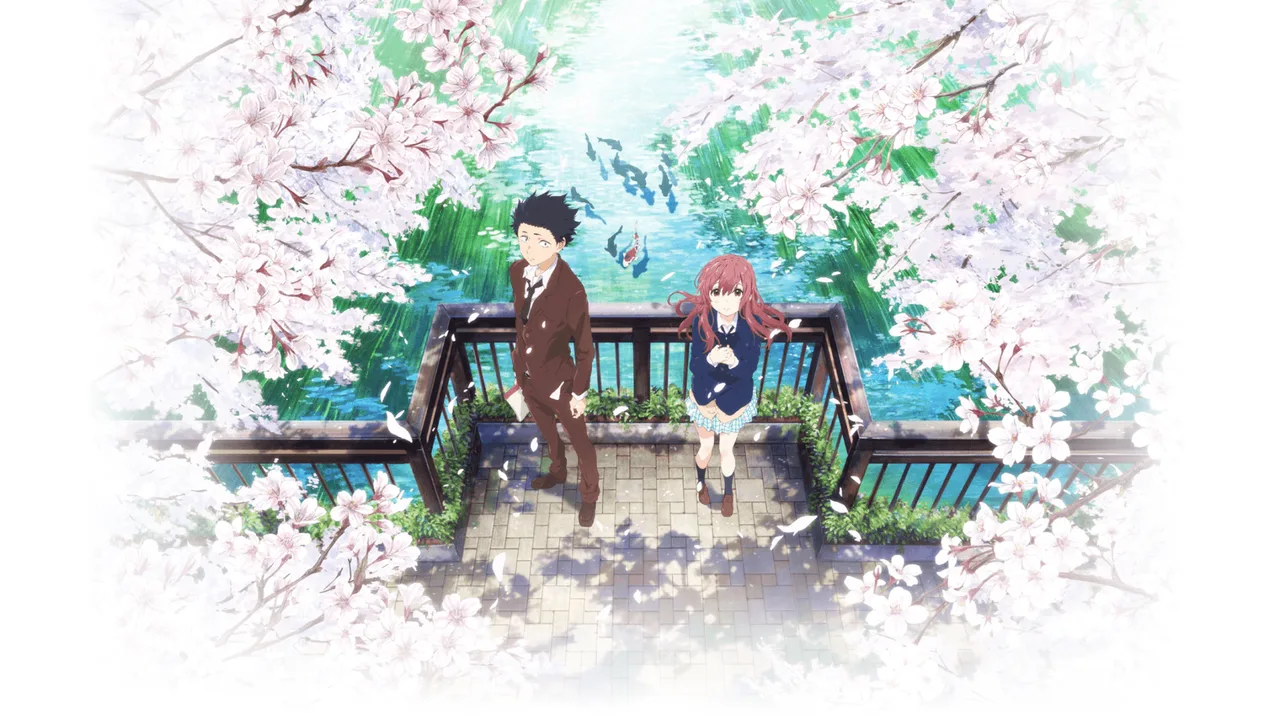
A Silent Voice
A poignant standalone drama by Yoshitoki Oima following Shoya Ishida, a former bully who seeks atonement by reconnecting with Shoko Nishimiya, the deaf classmate he tormented in elementary school. The series explores guilt, redemption, communication and the difficult path toward forgiveness.
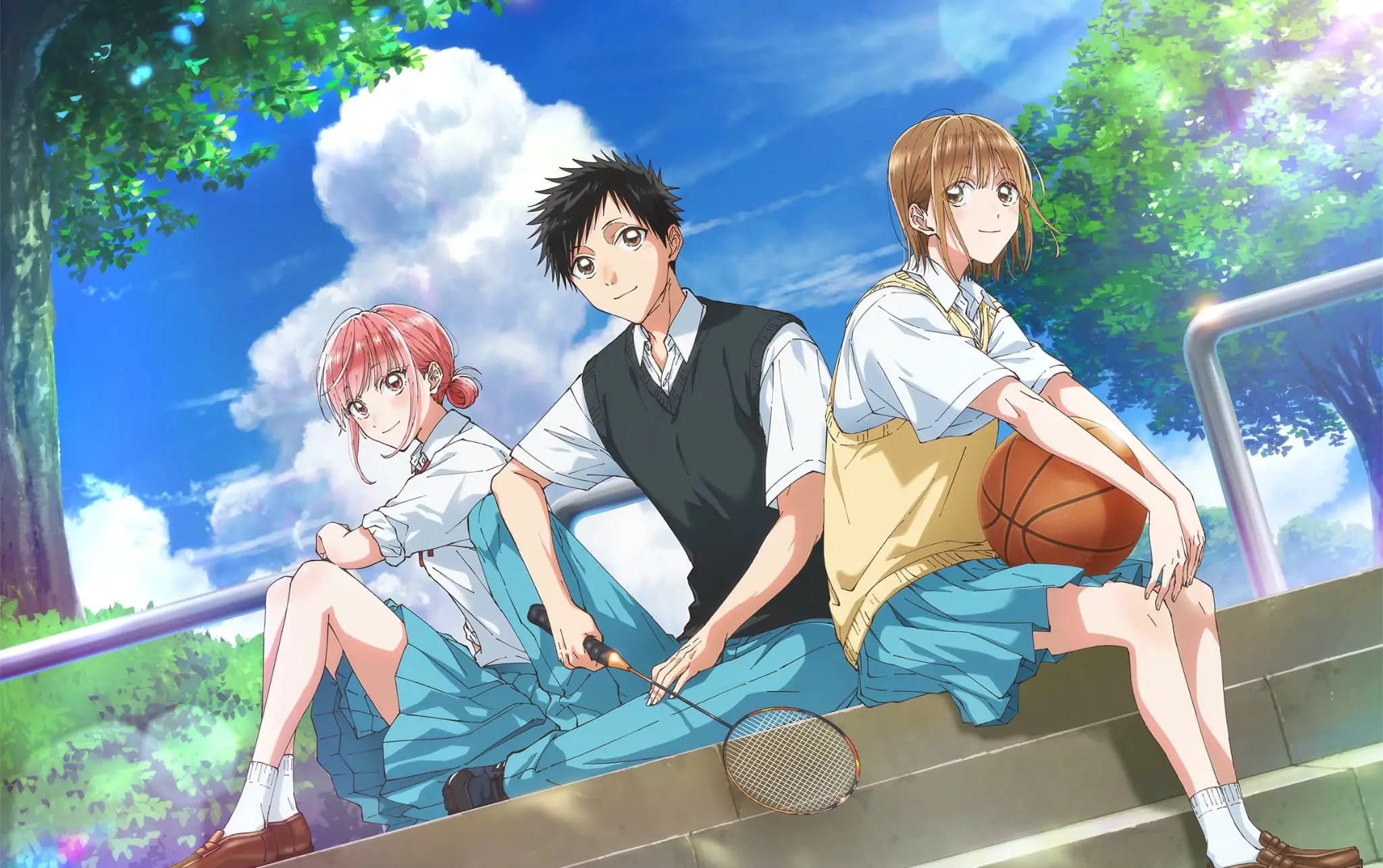
Blue Box
An ongoing shonen sports romance manga by Kouji Miura about a badminton player and his crush, a basketball team ace, who unexpectedly begin living together while pursuing their athletic dreams.
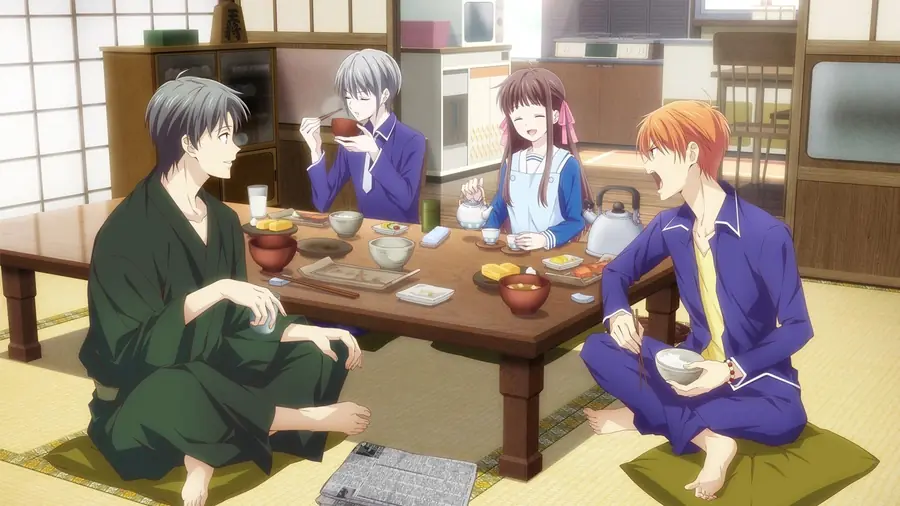
Fruits Basket
Discover the Sohma family curse as Tohru works to break the zodiac spell while forming deep bonds with its members.
Related Articles
All articles
Best Manga by Genre: The Ultimate 2026 Reading Guide (Shonen, Shojo, Seinen, Josei)
Comprehensive manga genre guide featuring best series by demographic and genre. From action shonen to mature josei, find your next read organized by taste and preference.

Top 20 Best Romance Manga of All Time
Discover the greatest romance manga featuring heartfelt love stories, emotional depth, and beautiful character development.
Best Shojo Manga of All Time: 18 Essential Series
The greatest shojo manga ever published, from timeless classics to modern masterpieces. Essential reading for any manga fan regardless of age or gender.