Fruits Basket
Discover the Sohma family curse as Tohru works to break the zodiac spell while forming deep bonds with its members.
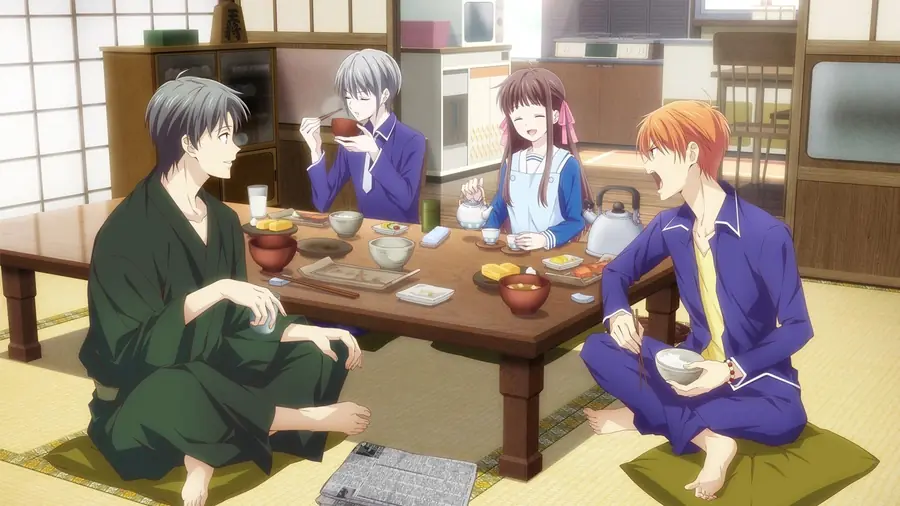
All Fruits Basket Story Arcs in Order
| # | Arc |
|---|---|
| 1 | The Sohma Secret |
| 2 | The Zodiac Curse |
| 3 | Akito's Will |
| 4 | The Cat's Room |
| 5 | Breaking the Curse |
A Curse, A Girl, And The Power of Acceptance
Fruits Basket stands as one of manga’s most emotionally sophisticated romance stories. Created by Natsuki Takaya, this series combines supernatural premise with genuine emotional depth, exploring themes of acceptance, family, and the transformative power of unconditional love. The series proves that romance can be both entertaining and profoundly moving.
The Curse of the Sohma Family
The Sohma family harbors a deep secret—members transform into zodiac animals when hugged by someone of the opposite sex. This supernatural curse isolates family members through shame and obligation rather than conscious choice. The curse represents broader themes about how family secrets create disconnection and how acceptance permits healing.
The transformation system creates both comedic and tragic moments. While transformations generate humor, they also symbolize loss of control and identity. The series uses this premise to explore how people often feel alienated from their true selves through family expectations and societal pressure.
Main Characters and Their Journeys
Tohru Honda - The Girl Who Changes Everything
Orphaned and homeless, Tohru discovers the Sohma family’s secret by accident. Rather than judgment, she offers acceptance that transforms every character she encounters. Her character represents unconditional love without expectation—she helps not for reward but because genuine care motivates her. Tohru’s development explores how extending compassion to others facilitates personal growth.
Yuki Sohma - The Rat Zodiac
Trapped in the year’s first animal position, Yuki represents emotional isolation despite seeming perfection. His reserved demeanor masks longing for genuine connection. His character arc involves learning to be vulnerable, understanding that appearing perfect prevents authentic relationships.
Kyo Sohma - The Cat Zodiac
Bitter about being excluded from the zodiac circle, Kyo carries anger and self-hatred. His initial antagonism toward Yuki and Tohru gradually transforms through genuine connection. Kyo’s arc explores how anger often masks deep insecurity and how acceptance permits self-forgiveness.
Shigure Sohma - The Dog Zodiac
Appearing carefree and comedic, Shigure contains darker motivations beneath his cheerful exterior. His character demonstrates that humor sometimes masks pain. His arc involves confronting genuine feelings beneath protective layers.
Akito Sohma - The God of the Zodiac
As the curse’s spiritual center, Akito wields power over cursed members. Akito’s character represents how power corrupts without genuine human connection. The series explores whether those born into control can choose compassion instead.
Supporting Zodiac Members
Characters like Hatsuharu (Ox), Momiji (Rabbit), Kisa (Tiger), and others each receive meaningful development. Rather than treating them as secondary, the series invests in their personal struggles and growth, demonstrating that supporting characters deserve genuine arcs.
Best Story Arcs
The Initial Meeting Arc
Tohru’s discovery of the curse and integration into the Sohma household establishes the series’ emotional foundation. This arc introduces main characters while exploring initial reactions to Tohru’s acceptance. The gradual revelation of curse details creates mystery sustaining narrative interest.
The School and Friendship Arc
As Tohru navigates school life while living with the Sohmas, friendship develops alongside curse exploration. This arc balances supernatural elements with genuine teenage concerns, grounding fantastical premise in relatable emotions.
The Deeper Curse Understanding Arc
The series gradually reveals curse origins and mechanism. Rather than presenting information all at once, revelations occur across arcs as characters gain trust and emotional safety. This pacing reflects real relationships—people reveal deep pain gradually as trust develops.
The Curse Breaking Arcs
As the narrative progresses, characters work toward breaking the curse. This goal provides narrative momentum while exploring whether external solution matters compared to internal healing. The series questions whether curse removal solves underlying issues or if acceptance permits living with limitations.
The Final Resolution
The concluding arcs bring multiple character stories to meaningful conclusion. Rather than simple happy ending, the conclusion acknowledges continued struggle while affirming growth and connection. The ending reflects series’ belief that life improvement comes through relationships rather than circumstance change alone.
Why Fruits Basket Endures
Fruits Basket appeals through genuine emotional intelligence. Rather than relying on spectacle, the series creates tension through character conflict and emotional stakes. Every major confrontation involves genuine feelings—characters aren’t antagonistic for conflict’s sake, but from authentic emotional pain.
The series also excels at character development. Each character receives meaningful growth arc extending beyond their initial impression. Secondary characters develop as genuinely as protagonists, creating investment across the cast. This comprehensive approach to character development creates rich, layered narrative.
The romantic elements feel earned through genuine relationship development. Rather than instant attraction, relationships develop through mutual support and understanding. The series demonstrates that romance based on acceptance and vulnerability carries more weight than attraction alone.
Related Romance and Drama Series
Readers enjoying Fruits Basket’s emotional depth often appreciate Kimi ni Todoke for similar romance development through acceptance. Your Lie in April explores similar themes of growth through relationships, while Toradora combines romance with comedy and character development.
The Artwork and Visual Storytelling
Natsuki Takaya’s artwork perfectly complements emotional themes. Character expressions communicate internal feelings with remarkable subtlety. The transformation sequences provide visual comedy while Takaya’s detailed backgrounds create atmosphere supporting the narrative’s tone. The artwork grows more sophisticated throughout the series, reflecting the story’s increasing emotional complexity.
Frequently Asked Questions
What is the significance of the zodiac curse? The curse represents family bondage and predetermined identity. Curse members lose control over their bodies and appear to others through animal transformation. The curse symbolizes how family systems can restrict identity and create shame around authenticity.
How does Tohru’s presence break the curse? Tohru’s acceptance and unconditional love gradually break the curse’s hold. Rather than external magic, the curse dissolves through genuine connection and emotional safety. The series suggests that belonging and acceptance create more powerful magic than spells.
What makes Yuki and Kyo’s rivalry meaningful? Beyond simple antagonism, Yuki and Kyo represent competing responses to curse trauma—Yuki through perfectionism, Kyo through rebellion. Their eventual understanding reflects broader themes about how different people cope with shared pain. Their relationship growth demonstrates that compassion bridges seemingly irreconcilable differences.
How does Fruits Basket handle romance? Rather than immediate attraction, romance develops through genuine relationship building. Characters must overcome self-doubt and communication barriers. The series demonstrates that authentic love requires vulnerability and mutual understanding—shallow attraction cannot sustain genuine connection.
What role does Akito play in the narrative? As curse centerpoint, Akito represents how power without compassion becomes destructive. Akito’s character arc involves choosing kindness despite lifelong conditioning toward control. The series explores whether those raised for domination can learn different approaches.
How does the series address trauma? Fruits Basket acknowledges that trauma requires active processing, not simple acceptance. Characters must confront painful feelings, communicate honestly, and gradually heal through support. The series demonstrates realistic trauma recovery—difficult but possible with genuine connection.
What makes Tohru compelling as protagonist? Rather than extraordinary power, Tohru’s strength comes from emotional intelligence and genuine caring. She succeeds not through special abilities but through authentic compassion. Her character demonstrates that kindness represents genuine strength.
How does Fruits Basket balance comedy and drama? The transformation sequences provide consistent comedy despite serious themes. Comedy prevents the series from becoming relentlessly heavy while character development maintains emotional stakes. This balance prevents drama from becoming self-important while protecting comedy from trivializing genuine issues.
What is the original anime adaptation’s relationship to the manga? The 2001 anime adaptation differs significantly from manga, creating original ending. The 2019 anime remake follows the manga more closely. Both adaptations offer value, though manga provides the complete original vision.
Should I read Fruits Basket or watch the anime? Both offer distinct experiences. The manga provides Natsuki Takaya’s complete vision with her artistic style. The anime additions include voice acting and animation enhancing certain moments. Many fans experience both to appreciate each medium’s strengths.
The Emotional Legacy of Fruits Basket
Fruits Basket’s greatest achievement lies in demonstrating that authentic love—accepting people despite their flaws and limitations—represents the most powerful force in human experience. The series argues that belonging heals trauma more effectively than any external intervention.
The manga influenced countless subsequent romance and drama series through its proof that genuine character development and emotional intelligence create compelling narratives without relying on spectacle. For readers seeking romance rooted in authentic connection and character-driven storytelling, Fruits Basket remains an essential masterpiece demonstrating that sometimes, the greatest magic comes not from supernatural powers, but from genuine human compassion.
Publication and Adaptations
Fruits Basket was serialized by Natsuki Takaya in Hakusensha’s Hana to Yume magazine from July 1998 to November 2006 across 23 tankōbon volumes. The series is one of the best-selling shōjo manga in publishing history, with over 30 million tankōbon copies in cumulative circulation, and remains the highest-selling shōjo manga ever published by Hakusensha. The series was awarded the Kodansha Manga Award in the shōjo category in 2001 and won several international awards including the American Anime Award for Best Manga in 2007.
The manga has been adapted for anime three times. The original 2001 TBS anime by Studio DEEN covered the early manga arcs and is widely considered to have departed substantially from the source material. The 2019-2021 reboot by TMS Entertainment ran for three seasons (63 episodes total) and adapted the complete manga story from beginning to end, with Natsuki Takaya’s direct supervision. The reboot is generally considered the definitive anime adaptation of the series and reset international audience expectations for what shōjo anime production could achieve at the highest budget level.
The series is published in English by Yen Press in 12 omnibus Collector’s Edition volumes (each containing 2 original tankōbon), in Spanish by Norma Editorial, and in French by Delcourt/Akata, with translations into more than twenty languages. The 2019 anime is available internationally through Crunchyroll and Funimation streaming.
Cultural Impact and Legacy
Fruits Basket is one of the foundational shōjo manga of the 2000s and one of the most internationally influential Japanese romance-drama properties of its era. Its commercial success — particularly the breakthrough international audience in the early 2000s — helped establish the international market for shōjo anime and manga that subsequent properties including Ouran High School Host Club and Skip Beat! would build on. The series passed the 2019 anime reboot with renewed international visibility and has remained one of the most consistently recommended shōjo entry points for new readers.
The series’ contribution to the medium extends beyond commercial scale. Takaya’s willingness to engage with childhood trauma, family abuse, and identity formation in a register that was unusual for late-1990s shōjo helped expand what the genre could carry tonally. The Sohma family’s individual character arcs — particularly Yuki’s relationship with his cousin Akito, Kyo’s reckoning with his cat-spirit identity, and Tohru’s slowly-revealed family history — operate at an emotional intensity that few comparable shōjo properties of the era attempted.
For readers approaching the series for the first time, the recommended starting point is the 2019 TMS anime, which adapts the complete manga story across three carefully produced seasons. Readers who prefer manga can start with the Yen Press omnibus Collector’s Edition (12 volumes covering the complete 23-volume run). The series is structurally complete with no ongoing continuations, though Takaya has produced supplementary material including the side-story collection Fruits Basket: Another and the prequel Fruits Basket Another which fill in additional context after the main story’s conclusion.
Frequently Asked Questions
Is Fruits Basket finished?
Yes. Fruits Basket concluded in November 2006 across 23 tankōbon volumes. Supplementary works Fruits Basket: Another (3 volumes) and the prequel Fruits Basket: The Three Musketeers are also available.
How many volumes does Fruits Basket have?
The original manga has 23 tankōbon volumes. The English Yen Press Collector’s Edition collects these in 12 omnibus volumes. Including supplementary works the total franchise extends to 26+ volumes.
Is there an anime adaptation?
Yes. The 2019-2021 TMS Entertainment reboot is the definitive adaptation, covering the complete story across three seasons (63 episodes total). The original 2001 Studio DEEN anime is also available but covers only early arcs.
Where can I buy Fruits Basket manga?
The manga is published in English by Yen Press in 12 Collector’s Edition omnibus volumes. Spanish editions are available through Norma Editorial; French through Delcourt/Akata. Print and digital editions are widely available through Amazon and major retailers.
Fruits Basket Arc Guides
The Sohma Secret
Tohru discovers the Sohma family's zodiac curse when Yuki and Kyo transform before her eyes.
The Zodiac Curse
Tohru meets additional zodiac members and learns deeper details about the curse's origins and mechanics.
Akito's Will
The revelation of Akito's control over cursed members and exploration of the curse's true nature becomes central.
The Cat's Room
Kyo's isolated position and the exploration of his unique relationship to the curse becomes central focus.
Breaking the Curse
The final arcs explore curse-breaking and transformation of relationships as family members achieve genuine liberation.
Fruits Basket Merchandise
Read manga free with Amazon Prime
30-day free trial: free shipping, Prime Reading, Kindle, Prime Video and more.
Affiliate link. 30-day free trial for new members. Then $14.99/month — cancel anytime.
FAQ: Fruits Basket
You May Also Like
All manga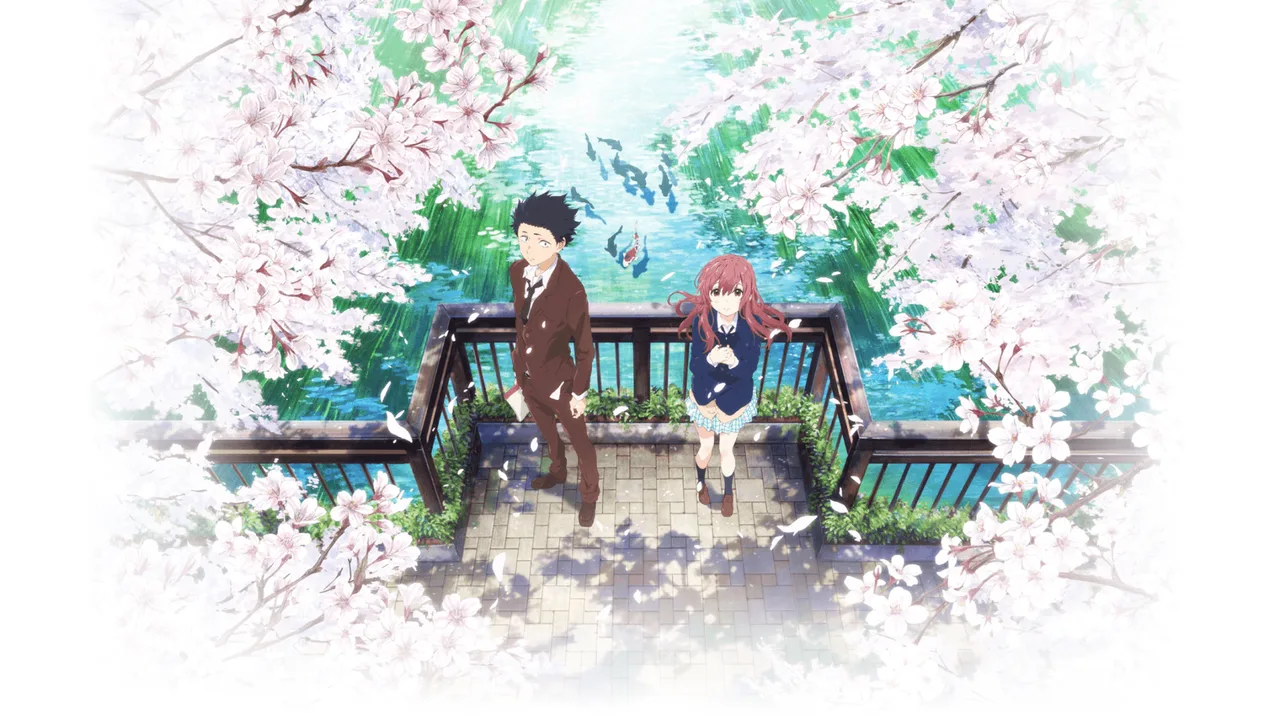
A Silent Voice
A poignant standalone drama by Yoshitoki Oima following Shoya Ishida, a former bully who seeks atonement by reconnecting with Shoko Nishimiya, the deaf classmate he tormented in elementary school. The series explores guilt, redemption, communication and the difficult path toward forgiveness.
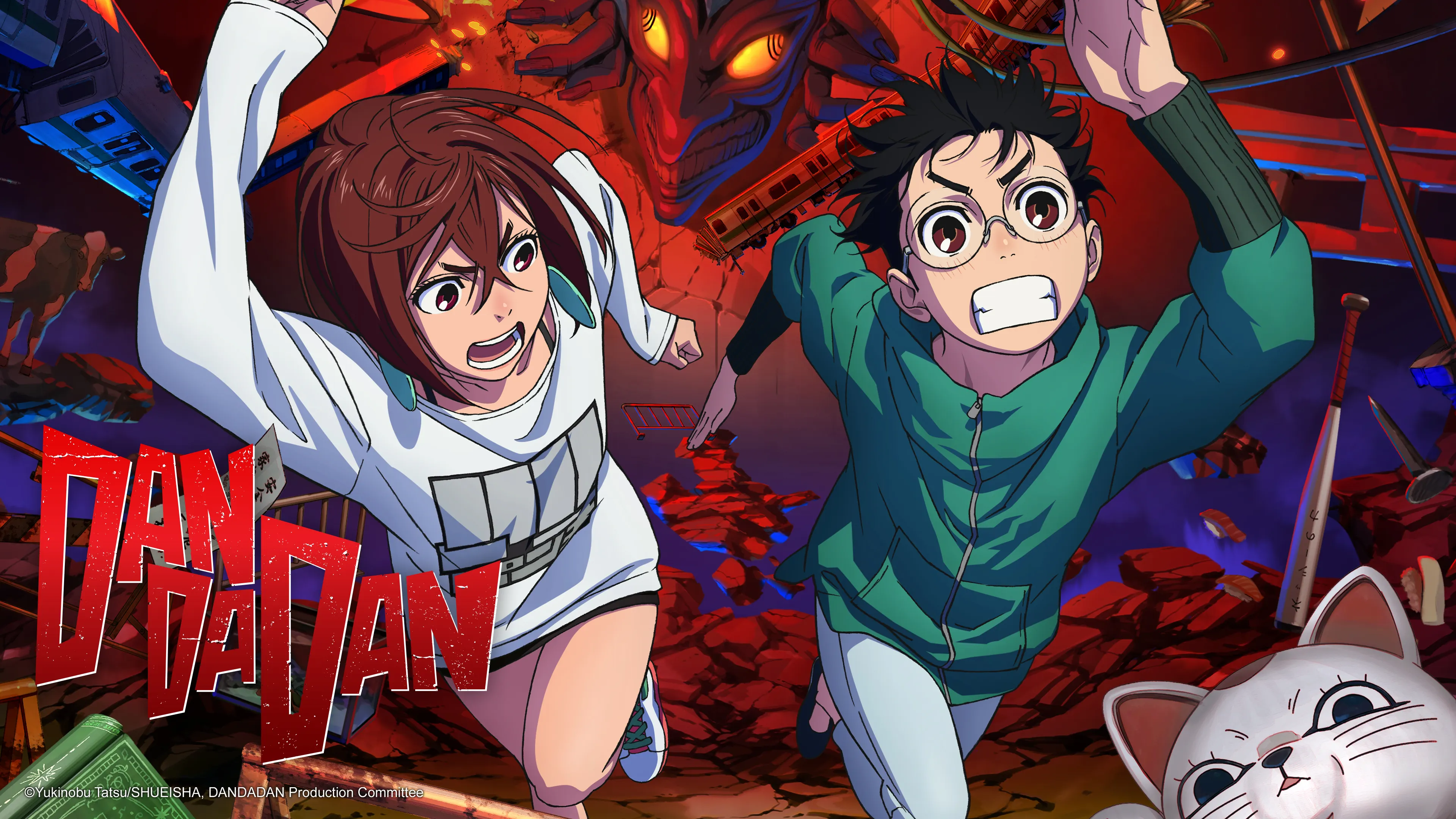
Dandadan
A contemporary shonen manga blending action, comedy, and supernatural mystery as two unlikely partners investigate paranormal phenomena.
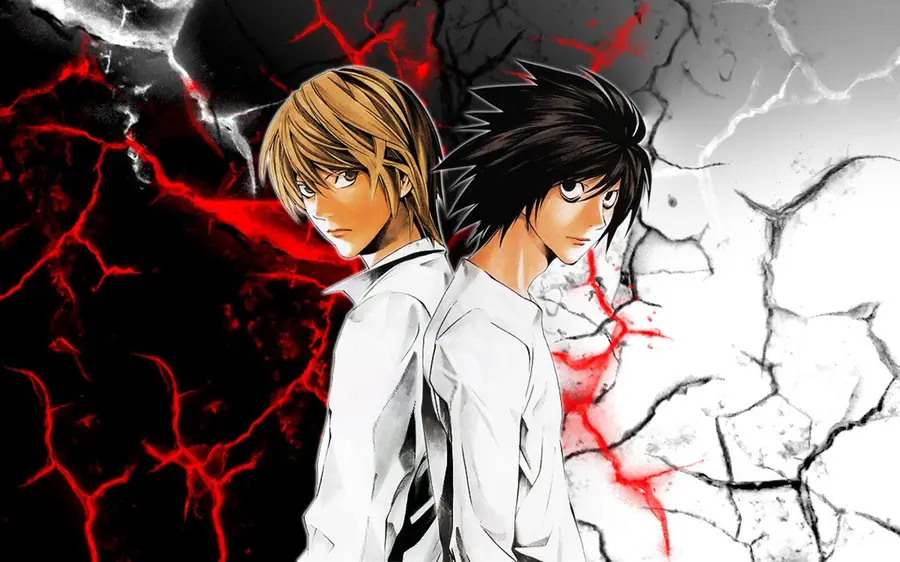
Death Note
A cat-and-mouse game between a genius teenager with a god-like notebook and a brilliant detective determined to stop him.
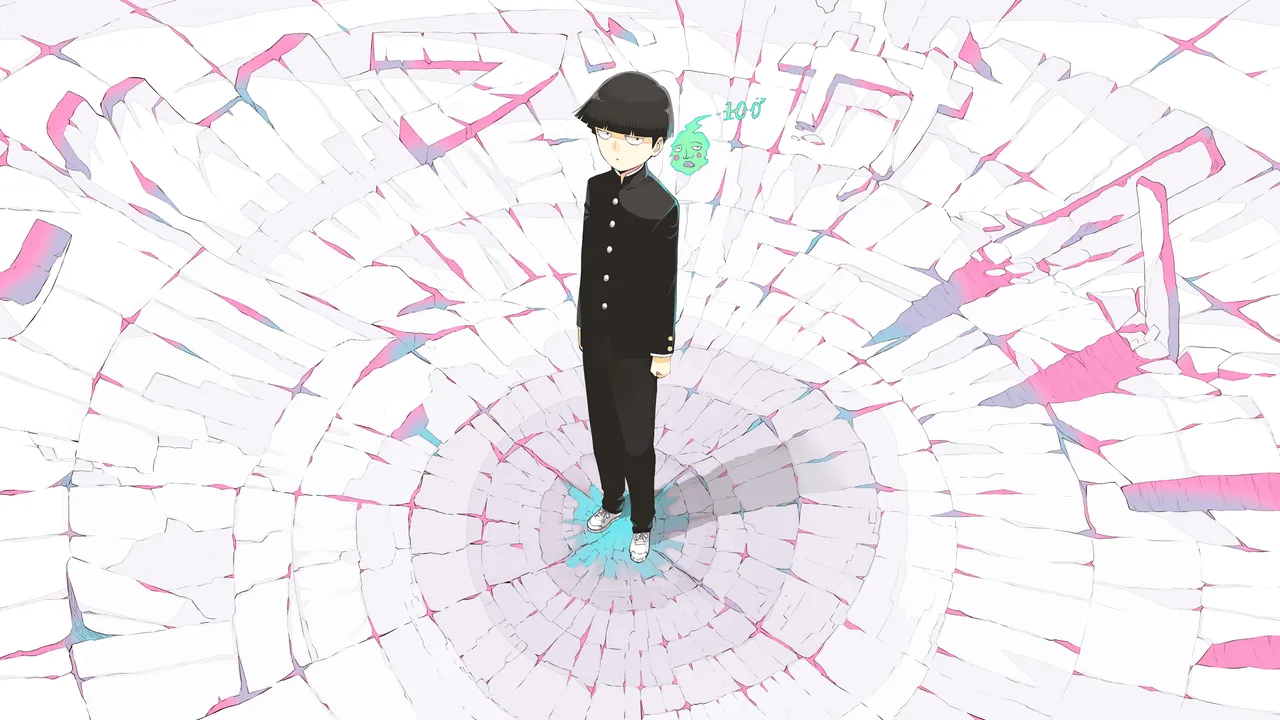
Mob Psycho 100
Mob Psycho 100 is ONE's supernatural comedy about a quiet middle schooler with overwhelming psychic powers who would rather grow as a person than fight. Across 16 volumes it blends absurd humor, explosive action and a sincere coming-of-age message.