
Manga vs Anime: Key Differences Every Fan Should Know
What's the difference between manga and anime? Explore the key differences in storytelling, art, pacing, and cultural impact between these two Japanese art forms.
⚡ TL;DR — What
Introduction
If you’ve ever wondered whether to read the manga or watch the anime adaptation of your favorite Japanese series, you’re not alone. The debate between manga and anime enthusiasts has been ongoing for decades, with passionate fans on both sides arguing for the superiority of their preferred medium. But rather than declaring a winner, it’s more helpful to understand the unique strengths and characteristics of each format.
Manga and anime are two distinctly different mediums that tell stories in fundamentally different ways. While they often share the same source material and characters, the experience of consuming them can be remarkably different. In this comprehensive guide, we’ll explore the key differences between manga and anime, helping you understand what makes each medium special and how to choose which one might be best for you.
For decades, the relationship between manga and anime has shaped how Japanese stories reach audiences worldwide. Many of today’s most beloved franchises exist in both formats, yet the experience differs dramatically. A chapter of manga that takes twenty minutes to read might become a single episode of anime lasting twenty-four minutes, creating completely different pacing experiences. Characters’ internal thoughts in manga become visual interpretations in anime. Static artwork becomes dynamic animation. These differences aren’t flaws in either medium—they’re features that make each distinctive and valuable in their own right.
What is Manga?
Manga refers to Japanese comic books and graphic novels that are typically read from right to left in their original format. The word “manga” literally means “whimsical pictures” or “carelessly drawn pictures” in Japanese, though modern manga is anything but careless. These works feature distinctive art styles, detailed illustrations, and intricate panel layouts that guide readers through the story.
Manga has deep roots in Japanese culture, dating back centuries to traditional art forms. However, the modern manga industry as we know it today began to take shape in the post-World War II era, with works becoming increasingly sophisticated and diverse in their themes and storytelling approaches.
What is Anime?
Anime refers to Japanese animated films and television series. The term is a Japanese abbreviation of “animation” and encompasses all forms of animated entertainment produced in Japan, though it’s most commonly associated with the distinctive visual style that has become synonymous with Japanese animation.
Anime production involves converting manga stories into moving visual sequences through animation. This process requires a team of animators, directors, sound designers, and other creative professionals to bring the static images of manga to life with movement, voice acting, music, and sound effects.
Key Differences Between Manga and Anime
1. Medium and Format
The most obvious difference is the medium itself. Manga is a static, printed (or digital) medium that relies on still images arranged in panels, while anime is a moving visual medium that combines animation, voice acting, and music.
When reading manga, you control the pacing. You can spend as much time as you want on a single panel, reread passages, or flip ahead to see what’s coming. With anime, the pacing is determined by the creators. Episodes typically run 20-24 minutes, and you watch the action unfold at the predetermined speed.
2. Storytelling and Narrative Structure
Manga and anime often approach storytelling differently, even when adapting from the same source material. Manga readers get direct access to the author’s original vision, with narrative captions, internal monologues, and thought bubbles providing insight into characters’ minds. This direct internal access creates an intimate connection between reader and protagonist.
Anime must convey internal thoughts and emotions through visual cues, dialogue, facial expressions, and sometimes narration. Voice actors bring characters to life and add emotional depth through their performances. The anime format allows for creative interpretations of how scenes should unfold, with directors making choices about camera angles, movement, and scene composition that the manga author may not have explicitly directed.
3. Pacing Differences
One of the most significant differences between manga and anime is pacing. Manga chapters can be consumed at the reader’s preferred speed—you might race through an action sequence or linger on emotional moments. A single manga chapter typically takes 10-20 minutes to read, depending on the amount of dialogue and detail.
Anime episodes, by contrast, follow a fixed duration. This can lead to very different story pacing between the two mediums. Some anime adaptations compress manga chapters to fit television schedules, resulting in faster pacing and cut scenes. Other anime productions stretch out chapters across multiple episodes, adding filler content or extending scenes to maintain a consistent episode length. This is particularly common in long-running series where the anime catches up to the manga’s current publication pace.
4. Art Style and Visual Presentation
While manga and anime adaptations often maintain similar character designs, the way they present visuals differs significantly. Manga art is static, relying on the artist’s skill in panel composition, perspective, and illustration to convey action and emotion. Mangaka use techniques like screentones, effects lines, and detailed backgrounds to create dynamic scenes within the constraints of still imagery.
Anime brings these static images to life through animation. Character movement, facial expressions, and dynamic camera work create a different visual experience. However, not all anime features the same level of animation quality. Budget constraints mean that some scenes feature limited animation, where characters move less frequently or in simpler ways. High-budget action sequences, by contrast, can feature fluid, detailed animation that surpasses what’s possible in manga.
The anime medium also allows for creative visual effects, lighting, and color choices that add another layer to the storytelling. A single scene can be dramatically different in color, tone, and mood depending on the anime director’s vision.
5. Censorship and Adaptation Changes
Manga is published in various formats, from mainstream magazines to more specialized publications that allow for greater creative freedom. Some manga contains mature content that must be edited or changed for anime adaptation, particularly when the anime airs on television with younger audiences.
Violence, sexual content, and language may be toned down or removed in anime versions. Additionally, cultural references or humor that works in the original Japanese context might be altered or changed in different regional broadcasts. Some series have multiple versions—a standard television broadcast version and an uncut or extended version for home video release.
Anime studios also sometimes make creative choices to expand the story or add new elements not present in the original manga. These changes can be minor (like expanding a secondary character’s backstory) or significant (adding entire new arcs or changing character relationships).
6. Filler Episodes
One of the most notable differences between manga and anime is the presence of filler content in anime. When an anime adaptation is running concurrently with the manga’s publication, studios face a pacing challenge: the anime might catch up to the manga, and then what happens?
To solve this problem, anime studios often create filler episodes—content not present in the original manga that serves to give the manga author time to continue writing new chapters. These filler episodes can range from humorous side stories to extended arcs that explore character development or world-building. Some filler episodes are beloved by fans, while others are widely skipped by viewers who prefer to stick to the original source material.
Series like Naruto and One Piece are famous for their substantial filler content, which can comprise a significant portion of the total episode count.
7. Source Material vs. Adaptation
Most anime adaptations are based on existing manga, light novels, or visual novels. When an anime is adapted from manga, the adaptation process involves interpretation and creative decision-making. The manga provides the foundation, but the anime director, screenwriter, and animation team make choices about how to present the story.
Sometimes these adaptations are incredibly faithful to the source material, reproducing scenes nearly shot-for-shot from the manga panels. Other times, adaptations take significant creative liberties, changing plot points, character development, or even endings. Some of the most celebrated anime adaptations have taken source material and elevated it with exceptional direction, voice acting, and music.
Reading the manga first gives you the author’s original vision, while watching the anime first allows you to experience the director’s interpretation without preconceived notions about how scenes should unfold.
For a deeper look at exactly how that adaptation happens — from a publisher greenlighting a series through studio selection, script changes, and filler decisions — see our guide to how manga becomes anime.
8. Production Time and Release Schedule
Manga publication follows a regular schedule, with new chapters released weekly or monthly depending on the magazine and series. Once a chapter is published, it’s available immediately to readers. This means fans can catch up with new story developments relatively quickly.
Anime production is far more time-consuming. An episode of anime can take months to produce, involving storyboarding, animation, voice recording, sound design, editing, and color correction. This means there’s often a significant gap between a manga chapter being published and the corresponding anime episode airing. Some series have seasons with significant gaps between them, as new seasons require substantial production time.
9. Accessibility and Availability
Manga has become increasingly accessible worldwide through digital platforms, translations, and official English releases. Reading manga requires only access to the series, which can be purchased in physical form, read through official digital platforms, or sometimes found on free reading websites.
Anime requires access to streaming platforms, many of which require subscriptions. However, anime also benefits from massive popularity and widespread availability on major streaming services. The barrier to entry for anime is often lower than finding and purchasing manga, particularly for international fans.
10. Cultural Impact and Popularity
While both manga and anime have significant cultural impact, they’ve achieved different levels of mainstream recognition. Anime has experienced explosive global growth, with series like Dragon Ball becoming household names and anime streaming services becoming major players in the entertainment industry.
Manga has also grown internationally but remains less mainstream in many Western countries compared to anime. However, manga readers often represent a dedicated and passionate fanbase. The manga industry in Japan generates billions of dollars annually and includes everything from shounen (aimed at young boys) to shoujo (aimed at young girls) to seinen (aimed at adult men) and josei (aimed at adult women) categories.
Which Should You Try First: Manga or Anime?
The answer to whether you should read the manga or watch the anime first depends on several factors:
Read the Manga First If:
- You want to experience the author’s original vision without any adaptation changes
- You prefer detailed art and intricate visual storytelling
- You want to control the pacing of the story
- You enjoy detailed internal monologues and character thoughts
- You’re willing to invest time in a series without knowing if you’ll like it
- You prefer stories that haven’t been edited for broader audiences
Watch the Anime First If:
- You enjoy spectacular animation and visual action sequences
- You prefer voice acting and music to guide your emotional experience
- You like having the pacing determined for you
- You want a shorter commitment to see if you’ll like a series
- You value accessibility and don’t want to search for translated manga
- You’re new to Japanese media and want an easier entry point
The Best Approach: Many fans find that the ideal approach is to enjoy both. Watch the anime adaptation to experience the director’s vision with animation and voice acting, then read the manga to get the author’s original story with all the details and nuances. Or read the manga first to understand the story fully, then watch the anime to see how it’s been adapted and brought to life.
Manga Adaptations That Are Better Than the Anime
Some manga series are superior to their anime counterparts due to pacing issues, censorship, or creative differences:
- Death Note - The manga’s intricate mind games and psychological tension are sometimes diluted in the anime adaptation
- One Piece - The manga maintains better pacing and avoids the extensive filler that characterizes much of the anime
- Fullmetal Alchemist - While the anime adaptations are excellent, the manga provides the author’s complete original vision
- Vinland Saga - The manga’s detailed artwork and pacing capture the historical narrative more effectively
Anime Adaptations That Are Better Than the Manga
Conversely, some anime adaptations have elevated their source material through exceptional direction, voice acting, and music:
- Naruto Shippuden - The anime’s animation of major battles and emotional moments exceeds the manga’s visual impact
- Attack on Titan - The anime’s direction and sound design create a more intense experience than the manga
- Demon Slayer - The anime’s animation quality and color work bring the battles to life in ways the manga cannot
- Haikyuu!! - The anime’s dynamic animation perfectly captures the fast-paced action of volleyball better than static panels
Story Completion and Canon Status
One crucial difference between manga and anime is completeness. Manga serializes as the author continues creating, with ongoing stories in publications like Weekly Shonen Jump. When a manga ends, that’s the definitive end of the story. Anime, however, exists on different timelines. An anime might adapt only the first few arcs of a manga, leaving the overall story incomplete. Alternatively, anime might catch up to the manga during its run, necessitating the creation of original ending material. This creates situations where the manga and anime have fundamentally different conclusions.
The concept of “anime canon” versus “manga canon” reflects these differences. Manga canon represents the author’s official story. Anime-only material, while sometimes created with author approval, isn’t part of the official narrative. This distinction matters to fans invested in the “true” story. For many series, understanding what’s manga canon versus anime filler helps readers decide which version to follow.
Some anime adaptations have created endings that diverged so significantly from the manga that they’re now considered alternate universes. The original Fullmetal Alchemist anime (2003) follows the manga for the first arc, then diverges completely, creating a unique story. The later Fullmetal Alchemist: Brotherhood remake adapted the manga’s complete story faithfully. Both are excellent, but they represent fundamentally different creative visions.
Visual Interpretation and Director’s Vision
When manga is adapted into anime, the director interprets static artwork into moving sequences. This interpretation process is creative and subjective. The manga provides the blueprint, but the anime director makes countless decisions about how to execute scenes. How quickly does a character turn? How does lighting affect the mood? What music accompanies emotional moments? These choices are invisible in manga but crucial in anime.
Different anime directors produce wildly different results from the same manga source material. Some prioritize faithfulness to the original artwork, animating panels almost directly. Others use the manga as inspiration, creating entirely new visual approaches. The manga’s art style doesn’t necessarily match the anime’s—an anime might stylize character designs differently than the original manga to suit animation production.
Color choices illustrate this difference perfectly. Manga is black and white, allowing readers to imagine colors freely. Anime makes concrete color choices. A character’s hair color in the anime becomes canon, even if the original manga suggested something different. Some characters’ anime colorization surprises manga fans expecting different color palettes based on their imagination.
Sensory Experience Differences
Reading manga and watching anime engage different senses and cognitive processes. Manga reading involves your imagination constructing voices, creating the emotional tone through your own internal narration. You control the pacing entirely—lingering on emotional panels, rereading powerful dialogue, or racing through action sequences. The reading experience is intensely personal; two readers experience the same manga differently based on how they interpret artwork and control their reading pace.
Anime removes reader interpretation regarding voice acting. Hearing an actual voice brings characters to life in ways your imagination might not match. Some voice actors perfectly capture characters, creating iconic portrayals that become inseparable from the characters. Other voice casting choices disappoint fans with different mental images. Voice acting quality varies dramatically, with talented voice actors elevating material while mediocre casting diminishes scenes.
Music in anime creates emotional scaffolding impossible in manga. A dramatic scene amplified by soaring orchestral music lands differently than the same scene in silent manga form. Opening and ending theme songs become associated with series, contributing to cultural memory and emotional connection. Manga has no musical element, relying entirely on visual storytelling and reader imagination to create emotional tone.
Accessibility and Availability for Global Audiences
Both manga and anime have become globally accessible, but through different distribution models. Manga, traditionally published in physical form, required translation and printing before reaching international audiences. Modern digital distribution has democratized access—platforms like ComiXology and Kindle offer instant global availability. However, some manga remains untranslated, particularly niche titles, limiting non-Japanese readers’ options. Licensed translations sometimes involve months or years of delay between Japanese publication and English release.
Anime benefits from massive streaming infrastructure. Crunchyroll, Netflix, and other platforms offer legal, affordable anime streaming globally, often with same-day English subtitles following Japanese broadcasts. This accessibility advantage means anime often reaches international audiences more quickly and conveniently than manga. However, anime licensing differs by region, meaning availability varies geographically. Some series appear on specific platforms in certain countries but not others, complicating global access.
The subscription cost model favors anime consumers in developed nations with reliable internet but creates barriers for viewers in developing regions. Manga physical copies, though requiring financial investment, don’t require ongoing subscriptions or internet access. Digital manga through apps offers middle ground—initial purchase or subscription enables offline reading.
Narrative Depth vs. Visual Spectacle
Both mediums can achieve narrative depth, but they emphasize different aspects. Manga’s strength lies in internal monologue and detailed exposition. Authors can devote entire pages to character thoughts, backstory revelations, and philosophical discussions. This verbal density allows complex ideas and psychological exploration that anime struggles to convey without excessive dialogue or narration.
Anime’s strength is showing rather than telling. Visual composition, character expressions, lighting, and movement communicate information that manga must explain through text. An anime can convey a character’s emotional state through animation quality and voice tone that manga must depend on artwork and dialogue to express. This creates different opportunities for storytelling—anime excels at visceral, action-packed sequences, while manga excels at introspective, dialogue-heavy character moments.
Impact on Media Industry and International Recognition
Anime’s explosive global growth has driven manga’s international expansion. Major anime releases attract mainstream entertainment media attention, spurring interest in source material. Demon Slayer’s film success increased manga sales dramatically. Conversely, manga success doesn’t automatically translate to anime adaptation—many excellent manga never receive anime adaptations due to production costs and creative concerns.
The anime industry benefits from higher production budgets and technological infrastructure, enabling special effects, color work, and animation that manga’s static format cannot match. However, these advantages create financial incentives that sometimes disadvantage manga. Publishers might prioritize series with higher anime potential, limiting opportunities for manga-specific storytelling that doesn’t translate well to animation.
Conclusion
Manga and anime are two distinct mediums that each offer unique advantages and experiences. Manga provides the author’s original vision, detailed artwork, and reader-controlled pacing, allowing for deep introspection and intimate character connection. Anime brings stories to life with animation, voice acting, music, and directorial interpretation, creating visceral, emotionally resonant visual experiences that static images cannot replicate.
Rather than viewing them as competitors, it’s better to appreciate them as different ways of experiencing storytelling. A manga series and its anime adaptation often enhance each other, with the anime bringing visual spectacle and emotional depth through performance while the manga preserves the author’s original creative intent and allows reader participation in imagining the world.
Whether you’re a longtime fan or new to Japanese media, exploring both manga and anime will give you a fuller appreciation of these incredible art forms. Start with what appeals to you most—whether that’s the intimate connection of manga reading or the visual spectacle of anime watching—and then branch out to explore the other medium. You might discover that your favorite series is even better when experienced in both formats.
Frequently Asked Questions
Should I read the manga or watch the anime first?
There’s no universally correct answer. Reading the manga first gives you the author’s unfiltered vision and all story details. Watching the anime first means experiencing the director’s interpretation without preconceptions. Many fans enjoy experiencing both, as each offers something the other cannot.
Do all manga get anime adaptations?
No, many manga never receive anime adaptations. Publishers consider factors like popularity, production costs, potential for merchandising, and international appeal. Some excellent manga remain manga-only because they tell stories that work better in static form or have niche audiences that don’t justify animation production costs.
Are anime and manga canons the same?
Not always. Manga canon refers to the official story as written by the author. Anime canon includes anime-original material. When anime creates filler episodes or diverges from manga storylines, those elements are anime canon but not manga canon. The manga always represents the “true” story from the author’s perspective.
Why does anime have so much filler?
Filler episodes exist when anime catches up to ongoing manga. Animating faster than the manga publishes risks catching up completely, leaving the animation team without source material. Filler episodes buy time for the manga author to write new chapters. Once the manga advances sufficiently, filler ends and anime returns to adapting source material.
Can I enjoy one without the other?
Absolutely. Many people exclusively read manga and never watch anime, while others primarily watch anime. Each medium stands alone and offers complete, satisfying experiences. Experiencing both is optional and depends entirely on personal preference and available time.
Related Articles

What Is Manga? Reading Order and Choosing a First Series
Understand manga, practise reading order with a diagram and choose a first series based on your interests and its edition.
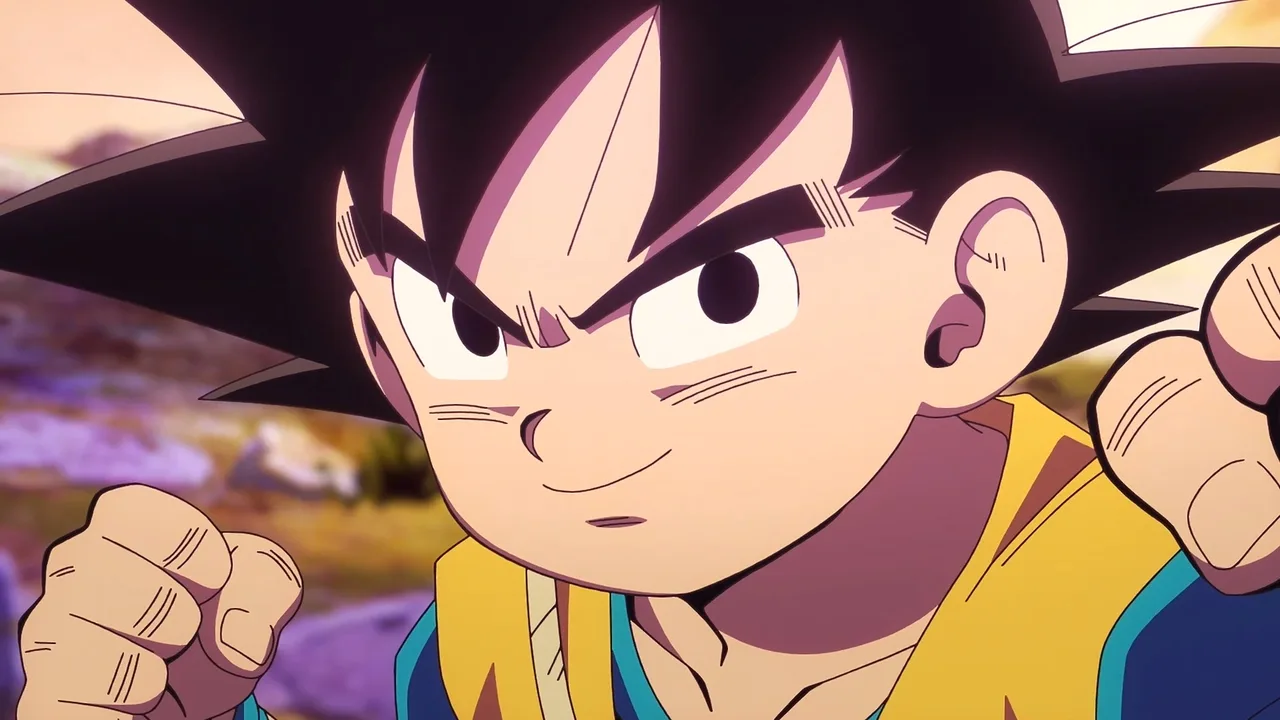
Dragon Ball Daima: Complete Guide to Toriyama's Final Masterpiece (2025)
Everything you need to know about Dragon Ball Daima — Toriyama's final work. Plot summary, characters, Demon Realm lore, all 20 episodes reviewed.

How to Read Manga: A Complete Beginner's Guide to Japanese Comics
New to manga? Learn how to read manga the right way — from right-to-left reading order to understanding panels, sound effects, and genres.