The Complete History of Manga | Mangaka.online — guides

The Complete History of Manga: From Hokusai to Modern Masterpieces

Explore the fascinating history of manga from ancient Japanese scrolls to modern bestsellers. Learn how manga evolved into a global cultural phenomenon.

Updated March 22, 2026
By Mangaka.online Editorial
16 min read

Manga today stands as one of the world’s most influential entertainment mediums, with billions of readers worldwide and a cultural impact extending far beyond Japan’s borders. Yet this global phenomenon has roots extending back centuries, through artistic traditions, technological innovations, and individual creators who shaped how stories could be told through sequential images. Understanding manga’s history provides context for understanding contemporary manga and reveals how centuries of artistic evolution culminated in the medium we know today.

⚡ TL;DR — Explore the fascinating history of manga from ancient Japanese scrolls to modern bestsellers. Learn how manga evolved into a global cultural phenomenon.

Ancient Origins: Emakimono and Chōjū-Giga

While manga as a medium requires printing technology and modern conventions to exist in its recognizable form, manga’s spiritual ancestors trace back to medieval Japanese art. Emakimono, literally “picture-writing scrolls,” represented the primary visual storytelling medium in medieval and feudal Japan. These hand-painted scrolls combined calligraphy and intricate illustrations to tell stories that unfolded as readers rolled the scroll horizontally, creating a unique narrative progression where time and space moved across the surface.

Emakimono served similar storytelling purposes to modern manga—conveying narrative through sequential images enhanced with text. The Tale of Genji, one of the world’s first novels, exists partly through beautiful emakimono illustrations that captured the text’s narrative in visual form. The horizontal reading progression and mixture of image and text establish conceptual foundations connecting emakimono to modern manga, though the mediums differ dramatically in execution and intent.

Perhaps more directly connected to manga is the Chōjū-Giga (scrolls of frolicking animals), created during Japan’s Heian period around the 12th century. These masterpieces feature animal characters engaged in human activities, from playing sports to performing religious ceremonies, rendered with remarkable detail and humor. The scrolls prioritize comedic storytelling and character action over narrative complexity. Scholars increasingly recognize Chōjū-Giga as containing early manga-like sensibilities—the emphasis on character-driven comedy, the sequential panel organization, and the marriage of visual gags with narrative progression foreshadow modern manga.

These ancient traditions established conceptual groundwork—the understanding that sequential images could tell stories, that mixing text and image enhanced narrative, and that visual art could convey humor and emotion. However, emakimono and Chōjū-Giga remained elite art forms created by hand on expensive materials for aristocratic audiences. The transition from these traditions to modern manga required technological innovation and cultural shifts that would take centuries to develop.

The Ukiyo-e Influence and Hokusai’s Manga

The Renaissance of sequential image storytelling in Japan traces to the Edo period’s development of woodblock printing technology. Ukiyo-e, meaning “pictures of the floating world,” became Japan’s dominant visual art form, depicting contemporary life, kabuki theater scenes, landscapes, and beautiful women. Woodblock printing democratized visual art, enabling mass production and bringing images to ordinary people rather than just wealthy patrons.

Within the diverse ukiyo-e tradition emerged artists experimenting with sequential storytelling and humor in visual art. Hokusai, one of history’s greatest artists, created works that approached manga-like sensibilities. Most importantly, Hokusai’s published work collections literally titled “Manga” (meaning roughly “casual sketches” or “improvised pictures”) established the term “manga” for Japanese sequential visual art. Hokusai’s Manga collections, initially published in the early 1800s and continuing through multiple volumes over his lifetime, featured miscellaneous sketches and comic scenes—not sequential narratives with plot progression, but rather character studies and visual jokes that entertained through artistic observation and humor.

Hokusai’s use of the term “manga” and his emphasis on character-based visual comedy influenced how Japanese artists understood sequential visual art. Though Hokusai’s Manga differed from modern manga in fundamental ways—lacking overarching narratives and appearing as collections of unrelated sketches—his work demonstrated that sequential visual art could successfully entertain mass audiences and established the vocabulary for understanding this art form.

Throughout the 1800s, Japanese artists continued developing sequential visual storytelling techniques, increasingly influenced by Western cartoon traditions as Japan opened to international contact. Woodblock print publishers experimented with longer sequences and narrative-driven illustration. These experiments laid groundwork for manga’s development, though true manga still required additional technological and cultural developments.

Meiji Era Adaptations and Western Influence

Japan’s rapid modernization during the Meiji Restoration (1868-1912) dramatically transformed Japanese visual culture. Western influence intensified through trade, diplomacy, and cultural exchange. Printing technology advanced significantly, making mass-produced illustrated publications increasingly feasible and affordable. Simultaneously, Japanese intellectuals debated how to modernize while preserving Japanese cultural identity.

This period witnessed increasing fusion between traditional Japanese artistic sensibilities and Western comic conventions. Political cartoons and satirical illustrations, influenced by Western newspaper comics, appeared in Japan’s emerging print media. Artists borrowed Western perspectives, modern printing techniques, and cartoon conventions while maintaining distinctly Japanese artistic traditions and humor sensibilities.

The increasing sophistication of printing technology enabled more complex publications. What had required hand-painted emakimono or carefully crafted woodblocks could now be printed relatively affordably. This technological accessibility removed barriers to publication, allowing more creators to produce illustrated sequential narratives for broader audiences.

By the early 1900s, the conceptual and technical foundations for manga existed. What remained was the emergence of creators synthesizing these elements into a cohesive medium and the development of publishing infrastructure to sustain regular serialization.

Post-War Boom and Osamu Tezuka’s Revolution

If Hokusai provided manga’s conceptual foundations and the Meiji era established technical possibilities, Osamu Tezuka completed manga’s transformation into a modern medium through artistic genius and revolutionary innovation. Tezuka, born in 1928 and emerging as a creator in the post-World War II era, fundamentally reimagined what sequential visual storytelling could achieve.

Tezuka’s innovation wasn’t technological but artistic and narrative. He brought cinematic techniques to manga, using close-up panels for emotional emphasis, distant establishing shots for context, and rapid-fire panel sequences for action and excitement. He employed sophisticated pacing, building tension through panel arrangement and size variation. Most importantly, he demonstrated that manga could tell complex, emotionally sophisticated stories with sustained narrative arcs rather than episodic gags.

Tezuka’s early works, particularly Astro Boy (1952-1968), revolutionized manga and animation. Astro Boy featured a relatable protagonist with complex emotions, sophisticated science fiction worldbuilding, and narratives addressing genuine philosophical and moral questions. The series proved that manga audiences extended beyond children seeking simple entertainment—they wanted emotional depth, character development, and meaningful stories. Tezuka’s demonstration that manga could sustain sophisticated narratives over years of serialization transformed industry expectations.

Beyond Astro Boy, Tezuka’s Black Jack anthology series and his mature works like Ode to Kirihito demonstrated manga’s versatility as an art form. Tezuka showed that manga could address adult themes, experiment with avant-garde storytelling, and achieve genuine artistic merit. His prolific output—creating hundreds of manga stories across decades—established manga as a viable career path and demonstrated the medium’s potential to serious creators.

Tezuka’s influence fundamentally shaped manga culture. His innovations in visual storytelling, pacing, and cinematic technique became manga’s artistic foundations. His demonstration that manga could sustain serial narratives encouraged publishers to develop weekly and monthly manga magazines. Most importantly, Tezuka proved manga could achieve artistic and commercial success simultaneously, creating infrastructure and audience expectations that sustained manga’s growth.

The Golden Age: 1970s-1980s Expansion

The 1970s and 1980s represented manga’s golden age, a period of explosive creativity and experimentation. Tezuka had established manga’s artistic credibility and demonstrated viable business models. Publishers responded by creating specialized manga magazines targeting specific demographics—Weekly Shonen Jump for young male audiences, Weekly Shonen Magazine, and others for different age groups and genders.

This period produced some of manga’s most enduring classics. Dragon Ball by Akira Toriyama revolutionized shonen manga through relentless creative energy, character charm, and action sequences that set new standards for manga combat. The series’ success demonstrated the commercial viability of manga targeting young audiences and inspired countless imitators and successors. Dragon Ball’s worldwide influence extended manga’s cultural impact beyond Japan for the first time at significant scale.

Saint Seiya, Fist of the North Star, and other action-driven shonen manga of this era established conventions and storytelling approaches that persist in contemporary shonen. Manga artists developed distinctive house styles, famous mangaka built devoted fan bases, and manga magazines competed fiercely for reader loyalty.

Simultaneously, shojo and seinen manga evolved, exploring different storytelling possibilities. Shojo manga moved beyond simple romantic narratives toward sophisticated character studies and relationship exploration. Seinen manga emerged as a distinct category, targeting adult male readers with more violent, sexual, and philosophically complex content. Akira by Katsuhiro Otomo epitomized seinen’s artistic ambition, combining cyberpunk worldbuilding, spectacular action sequences, and sophisticated visual composition.

This period also witnessed the advent of manga’s close relationship with animation. Anime adaptations of popular manga series introduced characters and worlds to broader audiences, creating feedback loops where successful anime drove manga sales and manga provided content for anime adaptation. This symbiotic relationship accelerated both mediums’ growth.

1990s Expansion and Diverse Voices

The 1990s brought continued manga growth and increasing diversity in creators and storytelling approaches. The barrier to entry for new mangaka decreased slightly, allowing more creators to break into the industry. Women artists increasingly appeared in magazines and achieved mainstream success, broadening manga’s perspectives beyond traditionally male-dominated creative circles.

This era produced manga that still define the medium. One Piece, beginning serialization in 1997, combined shonen adventure traditions with unparalleled creativity and charm, eventually becoming manga’s best-selling series. Naruto, beginning in 1999, brought ninja-themed action to massive audiences. These megahits demonstrated manga’s continued commercial viability while exploring stories that extended beyond their predecessors’ scope.

Simultaneously, manga addressing different demographics flourished. Natsume’s Book of Friends offered gentle, supernatural storytelling appealing across gender demographics. Death Note revolutionized psychological thriller manga, proving the medium could sustain complex, idea-driven narratives. Fullmetal Alchemist achieved the rare feat of appealing equally to shonen and shojo audiences while telling a sophisticated story addressing themes of sacrifice, family, and the nature of equivalent exchange.

The 1990s also witnessed manga’s increasing international visibility. Manga began appearing in English translation at expanding scale. Sailor Moon, pioneering shojo manga exports, proved Western audiences embraced manga despite unfamiliarity with conventions. Dragon Ball Z anime broadcasts introduced hundreds of thousands of Western viewers to Japanese animation and by extension to manga. While manga remained primarily Japanese-consumed, the foundation for international expansion was being established.

The New Millennium: Globalization and Maturation

The 2000s brought manga’s transformation from Japanese cultural product to global phenomenon. English-language manga publication exploded, with publishers like Viz Media, Dark Horse, and others translating increasingly diverse titles. Bookstores in Western countries dedicated increasing shelf space to manga. The technology of internet forums and early social media enabled international manga communities to form and communicate.

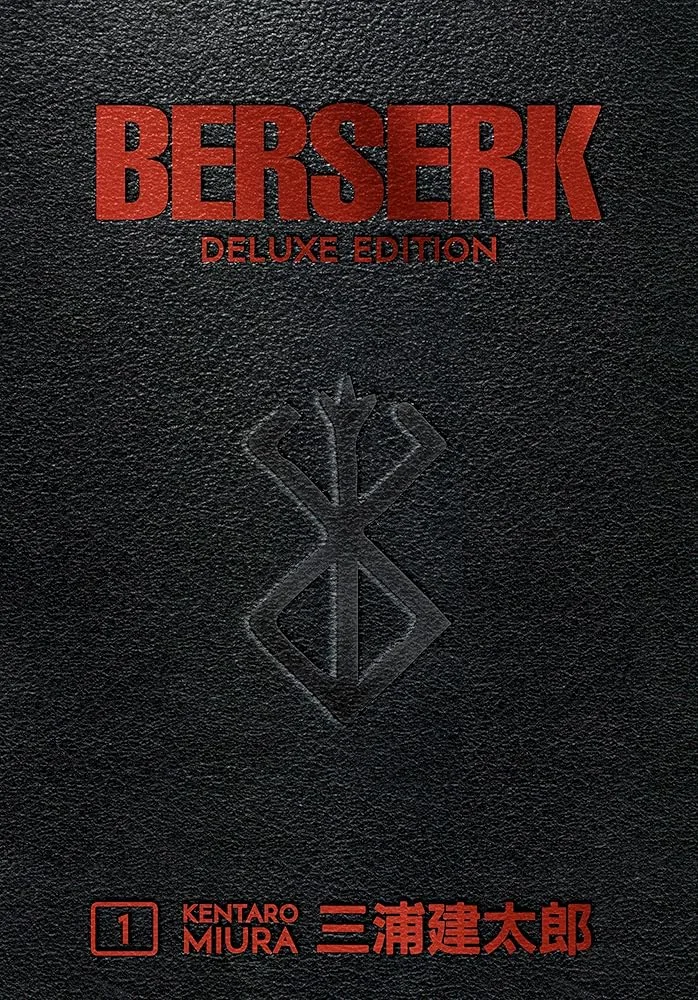
This era produced many manga considered contemporary classics. Bleach maintained shonen action traditions while introducing gothic aesthetics. Fullmetal Alchemist reached critical acclaim for sophisticated narrative structure. Death Note created international phenomena through psychological intensity. Berserk pushed manga’s boundaries with dark, violent, mythologically-influenced storytelling. Code Geass, Gundam series, and mobile suit anime brought sophisticated mecha narratives to global audiences through manga adaptations.

Most significantly, series from this era achieved global cultural impact previously impossible. Manga properties adapted into major Hollywood films. Japanese manga characters appeared on Western merchandise. International film studios began optioning manga properties for adaptation. Manga, once strictly Japanese media, became genuinely cosmopolitan.

The 2000s also saw manga’s increasing respectability in intellectual and critical circles. Universities began studying manga as literature and cultural text. Serious critics engaged with manga’s artistic merit. Publishers released acclaimed manga in nice hardcover editions, signaling cultural value comparable to traditional literature.

Simultaneously, manga’s business model matured. Serialization in magazines remained primary, but tankoubon (collected volumes) became equally important revenue sources. Merchandise, anime, live-action adaptations, and international sales supplemented magazine revenue, creating diverse income streams that sustained both creators and publishers through economic changes.

The Digital Era and Contemporary Manga

The 2010s brought digitalization and continued expansion. Manga increasingly appeared on digital platforms, changing how readers accessed stories. Subscription services like Crunchyroll Manga and ComiXology offered vast libraries, competing with traditional printed collections. Mobile manga reading applications revolutionized accessibility, enabling instant reading on smartphones.

Digitalization created new opportunities for creators. Webtoon formats, originating in Korea but increasingly adopted globally, enabled infinite vertical scrolling optimized for mobile reading. Webtoons’ visual grammar differs from traditional manga, with different pacing, panel composition, and visual effects. Simultaneously, traditional manga continued thriving, proving manga’s format flexibility.

Contemporary manga demonstrates unprecedented diversity. Attack on Titan achieved mainstream cultural success with dark, psychologically complex storytelling. Demon Slayer proved that manga could achieve massive international popularity through exceptional artwork and emotional storytelling. My Hero Academia created a global phenomenon combining superhero traditions with manga sensibilities. Jujutsu Kaisen, Chainsaw Man, and other recent series demonstrate that new creators continue pushing manga’s boundaries artistically and commercially.

Women mangaka have achieved unprecedented prominence. Solo Leveling, despite Korean origins, influenced global manga trends. Female-authored manga addresses diverse perspectives and themes, from romance to action to psychological horror. LGBTQ+ themes appear increasingly in mainstream manga, reflecting broader cultural shifts.

Manga’s Global Impact

Contemporary manga’s influence extends far beyond entertainment. Manga has shaped international visual culture, influenced fashion and design, and contributed significantly to Japan’s global cultural presence. Japanese government’s “Cool Japan” campaign explicitly includes manga as cultural export. Video game developers draw inspiration from manga aesthetics. Western comic artists increasingly adopt manga-influenced visual styles.

Manga has influenced animation globally, with studios worldwide adopting techniques pioneered in anime and manga. The term “anime” itself, once describing specifically Japanese animation, has become globalized. Young animators worldwide study manga and anime alongside traditional animation theory.

Manga’s influence on storytelling extends beyond visual media. Authors of novels, screenplays, and other narrative forms cite manga as artistic inspiration. Manga’s narrative structures, character development approaches, and thematic exploration have influenced how contemporary creators think about stories.

Academic interest in manga continues growing. Universities offer courses dedicated to manga studies. Scholars examine manga through literary, cultural, historical, and artistic lenses. This intellectual engagement validates manga as worthy of serious study while deepening understanding of manga’s significance.

The Craft Evolution

Beyond narrative and cultural impacts, manga’s technical execution has evolved dramatically. Early manga featured relatively static compositions, with little variation in camera angles or visual perspective. Contemporary manga employs cinematic techniques Tezuka pioneered but executed with greater sophistication. Modern technology enables faster production and more elaborate effects.

Digital tools have transformed manga creation. While many professional mangaka still use traditional pen and paper for linework, digital coloring and effects have become standard. Some mangaka work entirely digitally, leveraging software capabilities for effects impossible with traditional media. Digital tools enable faster revisions and experimentation, potentially accelerating creative evolution.

Publishing technology evolution enables increasingly ambitious visual experimentation. Modern printing produces colors and details impossible in earlier eras. Metallic inks, textured printing, and innovative design enable manga volumes to achieve visual sophistication approaching fine art publications.

Challenges and Future Directions

Contemporary manga faces genuine challenges. The grueling serialization schedule demanding weekly or monthly submissions continues injuring mangaka health. Many successful mangaka suffer from exhaustion-related illness. Industry discussions increasingly address sustainability and creator welfare, though systemic changes remain limited.

The rise of webtoons and digital formats challenges traditional manga magazine business models. Younger audiences increasingly access manga through apps and websites rather than physical magazines. This shift creates economic uncertainty for traditional publishers while creating opportunities for digital-first creators.

Simultaneously, manga’s future appears robust. Global audiences continue expanding. New creative voices bring fresh perspectives. Technology enables new visual possibilities. International collaboration becomes increasingly common, with non-Japanese creators producing manga and manga exporting worldwide.

The Gekiga Revolution and Mature Manga

The 1960s brought the “gekiga” movement, meaning “dramatic pictures,” which explicitly rejected Tezuka’s style and established manga for adult audiences. Artists like Masao Okazaki and Garo magazine creators pushed manga toward more realistic proportions, grittier narratives, and artistic sophistication previously reserved for fine art. Gekiga emphasized psychological depth, social commentary, and mature themes, establishing that manga could address serious subjects and appeal to educated adult readers.

This movement proved transformative. Where Tezuka had demonstrated manga’s narrative complexity, gekiga demonstrated manga’s artistic ambition and capacity to address mature themes with seriousness and sophistication. The movement created space for manga discussing poverty, alienation, social injustice, and human tragedy in ways that appealed to intellectually engaged readers. This parallel tradition established manga’s credentials as serious art alongside commercial entertainment.

International Expansion and the Anime-Manga Connection

Manga’s 1980s expansion accelerated dramatically through symbiotic relationship with anime. The technology of videotape and later VCRs enabled anime distribution outside Japan. Dragon Ball anime broadcasts reached Western audiences, creating demand for the manga source material. This feedback loop—anime introducing properties to new audiences, those audiences discovering the manga—accelerated both mediums’ growth.

Publishers in Western countries began licensing manga for translation and publication. Initially, this faced significant challenges. Right-to-left reading direction confused Western readers accustomed to left-to-right books. Cultural references felt alien. Manga aesthetics seemed strange compared to American superhero comics. Yet dedicated translators and publishers like Viz Media persisted, betting that Western audiences would embrace manga despite its cultural foreignness.

Sailor Moon’s anime success in Western markets proved that anime could achieve mainstream popularity outside Japan. This success drove demand for the manga source material, introducing thousands of Western readers to manga. Similarly, Dragon Ball Z anime dominance in 1990s television demonstrates anime’s capacity to reach mainstream audiences. These anime successes fundamentally opened Western audiences to manga and Japanese culture generally.

The Rise of Manga Publishing Industry

The success of anime-manga properties attracted major publishers to manga. As demand grew, publishers expanded translation efforts dramatically. By the early 2000s, virtually every bookstore in major Western cities carried manga sections. Manga became available through multiple distribution channels—specialty comics shops, mainstream bookstores, libraries, and online retailers. This accessibility democratized manga reading across Western demographics.

The business model evolved significantly. Where early manga publication focused on translations of completed works, contemporary publishing emphasizes serialization in English-language magazines like Shonen Jump, matching Japanese publication schedules. This simultaneity shortened delays between Japanese release and English availability, enabling international fan communities to discuss episodes and chapters together in real time.

Merchandising exploded alongside publication success. Characters from popular manga appeared on merchandise ranging from clothing to housewares to video games. Manga properties spawned trading card games, toys, and collectibles generating revenue exceeding original manga sales. This merchandising infrastructure created diverse income streams sustaining creators and publishers through economic uncertainties that might otherwise have threatened individual titles.

The Shoujo Boom and Female Creator Recognition

The 1970s and 1980s witnessed revolutionary developments in shojo manga, with female artists achieving prominence and creating works that elevated the category from perceived triviality to sophisticated artistry. Creators like Ryoko Yamagishi, Moto Hagio, and others employed complex narratives addressing psychological depth and exploring complex human relationships with unprecedented sophistication. Their work demonstrated that demographic categories didn’t determine artistic merit.

The emergence of yaoi and yuri manga, exploring same-sex relationships, occurred partially through shojo traditions that empathized emotional intensity and relationship exploration. These subgenres developed through fan communities and small presses before achieving mainstream acceptance and recognition. The history of these categories demonstrates manga’s flexibility in addressing themes mainstream publications initially resisted.

Female creators achieved increasing prominence in traditionally male-dominated demographics. Women became successful shonen mangaka, seinen mangaka, and virtually every category, though barriers to entry remained. Contemporary manga features unprecedented female creator representation across all genres, fundamentally broadening manga’s perspectives and creative voices.

Digital Revolution and Contemporary Market

The 2010s and 2020s brought digitalization accelerating manga’s accessibility. Manga apps like MangaPlus, Crunchyroll Manga, and others offered instant global access to both classic and contemporary series. Digital publication eliminated printing delays, enabling same-day English releases coordinating with Japanese publication. Webtoon platforms, originating in Korea and increasingly adopted globally, created new formats enabling vertical scrolling optimized for mobile reading.

Digitalization democratized creation opportunities. Artists no longer required major publisher backing to reach audiences. Webtoon platforms and independent digital publishing enabled creators to build audiences directly. Some digital-first manga achieved such success they subsequently received print publication and anime adaptation, creating alternate pathways to industry prominence previously unavailable.

The market also underwent fundamental shift as diverse publishing approaches coexisted. Traditional magazine serialization continues thriving. Digital serialization enables experimentation with formats and pacing impossible in print. Webtoons succeed with vastly different visual grammars than traditional manga. Self-published indie manga finds niche audiences through digital platforms. This plurality creates unprecedented creative freedom while complicating market dynamics for established publishers.

Manga’s Cultural Impact and Academic Recognition

Contemporary manga’s influence extends far beyond entertainment into legitimate cultural and intellectual spheres. Universities worldwide offer manga studies courses examining manga as literature, cultural text, and artistic medium. Scholarly journals publish serious manga criticism and analysis. This intellectual engagement validates manga as worthy of serious study, transforming its cultural status from entertainment to recognized art form.

Manga has influenced how international creators approach visual storytelling. Comic artists globally have adopted manga-inspired aesthetics and techniques. Animation studios worldwide study anime and manga techniques, integrating manga’s visual language into projects having no direct Japanese connection. Manga has fundamentally influenced global popular culture in ways extending far beyond dedicated manga fans.

Global Market and Industry Statistics

Contemporary manga industry generates extraordinary revenues. Japanese manga publication alone exceeds three billion dollars annually in retail sales. Worldwide, including translation and merchandise, the industry approaches twenty billion dollars. These figures demonstrate manga’s transformation from niche Japanese entertainment to major global industry rivaling film and television in economic scale.

The international manga market, while smaller than Japan’s domestic market, grows exponentially. English-language manga publication exceeds five billion dollars annually. French translation markets rank second globally, with significant manga markets developing in Germany, Spain, and throughout Europe. Asian markets, particularly China, represent rapidly expanding new audiences. Manga, once exclusively Japanese-created, increasingly involves international creators and publishers, truly becoming global medium.

Contemporary Challenges and Future Directions

Modern manga faces genuine sustainability challenges. Creator burnout remains endemic—weekly serialization demands remain physically and mentally grueling. Health problems affecting mangaka from exhaustion receive increasing attention, but systemic improvements remain limited. Industry discussions increasingly address creator welfare and sustainable production practices, though change proceeds slowly.

The pandemic accelerated digitalization, pushing publishers toward digital-first approaches. This shift creates both opportunities and challenges. Digital publishing eliminates printing costs and enables rapid distribution but threatens traditional bookstore retail relationships. Subscription models enable diverse discovery but reduce impulse purchasing that sustained print sales. These business model transitions continue reshaping industry economics.

Simultaneously, manga’s future appears robust. Global audiences continue expanding. New creators continuously emerge with fresh perspectives and stories. Technology enables new visual possibilities and publishing approaches. International collaboration becomes increasingly common, with non-Japanese creators producing manga and manga exporting worldwide.

Conclusion

Manga’s history spans from ancient emakimono and woodblock art traditions through Hokusai’s influence, the post-war revolution sparked by Osamu Tezuka, the explosive expansion of the 1980s, and the globalization of the 21st century. This progression reveals manga not as a sudden invention but as an evolution reflecting Japanese artistic traditions, technological developments, and creative innovation.

Understanding manga’s history enriches appreciation of contemporary manga. The visual techniques modern manga employs descend from Tezuka’s innovations. The serialization structures modern magazines use evolved across decades. Contemporary manga’s diversity reflects decades of artistic experimentation and audience development. The respect manga currently enjoys internationally follows from creators proving the medium’s artistic merit over generations.

Today, manga stands as one of the world’s most vibrant and influential storytelling mediums, maintaining deep roots in Japanese tradition while continuously adapting to new technologies and global audiences. As manga continues evolving, its history reminds us that the medium’s future depends on honoring traditions while embracing innovation—exactly as manga has always done.

Frequently Asked Questions

Q: Who actually invented manga? A: No single inventor created manga. The medium evolved from centuries of Japanese artistic traditions (emakimono, woodblock printing, ukiyo-e) combined with Western comic influences. While Hokusai’s work collections literally named “manga” and Osamu Tezuka revolutionized the modern medium, manga developed gradually through technological innovation and creative experimentation across generations.

Q: When did manga become popular internationally? A: Manga achieved significant Western popularity in the 1990s through anime adaptations (Sailor Moon, Dragon Ball Z) and pioneering manga publications. Growth accelerated dramatically in the 2000s as mainstream bookstores expanded manga sections. Today, manga is globally recognized and commercially significant, though primarily dominant in specific markets rather than truly mainstream everywhere.

Q: What’s the difference between historical manga and modern manga? A: Historical manga employed simpler artistic techniques, more limited production technology, and different storytelling conventions than contemporary manga. Early manga featured less dynamic action, more static compositions, and different pacing approaches. Modern manga employs cinematic techniques, digital effects, and sophisticated visual storytelling largely unavailable to earlier creators.

Q: Has manga always been serialized in magazines? A: No, early manga existed as individual publications or collections before magazine serialization became standard. Magazine serialization, pioneered by Tezuka’s innovations, became the dominant business model enabling manga’s commercial viability. This model continues today despite emerging digital and self-publishing alternatives.

Q: Why is manga more popular than Western comics outside North America? A: Multiple factors contribute: manga’s demographic specificity helps audiences find appropriate content, diverse genres serve varied audiences, manga’s affordability compared to American comics, anime’s role introducing international audiences to properties, and cultural prestige that manga acquired through decades of artistic development and international expansion.