
Yusuke Murata
Yusuke Murata, acclaimed artist of One-Punch Man and Eyeshield 21, revolutionized manga action sequences with incredibly detailed artwork and digital techniques. Explore his artistic innovations.
Early Life
Yusuke Murata was born on July 4, 1978, in Japan during an era of significant manga industry transformation and technological advancement. The late 1970s represented a transition period in manga creation, with digital tools beginning to supplement traditional pen-and-ink methodologies. Growing up during the 1980s and 1990s, young Murata witnessed the gradual digitalization of manga production processes and the integration of computer technology into artistic workflows.
From childhood, Murata demonstrated exceptional artistic talent and particular affinity for action sequences and dynamic movement depiction. Unlike many young manga artists whose talents manifested across various genres and styles, Murata’s early artistic focus centered specifically on capturing motion, intensity, and physical action with visual clarity and technical precision.
The young Murata was heavily influenced by martial arts cinema, particularly the action films of Hong Kong directors and the sophisticated fight choreography characteristic of that film tradition. This cinematic influence would profoundly shape his approach to action sequence composition and dynamic panel layouts, distinguishing his work from contemporaries whose action depictions were primarily manga-derived rather than cinematically influenced.
Murata’s early exposure to computer technology positioned him advantageously as digital tools became increasingly integrated into manga production. Unlike some established artists who resisted digital methodology, Murata embraced computational tools early, developing expertise in digital coloring, digital backgrounds, and eventually fully digital page creation. This technological openness would become defining characteristic of his professional approach.
Career and Notable Works
Yusuke Murata’s professional manga career commenced in 2000, positioning him to benefit from digital technology’s increasing accessibility and sophistication. His early works demonstrated technical competence and distinctive visual sensibility, though his reputation would be substantially solidified through subsequent collaborations with prominent writers and participation in acclaimed series.
Eyeshield 21: Dynamic Sports Action
Murata gained significant recognition as illustrator for “Eyeshield 21,” a football-themed manga serialized from 2002 to 2009. Created in collaboration with writer Riichiro Inagaki, Eyeshield 21 showcased Murata’s exceptional ability to depict dynamic athletic action with unprecedented clarity and visual sophistication. The partnership between Inagaki’s narrative development and Murata’s visual artistry created synergistic creative relationship producing unprecedented action manga accomplishment.
The series followed Sena Kobayakawa, a physically unimposing high school student with exceptional agility and footwork, as he navigates American football competition. Rather than depicting football as static positional gameplay, Murata’s artwork captured the explosive athleticism, complex tactical elements, and sustained physical intensity characteristic of football competition. His commitment to football authenticity required learning sport mechanics comprehensively, studying actual gameplay footage, and consulting with coaches to ensure tactical accuracy.
What distinguished Eyeshield 21’s action sequences was Murata’s attention to anatomical accuracy combined with cinematic composition. He meticulously studied actual football gameplay, consulting with coaches and athletes to ensure technical accuracy. His depiction of player positioning, movement patterns, and physical mechanics reflected genuine understanding of football’s complexities. This technical accuracy, combined with dynamic panel composition and dramatic visual emphasis, created action sequences of unprecedented excitement and authenticity.
Murata’s panel layouts for Eyeshield 21 demonstrated sophisticated understanding of visual storytelling and pacing control. Complex action plays unfolded across multiple panels with clarity that allowed readers to comprehend tactical decisions and athletic execution simultaneously. His use of perspective, angle variation, and compositional emphasis guided reader attention through play sequences with cinematic fluidity.
The artist’s use of digital techniques in Eyeshield 21 was notable. He employed digital background creation and composition techniques that allowed more detailed environmental depiction than traditional methods would permit. This technological sophistication contributed significantly to the series’ visual polish and technical sophistication.
One-Punch Man: Redefining Digital Manga
Murata achieved international recognition and critical acclaim through “One-Punch Man,” a manga adaptation of the original webcomic by creator One. Beginning serialization in 2012, One-Punch Man represented perhaps Murata’s fullest artistic expression and demonstrated his revolutionary approach to manga creation through fully digital methodology. The project represented collaboration between manga’s traditional serialization format and webcomic digital native approaches, synthesizing strengths from both traditions.
One-Punch Man follows Saitama, an ordinary man who achieves absolute physical invulnerability through rigorous training, rendering conventional combat utterly futile. Rather than exploring exceptional superheroism, the narrative examines Saitama’s psychological and existential experience of overwhelming power and the emotional isolation resulting from absolute competitive superiority. The story’s thematic exploration of power’s psychological costs resonates particularly effectively through Murata’s visual representation of combat futility.
Murata’s artwork in One-Punch Man represents a complete transformation of manga’s visual possibilities through digital creation. His action sequences achieve unprecedented technical sophistication, with detailed mechanical and anatomical rendering, complex environmental destruction sequences, and dynamic perspective shifts that push manga’s visual expressiveness boundaries. Individual panels occasionally display artistic complexity comparable to traditional fine art, with rendering detail typically reserved for cover illustrations extended throughout narrative sequences.
The artist’s depiction of impact and destruction demonstrates revolutionary approach to action illustration. Explosions, shockwaves, and environmental destruction are rendered with photorealistic detail and dynamic intensity that conveys phenomenal power through visual overwhelming-ness. His use of color—unusual for ongoing manga, which traditionally employs only black and white—creates additional visual intensity and atmospheric richness.
Murata’s panel composition in One-Punch Man frequently defies conventional manga layout. Pages feature irregular panel shapes, dynamic diagonal compositions, and unconventional reading sequences that challenge traditional manga conventions while maintaining readability. This experimental approach to layout and composition demonstrates his willingness to reimagine manga’s fundamental visual language.
The creator’s digital methodology allowed for greater flexibility and correction capacity than traditional pen-and-ink approaches. He employs multiple digital layers, enabling complex background elements, lighting effects, and atmospheric detail that would be extraordinarily time-consuming through traditional methods. This technological advantage translated into unprecedented visual sophistication and artistic detail.
One-Punch Man’s international popularity—particularly among Western audiences—validated the commercial viability of digitally-created manga featuring Western-influenced superhero action. The series demonstrated that manga could achieve global appeal through technical artistic sophistication and action-oriented narratives accessible across cultural boundaries.
Artistic Style
Yusuke Murata possesses a distinctive artistic approach emphasizing technical precision, dynamic composition, and digital sophistication. His character design demonstrates careful attention to physique and physicality, with bodies reflecting actual human anatomy and athletic conditioning. Unlike manga styles that stylize or exaggerate character proportions, Murata’s designs emphasize realistic anatomical accuracy and physical plausibility. His understanding of human musculature and movement mechanics enables him to communicate physical actions with unusual credibility.
His action sequence depiction represents perhaps his most distinctive artistic contribution. Rather than employing speed lines and conventional action manga conventions, Murata constructs action sequences through compositional analysis, perspective variation, and sequential panel positioning that communicate movement and intensity with visual clarity. His panels employ dynamic angles—unusual perspectives, overhead views, extreme close-ups—that maintain action clarity while creating visual excitement. The cinematographic sophistication of his action composition rivals professional action cinematography in dynamic complexity.
The artist’s use of backgrounds and environmental detail distinguishes his work from many contemporaries who employ minimalist background approaches. Murata frequently renders detailed architectural environments, natural landscapes, and atmospheric elements that create immersive settings for action sequences. These detailed backgrounds serve both aesthetic and narrative functions, grounding action in specific locations and contributing to atmospheric intensity.
Murata’s lighting and shadow work demonstrates sophisticated understanding of three-dimensional form and spatial relationships. He employs dramatic lighting effects to emphasize action intensity and create emotional atmosphere. High-contrast areas direct reader attention toward significant narrative elements while establishing mood and tone.
His digital methodology enabled technical possibilities unavailable through traditional approaches. Digital coloring in certain publications allows him to employ color psychology and chromatic emphasis to guide reader attention and establish emotional tone. Even in black-and-white work, his digital creation process produces unprecedented textural sophistication and tonal range.
Legacy and Influence
Yusuke Murata fundamentally transformed manga’s action illustration possibilities through digital technology adoption and innovative compositional approaches. His demonstration that fully digital manga creation could achieve unprecedented technical sophistication and visual complexity influenced numerous subsequent artists to embrace digital methodologies. His successful digital workflow demonstrated viability of technology adoption for established manga production, reducing industry skepticism toward digital creation processes.
His approach to action sequence composition—emphasizing clarity, dynamic perspective, and cinematic fluidity—influenced how subsequent manga artists conceptualized action illustration. Many contemporary action manga creators employ compositional techniques and layout approaches developed or refined through Murata’s pioneering work. His influence extends beyond immediate manga communities into broader visual arts discourse regarding digital creation methodologies.
The creator’s international recognition, particularly through One-Punch Man’s global popularity, contributed significantly to Western audiences’ understanding of manga’s technical sophistication and artistic potential. His work demonstrated that manga could achieve visual complexity comparable to traditional illustration while maintaining narrative accessibility. One-Punch Man’s popularity in Western markets validated manga as viable global entertainment medium, influencing publishing and adaptation decisions throughout international entertainment industries.
Murata’s sports manga work with Eyeshield 21 established standards for how athletic action should be depicted in manga. The series’ technical accuracy and dynamic clarity influenced subsequent sports manga creators to prioritize authenticity and clarity in their action depiction. His football expertise and commitment to sports accuracy established models for sports manga creation embraced throughout the industry.
The artist’s mentor relationship with younger manga artists and his continued activity in the industry ensure his influence remains contemporary and applicable. His demonstration of digital methodology’s advantages influenced industry-wide adoption of digital creation tools and techniques. His workshops and tutorials on digital manga creation have educated numerous aspiring artists in contemporary creation methodologies.
Yusuke Murata remains actively engaged in manga creation, continuing to push technical and compositional boundaries. His ongoing work ensures that his innovative approaches continue shaping contemporary manga practice and establishing standards for technical sophistication in action-oriented narratives. His continued experimentation with digital techniques and compositional innovations guarantees his sustained relevance in contemporary manga discourse.
FAQ: Yusuke Murata
Other Mangakas You May Like
All mangakas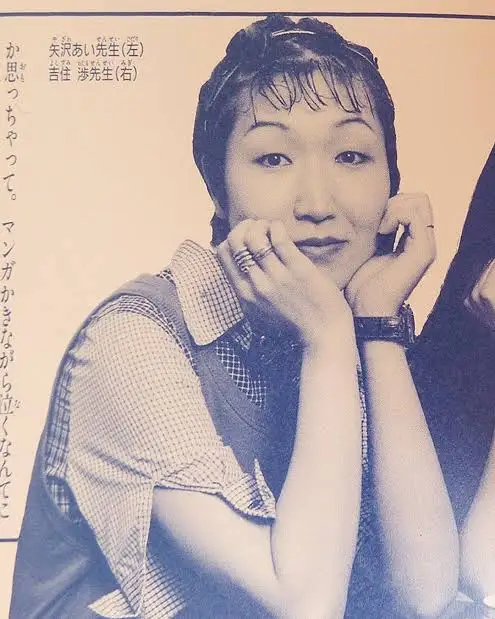
Ai Yazawa
Discover the life and enduring legacy of Ai Yazawa, one of manga's greatest storytellers, whose series Nana changed what shōjo manga could be — and whose hiatus became one of the industry's most followed stories.
Notable Works:
- • Nana
- • Paradise Kiss
- + 2 more

Aka Akasaka
Aka Akasaka is a highly accomplished Japanese manga writer known for genre mastery across romantic comedy and dark drama. His works Kaguya-sama: Love Is War and Oshi no Ko have achieved massive commercial and critical success, with Kaguya-sama selling over 22 million copies worldwide. Akasaka is celebrated for subverting genre conventions, creating complex psychological narratives, and exploring moral ambiguity in compelling storytelling.
Notable Works:
- • Kaguya-sama: Love Is War
- • Oshi no Ko
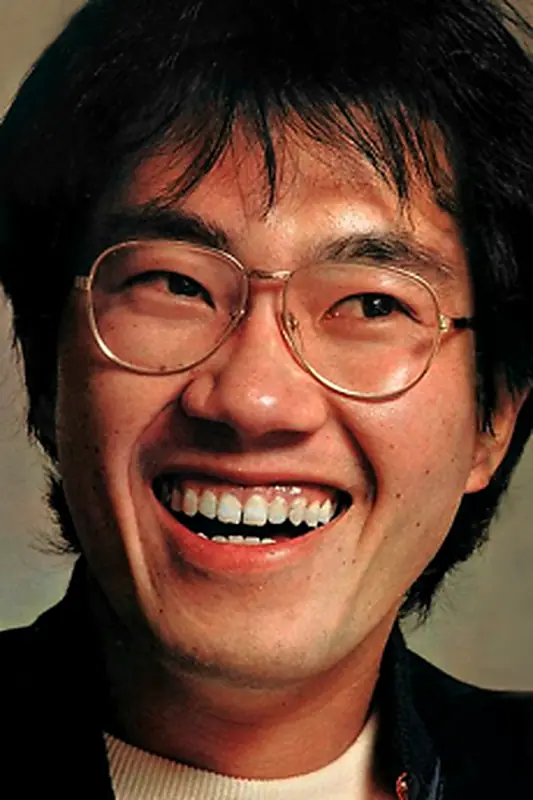
Akira Toriyama
Explore Akira Toriyama's revolutionary career: creator of Dragon Ball, Dr. Slump, and iconic manga. Learn about his artistic genius, influence, and legacy in manga history.
Notable Works:
- • Dragon Ball
- • Dragon Ball Z
- + 3 more

CLAMP
Discover CLAMP, the iconic collective of four talented female manga artists. Explore their revolutionary works from Cardcaptor Sakura to xxxHolic and their lasting industry impact.
Notable Works:
- • Cardcaptor Sakura
- • xxxHolic
- + 4 more