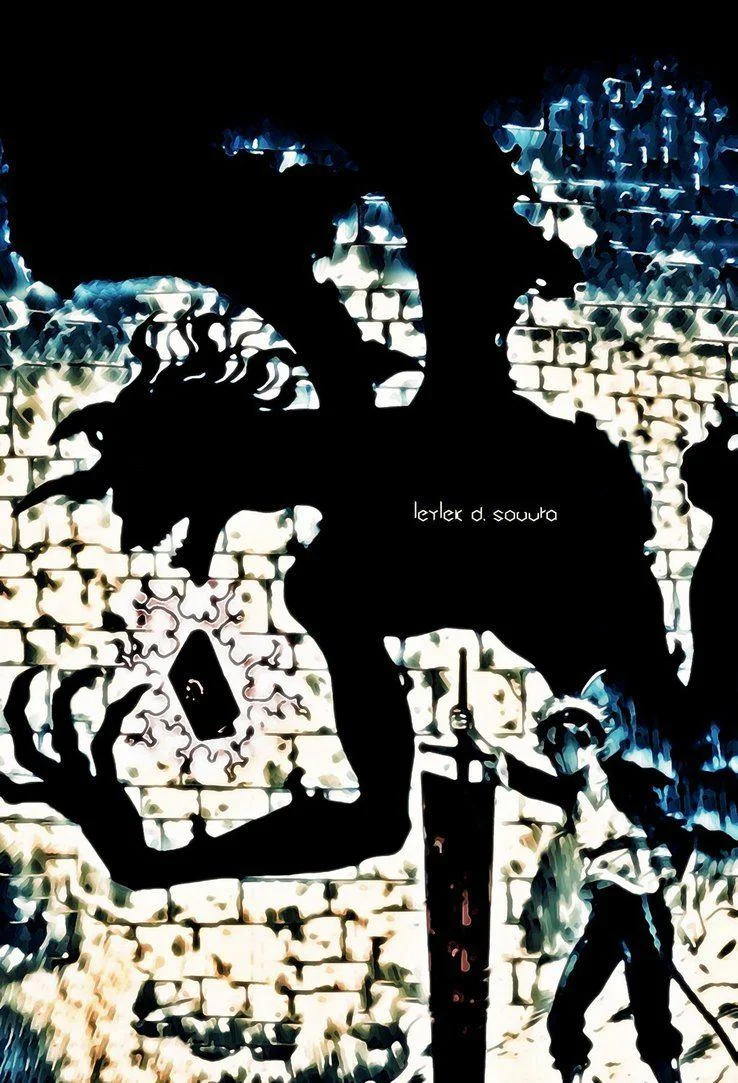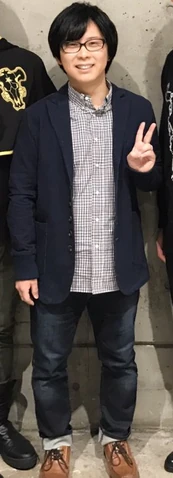
Yuki Tabata
Learn about Yuki Tabata, the mangaka who built Black Clover into a global shōnen phenomenon through relentless determination and a deep love for magic-powered battle manga.
Early Life and Artistic Development
Yuki Tabata was born in 1986 in Kagoshima Prefecture, on the southern island of Kyushu, Japan. He grew up immersed in the golden era of Weekly Shōnen Jump — the magazine that would eventually publish his signature work — reading classic series like Dragon Ball, Naruto, and Bleach that would directly shape his creative sensibility.
Tabata has cited these classic shōnen titles as his foundational influences, particularly their use of power systems, friendship bonds, and underdog protagonists who overcome impossibly stacked odds. From early on, he aspired not just to read manga but to create the kind of all-consuming adventure series he had grown up loving.
He pursued professional manga through formal submission to Shueisha, entering the competitive pipeline of Jump’s new talent discovery system — a path taken by many hopeful creators, though completed successfully by very few.
Professional Career and Rise to Fame
Hungry Joker — A Short-Lived First Serialization
Tabata’s first serialization in Weekly Shōnen Jump was Hungry Joker (2012–2013), a supernatural action story centered on a genius scientist who gains powers from eating Newton’s apple. The series ran for only 14 chapters before cancellation — a common fate for Jump debuts that fail to gain sufficient reader survey traction.
Rather than retreating, Tabata treated the experience as essential training. The serialization process — even a brief one — taught him the rhythms of weekly production, the importance of reader engagement, and the brutal efficiency needed to establish a concept quickly in a competitive publication environment.
Black Clover — Building a Kingdom Chapter by Chapter
In 2015, Tabata launched Black Clover in Weekly Shōnen Jump. The series follows Asta, a boy born without any magic in a world where magic is everything, who compensates through pure physical conditioning and the mysterious Anti-Magic powers of a five-leaf grimoire. His rival and goal: his childhood friend Yuno, a natural genius with wind magic, and both boys’ shared dream of becoming the Wizard King.
The series faced a rocky start. Early reader feedback was mixed, with some critics pointing to structural similarities to other shōnen titles. But Tabata responded by continuously refining the world-building, deepening the ensemble cast of the Black Bulls magic squad, and escalating the magic system’s complexity and creative range.
By its third and fourth years, Black Clover had cemented itself as a consistent top seller:
- Over 22 million copies in print worldwide as of 2023
- An anime adaptation by Studio Pierrot ran from 2017 to 2021 (170 episodes)
- A Netflix original film, Black Clover: Sword of the Wizard King, released in June 2023, expanding the franchise into the streaming original space
- The manga continued beyond the anime’s run, deepening arcs in Spade Kingdom and developing a magic lore that rivals the complexity of the genre’s biggest titles
Artistic Style and Narrative Approach
Tabata’s visual style is energetic and detail-oriented, particularly when designing magic effects. Each magic type in Black Clover has a distinct visual grammar — lightning magic crackles with jagged lines, time magic uses hourglass motifs, and Anti-Magic, Asta’s power, manifests as a menacing dark void that visually devours the usual brightness of magical panels.
Power system design: Tabata has a strong intuition for escalating power systems in a way that feels earned rather than arbitrary. The introduction of Devil powers, mana zones, and Arcane Stage magic levels were each handled as genuine reveals that changed the strategic landscape of battles.
Ensemble writing: The Black Bulls as a team are one of shōnen manga’s more entertaining ensemble casts — each member excessively strange or powerful in specific ways, creating a comedic contrast with their Elite counterparts. Tabata balances the comedy of their dysfunctional household with genuine moments of courage and loyalty.
Underdog sincerity: Asta’s defining trait is that he never stops screaming his ambitions. Tabata leans fully into this — the joke and the inspiration are the same thing. This earnestness, which some readers initially found grating, became the emotional core of the series as Tabata proved that Asta’s refusal to quit was not a character flaw but a philosophy.
Key Achievements
- Created and sustained Black Clover as a long-running Shōnen Jump title for nearly a decade
- Achieved over 22 million copies sold worldwide
- Delivered a 170-episode anime adaptation without an original storyline
- Broke into Netflix original film territory with Sword of the Wizard King (2023)
- Overcame a difficult start to build one of Jump’s most internationally recognized magic-battle franchises
Personal Life and Creative Philosophy
Tabata is relatively private but has been candid in manga volume author notes and rare interviews about the pressures of weekly serialization and the importance of resilience. His experience with Hungry Joker’s cancellation is something he has referenced positively — as proof that failure is part of the process rather than its conclusion.
He has spoken about his desire to write a protagonist who is genuinely powerless in a world built around power, and then show how far determination can carry someone in spite of that disadvantage. In Black Clover, this is more than a plot premise — it is a consistent artistic thesis.
Tabata is known within the industry for maintaining exceptional health and discipline during serialization, making it through years of weekly production with minimal breaks — a feat that requires as much athletic commitment as creative talent.
Legacy and Industry Impact
Yuki Tabata’s career represents the post-Naruto generation of shōnen creators who faced the challenge of building new fantasy worlds that could stand alongside the giants of the previous decade. Black Clover didn’t reinvent the genre, but it executed it with consistent quality and genuine emotional investment, earning a loyal global readership.
The series’ international success — particularly in Latin America, Southeast Asia, and through Netflix — demonstrates how Jump’s global distribution infrastructure can now carry a mid-tier domestic hit into a genuinely worldwide franchise.
For aspiring mangaka, Tabata’s path is instructive: an early cancellation is not a career ending. It is the first chapter. What matters is what you do next.
FAQ: Yuki Tabata
Other Mangakas You May Like
All mangakas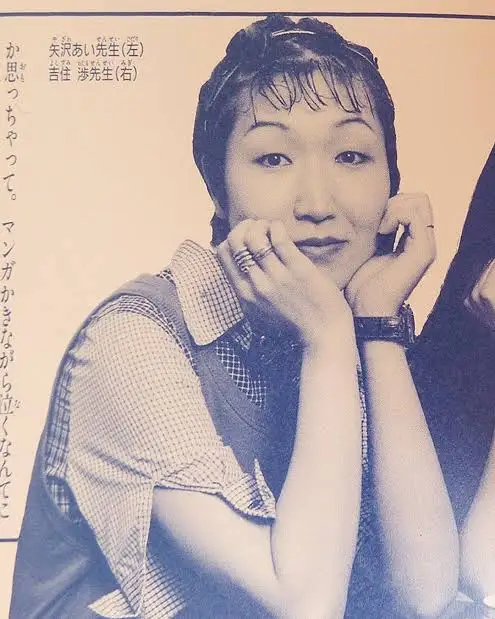
Ai Yazawa
Discover the life and enduring legacy of Ai Yazawa, one of manga's greatest storytellers, whose series Nana changed what shōjo manga could be — and whose hiatus became one of the industry's most followed stories.
Notable Works:
- • Nana
- • Paradise Kiss
- + 2 more

Aka Akasaka
Aka Akasaka is a highly accomplished Japanese manga writer known for genre mastery across romantic comedy and dark drama. His works Kaguya-sama: Love Is War and Oshi no Ko have achieved massive commercial and critical success, with Kaguya-sama selling over 22 million copies worldwide. Akasaka is celebrated for subverting genre conventions, creating complex psychological narratives, and exploring moral ambiguity in compelling storytelling.
Notable Works:
- • Kaguya-sama: Love Is War
- • Oshi no Ko
Akira Toriyama
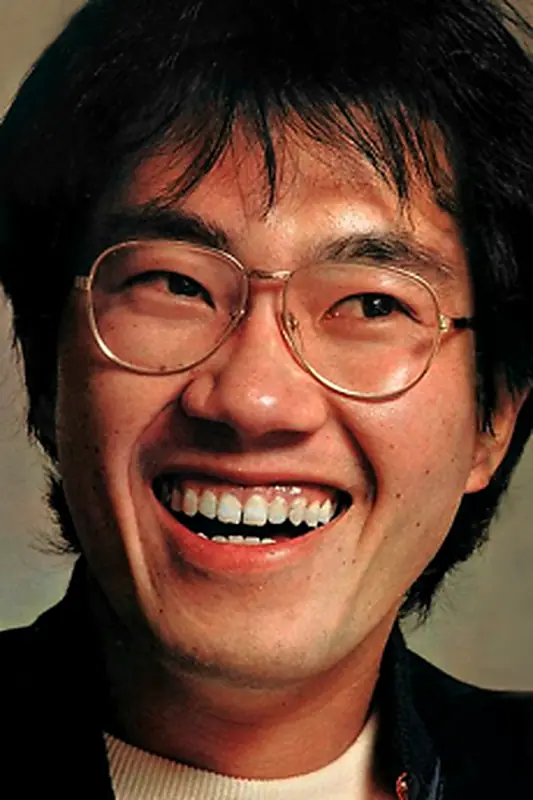
Explore Akira Toriyama's revolutionary career: creator of Dragon Ball, Dr. Slump, and iconic manga. Learn about his artistic genius, influence, and legacy in manga history.
Notable Works:
- • Dragon Ball
- • Dragon Ball Z
- + 3 more

CLAMP
Discover CLAMP, the iconic collective of four talented female manga artists. Explore their revolutionary works from Cardcaptor Sakura to xxxHolic and their lasting industry impact.
Notable Works:
- • Cardcaptor Sakura
- • xxxHolic
- + 4 more