Tatsuya Endo
Tatsuya Endo, creator of the globally phenomenal Spy×Family manga, revolutionized action comedy through character-driven narratives and family dynamics. Discover his artistic vision and cultural impact.
Early Life
Tatsuya Endo was born on July 23, 1980, in Japan during a period characterized by significant manga industry diversification and experimentation. The 1980s represented an era when manga genres had expanded substantially beyond traditional categories, incorporating elements from Western comics, cinematic traditions, and increasingly sophisticated narrative structures. Growing up during this dynamic period exposed young Endo to diverse storytelling traditions and artistic approaches.
From childhood, Endo demonstrated artistic talent with particular affinity for character design and facial expression depiction. Unlike some young manga artists whose strengths centered on action sequences or environmental detail, Endo’s early artistic focus emphasized character psychology, emotional communication, and subtle expression nuance. His early drawings revealed an intuitive understanding of how character design and expression could communicate personality and emotional states.
Endo’s formative artistic influences included not only manga but also Western animation, cinema, and comic traditions. This cross-media exposure provided diverse reference material and compositional approaches that would eventually distinguish his mature artistic work. His appreciation for comedic timing and character-driven storytelling emerged early in his artistic development, reflecting exposure to diverse entertainment traditions beyond manga’s conventional scope.
The young Endo was particularly interested in how visual media could communicate humor through subtle expression changes and character interaction dynamics. Rather than depending on exaggerated physical comedy or obvious comedic devices, he developed appreciation for comedic approaches relying on character psychology, unexpected narrative juxtapositions, and sophisticated comedic timing achieved through panel composition and pacing.
Career and Notable Works
Tatsuya Endo’s professional manga career commenced in 2000, positioning him to benefit from manga industry’s continuing evolution and technological advancement. His early works demonstrated character design competence and narrative promise, though his reputation would be substantially elevated through subsequent series, particularly Spy×Family.
Early Works and Artistic Development
During his early career period, Endo worked on various manga series including “Tista” and “Blade of the Moon Princess.” While these works did not achieve mainstream commercial prominence, they served crucial functions in developing Endo’s artistic voice and narrative sensibilities. Tista, a action-comedy series with science fiction elements, demonstrated his developing ability to balance action sequences with comedic character interaction and emotional character development. The series showcased technical competence across multiple genre elements simultaneously.
“Blade of the Moon Princess,” a fantasy action manga, showcased Endo’s capacity for creating detailed fantasy worldbuilding while maintaining character-focused narrative emphasis. These early series established foundational technical skills and narrative approaches that would be refined and synthesized in subsequent work. The experimental nature of these works allowed Endo to explore diverse narrative approaches without the commercial pressures that would characterize his later career.
Spy×Family: The Global Phenomenon
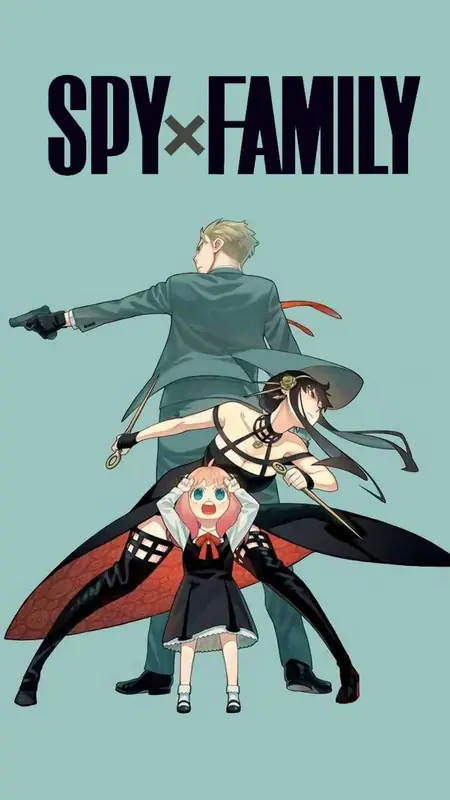
“Spy×Family,” which began serialization in 2019, represented the culmination of Endo’s artistic development and emerged as a phenomenon achieving unprecedented international success. The manga follows an unusual family: Loid Forger (a professional spy), Yor Briar (an assassin), and Anya Forger (a young girl with psychic abilities), who form a unconventional family each hiding their true occupations from one another. The premise’s fundamental irony—that a family formed through coincidence and mutual deception becomes genuinely bonded—provides both comedic and emotional narrative foundation.
Rather than employing the family formation as mere narrative framework, Endo centered the series thematically on family dynamics, emotional connection, and the psychological impact of deception within intimate relationships. While the series features spy action sequences and comedic situations, its emotional core derives from the characters’ gradual development of genuine affection despite foundational deceptions. This thematic emphasis on authentic emotional connection resonates profoundly with contemporary audiences emphasizing emotional authenticity and family redefinition.
Spy×Family’s structure balances multiple narrative threads and tonal registers effectively. Action sequences involving espionage and combat coexist with intimate domestic comedy exploring family dynamics. This tonal variety, while challenging to execute, becomes one of the series’ defining strengths, allowing readers emotional investment across multiple narrative registers.
The manga’s international success proved unprecedented for contemporary manga. Spy×Family achieved mainstream cultural penetration in Western markets at levels typically reserved for long-established franchises. This success validated contemporary manga’s global appeal and demonstrated that character-driven action-comedy narratives possessed cross-cultural narrative resonance.
Endo’s depiction of family relationships demonstrates psychological sophistication and emotional authenticity. Rather than presenting idealized family dynamics, he explores the complexity of familial connections formed through circumstance rather than biological relation. The gradual development of genuine affection between characters despite foundational deceptions creates emotional authenticity that resonates with diverse audiences.
The character designs in Spy×Family prove particularly effective. Endo’s ability to communicate personality and emotional states through subtle expression variation and body language becomes crucial in a narrative where much comedy derives from character interaction and unspoken emotional communication. Each character possesses distinctive visual identity clearly communicating personality and psychological characteristics.
Spy×Family’s success generated multiple anime adaptations, theatrical films, merchandise, and various ancillary media. The franchise’s global expansion demonstrated that manga-original intellectual properties could compete with established franchises for international audience attention and commercial success.
Artistic Style
Tatsuya Endo’s artistic approach emphasizes character design sophistication, emotional expression clarity, and comedic timing achieved through compositional and pacing choices. His character designs possess distinctive visual identity while maintaining realistic human proportions and anatomical accuracy. Unlike highly stylized manga designs, Endo’s approach creates characters who feel psychologically coherent and emotionally authentic. The consistency of character design across extensive serialization demonstrates meticulous attention to visual continuity.
His particular strength lies in facial expression depiction. Endo employs subtle variations in eye positioning, eyebrow configuration, and mouth shape to communicate complex emotional states. These expressions frequently convey multiple simultaneous emotions—conflicting feelings, suppressed reactions, underlying affection beneath surface antagonism—creating psychological depth through visual communication. His understanding of how micro-expressions communicate emotional states demonstrates sophisticated observation of human psychology.
His panel composition and layout demonstrate sophisticated understanding of comedic timing and pacing. Comedic effectiveness frequently depends on unexpected juxtaposition, timing delays, and careful panel arrangement that controls reader expectations and pacing. Endo manipulates these elements expertly, creating humor that derives from narrative surprise and character interaction rather than exaggerated physical comedy. His comedic approach proves particularly sophisticated, requiring reader engagement and narrative comprehension to appreciate comedic subtlety.
The artist’s approach to action sequences combines clarity with dynamic energy while maintaining emphasis on character psychology. Rather than overwhelming readers with excessive action detail, Endo prioritizes comprehension and character emotional response, using action sequences to develop character relationships and advance emotional narratives. His action compositions remain readable while maintaining excitement through character-focused approach.
His use of backgrounds and environmental detail demonstrates balance between detailed rendering and compositional focus. Backgrounds contain sufficient detail to establish locations convincingly without overwhelming character-centered narrative focus. This balanced approach maintains visual interest while prioritizing character interaction and emotional communication. His environmental work creates cohesive, believable story settings without distraction from character-centric narratives.
Endo’s line work demonstrates confidence and economy of expression. Rather than employing excessive detail or dramatic line variation, his approach achieves visual sophistication through careful line placement and compositional arrangement. This restrained technical approach contributes to the clarity and accessibility characteristic of his work. His restraint demonstrates mature artistic confidence, with visual impact achieved through careful selection rather than excessive elaboration.
Legacy and Influence
Tatsuya Endo’s impact on contemporary manga, while not as historically extensive as some predecessors, proves particularly significant for understanding current industry directions and international market dynamics. Spy×Family’s unprecedented global success demonstrated that character-driven, emotion-focused narratives could achieve mainstream international popularity alongside action-oriented adventure series. This success challenged industry assumptions about narrative requirements for global commercial success.
His approach to combining action sequences with character-centered comedy influenced how subsequent manga creators conceptualize genre blending and tonal variation. Endo’s demonstration that sophisticated emotional narratives and action excitement could coexist productively encouraged other creators to experiment with similar tonal synthesis. His work validated comedic narratives as equally viable as action-centric ones for achieving mainstream success.
The creator’s emphasis on character design and emotional expression as primary vehicles for narrative communication influenced contemporary manga aesthetics. His work demonstrated that exceptional technical artistry could derive from character design precision and expression sophistication rather than exclusively from action sequence dynamism or environmental detail. His approach influenced younger artists to prioritize character psychology alongside technical illustration skills.
Endo’s international success, particularly Spy×Family’s global phenomenon status, contributed significantly to contemporary understanding of manga’s global market potential. His work provided evidence that contemporary manga created without dependence on established franchises or nostalgia could achieve unprecedented mainstream international success. The franchise demonstrated manga’s capacity for generating international appeal through sophisticated character development and family-focused narratives transcending cultural boundaries.
The artist’s professional development of female action characters (Yor Briar as assassin protagonist, Anya as psychic child character) contributed to evolving representations of women in action narratives. His character designs and narrative treatment demonstrated sophisticated approaches to female action characters while maintaining psychological authenticity and avoiding stereotypical presentation. His representations challenged prevailing gender conventions in action narratives.
Endo’s continued activity in manga industry ensures his influence remains contemporary and applicable. His demonstration of character-centered narrative approaches and sophisticated comedic-action synthesis continues shaping emerging creator approaches to manga narrative construction. His mentorship influence extends beyond immediate publication into broader creative communities.
The success of Spy×Family’s various adaptations and ancillary media demonstrated the commercial viability of manga adaptations in contemporary media landscape, contributing to industry-wide investments in manga adaptation and internationalization. Endo’s work essentially validated manga as source material for global entertainment franchises, influencing strategic decisions throughout entertainment industry. The franchise’s sustained success across multiple media platforms established sustainable models for manga adaptation strategy.
Tatsuya Endo remains actively engaged in manga creation, with Spy×Family continuing serialization and ancillary projects ongoing. His continued prominence in contemporary manga discourse ensures his influence remains substantial and applicable to contemporary and emerging creators navigating manga industry’s increasingly international and digitally-connected landscape. His ongoing work maintains Spy×Family’s momentum while ensuring sustained cultural relevance.
FAQ: Tatsuya Endo
Other Mangakas You May Like
All mangakas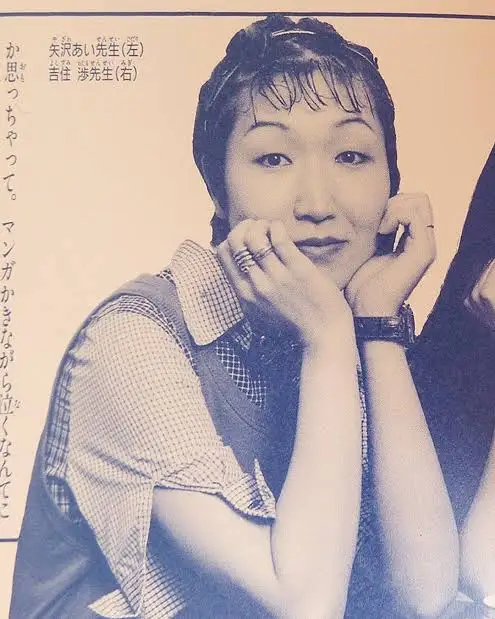
Ai Yazawa
Discover the life and enduring legacy of Ai Yazawa, one of manga's greatest storytellers, whose series Nana changed what shōjo manga could be — and whose hiatus became one of the industry's most followed stories.
Notable Works:
- • Nana
- • Paradise Kiss
- + 2 more

Aka Akasaka
Aka Akasaka is a highly accomplished Japanese manga writer known for genre mastery across romantic comedy and dark drama. His works Kaguya-sama: Love Is War and Oshi no Ko have achieved massive commercial and critical success, with Kaguya-sama selling over 22 million copies worldwide. Akasaka is celebrated for subverting genre conventions, creating complex psychological narratives, and exploring moral ambiguity in compelling storytelling.
Notable Works:
- • Kaguya-sama: Love Is War
- • Oshi no Ko
Akira Toriyama
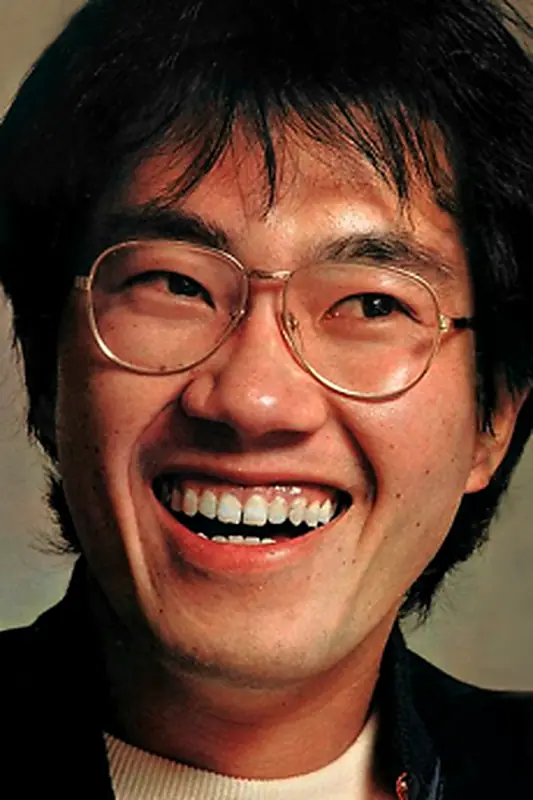
Explore Akira Toriyama's revolutionary career: creator of Dragon Ball, Dr. Slump, and iconic manga. Learn about his artistic genius, influence, and legacy in manga history.
Notable Works:
- • Dragon Ball
- • Dragon Ball Z
- + 3 more

CLAMP
Discover CLAMP, the iconic collective of four talented female manga artists. Explore their revolutionary works from Cardcaptor Sakura to xxxHolic and their lasting industry impact.
Notable Works:
- • Cardcaptor Sakura
- • xxxHolic
- + 4 more