Takehiko Inoue
Takehiko Inoue, legendary creator of Slam Dunk and Vagabond, revolutionized manga with hyper-realistic sports and historical narratives. Discover his artistic legacy and impact on Japanese comics.
Early Life
Takehiko Inoue was born on January 12, 1967, in Okinawa, Japan, a prefecture known for its unique cultural heritage and natural beauty. Growing up in this tropical island region exposed young Inoue to diverse influences that would later manifest in his distinctive artistic approach. From an early age, Inoue demonstrated a natural affinity for drawing and visual storytelling, skills that would eventually establish him as one of the most influential mangaka in the entire industry.
During his formative years, Inoue was captivated by the medium of manga and the potential it held for artistic expression and narrative depth. Unlike many of his contemporaries who were drawn to manga for escapism or entertainment alone, Inoue approached the medium with the mindset of a serious artist intent on pushing its boundaries. He studied anatomy, perspective, and composition with meticulous dedication, understanding that mastery of these fundamentals would be essential to his success.
Inoue’s early education in Okinawa provided him with a unique perspective on Japanese culture and society. The relative isolation of island life allowed him to develop his artistic vision without the same pressures that young artists in major metropolitan areas might experience. When he eventually relocated to pursue his manga career seriously, he brought with him the discipline and independent thinking that his Okinawan upbringing had instilled in him.
The 1980s were formative years for young manga artists in Japan, with the industry experiencing rapid expansion and experimentation. Inoue entered this dynamic landscape at an ideal moment, possessed with both technical skill and an innovative mindset that would set him apart from his peers.
Career and Notable Works
Takehiko Inoue’s professional manga career officially began in 1988, launching him into an industry that was undergoing significant transformation. His early works demonstrated exceptional technical ability and a willingness to tackle subjects that other mangaka often overlooked or treated superficially. Unlike the fantasy-dominated landscape of much 1980s manga, Inoue was interested in exploring real-world scenarios with unprecedented visual detail and narrative complexity.
Slam Dunk: The Revolutionary Sports Manga
The true turning point in Inoue’s career came in 1990 with the serialization of “Slam Dunk” in Weekly Shonen Jump, one of Japan’s most prestigious manga publications. This basketball-focused manga did not merely introduce sports as a subject matter to mainstream shonen manga; it fundamentally revolutionized how sports could be depicted in the medium. Slam Dunk ran for 96 chapters across four years, captivating millions of readers worldwide and establishing basketball as a legitimate and exciting manga narrative framework.
What distinguished Slam Dunk from earlier sports manga was Inoue’s obsessive attention to realistic detail. He studied actual basketball gameplay, interviewed professional players, attended games, and consulted with sports specialists to ensure that the basketball sequences in his manga were anatomically and tactically accurate. The basketball movements depicted in Slam Dunk were not exaggerated or fantastical but grounded in actual athletic possibility. This commitment to realism created an unprecedented level of immersion and authenticity that resonated with readers.
The manga’s success transcended traditional manga readership boundaries. Slam Dunk’s popularity contributed to a genuine spike in basketball participation among Japanese youth during the 1990s, with community centers reporting increased basketball court bookings. The series sold over 100 million copies globally, making it one of the best-selling manga of all time. It spawned multiple anime adaptations, films, merchandise, and a recent theatrical movie that demonstrated the franchise’s enduring popularity decades after its original serialization.
Vagabond: Historical Epic and Artistic Mastery
Following Slam Dunk’s conclusion, Inoue spent time developing his next major work, which would showcase even greater artistic ambition. “Vagabond,” serialized from 1998 onwards, represented a quantum leap in Inoue’s artistic maturity and thematic scope. Adapting Eiji Yoshikawa’s acclaimed novel “Musashi,” Vagabond transformed the historical samurai narrative into a visually stunning and philosophically profound manga experience.
Vagabond’s artwork stands as some of the most technically accomplished and visually striking work in manga history. Inoue’s depiction of samurai combat, landscapes, and human emotion demonstrates mastery of composition, shading, and perspective that rivals traditional fine art. The manga employs extensive use of white space, ink wash techniques, and dynamic panel layouts that create a cinematic quality rarely achieved in the medium.
The series explores themes of spiritual growth, martial philosophy, personal struggle, and the search for meaning through combat. Rather than glorifying violence, Inoue presents swordsmanship as a path toward self-discovery and enlightenment. The manga’s pacing deliberately slows at crucial moments, allowing readers to contemplate the philosophical implications of characters’ choices and transformations.
Real: Contemporary Social Commentary
“Real,” serialized from 2008 onwards, demonstrates Inoue’s continued evolution as a storyteller. This wheelchair basketball manga combines Inoue’s signature hyper-realistic art style with contemporary social issues including disability, prejudice, and personal redemption. The work showcases Inoue’s ability to create emotionally resonant narratives that address real societal challenges while maintaining compelling sports action sequences.
The narrative follows three protagonists—Tomomi Nomiya, Daichi Tsukioka, and Kiyoshi Aoki—each discovering wheelchair basketball through different circumstances. Rather than presenting disability as primarily tragic or inspirational, Inoue portrays wheelchair basketball athletes as serious competitors whose stories encompass personal complexity, aspirational achievement, and legitimate competitive passion. The manga addresses societal prejudices and accessibility challenges while maintaining the narrative sophistication that characterizes Inoue’s mature work.
Real’s reception demonstrated that Inoue’s ability to find compelling narratives in athletic competition remained undiminished in the 2000s. While achieving less mainstream recognition than Slam Dunk, Real has garnered dedicated readership and critical appreciation for its handling of sensitive social issues combined with authentic sports depiction.
Artistic Style
Takehiko Inoue’s artistic approach fundamentally distinguishes him within the manga landscape. His methodology emphasizes anatomical accuracy, environmental detail, and the careful study of real-world reference materials. Before undertaking any major work, Inoue conducts extensive research, often spending months studying the specific subject matter he intends to depict. This research methodology extends beyond simple visual documentation; Inoue physically participates in activities he depicts, developing intuitive understanding of movement, physical sensation, and athletic psychology.
In terms of visual technique, Inoue employs a sophisticated use of perspective and shading that creates three-dimensional depth within the two-dimensional manga format. His characters possess a lifelike quality, with proportions and anatomy reflecting actual human structure rather than the stylized conventions typical of manga. Facial expressions convey genuine emotion through subtle variations in eye positioning, eyebrow shape, and mouth configuration. The precision of his character rendering requires extraordinary technical discipline, with each panel representing significant time investment in achieving anatomical accuracy.
Inoue’s panel composition demonstrates mastery of visual storytelling. He uses panel size, shape, and arrangement to control pacing and emphasize emotional beats within narratives. Action sequences flow naturally across pages, with dynamic angles and motion lines creating a sense of movement and energy that engages readers viscerally. His understanding of sequential art’s temporal dimension allows him to compress or expand perceived duration through careful compositional choices, manipulating reader experience of narrative time.
The artist’s use of ink wash and grayscale toning adds considerable visual sophistication to his work. Rather than relying solely on line work, Inoue employs tonal variation to create atmosphere, indicate lighting conditions, and emphasize emotional resonance. His application of these techniques elevates manga beyond simple line-based illustration into more complex visual art. The ink wash techniques employed particularly in Vagabond demonstrate mastery comparable to traditional Japanese painting practices, utilizing negative space and minimalist approaches to convey profound visual and emotional impact.
Legacy and Influence
Takehiko Inoue’s impact on manga and Japanese popular culture extends far beyond his immediate creations. Slam Dunk’s success demonstrated to the manga industry that sports narratives could appeal to massive audiences and achieve commercial success comparable to fantasy and action-oriented stories. This success opened the pathway for numerous subsequent sports manga, establishing the genre as a legitimate and commercially viable category. Before Slam Dunk, sports manga occupied a specialized niche; after its phenomenon status, major publishers recognized sports narratives as potentially blockbuster-level properties warranting significant resources and marketing investment.
His artistic innovations, particularly the emphasis on realistic anatomy and environmental detail, influenced an entire generation of aspiring mangaka. Many contemporary artists studying manga technique look to Inoue’s work as foundational examples of how to achieve visual realism within the medium’s constraints. His demonstration that manga’s technical limitations need not prevent sophisticated visual accomplishment inspired numerous artists to pursue greater anatomical accuracy and environmental sophistication.
Inoue’s philosophical approach to storytelling—emphasizing character development, internal struggle, and personal growth over pure action spectacle—elevated the thematic sophistication available within manga. His works demonstrated that manga could address complex philosophical questions and social issues while maintaining mainstream commercial appeal. The emotional depth of his narratives proved that popular success need not require sacrifice of artistic integrity or narrative complexity.
The creator’s meticulous research methodology established a new standard for sports manga authenticity. Following Inoue’s example, subsequent sports manga creators began conducting similar extensive research, consulting with professional athletes and specialists to ensure their work reflected actual competitive dynamics. This research-oriented approach contributed to elevating manga’s overall credibility and technical sophistication across the entire industry.
Takehiko Inoue remains active in the manga industry, continuing to create new works and mentor younger artists. His influence on contemporary manga, anime adaptation practices, and Japanese sports culture remains substantial and continuously growing as new generations discover his creations. His recent participation in commemorative Slam Dunk projects and ongoing Real serialization ensure his continued industry relevance. The 2022 Slam Dunk theatrical film, which achieved major commercial success, demonstrated that Inoue’s creations continue attracting substantial audience interest decades after original serialization. His legacy as one of manga’s most influential creative forces continues expanding with each new generation’s discovery of his revolutionary works.
FAQ: Takehiko Inoue
Other Mangakas You May Like
All mangakas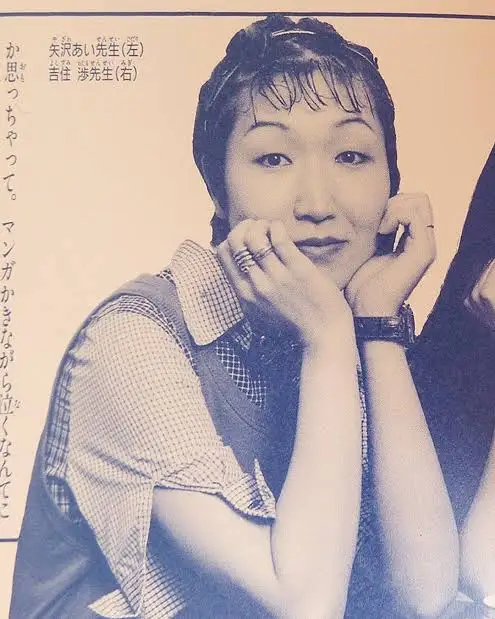
Ai Yazawa
Discover the life and enduring legacy of Ai Yazawa, one of manga's greatest storytellers, whose series Nana changed what shōjo manga could be — and whose hiatus became one of the industry's most followed stories.
Notable Works:
- • Nana
- • Paradise Kiss
- + 2 more
Aka Akasaka
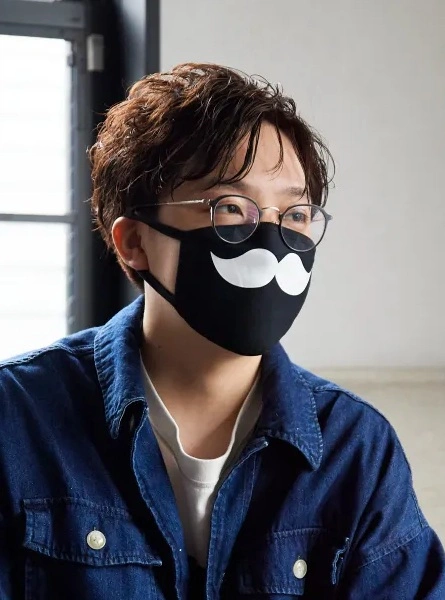
Aka Akasaka is a highly accomplished Japanese manga writer known for genre mastery across romantic comedy and dark drama. His works Kaguya-sama: Love Is War and Oshi no Ko have achieved massive commercial and critical success, with Kaguya-sama selling over 22 million copies worldwide. Akasaka is celebrated for subverting genre conventions, creating complex psychological narratives, and exploring moral ambiguity in compelling storytelling.
Notable Works:
- • Kaguya-sama: Love Is War
- • Oshi no Ko
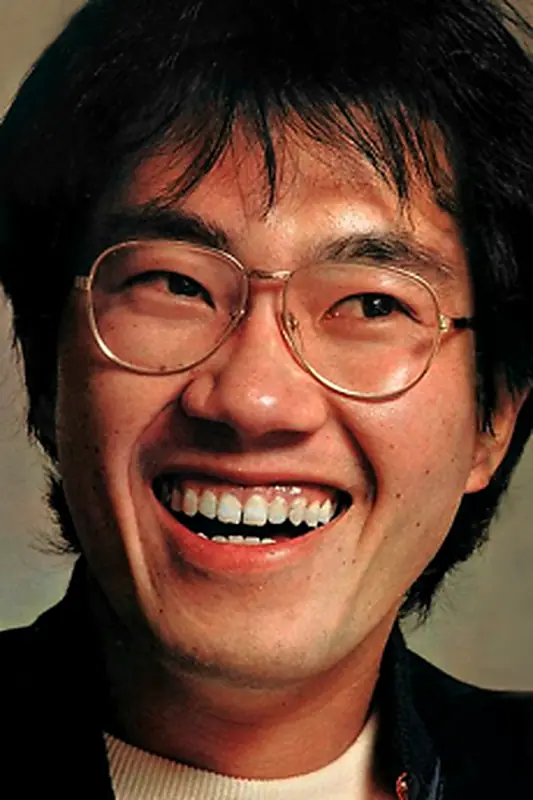
Akira Toriyama
Explore Akira Toriyama's revolutionary career: creator of Dragon Ball, Dr. Slump, and iconic manga. Learn about his artistic genius, influence, and legacy in manga history.
Notable Works:
- • Dragon Ball
- • Dragon Ball Z
- + 3 more
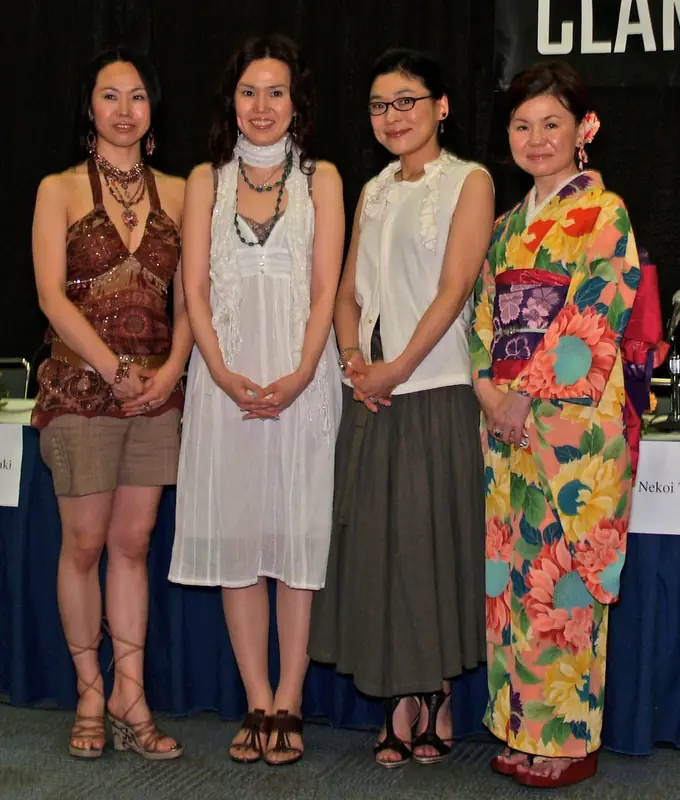
CLAMP
Discover CLAMP, the iconic collective of four talented female manga artists. Explore their revolutionary works from Cardcaptor Sakura to xxxHolic and their lasting industry impact.
Notable Works:
- • Cardcaptor Sakura
- • xxxHolic
- + 4 more
Related Articles
All articles
Dragon Ball Daima: Complete Guide to Toriyama's Final Masterpiece (2025)
Everything you need to know about Dragon Ball Daima — Toriyama's final work. Plot summary, characters, Demon Realm lore, all 20 episodes reviewed.
Jujutsu Kaisen Manga Ending Explained: What Really Happened
Complete breakdown of Jujutsu Kaisen's controversial ending. Sukuna's death, Yuji's future, Gojo's fate, and what Modulo means for the series.
From Manga to Anime: How the Adaptation Process Really Works
Understand how manga becomes anime. Learn about studio selection, series composition, pacing decisions, filler arcs, and why some adaptations succeed while others fail.