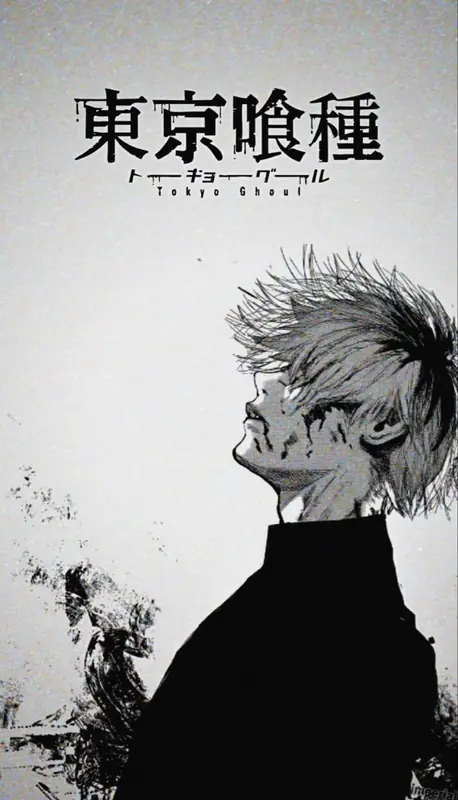
Sui Ishida
Sui Ishida is a Japanese manga artist best known as the creator of Tokyo Ghoul, one of the most popular dark fantasy seinen manga series of the 2010s.
Early Life
Sui Ishida was born on December 28, 1986, in Fukuoka Prefecture, Japan. Growing up during the manga boom of the 1990s, Ishida was deeply influenced by the diverse manga landscape that dominated Japanese popular culture. His childhood fascination with storytelling and visual arts shaped his eventual career path as one of the most distinctive voices in contemporary manga.
Little is publicly known about Ishida’s formative years, as he has maintained a relatively private personal life despite his massive professional success. However, it is evident from his work that he developed a sophisticated understanding of narrative complexity, psychological depth, and visual composition during his early years. This foundation would later distinguish his work from his contemporaries and establish him as a unique voice in the seinen manga demographic, which traditionally targets adult male readers but has expanded to include a much broader audience.
Ishida’s entry into the professional manga world came after years of refining his craft. Before the publication of Tokyo Ghoul, he had been developing his artistic abilities and understanding of what makes manga narratives compelling. His evolution as an artist demonstrates a commitment to pushing the boundaries of conventional storytelling and exploring darker, more introspective themes within the manga medium.
Career and Notable Works
Early Career and Path to Success
Sui Ishida’s professional manga career began in earnest in the late 2000s, though his breakthrough would not come until he created Tokyo Ghoul. His early works showed promise and demonstrated his growing mastery of the medium, but it was Tokyo Ghoul that would establish him as a major figure in contemporary manga.
Tokyo Ghoul: The Definitive Breakthrough
Tokyo Ghoul, serialized in Weekly Young Jump from 2011 to 2014, became a cultural phenomenon that transcended the manga industry. The series introduced readers to Kaneki Ken, an ordinary college student who becomes caught between two worlds after a tragic encounter transforms him into a half-ghoul. This premise served as the foundation for a complex exploration of identity, morality, power, and belonging.
The series’ popularity was unprecedented for a dark fantasy work. It spawned multiple anime adaptations, live-action films, spin-off manga, light novels, and video games. Tokyo Ghoul established Ishida as a master of psychological horror and complex character development. The manga’s intricate plot structure, featuring multiple narrative perspectives and layered mysteries, showcased Ishida’s sophisticated approach to storytelling.
What distinguished Tokyo Ghoul from other action-oriented manga was its emphasis on psychological conflict over physical combat. While the series certainly featured intense battle sequences, the true drama unfolded within characters’ minds as they grappled with impossible choices, conflicting loyalties, and the search for meaning in a hostile world. This thematic depth resonated with readers across multiple demographics and helped establish a dedicated fanbase that extended far beyond traditional manga audiences.
The manga’s exploration of marginalization, institutional corruption, and the cyclical nature of violence created a narrative that felt relevant to contemporary social concerns. Characters were rarely presented as purely good or evil; instead, Ishida crafted morally ambiguous figures driven by understandable motivations even when their actions were questionable or destructive.
Tokyo Ghoul:re - Continuation and Evolution
Following the conclusion of the original Tokyo Ghoul, Ishida returned with Tokyo Ghoul:re, serialized from 2014 to 2018. This sequel was ambitious in scope and conception, introducing new protagonists while exploring the consequences of the original series’ events. Tokyo Ghoul:re demonstrated Ishida’s willingness to evolve his storytelling approach and challenge reader expectations.
Tokyo Ghoul:re introduced Sasaki Haise, a protagonist with a mysterious past, and deepened the manga’s exploration of identity through the lens of memory, consciousness, and the nature of the self. The sequel expanded the world-building introduced in the original series while maintaining the psychological intensity that defined Ishida’s approach. The manga’s later chapters became increasingly surreal and philosophically complex, exploring existential themes and the boundaries between fantasy and reality.
The sequel’s reception was more divisive than the original series, with some readers appreciating the ambitious narrative complexity while others found the pacing and tonal shifts challenging. Nevertheless, Tokyo Ghoul:re cemented Ishida’s reputation as a creator willing to take risks and pursue unconventional storytelling approaches, even when doing so meant potentially alienating portions of his audience.
Choujin X - Contemporary Work
In 2022, Ishida launched a new serialized manga titled Choujin X in Weekly Young Jump. This work marked a new chapter in Ishida’s career, demonstrating his continued relevance and creative energy as a mangaka. Choujin X presents a new story universe while maintaining thematic concerns that have defined Ishida’s work: the exploration of power, identity, corruption, and what it means to be human.
Choujin X follows characters who discover the ability to transform into powerful superhuman forms, but the series emphasizes the psychological and social consequences of such power. Rather than celebrating superhuman abilities, Ishida examines the burden, isolation, and moral complexity that accompany transformation. This thematic consistency across his major works demonstrates Ishida’s coherent artistic vision and his commitment to exploring similar existential questions through different narrative frameworks.
Artistic Style
Sui Ishida’s artistic approach combines several distinctive elements that have become his signature. His character designs are immediately recognizable, featuring expressive eyes that convey psychological states with remarkable subtlety. Even in static panels, his characters communicate complex emotional states through facial expressions and body language.
Ishida’s panel composition and use of negative space demonstrate sophisticated visual storytelling. He frequently employs unconventional page layouts that enhance emotional impact and guide reader interpretation. His use of shading and tone creates atmospheric depth, with darker sequences conveying dread and uncertainty while lighter sequences offer contrast and visual respite.
His approach to action sequences balances dynamic movement with clarity of narrative progression. Rather than overwhelming readers with excessive speed lines and motion effects, Ishida uses selective use of visual effects to emphasize pivotal moments of impact and significance. This restraint paradoxically makes his action sequences more impactful and emotionally resonant.
The influence of various artistic movements is evident in Ishida’s work. His appreciation for detailed backgrounds and environmental storytelling suggests study of realistic illustration techniques, while his expressive character work shows the influence of more stylized approaches. This synthesis creates a visual style that feels contemporary while drawing on manga traditions.
Themes and Philosophy
Sui Ishida’s work consistently explores several interconnected thematic concerns that reveal a coherent artistic philosophy. The nature of identity and the question of what constitutes the self appear across his major works. His characters frequently grapple with questions of personal agency, the influence of circumstance and society on individual development, and whether true autonomy is possible within social structures.
The concept of marginalization and the perspective of outsiders provides another consistent thematic thread. His protagonists are often those rejected by society or positioned outside normal social hierarchies. Through their perspectives, Ishida examines how institutional power operates and how marginalized individuals navigate worlds designed to exclude them. This thematic focus gives his work political dimension while maintaining focus on individual psychological experiences.
The cyclical nature of violence and revenge appears frequently in Ishida’s narratives. Rather than presenting violence as a solution to conflict, his work explores how violence perpetuates itself, creating cycles that trap individuals and communities. His characters often confront the reality that revenge and retribution rarely provide satisfaction or healing, instead generating new suffering.
Ishida’s philosophical approach reflects engagement with existentialist thought, exploring questions of meaning-making in an indifferent or hostile universe. His characters frequently struggle with meaninglessness, searching for purpose and connection in worlds that may not support such searches. This existential dimension gives his work depth beyond simple plot mechanics.
Influence and Legacy
Sui Ishida’s influence on contemporary manga extends far beyond the commercial success of Tokyo Ghoul. His work demonstrated that dark, psychologically complex narratives with morally ambiguous characters could achieve massive commercial success in mainstream manga publications. This validation influenced subsequent creators to pursue similarly ambitious and challenging storytelling approaches.
Tokyo Ghoul’s anime adaptations, particularly those directed by Shuhei Morita, brought Ishida’s vision to new audiences and created discussions about how manga narratives translate across media. The series’ popularity in international markets helped establish dark fantasy and psychological horror as viable genres in global manga fandom.
Ishida’s influence on character design and visual storytelling has been substantial. His approach to facial expression and emotional communication through visual means has become a reference point for contemporary manga artists. The sophistication of his panel compositions and page layouts has influenced how younger mangaka approach visual narrative structure.
Within the seinen manga category specifically, Ishida helped establish that this demographic was not limited to action-oriented narratives or straightforward power fantasy stories. His success with psychologically complex narratives encouraged publishers to support similarly ambitious works targeting adult readers. This expansion of seinen manga’s thematic range has created opportunities for diverse storytelling approaches.
The cultural impact of Tokyo Ghoul extends into broader popular culture. The series influenced anime and manga creators worldwide and contributed to the international rise of dark fantasy narratives in Japanese media. Characters from Tokyo Ghoul have become iconic figures in manga fandom, recognized and discussed by readers who engage with manga both casually and seriously.
Looking toward the future, Ishida’s continued serialization of new work ensures his continued relevance in the manga industry. His willingness to create new story universes while maintaining his artistic sensibility suggests his influence will continue to evolve. As a creator who achieved massive success while maintaining artistic integrity and narrative ambition, Ishida stands as an important figure in contemporary manga history.
For readers interested in exploring Ishida’s work, beginning with Tokyo Ghoul provides the most comprehensive introduction to his artistic vision and thematic preoccupations. The series’ narrative complexity rewards careful reading and invites repeated engagement. Readers seeking to understand contemporary manga and its current possibilities cannot overlook Ishida’s substantial contributions to the medium’s development.
For more information about Tokyo Ghoul and other works discussed here, visit our dedicated series page.
FAQ: Sui Ishida
Other Mangakas You May Like
All mangakas
Ai Yazawa
Discover the life and enduring legacy of Ai Yazawa, one of manga's greatest storytellers, whose series Nana changed what shōjo manga could be — and whose hiatus became one of the industry's most followed stories.
Notable Works:
- • Nana
- • Paradise Kiss
- + 2 more

Aka Akasaka
Aka Akasaka is a highly accomplished Japanese manga writer known for genre mastery across romantic comedy and dark drama. His works Kaguya-sama: Love Is War and Oshi no Ko have achieved massive commercial and critical success, with Kaguya-sama selling over 22 million copies worldwide. Akasaka is celebrated for subverting genre conventions, creating complex psychological narratives, and exploring moral ambiguity in compelling storytelling.
Notable Works:
- • Kaguya-sama: Love Is War
- • Oshi no Ko
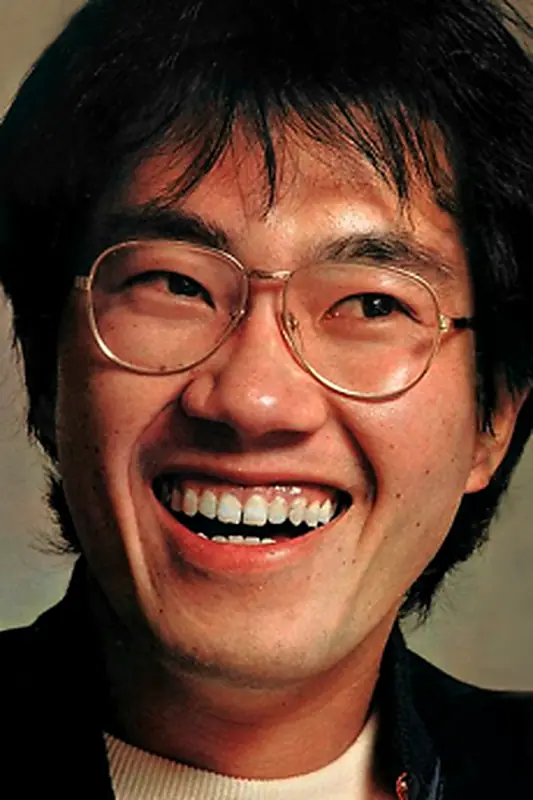
Akira Toriyama
Explore Akira Toriyama's revolutionary career: creator of Dragon Ball, Dr. Slump, and iconic manga. Learn about his artistic genius, influence, and legacy in manga history.
Notable Works:
- • Dragon Ball
- • Dragon Ball Z
- + 3 more

CLAMP
Discover CLAMP, the iconic collective of four talented female manga artists. Explore their revolutionary works from Cardcaptor Sakura to xxxHolic and their lasting industry impact.
Notable Works:
- • Cardcaptor Sakura
- • xxxHolic
- + 4 more